Most cat owners steel themselves before a vet appointment. You’ve packed the carrier, chosen the right moment to pick up your cat, and braced for the inevitable chorus of protests. The assumption is almost universal: cats hate the vet, full stop.
The reality is a bit more nuanced. Some cats – especially those that are well-socialized, regularly handled, or brought to calm, feline-friendly practices – can and do tolerate veterinary visits with something close to ease. A few even seem genuinely unbothered, curious, or relaxed from the moment they arrive. Learning to recognize those positive signals not only gives you a sense of relief, it helps you understand your cat far better than most owners do.
They Walk Out of the Carrier on Their Own Terms
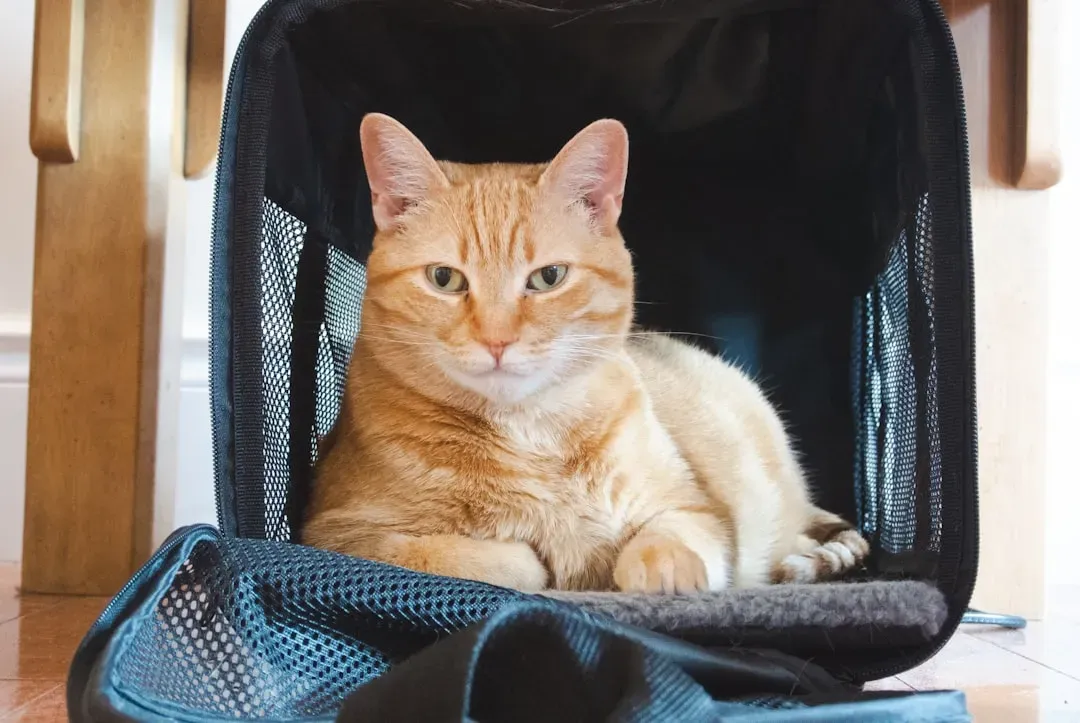
One of the clearest early signs that your cat is coping well is how they exit their carrier. A cat that steps out voluntarily, rather than being tipped out or pulled, is showing a baseline level of comfort with its environment. That willingness to move at its own pace reflects a sense of control, which is something cats value deeply.
Cats have strong attachments to places and are programmed to avoid danger. When they can’t control their environment or have their choices taken away, they tend to become hyper-vigilant and stressed. So when your cat chooses to step out calmly, it’s genuinely meaningful. It tells you the environment hasn’t triggered that fight-or-flight response, and that’s a genuinely good sign.
Their Ears Are Relaxed and Facing Forward
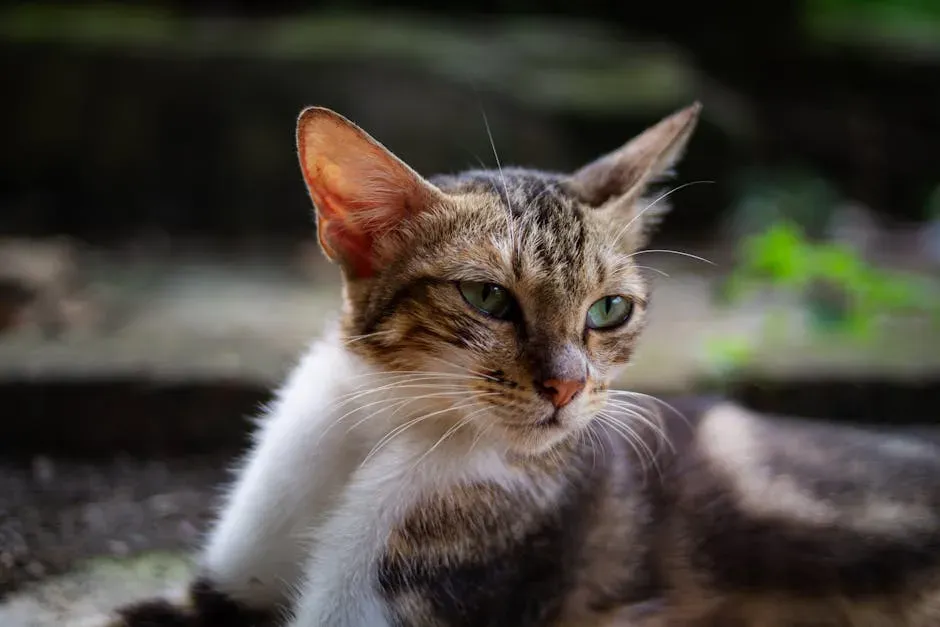
Ears that sit slightly relaxed signal a comfortable and content state in cats. At the vet’s office, ears that face forward rather than flattening sideways or pinning back to the skull are a reliable indicator that your cat is managing the experience well. It’s one of the first places stress shows up in a cat’s body, so watching the ears is one of the quickest ways to take their emotional temperature.
The more skilled you are at reading your cat’s body language, the easier it will be to identify fear, anxiety, and stress in its early stages. In a genuinely relaxed cat at the vet, ears are typically erect, pupils are a normal size to slightly dilated, and the cat may be talkative or show affection. Forward, upright ears in a quiet room are worth noticing and appreciating.
You Notice the Slow Blink
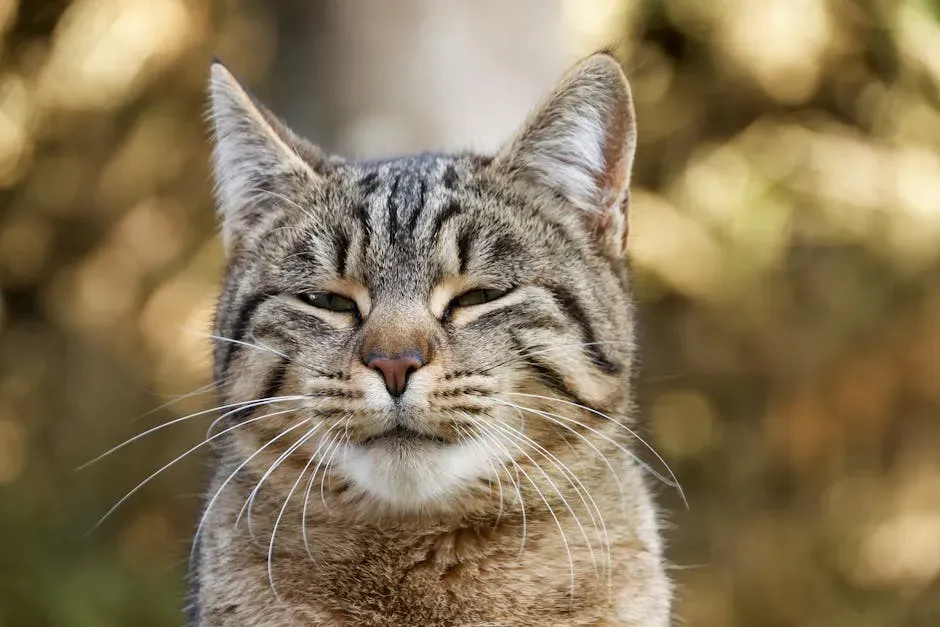
The slow blink is one of those feline behaviors that’s easy to miss if you don’t know what you’re looking for. Slow blinking in cats is a sign of trust and affection – your feline’s way of saying they feel safe with you. When your cat offers this gesture during a vet visit, directed at you or even at the veterinary team, it’s a sign they haven’t crossed into a fear state.
A slow blink is your cat’s way of communicating they feel safe, happy, and confident. The slow blink has been proven in studies to strengthen human-cat bonds. If you see it on the exam table, that moment of quiet trust is something genuinely worth recognizing. You can even return it slowly – many veterinary professionals do exactly that.
They Accept Treats Without Hesitation
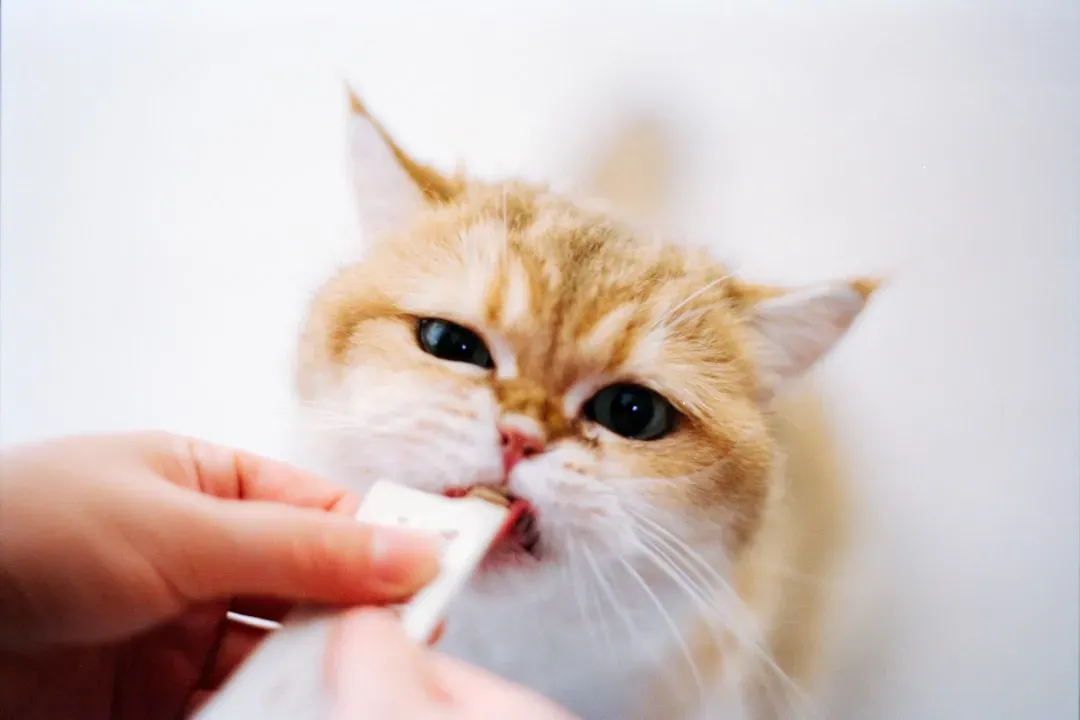
A cat that willingly eats treats during a vet appointment is sending a very clear signal. Bringing favored treats and canned food for the veterinary team to offer your cat during the examination can serve as a comforting distraction. When your cat accepts those treats readily, it means their stress response hasn’t overtaken their appetite – which is a meaningful threshold.
If your cat is too worried to eat, that in itself indicates a high level of anxiety. The reverse is equally true. A cat that sniffs around, takes treats from a stranger’s hand, and looks for more is operating from a place of reasonable calm. It doesn’t mean the visit is effortless, but it does mean your cat is functioning well within the experience rather than being overwhelmed by it.
Their Tail Stays Up or Neutral
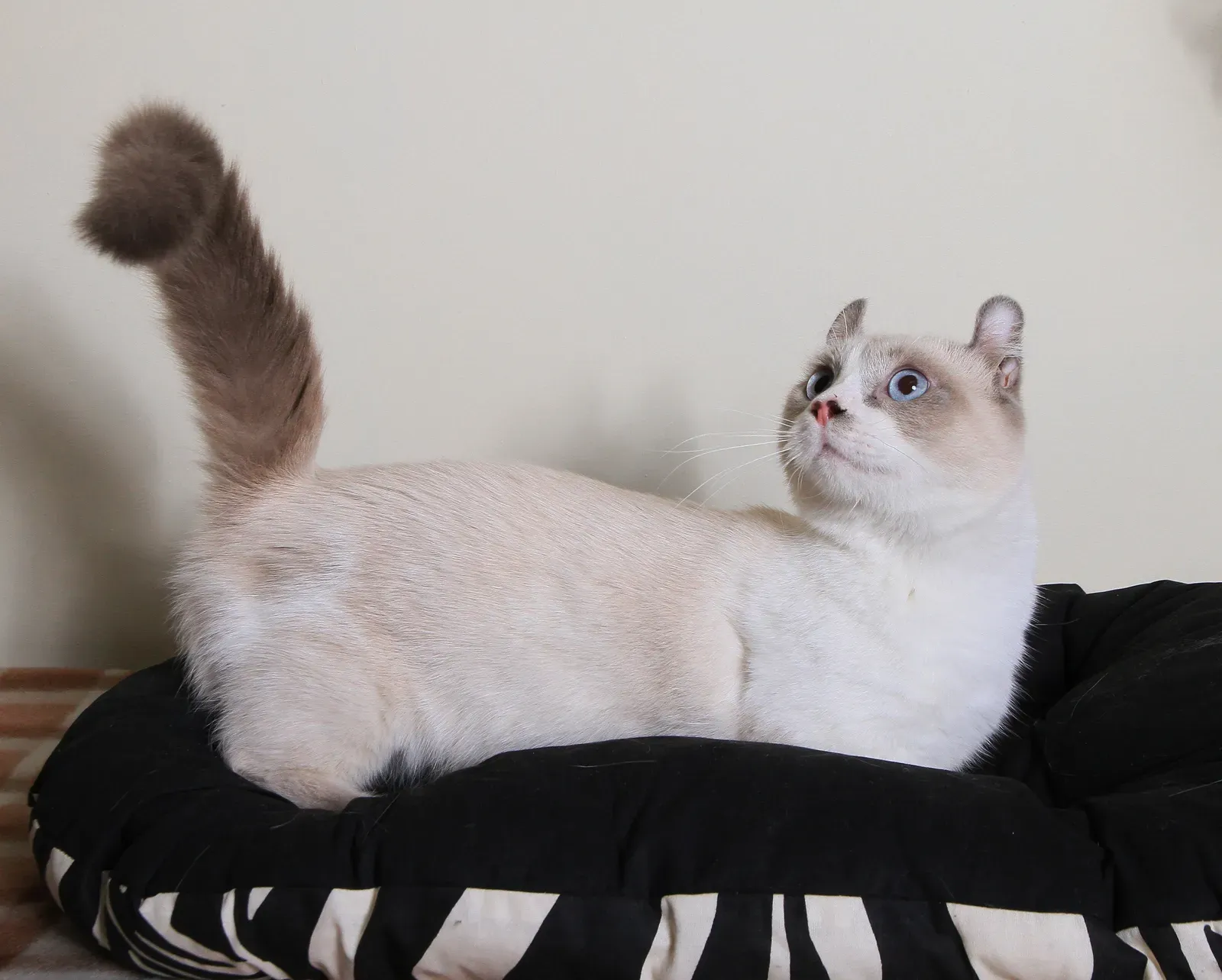
Tail position speaks volumes in cats, and it’s particularly telling in an unfamiliar environment. A tail held high indicates a confident, happy, and approachable cat. A tail held straight up suggests confidence, comfort, and friendliness, while a tail that’s slightly curved indicates a relaxed and content state. Seeing either of these during a vet visit is a genuinely positive read on your cat’s emotional state.
Contrast that with a tail tucked tightly against the body, which signals fear, or a tail swishing erratically from side to side, which tends to indicate agitation. When a cat feels relaxed, their tail will be extended, flat, and fairly still. If your cat moves around the exam table with its tail loosely upright or gently curled at the tip, you’re watching a cat that hasn’t gone into survival mode.
They Investigate the Room with Curiosity
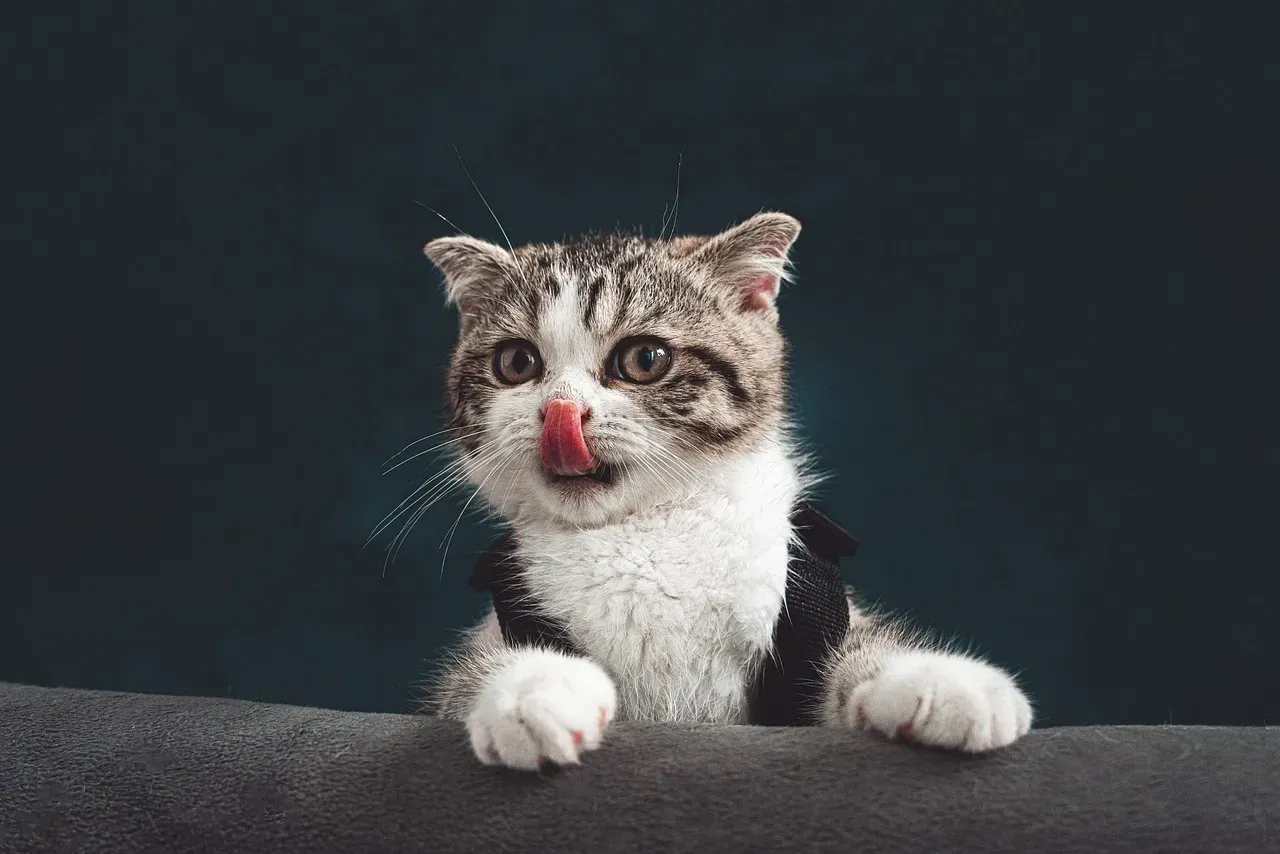
Curious exploration is one of the clearest behavioral signs that a cat is not consumed by fear. Happy cats are generally relaxed and curious about the activity around them, and cats that are comfortable with their humans often approach with their ears and tails held high, indicating a sense of comfort and confidence. When your cat sniffs the exam table edges, peers at a stethoscope, or checks out a corner of the room, that’s curiosity, not anxiety.
Because cats are creatures of habit, they often don’t do well with changes of scenery or new experiences. This is exactly why genuine curiosity in a new clinical environment stands out. A cat that investigates rather than freezes or vocalizes is demonstrating resilience. It’s a sign of good early socialization and possibly a history of low-stress vet visits that have gradually built positive associations.
They Allow Handling Without Flinching or Tensing Up
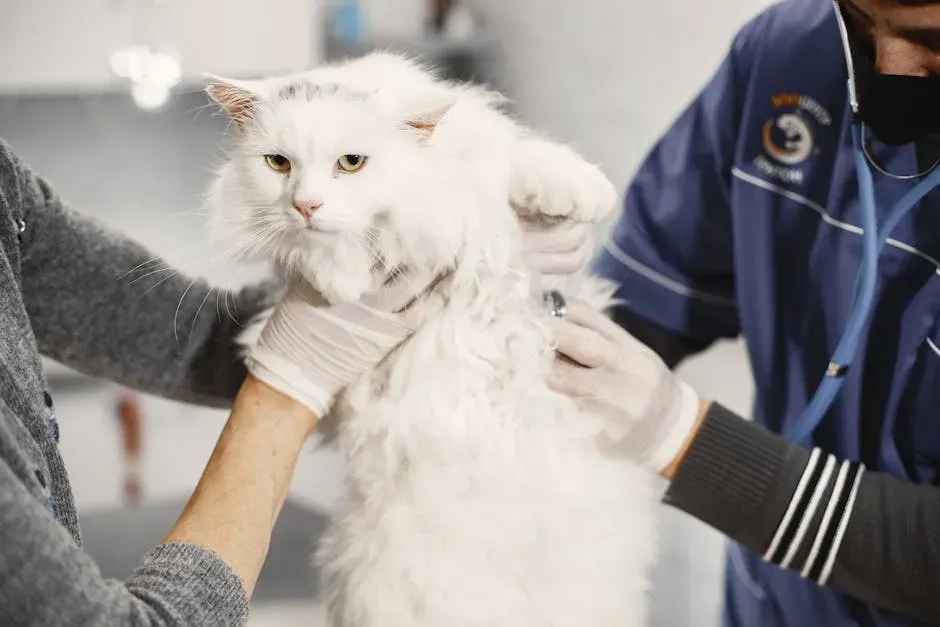
During the actual examination, the way your cat responds to being touched is one of the most telling indicators of how they’re feeling. Although humans cannot detect a cat’s chemical communication, we can learn to recognize meaning from body posturing and facial expressions, with facial expressions providing the most immediate indication of a cat’s emotions. A cat that stays soft and loose under the vet’s hands, rather than going rigid or low to the table, is coping well.
Cats who are ideal patients in a veterinary setting are often those that have been well-socialized as kittens. Genetics can also play a role in temperament. Their ears tend to be erect, their pupils normal, and they may show affection, offer a head bump, or slow blink and expect that recognition to be reciprocated – they genuinely seem to enjoy everyone in the room. If your cat leans into an examination rather than away from it, that’s a sign worth celebrating.
They Return to Their Normal Behavior Quickly at Home
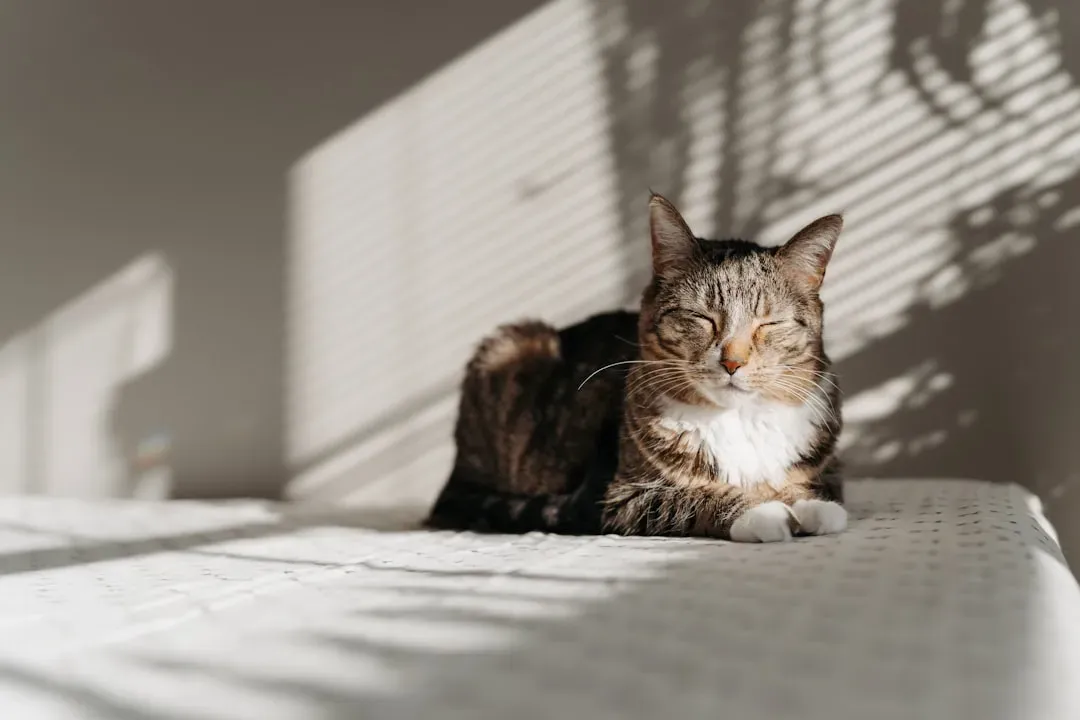
How your cat behaves once you’re back home is just as informative as what happened at the clinic. A cat that bounces back quickly – eating, grooming normally, seeking you out for interaction within a few hours – has processed the experience without lasting disruption. That recovery speed is a reliable indicator that the visit didn’t tip them into a prolonged stress state.
Stress and anxiety may cause a cat to lay low and forgo food after a vet visit. When you don’t see that pattern, when your cat is curious, relaxed, and eating normally by evening, it reflects well on how the visit went for them emotionally. Though your cat may never love riding in the car or spending time at the vet’s office, they can adjust and learn to be more accepting of the experience. A cat that resets quickly is a cat that’s on exactly that trajectory.
Conclusion
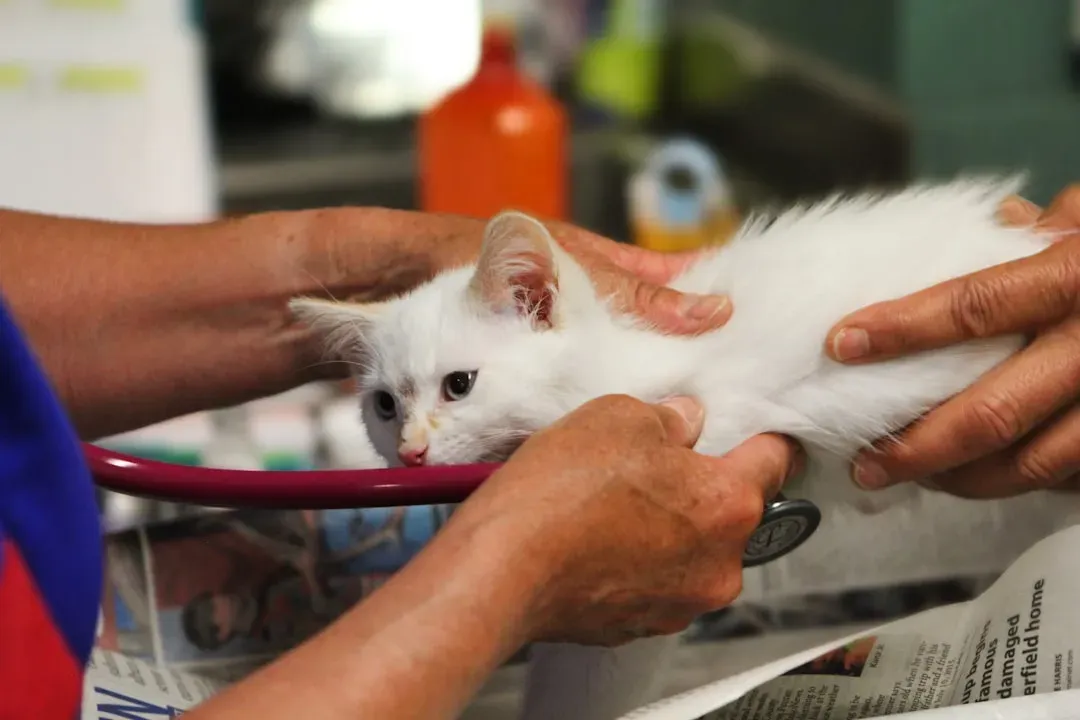
Reading a cat’s emotional state at the vet requires patience and a good eye. The signals are subtle. They’re written in ear angles, tail positions, eye softness, and whether your cat leans toward the vet’s hand or away from it. None of these signs mean your cat is thrilled about being there, but they do mean the experience is registering as manageable rather than terrifying.
The good news is that these positive signs can be actively encouraged over time. Scheduling low-pressure visits where your cat simply meets the staff, explores the space, and enjoys a few treats with no exam involved can make a real difference, and most vets are happy to accommodate these visits. The more often your cat walks away from the clinic without distress, the more those positive associations compound.
Ultimately, a calm vet visit is one of the quieter gifts you can give your cat. Paying attention to what ease actually looks like in them – rather than just bracing for the worst – puts you both in a better position every single time.
Kristina is a young writer from India. An arts graduate and an avid content creator, Kristina is passionate about animals and wildlife. She enjoys exploring topics related to pet care, animal behavior, conservation, and nature, combining thorough research with engaging storytelling.