10 Cat Breeds That May Be Happier as the Only Cat in the House
Some cats seem born to host a furry slumber party, happily sharing toys, laps, and sunbeams. Others? They look at a second cat the way you might look at a surprise roommate who never does the dishes. Not every breed truly enjoys feline company, and forcing constant togetherness can quietly chip away at a cat’s well‑being.
This does not mean these breeds are unfriendly or “bad with other cats” in every situation. Many can peacefully coexist, especially with careful introductions. But based on typical temperament, energy levels, and social style, the breeds below often thrive when they are the star of the show rather than part of an ensemble cast. If you have your heart set on one of them, it is worth asking: would this cat secretly prefer to have you all to themselves?
#1 Siamese: The Intense One‑Person Shadow
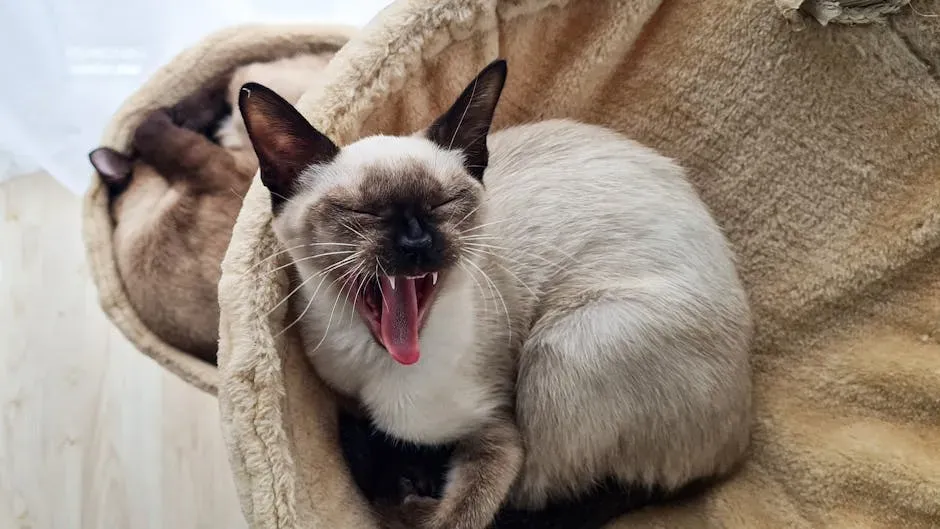
Siamese cats are famously people‑oriented, vocal, and emotionally intense. Many of them bond so deeply with their favorite human that another cat feels more like competition than comfort, especially if the other cat tries to wedge into “their” lap or interrupt playtime. In multi‑cat homes, a strongly attached Siamese can become jealous, clingy, or even more talkative in a stressed, demanding way.
Because they are highly intelligent and crave mental stimulation, a Siamese often does best when their human can focus enrichment squarely on them: interactive play, clicker training, and puzzle feeders. In that kind of setup, a single Siamese has all the social energy they need met by people, and they are often much more relaxed without the tension of negotiating territory and attention with another cat.
#2 Bengal: The High‑Voltage Athlete
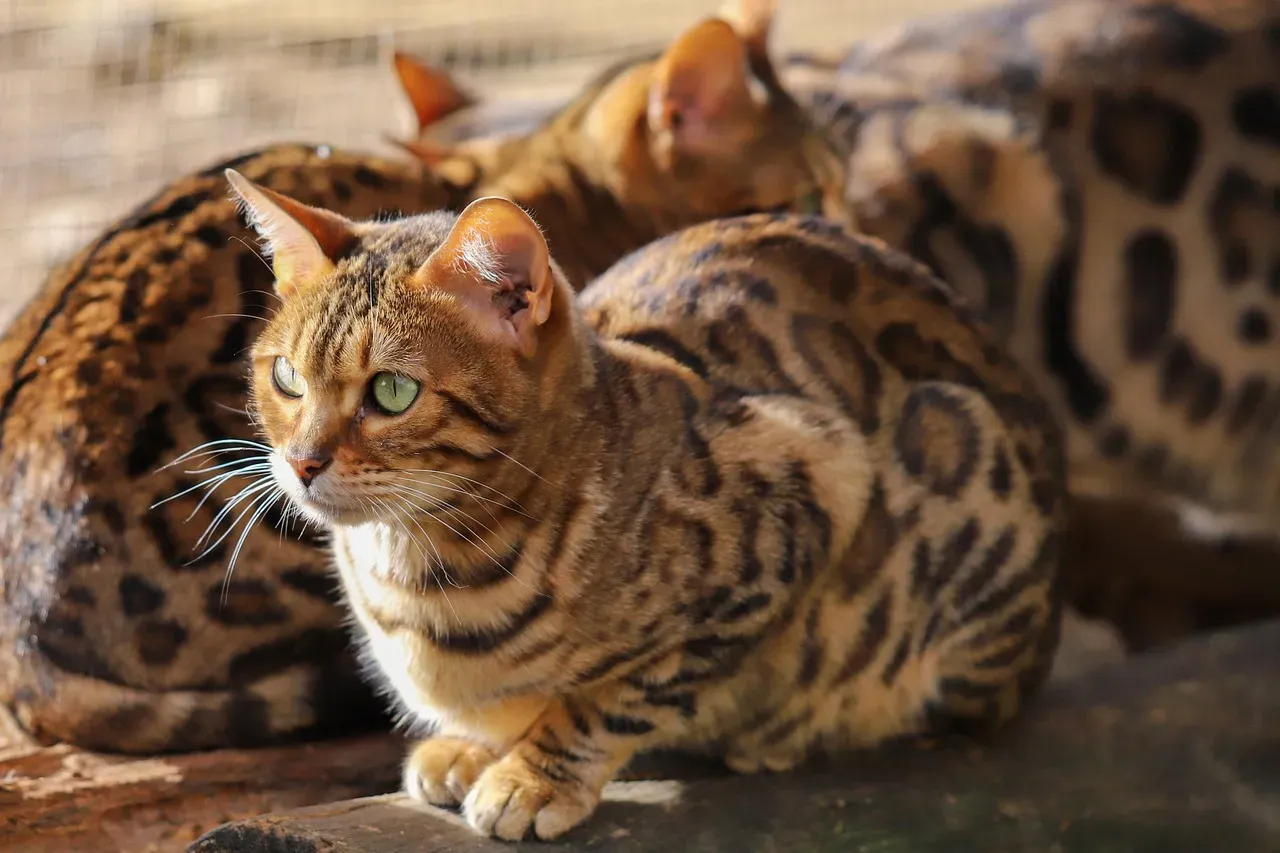
Bengals are athletic, driven, and borderline obsessive about play and territory. In theory, that energy could be great with another cat, but in practice, their intensity can overwhelm more easygoing breeds or spark rivalry over prime climbing spots and window views. They are also known to be quite confident and sometimes pushy, traits that can create friction in a multi‑cat hierarchy.
When a Bengal lives as an only cat, their human becomes the playmate, and the relationship is easier to manage because you can schedule and direct their high‑octane play sessions. Providing vertical space, structured play, and training sessions helps channel their hunting brain without constant battles over resources. Without another cat to “outcompete,” many Bengals settle into a far calmer, happier rhythm.
#3 Russian Blue: The Quiet Perfectionist
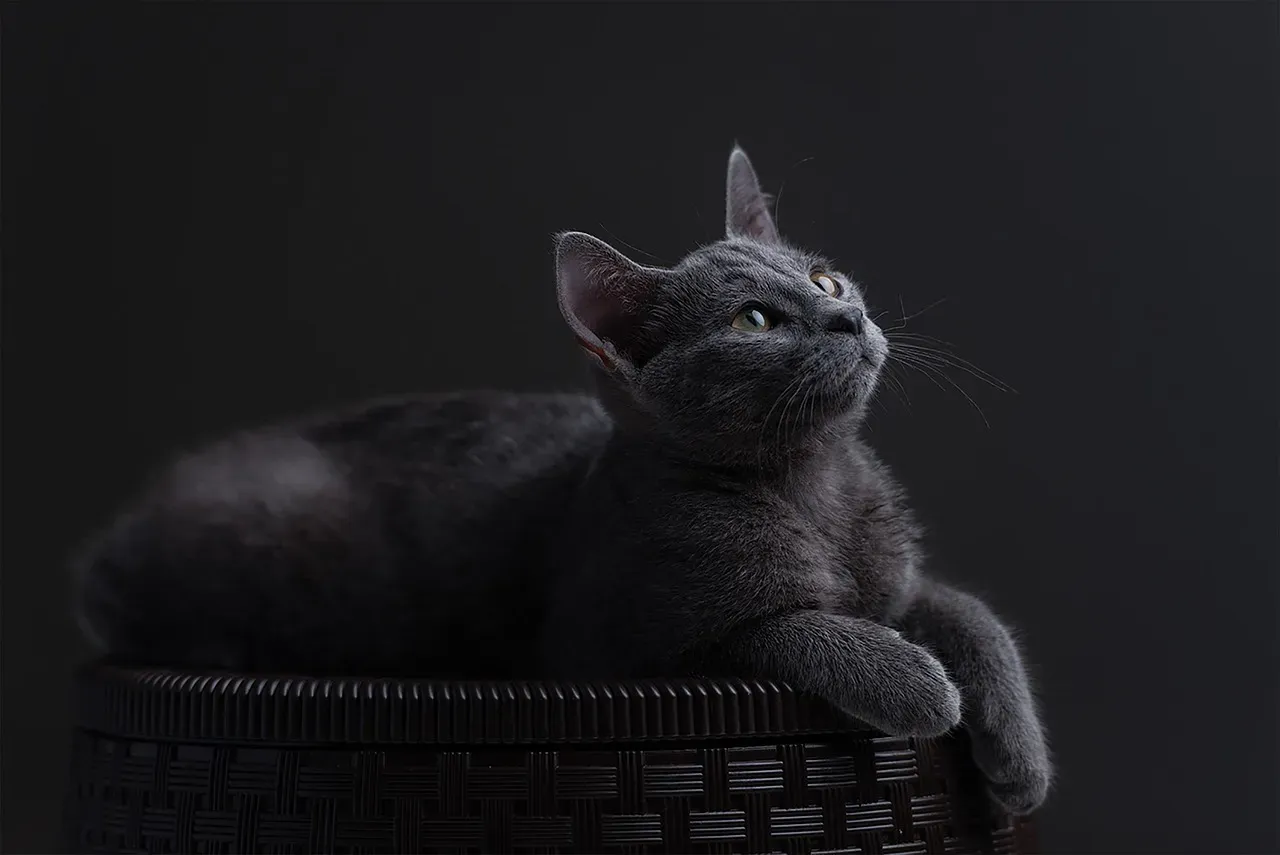
Russian Blues tend to be sensitive, observant, and a bit reserved with new people and animals. They often prefer predictability and calm, and an additional cat can introduce a level of chaos they never signed up for. In some cases they may tolerate another cat, but they do not necessarily seek out feline companionship and may quietly retreat more than they should.
As an only cat, a Russian Blue can fully relax into a serene routine: favorite nap spots are always available, food stations are predictable, and there is no need to guard resting places or compete for affection. For a breed that values order, subtle power struggles can be surprisingly stressful, so a single‑cat home often protects their mental health more than people realize.
#4 Turkish Van: The Independent Adventurer
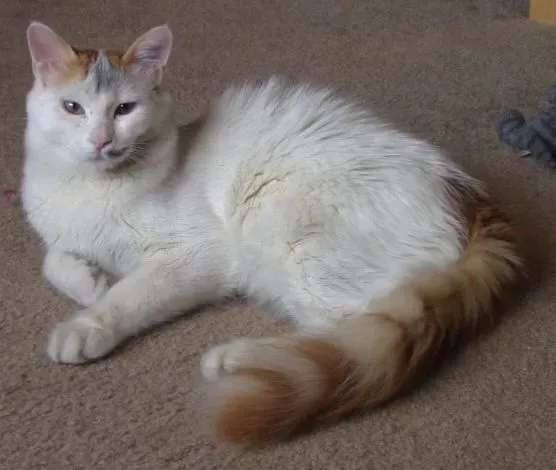
Turkish Vans are energetic and playful, but also famously independent and strong‑willed. They can be territorial about spaces they claim as theirs, particularly elevated spots or strategic vantage points. Another cat in the mix may be tolerated at best or resented at worst, especially if that cat is equally bold or persistent.
These cats often bond closely with their humans while remaining selective about animal relationships. In a one‑cat household, a Turkish Van can roam, climb, and explore without having to constantly reinforce boundaries against another feline. That freedom, paired with focused play and engagement from their person, often brings out their clever, clownish side rather than their grudging, defensive side.
#5 Persian: The Peace‑Loving Homebody
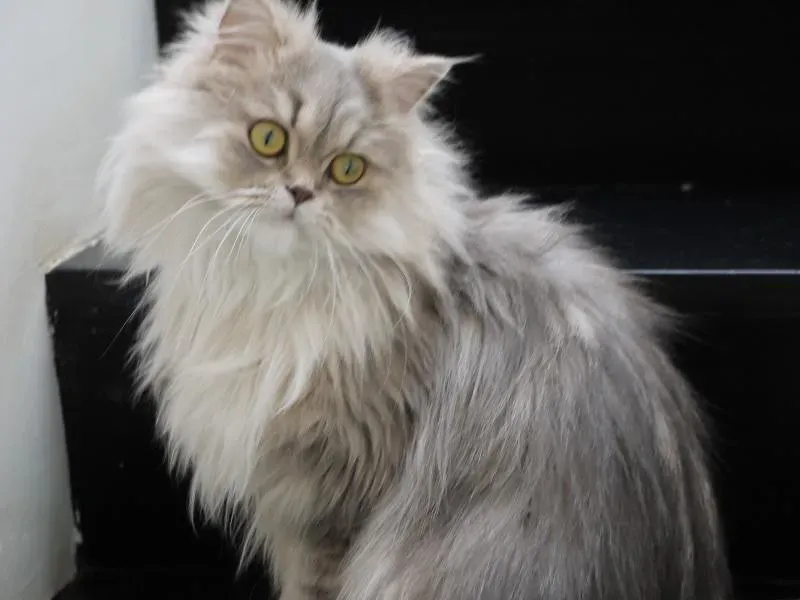
Persians are usually gentle, laid‑back, and more interested in a soft bed than a wrestling match. Their low‑energy nature can make them vulnerable targets for more active or dominant cats, who may pester or crowd them. Even if the other cat is not overtly aggressive, simply being followed, sniffed, and interrupted can keep a Persian from ever feeling fully at ease.
As the only cat, a Persian can live out their ideal schedule of naps, grooming, and quiet affection in a genuinely tranquil space. This breed is also more prone to some health concerns, and stress does not help. A calm, single‑cat environment can make it easier to monitor their habits, protect their routines, and keep their stress levels low, which ultimately supports both their emotional and physical well‑being.
#6 Scottish Fold: Sensitive Soul, Small Social Circle
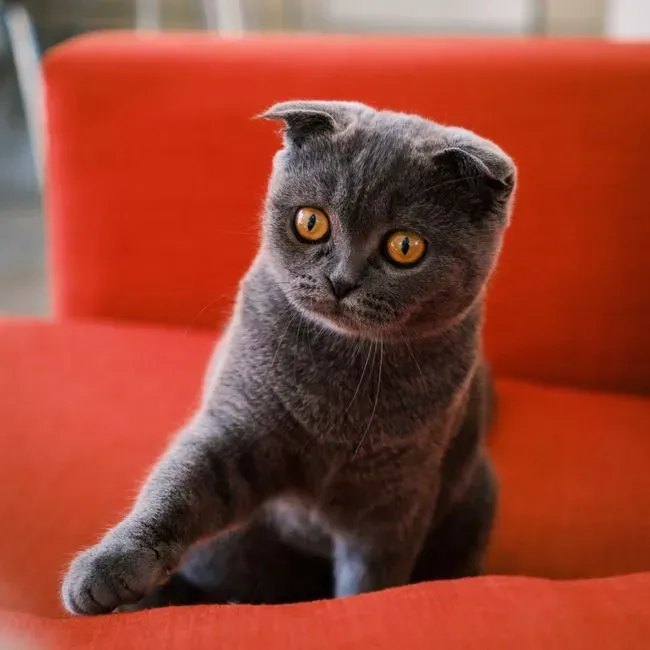
Scottish Folds are sweet, often gentle cats that form strong bonds with their people and can be surprisingly sensitive to household tension. If another cat is even mildly bossy or disruptive, a Fold is more likely to withdraw or quietly accept the stress than to openly fight back. Over time, that can mean a constant undercurrent of anxiety that owners only pick up on through subtle behavior changes.
In a one‑cat home, a Scottish Fold usually feels safer exploring, playing, and asking for affection at their own pace. They do not have to read another cat’s mood or navigate complex social rules; instead, all their emotional energy can go into a clear, simple relationship with their humans. For such an emotionally nuanced breed, that kind of straightforward bond can be the difference between merely coping and truly thriving.
Biscuit
Biscuit is looking at you hopefully.
#7 Turkish Angora: The Proud Center of Attention
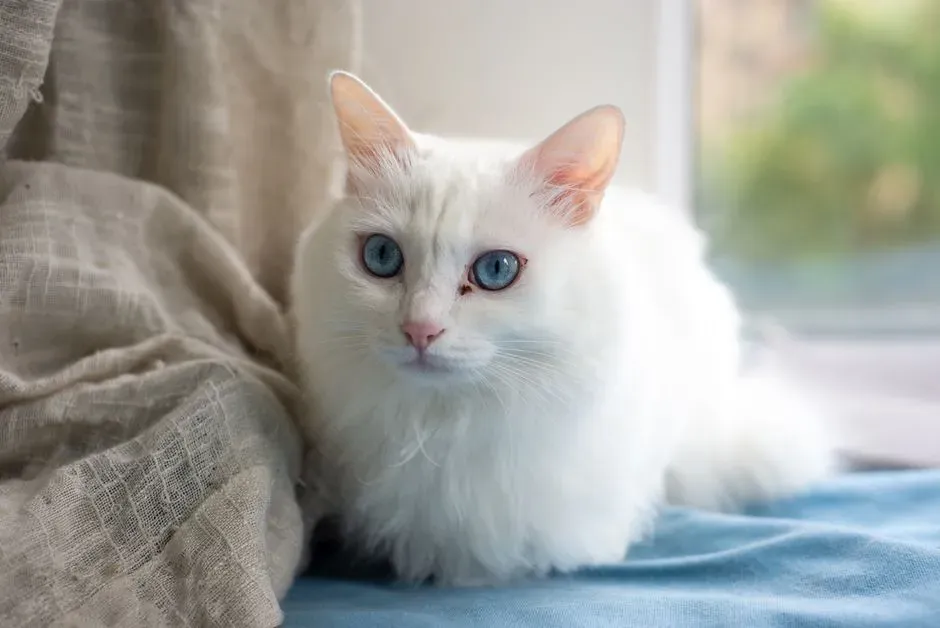
Turkish Angoras are elegant, spirited, and sometimes a little dramatic. Many enjoy being the center of attention and do not appreciate sharing the spotlight with another cat that steals laughs or lap time. They can also be assertive and opinionated about territory, which can lead to ongoing low‑level conflict if another cat refuses to defer.
On their own, Turkish Angoras often blossom into affectionate, interactive companions who follow their people around and get involved in everything. Because they are not constantly negotiating status or resources, their confidence shows up as playful charm rather than bossiness. If you want a cat that seems to co‑star in your life, this breed often does best without a feline rival on the same stage.
#8 Oriental Shorthair: Social, But Not Always With Other Cats
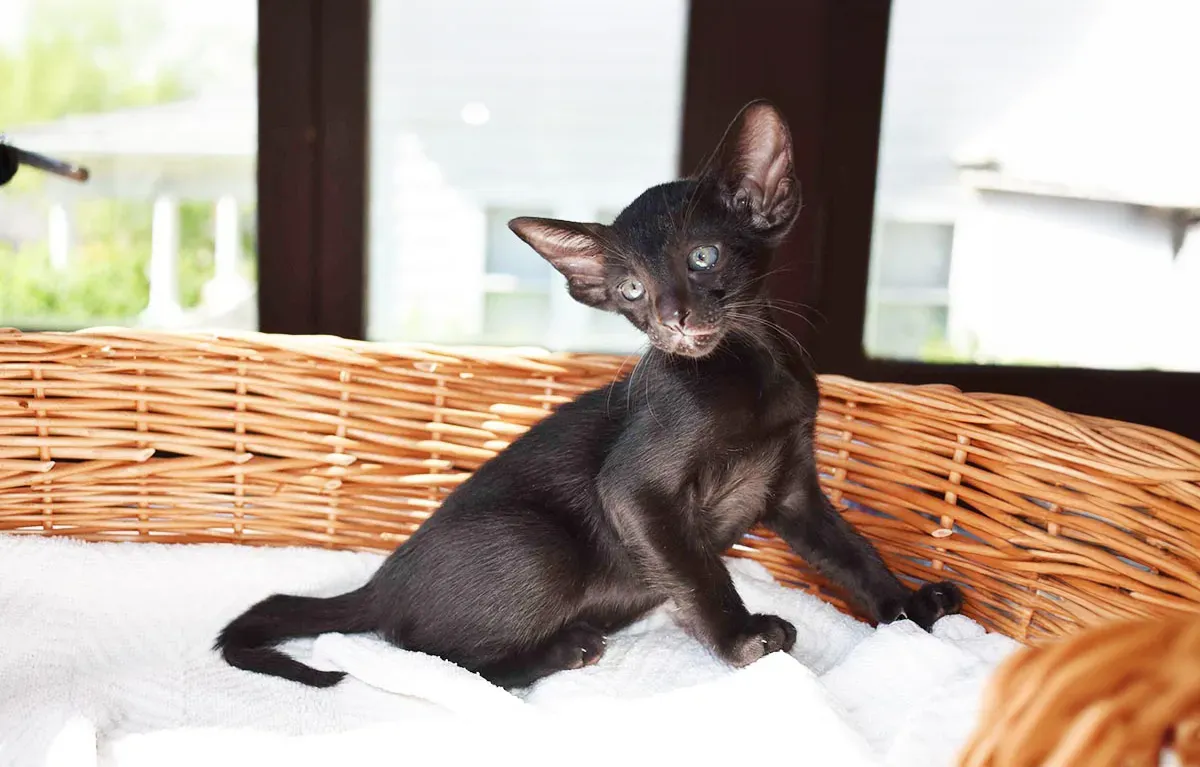
Oriental Shorthairs are related to Siamese and share many of their intense, people‑focused traits. They are smart, vocal, and deeply attached to their families, sometimes to the point where another cat feels like an obstacle to human contact. If the other cat is also highly social, competition for your attention can turn constant, and the emotional temperature in the room quietly rises.
As the only cat, an Oriental Shorthair can channel all that social drive into one main bond, which often results in a very engaged, dog‑like companion. They still need a lot of play, enrichment, and interaction, but those needs are simpler to meet when you are not juggling multiple strong personalities. In many cases, this breed is far happier being your one and only “conversation partner” than part of a feline crowd.
#9 Singapura: Tiny Body, Big Feelings
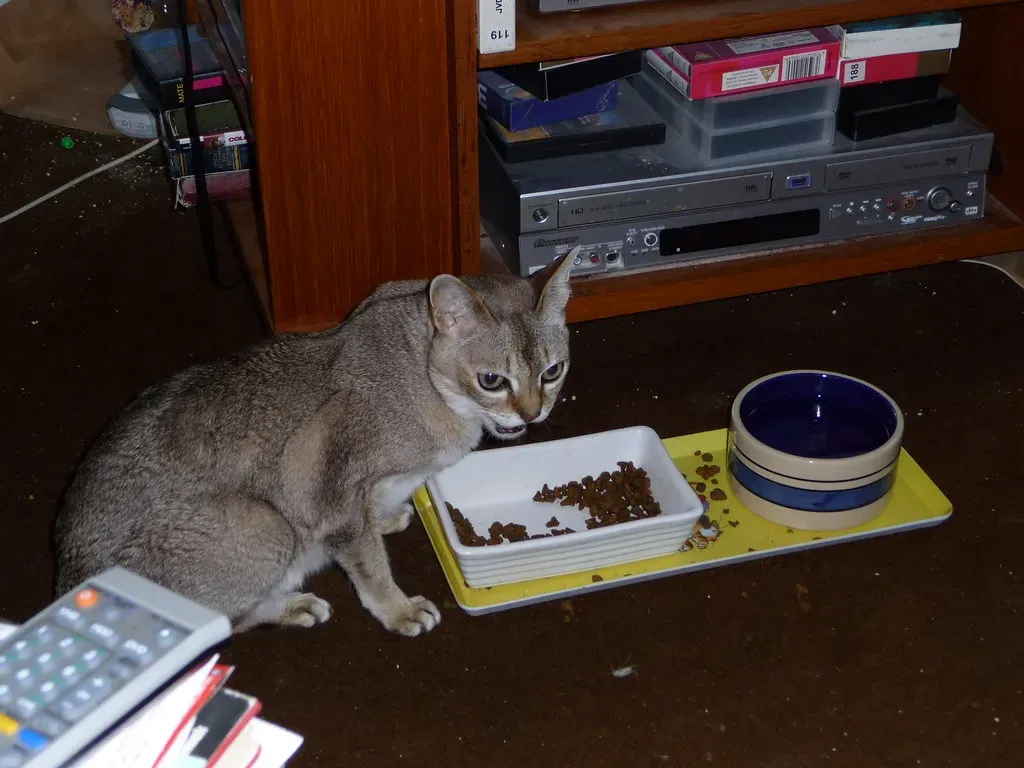
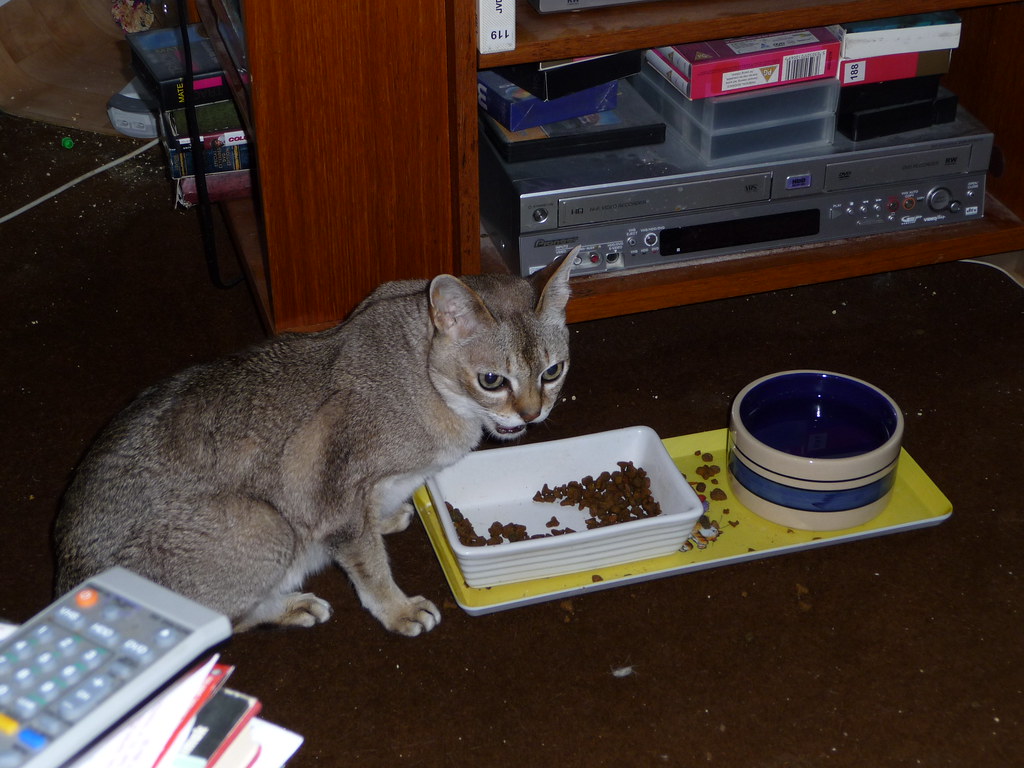
Singapuras are one of the smallest cat breeds, but they often have big emotions and a strong sense of territory. Their petite size can make them vulnerable around larger or more dominant cats, and even subtle chasing or blocking can make them feel unsafe. Instead of obvious fights, you may see them hiding more, eating less, or becoming clingier with people.
In a single‑cat household, a Singapura can relax into their bold, playful personality without having to watch their back. They tend to enjoy being close to their humans and exploring on their own terms, and not having another cat in their space lets that curiosity flourish. For such a small, expressive cat, a peaceful environment can dramatically change how brave and affectionate they appear.
#10 Sphynx: Human‑Oriented, Touch‑Hungry Companion
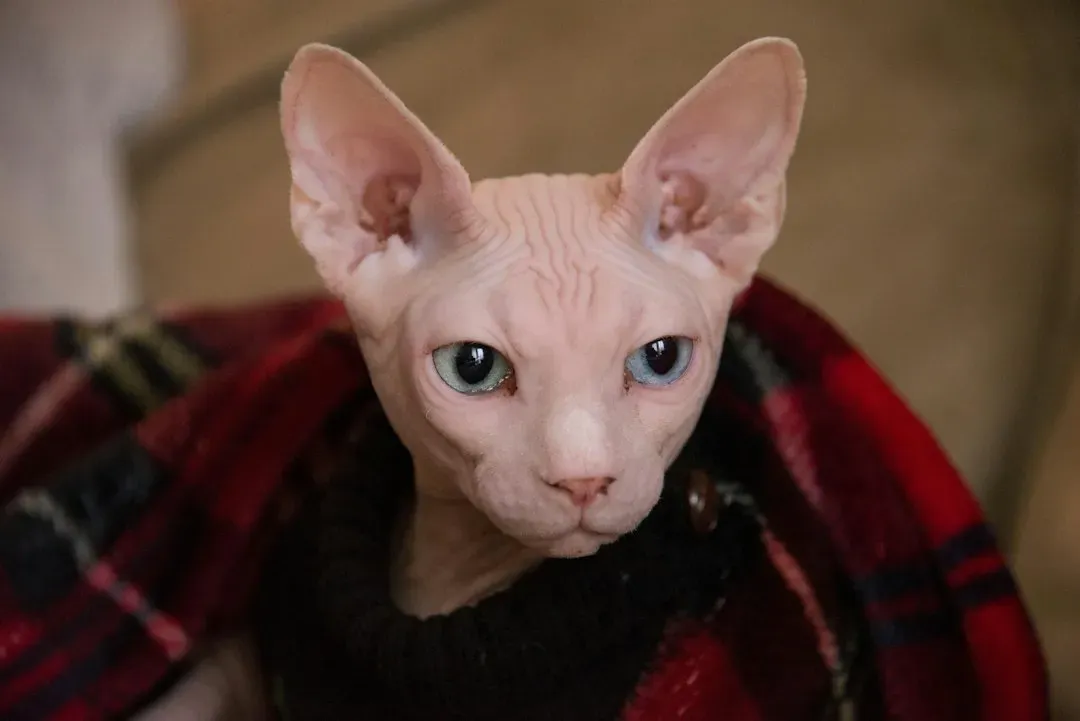
Sphynx cats are extremely people‑oriented and crave warmth and touch, often curling up under blankets or glued to their person’s side. While some do enjoy other cats, many are primarily interested in human contact, and another feline can become more of a rival for prime snuggle territory than a true friend. If the other cat is standoffish or grouchy, that contrast can be especially confusing for such a socially needy breed.
As the only cat, a Sphynx typically gets exactly what they want: near‑constant access to their favorite humans, predictable cuddle time, and clear social signals. There is no risk of another cat interrupting their warmth‑seeking missions or stealing the coziest spots. For a breed that literally feels the world more directly through their skin, that kind of undisturbed, secure closeness can be deeply regulating and reassuring.
Conclusion: Choosing the Right Home for the Right Cat
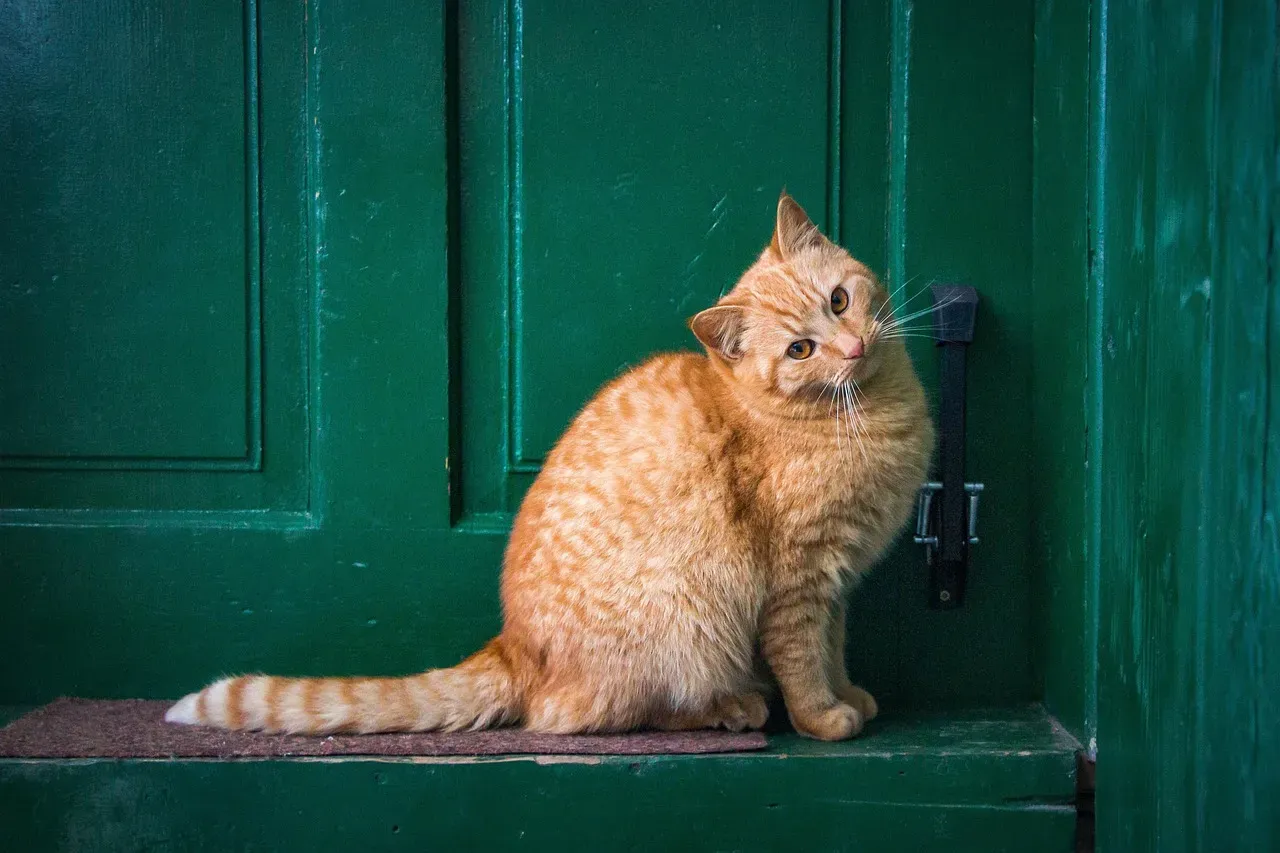
It is tempting to believe every cat secretly wishes for a feline best friend, but temperament, history, and breed tendencies tell a more complicated story. Some cats truly flourish when they can rule a calm, one‑cat kingdom, building a rich, focused bond with their humans instead of constantly splitting attention and territory. For the breeds above, forcing a second cat “for company” can sometimes backfire, creating low‑grade stress where there could have been contentment.
That said, individual personality always matters more than a breed label, and there are exceptions in every group. The real kindness is not in checking a box that says “multi‑cat home,” but in paying close attention to what your actual cat is telling you with their body language, habits, and mood over time. When you picture your ideal life with a cat, do you imagine a peaceful one‑on‑one partnership or a bustling feline cast of characters - and more importantly, which version would your future cat choose if they could speak?