8 Cat Breeds That Aren't Ideal for People Looking for a Low-Maintenance Pet
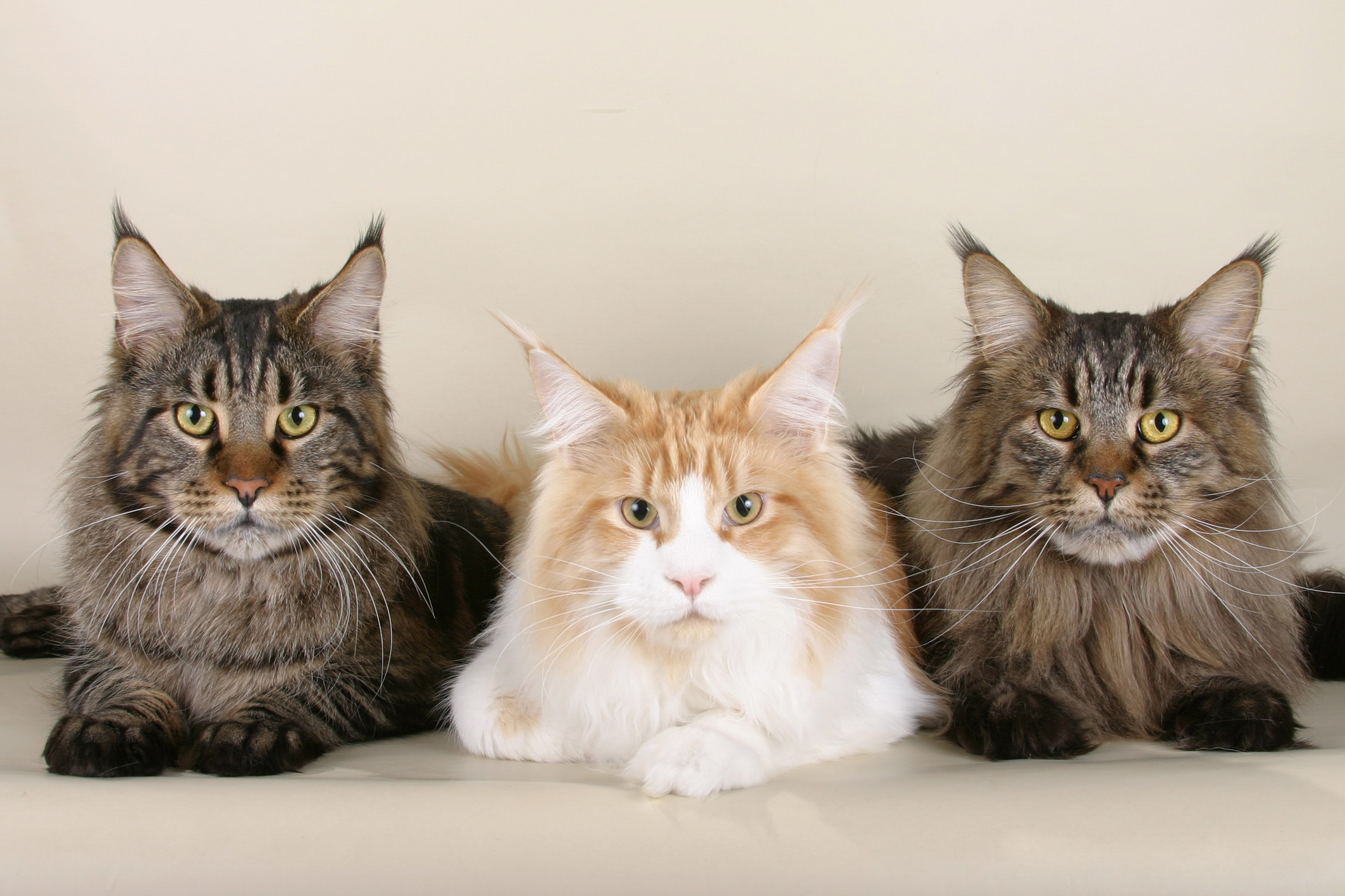
#1 Persian
The Persian is probably the first cat that comes to mind when people think "high maintenance," and for good reason. That long, dense double coat mats quickly if it isn't brushed nearly every day, and once mats set in near the skin, they can become painful and require a vet visit to remove. Owners also have to stay on top of facial cleaning, since the breed's flat face often leads to tear staining and buildup around the eyes that needs regular wiping.
Beyond grooming, Persians are prone to health issues tied to their brachycephalic (flat-faced) structure, including breathing difficulties and dental crowding. Regular vet checkups become less of an option and more of a routine necessity. Anyone drawn to the breed's calm, plush appearance should go in knowing that the upkeep behind that look is a genuine daily commitment, not an occasional chore.
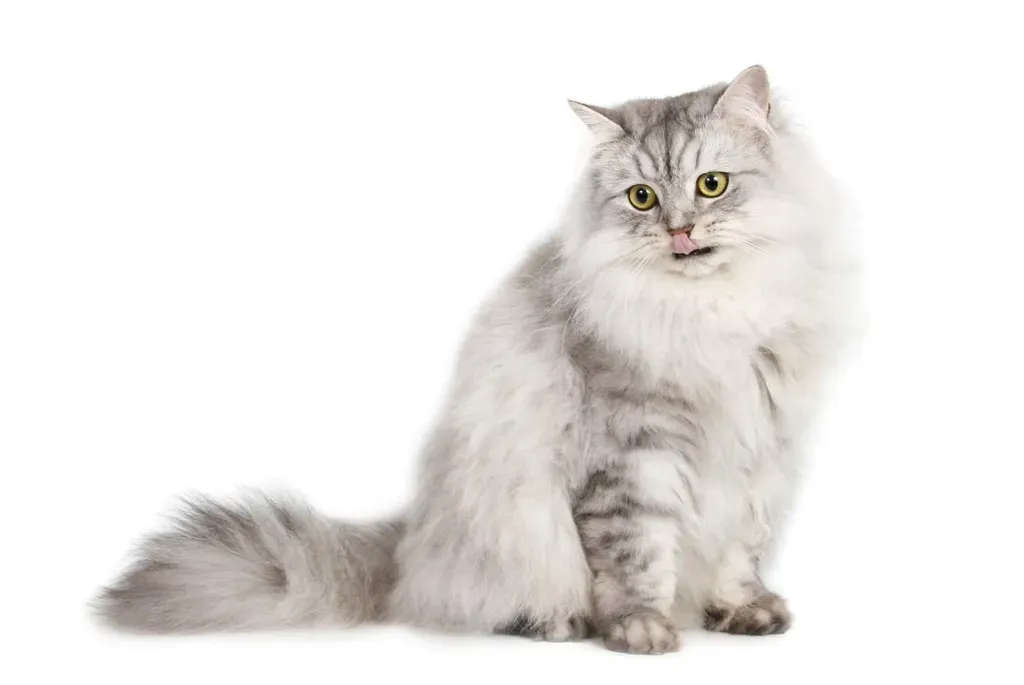
#2 Maine Coon
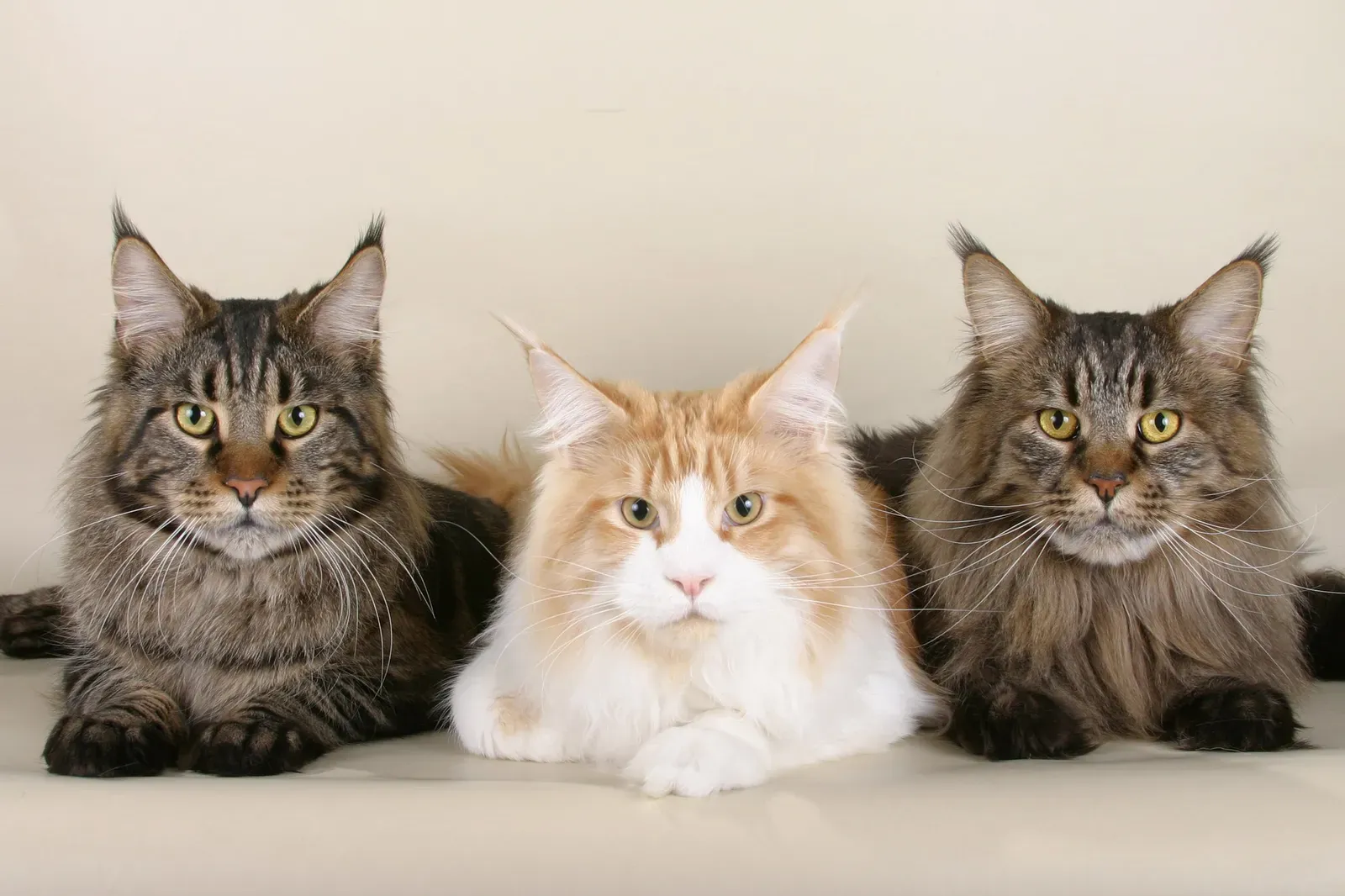
Maine Coons are often praised as gentle giants, and they are, but their size and coat come with real upkeep. Their long, shaggy fur is somewhat water-resistant and less prone to matting than a Persian's, yet it still sheds heavily and needs consistent brushing, especially through seasonal coat changes. Skipping grooming for even a couple of weeks can leave an owner with tangles around the legs and belly that are tough to work out.
These cats also tend to be highly social and interactive, often following owners from room to room and expecting engagement rather than settling for solitary napping. Maine Coons are known to be food motivated and playful well into adulthood, which means puzzle toys, play sessions, and mental stimulation aren't optional extras but part of keeping one happy. A bored Maine Coon left alone for long stretches can become destructive or vocal about its dissatisfaction.
#3 Siamese
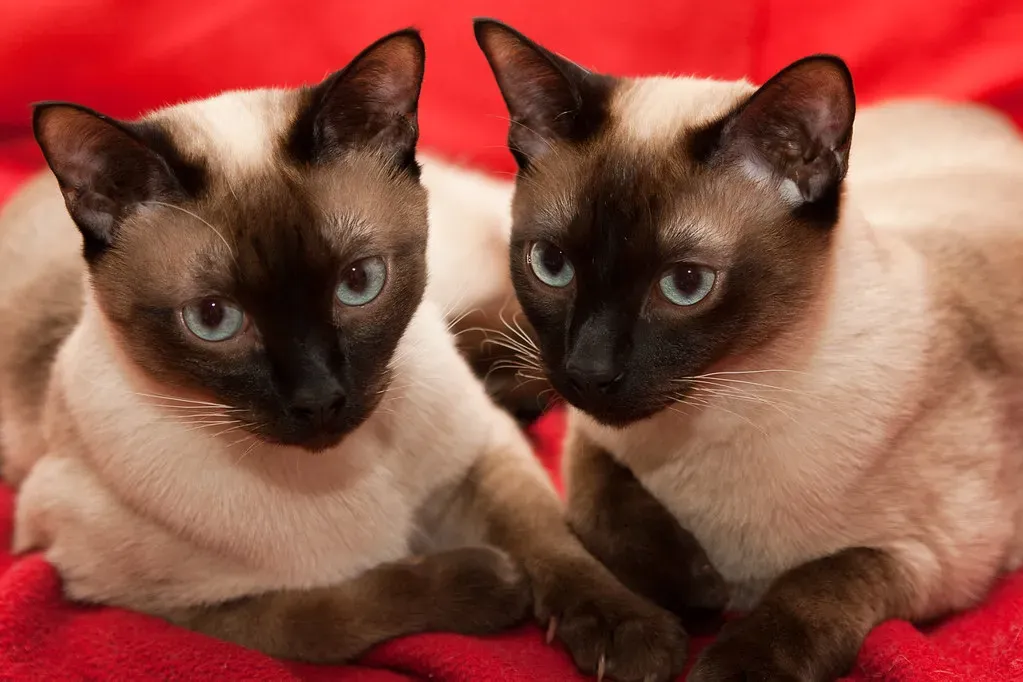
Siamese cats are famous for being talkative, and that's an understatement for anyone who hasn't lived with one. They communicate constantly, loudly, and often at inconvenient hours, especially if they feel ignored or under-stimulated. This isn't a breed that quietly observes from a windowsill; it's one that will let you know, repeatedly, when it wants attention, food, or simply company.
Siamese cats also bond intensely with their people and can develop anxiety when left alone too often, sometimes leading to stress-related behaviors like excessive grooming or vocalization. They need consistent interaction, play, and companionship, which makes them a poor fit for households where the cat would spend most of the day solo. Their intelligence is a double-edged sword too, since an under-stimulated Siamese will find its own entertainment, and that entertainment isn't always something an owner appreciates.
#4 Sphynx
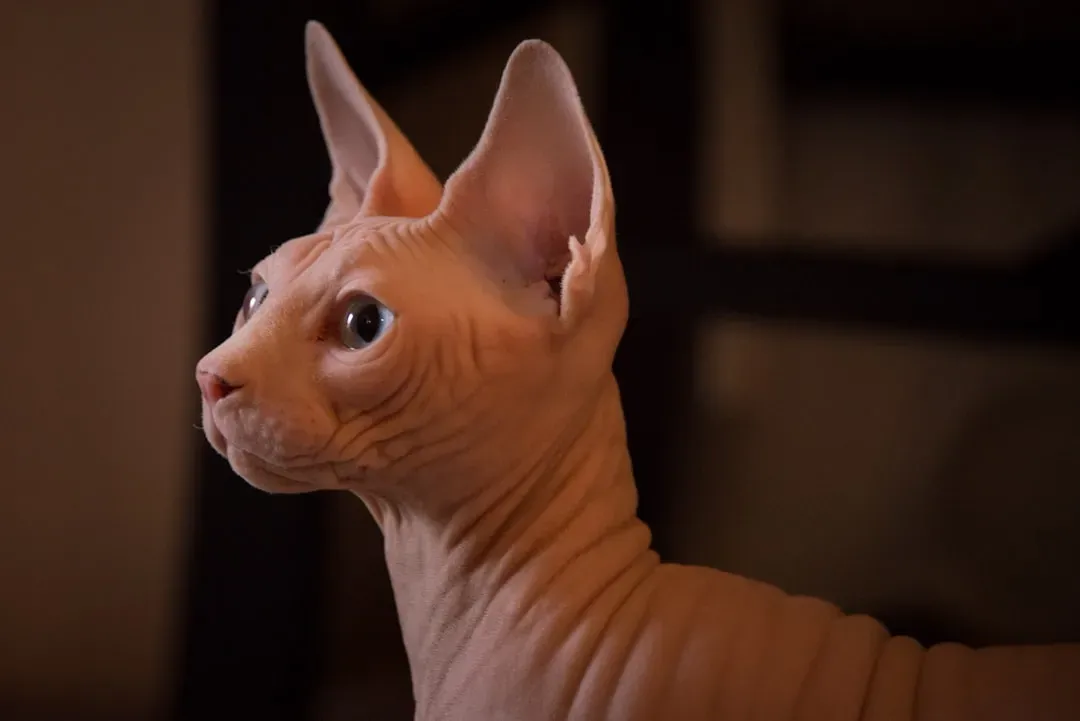
The Sphynx's lack of fur might suggest less grooming, but it actually flips the maintenance equation entirely. Without a coat to absorb the natural oils their skin produces, Sphynx cats need regular bathing, often weekly, to prevent oily buildup, skin irritation, and unpleasant odor. Skin folds also require gentle cleaning to avoid the buildup of debris and bacteria.
Temperature regulation is another consideration, since Sphynx cats get cold more easily than furred breeds and often need sweaters or warm sleeping spots in cooler weather. They're also notably people-oriented, frequently described as craving physical closeness and warmth from their owners rather than curling up alone. Combine the specialized skin care with their emotional need for company, and this is a breed built for hands-on owners rather than hands-off ones.
#5 Scottish Fold
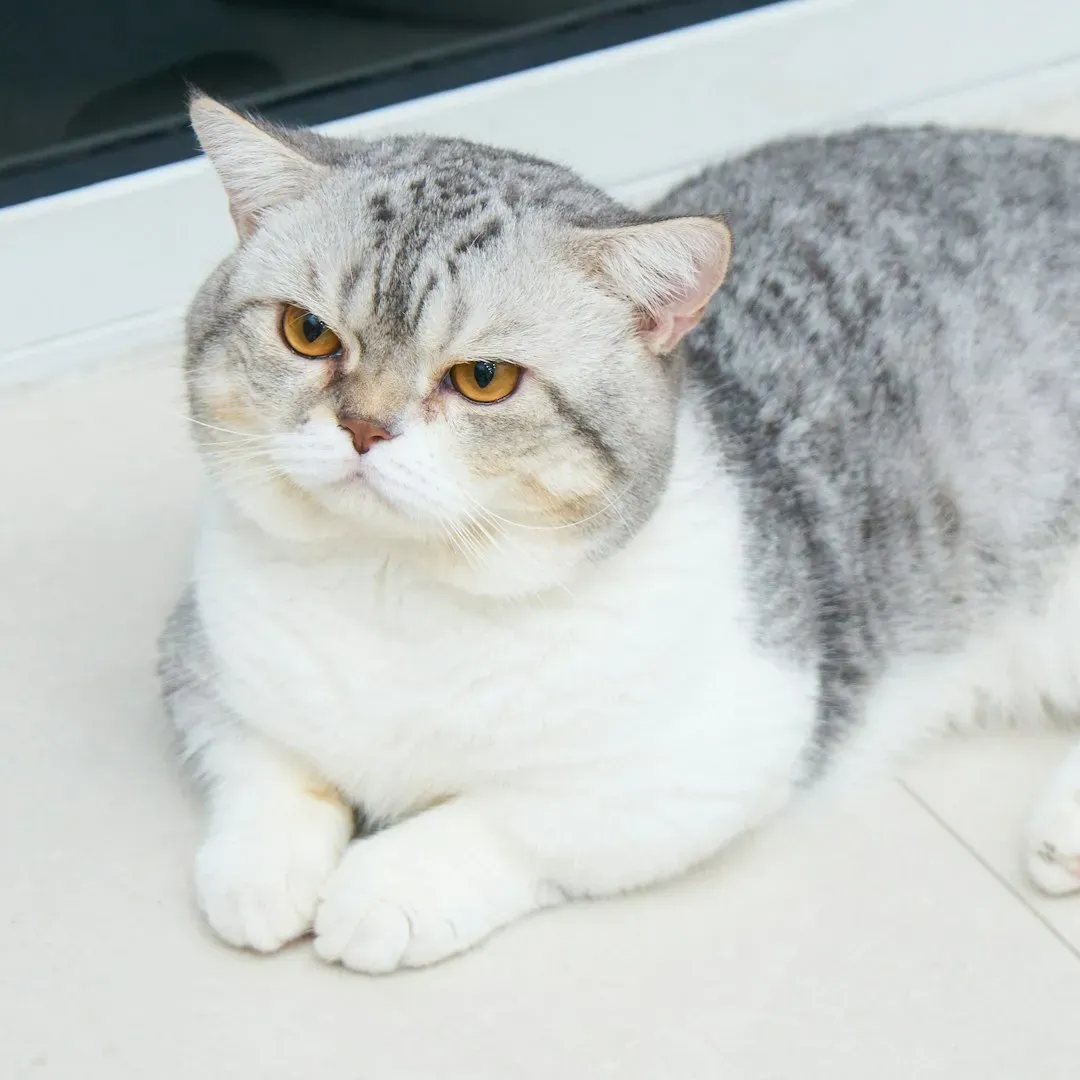
Scottish Folds are beloved for their distinctive folded ears and round faces, but that same genetic mutation affecting cartilage can lead to joint and bone issues, including a painful condition called osteochondrodysplasia. Because of this, owners often need to monitor mobility and comfort closely and may face more frequent veterinary involvement than with breeds unaffected by this trait. Ear care matters too, since the folded ear shape can trap debris and moisture more easily, calling for gentle, regular cleaning to prevent infection.
Socially, Scottish Folds tend to be affectionate and adaptable, but that adaptability often comes with a strong preference for being near their humans rather than off entertaining themselves. Many owners describe them as quietly clingy, following people around without being overtly demanding, which still means they don't thrive when left to their own devices for long stretches. The combination of potential health monitoring and a real need for companionship pushes this breed away from the low-maintenance category.
Biscuit
Biscuit is looking at you hopefully.
#6 Bengal
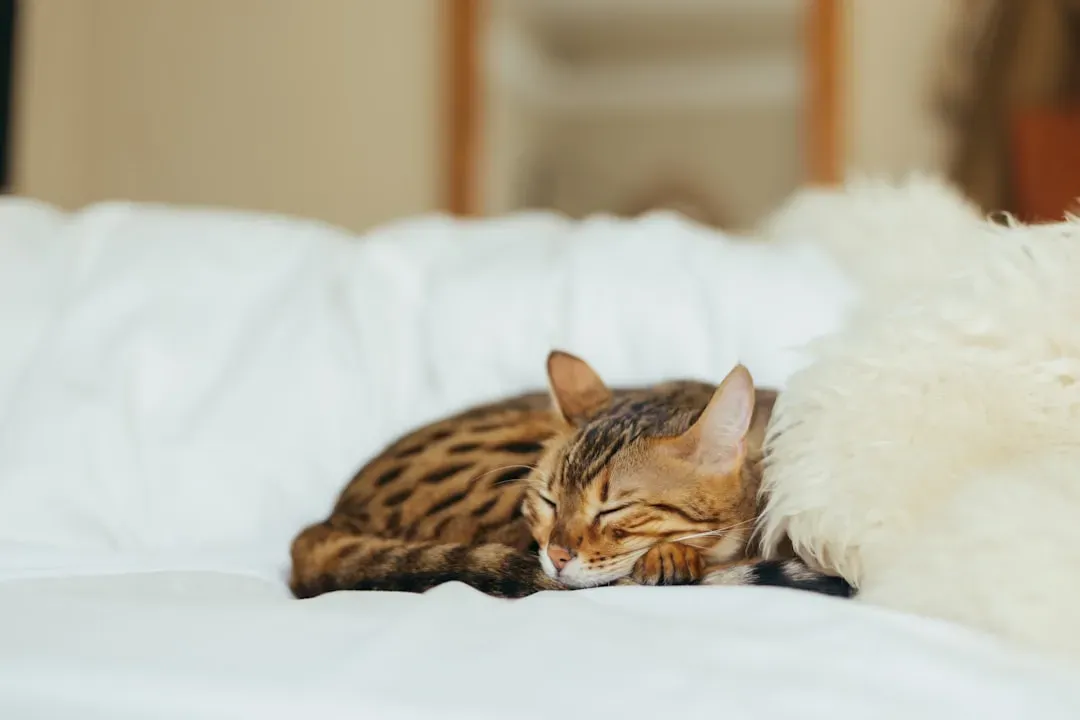
Bengals carry a visible trace of their wild ancestry, and that shows up in their energy levels as much as their spotted coats. These cats are athletic, curious, and often need daily active play to burn off energy that a more sedate breed simply wouldn't have. Without enough stimulation, a Bengal can turn to counter-surfing, climbing, or opening cabinets out of sheer boredom rather than mischief for its own sake.
They're also known for being highly trainable and food motivated, traits that sound convenient until you realize they mean Bengals get bored fast without new challenges. Many owners end up rotating puzzle feeders, teaching tricks, or investing in cat trees and enrichment items just to keep pace with the breed's mental needs. A Bengal left alone in a quiet apartment all day, with nothing to do, is not a recipe for a calm household.
#7 Ragdoll
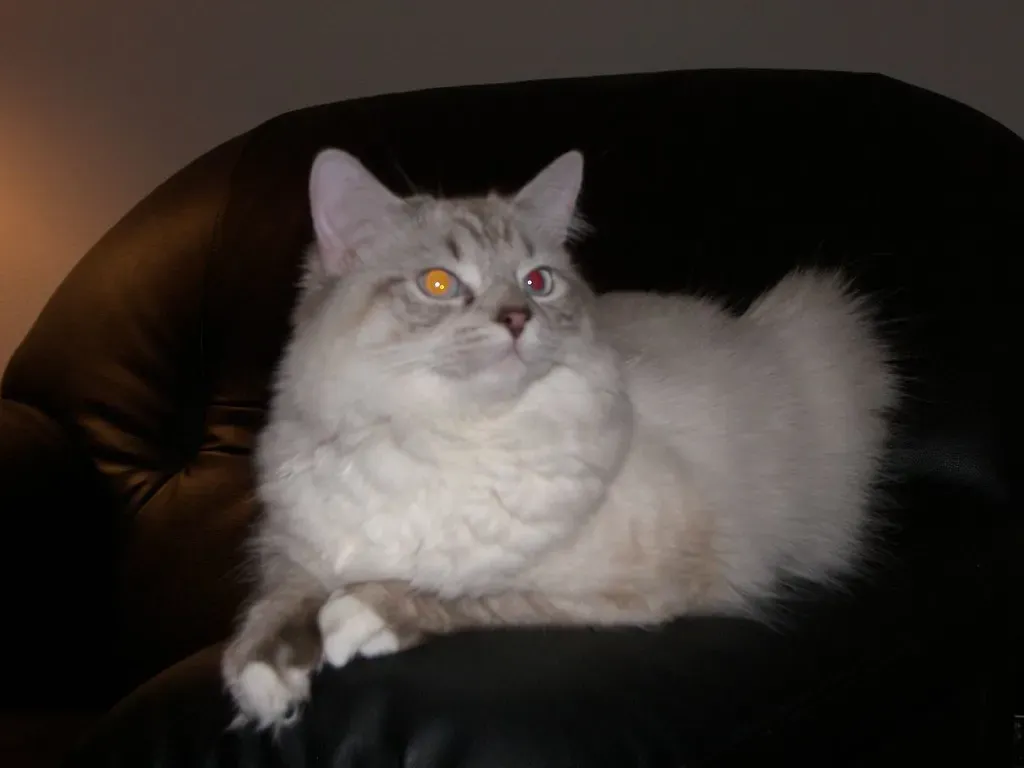
Ragdolls have a reputation for being docile and easygoing, which is true in temperament but doesn't extend to their grooming needs. Their semi-long, silky coat sheds noticeably and requires brushing several times a week to prevent tangles, particularly around the hind legs and belly where mats tend to form first. Their calm nature can actually work against owners here, since a relaxed Ragdoll may simply tolerate matting rather than fight it off through self-grooming the way a more fastidious cat might.
Ragdolls are also famous for their attachment to their owners, often following them from room to room and seeking physical closeness, sometimes even flopping into arms on request, which is where the breed's name comes from. That devotion is charming, but it also means they don't do well with long stretches of solitude and can become withdrawn or distressed if consistently ignored. Anyone wanting a cat that grooms itself and asks for little company should look elsewhere.
#8 Devon Rex
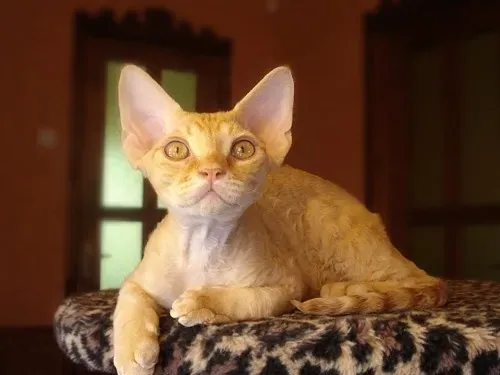
The Devon Rex has a curly, fine coat that looks low-effort but actually requires careful handling since the hair is more delicate and prone to breakage than a typical cat's fur. Their skin also produces oils that aren't absorbed well by the sparse coat, leading many owners to bathe them periodically to avoid buildup similar to what Sphynx owners deal with, just to a lesser degree. Ears need regular checking too, since Devon Rex cats can be prone to wax buildup.
Personality-wise, this breed is often described as mischievous, playful, and deeply attached to its people, sometimes earning comparisons to dogs for how closely it shadows owners around the house. They tend to seek out warmth, whether that's a lap, a laptop, or a sunny windowsill, and they don't handle being ignored gracefully. The combination of specialized coat care and a clingy, entertainment-seeking personality makes the Devon Rex a poor match for anyone hoping for a cat that mostly keeps to itself.
Final Thoughts
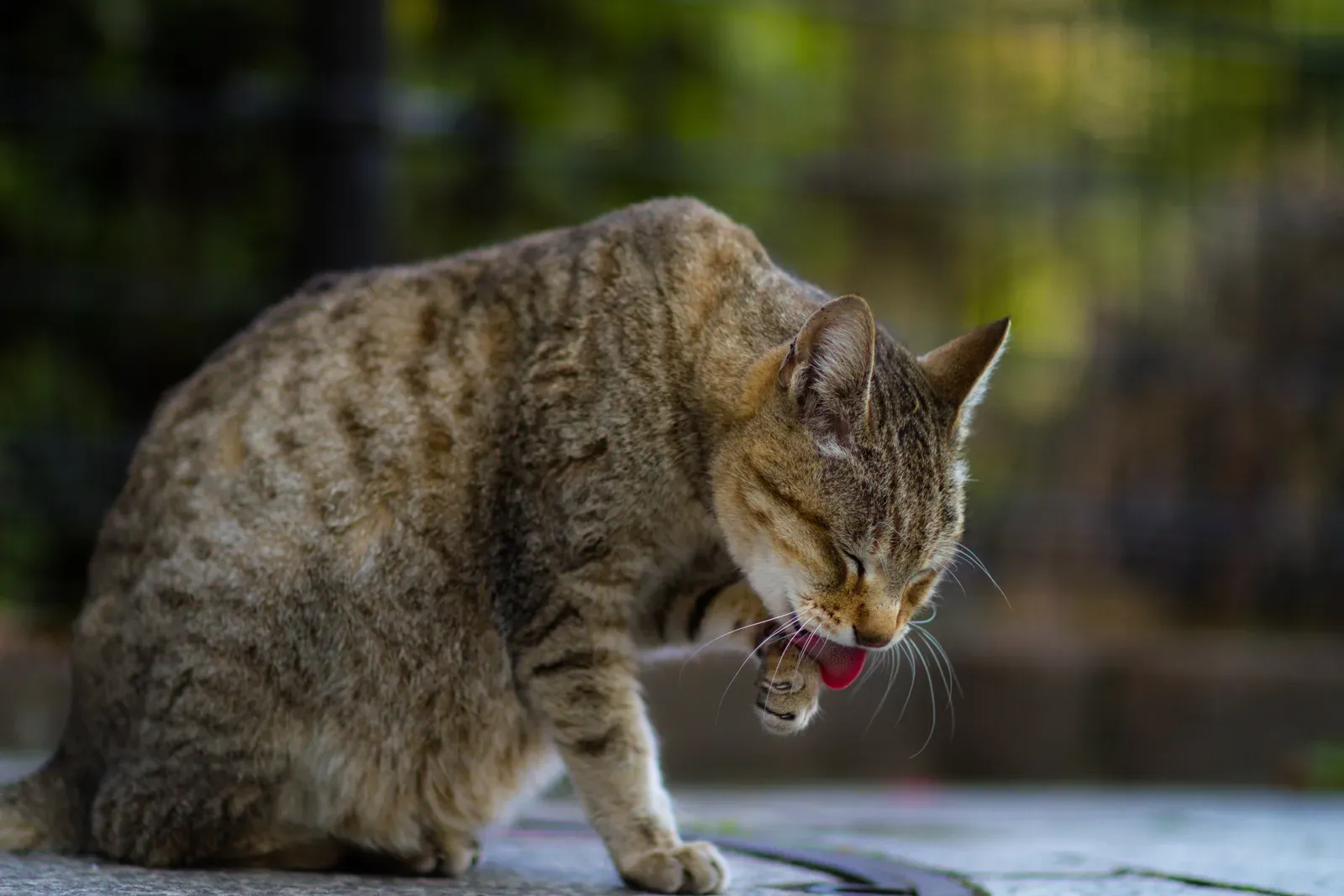
Looking at these eight breeds together, a pattern emerges that's worth taking seriously before bringing one home. It's rarely just one issue, like shedding or vocalization, but a combination of physical upkeep and emotional need for companionship that adds up to genuine daily responsibility. People often fall for a breed's look or reputation without researching what living with it actually demands week to week.
If low maintenance is truly the priority, it's worth being honest about lifestyle before choosing a breed based on appearance alone. A short-haired, independent-minded cat with a simpler health profile will almost always serve that goal better than any of the breeds listed here. These cats aren't bad companions by any means, in fact many owners find their high-touch nature deeply rewarding, but they demand a level of commitment that goes well beyond food and a litter box.