9 Cat Breeds That May Struggle More Than Others When Their Favorite Human Is Away
Some cats seem to barely glance up when you grab your keys. Others act like you’ve announced a life-changing disaster the moment you put on your shoes. While every cat is an individual, certain breeds are known for being exceptionally people-focused, sensitive, and prone to missing their humans more intensely than others.
This doesn’t mean these cats are “needy” in a bad way; it means they bond deeply, often more like dogs than the stereotypical aloof feline. If you travel a lot, work long hours, or just wonder what your cat might be feeling when you’re gone, understanding these breeds can be surprisingly eye-opening - and honestly, a little heart-tugging.
#1 Siamese: The Velcro Voice-Over Artist
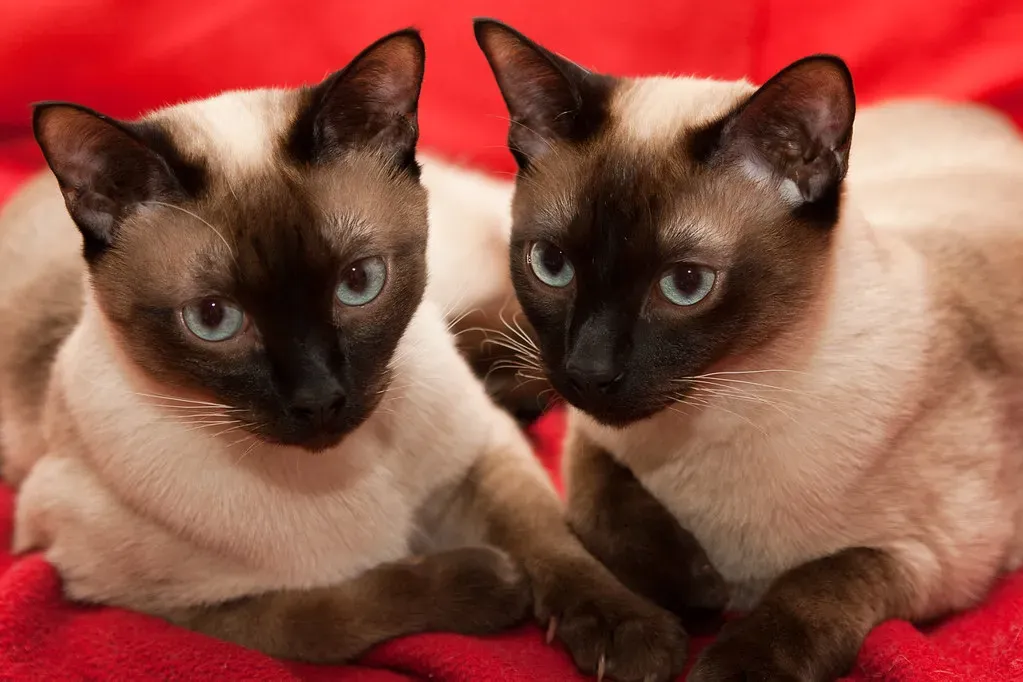
Siamese cats are famously talkative, and that chatty nature often goes into overdrive when their favorite person is missing. They tend to form intense, almost laser-focused bonds with one or two humans, following them around, sleeping near them, and “commenting” on just about everything that happens. When that person disappears for hours or days, a Siamese may express distress through loud vocalizing, pacing, or searching the home repeatedly.
Because they’re so people-oriented and highly intelligent, Siamese cats can become bored and anxious when left alone too long. Some may overgroom, eat less, or get into mischief simply because their mental and emotional needs aren’t being met. Enriched environments, puzzle feeders, cat TV, and ideally another friendly cat can help, but this is a breed that usually does best with an owner who’s home a lot or can build routines that offer plenty of connection.
#2 Ragdoll: The Floppy Shadow With a Soft Heart
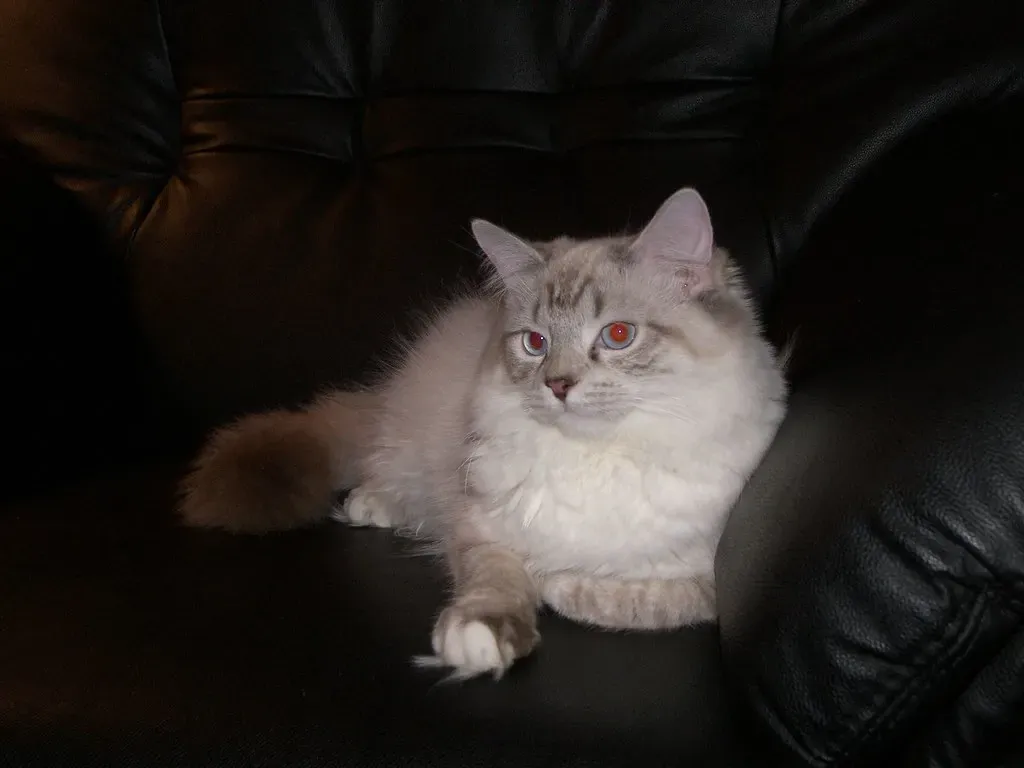
Ragdolls are often described as relaxed and easygoing, but that mellow vibe hides how deeply they can attach to their humans. Many Ragdolls follow their person from room to room, happily flopping beside them on the couch or trailing into the bathroom like a fluffy shadow. When that person is gone, a Ragdoll may sit by the door, wait at windows, or appear noticeably less playful and outgoing.
This breed is generally not a fan of being left to its own devices for long stretches day after day. While they might not scream the house down like a distressed Siamese, they can become withdrawn, clingier when you return, or more prone to stress-related issues. If you’ve got a Ragdoll and a busy lifestyle, a feline companion, consistent departure and arrival routines, and extra affection before and after absences can make a big difference in how they cope.
#3 Burmese: The Social Butterfly Who Hates an Empty Room

Burmese cats are often called “people cats” for a reason: they crave interaction and seem happiest right in the middle of whatever their humans are doing. They’re playful, energetic, and curious, and they tend to seek physical closeness - laps, shoulders, beds, desks, you name it. When left alone a lot, many Burmese cats may appear restless and unsatisfied, like a social extrovert stuck at home on a Friday night with nothing to do.
Because they rely heavily on human engagement for mental stimulation, Burmese can be more prone to separation-related stress in quiet, empty homes. They often thrive with another playful cat or even a small, gentle dog, plus interactive toys that keep their brains and bodies busy. For guardians who travel frequently, arranging for a sitter who actually spends time with the cat, not just refills bowls, can help a Burmese feel less abandoned and more secure.
#4 Sphynx: The Heat-Seeking Heart-On-Sleeve Companion
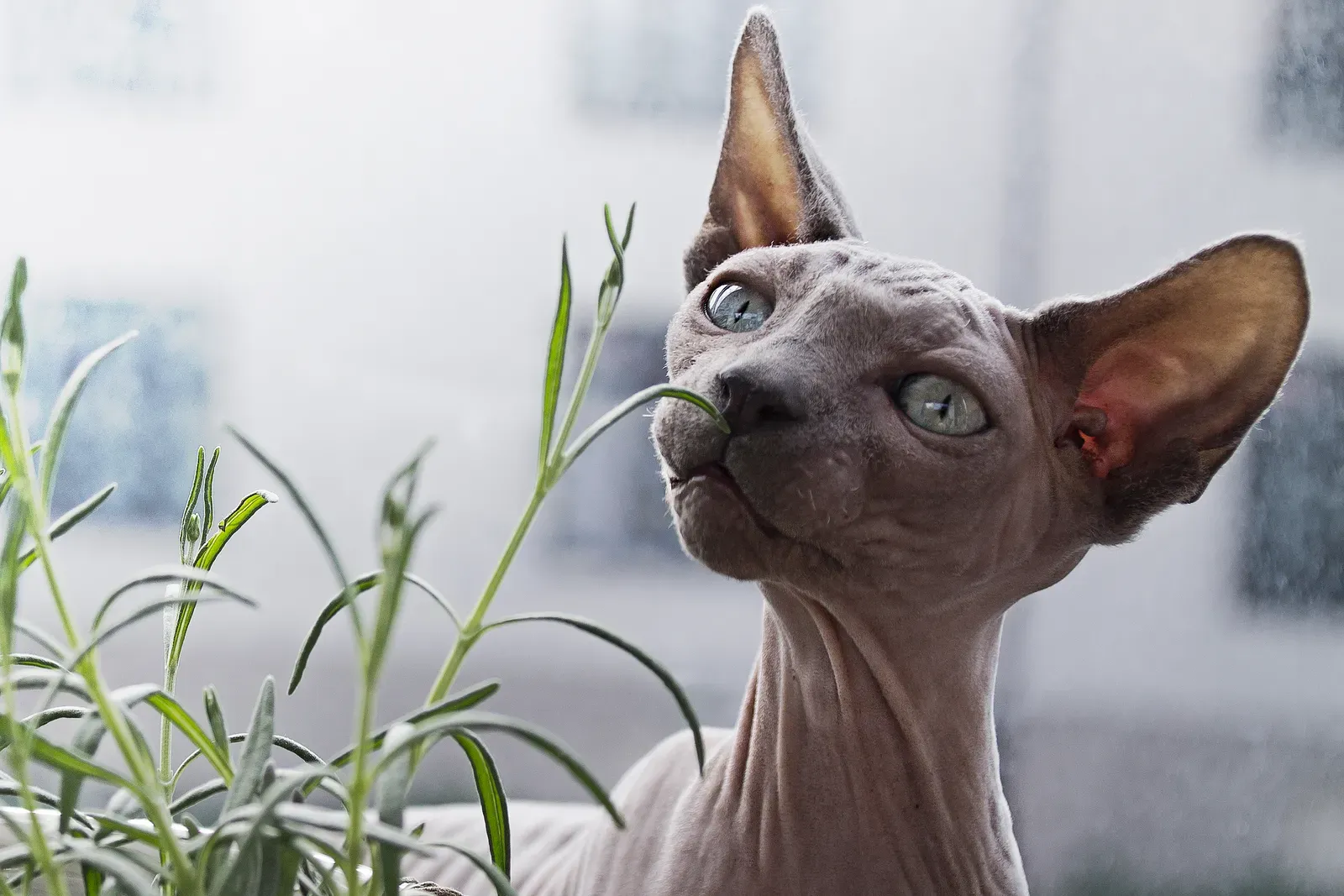
Sphynx cats are famous for their lack of fur, but anyone who has lived with one will tell you their personalities are even more striking than their appearance. These cats are typically affectionate to the point of clinginess, curling under blankets, snuggling into hoodies, and seeking constant skin-to-skin contact with their humans. When their main source of warmth and emotional comfort walks out the door, it can leave them feeling unmoored.
Because Sphynx cats rely so much on physical closeness, they may struggle more when left alone in a cool, quiet home with nothing soft and warm but the furniture. Some may become demanding or hyperactive when you return, or meow and follow you non-stop as if afraid you’ll vanish again. Cozy heated beds, soft clothing with your scent, and interactive play sessions before and after you leave can help ease the emotional and physical gap they feel during your absence.
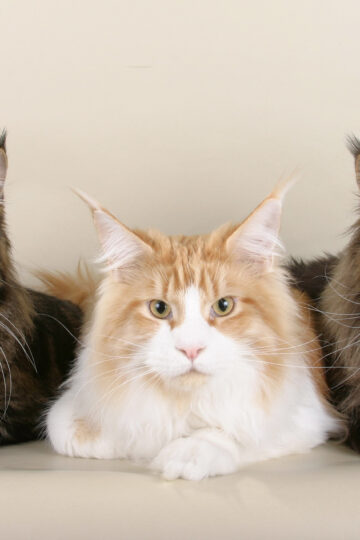
#5 Maine Coon: The Gentle Giant With a Loyal Streak
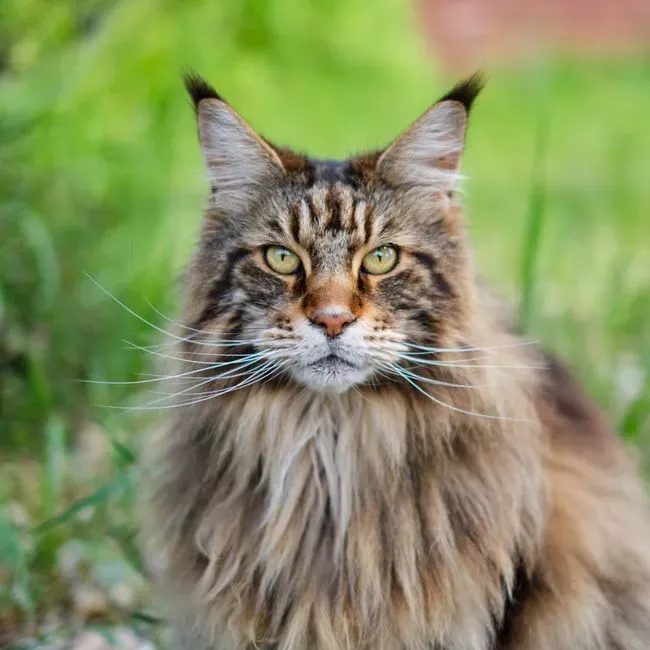
Maine Coons look independent with their rugged build and luxurious coats, but many are actually deeply attached to their people. They often act like easygoing companions who just want to hang out nearby - on the couch, at the foot of the bed, or supervising from a chair while you work. When that steady presence in their life disappears, even a confident Maine Coon can show signs of missing their favorite human.
Rather than overt anxiety, some Maine Coons may show subtler changes: they may be less interested in play, eat a bit less, or spend more time waiting near entryways and windows. Others might become more vocal than usual, as if “checking in” the moment you return. Because they are intelligent and playful, providing climbing spaces, interactive toys, and occasional new challenges can help buffer the impact of alone time, but they still tend to be happiest when their beloved human is around regularly.
Biscuit
Biscuit is looking at you hopefully.
#6 Scottish Fold: The Sensitive Soul Behind the Round Eyes
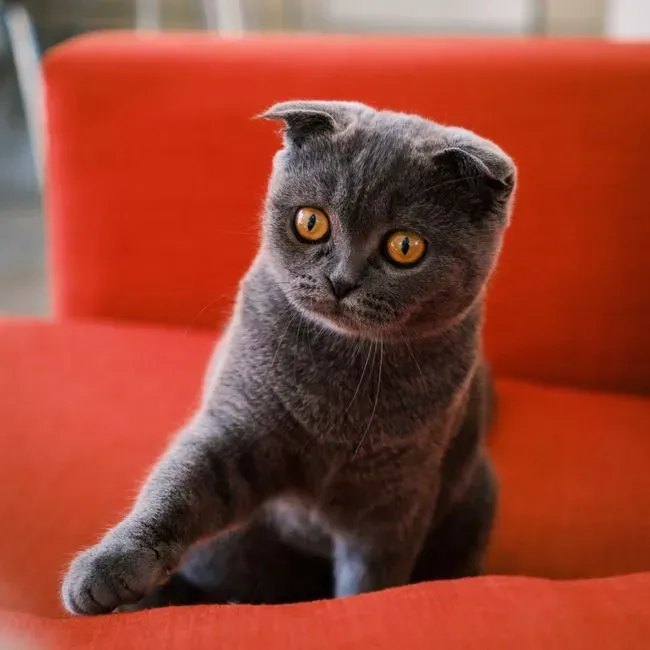
Scottish Folds often look permanently surprised or thoughtful, and their personalities can be just as gentle as their expressions. Many develop soft, steady attachments to their people, preferring a predictable environment and calm, reliable routines. When their favorite human suddenly disappears for long periods, this disruption can make them feel insecure, even if they don’t show it in dramatic ways.
Some Scottish Folds may become quieter, hide more, or seem less inclined to explore and play when they spend a lot of time alone. Because the breed can already be prone to joint and comfort issues, emotional stress is the last thing they need layered on top. Guardians can help by keeping schedules consistent, avoiding abrupt changes in who cares for them, and making departures and returns as low-stress and reassuring as possible, with gentle interaction they can count on.
#7 Bengal: The High-Energy Brain That Hates Boredom
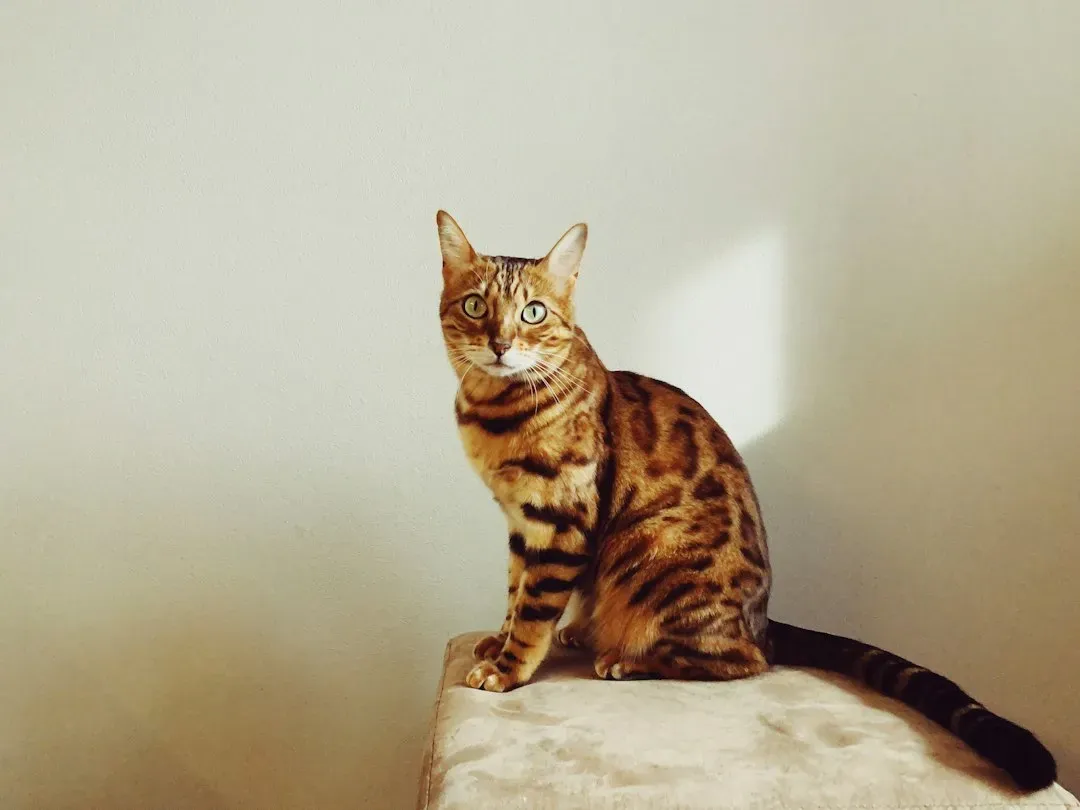
Bengals are athletic, smart, and intense, often described as having the energy of a small wildcat packed into a domestic body. While some are more independent, many Bengals strongly bond with the person who plays with them the most and understands their need for activity. When that human is gone, what’s left is a bright, high-drive cat in a quiet house with limited outlets for all that brainpower and energy.
In that situation, a Bengal may channel its frustration into destructive behavior, excessive vocalizing, or relentless attention-seeking when you get back. This isn’t “bad” behavior; it’s often a sign of a cat that was under-stimulated and possibly stressed while alone. Environmental enrichment is absolutely critical here: tall climbing trees, shelves, puzzle toys, structured play sessions, and ideally a suitable animal companion can make the difference between a Bengal that just misses you and one that truly struggles in your absence.
#8 Tonkinese: The Cheerful People-Pleaser
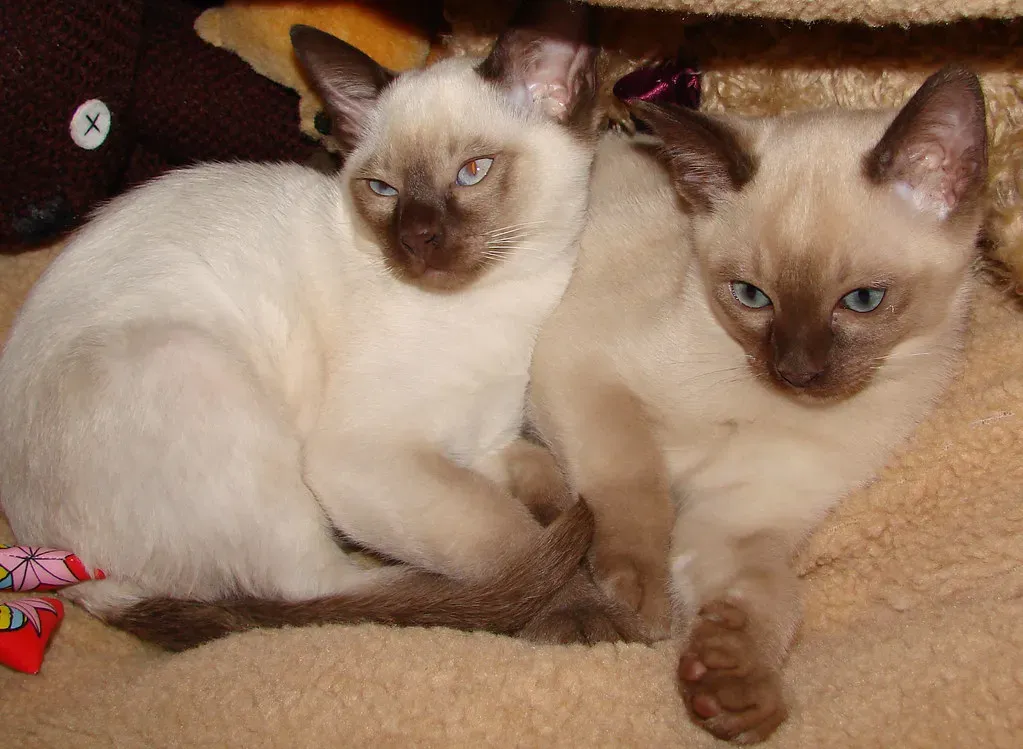
Tonkinese cats blend traits of the Siamese and Burmese, and that often means a big personality wrapped around a very people-centered heart. They’re usually playful, chatty, and affectionate, often choosing to be physically close to their humans throughout the day. That emotional reliance means that long periods of solitude can feel especially empty for them, like suddenly turning off the music at a lively party.
Many Tonkinese do best in households where someone is home much of the time or where there is another friendly pet to interact with. Without that, they may become clingier, more vocal, or less confident overall. Simple steps like maintaining a predictable routine, offering high-value interactive play, and leaving behind comforting scents or recordings of human voices can help a Tonkinese navigate the emotional gap when their favorite person is out of the house.
#9 Devon Rex: The Mischief-Maker Who Wants a Co‑Conspirator
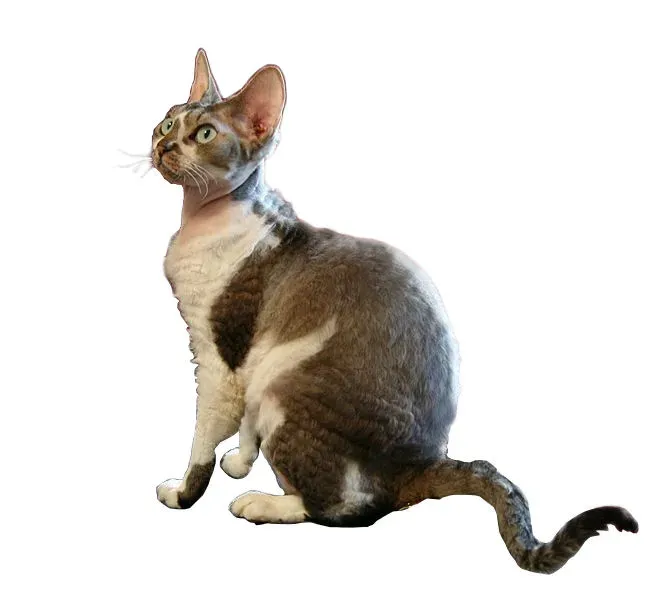
Devon Rex cats are playful, quirky, and often hilarious, with a reputation for clownish antics and a love of being involved in everything. They tend to attach strongly to their people, not just for cuddles, but as teammates in fun and exploration. When their main human sidekick disappears for long hours, the world can feel a lot less interesting and a lot more lonely.
Left under-stimulated, a Devon Rex might invent its own entertainment by getting into cupboards, knocking things over, or exploring spots they really should not be in. This is usually a sign of a clever cat craving connection and engagement more than a troublemaker out to annoy you. Short, intense play sessions before you leave, rotating toys, and, if possible, another active animal companion can transform their alone time from frustrating to at least somewhat satisfying until their favorite human returns.
Opinionated Conclusion: Deeply Attached Cats Deserve Humans Who Plan Ahead
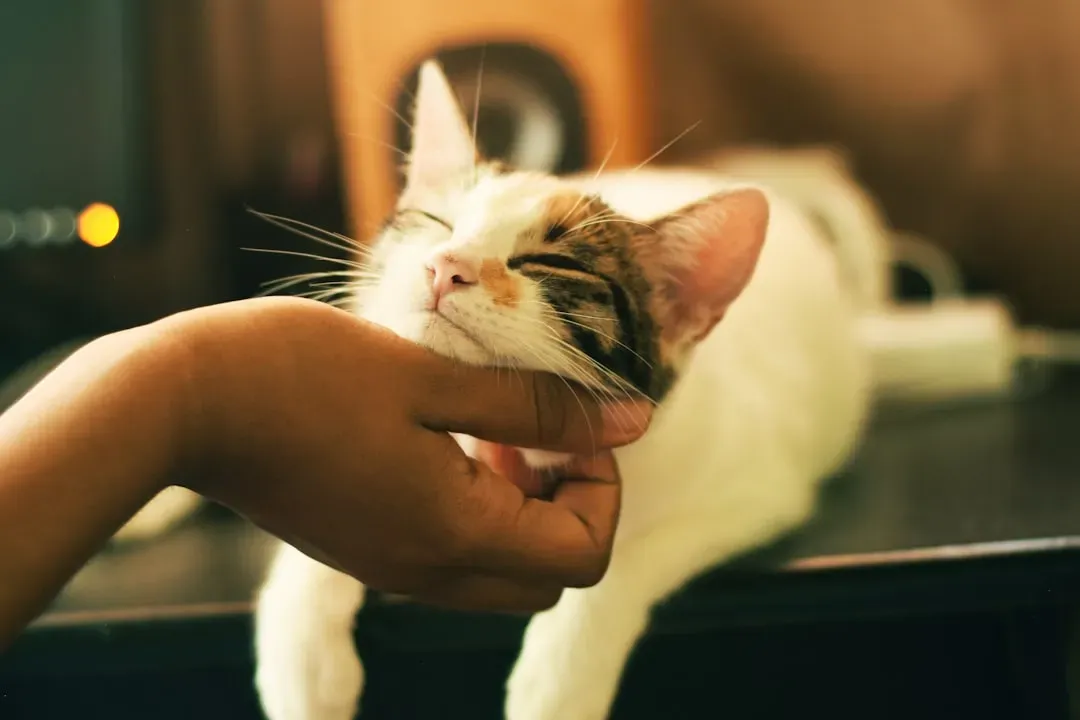
Not every Siamese, Bengal, or Ragdoll will fall apart when you walk out the door, and not every mixed-breed shelter cat will shrug it off. There is huge variation between individuals. Still, these nine breeds are more likely than many others to feel your absence strongly, and ignoring that emotional reality because “cats are independent” does them a real disservice. When we bring home a cat that’s wired for deep attachment, we take on the responsibility to factor that sensitivity into our schedules, our travel plans, and the way we shape their environment.
In my view, choosing a highly people-oriented breed while also expecting them to be okay alone all day, every day, is like adopting a marathon partner and then never going for a run. If you love the idea of a cat that adores you, shadows you, and clearly misses you when you leave, that can be an incredibly rewarding bond - but it should come with honest self-reflection about how much time and energy you can really give. Maybe the better question isn’t whether these breeds handle being alone, but whether we, as their humans, are willing to adjust our lives so they do not have to struggle so much in the first place. Would your current lifestyle truly feel fair to a cat that loves you this hard?