10 Extraordinary Wild Cats That Break Nearly Every Stereotype We Have About Felines
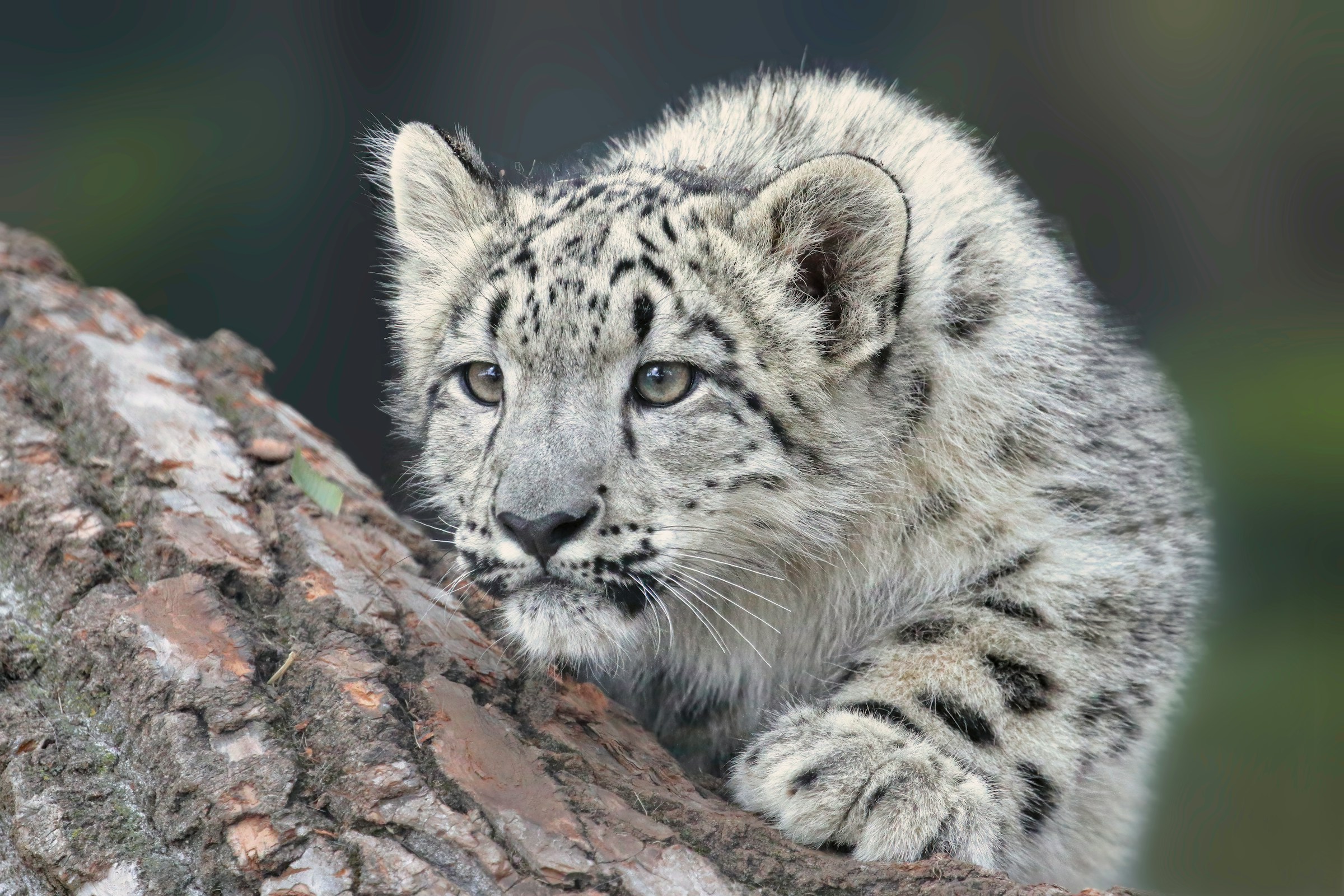
You probably think you know cats: small, night-owl loners that hate water, nap all day, and stalk around with quiet confidence. But once you step outside your living room and into the world of wild cats, those cozy assumptions start to fall apart fast. Across deserts, mountains, wetlands, and rainforests, there are feline misfits that flip the usual script on how a cat should look, move, hunt, and even feel about water. In this article, you’re going to meet ten wild cats that will seriously mess with your mental image of what “cat-like” even means. Some are tiny but ferocious, some are swimmers, some are almost cartoonishly fluffy, and one looks more like an otter than a cat. By the end, you’ll never look at your house cat the same way again - and you might find yourself rooting even harder for these under-the-radar species that quietly run their own worlds.
1. Serval: The High-Jumping, Long-Legged “Supermodel” Cat
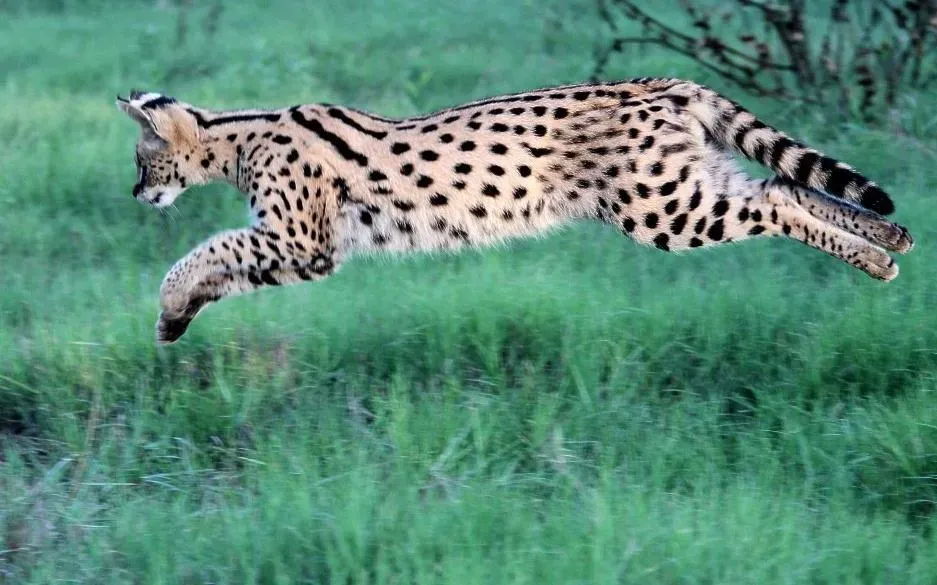
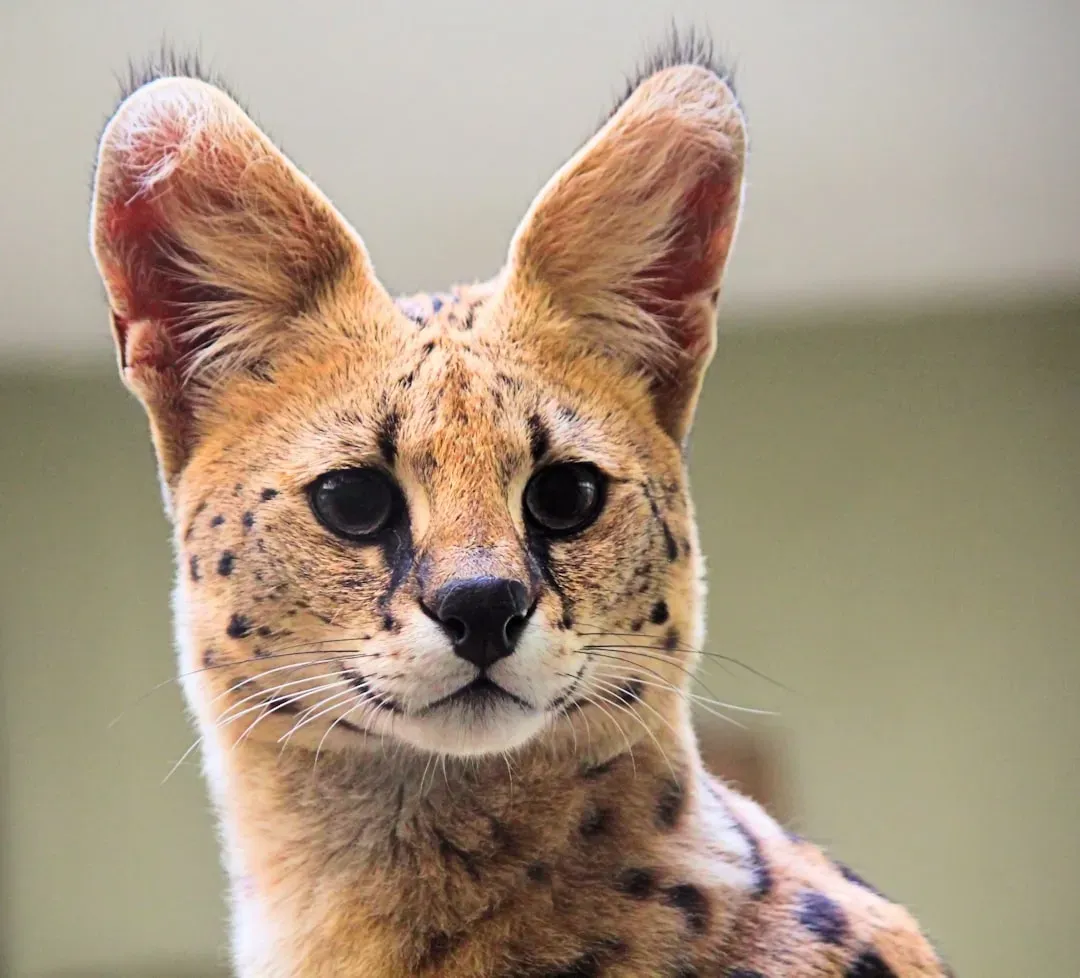
If your idea of a cat is a compact, low-to-the-ground creature that pounces from a couch arm, the serval will feel like a glitch in the matrix. This African wild cat has outrageously long legs, oversized ears, and a lean body that looks more like it was designed in a wind tunnel than grown in the bush. Those legs are not just for show - servals can spring several feet straight into the air to snatch birds mid-flight, something you rarely see in other cats. ([nationalgeographic.com](https://www.nationalgeographic.com/animals/mammals/facts/serval?utm_source=openai)) You usually picture cats as ambush hunters that creep and then leap, but with a serval you’re watching vertical takeoff like a feathery missile. Its huge ears are radar dishes tuned to the faintest rustle of rodents underground, and those long limbs help it jab its paws deep into burrows or hook frogs and fish right out of the water. The serval proves that being “catlike” can include athletic feats you’d more easily associate with a basketball star than your sleepy tabby. ([nationalgeographic.com](https://www.nationalgeographic.com/animals/mammals/facts/serval?utm_source=openai))
2. Fishing Cat: The Feline That Treats Water Like a Hunting Ground
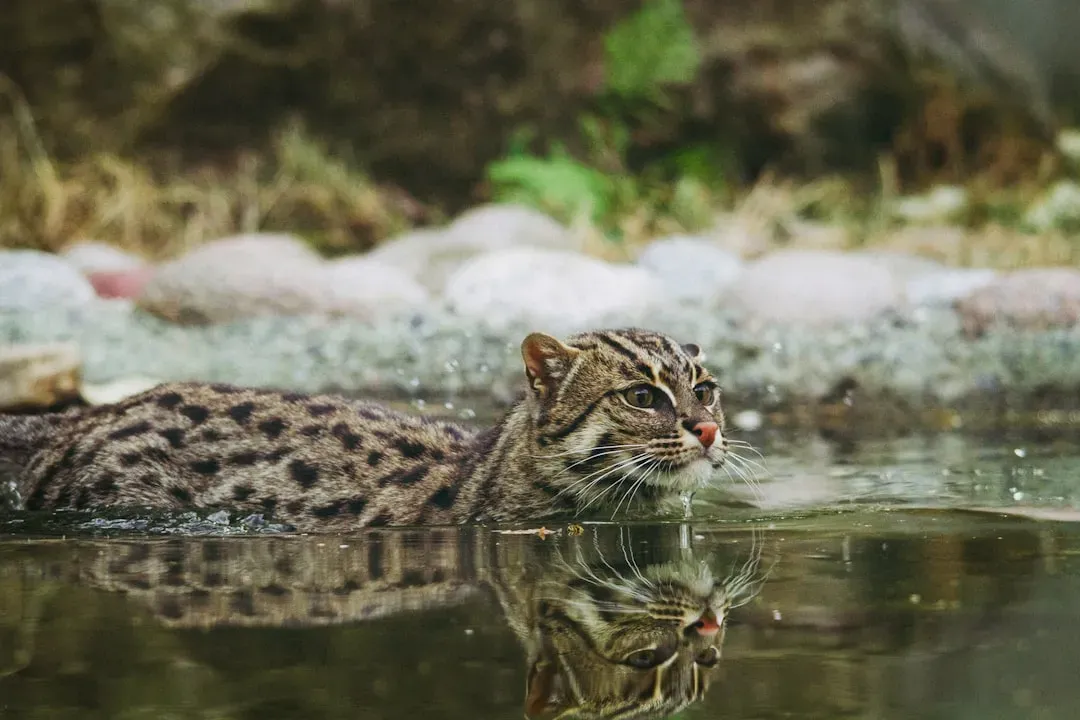
You’ve probably heard it a thousand times: cats hate water. Now picture a stocky wild cat in South and Southeast Asia wading calmly through wetlands, peering into murky pools, and then plunging in - fully committed - to go after fish. That’s the fishing cat, a species that has taken the one thing domestic cats supposedly despise and turned it into a superpower. Its partially webbed front feet and dense, water-resistant fur are literal built-in fishing gear. ([nationalzoo.si.edu](https://www.nationalzoo.si.edu/animals/fishing-cat?utm_source=openai)) Instead of avoiding rivers, you see this cat patrolling the edges of marshes and mangroves, tapping the water’s surface or waiting motionless until an unlucky fish swims by. When it strikes, it can scoop prey with its paws or dive in after it like a furry torpedo. Compared to your average couch cat tiptoeing around a puddle, the fishing cat is almost shocking - it treats water not as a threat, but as a buffet line. ([nationalzoo.si.edu](https://www.nationalzoo.si.edu/animals/fishing-cat?utm_source=openai))
3. Sand Cat: The Desert Ghost That Lives Where Cats “Shouldn’t”
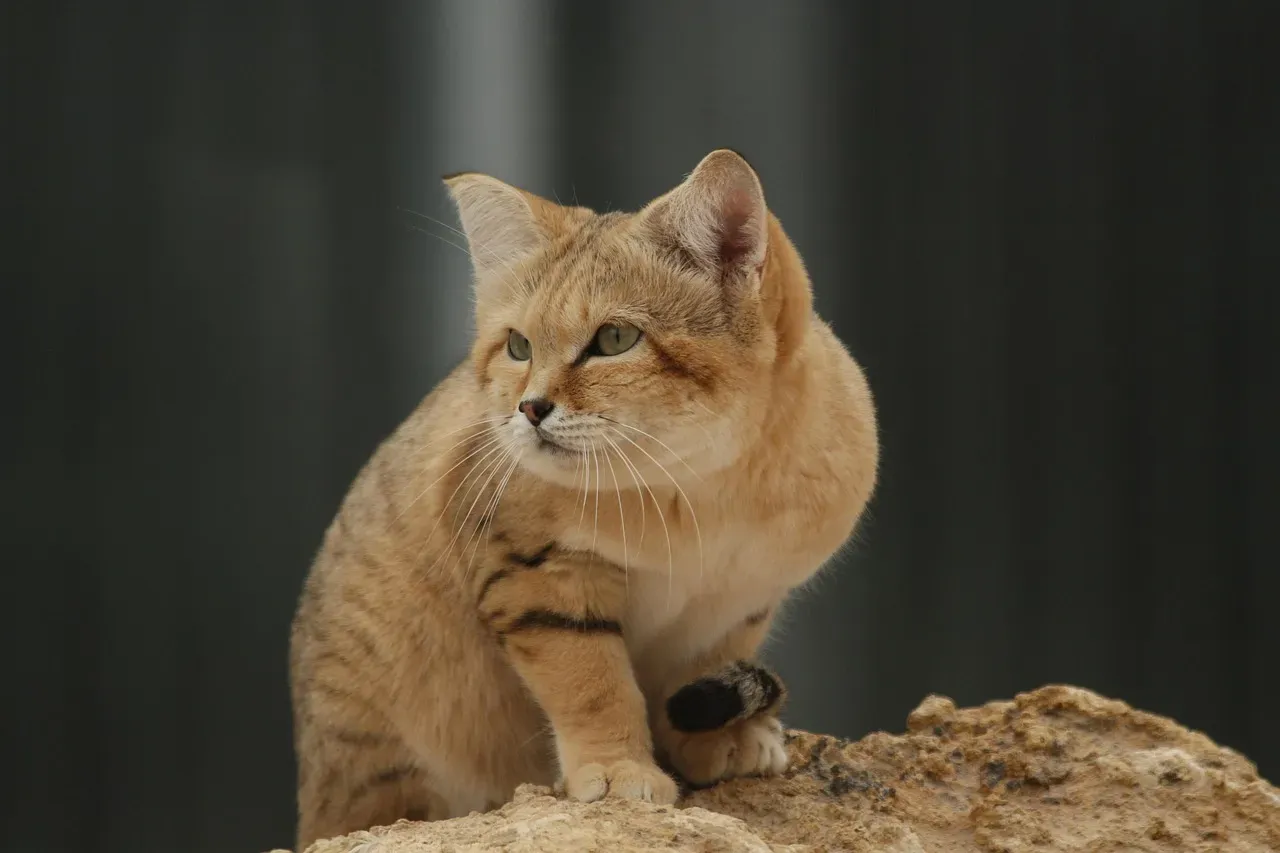
If someone told you a small cat could thrive in some of the harshest deserts on Earth - with hardly any free water - you’d probably assume they were stretching the truth. Yet the sand cat does exactly that, slipping across the dunes of North Africa, the Middle East, and parts of Central Asia like a pale, low-slung phantom. Its thick fur insulates it from temperature extremes, and the fur on its feet acts like built-in desert boots that protect its paws and help it walk over scorching sand. ([animals.sandiegozoo.org](https://animals.sandiegozoo.org/animals/small-cat?utm_source=openai)) Unlike the stereotypical lap cat curled up under a blanket, the sand cat spends the day underground in burrows to avoid deadly heat, then emerges at night to hunt rodents, reptiles, and insects. It can go long stretches without drinking, getting much of its moisture from prey - something most pet cats never even have to attempt. When you realize there’s a tiny feline out there built to handle sandstorms and near waterlessness, the idea of cats as delicate indoor creatures starts to feel a bit silly. ([animals.sandiegozoo.org](https://animals.sandiegozoo.org/animals/small-cat?utm_source=openai))
4. Black-Footed Cat: The Tiny Body With a Ridiculously Big Kill Rate
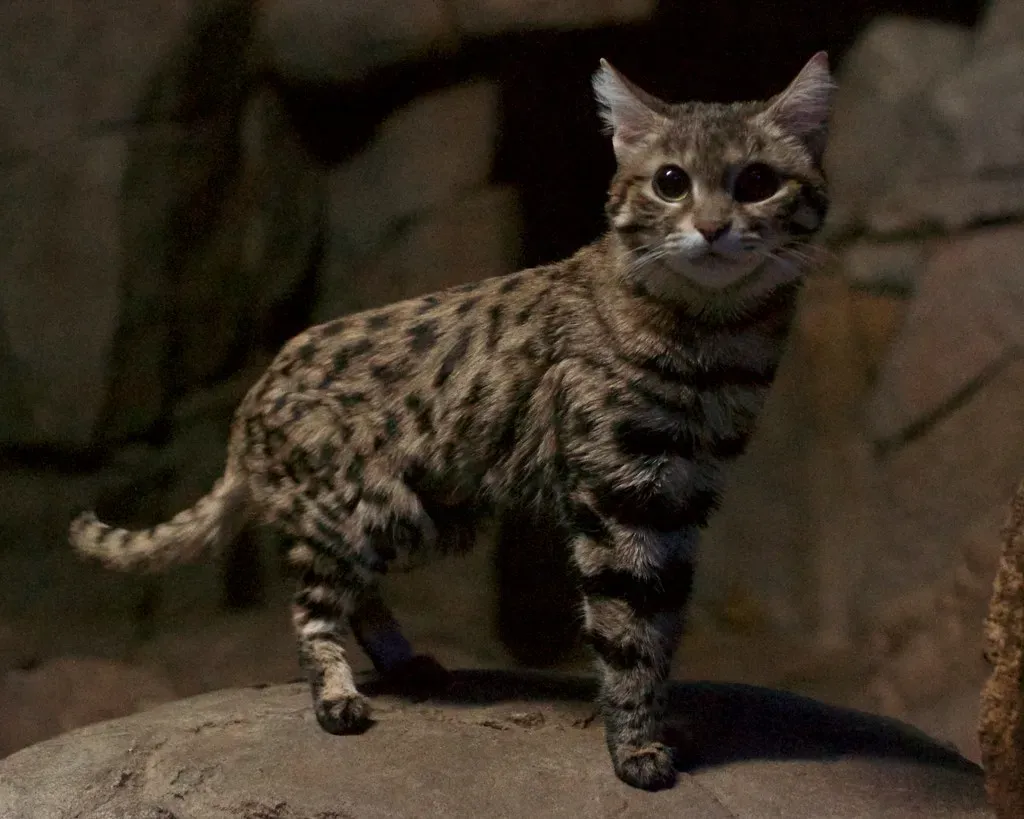
You’ve likely been told that lions and tigers are the “top” predators among cats, but if you measure hunting success by sheer efficiency, one of the most lethal is actually smaller than many house cats. The black-footed cat of southern Africa is a pocket-sized predator with a reputation for being a relentless, high-metabolism hunter. In a single night, it can attack and eat numerous small animals, consuming roughly a sixth of its own body weight - an intensity that would put most big cats to shame. ([en.wikipedia.org](https://en.wikipedia.org/wiki/Black-footed_cat?utm_source=openai)) Instead of lounging through long stretches of the day, this cat spends the dark hours methodically patrolling its territory, flushing birds from grass, digging for insects, and chasing rodents with frightening focus. It is known for being extraordinarily bold for its size, tackling prey and surviving in open, often harsh landscapes. When you compare that to a domestic cat batting lazily at a feather toy, you suddenly see just how far real feline drive can go when survival depends on it. ([animals.sandiegozoo.org](https://animals.sandiegozoo.org/animals/small-cat?utm_source=openai))
5. Pallas’s Cat: The Fluffy Grouch Built for Brutal Cold
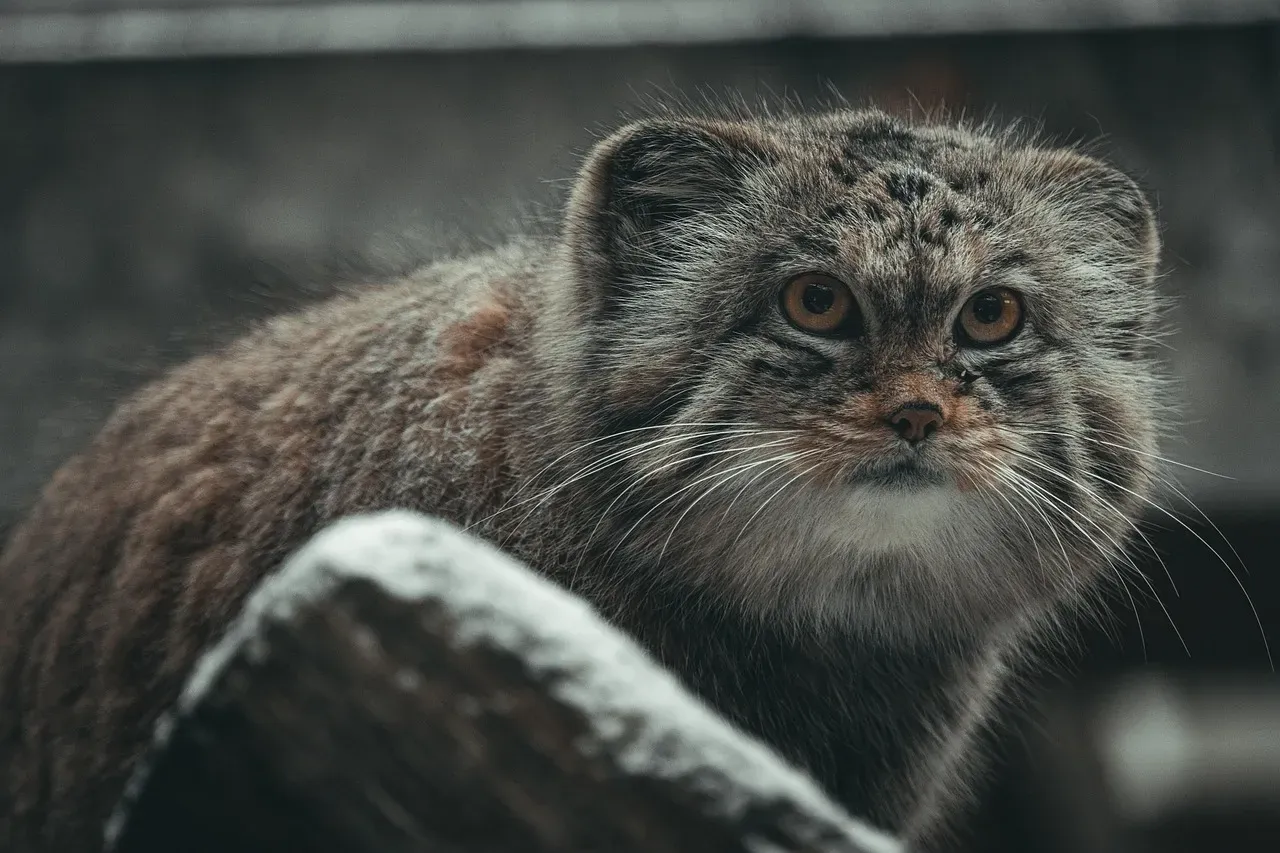
If your brain links “wild cat” with sleek and streamlined, the Pallas’s cat (or manul) will scramble your mental image. This Central Asian species looks more like a furious gray pom-pom than a typical feline, with a dense, plush coat, rounded pupils, and a squat, oversized body. That cartoonish fluff is highly functional: it insulates the cat against bitterly cold, high-altitude environments where temperatures plunge and winds cut across open steppe. ([nationalzoo.si.edu](https://nationalzoo.si.edu/animals/pallas-cat?utm_source=openai)) You might expect such a fluffy animal to be cuddly or slow, but Pallas’s cats are solitary, secretive, and surprisingly irritable in demeanor. Rather than leaping from tree to tree or sprinting like a cheetah, they rely on low, stealthy movements among rocks and use their camouflage to ambush pikas and other small mammals. When they vocalize, the sounds can be startlingly un-catlike - more like a small dog’s bark than a gentle meow - reminding you that even the “cute” wild cats are not domestic pets in disguise. ([nationalzoo.si.edu](https://nationalzoo.si.edu/animals/pallas-cat?utm_source=openai))
6. Rusty-Spotted Cat: The “Kitten-Sized” Predator With Full-Sized Instincts
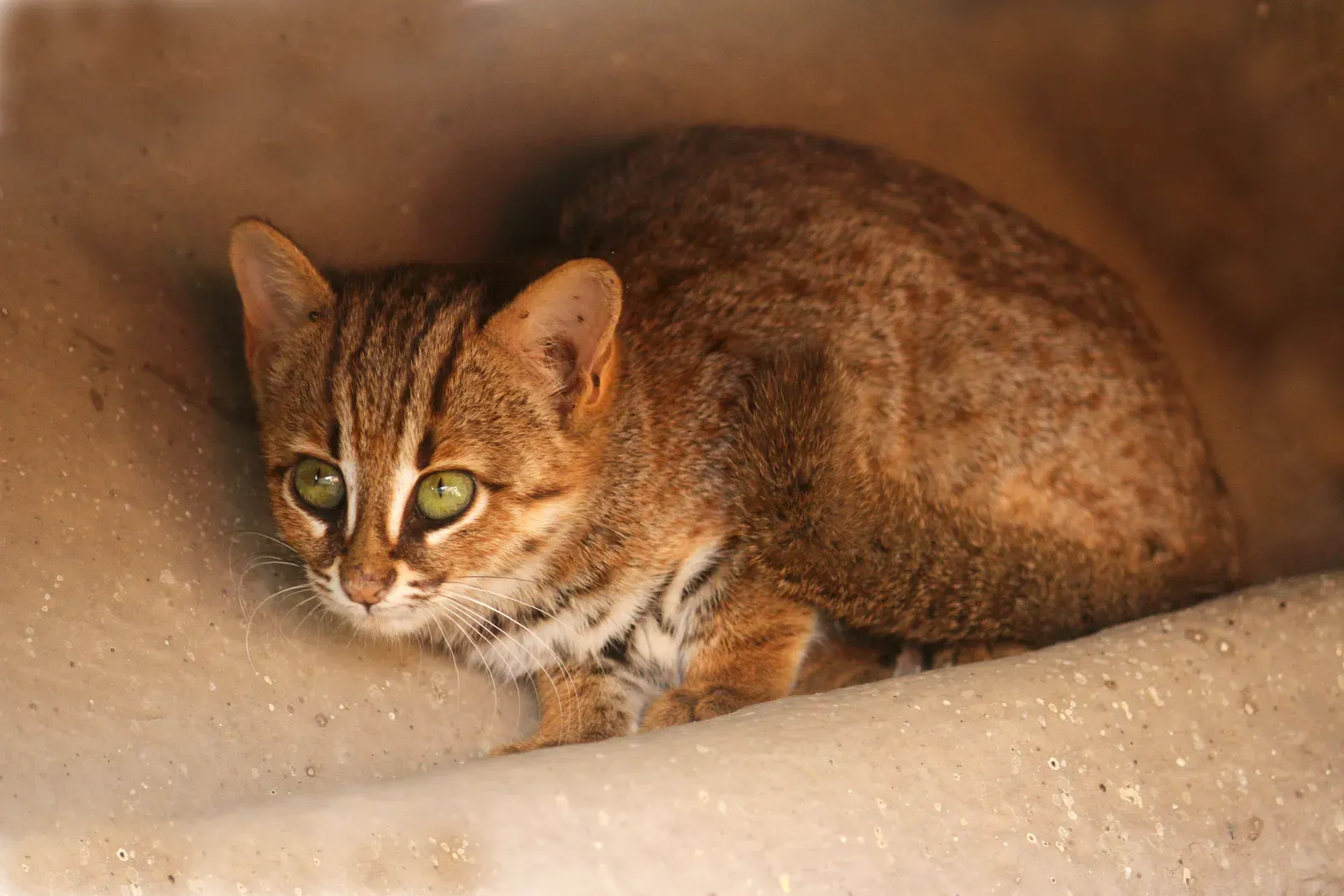
If you picture wild cats as obviously bigger and tougher than your house cat, the rusty-spotted cat of India and Sri Lanka quietly proves you wrong. Adults can weigh around half of what a typical domestic cat does, making this one of the smallest wild cats in the world. Yet when you watch it move, hunt, or stalk, you’re seeing the same sharp predatory toolkit - just scaled down to something that looks almost permanently kitten-like. ([nhm.ac.uk](https://www.nhm.ac.uk/discover/a-world-of-wild-cats.html?utm_source=openai)) This species slips through forests and scrubland at night, going after birds, lizards, and small mammals with the same seriousness a leopard brings to a deer. It may look fragile, but it climbs, creeps, and pounces with full wild intensity. When you realize a cat that could practically fit in your two hands still lives a completely self-sufficient life in the wild, it challenges the idea that “small” equals harmless or tame. ([panthera.org](https://panthera.org/sites/default/files/press-room/Panthera_2021AnnualReport.pdf?utm_source=openai))
7. Margay: The Tree Acrobat That Can Climb Like a Monkey
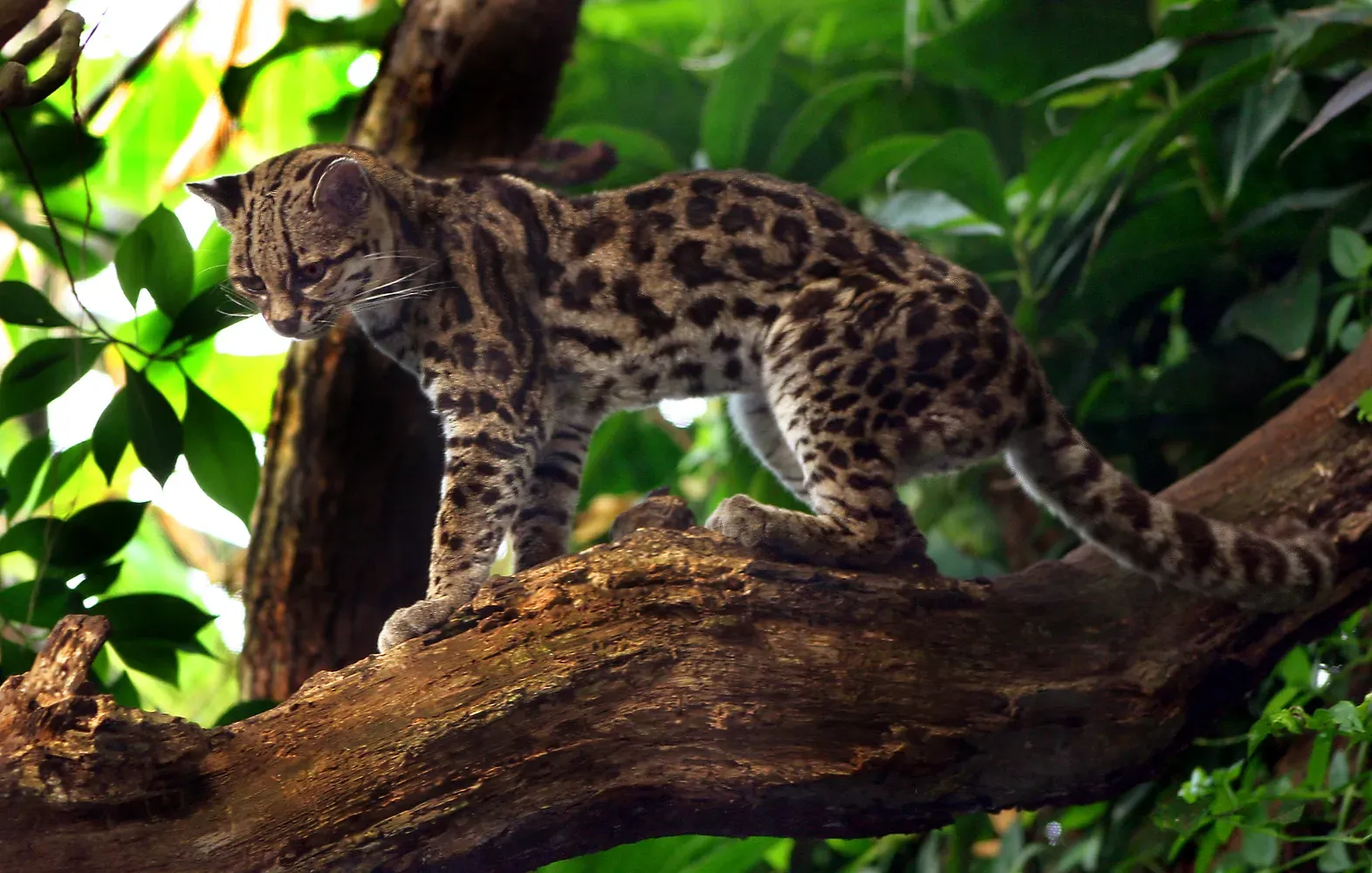
You might think of cats as great climbers, but you probably still imagine them spending most of their time on the ground. The margay of Central and South America pushes climbing to the extreme, essentially living a double life as a feline and a tree specialist. Its ankles can rotate in a way that allows it to descend headfirst and hang by one paw, and it moves through branches with an ease that feels closer to a monkey than a typical cat. ([nhm.ac.uk](https://www.nhm.ac.uk/discover/a-world-of-wild-cats.html?utm_source=openai)) Unlike more ground-focused cats, the margay often hunts and mates in the trees, pursuing birds and arboreal mammals under the forest canopy. It is shy and mostly nocturnal, using its flexible body and long tail for balance as it weaves through complex tangles of vines and branches. If you’ve always pictured wild cats as prowling on the forest floor, the margay forces you to look up and imagine an entirely vertical world of feline life. ([animals.sandiegozoo.org](https://animals.sandiegozoo.org/animals/small-cat?utm_source=openai))
8. Jaguarundi: The Otter-Looking Cat That Breaks the “Cute” Template
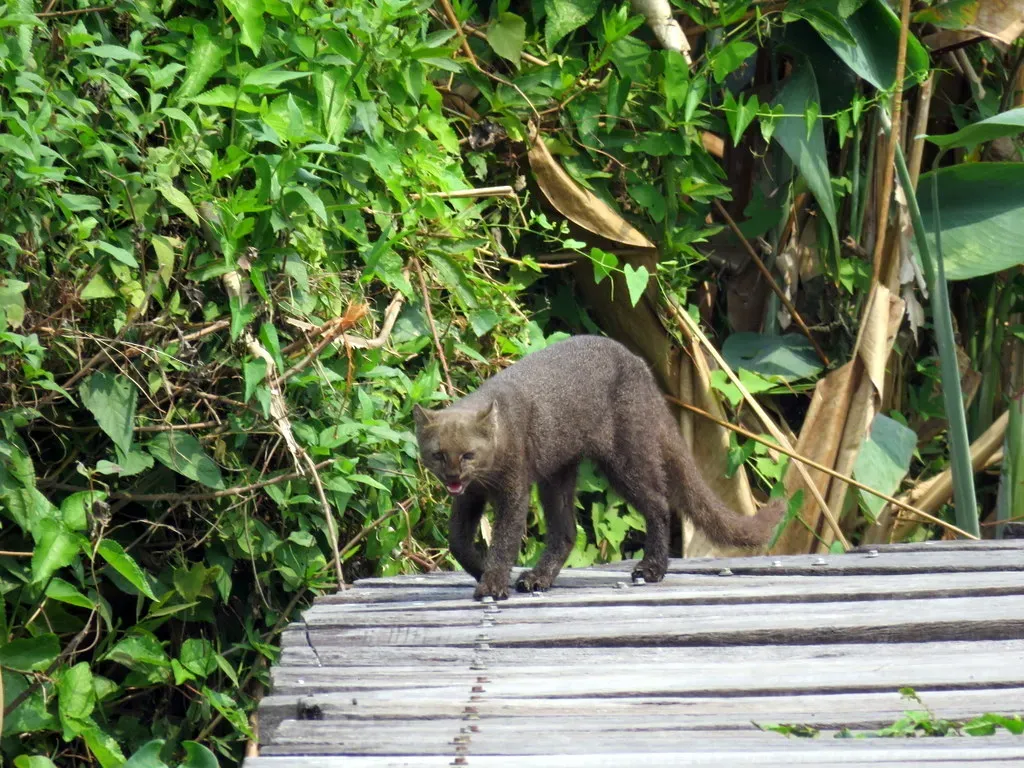
When you first see a jaguarundi, your brain might not register “cat” at all. With its long, low body, small rounded ears, and sleek, often uniform-colored coat, it can look oddly like an otter or a weasel that accidentally wandered into the cat family. Found from parts of Mexico through Central and much of South America, this species calmly ignores your expectation that wild cats should be spotted, fluffy, or traditionally “cute.” ([nhm.ac.uk](https://www.nhm.ac.uk/discover/a-world-of-wild-cats.html?utm_source=openai)) Even its behavior bucks the norm. While many wild cats are mostly nocturnal, jaguarundis can be more active during the day, often using a mix of ground travel and some climbing to explore their territories. They eat a wide variety of prey, from rodents to birds and even small reptiles, adapting to what’s available instead of locking into a narrow specialist role. If you only knew cats from cartoons and social media, the jaguarundi would feel like a completely new template. ([en.wikipedia.org](https://en.wikipedia.org/wiki/Jaguarundi?utm_source=openai))
9. Caracal: The Ear-Tufted Athlete With a Not-So-Catlike Jump
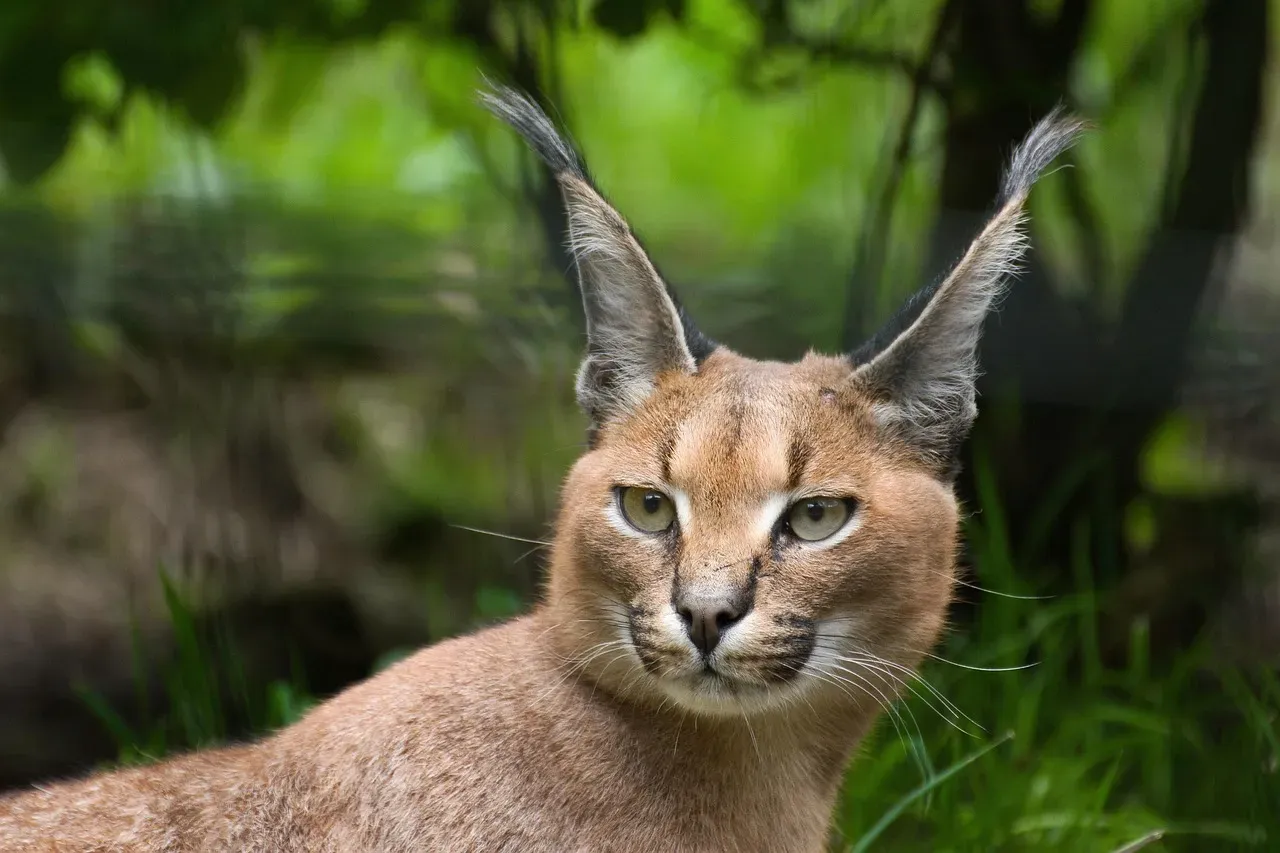
The caracal looks like it was drawn by someone who liked cats but also really liked mythological creatures. Those long black ear tufts, sleek reddish coat, and powerful hindquarters give it an almost supernatural elegance. Native to parts of Africa, the Middle East, and Central and South Asia, it blurs the line between the mental image you have of a lynx and a desert hunter - but its behavior is very much its own thing. ([academic.oup.com](https://academic.oup.com/mspecies/article/52/993/71/6016926?utm_source=openai)) You might expect a medium-sized wild cat to rely mostly on stealth, yet the caracal is famous for explosive vertical jumps, leaping several feet into the air to knock multiple birds out of flight in one burst. It can twist and turn mid-air with acrobatic control that would impress a gymnast. This is not a cat casually swatting at toys; it’s a precision athlete built to turn brief windows of opportunity into meals, reshaping your idea of how physically extreme a “normal-sized” cat can be. ([animals.sandiegozoo.org](https://animals.sandiegozoo.org/animals/small-cat?utm_source=openai))
10. Snow Leopard: The Mountain Ghost That Redefines “Catlike Grace”
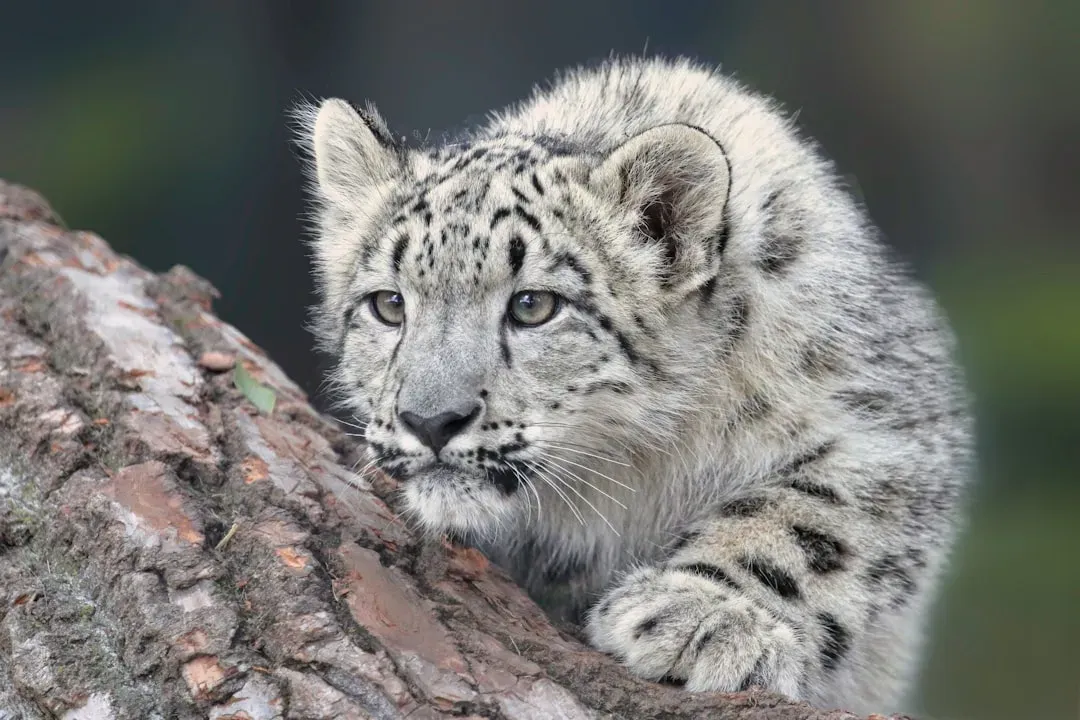
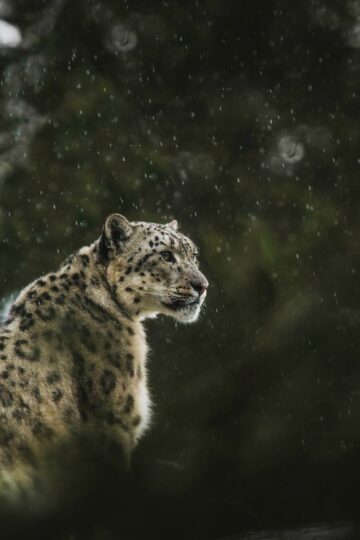
Many people imagine cats in cozy indoor scenes or at most in mild, forested landscapes - but the snow leopard lives in some of the most forbidding mountains on Earth. In the high ranges of Central and South Asia, it navigates steep cliffs, rocky ledges, and thin air where even taking a step looks risky. Its massive, thick tail works like a counterweight and a blanket, aiding in balance on knife-edge ridges and wrapping around its body for warmth when it rests on snow. ([catsg.org](https://www.catsg.org/cats/livingspecies?utm_source=openai)) You think of cats as stealthy, but the snow leopard takes that to another level; people who live in its range can go years without ever seeing one, even when they know it’s nearby. Its pale, patterned coat blurs into rock and snow, turning it into almost a rumor more than an animal. When you picture a cat handling icy winds, vertical drops, and massive altitude with quiet ease, your entire sense of what feline grace means has to expand to include sheer survival in a world that looks utterly uninhabitable. ([savewildcats.foundation](https://savewildcats.foundation/en/encyclopedia/?utm_source=openai))
Conclusion: Once You See These Cats, “Normal” Felines Never Look the Same
By now, the cozy stereotypes you started with - cats as dainty, water-fearing sofa ornaments - probably feel a bit outdated. You’ve met desert specialists that hardly drink, mountain ghosts that tiptoe along cliffs, tree acrobats that rival monkeys, and tiny powerhouses that out-hunt the big names. Each of these ten wild cats takes some part of the “cat rulebook” and tears it up, replacing it with its own fiercely specific way of surviving. The funny part is that, after you’ve seen this wilder spectrum, your own cat’s quirks start to make more sense: the random vertical leaps, the obsession with watching water, the sudden need to climb to the highest shelf. You’re not just living with a pet; you’re sharing space with a heavily edited, small-scale relative of some of the most adaptable predators on the planet. Now that you know how far the feline family can stretch, which of these wild rule-breakers surprised you the most?