16 Signs Your Aging Cat Still Has More Energy Than You Ever Expected
Most cat owners assume that once their cat hits double digits, the spark is basically gone. Slow walks to the food bowl, all-day naps on one cushion, zero interest in toys - that's the story everyone expects.
Vets and feline behaviorists say that story is often wrong. A surprising number of senior cats throw out bursts of vitality that catch their own owners completely off guard.
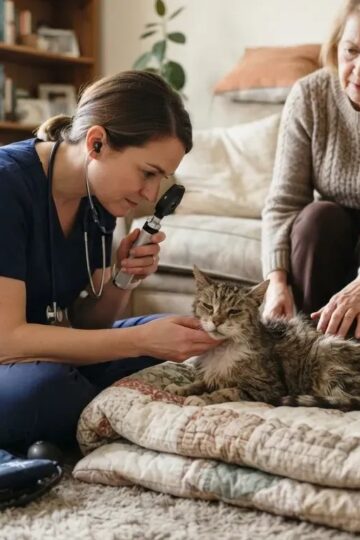
Cornell's veterinary experts put it simply: aging alone isn't an illness. Here are the 16 signs that prove your senior cat might still have more fire in it than you ever gave it credit for.
#16 - They Still Voluntarily Initiate Playtime
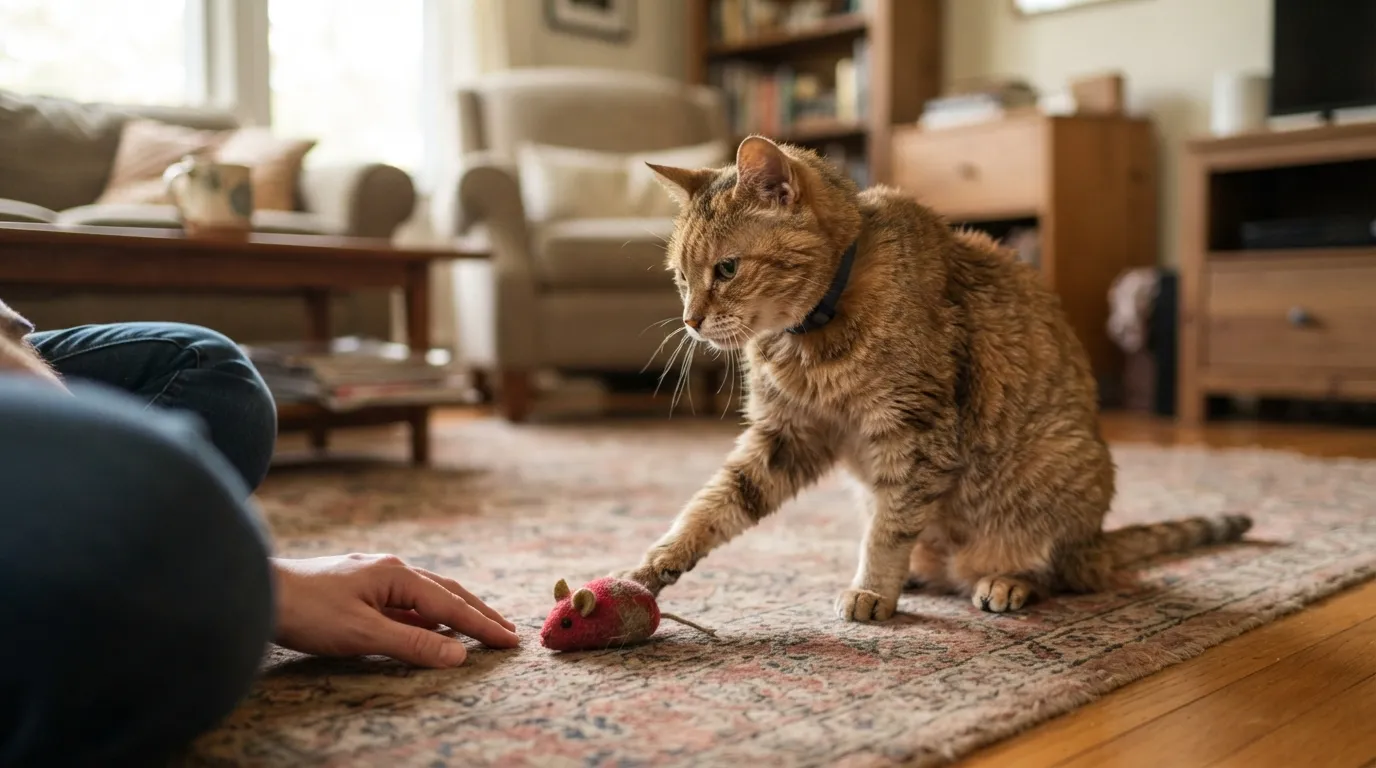
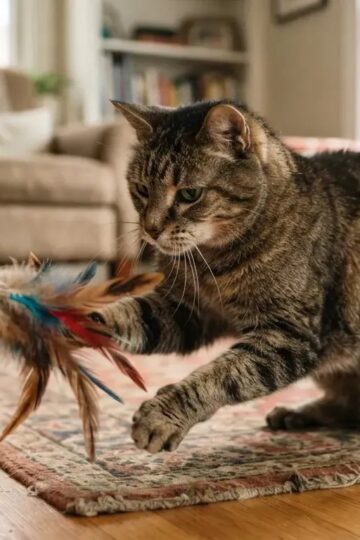
An aging cat that nudges a toy toward you isn't just being cute - it's flashing you a top-tier vitality signal. Play is a legitimate welfare indicator, not just entertainment.
Cats who engage in regular games with their humans tend to have stronger bonds and a better overall quality of life. A senior cat that initiates play is essentially acing a wellness check.
Exercise still matters at this age, too - it keeps their body and brain sharp, and their weight in check. Don't wave off a quick toy-nudge as a fluke.
It's one of the clearest green flags on this whole list. But #15 is even easier to miss.
#15 - They Still Greet You at the Door
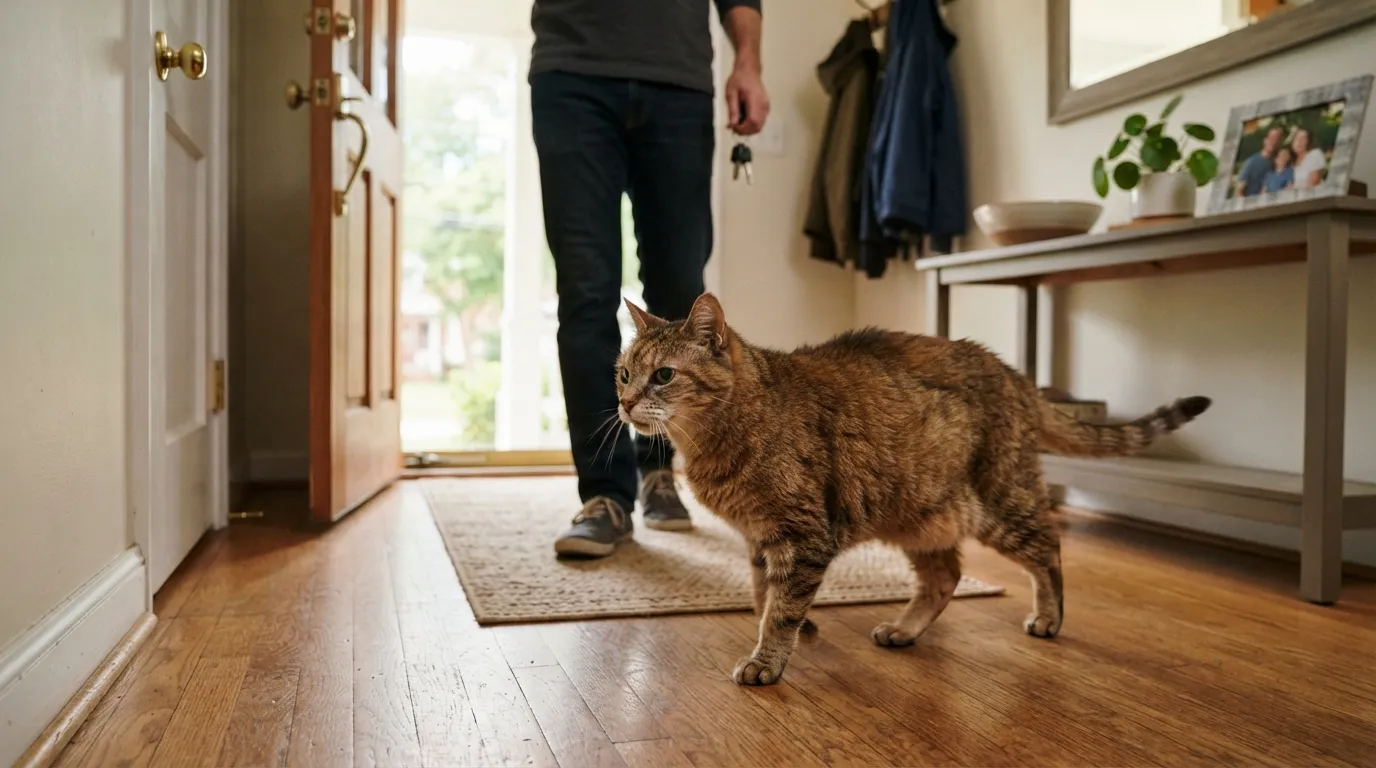
It looks small. It isn't - a senior cat trotting to the hallway the moment you walk in is showing motivated, goal-directed behavior.
Normal aging brings more sleep and a love of routine, not indifference toward the people they love. A cat that tracks your movements and meets you at the door is running on sharp social awareness.
Senior cats naturally move more carefully, but they should still engage with their space during waking hours. Door-greeting is exactly that kind of engagement, and it counts.
If your older cat still does this, count yourself lucky. Slide #14 says something even more telling about brain health.
#14 - Their Eyes Follow Moving Objects Sharply
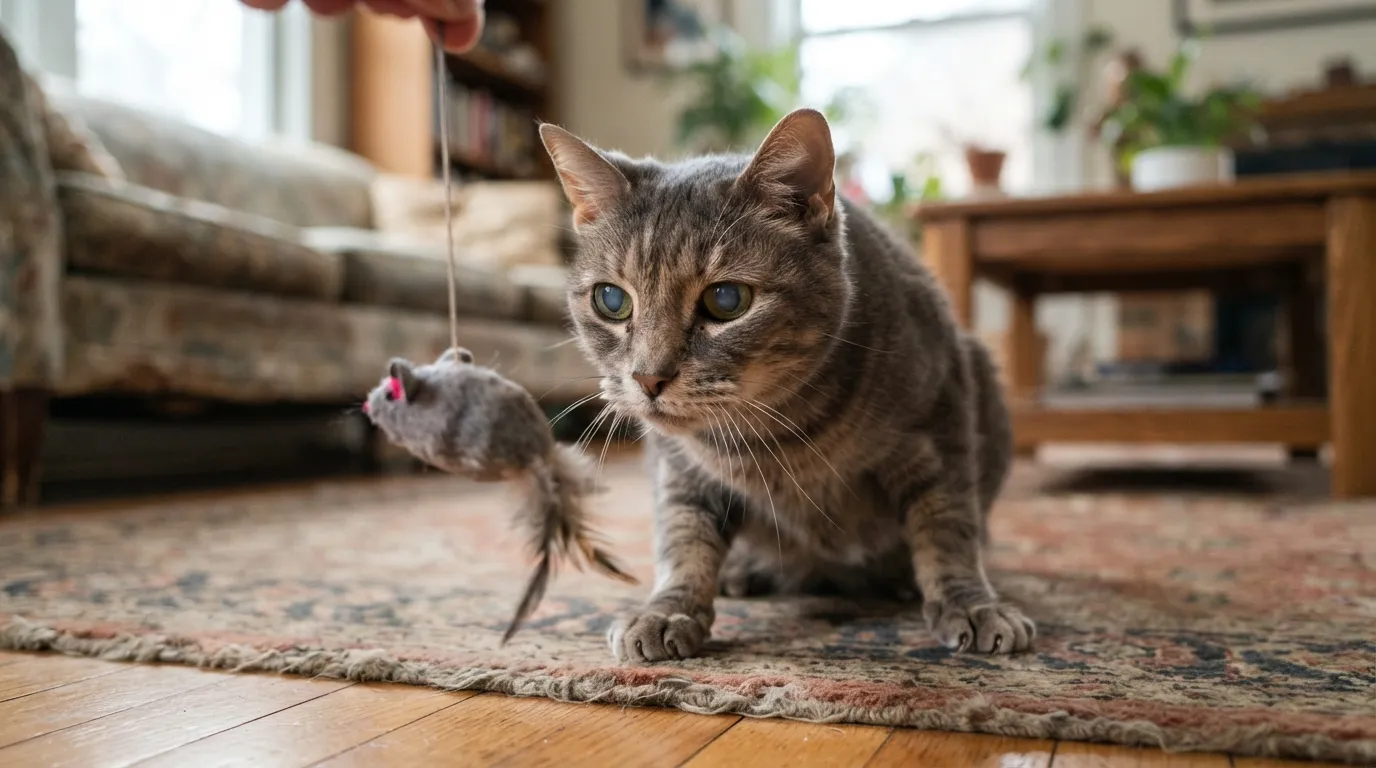
Watch the eyes. A senior cat whose gaze locks onto a bird, a cursor, or a dangling string with real intensity is telling you its nervous system is still firing.
Aging lenses can develop a cloudy, blue-gray haze called lenticular sclerosis. It's normal, and different from cataracts, which actually impair vision.
The key distinction: lenticular sclerosis doesn't meaningfully affect a cat's ability to track fast-moving objects up close. A cat that's actively tracking and pouncing-ready still has sharp visual processing.
A cat that seems to stare through things, or bumps into furniture, is a different story - one worth flagging to your vet. Sharp eyes are a strong sign.
Quick Compare
- Lenticular sclerosis: Normal cloudy haze; doesn't block vision or tracking.
- Cataracts: Denser white clouding; can seriously impair sight.
- Sharp tracking: A strong signal the nervous system is still firing well.
But #13 might be the most underrated vitality signal on this entire list.
#13 - They Still Jump (Even If They Pick Their Spots)
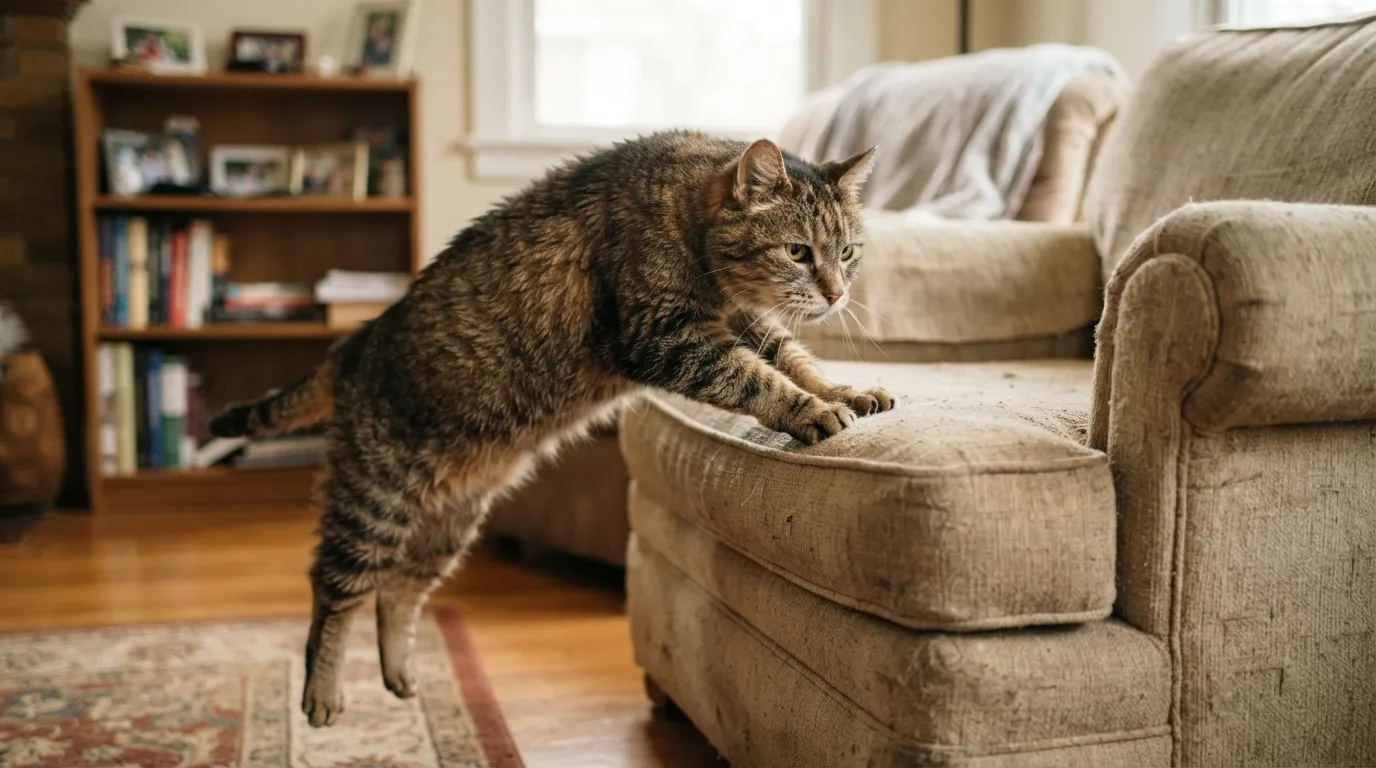
Your cat used to leap to the top shelf. Now it chooses the armchair instead - and that's not failure, that's smart self-regulation.
Normal aging brings more rest, but it should never mean sudden lethargy, stiffness, or a total loss of jumping ability. A cat making calculated, confident jumps - just shorter ones - still has intact muscle function and coordination.
Gentle exercise, like a feather toy or short encouraged jumps, helps keep that strength going. A cat that jumps with purpose is a cat that trusts its own body.
Slide #12 proves confidence shows up somewhere else entirely.
#12 - They Explore New Objects in the Home
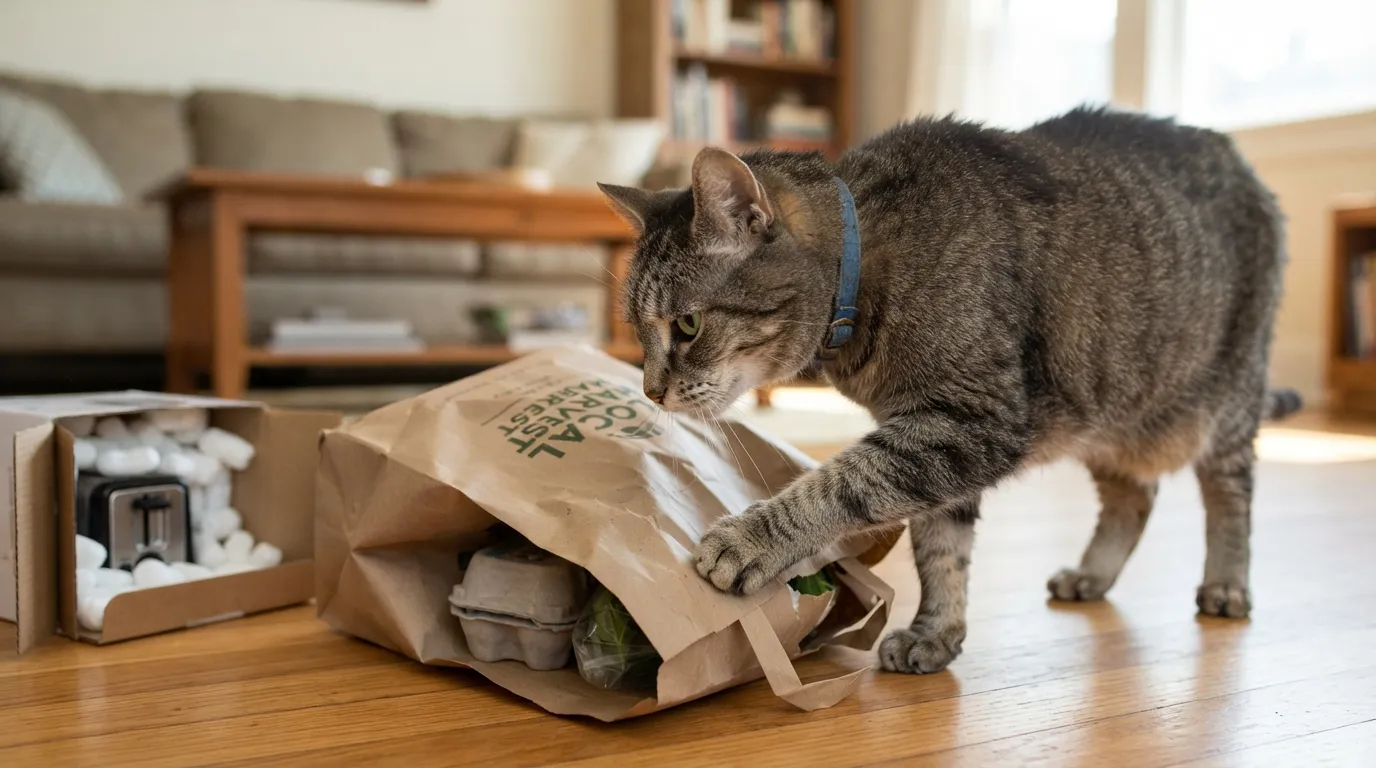
Bring home a grocery bag or a new piece of furniture. Does your senior cat come investigate? That curiosity is a direct readout of cognitive vitality.
Every cat ages differently, so watch individual behavior instead of a strict age chart. A cat that sniffs new objects, circles new furniture, or pats at packaging still has a brain that's hungry for input.
Curiosity in a senior cat is the feline equivalent of a crossword habit in a 75-year-old. It signals a mind still seeking reward.
Compare that to a cat that ignores every change in its environment - that blank disinterest is often the earlier warning sign worth watching. Curiosity is good.
But #11 shows energy that's even harder to fake.
#11 - They Have a Predictable "Active Window" Each Day
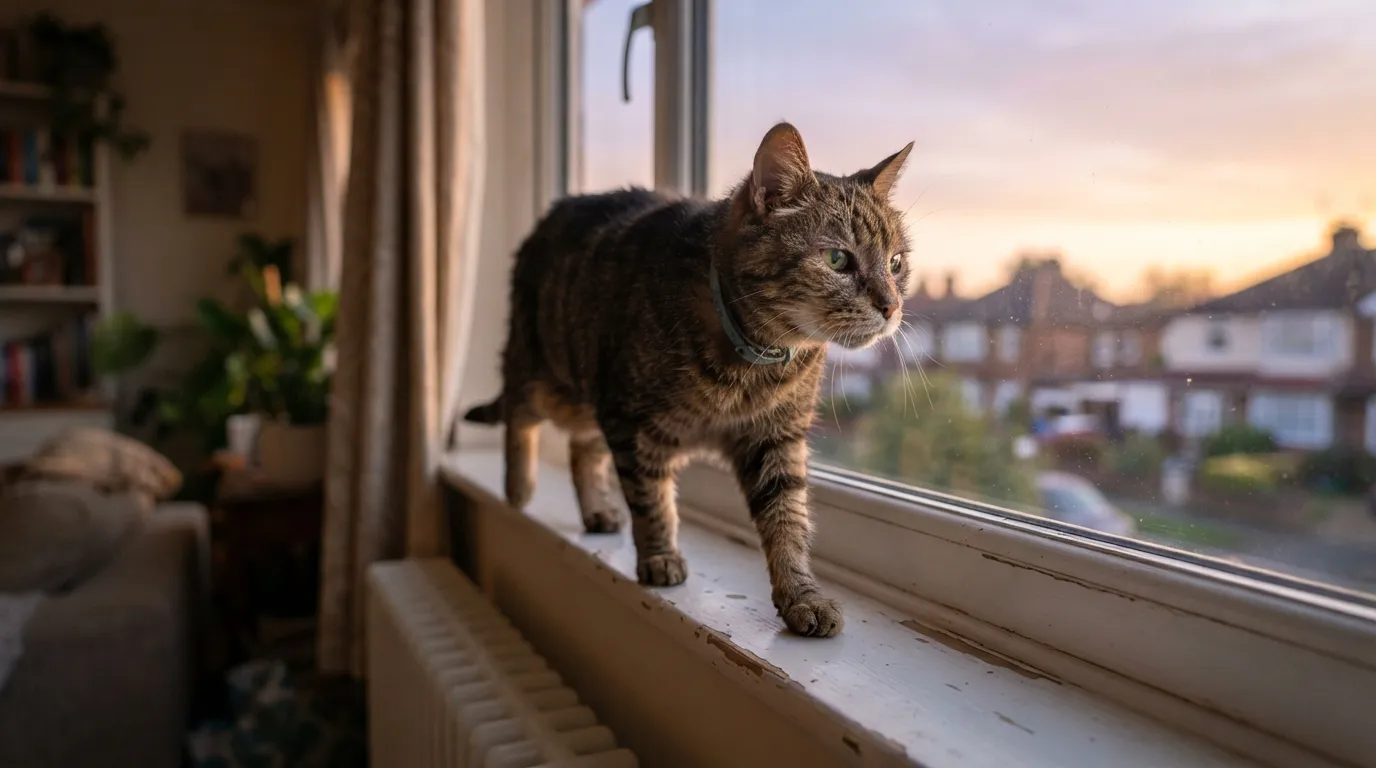
Most senior cats don't sprint all day, and they shouldn't. But a healthy aging cat still has a reliable burst of activity, usually right around dawn or dusk.
Cats are crepuscular, not nocturnal - their internal clock peaks around sunrise and sunset. A senior cat that still honors that rhythm, patrolling the windowsill at the same time daily, has a circadian system that's working.
One short, gentle play session a day, 15 minutes tops, is plenty. If your cat creates its own active window without prompting, it's already ahead of the game.
That rhythmic energy is impressive. But what happens in slide #10 might genuinely surprise you.
#10 - They Still "Hunt" Their Food
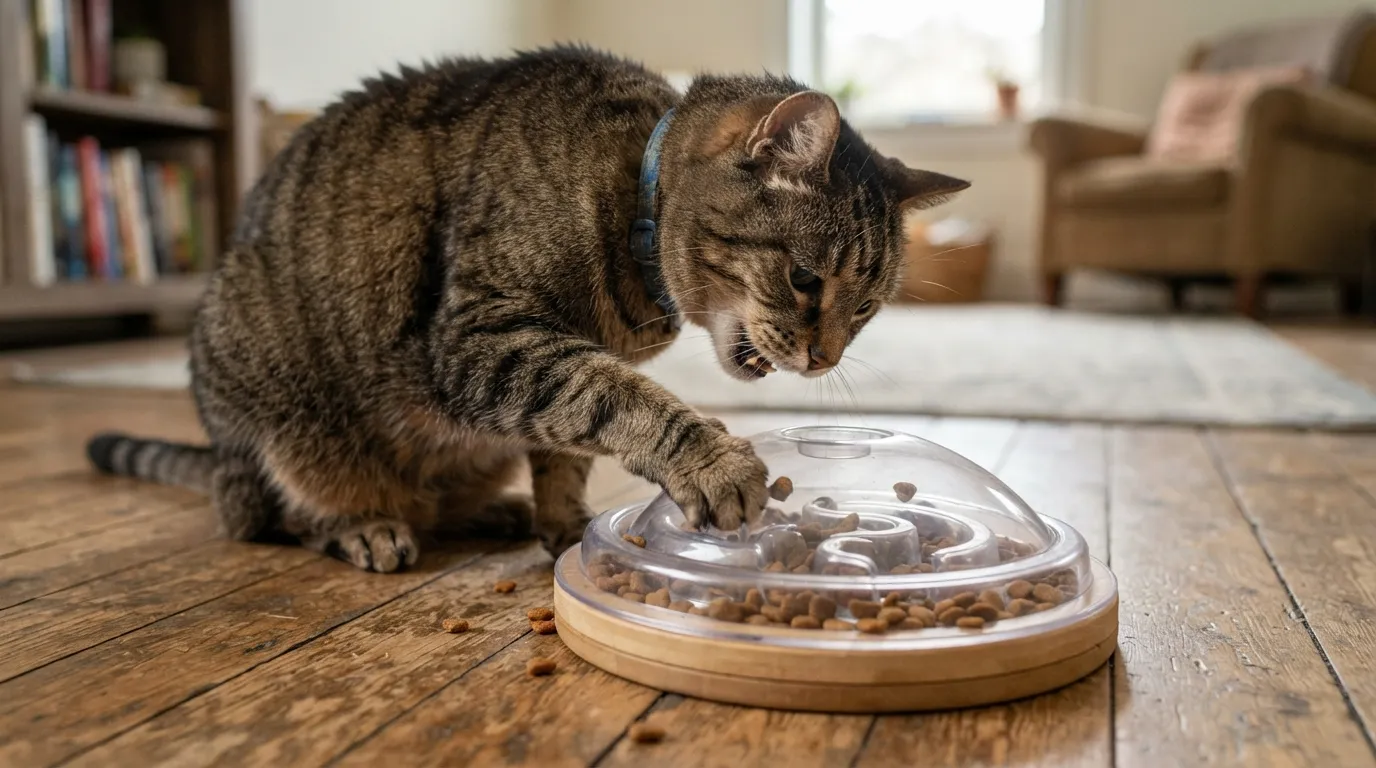
Does your cat paw at kibble, bat food across the floor, or carry a treat to another room before eating it? That's hunting behavior - and in a senior cat, it's remarkable.
Mental stimulation matters as much as physical activity at this age. Food puzzles and scatter feeding tap directly into that predatory drive, and a cat that engages enthusiastically has instincts that haven't dulled.
A senior cat that "works" for its food is showing neurological engagement plenty of younger cats skip entirely. If yours does this unprompted, that's a genuinely good sign.
The next sign, #9, is one most owners completely misread.
#9 - They Respond to Their Name (or Your Voice)
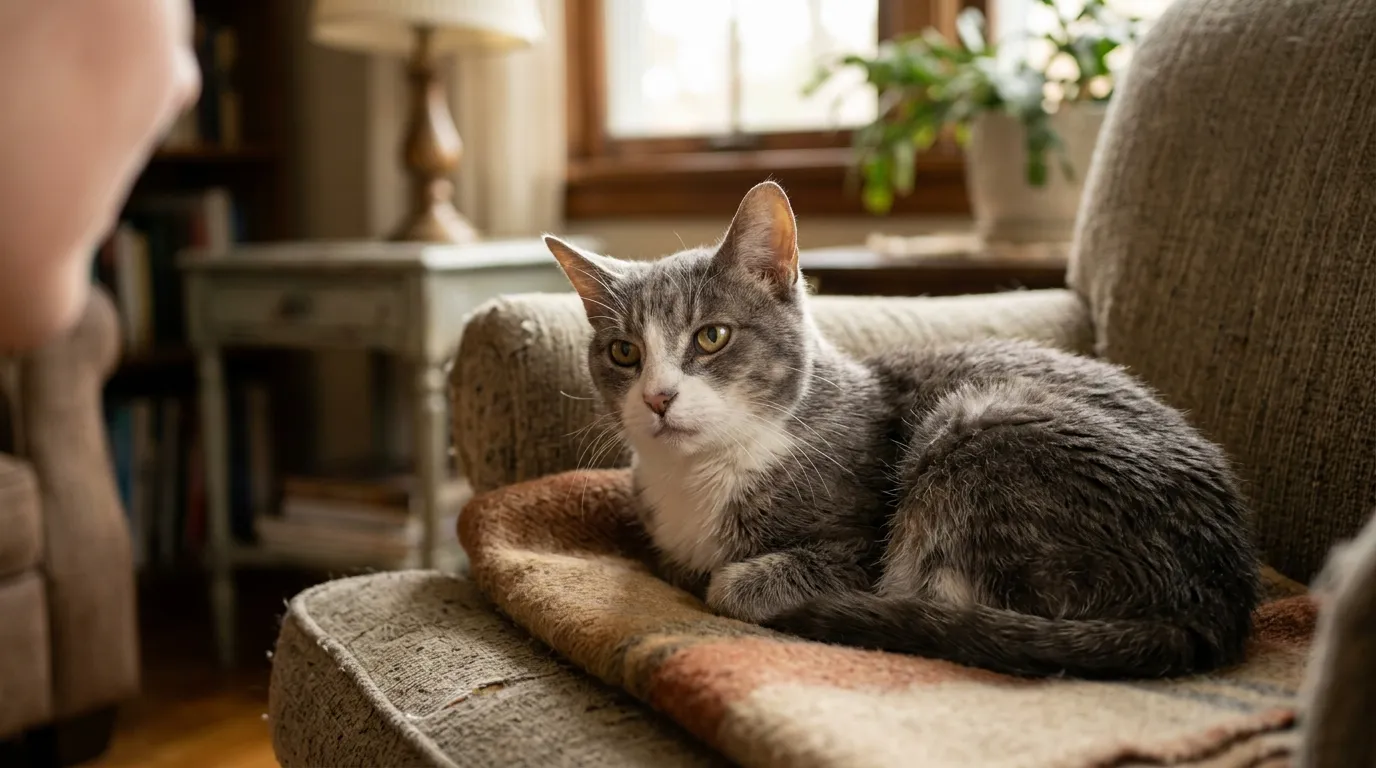
"Cats just ignore you" - sure, sometimes. But a senior cat that turns, flicks an ear, or moves toward you when called is showing retained hearing and real social bonding.
Hearing loss is common in senior cats, which is exactly why a clear response to your voice stands out. It means the hearing is holding, and the bond is still active.
Calling your cat's name during a quiet moment is an easy daily check on both. If they tune you out completely, every single time, that's worth noting.
But #8 is the energy sign that almost nobody talks about.
#8 - They Groom Themselves Without Prompting
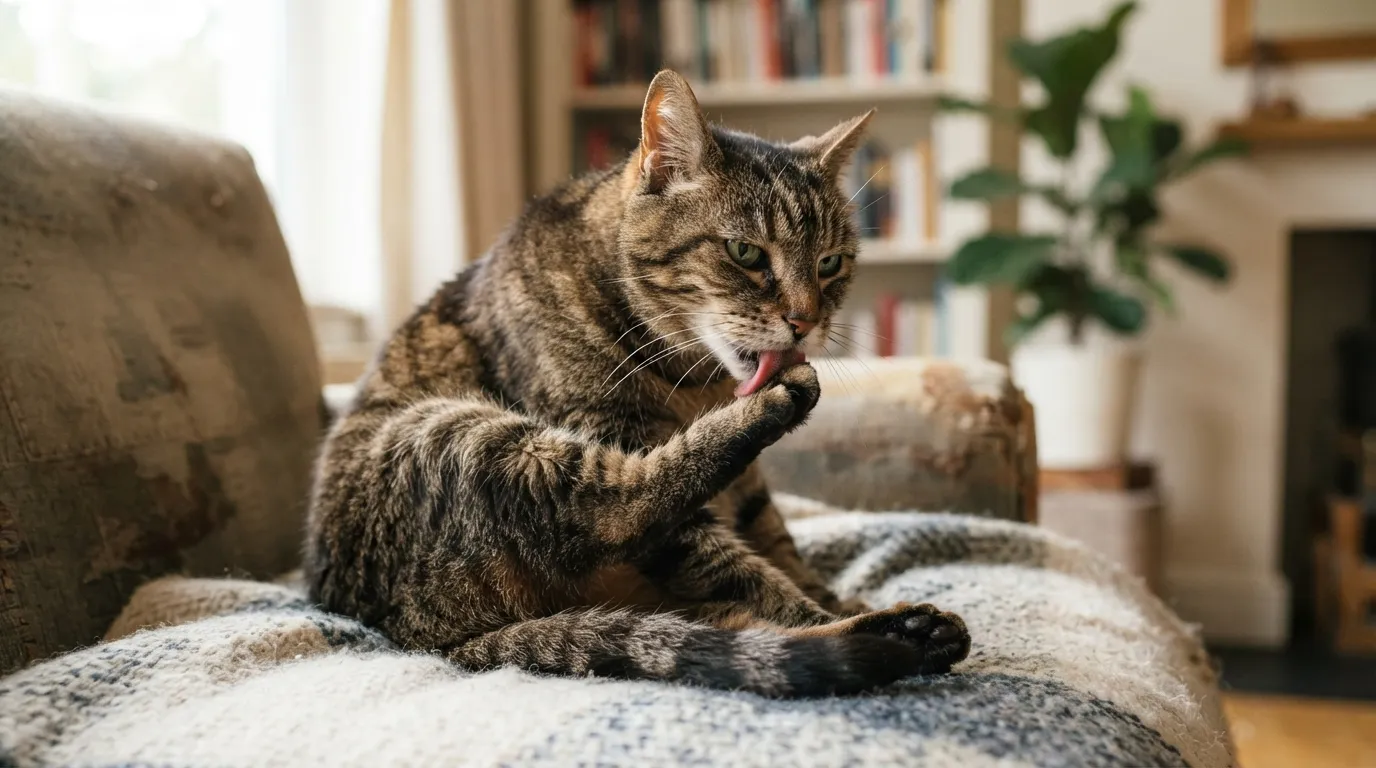
Self-grooming sounds routine. In a senior cat, it's actually a real vitality signal, requiring flexibility, motivation, and self-awareness.
Grooming habits are often one of the first things to slip when an older cat is losing energy or comfort. A senior cat that still methodically grooms its face, paws, and coat unprompted is showing both physical and psychological health.
A matted or unkempt coat, paired with zero interest in self-care, is a red flag vets flag constantly. If your cat is still fastidiously clean, that tells you a lot.
Worth Knowing
- Grooming requires flexibility, balance, and motivation - not just habit.
- A dull, matted, or greasy coat is often one of the earliest signs of decline.
- Cats in pain, especially from arthritis, tend to groom far less often.
And #7 is closely related - but even more revealing.
#7 - They Seek Out Sunny Spots and Reposition All Day
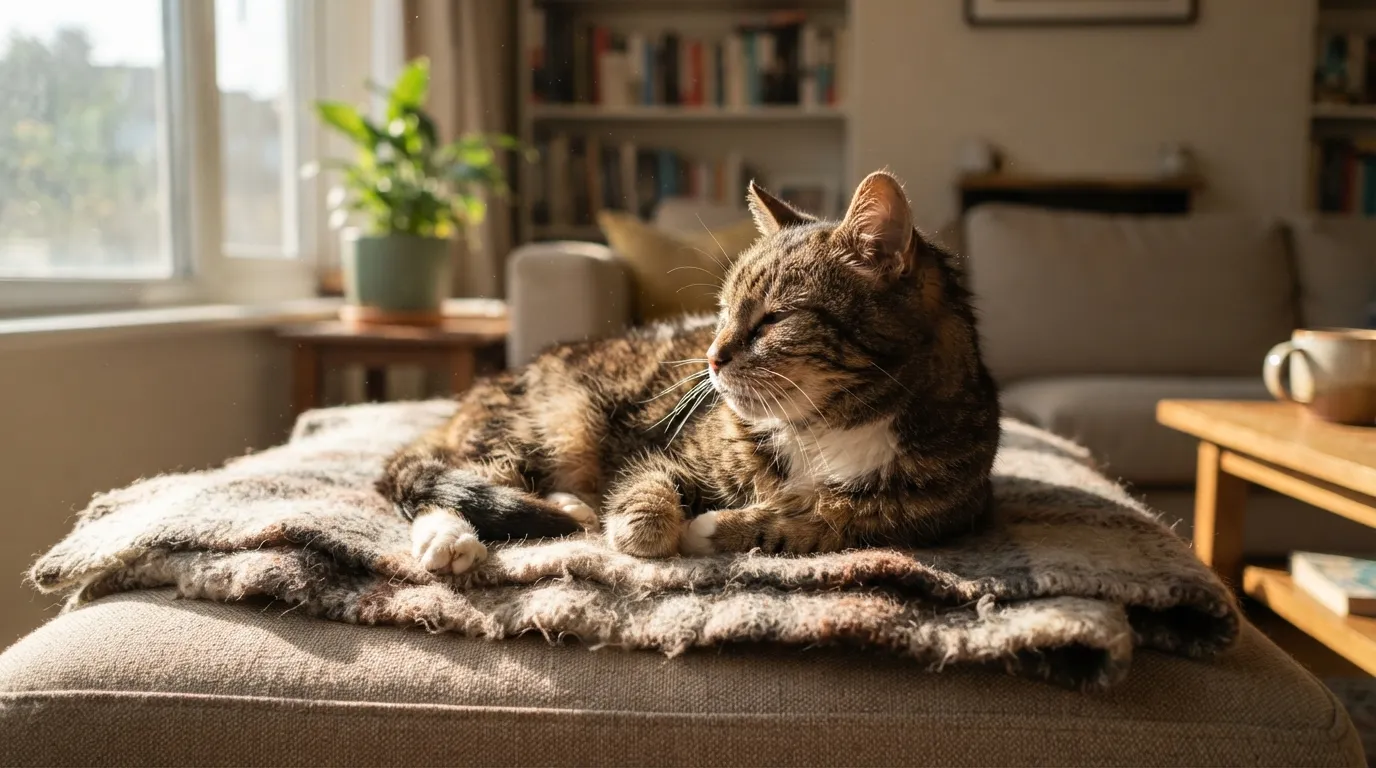
A cat that collapses in one corner all day is different from one that migrates - bedroom window at 8 a.m., kitchen floor at noon, back couch by afternoon. That repositioning is intentional and energetic.
Increased rest is normal with age, but a cat should still move comfortably and engage with its space while awake. Actively chasing warm spots as the sun moves is purposeful behavior, not just existing.
It also tells you their sensory system works - they feel temperature shifts and respond to them. Quiet energy, but real energy.
Slide #6 reveals a sign that's even more emotionally loaded.
#6 - They Purr Loudly and Frequently
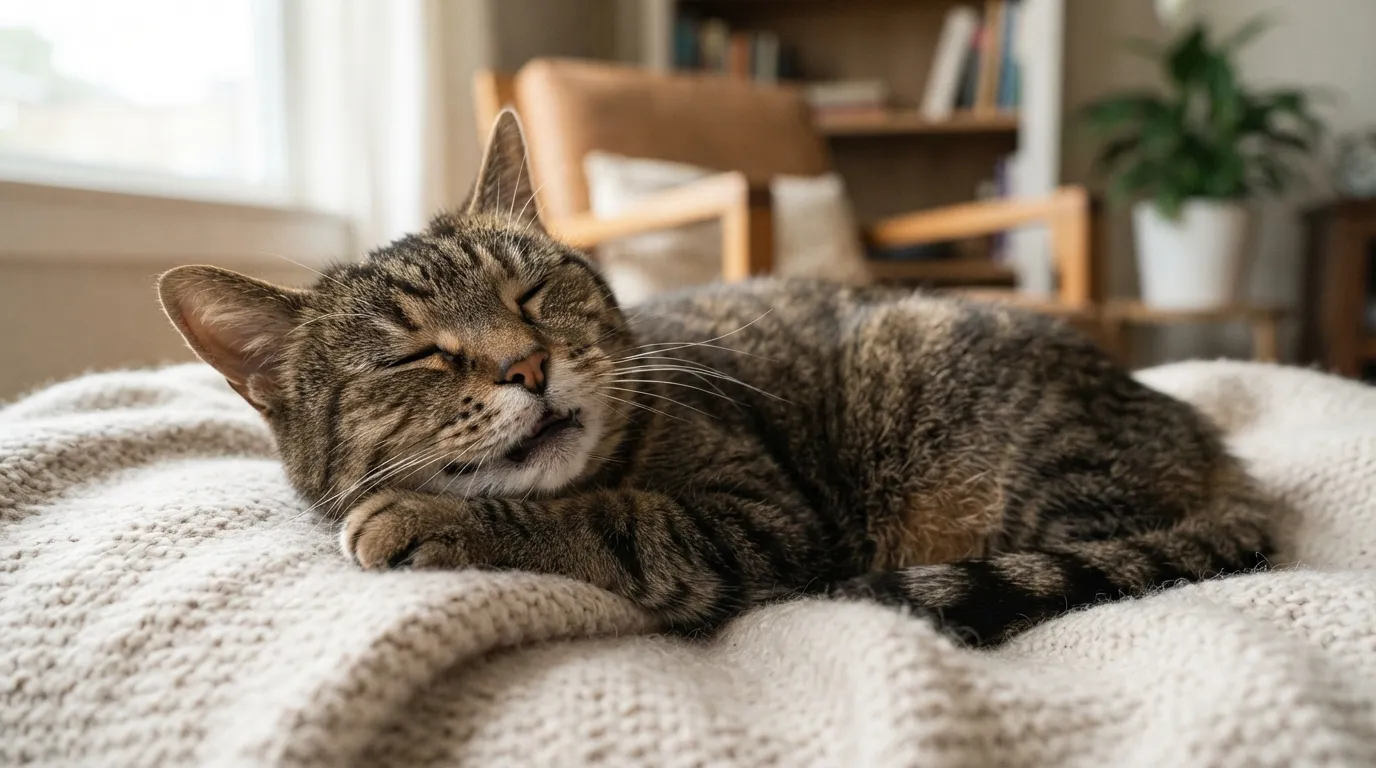
Purring seems like simple contentment. It's actually more specific than that, especially in senior cats.
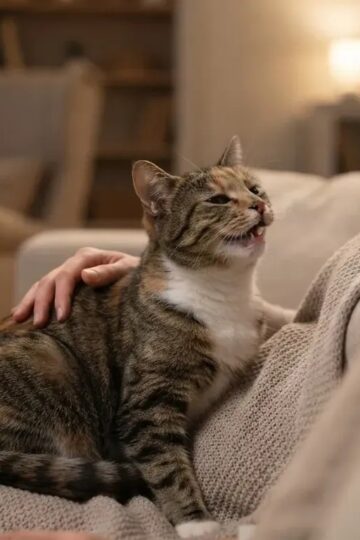
Purring is tied to low-stress arousal and active engagement with the world. A senior cat that purrs loudly while being petted, settling in for a nap, or even at the vet is showing strong emotional regulation.
A cat who's anxious, in pain, or unsafe is far more likely to hide than to be expressive - and the same logic applies to purring. A cat in real decline rarely purrs with that same ease and volume.
Loud purring in a senior cat is worth appreciating. But #5 is the sign that genuinely floors most owners.
#5 - They Still Get the Zoomies (Occasionally)
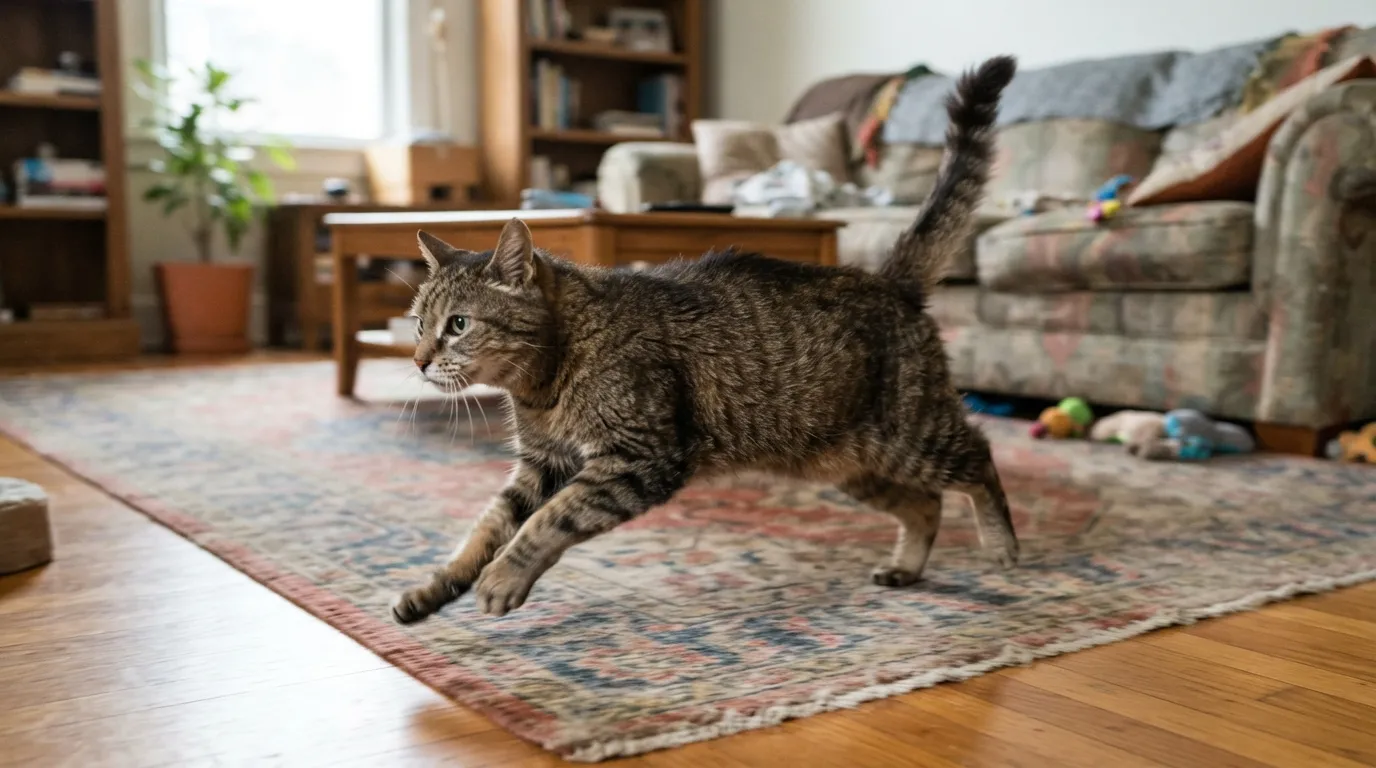
Yes - senior cats still get the zoomies. Not often, not for long, but when it happens in an otherwise healthy older cat, it's a real vitality signal.
Even in the senior years, cats can still experience zoomies, just less often due to muscle loss and arthritis. An occasional burst of frantic energy means the motor circuits and playful drive still have some charge left.
A cat who's anxious or in pain is far more likely to hide than sprint through the living room. A random zoomie run suggests your cat feels secure enough to let loose.
One caution: sudden, frequent, brand-new zoomies in a previously calm senior cat deserve a vet check - it can sometimes signal hyperthyroidism. Occasional ones in an already-active cat? Celebrate them.
Slide #4 is the sign that separates a truly vital senior from one that's just comfortable.
#4 - They Bring You "Gifts" or Carry Objects Around
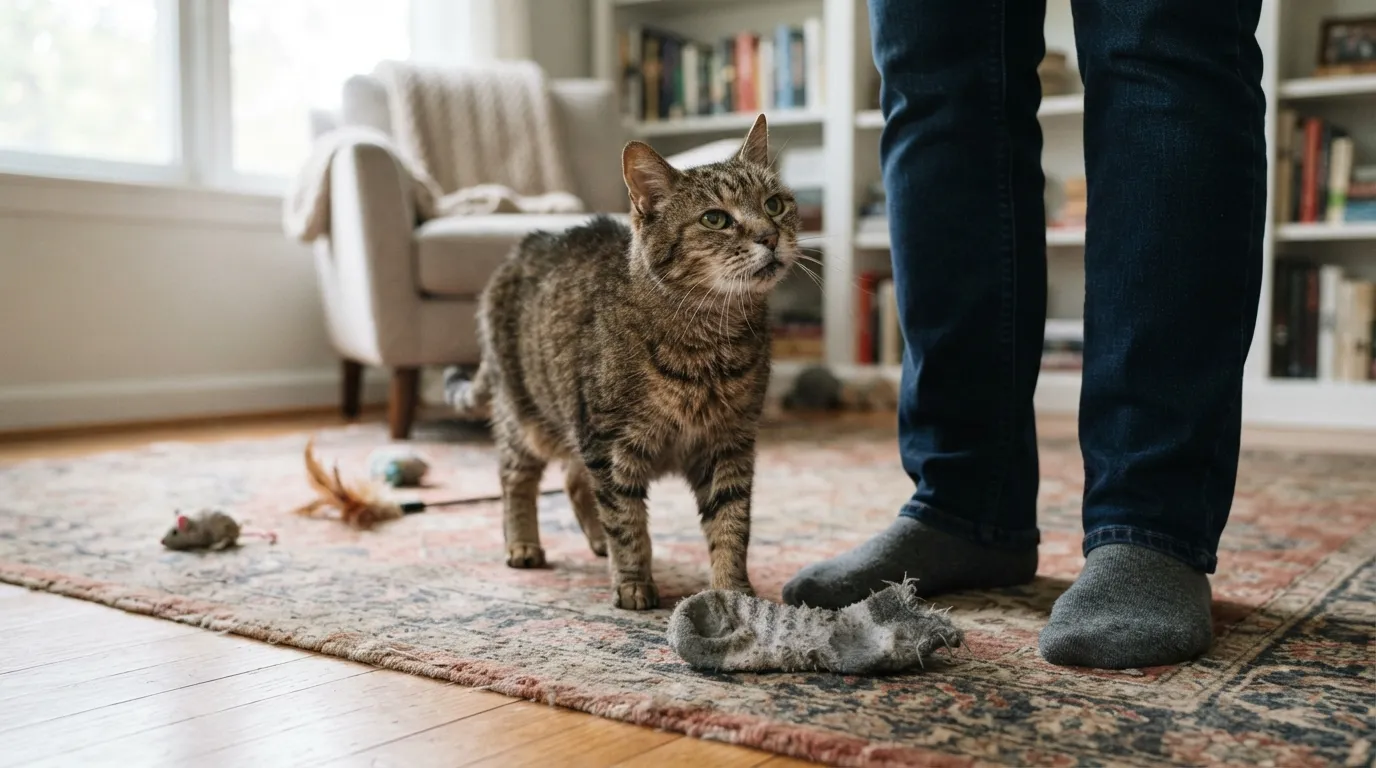
If your aging cat still drops a toy at your feet, carries a sock across the house, or presents you with a treasured object, that's deeply instinctive, motivated behavior.
This is prey-delivery behavior, rooted in the hunting instinct. For a senior cat to still do it, the motivation circuitry has to be working - it's a choice, not a reflex.
Activity naturally wanes with age, but mental stimulation stays important. Most owners brush this off as quirky - it's actually one of the clearest signs of a mentally intact, energetically capable senior.
That instinct runs deep. But #3 is what vets specifically point to as a longevity marker.
#3 - They Maintain a Stable Weight Without Effort
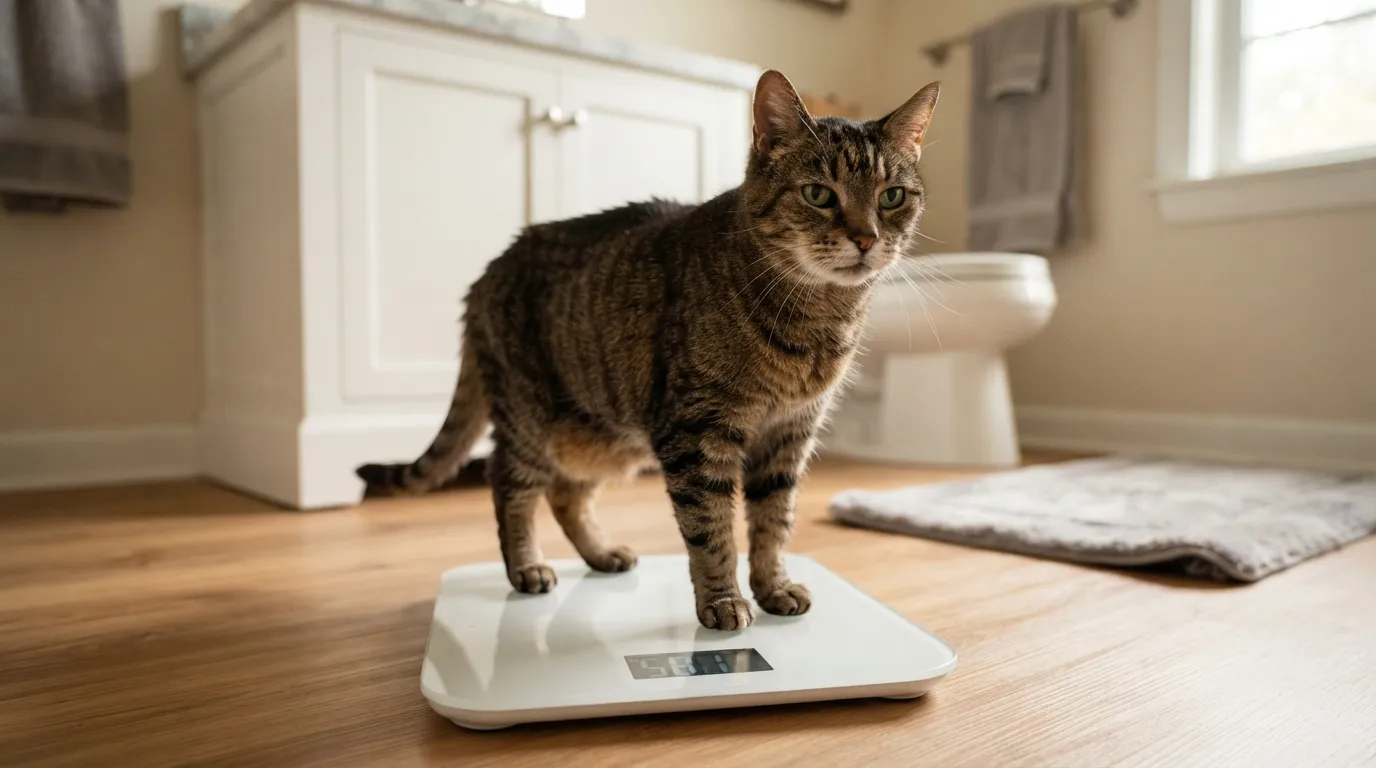
This one's subtle, but experts flag it constantly. A senior cat holding a stable, appropriate weight over months - without dramatic loss or gain - has a metabolism and appetite regulation that are working together.
As energy needs drop with age, that balance often requires an adjusted diet. A cat whose weight self-regulates through the shift, without wild swings, shows genuine metabolic resilience.
Fast Facts
- Vets often suggest trimming food intake by roughly 20-30% as activity drops.
- Senior cats should see a vet every 6 to 12 months for wellness checks.
- Home weigh-ins every 2-4 weeks help catch subtle shifts early.
If your cat's number stays steady, that stability actually means something.
And #2 is the behavioral sign most people overlook entirely.
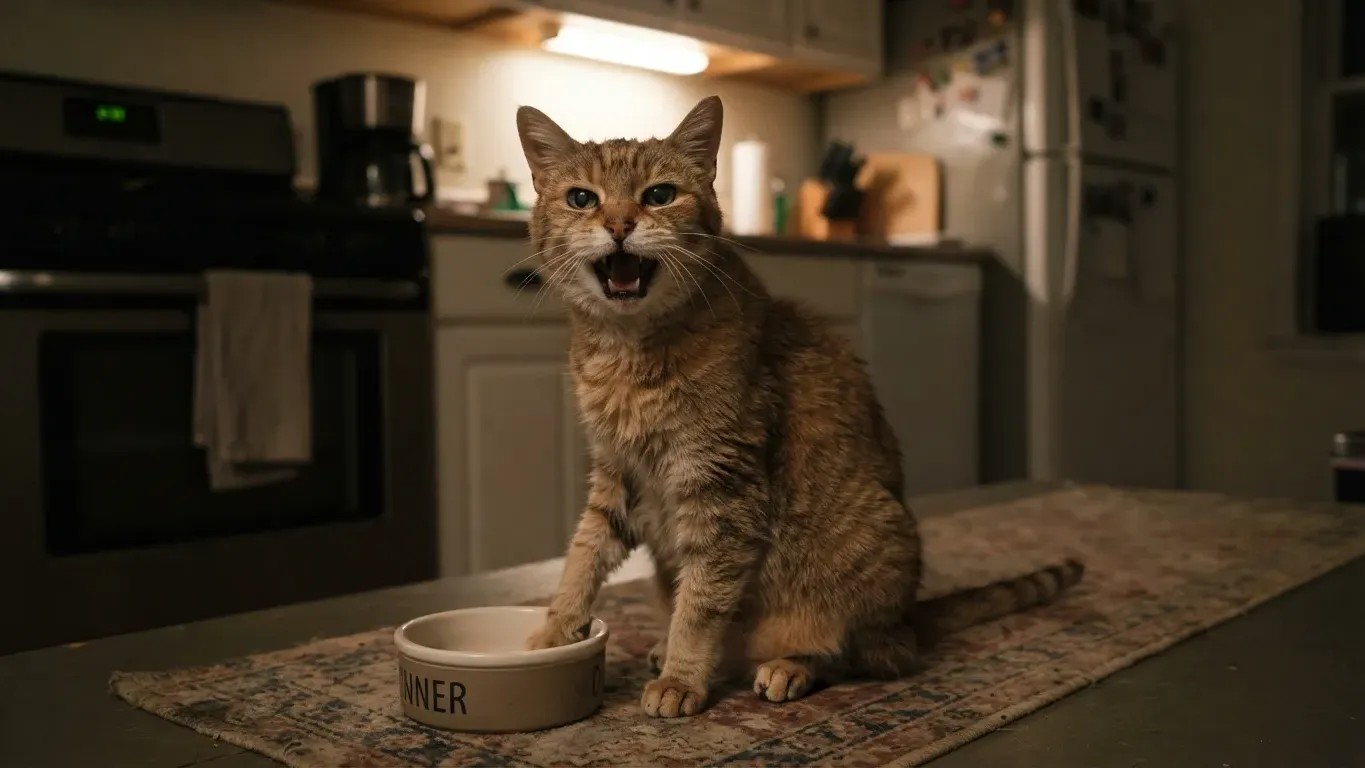
#2 - They Still Have a Strong Opinion About Routine
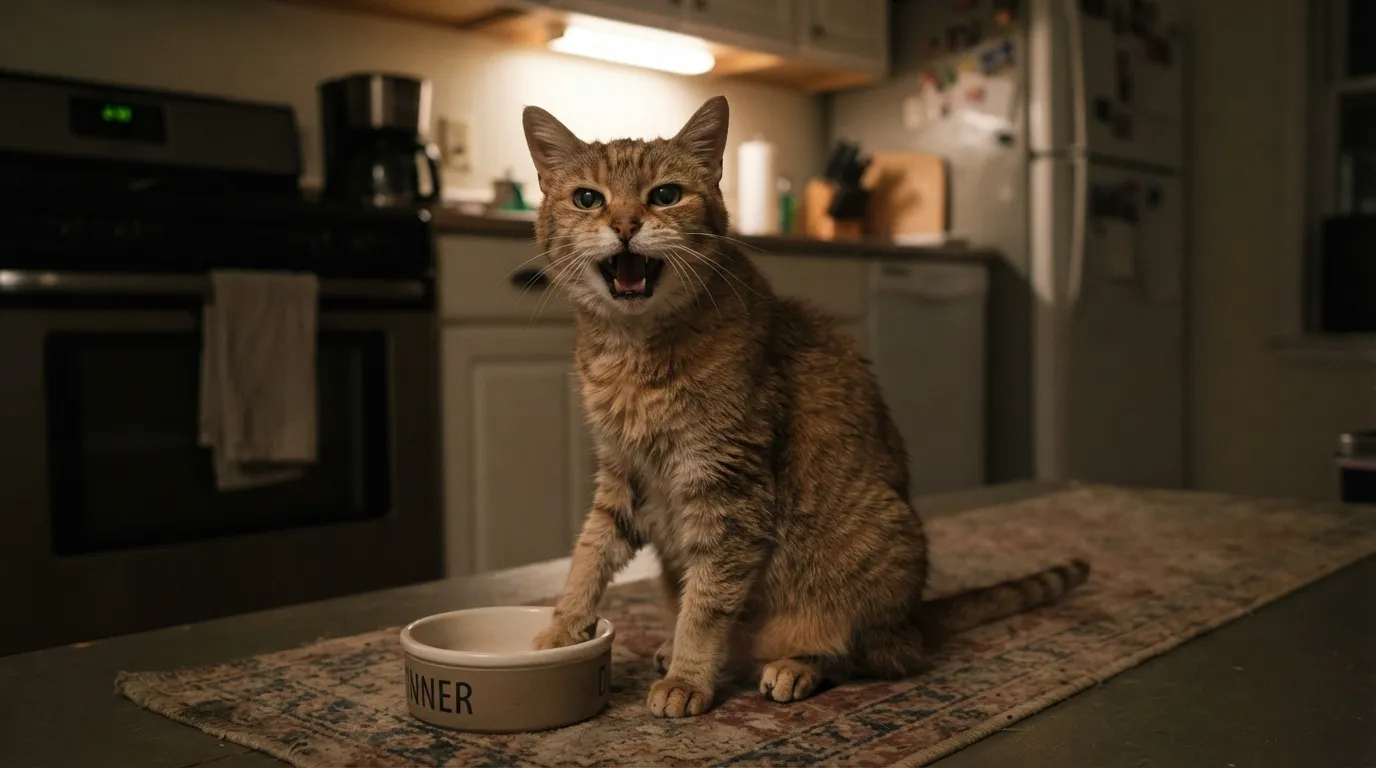
An aging cat that yowls when dinner is two minutes late, or plants itself at the bedroom door at the same time every night, isn't being difficult. It's being cognitively sharp.
All cats are sensitive to change, senior cats especially, and patience plus accommodation helps them adjust. But a cat that enforces routine from the inside, one that seems to know the schedule better than you do, has intact time awareness and strong associative memory.
Time-based behavior runs on a mix of circadian rhythm and memory - both of which erode in cats with cognitive dysfunction. A senior cat with a firm schedule it holds you to has cognitive infrastructure that's holding up remarkably well.
That brings us to the #1 sign - and this one consistently surprises even experienced cat owners.
#1 - They Seek You Out for Affection on Their Own Terms
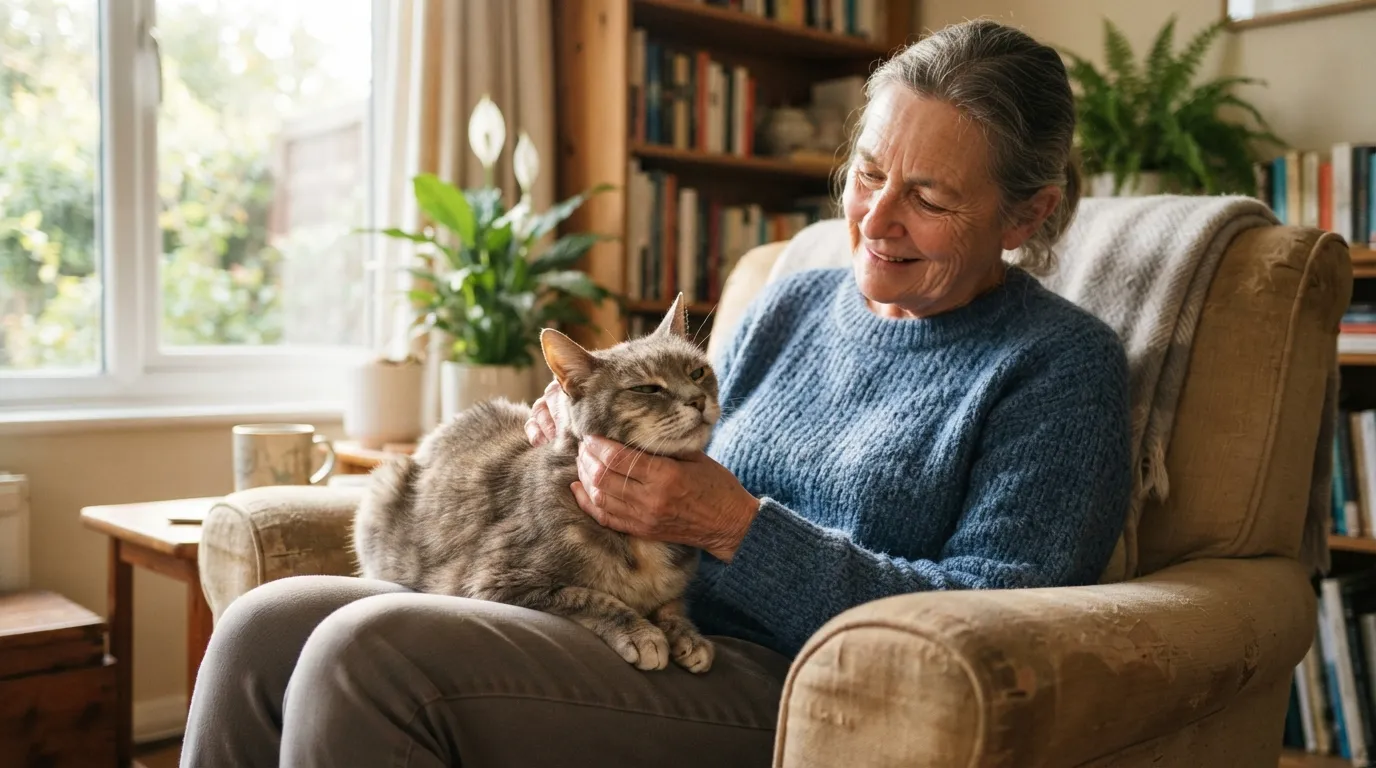
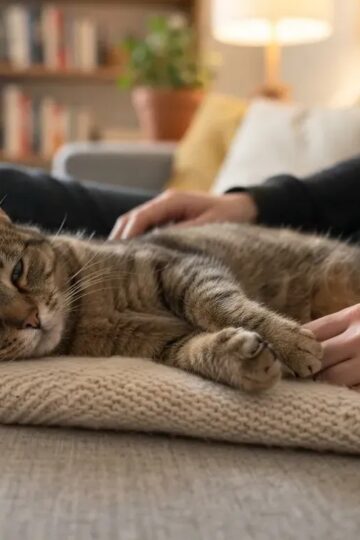
This is the sign that means the most, and the one most people take for granted. An aging cat that walks across the room, unprompted, and settles on your lap or presses its head into your hand is running on energy, intention, social drive, and emotional security all at once.
Growing older is not a disease.
Cornell University Feline Health Center
A senior cat that still initiates affection is living proof of that. Better nutrition, indoor living, and modern veterinary care mean cats live longer than ever.
That longer life only means something if it's filled with small, voluntary moments of connection. A cat that still comes to you - not because it has to, but because it wants to - has more life in it than most people ever give it credit for.
This is the sign that sticks. If your cat does it today, don't scroll past it.
The Bottom Line
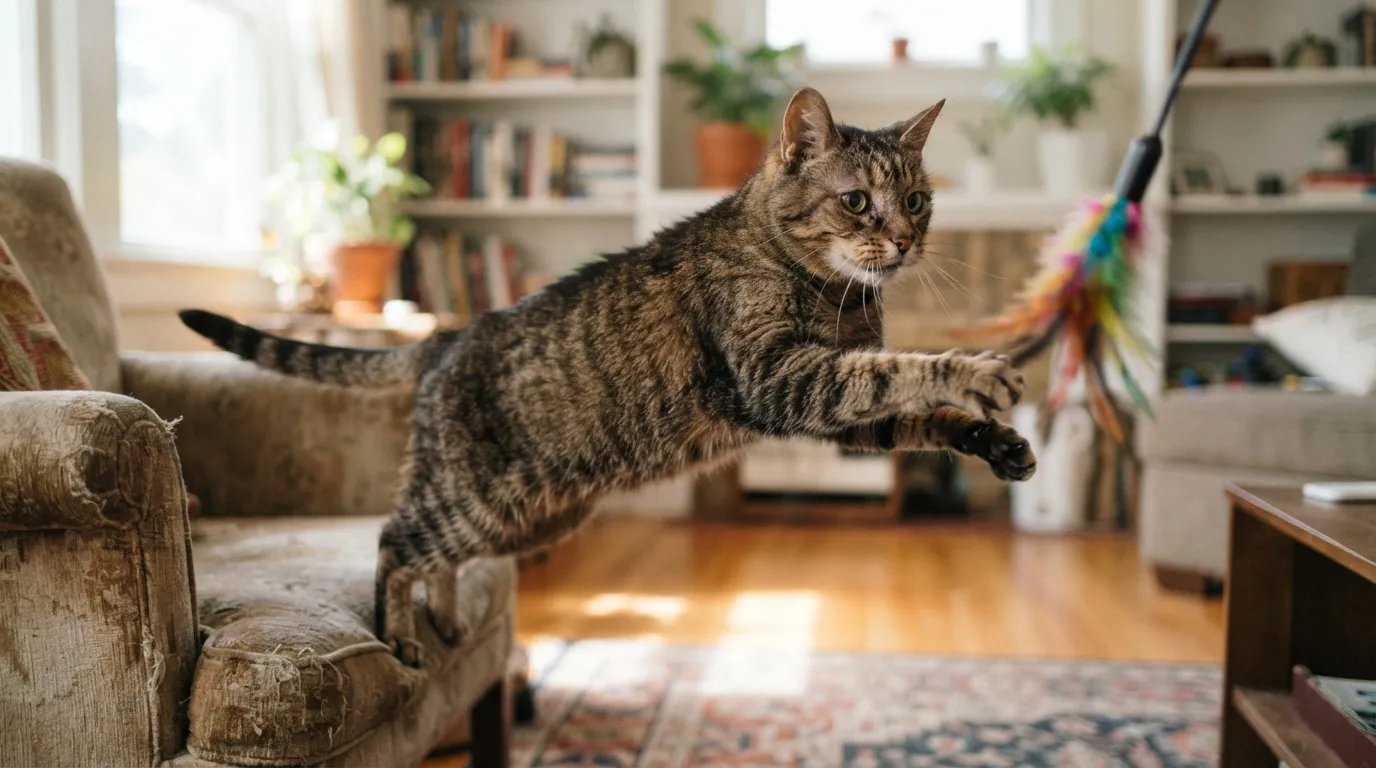
Most people picture senior cat life as one long nap. The real picture is more alive than that.
Most cats are considered seniors by age seven, yet plenty keep pulling kitten-like antics well into their golden years. These 16 signs - from voluntary play and stable weight to door greetings and unprompted affection - are the real markers of genuine vitality.
At a Glance
- Physical vitality: jumping, occasional zoomies, active grooming.
- Instinctive drive: hunting food, bringing "gifts," exploring new objects.
- Social and emotional health: door greetings, name recognition, seeking affection.
None of them require a marathon sprint. They just require presence, intention, and drive - the things that make a cat still feel like itself.
Watch for these signs. They matter more than any number on a vet chart.
Does your senior cat do something from this list that surprised you? Drop it in the comments - we'd love to hear it.