Most people picture a cat curling up in a warm lap, purring softly while you stroke its fur. That image is real enough for plenty of breeds. For others, though, reaching out a hand is an invitation to get scratched, hissed at, or simply cold-shouldered with impressive dignity.
Some cats are wired differently. Whether it’s wild ancestry, a fierce independent streak, or a personality that just doesn’t prioritize your affection, certain breeds operate on their own terms. If you’re considering one of these ten, knowing what you’re walking into will save you both a lot of frustration.
1. Siamese: The Vocal One Who Sets the Rules
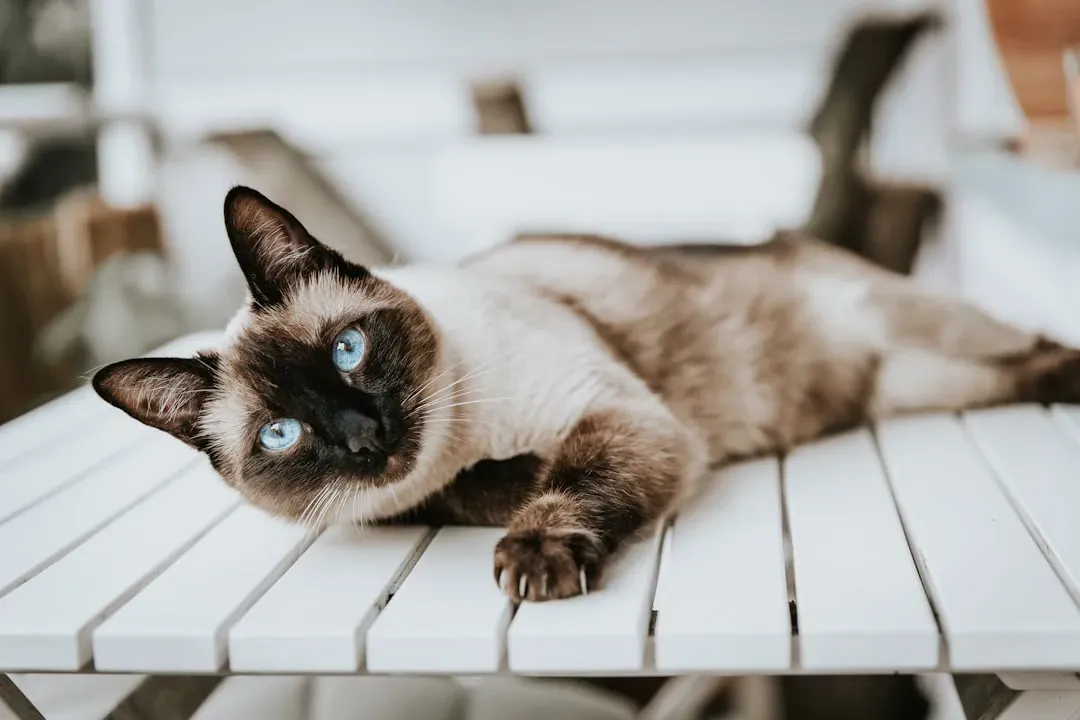
Siamese cats are known for their intense personalities. They’re highly vocal, territorial, and sometimes possessive of their favorite humans. That might sound like affection, and it partly is, but it comes with a hard condition: things must go their way.
The Siamese tends to bond with just one person at the expense of everyone else. Although it can be affectionate with that person, it gets jealous of any other pet seeming to get more attention and is territorial and aggressive with other cats. Try petting a Siamese when it’s not in the mood, and you’ll know about it immediately.
2. Bengal: Wild at Heart, Even in Your Living Room
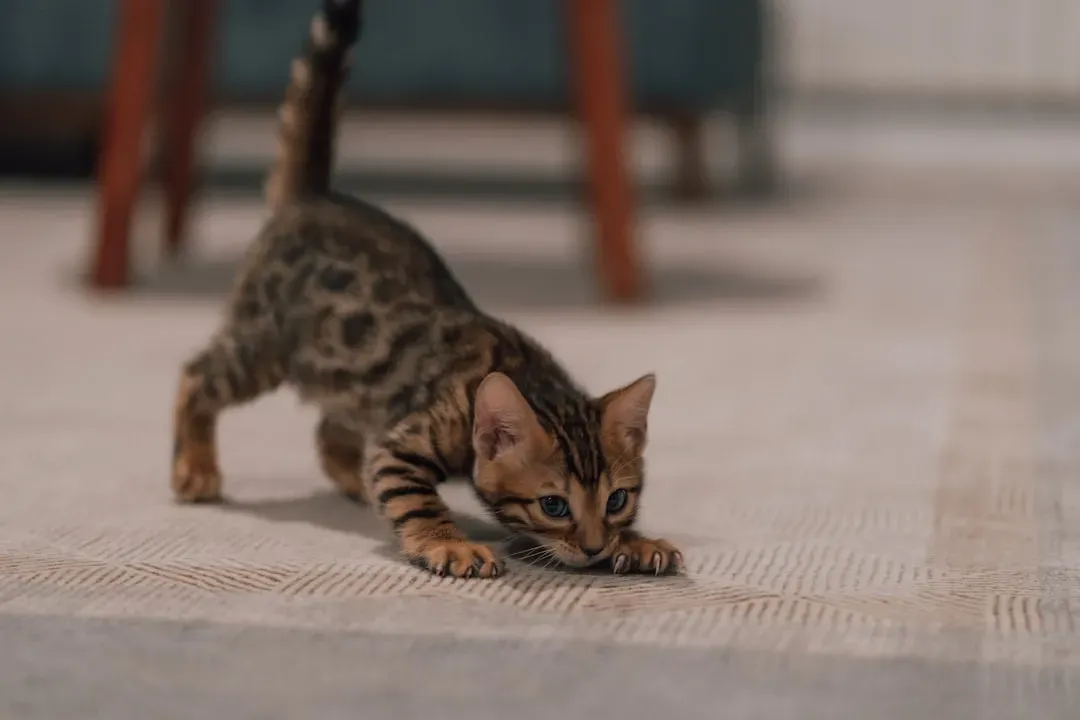
Bengals are energetic and intelligent, but their wild ancestry – they’re part Asian leopard cat – can make them a handful. They may bite or scratch if they’re not properly socialized or mentally stimulated. This isn’t a breed that tolerates idle petting sessions on your schedule.
Bengals need plenty of play, vertical space, and attention. Without it, their frustration can show through aggressive outbursts, especially in multi-pet households. You’ll need to earn a Bengal’s tolerance for touch, and even then, it’ll be on their terms entirely.
3. Scottish Fold: Selective, Self-Sufficient, and Slightly Indifferent
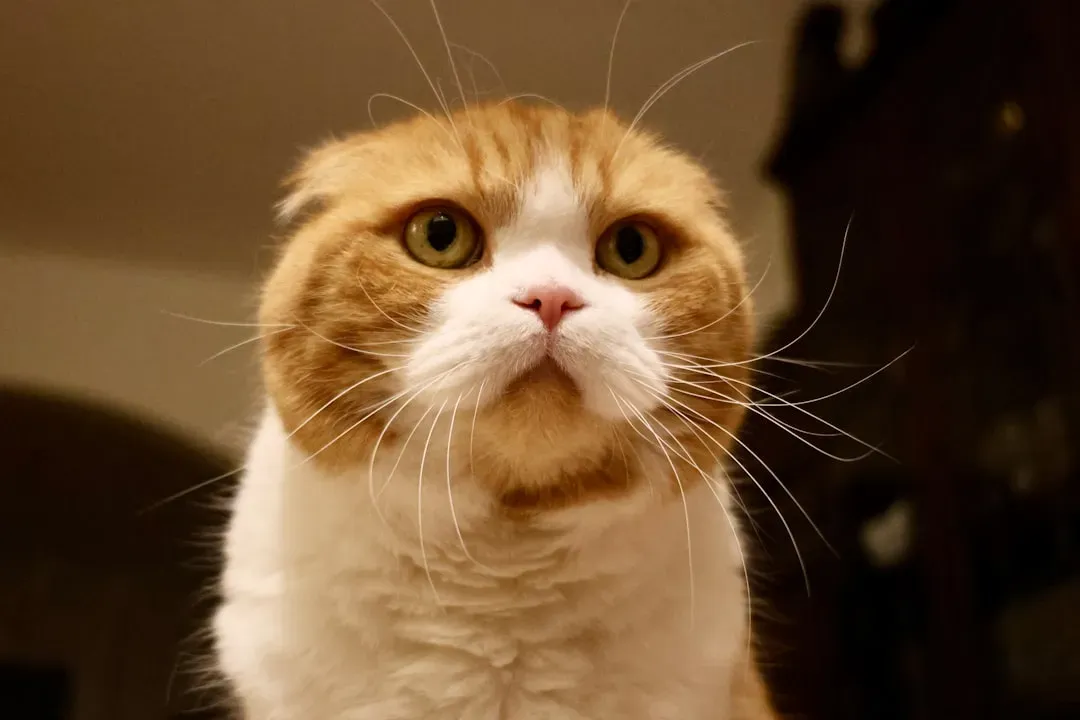
Scottish Fold cats, with their adorable folded ears, are somewhat known for interacting with humans only to get what they need. While other cats may crave attention and affection from anyone they meet, a Scottish Fold might prefer the company of just one or two humans, usually those who take care of them most.
The Scottish Fold’s ears are derived from a genetic abnormality that folds them forward. Although they do interact with humans quite a bit, it is usually for their own needs – food – rather than an attempt to give affection. Don’t expect spontaneous cuddles. They’ll come to you when there’s something in it for them.
4. Egyptian Mau: Beautiful, Fast, and Deeply Resistant to Being Held
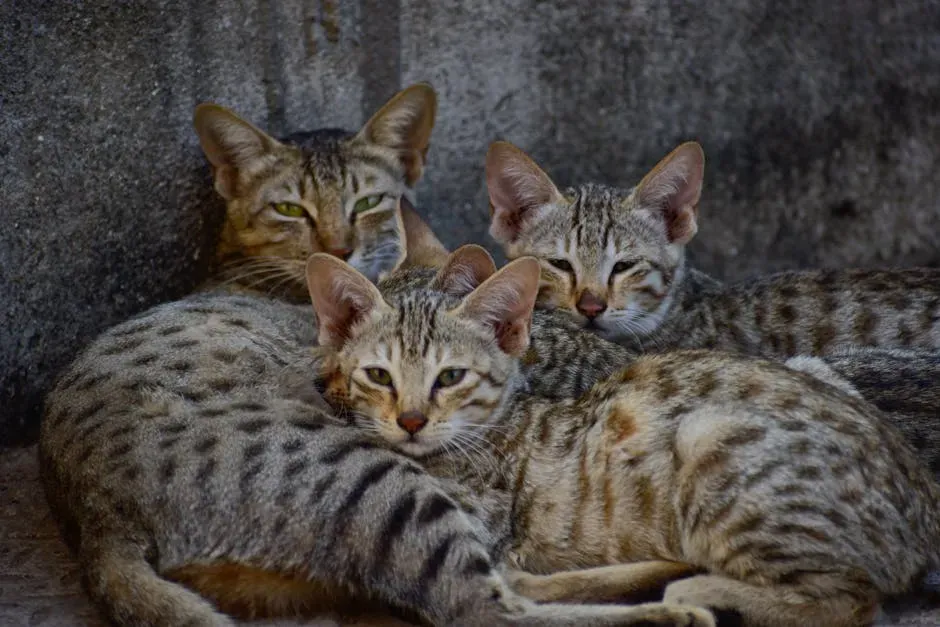
Highly intelligent and fast-moving, Egyptian Maus don’t like to be restrained or treated like lap cats. They bond strongly with one or two people and may be skittish or aggressive around others. Their territorial instincts run deep, and they can be reactive if another pet enters their space.
Egyptian Maus like playing games with their owners, but they are typically not very cuddly. If you try to hug or snuggle with this cat, it will run away from you because it is not the type of animal that enjoys being touched in unnatural ways. Interaction has to be on their own timeline, with no grabbing involved.
5. Turkish Van: Territorial, Headstrong, and Not Here for Cuddles
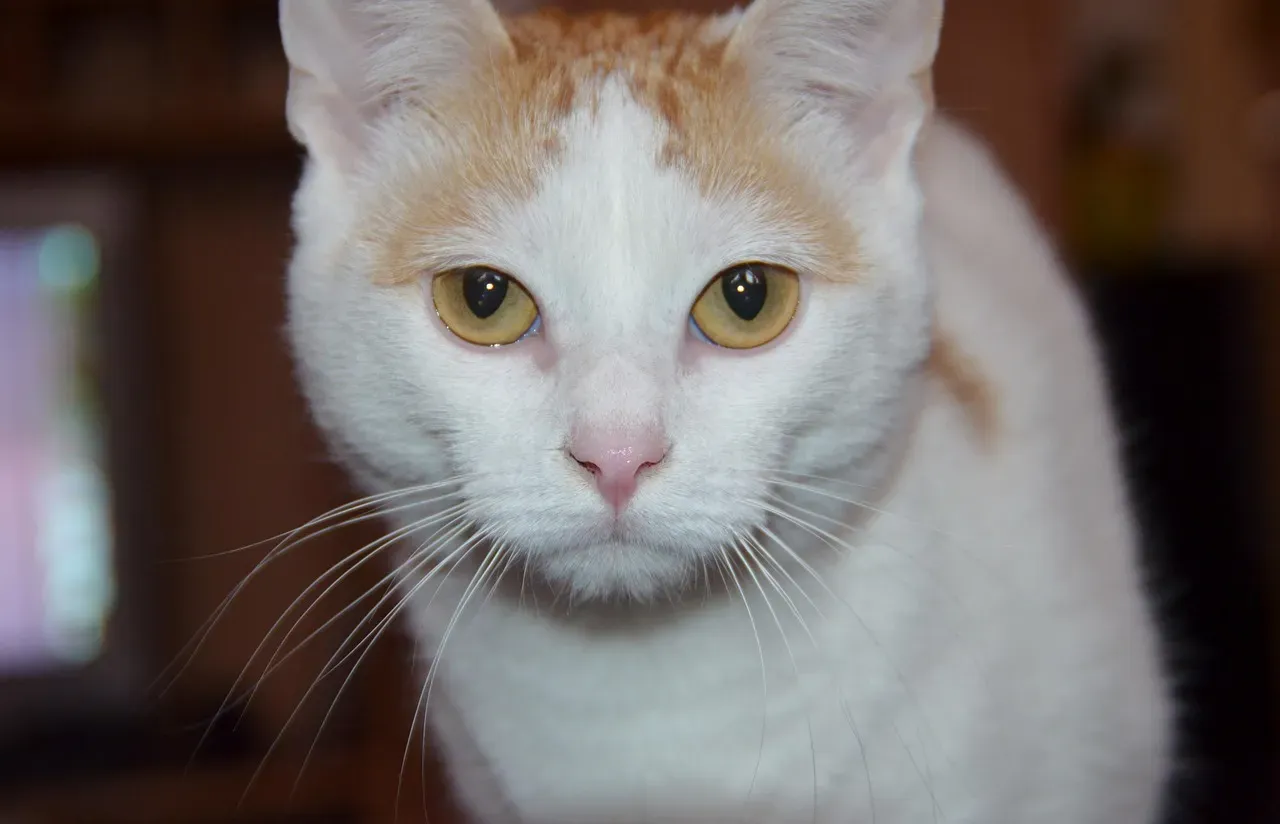
Turkish Vans show strong independence and high activity levels. They dislike forced handling and may scratch or bite when restrained. Their territorial instincts also influence how they react to other pets. This is a breed that prefers to move freely and resents any attempt to restrict that freedom.
Turkish Vans don’t adapt easily to new people or pets and require experienced owners who understand feline body language. Their aggression often comes from stress, overstimulation, or a lack of a clear social hierarchy in the household. Reaching in for a pet without reading the room first is a gamble you’re unlikely to win.
6. Korat: Quiet, Sensitive, and Easily Provoked
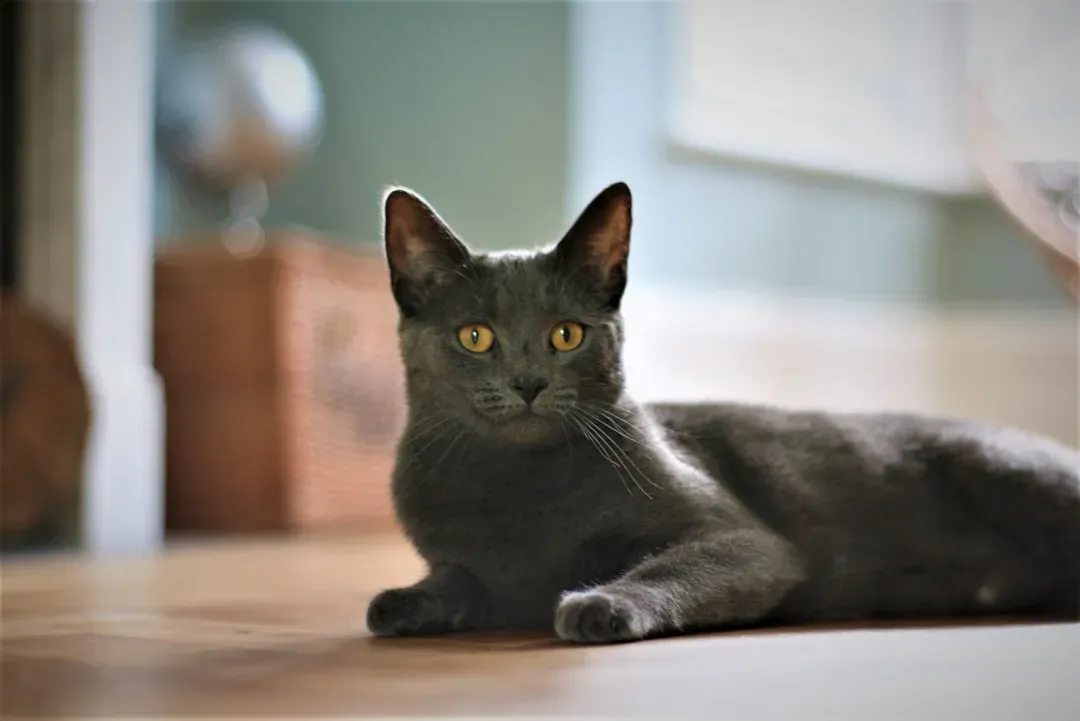
The Korat is a breed that tends to prefer quiet environments, so these cats can get aggravated by loud noises or boisterous children. When annoyed or scared, they might end up acting somewhat aggressively in self-defense. Physical contact during one of these moments is asking for trouble.
Korats are beautiful and affectionate with their chosen humans but wary of strangers. They can become anxious in unfamiliar settings and lash out defensively. If they feel their space is being invaded, they may hiss or swipe without much warning. They do best in calm, predictable homes and may not tolerate noisy or chaotic environments well.
7. Sphynx: Demanding Attention, Rejecting Physical Contact on Its Own Terms
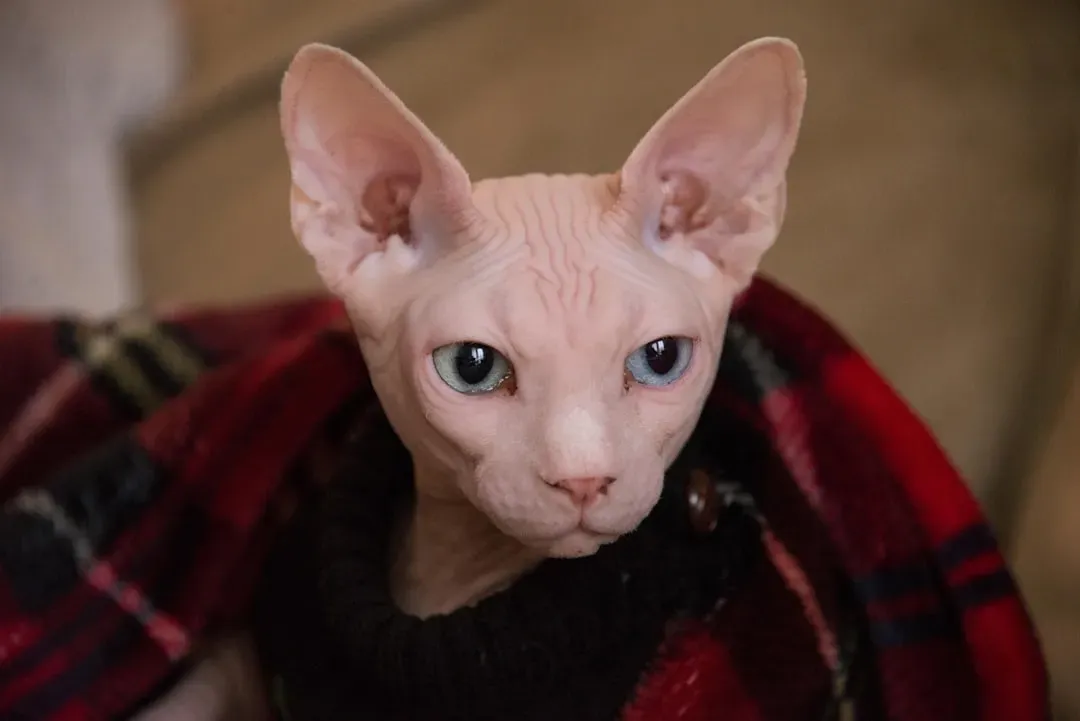
The Sphynx is typically friendly, energetic, and loving on a good day. Although these cats love their attention, they tend to be quite a handful if not given all the loving they deserve and may act out in an attempt to get your attention. The contradiction here is real: they want you nearby but don’t always want you touching them.
While this breed is not necessarily aggressive or evil, Sphynx cats are pretty picky about what they do and the kind of attention they like. So, they will fight back if you try to pick them up. You get to be present, just not presumptuous about it.
8. American Wirehair: Independent, Reserved, and Quietly Defensive
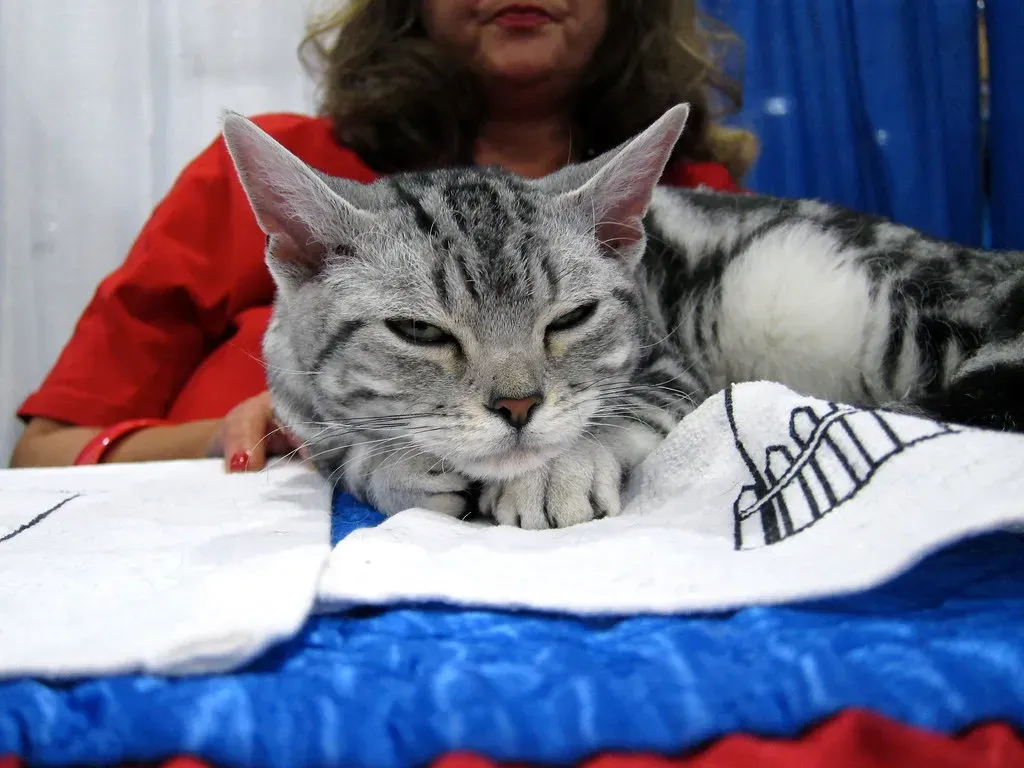
American Wirehair cats might be misunderstood because they can be independent. These cats might want to be left alone sometimes, and if someone bothers them or provokes them, or if they feel uncomfortable around strangers, they might choose to defend themselves. They’re not aggressive by default, but push their limits and they’ll make sure you don’t do it twice.
This breed is relatively rare but known for having a mind of its own. While they’re affectionate on their terms, they may dislike being handled or interrupted. There’s a difference between a cat that tolerates you and one that welcomes your touch, and the Wirehair falls firmly in the first camp unless you’ve truly earned their trust.
9. Savannah: Athletic, Fierce, and Only Loyal to One Person
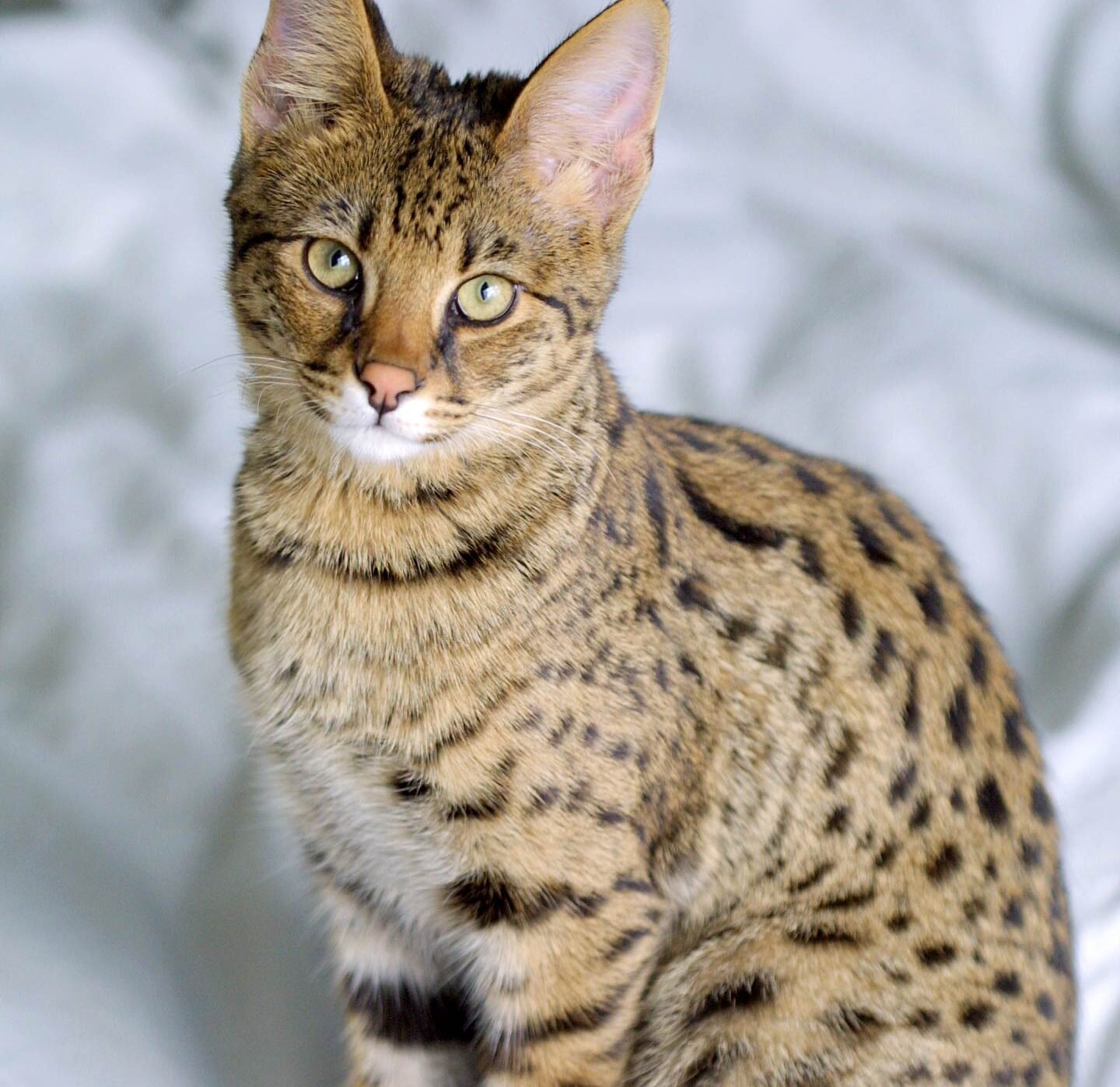
This hybrid breed, part African Serval, is not your typical housecat. Savannahs are strong, intelligent, and athletic, but that wild side comes with a temper. If under-stimulated or not socialized properly, they may become aggressive, particularly toward smaller pets or strangers.
They’re also fiercely loyal to their primary owner and may react negatively if they feel that bond is threatened. Some feline breeds show more aggressive behavior because genetics shape temperament, drive, and sensitivity. Breeds developed for hunting or with recent wild ancestry often carry stronger prey drive, sharper reflexes, and higher territorial instincts. The Savannah is the clearest example of all three.
10. Pixie Bob: Protective, Possessive, and Wary of Strangers
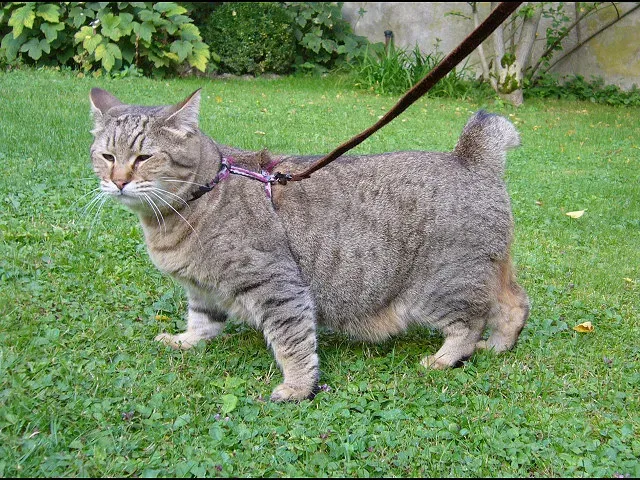
The unique Pixie Bob is a beautiful cat known for its active and playful personality. Even though these cats get along great with their human family, they might be leery of strangers. That wariness shows up quickly when someone unfamiliar tries to reach out and pet them.
The Pixie Bob is quite a large cat, weighing up to 17 pounds, making them look like wild bobcats. They can become a bit demanding as they need lots of love, time, attention, and affection but will happily vocalize whatever is bothering them. Some meanness might come through when you try to take something that belongs to them, such as toys or food, particularly because they have a protective nature.
A Few Things Worth Keeping in Mind
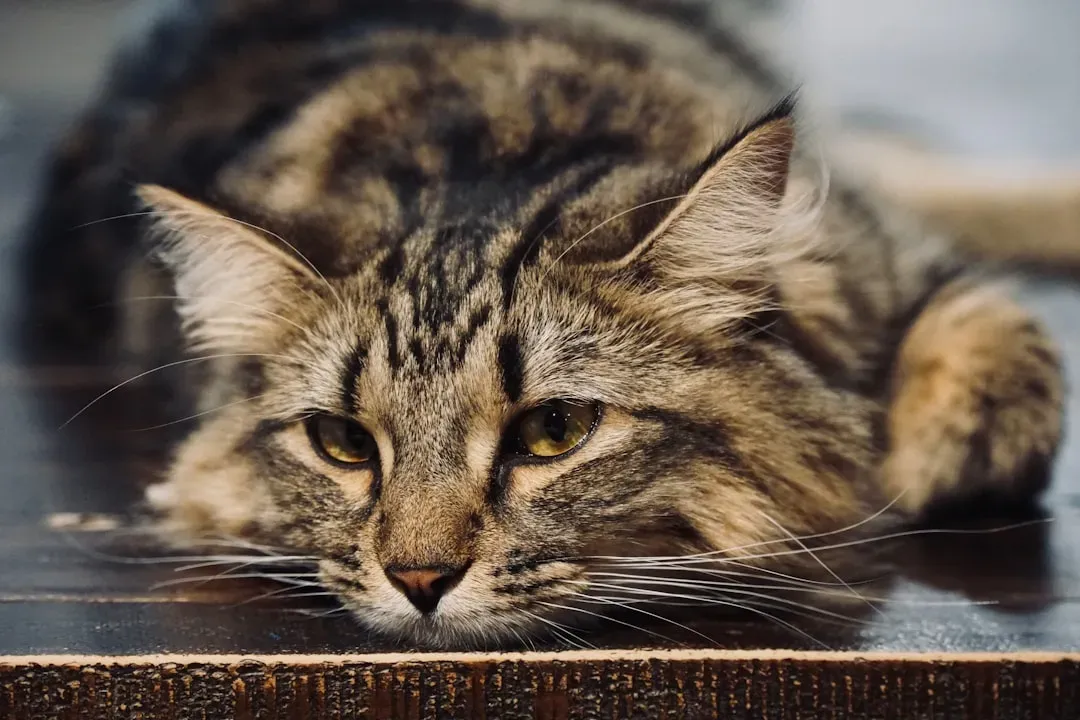
Some feline breeds show more aggressive behavior because genetics shape temperament, drive, and sensitivity. That said, no cat is simply “mean.” Cats may avoid touch due to fear, lack of socialization, past trauma, overstimulation, or simply their personality. The distinction between a breed tendency and an individual cat’s story matters enormously.
While some cats have a bad reputation as mean and aggressive breeds, it’s important to note that every cat can make a great pet if you meet their basic needs and socialize them correctly. The cat breeds highlighted here can be a bit more challenging to own, and if you don’t meet their basic needs, they can lash out. However, all cats can be socialized and trained if you start from a young age.
A crucial aspect of understanding why cats can be affectionate but resistant to petting lies in their need for control. Cats are inherently independent creatures. They prefer to initiate interactions and dictate the terms of engagement. Forcing physical affection can be stressful for a cat and may lead to avoidance behavior. Respecting a cat’s need for autonomy is paramount to building a strong bond.
The cats on this list aren’t broken or unlovable. They’re just honest about what they want, which is something most humans could probably stand to practice a little more themselves. If you want a cat that sets the rules on touch, you might find these breeds more rewarding than you expect – as long as you’re willing to follow their lead.
Kristina is a young writer from India. An arts graduate and an avid content creator, Kristina is passionate about animals and wildlife. She enjoys exploring topics related to pet care, animal behavior, conservation, and nature, combining thorough research with engaging storytelling.