Cats have a reputation for being impossible to read. They sit across the room looking vaguely unimpressed, and you’re left wondering whether they even know you exist. That perception, though widely shared, doesn’t hold up well under scrutiny.
Despite their aloof reputations, cats can be very loyal, affectionate, and loving. Cat communication is just very different from ours – they can’t tell you they love you, after all. The signals are there. They’re just quieter, more deliberate, and easy to miss if you’re not tuned in.
Cats show love differently than humans do, often expressing affection through subtle behaviors. Every cat expresses affection in their own way, so learning to read your cat’s body language cues is key. Once you know what to look for, you might realize your cat has been telling you something kind for a long time.
1. The Slow Blink That Says More Than Words
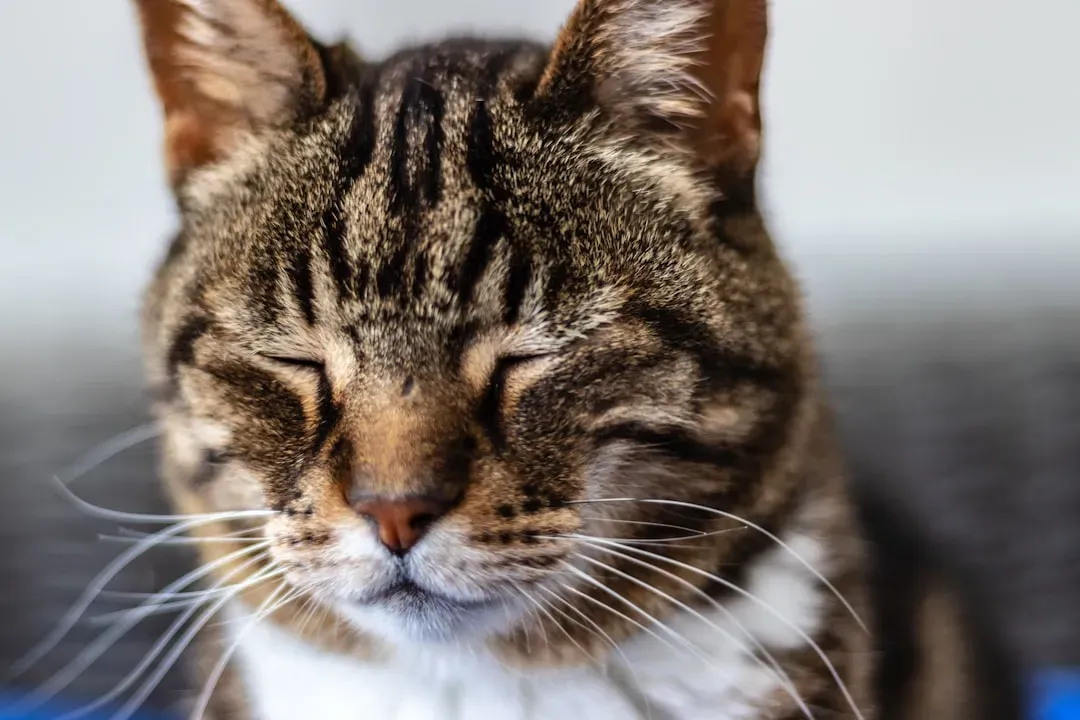
You’ve probably caught your cat staring at you from across the room, eyelids heavy, blinking in slow motion. It might look like boredom. It’s actually the opposite. Often called the “love blink,” your cat’s slow blink is a calm, deliberate closing and opening of the eyes that signals trust and safety. It’s one of the clearest subtle signs your cat trusts you, showing that your presence feels predictable and nonthreatening.
In the wild, closing their eyes makes cats vulnerable. If your cat slowly blinks at you, it’s telling you it feels comfortable and protected. You can even try returning the slow blink to strengthen your bond. Research has found that if you initiate slow blinks, your cat is more likely to approach you and seek out attention.
2. They Choose to Sleep Near You
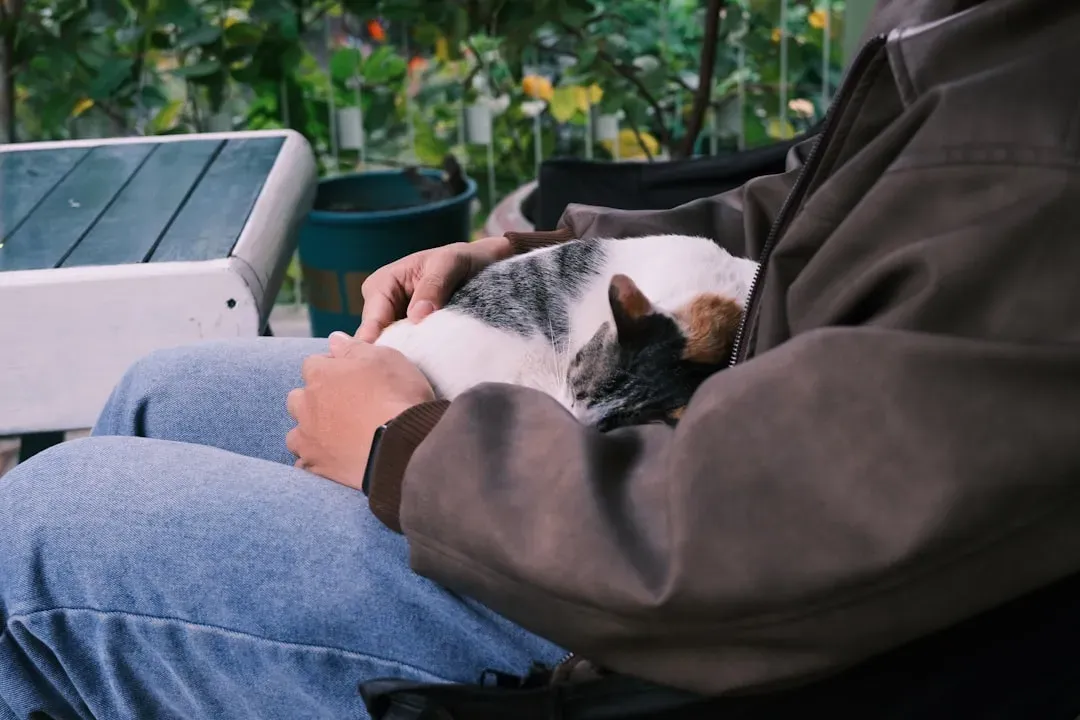
Cats love to sleep, and they instinctively seek out a safe spot for their naps. If your cat loves to choose your lap as a secure space, it represents a strong sign of trust. Cats are most vulnerable when they sleep, so if they choose to do so in your presence, it is a testament to the comfort and safety they associate with you.
It’s a big sign of trust if your cat wants to sleep with you because this is a time when cats are very vulnerable. Whether your cat drapes across your legs at night or simply curls up nearby on the couch, the choice is deliberate. This trust is super evident if your cat feels safe enough to sleep soundly around you, and it also suggests your cat feels emotionally comfortable in your presence.
3. The Headbutt That Means “You’re Mine”
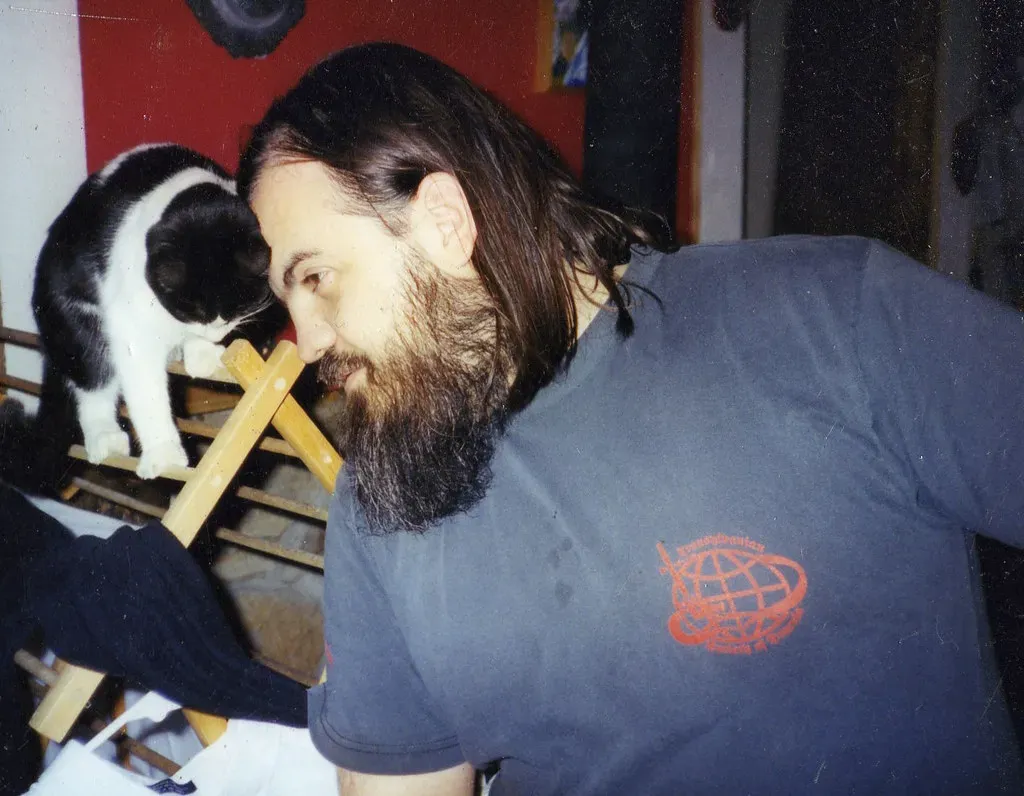
Your cat may bump their head against you or rub their cheeks against you to show affection. This is a social behavior formed in kittenhood through headbutting other kittens and their mother. Headbutting is often an attempt to mark you with their scent to claim you as one of their own.
Your cat does this to create a group or colony scent, bond with other cats and you, self-soothe, and mark their safe areas. By headbutting you, they’re not just asking for affection – they’re also telling you that they trust you and feel safe in your presence. Think of it as the feline equivalent of being added to someone’s “favorites” list. It’s a quiet but meaningful gesture.
4. They Follow You From Room to Room
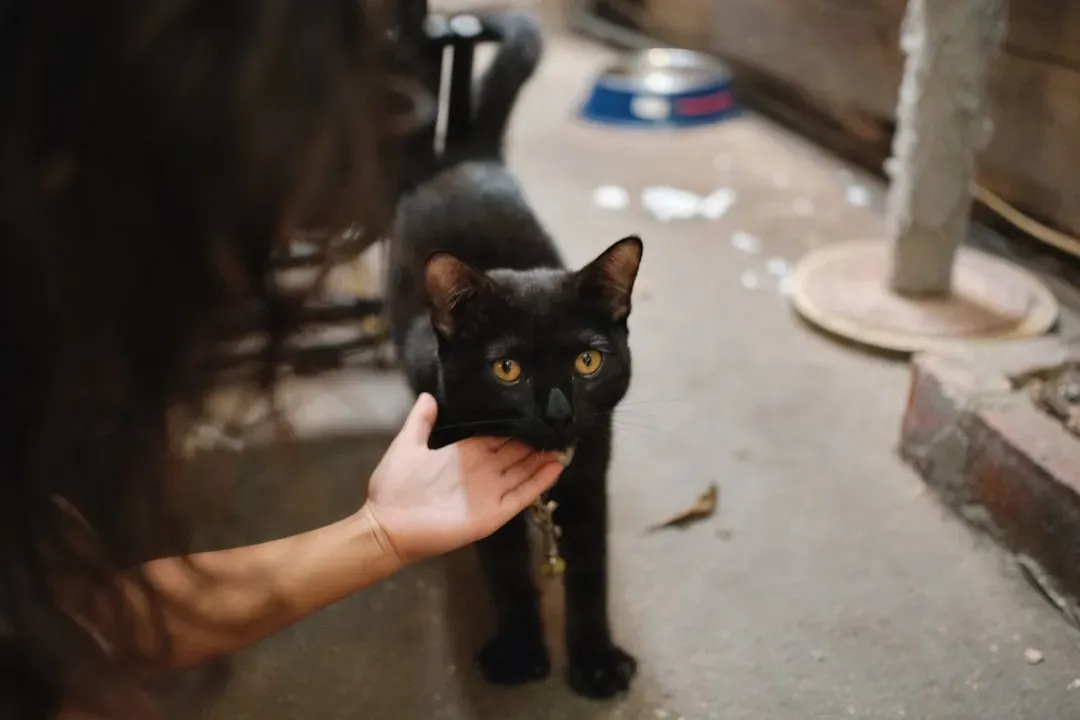
Some cats will be subtle about this and will simply make sure they’re always in the same room as you. You might not even notice they’ve been following you until you turn around and find them curled up in a chair, watching you. Other cats will be far less subtle and announce their presence with loud meows and chirrups. Either way, your cat is making it clear that they want to be near you.
Trust plays a big part in how safe your cat feels at home. The more they trust you, the more willing they are to follow you everywhere. It’s not clinginess in the anxious sense. It’s simply that you’ve become the most interesting and reassuring presence in their environment, and they’d rather be where you are.
5. They Knead You Like They Mean It
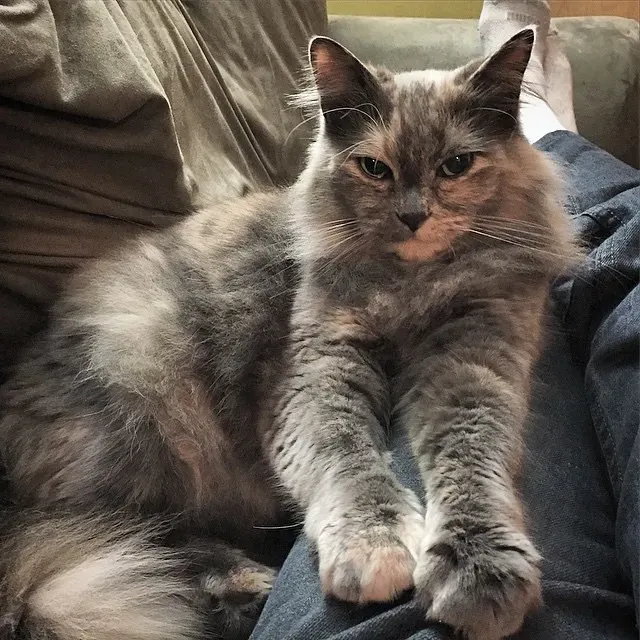
Cats usually knead with their front paws. This is a behavior that begins in kittenhood and is associated with nursing on their mother. Kneading is believed to bring comfort by releasing endorphins to reduce stress and promote relaxation. Relaxed cats that knead are showing contentment.
Although kneading feels like a love letter, it’s primarily a comfort behavior with trust layered in. Your cat learned this rhythmic push-pull as a kitten, when kneading signaled safety and milk. When your cat kneads you, it’s saying, “I relax here.” Yes, the claws can be a little sharp. Keep a blanket handy, and don’t discourage the behavior. It means they’re completely at ease with you.
6. They Groom You
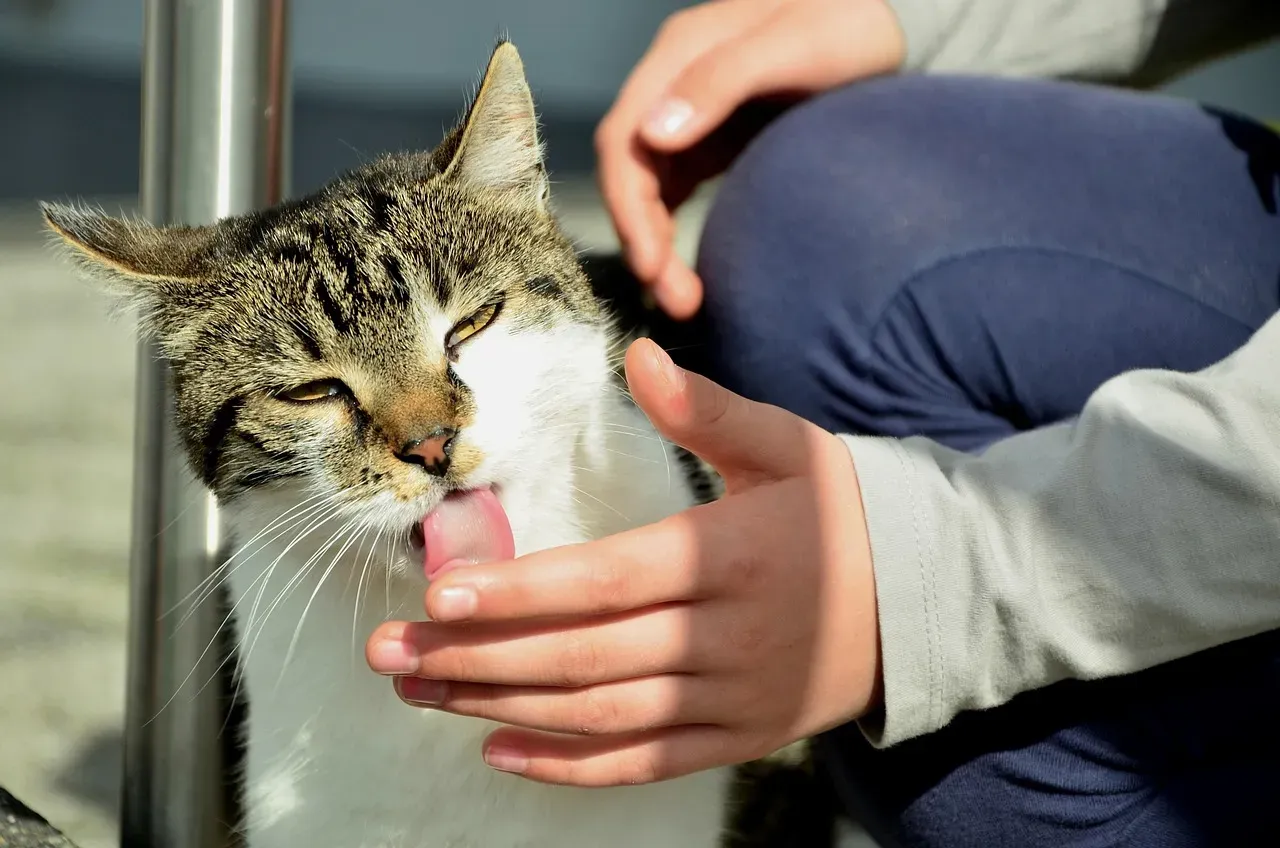
Mutual grooming in cats is only seen between cats that share a close social bond. If your cat decides to give your hair or skin a lick, then it’s a sure sign that they consider you to be within their inner circle. It might feel a little tickly or strange, but this is a true indication that your cat thinks that you’re the best.
Sometimes your cat’s grooming of you, including licking, gentle nibbling, or methodical cleaning, signals social bonding and trust. In feline groups, allogrooming cements alliances, reduces tension, and spreads a shared scent profile. When your cat treats you like a clanmate, it’s saying you’re safe and familiar. You’ve essentially been inducted into their inner circle, and that’s not something they offer casually.
7. They Show You Their Belly
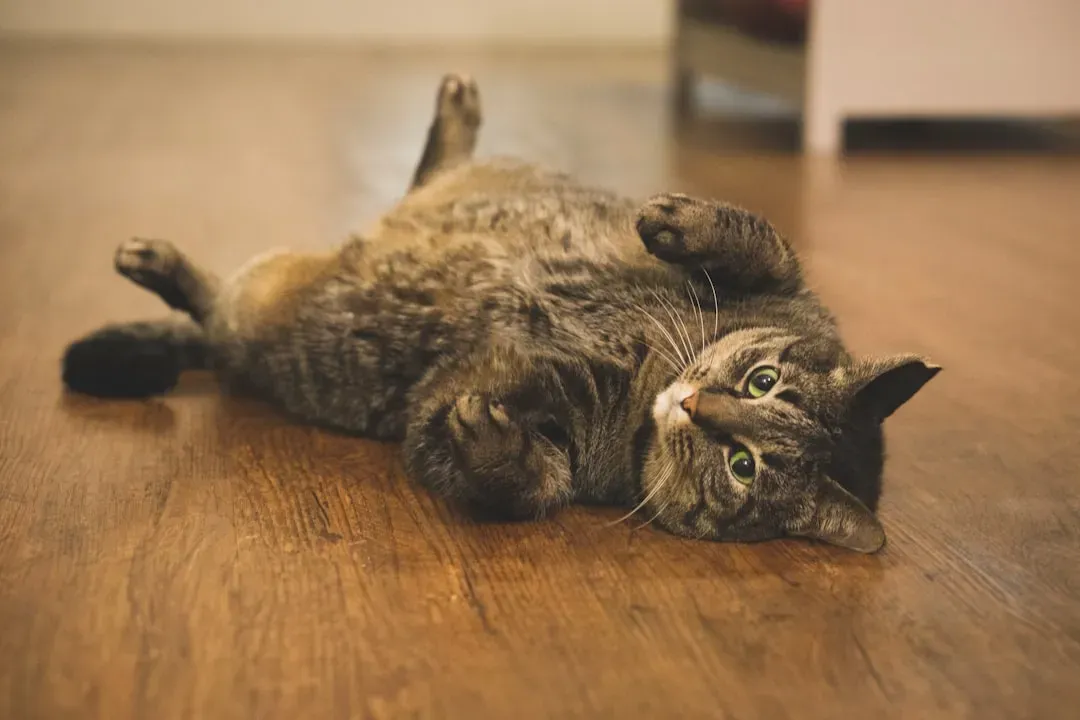
This is often considered the ultimate sign of trust for a cat. Cats only lie on their backs and show their bellies when they are in their most relaxed state. This is not an invitation to pet or rub your cat’s belly. They are simply communicating that they feel comfortable and safe enough to reveal one of the most vulnerable parts of their body.
If your cat rolls onto their back and exposes their belly, they’re telling you they’re comfortable being around you. This doesn’t necessarily mean your cat wants you to pet their belly, though; most cats don’t actually like that. It’s mainly a sign that they feel protected when you’re nearby, since being on their back is a defenseless position. Respect the display without diving in for a rub, and your cat will keep offering it.
8. Their Tail Greets You First
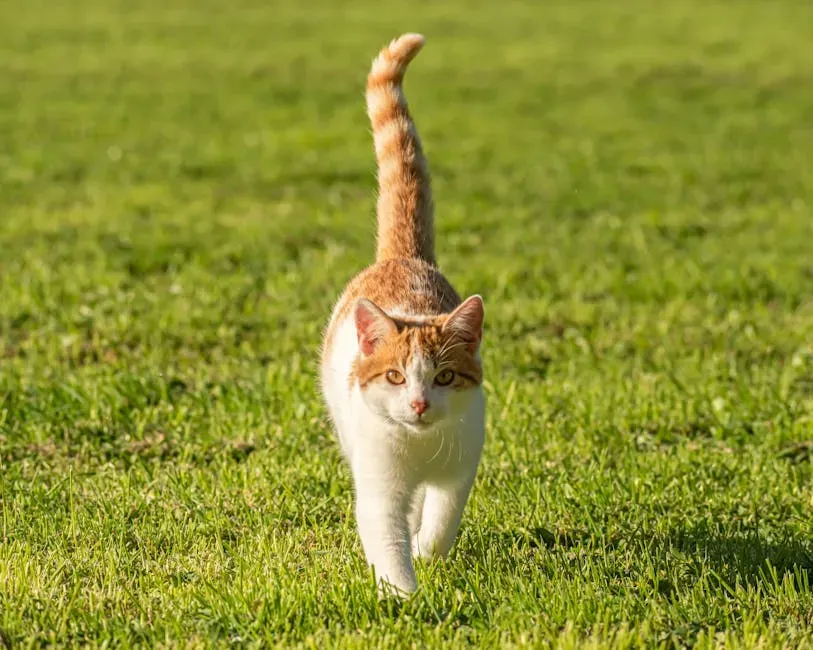
Another subtle sign of trust and affection is when your cat approaches you with its tail held high. If the tail is slightly quivering, it’s an even stronger indication that your cat trusts you. This upright, gently trembling tail posture is one of the most consistent markers of genuine feline enthusiasm, and your cat doesn’t reserve it for just anyone.
When cats are showing their affection, they rub themselves on you, often circling or turning in little figure eights. Their tails are held high, often with a tiny curve at the very end, showing that they’re happy to see you or another cat. If that’s the welcome you get after a long day, you can be confident your cat considers you genuinely good company.
9. They Purr Just Because You’re There
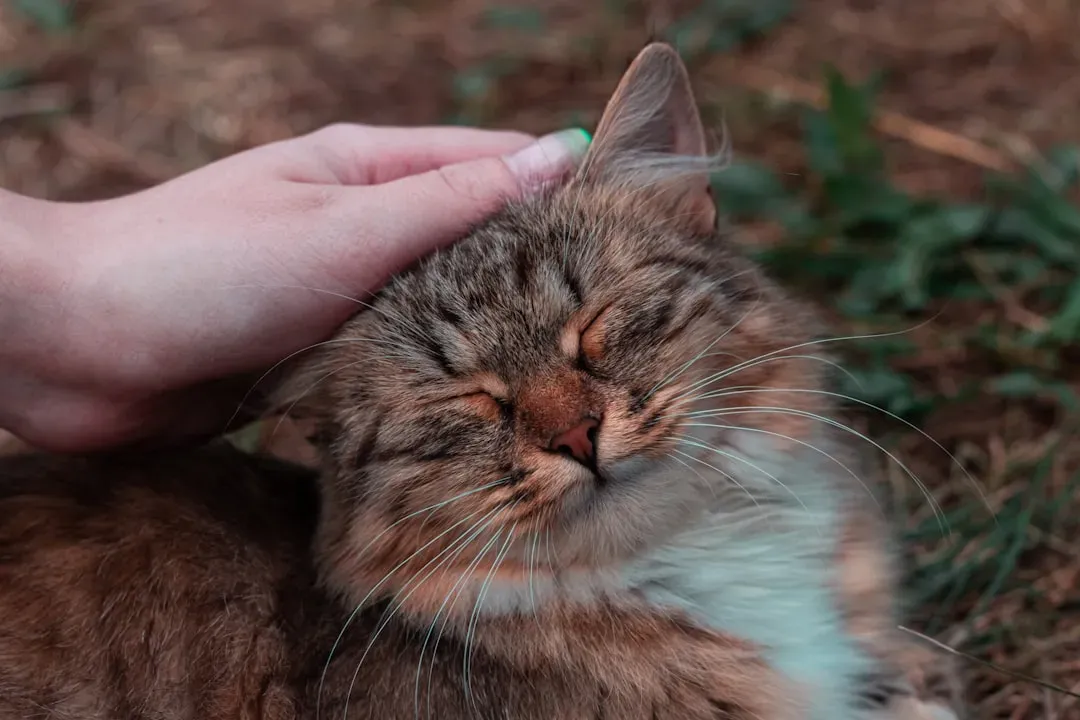
Purring is often associated with a cat’s contentment and happiness. When a cat purrs while being petted or sitting on your lap, it’s a sign of deep affection and comfort. Kneading, where cats push their paws against a soft surface, often accompanies purring. This behavior, rooted in kittenhood when they kneaded their mother’s belly for milk, shows that your cat feels relaxed and trusts you completely.
Cats often purr to show contentment when they are resting near you or when you’re petting them. They may also purr when they’re nervous, but this is often paired with different body language such as holding their ears back, putting their head down, or fast tail-swishing. Context matters a lot here. A loose, sprawled cat with a steady purr is broadcasting pure contentment, and you’re the reason for it.
10. They Meow Specifically at You
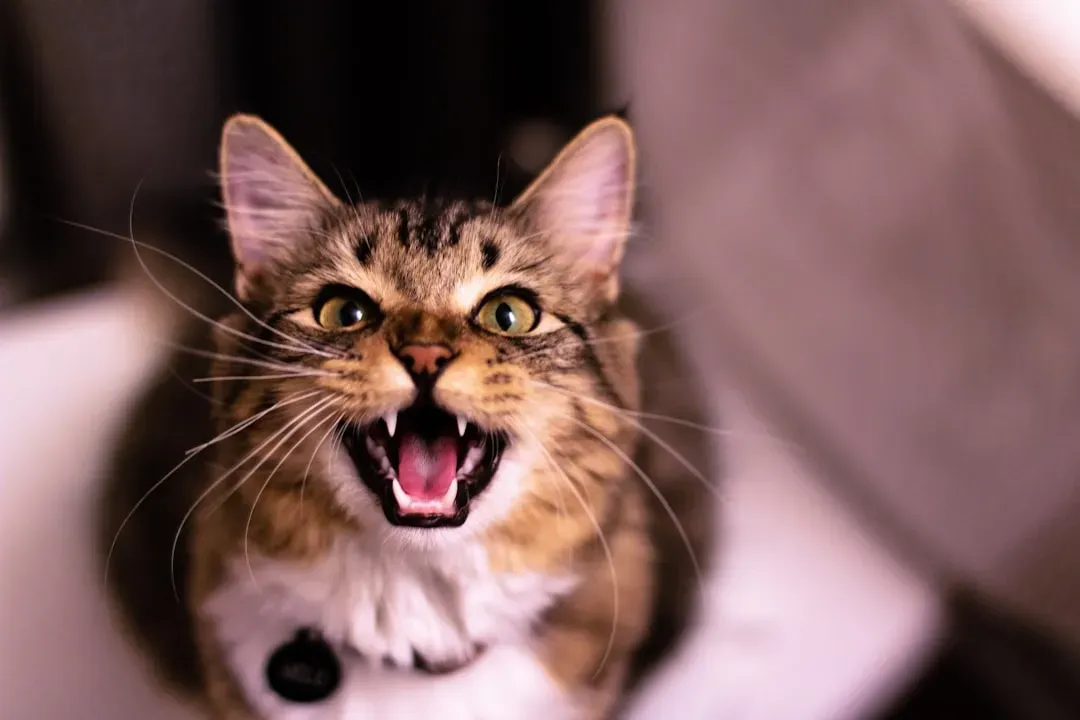
Cats don’t typically meow to communicate with other cats; they reserve this behavior for interacting with humans. If your cat frequently meows at you, especially with a soft, gentle tone, it’s their way of getting your attention and showing affection. It’s a form of communication they’ve developed specifically for you, which makes it more meaningful than it might first appear.
Cats communicate primarily through body language, but they do use vocalizations to express themselves too. If your cat meows at you in a pleasant and friendly manner, it is a sign that they trust and love you. You’ll learn a lot when you can interpret your cat’s wide vocabulary of chirps and meows. They’ll tell you when they’re hungry, when they’re feeling affectionate, and if they’re feeling threatened or in pain. Pay attention to the tone. A soft, rising meow directed your way is a compliment dressed up as a sound.
Conclusion
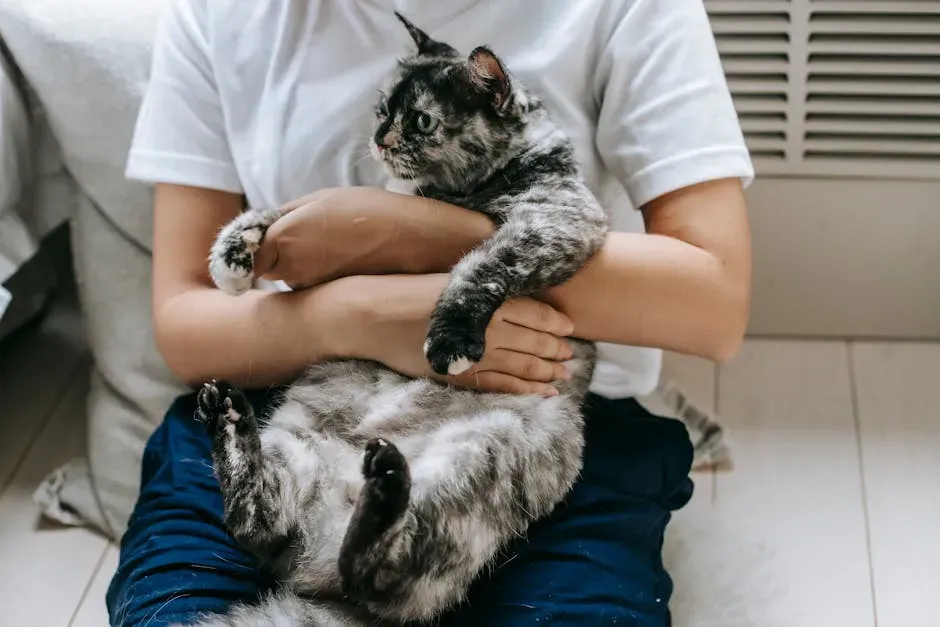
Cats don’t wear their affection on their sleeves the way some animals do. Their signals are measured, deliberate, and easy to overlook if you’re expecting something more obvious. Cats communicate affection and trust in subtle ways. Once you learn to read those signals, the picture shifts considerably.
Gaining the trust of your cat requires patience and understanding. Providing them with a comfortable environment, respecting their boundaries, and giving them attention on their terms will help build a strong bond of trust. The slow blinks, the quiet purrs, the tail that quivers when you walk through the door – these aren’t small things. They’re a cat’s version of saying you’ve earned it, and that’s genuinely worth something.
Kristina is a young writer from India. An arts graduate and an avid content creator, Kristina is passionate about animals and wildlife. She enjoys exploring topics related to pet care, animal behavior, conservation, and nature, combining thorough research with engaging storytelling.