10 Things an Old Cat Starts Asking for That It Never Wanted Before
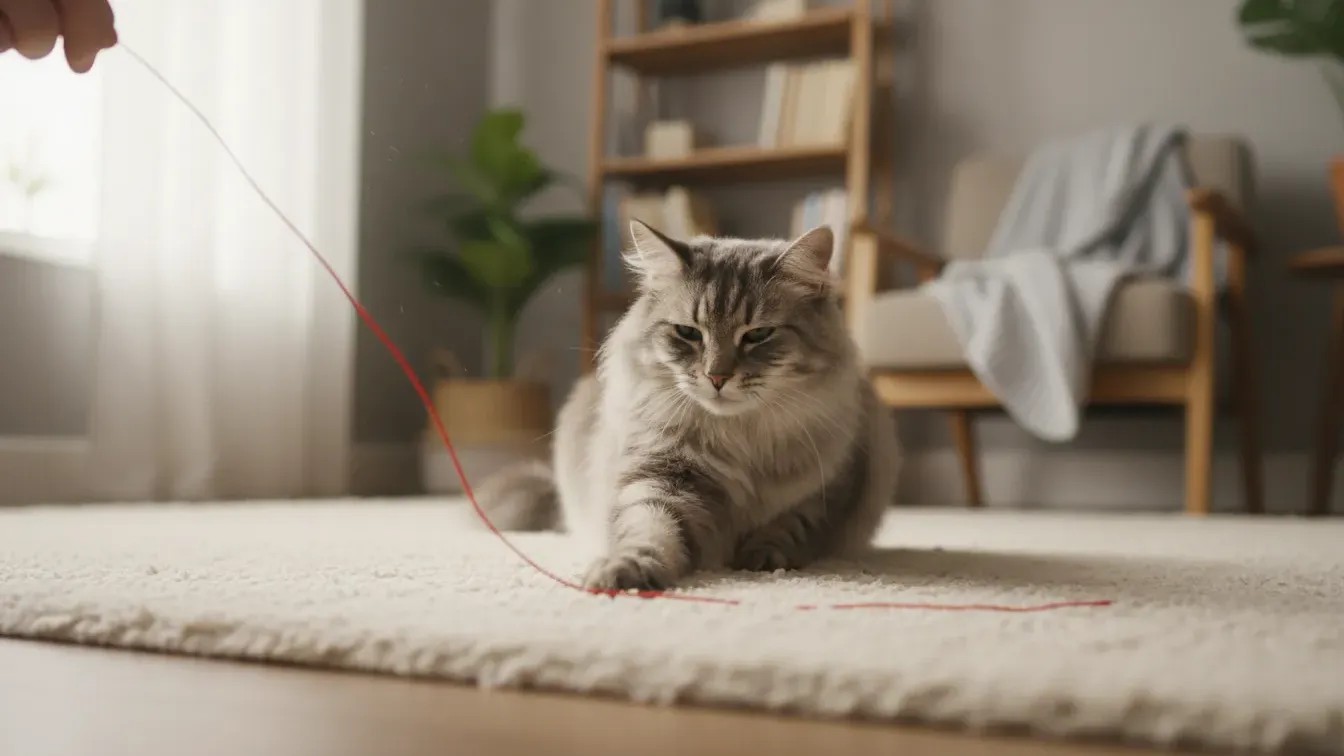
Most cat owners assume their senior cat is just "slowing down." That explanation is comforting - and almost always wrong.
Aging cats start making very specific, deliberate requests, and most owners misread nearly every one of them. By the time you reach number one, you'll never look at a nap, a meow, or a scratch mark the same way again.
#10 - More Warmth, Right Now
Elderly cats have genuine trouble regulating their body temperature, which makes them seek out warm places far more often than they used to. That cat who used to sleep on the cool tile floor? She now claims the sunny patch on the rug like it's her job.
Older cats become more sensitive to temperature changes, seeking warmth more urgently during cooler months, basking in sunny spots or pressing against heaters. It's not laziness - it's biology.
A cat that needs more warmth often changes sleeping positions, curling up tighter to conserve heat, and becomes less active overall because that energy is going toward staying warm instead. If your old cat is suddenly glued to the radiator, take it seriously.
But warmth-seeking is just the beginning - the next request is one most owners overlook entirely.
#9 - Softer Food, Every Single Meal
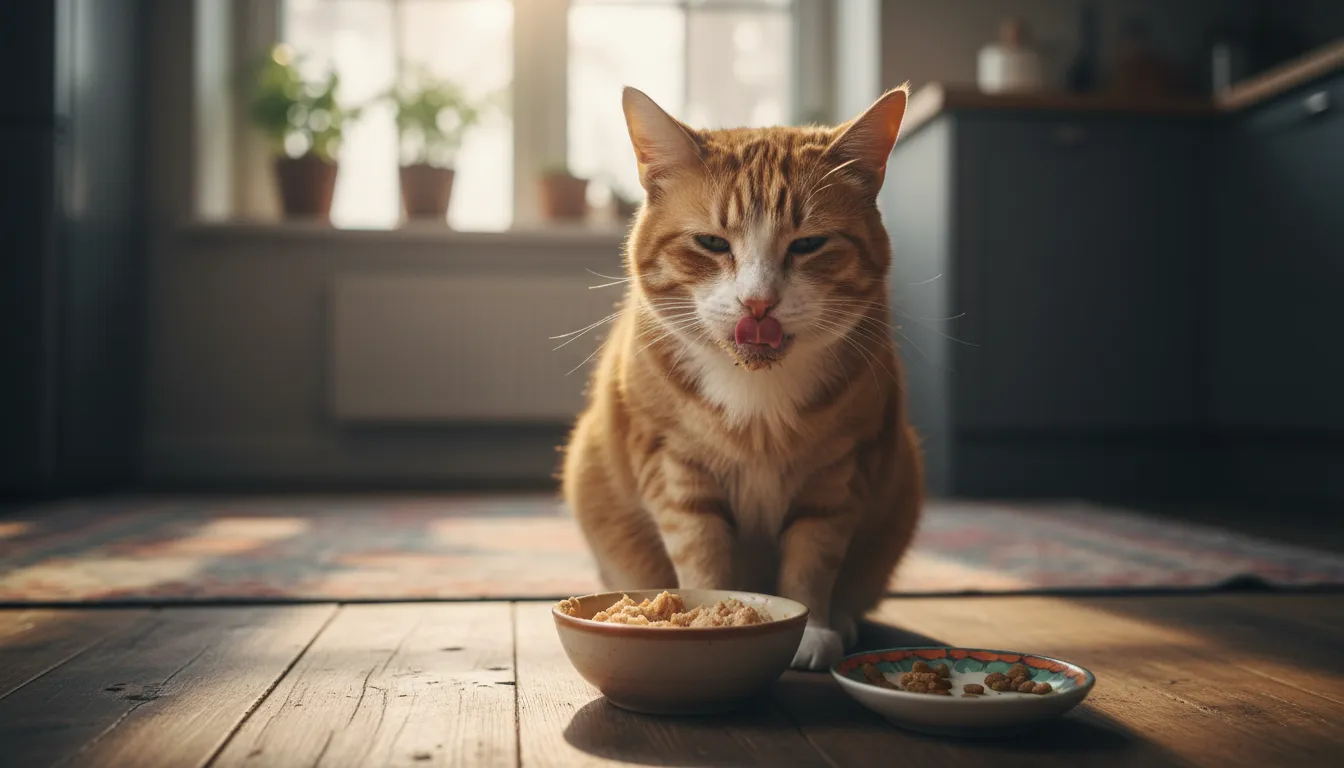
Senior cats often stop eating not from pickiness but because dental disease - which commonly affects older cats - causes real pain when they chew kibble. What looks like a cat being "fussy" is often a cat quietly telling you her mouth hurts.
Cats may do noticeably better with canned food because it's softer on their gums, and older cats can also lose some sense of smell, which makes food seem bland regardless of texture. Both dental pain and scent loss can be happening at the same time.
Fast Facts
- Roughly 50 to 90 percent of cats older than 4 have some form of dental disease, according to Cornell University's Feline Health Center.
- Some veterinary dental groups report signs of dental disease in over 70 percent of cats by age 3.
- Periodontal disease and tooth resorption both become more common as cats get older.
- Dental pain often shows up as slower chewing, dropped kibble, or drooling - not obvious yelps.
Senior cats carry the same teeth they had at six months old, but years of wear and shifts in oral bacteria can lead to problems that directly affect appetite and grooming. A vet check is often the fastest way to solve a "picky eater" problem in an older cat.
Don't underestimate what's coming next - it involves a behavior most owners have never even heard of.
#8 - A Lower Entry Point Into the Litter Box
Joint pain and cognitive decline in some older cats can make using the litter box genuinely difficult - and stressful for both the cat and the owner. That high-sided box you've had for years? It's now the equivalent of asking her to climb a wall every time she needs to go.
When choosing a litter box for a senior cat, veterinarians prioritize one with lower sides, because stiffness can make entering and exiting a high-walled box physically painful. This is one of the most actionable changes any senior cat owner can make.
At a Glance
- A long-running UK survey found house-soiling in cats aged 11 and older rose sharply between two study periods, from roughly 29 percent to over 55 percent.
- Studies estimate up to 90 percent of cats over age 12 show radiographic evidence of arthritis, which can make climbing over high sides painful.
- Vet-recommended senior litter boxes usually have an entry a cat can simply step over, not climb into.
Changes in litter box usage may also indicate urinary tract disease, constipation, or diabetes - but may equally be due to reduced strength, impaired balance, or pain. Never just assume your cat is misbehaving.
What comes next surprises almost every cat owner - because it looks like affection, but it's actually something else.
#7 - Constant Physical Contact (Even From Cats Who Hated It)
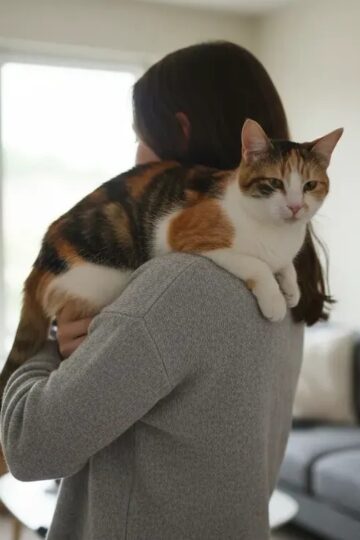
For years your cat may have preferred her own private spot - then almost overnight she's pressed against your chest. Many aging cats seek out the heartbeat and warmth of the one person they trust most when they're feeling frail or confused.
It's not a personality transplant - it's a need.
Cats' bodies produce less testosterone and estrogen as they age, which can lower aggression and genuinely increase social behavior. The independent cat who once merely tolerated you is now actively choosing you.
Arthritis can make older cats more physically reliant on their owners, since jumping and moving become harder. That sudden clinginess might be her asking for pain relief, not just cuddles.
The next one is a request cats make silently - and most owners miss it for months.
#6 - Help With Grooming
As cats age and become less flexible, they often struggle with their usual grooming routine, and you may notice matting developing specifically over the lower spine and hindquarters. Those are the spots they simply can't reach anymore.
While younger cats are typically fastidious self-groomers, older cats may struggle to stay clean due to decreased flexibility, arthritis, dental issues, or simple fatigue. A greasy coat or tangled fur isn't neglect on her part - it's a physical limitation.
Worth Knowing
- Peer-reviewed research on feline arthritis found about 61 percent of cats over age 6 already show joint disease on X-ray.
- That figure climbs to roughly 90 percent in cats over age 12.
- Decreased grooming has been statistically linked to arthritis in the same studies, not just general aging.
- Matting often concentrates over the lower back and hips - the exact joints arthritis targets most.
Older cats can benefit greatly from more frequent hands-on grooming help, though a sudden and complete lack of self-grooming may signal a health problem worth investigating. Brushing your senior cat isn't just cosmetic - it's a health check in disguise.
Here's where it gets really interesting. The next one is the one most owners misread as a behavioral problem.
#5 - A Predictable, Unchanging Routine
Veterinarians note that just as humans become set in their ways with age, cats do too - many become more dependent on relationships and find it harder to deal with change at all. That cat who used to roll with the punches? She now needs things done in order.
Senior cats often become more routine-focused and markedly less tolerant of disruptions as their brain chemistry evolves. Move the food bowl two feet to the left and watch the fallout.
This isn't stubbornness - it's a coping mechanism. Sticking to normal routines reassures senior cats, giving them a sense of control as their body and senses become less reliable.
If your old cat is acting "difficult," ask yourself what changed in her environment first.
The next request involves something your cat is doing at night that you've probably been sleeping through.
#4 - Nighttime Check-Ins and Reassurance
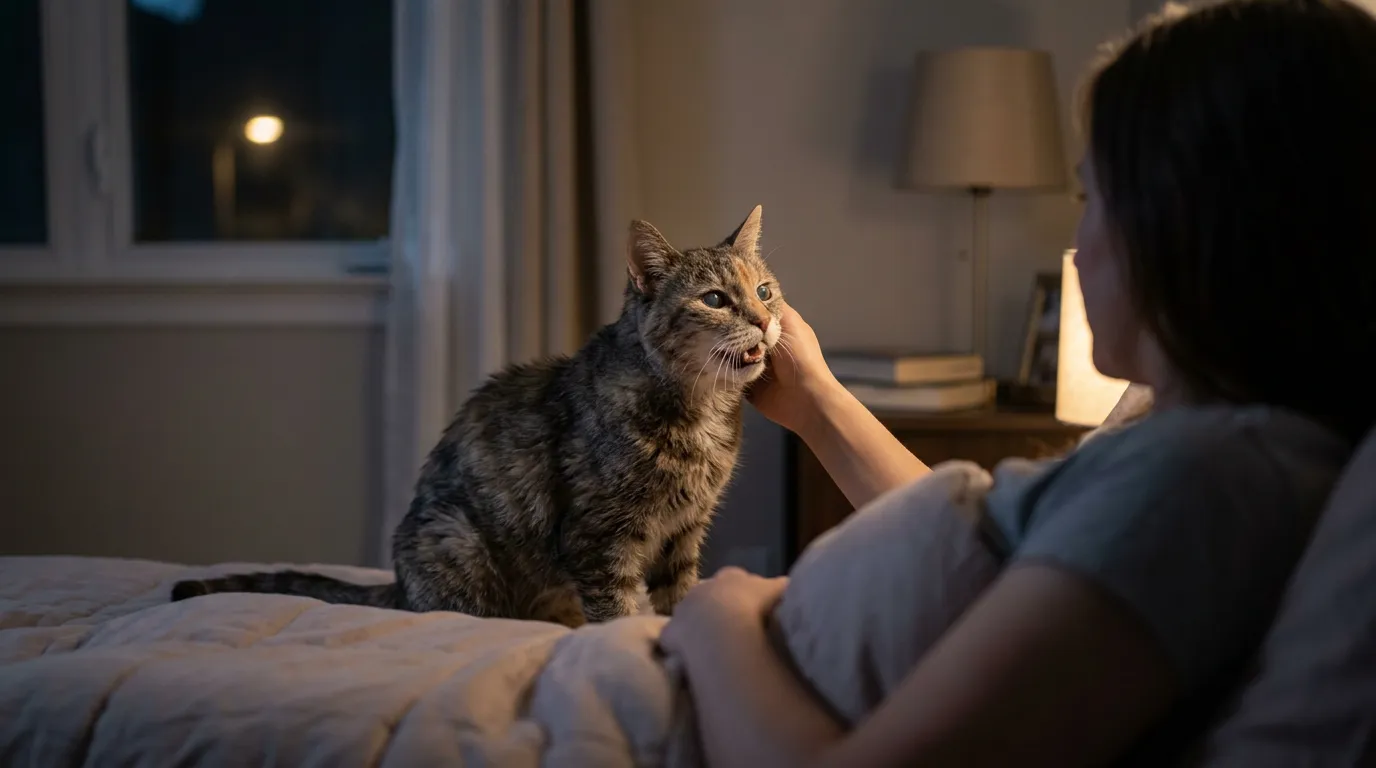
Vocalization - especially nighttime waking - is a common concern in senior cats and may represent declining hearing and vision, cognitive dysfunction, pain, hyperthyroidism, or hypertension. In other words, your cat yowling at 2 a.m. is rarely "just noise."
Excessive nighttime yowling or dramatic personality shifts could indicate discomfort or cognitive change, and persistent distress calls deserve a vet visit rather than dismissal. A cat who never made a sound at night and suddenly starts is telling you something important.
Many cats lean on their owners for support as hearing and eyesight fade, making those nighttime check-ins a form of orientation and reassurance. The best thing you can do is respond calmly and keep a light on for them.
Almost nobody talks about what's next - but vets see it constantly.
#3 - Horizontal Scratching Instead of Vertical
You may notice your senior cat's scratching preferences change significantly with age - specifically, a shift toward horizontal surfaces instead of vertical ones. That scratching post she used since kittenhood? She might walk right past it now.
Owners often report their cat "not getting on the counters as much" or "not using the window seat anymore" - small quirks that are actually critical signals. The same logic applies to scratching: if the behavior changes, the body changed first.
Quick Compare
- Vertical scratching: requires a full-body stretch that pulls on the shoulders and spine.
- Horizontal scratching: stays low to the ground and needs far less balance or reach.
- Younger cats: usually prefer vertical posts by default.
- Senior cats: often switch to flat or horizontal surfaces once stretching becomes uncomfortable.
Arthritis in the spine and shoulders makes vertical stretching genuinely painful. The fix is simple - horizontal scratchers, including nearly flat sisal options, let her scratch without straining aging joints.
It's a small swap with a big quality-of-life payoff.
The next one tends to make owners feel guilty in hindsight - don't miss it.
#2 - Shorter, Gentler Play - But Still Play
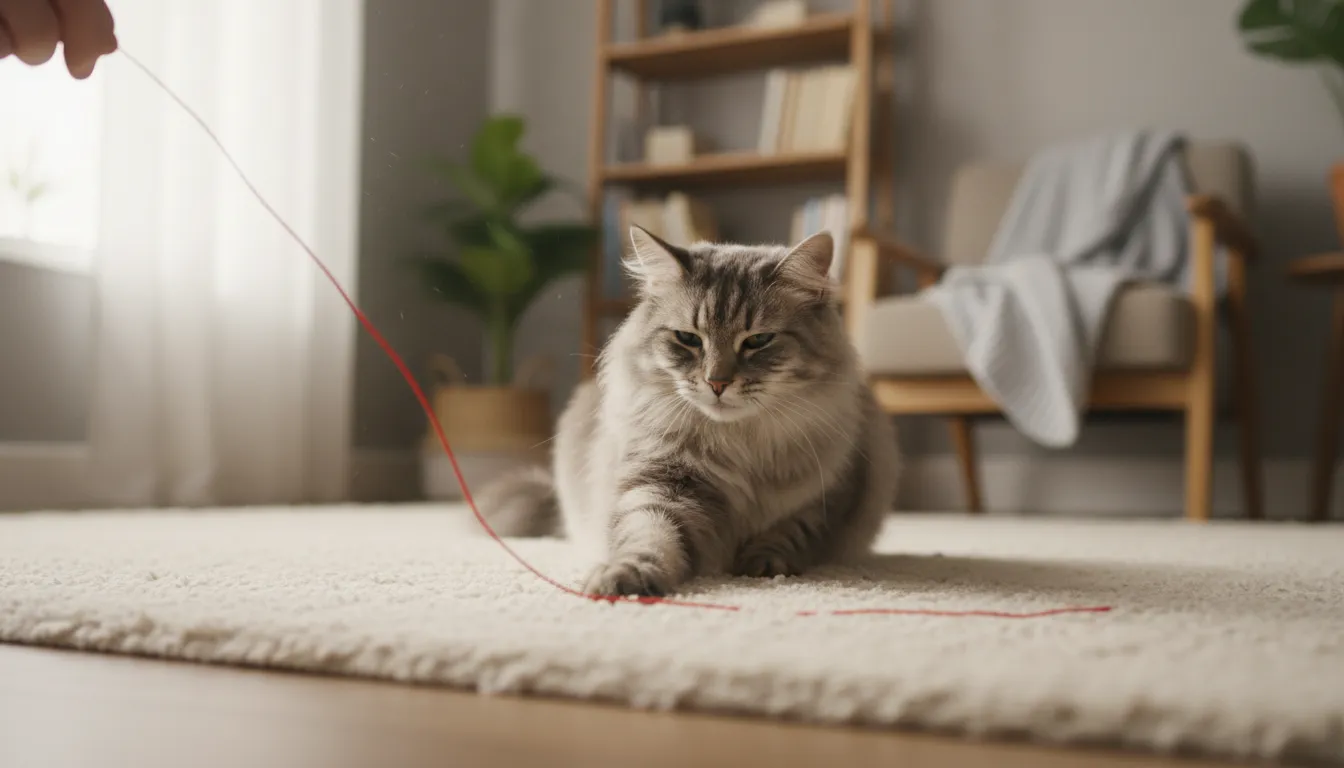
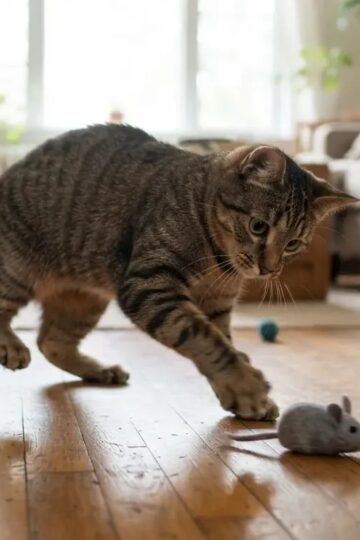
Senior cats still genuinely need play and mental stimulation, but their preferences shift toward shorter sessions and a much stronger pull toward interactive play over playing alone. That doesn't mean she wants to stop.
It means she wants you in the game.
A senior cat may show less interest in play overall, though she's still willing to join in occasionally - and continuing to offer stimulation keeps both mind and body healthier for longer. Giving up on play entirely is one of the biggest mistakes senior cat owners make.
The secret is lowering the intensity, not canceling the session. Even five minutes of a slowly dragged string toy keeps joints moving, the mind engaged, and the bond between you alive.
Her toy preferences may also change over time, so experimenting is worth the effort.
And the #1 thing old cats start asking for? It's the one that changes everything - and most owners only realize it in hindsight.
#1 - To Be Truly Seen and Understood
Cats are excellent at hiding discomfort, which means changes in behavior are often the first - and only - clue that something is wrong. Your senior cat can't tell you she's in pain.
She can only show you.
Aging can change your cat's social relationships with you and with other pets in the home, and understanding what she's going through is the foundation of handling those changes with compassion. It starts with paying attention.
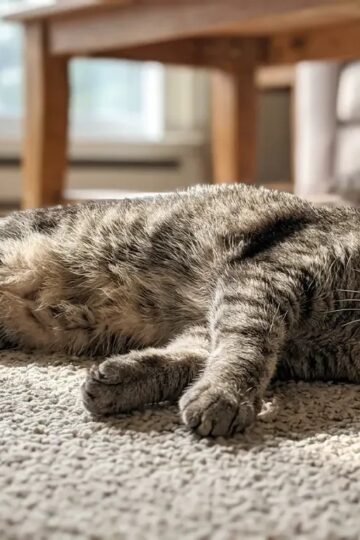
Cats who survived their earlier years on high alert sometimes only feel safe enough to truly relax after years of consistent kindness - exposing their belly, sleeping in vulnerable positions, choosing connection over self-protection even as their body slows down.
That's not just aging - that's trust. And it's the one thing every old cat is silently asking you for.
The Bottom Line
Old cats don't change randomly. They make very specific, biology-driven requests that most owners either miss or misattribute to stubbornness and old age.
From craving warmth and softer food to needing a lower litter box and quiet reassurance at 2 a.m., every one of these shifts has a real cause behind it.
The cats who get heard live longer, more comfortable senior years. The ones who don't often suffer quietly until a vet visit finally reveals what the behavior was signaling all along.
Your senior cat is communicating constantly - the only question is whether you're listening.