16 Signs a Cat Has Grown Attached to Somebody It Barely Knew Before
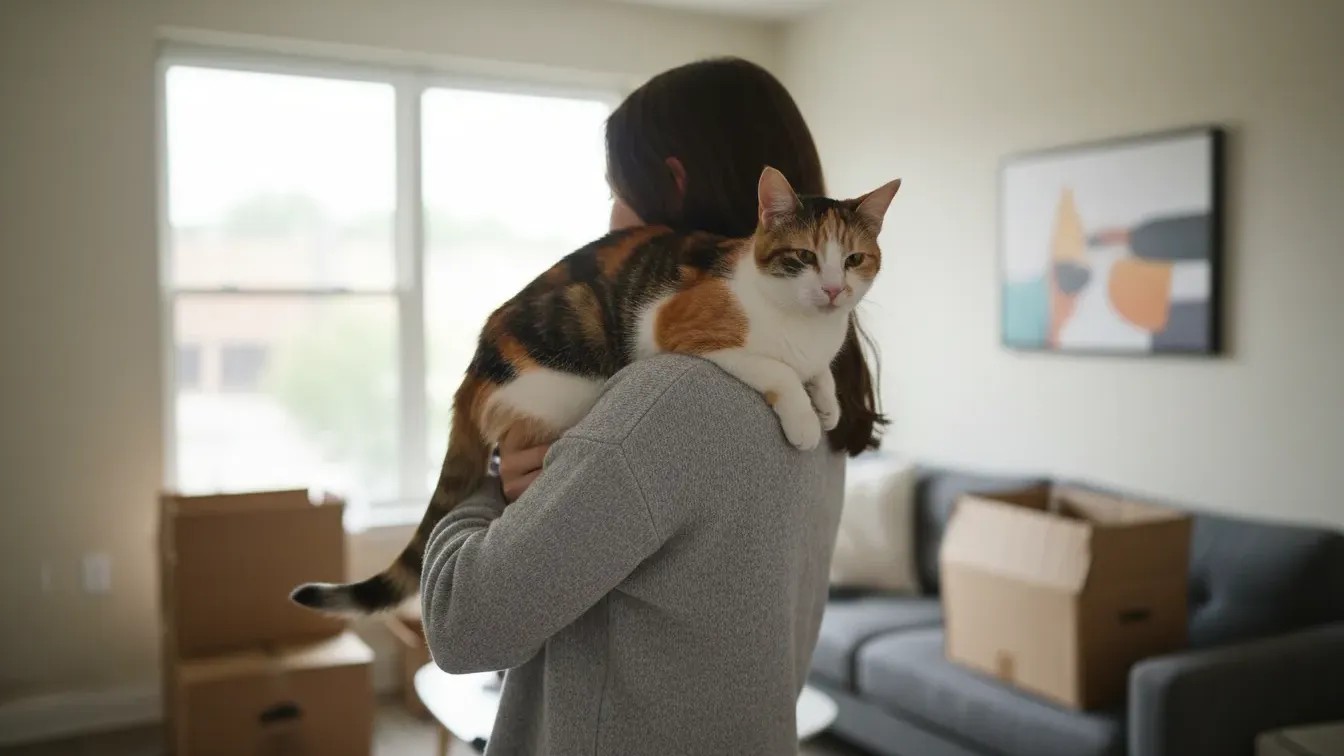
Most people assume cats barely bond - they just tolerate whoever fills the food bowl. Researchers at Oregon State University found something that upends that idea completely: cats form attachment styles that look almost identical to human infants and dogs.
A cat that used to bolt under the bed the moment you walked in and now claims your lap isn't just "getting used to you." The signs are quiet, easy to miss, and most owners never learn to spot them - until now.
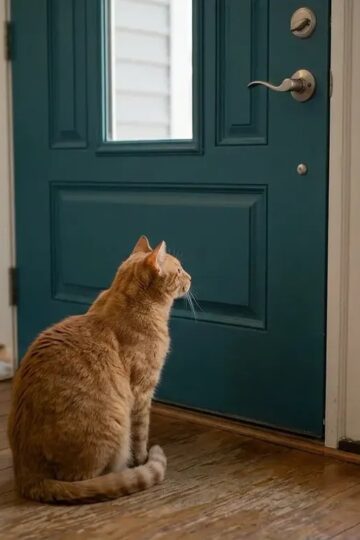
#16 - It Starts Staying in the Same Room as You
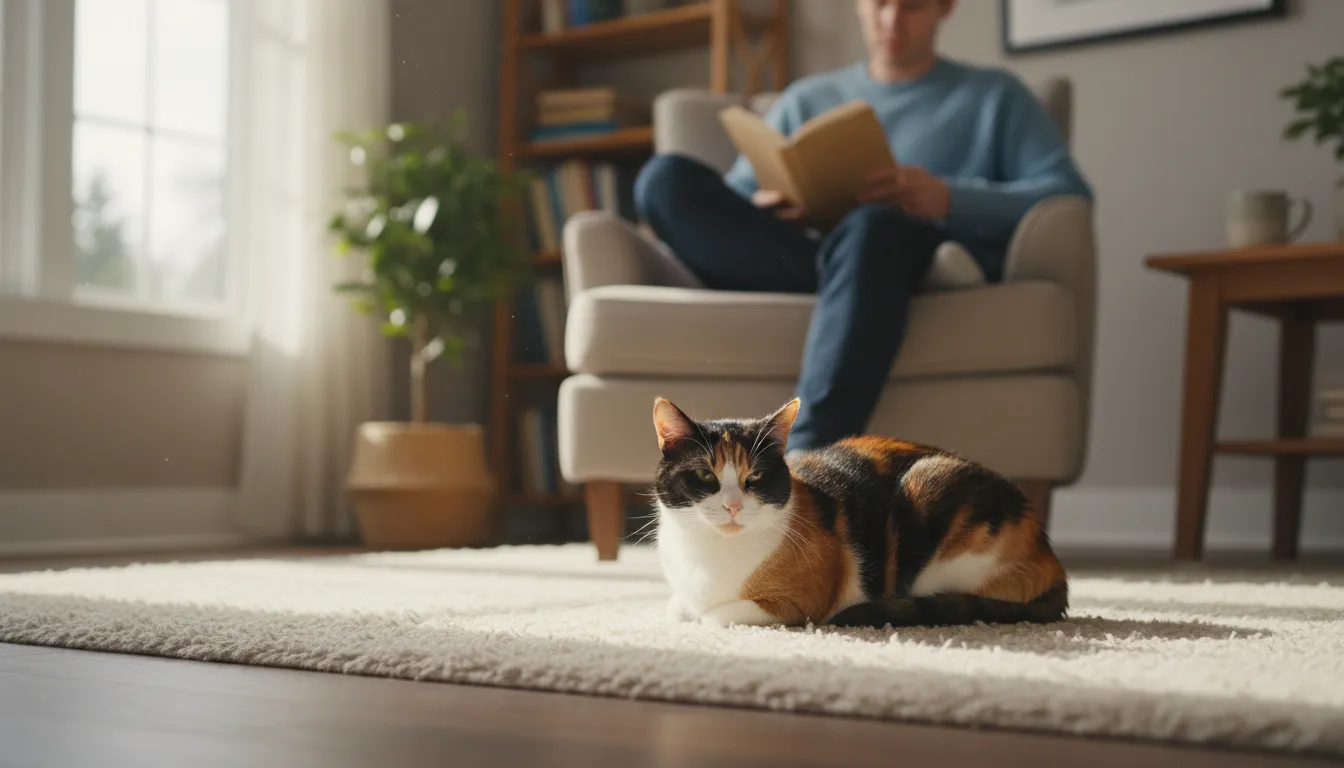
A cat that barely knew you would vanish the moment you walked in. Now it doesn't leave.
Emotional attachment shows up first in the small stuff - like simply choosing to stay where you are. It looks like nothing, but it's actually a threshold being crossed.
Attached cats follow their people from room to room, often trailing a few feet behind. That gap matters: the cat isn't bold enough yet to close it, but it's already choosing you over solitude.
The fact that it stays is the signal. Most owners assume the cat just happens to be there - it isn't.
Watch for this becoming a pattern at different times of day. That's when it stops being coincidence and starts being intention - and sign #15 is even easier to miss.
#15 - It Begins Making Direct Eye Contact
Cats don't hold eye contact with strangers or threats. In feline terms, that's not shyness - it's survival wiring.
A cat that watches you with interest instead of darting away has made a real behavioral shift. Holding your gaze, instead of avoiding it, is a small act of trust most people never register.
The real marker is what happens next. A slow blink is basically a cat's version of a valentine - a deliberate signal that it feels safe enough to lower its guard, even for a second.
An acceptance gesture that cats do when they're absolutely comfortable with you.
Dr. Gary Weitzman, veterinarian
Researchers studying slow blinking have confirmed it isn't a reflex - it's intentional communication. Sign #14 takes that same trust and puts it in motion.
#14 - It Approaches You with Its Tail Held Straight Up
Tail position is one of the most underrated signals in cat body language - and one of the most reliable.
An upright tail is not random. In feline social language, it's a greeting reserved for individuals the cat considers safe.
A cat that once slunk low and hid now walks toward you like it owns the room. That tail is the feline equivalent of a wave hello - and it's only given to chosen people.
Think about how rarely a stray cat does this to a stranger. It doesn't happen - which is exactly why sign #13 matters so much.
#13 - It Rubs Its Face Against You
This one looks like affection. It is - but it's also something more deliberate than most owners realize.
Cats headbutt and rub their faces on people they want to claim as part of their safe zone. Every rub leaves pheromones behind, quietly telling other cats "this one is mine."
A cat that barely knew you wouldn't waste a single pheromone on you. The fact that it's marking you now means it has decided you're worth keeping.
Worth Knowing
- Cats carry scent glands on their cheeks, chin, forehead, and the base of the tail.
- Bunting deposits pheromones that mark people and objects as safe and familiar.
- This scent-marking is reserved almost entirely for trusted companions, not strangers.
- Humans can't smell it, but other cats pick up on it instantly.
And that's still nowhere near as intimate as what's coming in sign #12.
#12 - It Grooms You
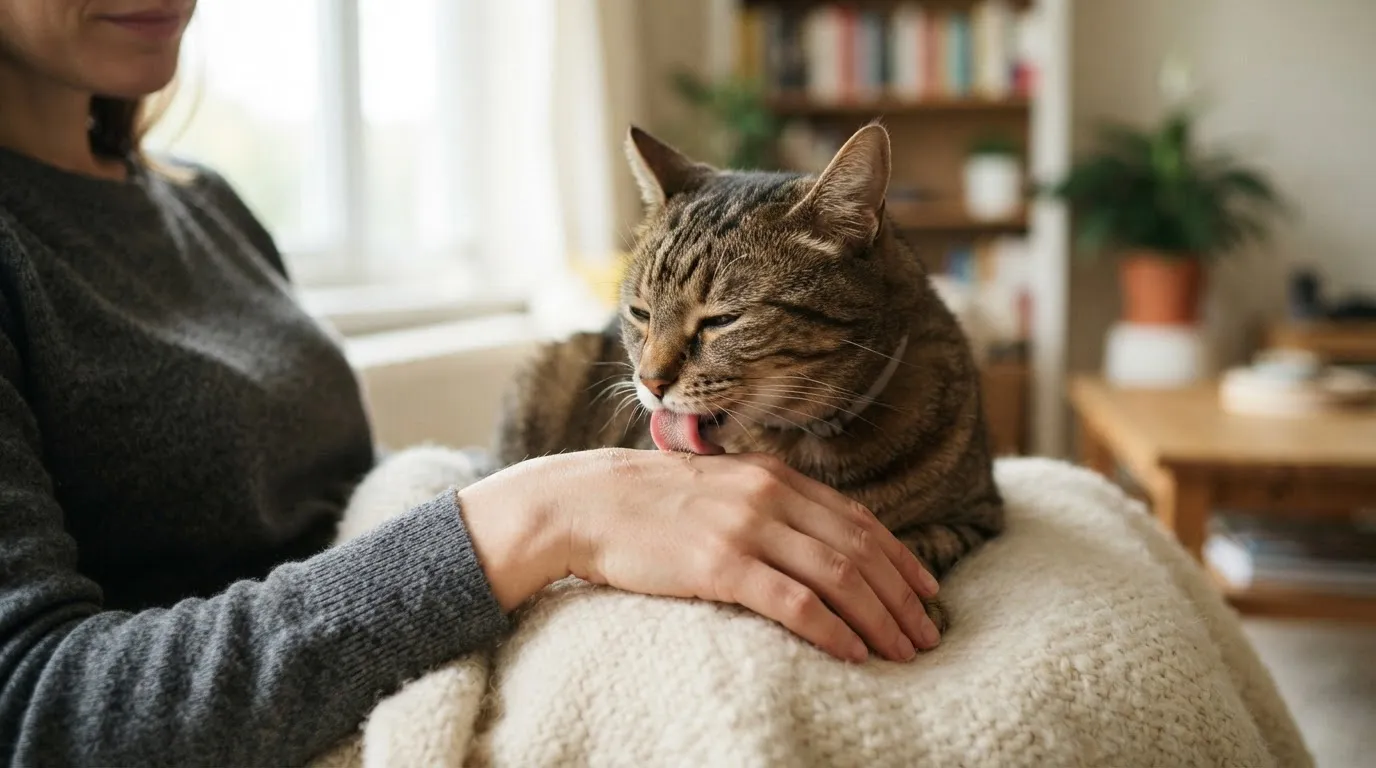
Grooming another creature is not something cats do lightly. By any behaviorist's measure, it's an intimate act.
Cats groom each other to strengthen social bonds - and if your cat licks your hand, hair, or arm, it's placing you in the same category as its closest companions.
Allogrooming is a behavior cats typically reserve for family. Most owners are mildly surprised when this happens. They should be genuinely floored.
Sign #11 takes that same instinct and turns it into something almost childlike.
#11 - It Kneads You
Kneading turns fully grown cats into something almost kittenish - and that's not an accident.
The behavior starts in infancy, when kittens knead their mother's belly to stimulate milk flow. An adult cat kneading you is tapping into that exact same sense of safety.
A cat kneading a near-stranger has mentally reclassified you as a source of comfort - one of the highest forms of feline trust there is.
Listen for the purring that almost always comes with it. Sign #10 proves that trust has a voice, too.
#10 - It Starts Vocalizing Specifically at You
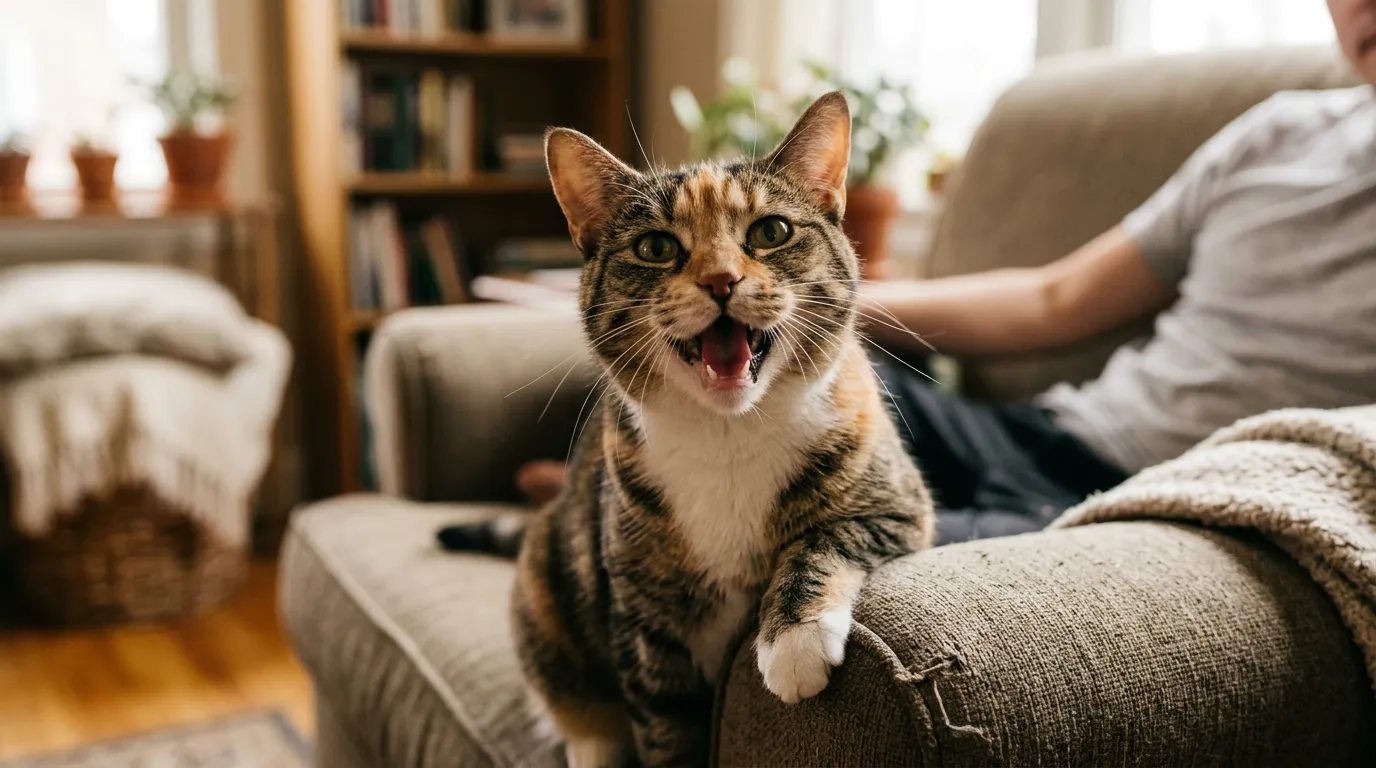
Adult cats rarely meow at each other. That sound evolved almost entirely to talk to us.
A bonded cat develops specific meows, trills, or chirps just for you. A chirp when you walk in, a trill when you sit down - it's not noise, it's targeted communication.
Every directed meow is a deliberate social bid - and a cat that barely knew you was making none of them before.
Count them. They'll only increase. Sign #9 is where trust gets physically dangerous for the cat.
#9 - It Exposes Its Belly Around You
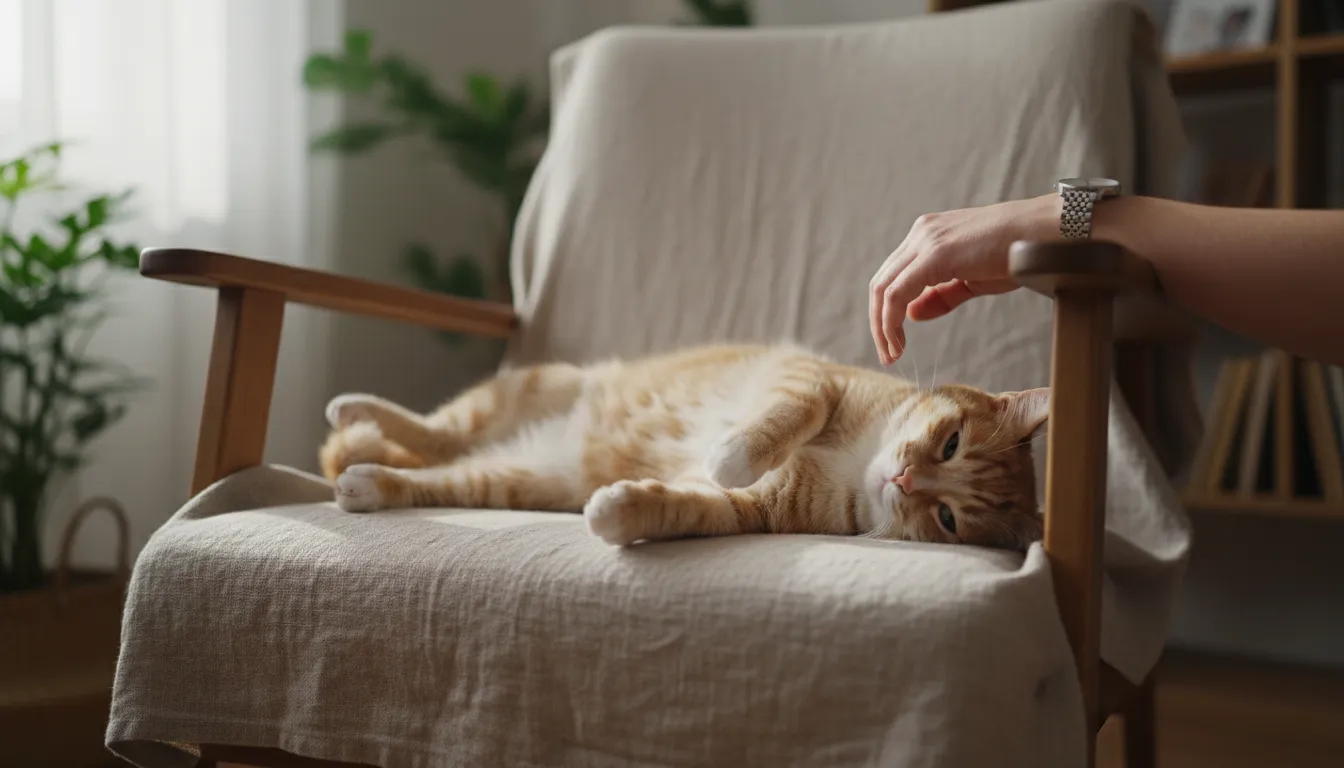
The belly show is one of the most misread signals in cat behavior - and one of the most meaningful.
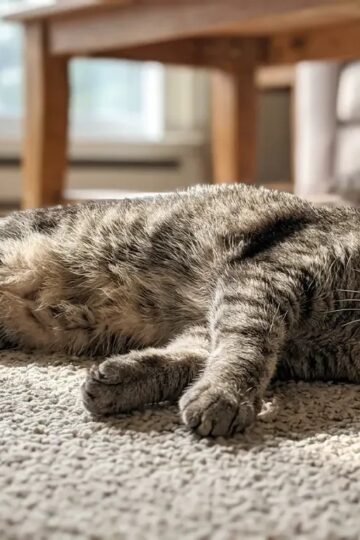
A relaxed cat rolling onto its back is not inviting a belly rub. It's simply announcing that it feels safe enough to be defenseless.
For an animal that is both predator and prey, an exposed stomach is the single most vulnerable position it can take. A cat that barely knew you would never show you its belly.
Fast Facts
- A cat's belly protects vital organs with almost no muscle covering.
- In the wild, exposing the stomach is rare and reserved for the safest settings.
- Most cats still dislike being touched there, even while relaxed.
- The behavior signals vulnerability, not an invitation to pet.
The moment it does, you've crossed into the inner circle. Sign #8 proves that trust follows the cat into sleep.
#8 - It Sleeps Near You or on You
Sleep is when cats are at their most vulnerable. Where a cat chooses to rest reveals exactly who it trusts.
A cat that once hid in corners and now naps on your bed or beside you on the couch is making a considered, instinct-driven choice. Cats are naturally cautious about where they let their guard down completely.
Cats don't accidentally fall asleep on people they distrust. A pattern of sleep proximity - not just one lucky nap - is the real tell.
Sign #7 shows that same trust doesn't stay in one spot.
#7 - It Follows You from Room to Room
People assume only dogs shadow their owners. Cats do it too - just more selectively.
Attached cats trail their people from room to room, sometimes at a distance, sometimes right at their heels. Over time, as the bond deepens, that distance closes completely.
What looks like coincidence - the cat always in the kitchen when you cook, in the hallway when you pass through - is actually tracking driven by real social preference.
Get up right now and move rooms. See what follows - then get ready for sign #6, which is a lot less subtle.
#6 - It Brings You "Gifts"
Yes, this is the one that can involve a dead mouse. Try to receive it graciously.
Presenting prey or toys is a classic sign of social bonding, and it requires real motivation - the cat has singled you out as the recipient. A toy left outside your door or something considerably more alarming from the garden carries the same message either way.
Cats don't gift objects to strangers or animals they don't care about. In the animal kingdom, sharing resources is one of the clearest markers of genuine attachment.
Sign #5 shows up only when things go wrong.
#5 - It Actively Seeks You Out During Stressful Moments
Most owners notice their cat during calm evenings. The real test is what happens when the environment falls apart.
A cat that runs to you specifically during loud noises, strange visitors, or chaos has classified you as its secure base - the anchor it turns to when the world feels uncertain. Secure attachment shows up as distress when you leave the room, followed by fast recovery the moment you return.
A cat running toward you during stress is the exact opposite of the "aloof cat" stereotype - it's a profound sign of emotional reliance.
This is what separates real attachment from habit. Sign #4 is where that trust turns playful.
#4 - It Initiates Play with You Specifically
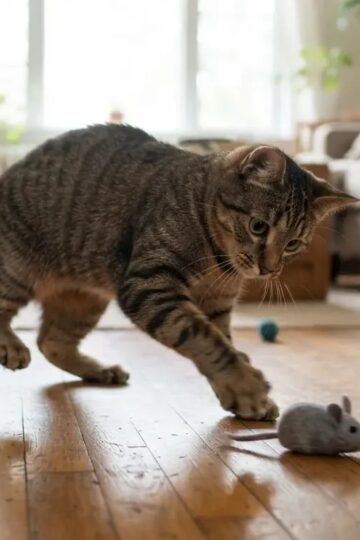
Play isn't just entertainment for a cat that's still building trust. Starting it is a genuinely significant act.
A cat that was once too wary to engage now taps your hand, brings a toy, or starts a chase on its own. That's not boredom - that's relational investment.
A bonded cat initiates on its own terms - tapping, fetching, pawing - and that "on its terms" detail is what matters most.
The cat is adjusting its own behavior around you, which it wouldn't bother doing for someone it didn't care about. Sign #3 is backed by something even harder to fake: biology.
#3 - It Recovers Faster from Stress When You're Present
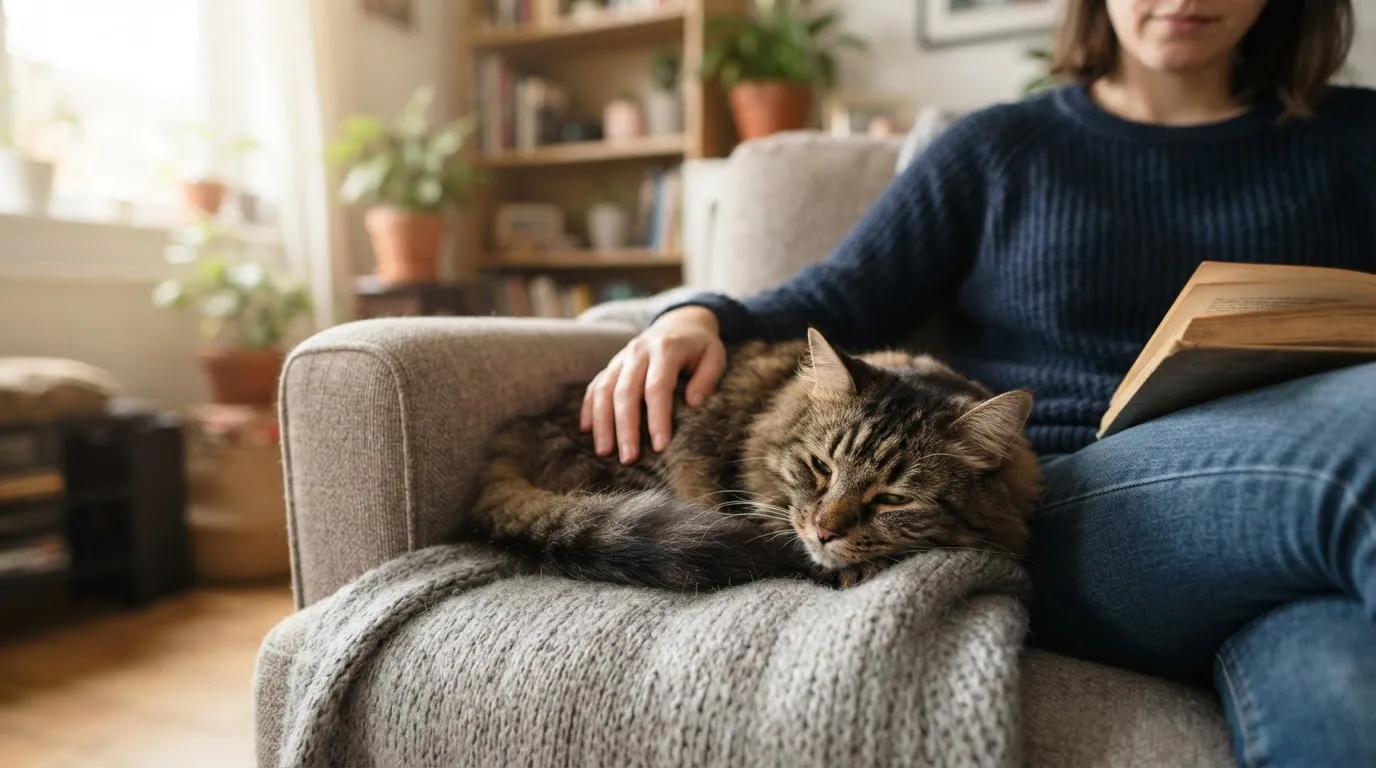
This one is backed by real data, and most cat owners have never heard of it.
Researchers studying feline attachment found that cats - like dogs and human infants - develop distinct emotional bonds with their owners, and those bonds influence behavior, stress responses, and even oxytocin levels, the hormone tied to social bonding.
Securely attached cats showed fewer problem behaviors, and more time spent near their owner was linked to a measurable rise in oxytocin. In other words, being near you literally changes a bonded cat's body chemistry.
A cat that's grown attached calms down faster and hides less when you're in the room. Sign #2 is the one most owners see every single day without realizing what it means.
#2 - It Greets You Differently Than Anyone Else
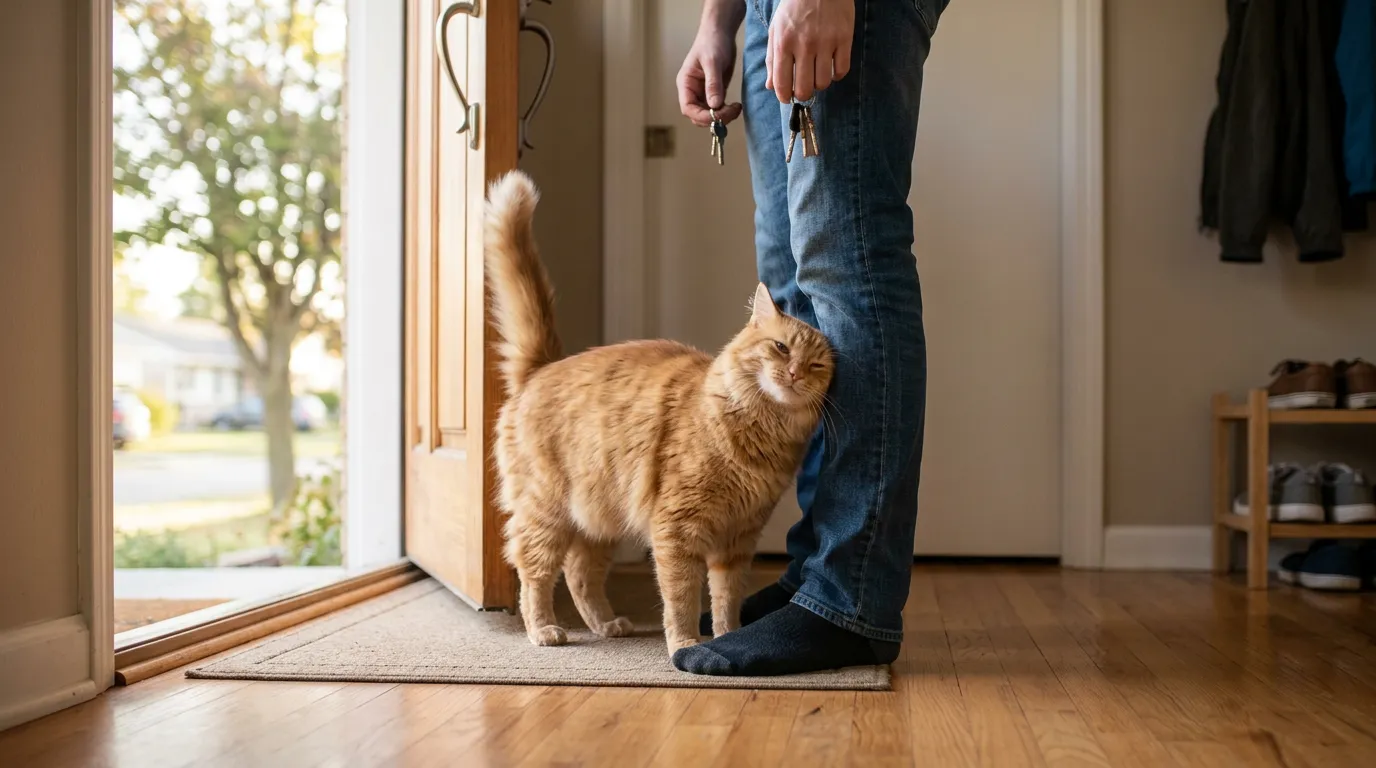
A cat that's attached to you specifically treats your arrivals differently from everyone else's. Pay close attention to this one.
Purring, head rubbing, bunting, or a chirp at the door only counts if it's specific to you. If the cat does it for every visitor, it means nothing - if it's reserved for you alone, that's the signal.
A cat that runs to the door when you come home - and doesn't bother for anyone else - has made a deliberate social distinction.
Most owners shrug this off. They shouldn't - because nothing beats what's coming at #1.
#1 - It Chooses You as Its Secure Base
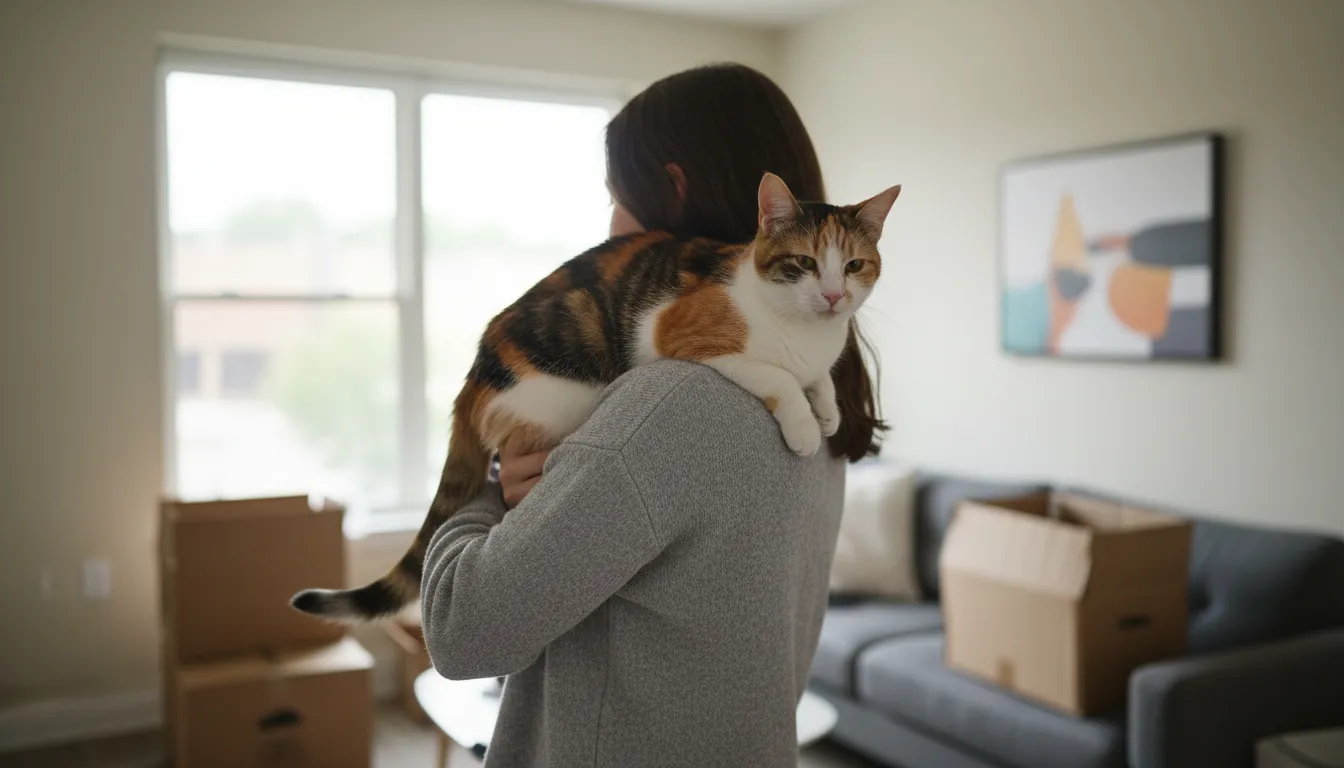
This is the big one - the behavior researchers actually use to define genuine feline attachment. It mirrors what developmental psychologists see in human infants.
A landmark study published in Current Biology found that pet cats form secure and insecure bonds with their caretakers, just like children and dogs. The majority of securely attached cats use their chosen person as a source of comfort in unfamiliar situations.
A 2019 Oregon State University study found that roughly 65% of cats are securely bonded to their primary person - almost identical to the 65% figure seen in securely attached human infants.
Quick Compare
- Secure adult cats: The percentages nearly mirrored the kitten population – 65.8% secure and 34.2% insecure, calming down quickly once their person returns.
- Insecure adult cats (about 34%): avoidance or clingy anxiety after reunion.
- Kittens showed nearly the same split: Of the 70 kittens that were classifiable, 64.3% were categorized as securely attached and 35.7% were categorized as insecurely attached.
That attachment is stable and carries into adulthood - which may be part of why cats have thrived so well living alongside us.
When a cat that barely knew you now runs back to you when startled, settles only when you're in the room, and tracks your movement with calm interest instead of alarm, it has chosen you. That's as real as attachment gets.
The Bottom Line
Cats are not indifferent, and the science backs that up. Research shows they develop distinct attachment styles - secure, anxious, or avoidant - that shape their behavior, hormones, and wellbeing.
A cat that went from barely acknowledging you to following you room to room, slow blinking, kneading, and running to you when something startles it hasn't "warmed up by accident." It chose you, deliberately, on its own timeline.
The signs were always there. Most people just never learned to read them.
At a Glance
- Slow blinks, kneading, and belly exposure are trust cues cats don't fake.
- Room-to-room following and unique greetings are everyday signs hiding in plain sight.
- Fast recovery after stress is the clearest marker of a secure bond.
Now you have - so look at your own cat differently tonight.