Your cat lounges in a sunbeam most of the day, barely flinches at the doorbell, and seems completely unbothered by life. Surely nothing gets under their fur, right? That reputation for being cool and composed is real up to a point, but the truth is that even the most laid-back cats can be quietly rattled by things you’d never suspect. Cats have a reputation for being calm and composed, and while many felines can remain poised under pressure, the reality is they also experience stress. Even if your pet generally seems anxiety-free, signs of a stressed cat can be less obvious than you think.
What makes this tricky is that cats are built to conceal their discomfort. Felines are subtle animals and it can be tricky to tell if you’ve got a stressed cat in your home. Their behavior might change slightly, or they might begin to do things that you perceive as being naughty. In fact, the domestic cat can be great at hiding signs of stress or signs that they’re in pain. In the wild, this would help them avoid becoming an easy target for predators. So the stressors listed here may already be affecting your cat without you realizing it.
1. High-Frequency Sounds You Can’t Even Hear
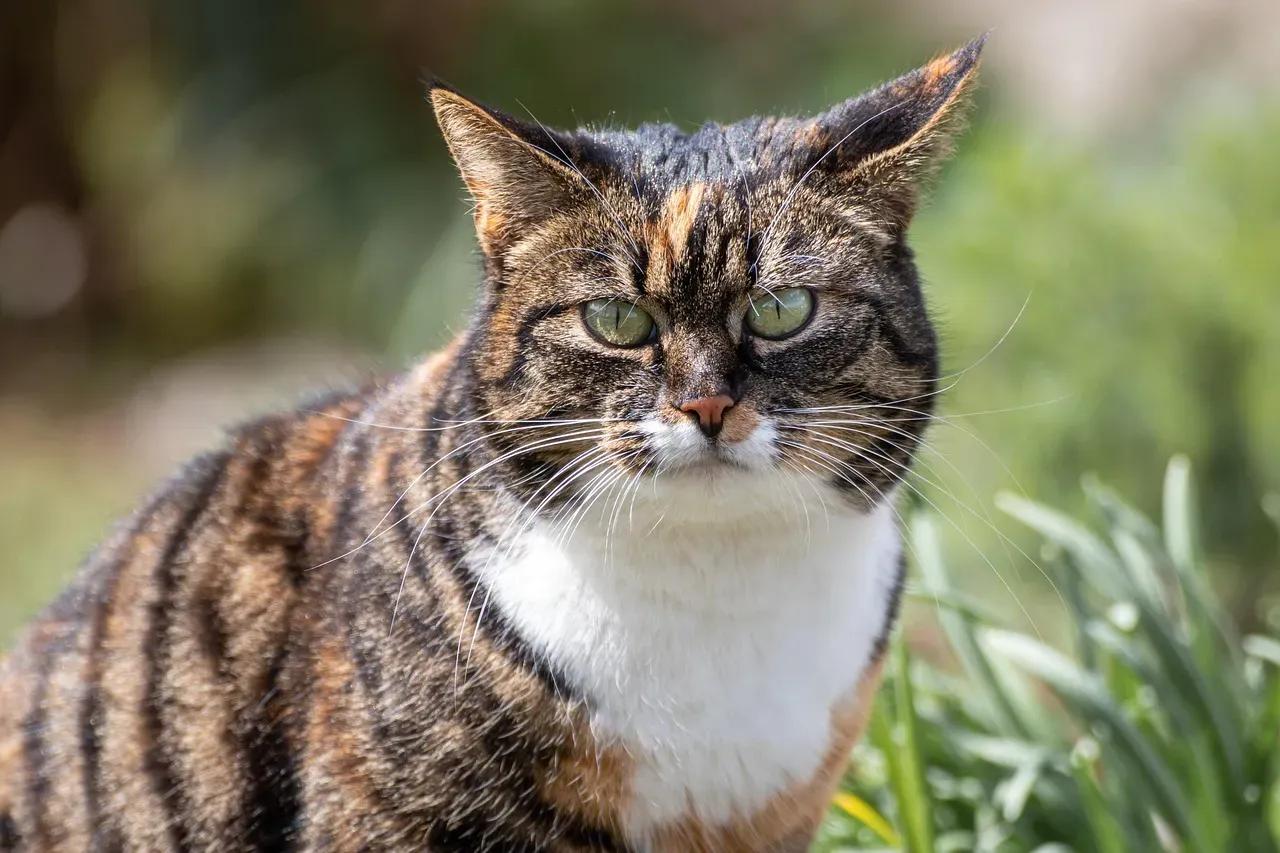
You might think your home is reasonably quiet, but your cat hears an entirely different world. Loud and startling sounds aren’t the only noises that can stress cats. High-frequency sounds such as whistling tea kettles and even the sound of our voices can cause anxiety. Scientists say cats hear a broad range of sounds, including high-pitched ones. This means cats can hear sounds we can’t, such as ambient sounds like fluorescent light bulbs, video computer monitors, dimmers on light switches, and whistling tea kettles.
So your cat’s jumpy behavior near the computer desk or in the kitchen might not be random at all. These everyday household hums sit within a frequency range that your cat’s sensitive ears pick up clearly, even when yours do not. Lowering screen brightness, switching to dimmer switches with a smoother current, or simply being mindful of appliances in shared spaces can make a meaningful difference to your cat’s comfort level.
2. Strong Scents That Seem Pleasant to You
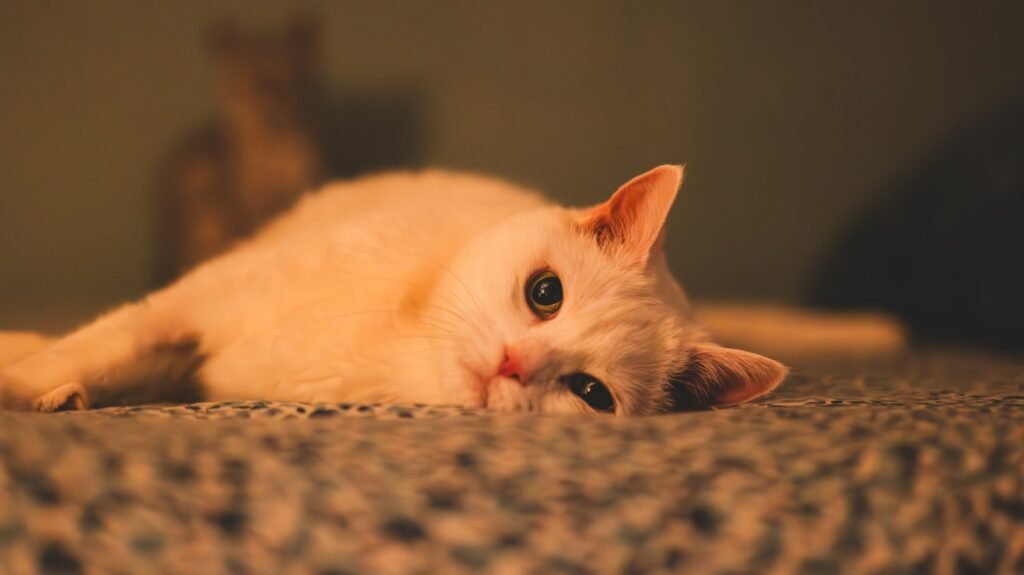
Cats have an incredible sense of smell which is much more powerful than ours. Significant changes to the smell of their home can be a real concern to cats, even though it may not be obvious to us. That lavender diffuser you run every evening for relaxation? Your cat may find it overwhelmingly intense, not soothing.
Cats are highly sensitive to aerosols. They have sensitive respiratory systems, and when they breathe these types of chemicals in, they can cause a reaction and even lead to an asthma attack or chronic bronchitis. Human-based aromatherapy and essential oils have not been shown to help cats with stress, and some are actively toxic for your pet. When choosing household scents, air fresheners, or cleaning products, it’s worth thinking about what your cat’s nose is taking in at ground level throughout the day.
3. The Scent of Other Animals on Your Clothing
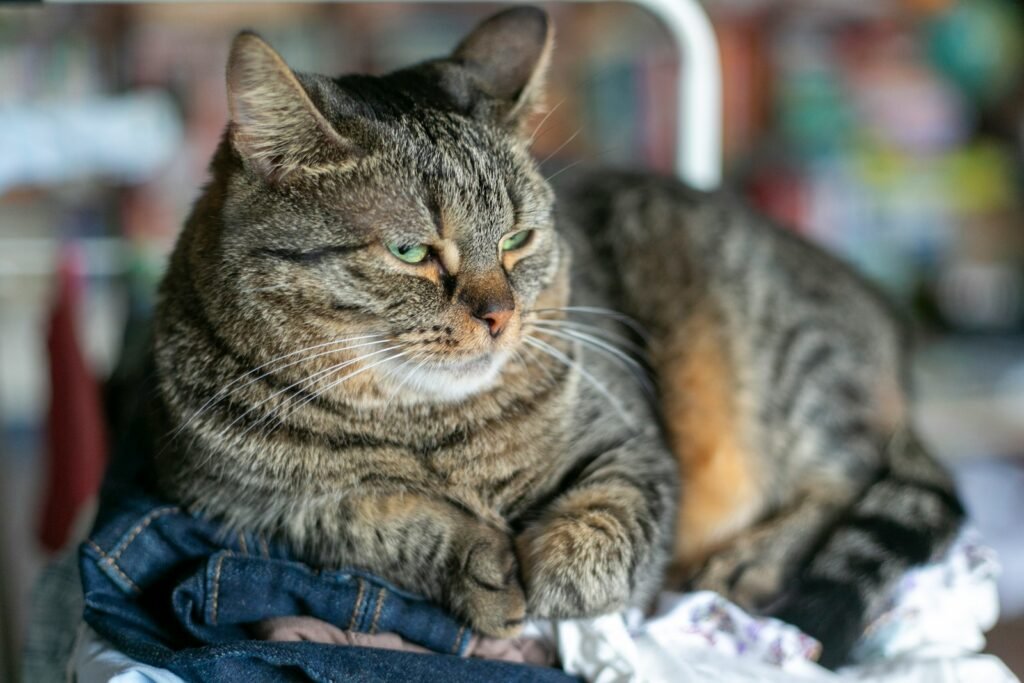
Dogs top the list as the biggest source of anxiety-causing scents and sounds for cats. Second on that list is the smell of other cats’ urine. Smell is how cats communicate with each other. When a cat smells another cat’s urine, it’s as if their privacy has been invaded. Scents from dogs, predatory animals, and even other stressed or frightened cats can put your cat on edge. Many of these smells likely come in the form of pheromones, which are chemical messengers cats detect through a specialized organ called the vomeronasal organ.
If you’ve been petting a friend’s dog or visiting a home with other cats, you might carry invisible stress signals right through your front door. Your normally relaxed cat may suddenly become tense, sniff you intently, or retreat. Changing your clothes before you interact with your cat, or washing your hands thoroughly after touching other animals, can help reduce this surprisingly common tension trigger.
4. Changes in Your Daily Schedule
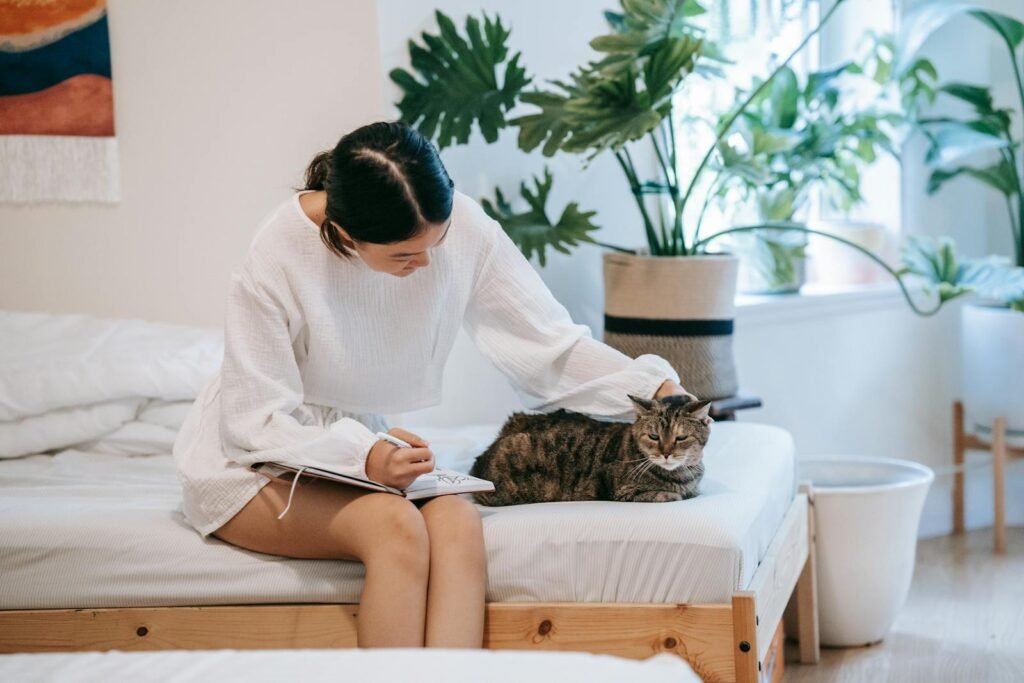
A change in routine might also stress out your cat. For example, if you changed shifts at work, just being at home during different hours might cause your cat some insecurity. Cats are deeply time-sensitive animals. They track your patterns with a level of precision that most people don’t realize, and any disruption to that rhythm can register as a genuine threat.
Feeding your pet at inconsistent times throughout the day can stress her out, as can spending erratic amounts of time with her. Keeping a regular schedule for feeding and playtime and sticking with it helps significantly. A change in daily routine, such as rescheduling your work or school hours, can cause stress for your cat. Something as simple as eating dinner an hour later than usual or coming home at an unexpected time is enough to throw a sensitive cat off balance.
5. Watching Other Cats Through the Window
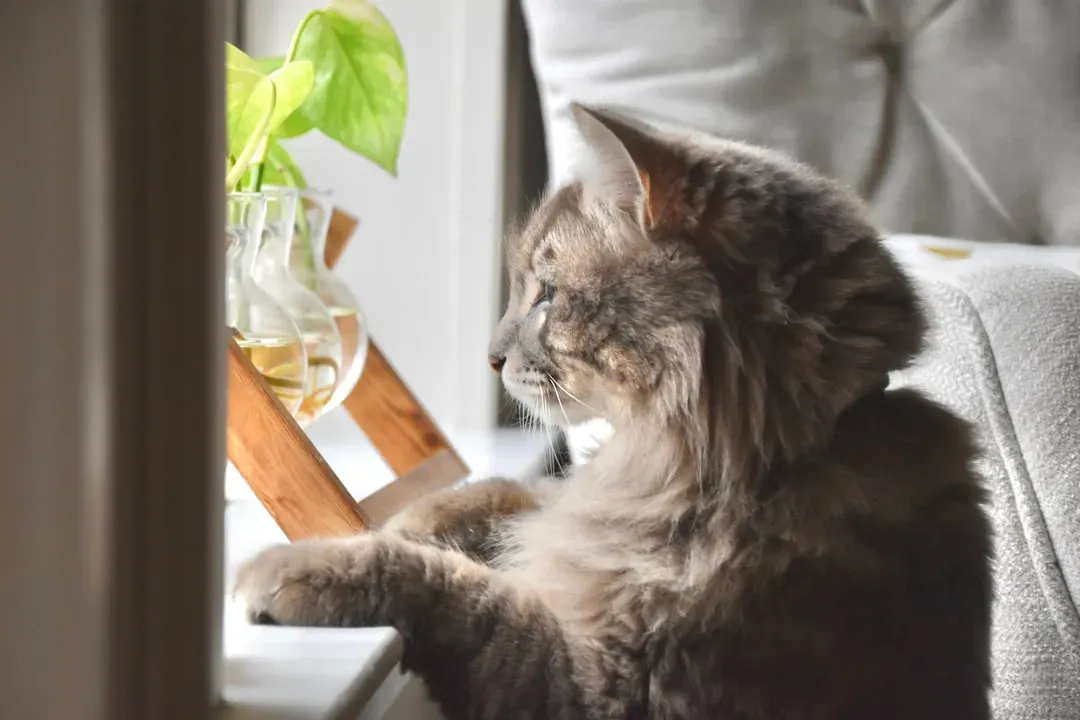
Window watching is one of your cat’s favorite pastimes, but not all of what they see out there is entertaining. Your furry friend may love sitting by windows to observe interesting wildlife, but neighborhood cats, dogs, or people coming by the window could stress out your cat. You can reduce stress by closing the blinds on busy windows and instead providing access to a quieter window where foot traffic is reduced.
Research has shown that a cat struggled to use her litter box inside because cats lounging on a wall outside her window were watching, and having an audience stressed her out too much to go. This is a striking example of just how far territorial tension can extend, right through glass. While what goes on in your neighbors’ lives might not matter to you much, changes outside your home could trigger cat stress when something out of the ordinary happens. Monitoring which windows your cat watches from and whether outdoor cats are regularly nearby can help you identify and address this invisible stressor.
6. Rearranged Furniture and Redecorating
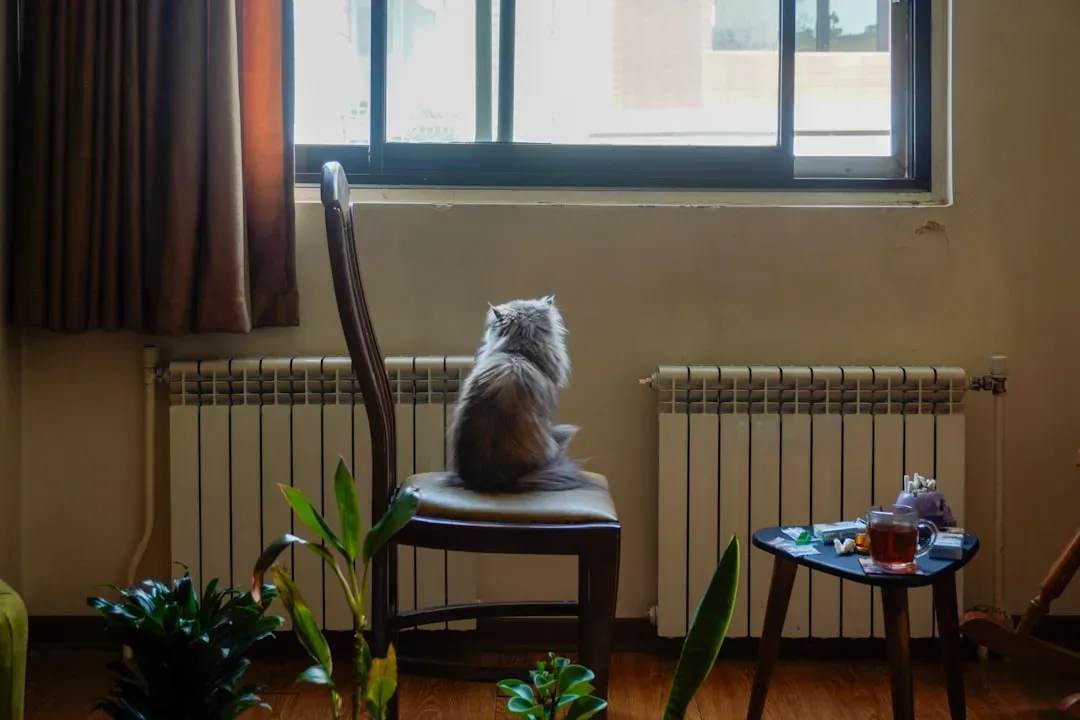
While changing up your home décor may be fun, it can be stressful for your pet, especially for cats. Changes in their surroundings, like rearranging furniture, can create anxiety for animals, so it helps to keep things consistent or make changes slowly, allowing your pet to smell new items like curtains or pillows along the way. What feels like a fresh new look to you feels like a completely disorienting landscape to your cat.
Moving familiar objects and changing the location of food and water dishes, litter trays, or favorite furniture can disrupt your pet’s environment. Cats, being solely responsible for their survival, are constantly risk-assessing, looking for the presence of threat and danger in every new location or social encounter. When their mental map of home no longer matches reality, that assessment goes into overdrive. Giving your cat time to sniff and investigate new items before settling them into place, rather than completing a full room overhaul overnight, makes the adjustment much smoother.
7. Litter Box Placement and Conditions
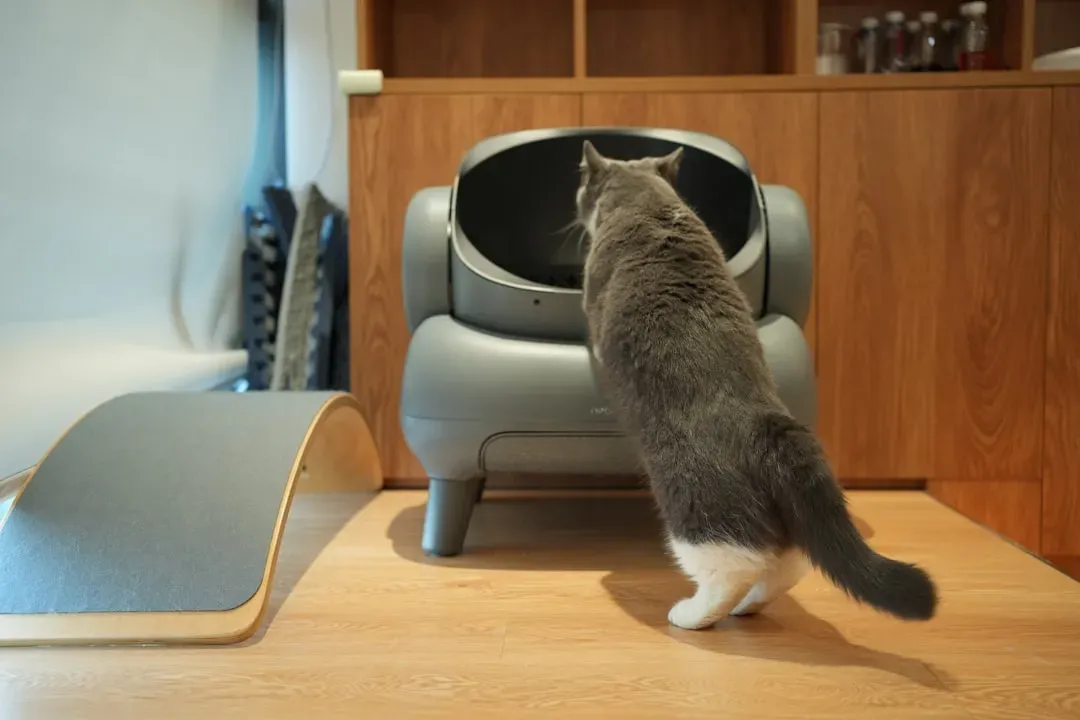
Sharing facilities is stressful for many cats, and some cats prefer one box for solids and another for liquids. Offering one litter box per cat plus one extra, placed in different rooms, ensures everyone has easy access. The litter box situation is one of the most underestimated stress factors in a cat’s life, and placement matters as much as cleanliness.
Some cats will avoid their litter box altogether if it’s uncomfortably close to where they eat. Some cats like covered litter boxes because they feel private and safe, while others want an open box so they can see what’s around them. If you choose the wrong kind, your cat might avoid using the box completely. The type of litter is just as important. Many cats prefer unscented, soft litter, and ignoring these preferences can make your cat stressed. Paying close attention to your cat’s litter box habits often reveals far more about their stress levels than their body language will.
8. Unexpected Guests in the Home

Whether your friends are staying for the weekend or you’ve got the family over for a holiday, having people over can cause some cats stress. Providing a hiding place where they can escape the chaos, or ideally a quiet room to themselves, will go a long way to reducing their anxiety. This applies even to guests your cat has met before, depending on how often they visit and how animated they are when they arrive.
A new family member or guest in the home can stress cats out significantly. Cats are territorial and may perceive the arrival of a new baby or visitor as a threat to their home. Many cats are sensitive to unfamiliar people and may hiss at a new person or run and hide, especially if the person tries to interact with the cat too soon. The best thing you can do is give your cat a room of their own during gatherings, complete with food, water, and a clean litter box, and let them come out on their own terms.
9. Being Touched Too Much or in the Wrong Way
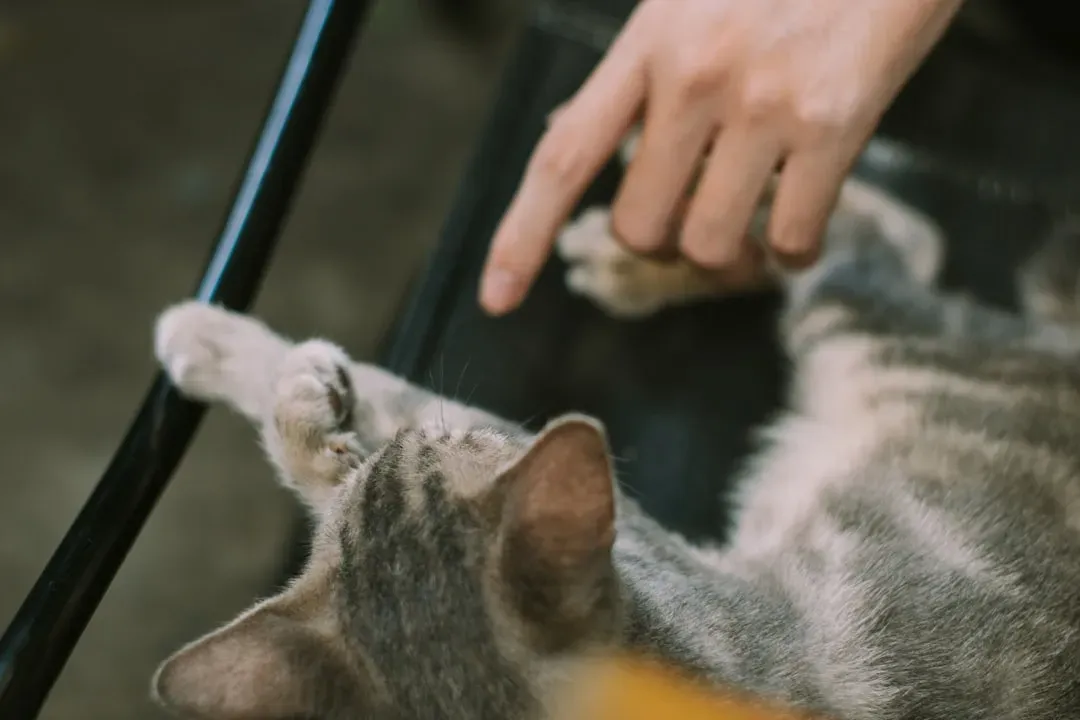
While many cats like to be fussed or stroked, some cats might find it overwhelming and stressful, and while some cats are quick to let you know they’re not happy, other cats may not. Paying attention to your cat’s body language and making sure they always have the option to remove themselves from the interaction is essential. Many cat owners interpret stillness as tolerance, when in fact it may be a sign of low-level stress the cat has learned to endure.
Allowing your cat to initiate contact with you, so they feel they have choice and control over the interaction, is probably the easiest way to establish the quality and quantity of affection that they want. Wanting more contact than your cat is comfortable with, such as picking them up frequently, or being inconsistent in how you behave toward your cat, can damage the relationship, as the cat may view their owner as unpredictable and choose to avoid them or even act defensively by scratching or biting. Letting the cat set the pace for physical interaction isn’t a lack of bonding; it’s actually the foundation of genuine trust.
10. Sudden Changes to Their Diet
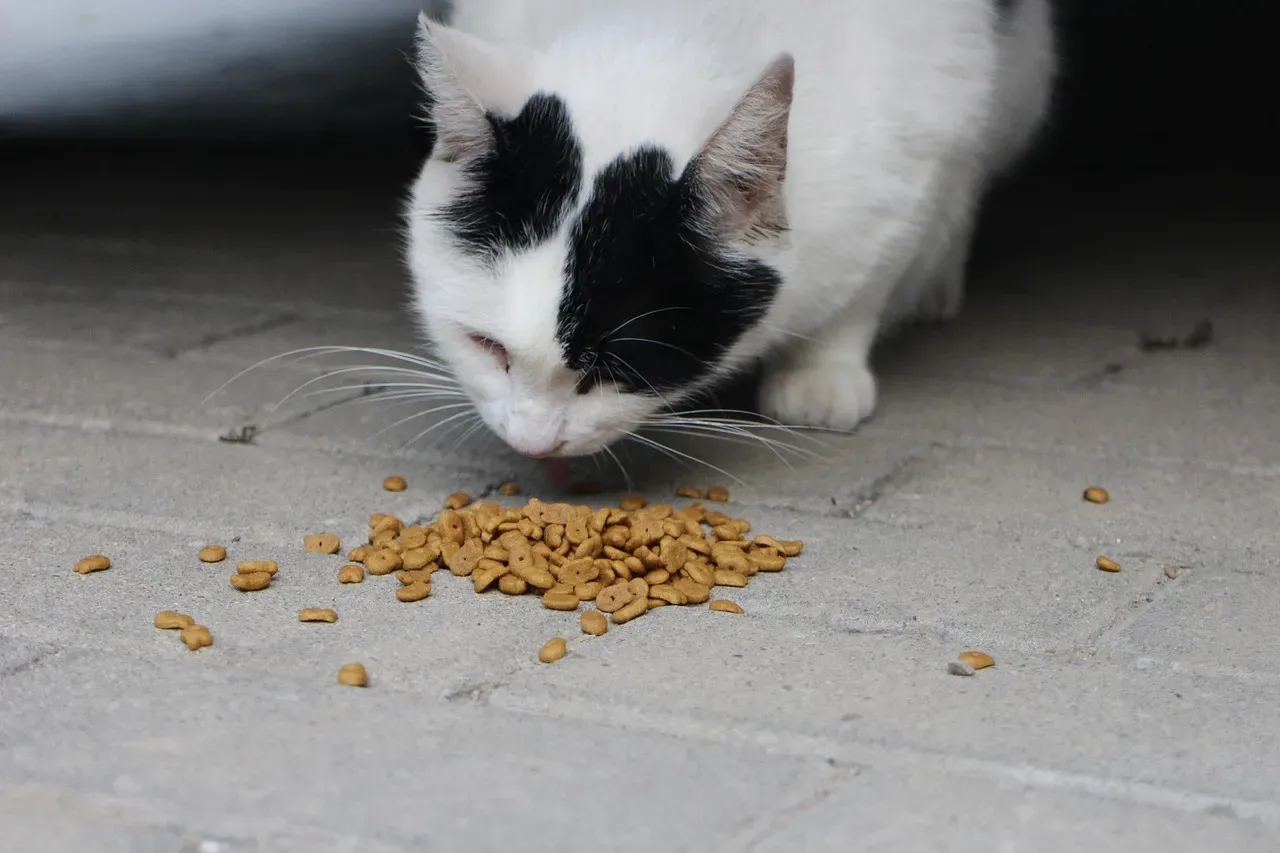
Did you recently put your cat on a new diet? If so, this could be the cause of stress. The best way to keep your cat calm and happy is to make food changes slowly. If your cat refuses the new option, try something else. What seems like a simple food swap to you can feel like a complete disruption to your cat’s carefully established world.
Cats who do not eat at all, for even a day or two, can get very sick very fast, so always inform your vet when your cat stops eating, particularly if the cat is very young or elderly. Anxious cats may lose interest in food or eat more than usual, depending on the reason for their stress. A sudden appetite change is always concerning in a cat, whether it is linked to a physical or mental health issue. Transitioning foods gradually over a week or two, by mixing the old and new together and shifting the ratio slowly, is the most reliable way to avoid the kind of stress that shows up in both behavior and digestion.
Conclusion
It’s easy to assume a calm cat is a stress-free cat. Cats are simply too good at hiding what’s going on beneath the surface for that to hold true. Cats are hard-wired to hide signs of stress and illness, but missing your cat’s subtle signs can have a lasting impact on their health and well-being.
Chronic stress can have a physiological effect on your cat’s health. Getting your cat the care they need is in their best interest, and it helps maintain a peaceful home. The good news is that most of these stressors are fixable once you know where to look. Being predictable in your behavior and creating daily routines is a great way to minimize stress. When you understand your cat well enough to recognize the quiet, unexpected things that unsettle them, you stop being just a pet owner and start being the steady, safe presence they need most.
Kristina is a young writer from India. An arts graduate and an avid content creator, Kristina is passionate about animals and wildlife. She enjoys exploring topics related to pet care, animal behavior, conservation, and nature, combining thorough research with engaging storytelling.