Cats have a reputation for being mysterious, self-sufficient creatures who operate entirely on their own terms. You share your home, your couch, and sometimes your pillow with them, yet you might still find yourself wondering whether any of it actually means something to them. The good news is that it does.
Cats show affection in ways that often go unrecognized, simply because their methods are so different from what most people expect. Since cats express love in ways very different from humans and other pets, it makes sense that we miss these precious moments. Once you know what to look for, though, you’ll start noticing these quiet declarations everywhere.
The Slow Blink That Speaks Volumes
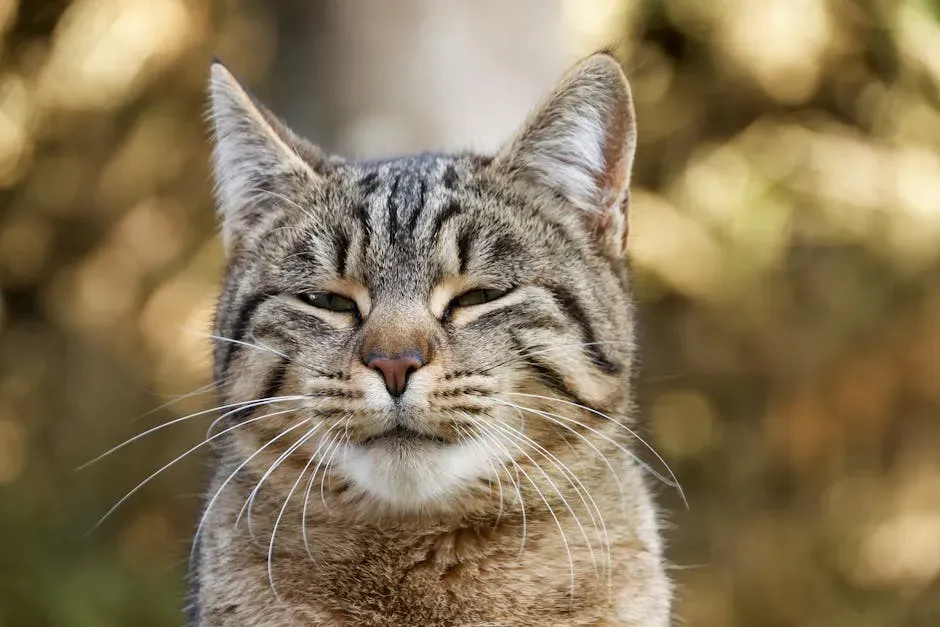
Cats will often make eye contact with lowered eyelids and deliver steady, slow blinks. This is considered a feline version of a kiss, and you can even try slow blinking back to show love in return. It’s one of the most understated gestures in the entire animal kingdom, and yet it carries a remarkable amount of emotional weight.
When your cat slow blinks at you, it’s like receiving a gentle cat kiss, a clear sign of trust and affection, according to Dr. Maggie Placer of the EveryCat Health Foundation. The slow blink signals to your cat that you are in a content mood, and your cat may slow blink right back at you as a response. Try it next time your cat is watching you from across the room. The reaction might surprise you.
Kneading You Like You’re the Best Thing in the Room
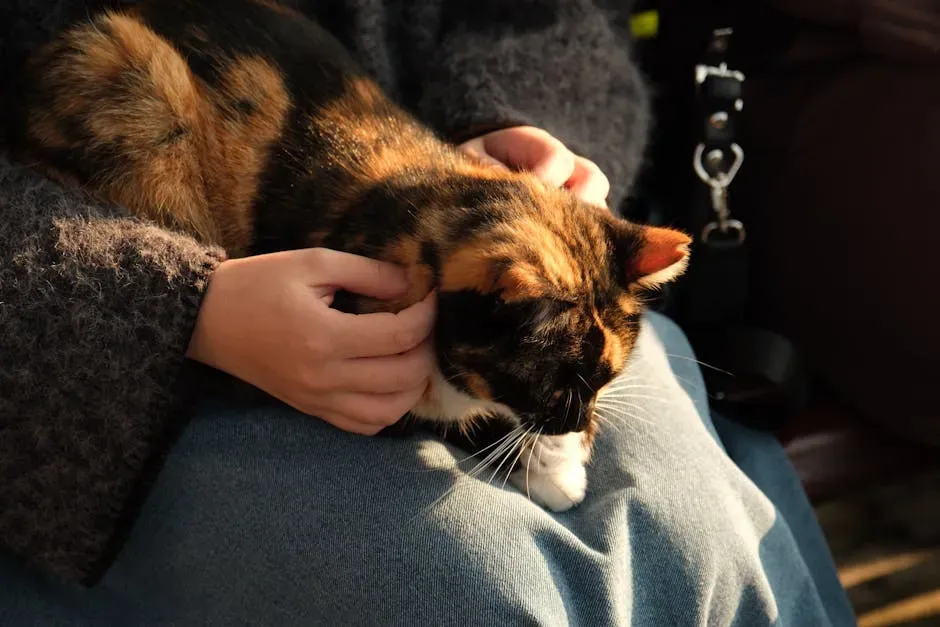
Cats begin kneading as tiny kittens when they are nursing. This behavior, the act of doing a small rhythmic march with their paws, translates into affection in adult life. When your cat kneads you, they’re being very clear that you make them feel loved and comfortable.
Kneading is a behavior that begins in kittenhood and is associated with nursing on their mother. It’s believed to bring comfort by releasing endorphins to reduce stress and promote relaxation. Relaxed cats that knead are showing contentment. The fact that your cat performs this instinctive, comforting ritual on you specifically says a great deal about how they feel about you.
Headbutting You Out of Nowhere
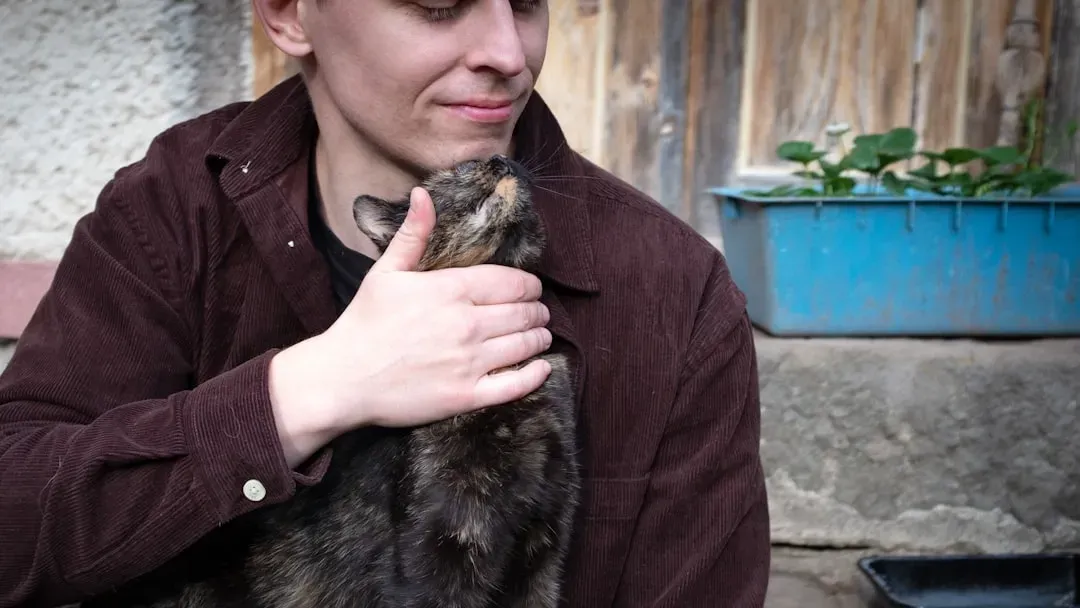
Your cat may bump their head against you or rub their cheeks against you to show affection. This is a social behavior formed in kittenhood through headbutting other kittens and their mother. Headbutting is often an attempt to mark you with their scent to claim you as one of their own. It helps cats bond and is offered to their humans to show love.
When your cat bumps or rubs their head against you, they’re saying “I love you” and attempting to show affection through closeness. Not only that, but they’re also making sure the rest of the world knows. By rubbing their head on you, they’re marking you with their scent and telling the rest of the cat world that you are their person. That random headbutt you get while trying to work? Pure devotion.
Sleeping on You or Right Next to You
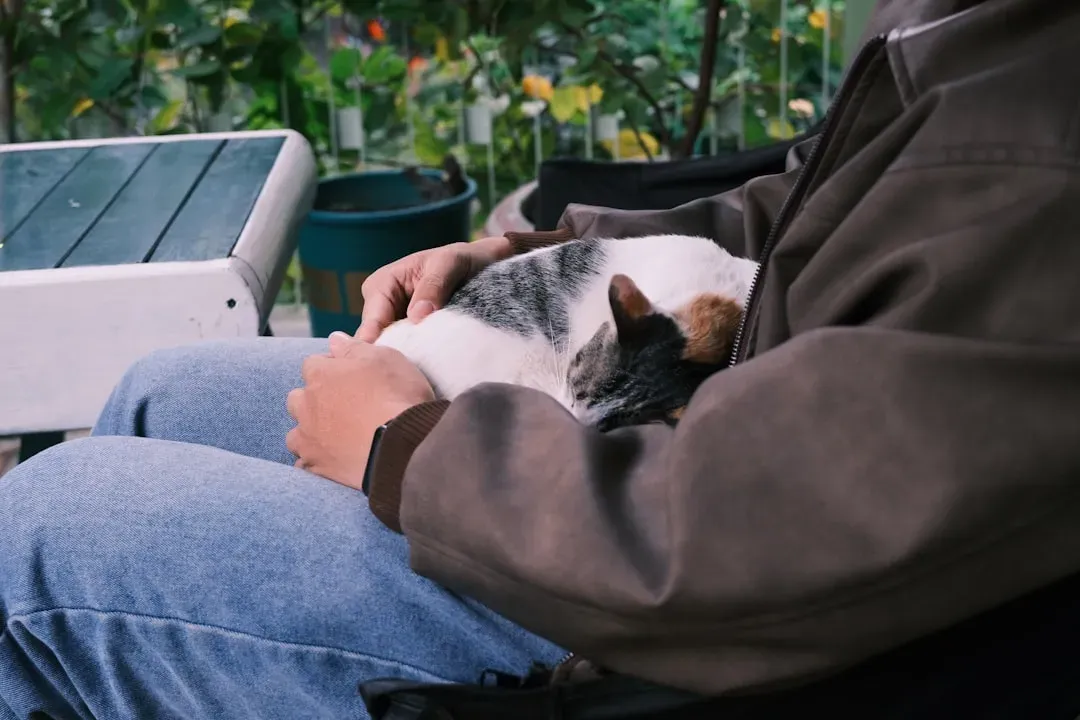
Cats can sleep anywhere from 10 to 15 hours each day. They are most vulnerable while sleeping and choose places that are safe and secure. There is no better compliment than a cat who chooses to fall asleep on you. This means they are completely comfortable with you and trust they are in safe and loving hands.
A cat who chooses to sleep on or close to you is showing their love and trust. Even if they choose to lie just out of reach for petting, this means they feel safe and trust that you will protect them, or that they will protect you if danger appears. Sleep is when a cat is most exposed, so choosing your space as their resting place is a quiet but significant statement.
Grooming You With That Sandpaper Tongue
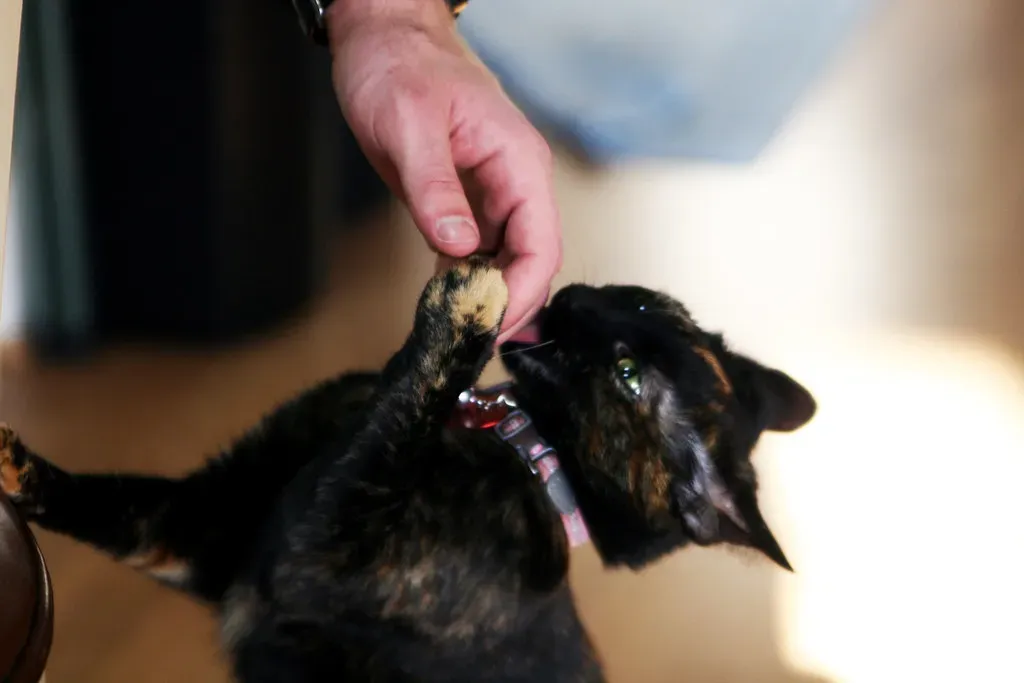
Cats groom each other as a display of affection, and this behavior extends to humans when trust is built. Cats will often lick their people or allow them to brush them. Licking is similar to the grooming cats perform on their feline friends, allowing them to mark each other and build their bond.
Cats may lick their owners to let them know they want attention, perhaps to play or be petted. They could also be trying to clean you, which is a behavior they use to bond. On top of all that, licking is often a sign that a cat is calm around you, meaning they love you. Yes, it might feel rough and a little odd, but receiving a lick is actually a form of social acceptance among cats.
Bringing You ‘Gifts’ You Didn’t Ask For
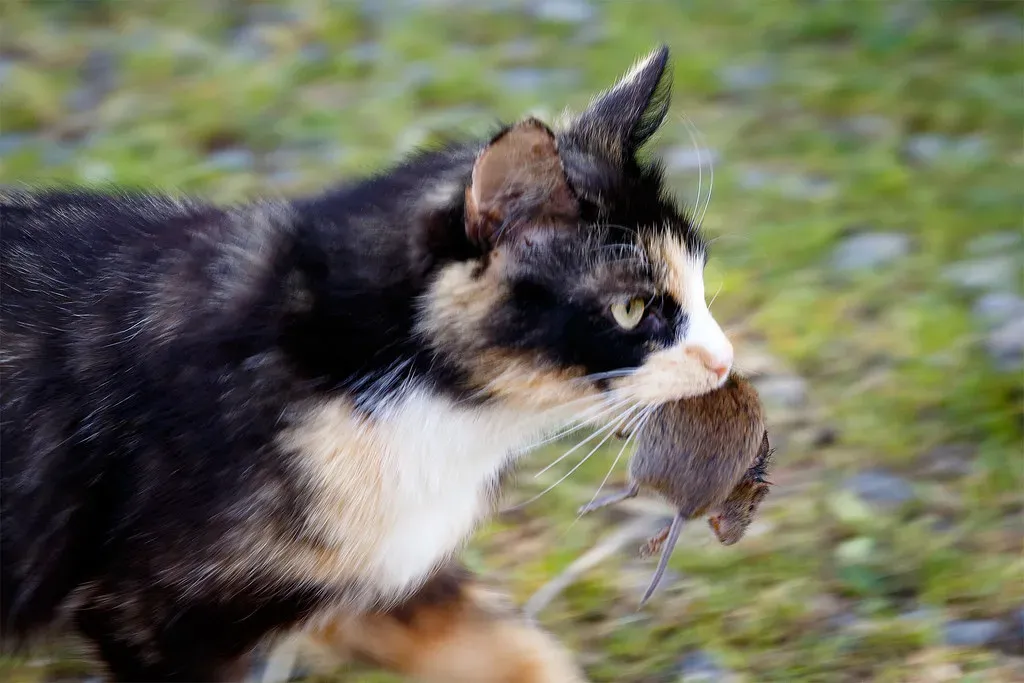
Cats are hunters at heart, and sometimes a cat that catches a mouse or insect will bring the remains back to their humans as a gift. Though this may turn your stomach, it truly is a sign of love and pride. Your cat wants to reward you for your love. Cats will also do this with their favorite toys if they don’t have the option to hunt live prey.
In the wild, food is a precious commodity, and most of a cat’s time is spent hunting. When it comes to sharing their bounty, they do so only with those closest to them. So when your cat drops a toy mouse at your feet at seven in the morning, try to see it for what it is: an offering from someone who considers you part of their inner circle.
Following You From Room to Room
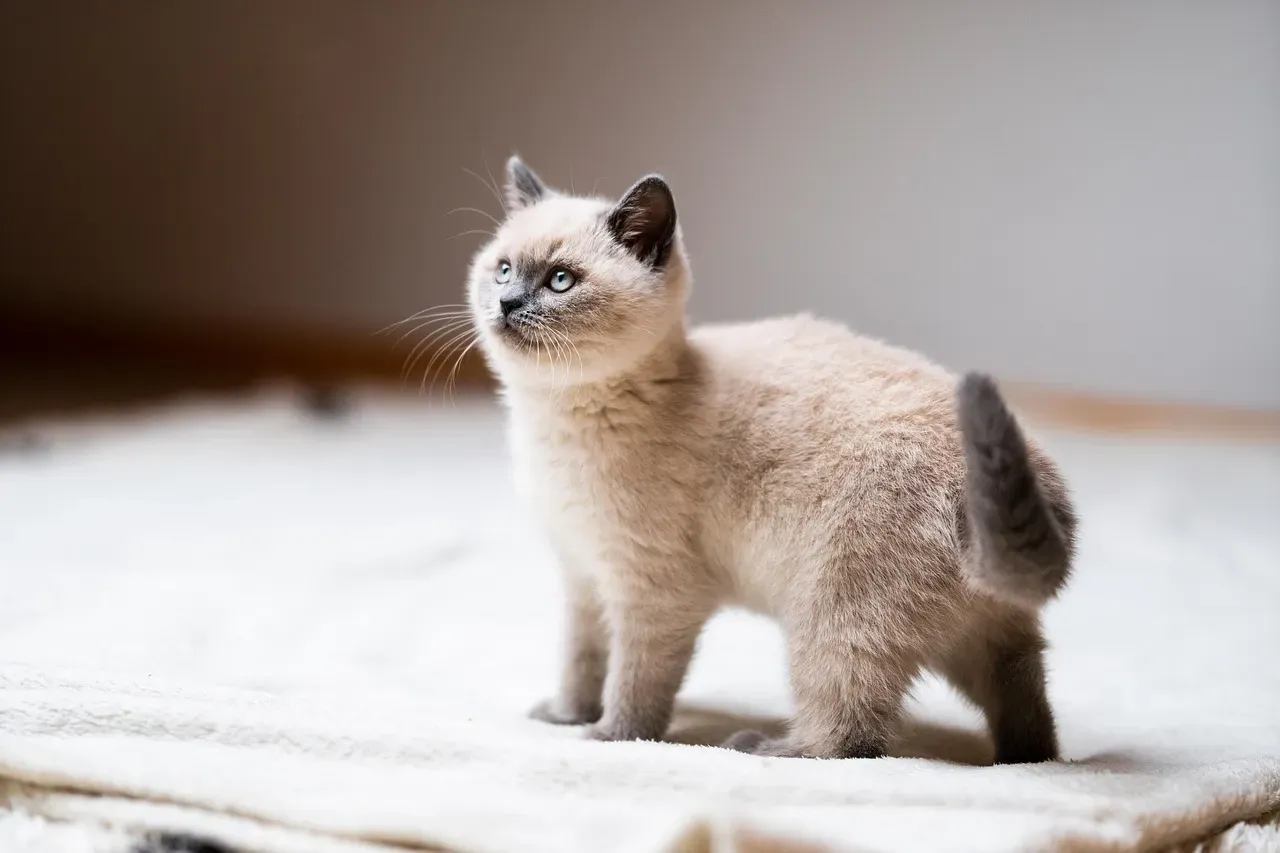
Many pet parents might find it odd that their cats follow them everywhere, even right into the bathroom. This just means your cat wants to spend more time with you. A cat that enjoys your company and feels comfortable around you is going to follow you around the house and cling to you like glue.
Cats who are attached to their humans will solicit attention by approaching them, often with a tail held straight up, meowing or pawing at them. They also tend to follow their owners from room to room, sometimes at a distance. Purring and head rubbing are other signs that your cat enjoys your presence. The shadow following you down the hallway isn’t clingy. It’s connected.
Rolling Over to Show You Their Belly
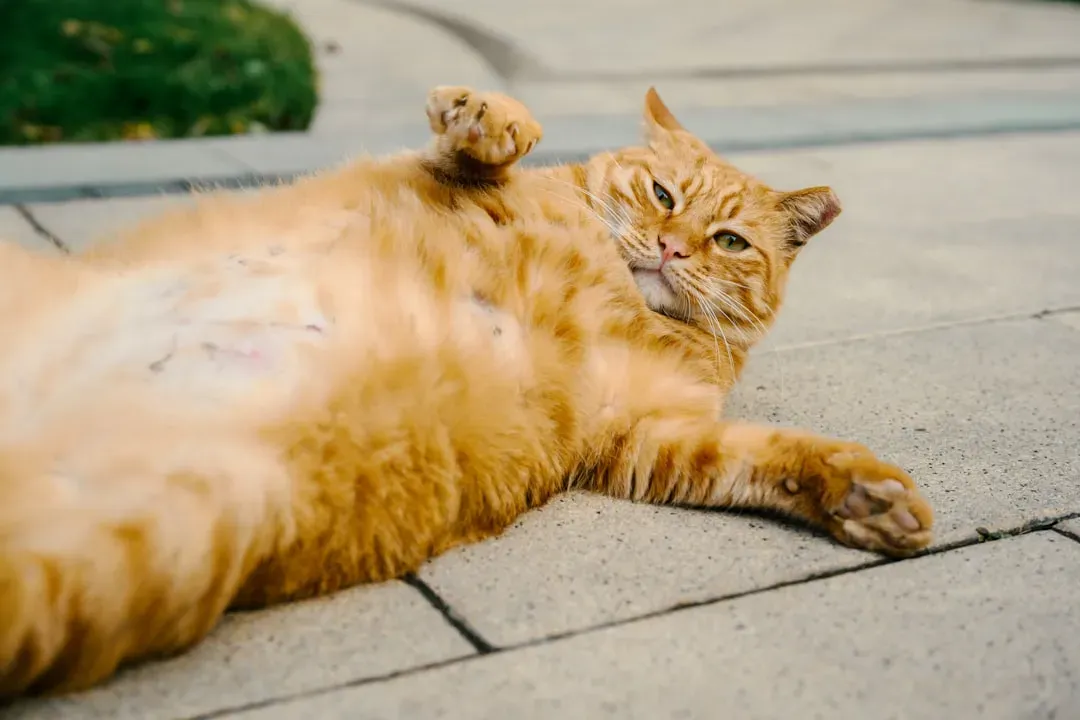
If your cat rolls over and shows their belly, they feel safe and comfortable with you. Their bellies are extremely vulnerable and are only exposed to those they trust. This is about as open and honest as a cat ever gets, and they’re directing that vulnerability specifically toward you.
Rolling over to expose their belly is a sign of ultimate trust, as this position exposes vital organs to a predator. So if your cat does this around you, it’s a major sign of love and comfort. It’s usually meant for appreciation rather than an open invitation to pet, but if your cat really loves you, they might let you rub their belly too. Tread carefully either way.
The Upright Tail Greeting
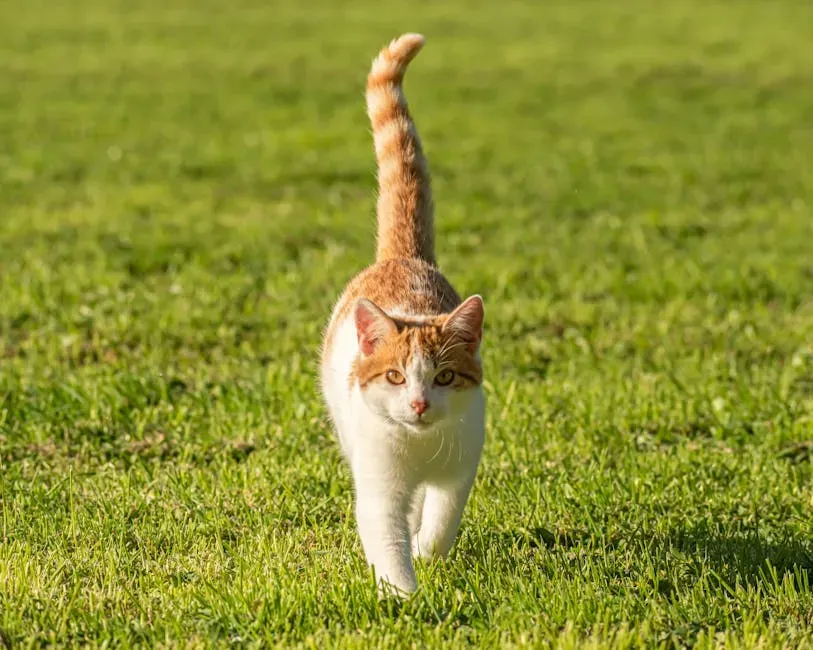
Tail positions reveal a lot about a cat’s mood. A tail held upright with a slight curve at the tip means your cat is happy to see you, while a quivering tail often signals excitement. Cats use these subtle body language cues to express affection.
When it comes to body language, cats talk with their tails, and sometimes even their ears. This form of cat communication is often missed because it can be tricky to notice. If your cat comes up to you with its tail hoisted lazily in the air, with the tip twitching back and forth, it’s showing affection and may be interested in play. That excited tail quiver when you walk through the door? That’s your cat’s version of a happy dance.
Simply Sitting Near You Without Needing Anything
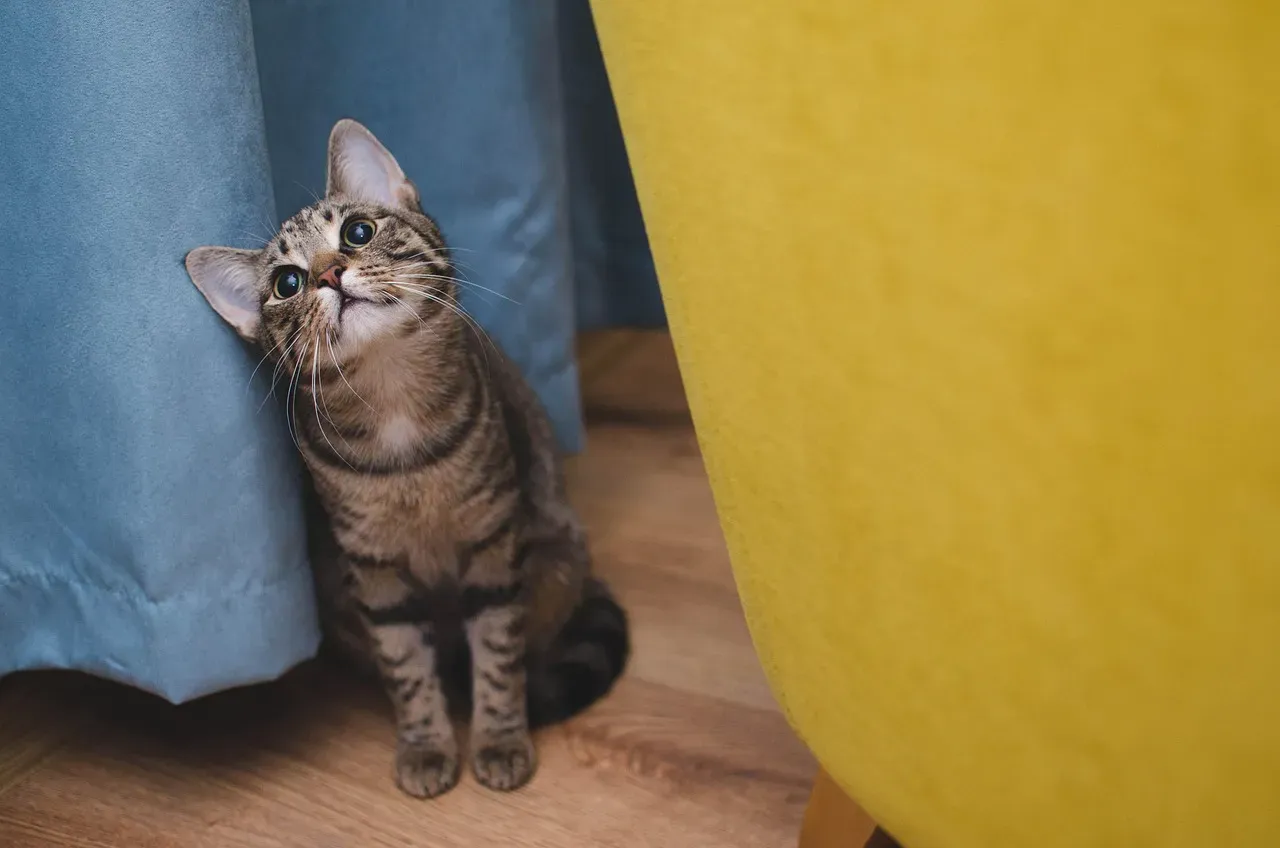
Cats secretly show affection by sitting next to you, even if they have their back turned to you and are preoccupied with looking out the window. They chose to be near you. Cats are more likely to explore and interact with their environment when they feel relaxed and comfortable in a person’s presence. So if your cat is often nearby while you’re with them, take it as a subtle sign of affection. The message is that they are more comfortable in your presence.
Cats often show their love by simply being near you. If your cat chooses to sit on your lap, sleep beside you, or follow you around the house, it’s a clear indication that they enjoy your company. There’s no agenda, no request for food, no toy being dangled. Just a small warm body choosing to exist in your orbit. For a cat, that’s everything.
Conclusion
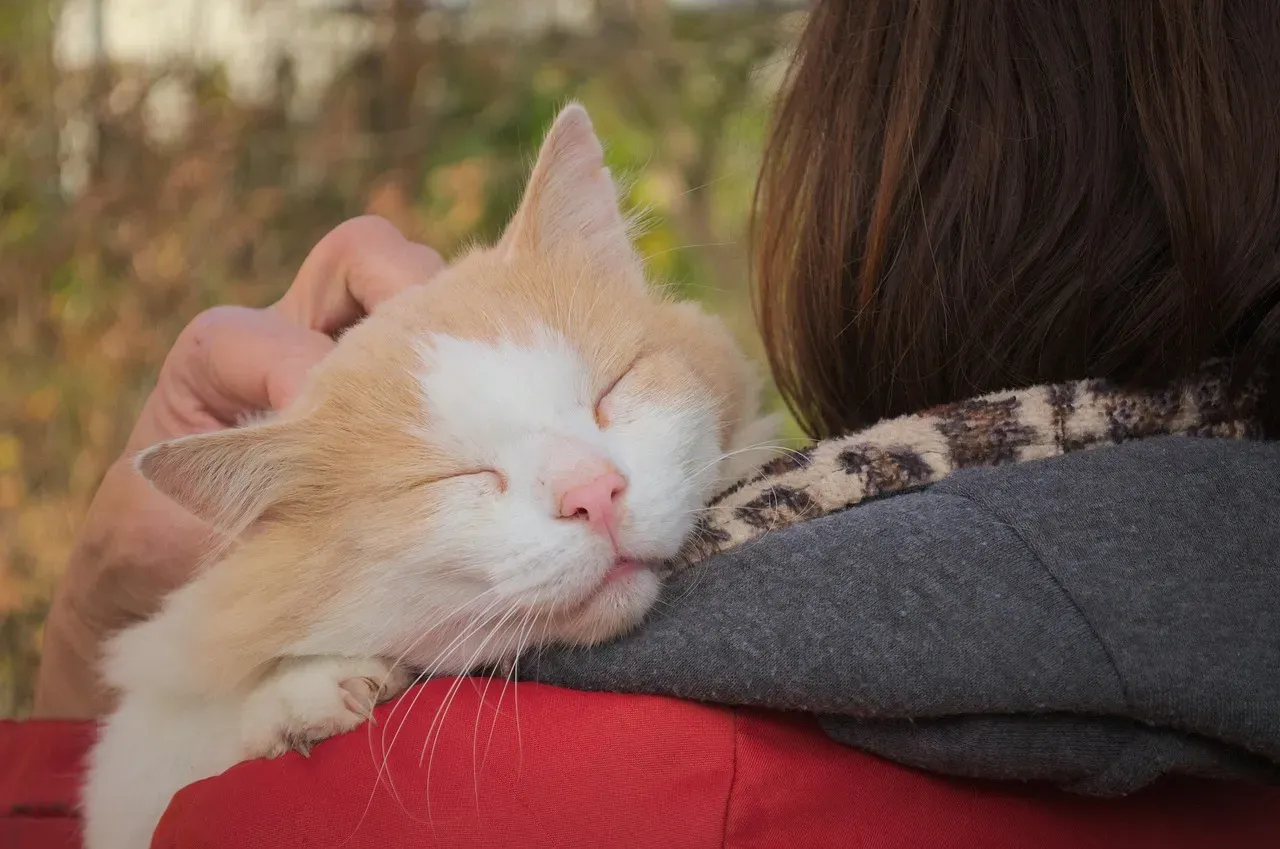
Cats aren’t emotionally unavailable. They’re just speaking a language that takes a little time to learn. Dogs are much more open with their love through licking, tail wagging, and obvious body language. Cats are far more subtle in showing their love, though that doesn’t mean the shared bond between cats and humans is any less meaningful. It just means you’ll need to work a little harder to understand your cat’s love language and boundaries to build trust.
In recent years, research on cat behavior has begun to back up what many owners already feel intuitively. Scientists studying the relationships we form with our cats are gaining new insight into their social and cognitive abilities. They’re finding that cats may be far more socially smart than they usually get credit for.
Once you start recognizing these ten gestures for what they truly are, your relationship with your cat shifts. You stop wondering whether they care and start noticing just how consistently they show it. The love was always there. You just needed the right lens to see it.