You walk to the kitchen, and there’s your cat. You head to the bathroom, and somehow they beat you there. You settle into the bedroom, and a warm, purring presence lands beside you moments later. It happens so consistently that it almost feels deliberate. Because it is.
Cats have a reputation for being aloof and self-sufficient, but the reality is far more nuanced. While cats are often seen as independent, many form strong bonds with their humans. That shadowing behavior, the way your cat appears in every room you enter, is rarely random. It’s driven by instinct, emotion, learned habit, and sometimes even health. Here are twelve curious reasons your cat can’t seem to let you out of their sight.
1. You Are Their Safe Base
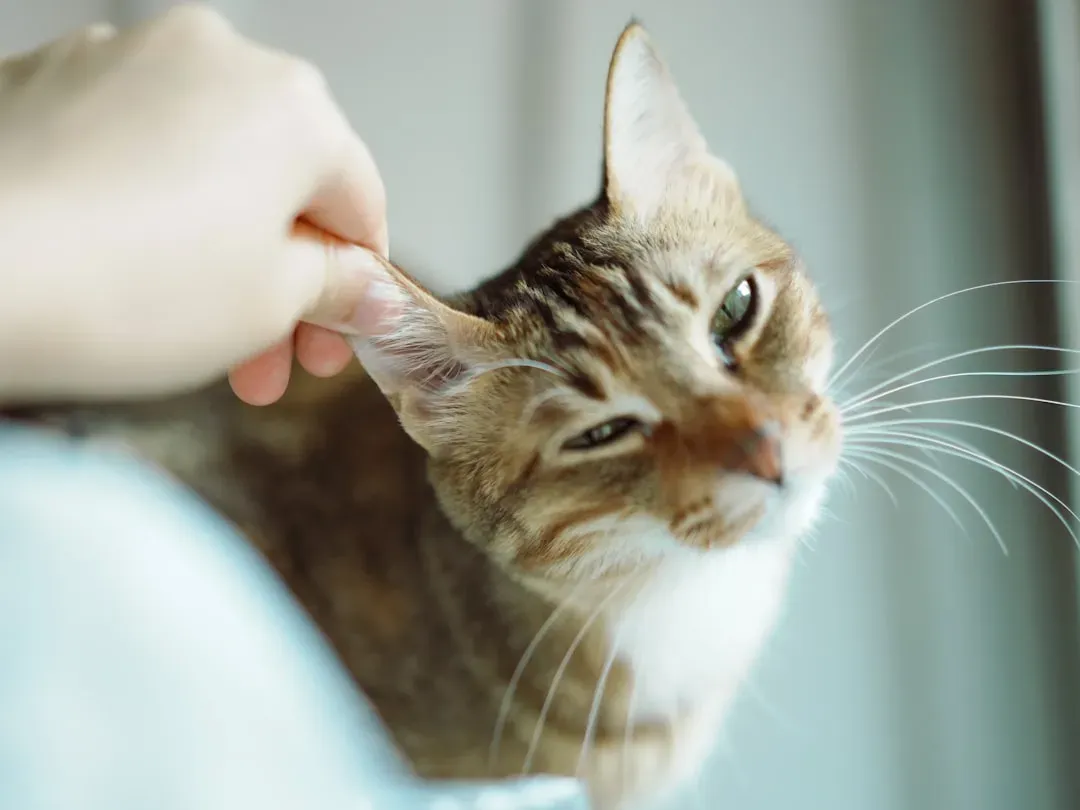
Studies show that many cats form secure attachments to their owners, similar to dogs and human infants. They use their humans as a source of security and comfort, which explains why some cats follow you from room to room. They’re not being needy; they’re treating you as their safe base in an unpredictable world.
When your cat follows you, it might be because you represent security. Your scent, voice, and presence act as a reassuring anchor in their world. In moments of uncertainty, like when guests arrive, loud noises occur, or furniture is moved, many cats instinctively gravitate toward their owners for protection. It’s less about clinginess and more about trust.
2. Pure, Unfiltered Curiosity
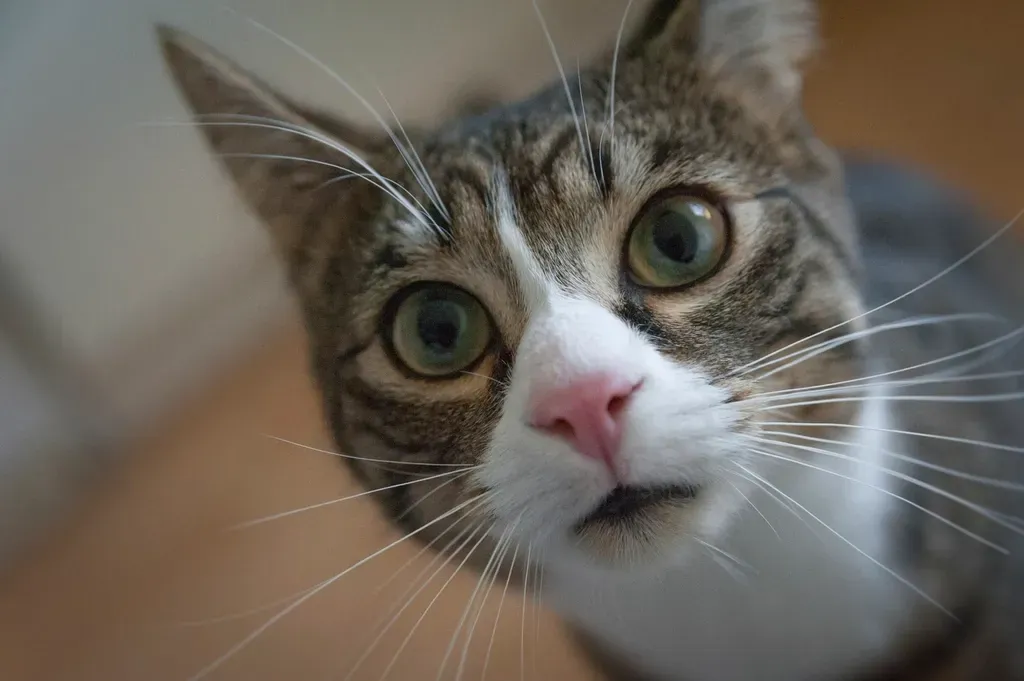
Many cats like to follow their owners around because they are naturally curious. They love to explore every nook and cranny, and they’re curious about what you’re doing, especially if you go into a room or open a cabinet they don’t usually have access to.
Many times, cats simply may be curious about what you are doing or may want access to different rooms in the house that they generally may be banned or restricted from. For example, a closed office door keeps them out, but as soon as you open it, they are at your heels, ready to inspect the “new” room. For your cat, every closed door is basically an unsolved mystery.
3. They’re Telling You They’re Hungry
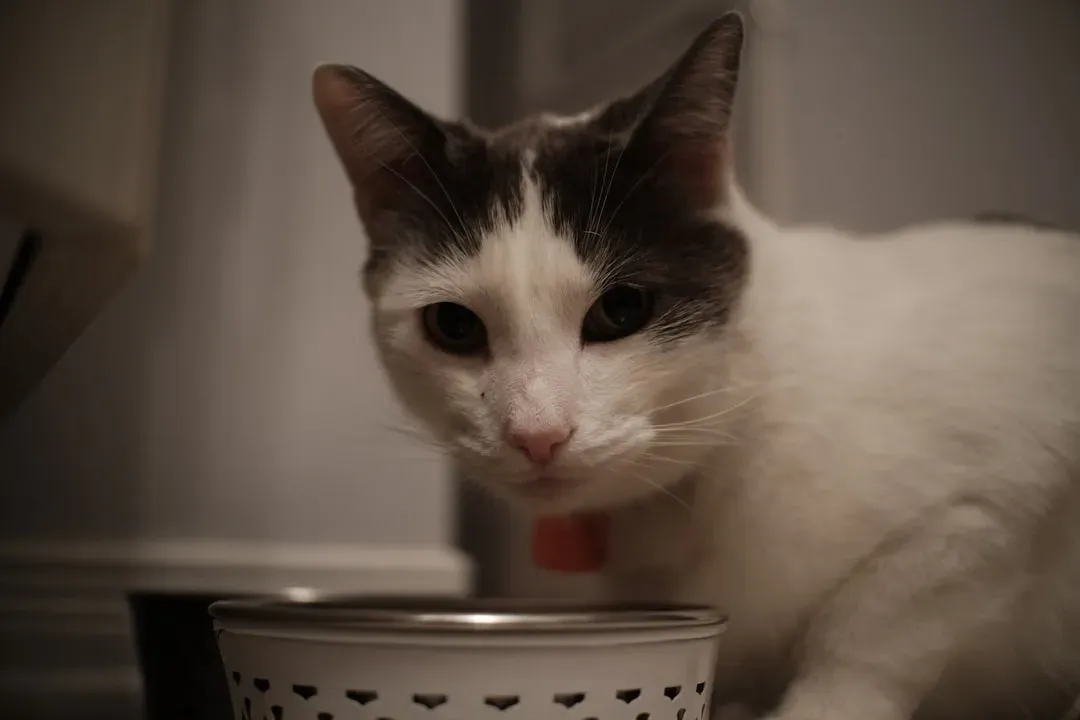
One of the main reasons your cat may be following you around is to let you know they’re hungry or that their food bowl is empty. This is one of the most straightforward explanations, and it tends to ramp up noticeably right before mealtimes.
A hungry cat might walk to their food bowl, then back to you, repeatedly. This is their way of guiding you to the problem, an empty food bowl. This is particularly likely just before their normal mealtimes, or at dawn or dusk when cats are usually most active. If you notice the following behavior clusters around feeding time, the message is pretty clear.
4. They’ve Learned That You Lead to Good Things
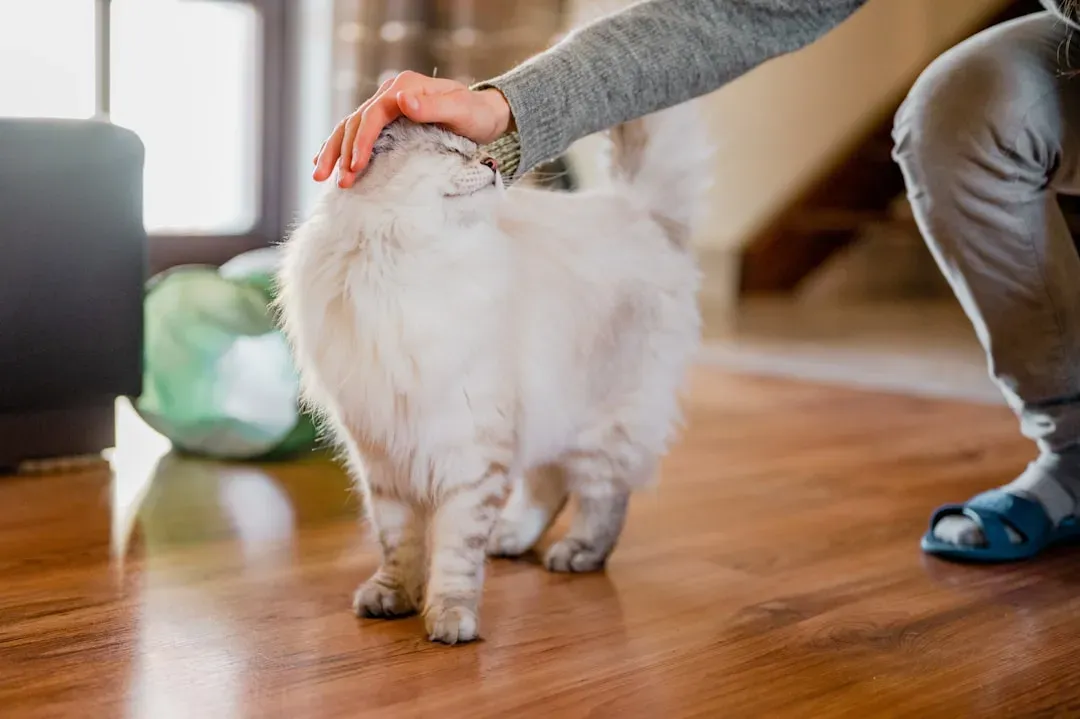
If your movements often precede something enjoyable, feeding, treats, or playtime, your cat will naturally follow to stay involved. This is called learned association, and it’s one of the quieter reasons your cat shadows you so reliably throughout the day.
Cats learn to associate their owners with food and may follow more persistently around regular feeding times. Over time, your daily movements become a kind of roadmap your cat memorizes. Walking toward the kitchen, reaching for a drawer, or even picking up your phone can become signals your cat reads before you’ve done anything at all.
5. They Simply Enjoy Your Company
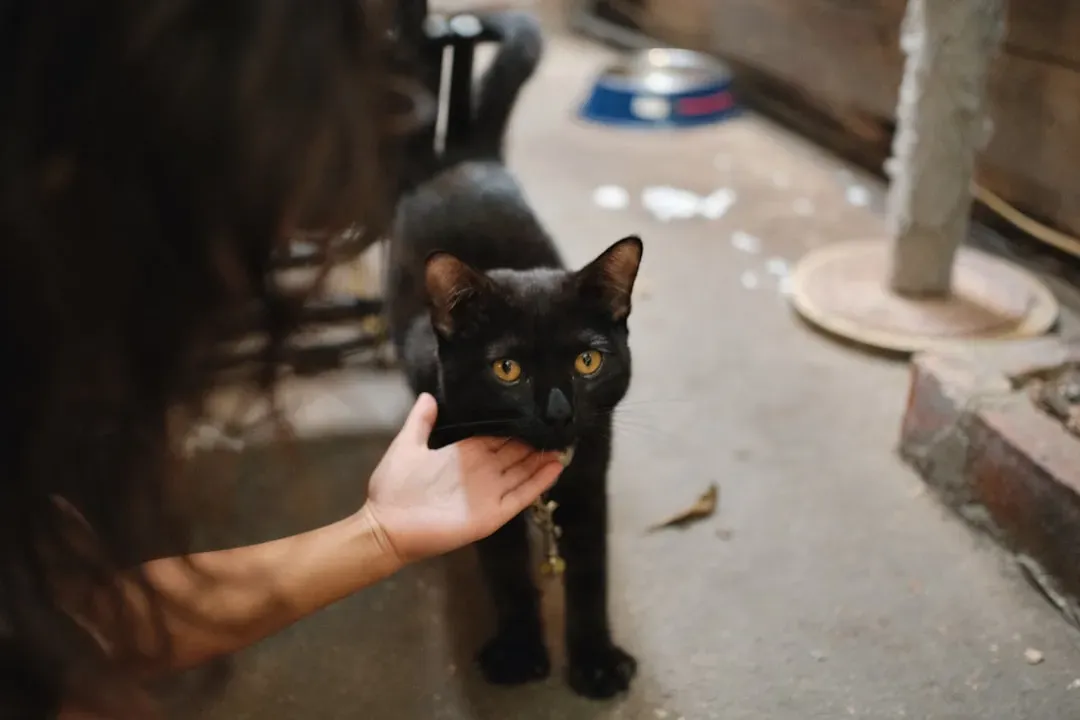
Following behavior in cats isn’t always a sign of health problems or unmet needs. Often, it’s an expression of affection. Cats naturally form tight family units with each other and their human family members. Because of this, the need for social interaction and the security of a group is ingrained in them. Cats in close-knit family units stick close to each other for protection. As such, when your cat follows you around, it may be because they enjoy your company and feel you are both safest when you’re together.
A love-motivated cat typically won’t bother you. These cats may quietly accompany you from room to room, sitting nearby rather than on you. There’s something quietly touching about that. Your cat isn’t demanding anything. They just want to be near you.
6. They’re Seeking Attention or Playtime
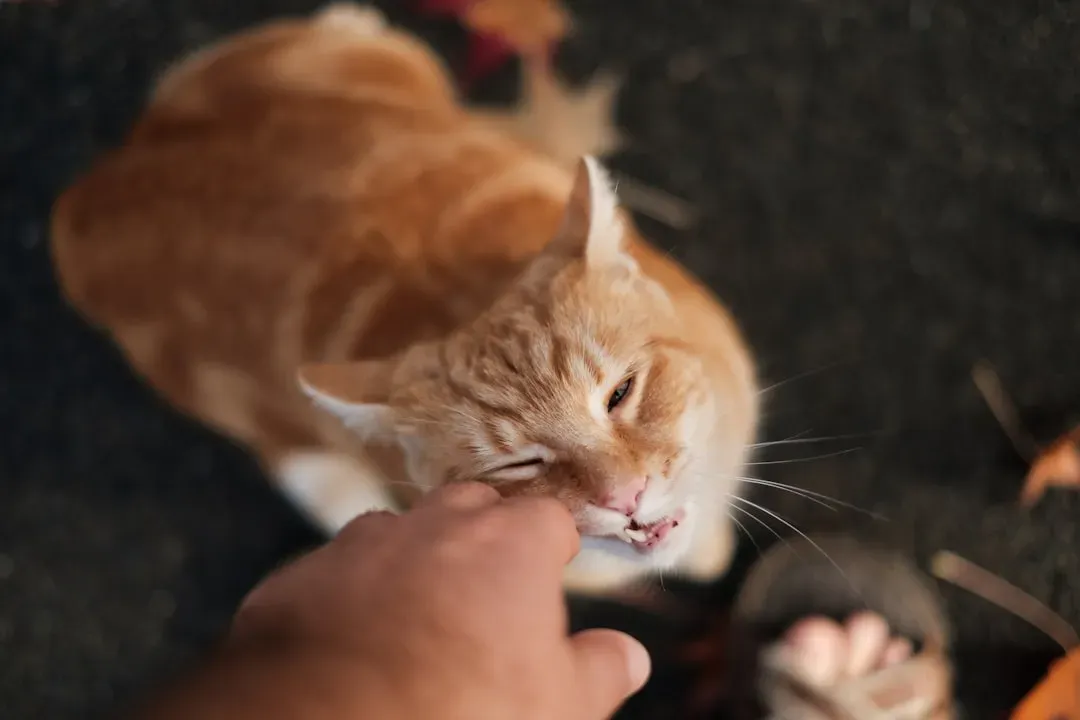
Attention-seeking in cats isn’t linked to only one cause. Some attention-seeking cats are bored, while others are more socially active and need more interaction with their favorite humans. Following you is simply the most effective way they know to put themselves in your line of sight.
This behavior is particularly common in younger or more socially active cats who thrive on interaction, especially in environments where they feel comfortable and stimulated. You might also see increased meowing and vocalizations like chirps, trills, and purring. When your cat follows you and then stares at you with that intense, unblinking gaze, they’re essentially raising their hand in class. They want a turn.
7. Boredom Is Driving the Behavior
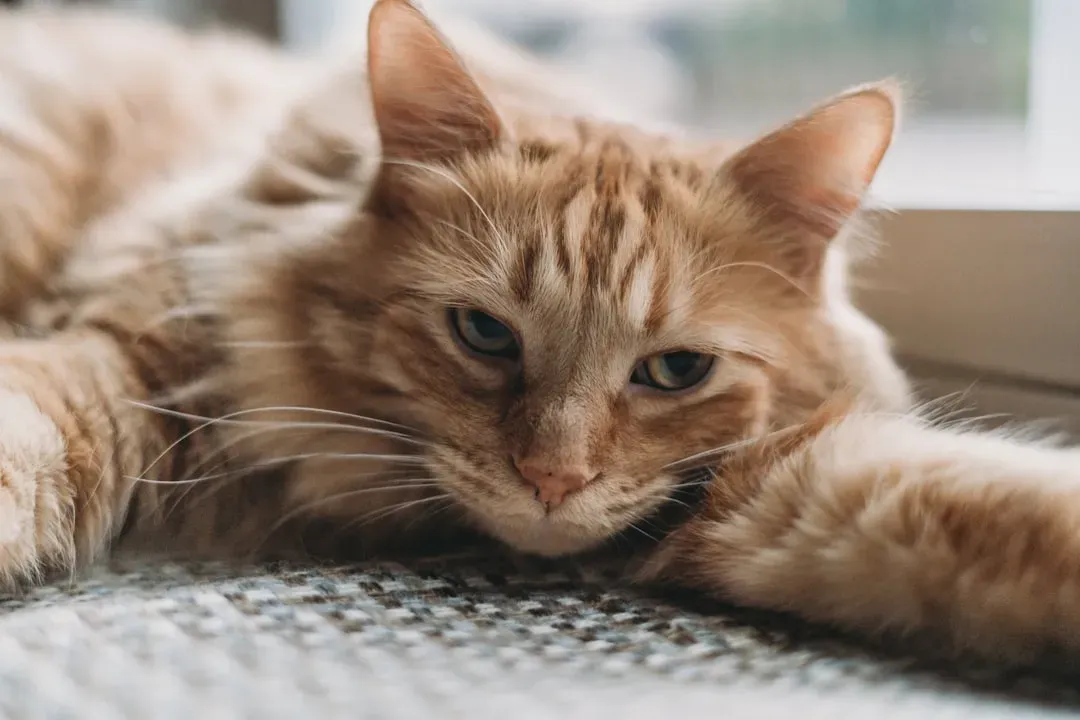
If your cat isn’t getting enough stimulation in their day, following you around may be a sign that they’re bored. They may not be getting the opportunity to hunt or play. For indoor cats especially, you are often the most interesting thing in their environment.
Bored cats who relentlessly follow you do best with more enrichment, like scratching posts, cat trees, and interactive toys. Scheduling in more playtime can also give a bored kitty an outlet for more destructive behaviors. A bored cat can be a clingy cat. Some cat enrichment ideas to keep their body and brain engaged include puzzle feeders, interactive games or toys, catnip, and scratching posts. A well-stimulated cat is a more independent cat.
8. Anxiety or Stress Is Making Them Clingy
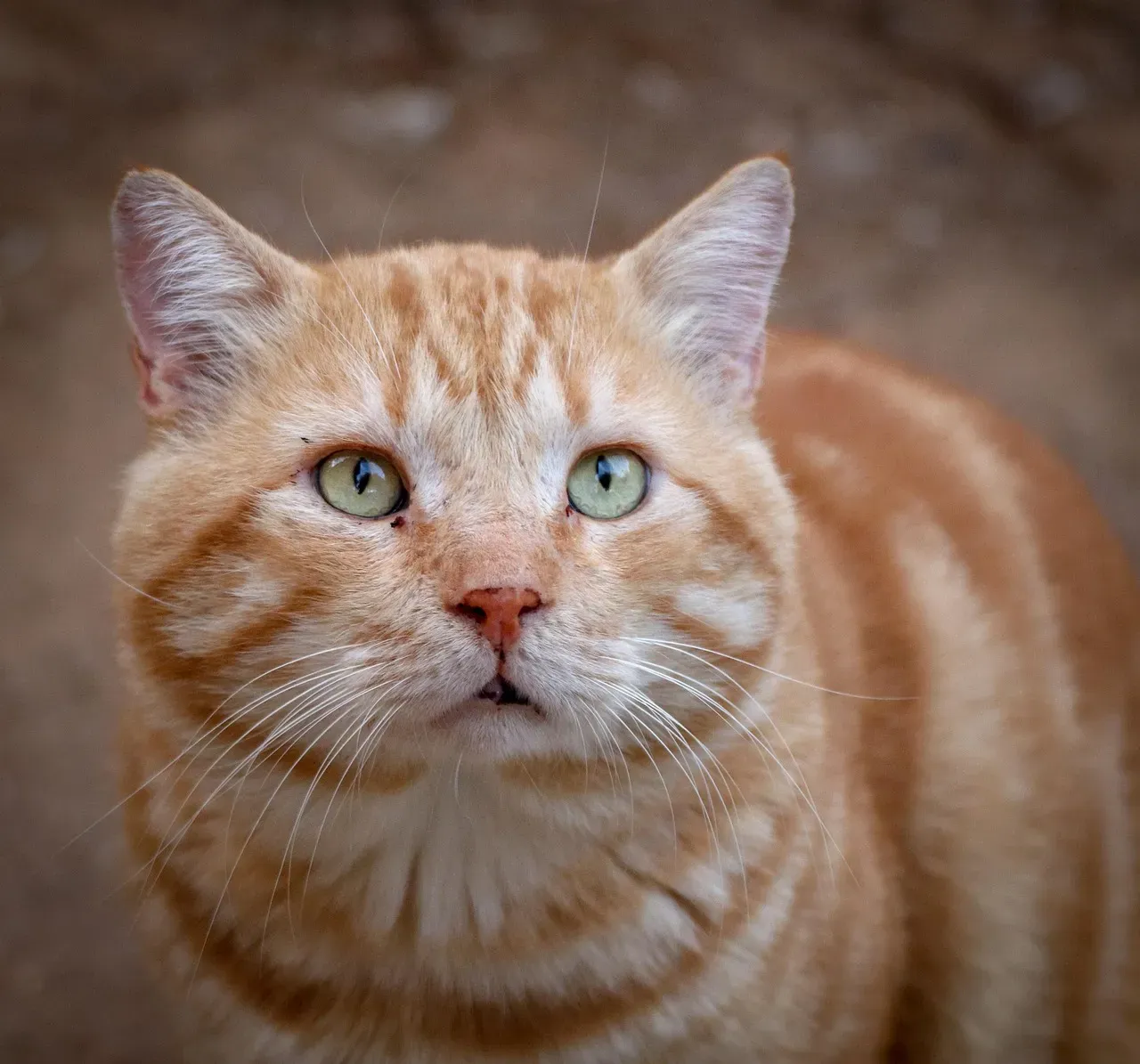
Anxiety, and particularly separation anxiety, can significantly influence a cat’s following behavior. Anxious cats typically follow their people to assure themselves of their caregiver’s presence. By shadowing your every step, these kitties cling to a sense of safety and security.
Unlike healthy following behavior, anxiety-driven cats who follow you around will often have distressed or excessive vocalization, restless movement, noticeable changes in appetite, and agitated body language like a hunched posture or swishing tail. Any change in routine can make a cat clingy, but big changes, like new family members or moving, can make them even more Velcro as they try to figure out what’s going on.
9. They May Be Unwell and Seeking Comfort
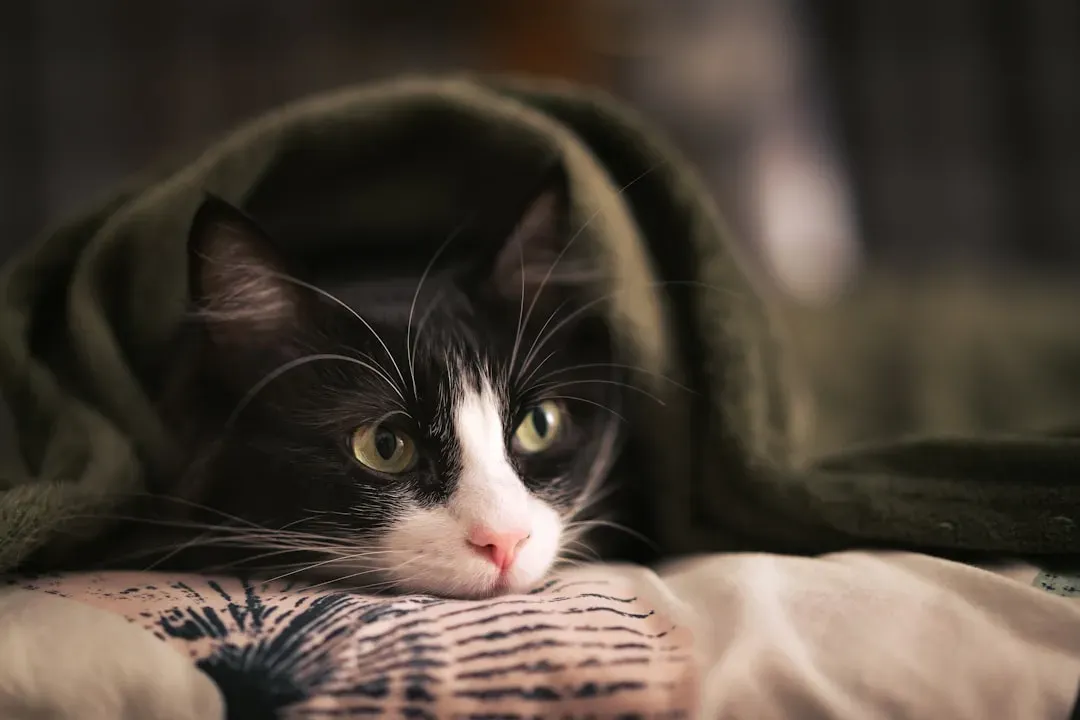
Because the family unit is necessary for a cat to feel secure, your kitty may follow you more often and for longer periods when they don’t feel well. Illness is a vulnerable state for prey-predator species like cats. So when your cat is sick, they may feel they are more at risk and may cling to you for protection.
If there haven’t been any changes to your cat’s routine or disruptions to the household and they’ve suddenly decided to stick to you like glue, they might be sick or in pain. Several medical issues could cause a cat to follow their caregiver more than usual, including thyroid problems, hearing or vision loss, or cognitive dysfunction in older cats. A sudden shift in how closely your cat follows you is always worth mentioning to a vet.
10. Your Cat’s Attachment Style Plays a Role
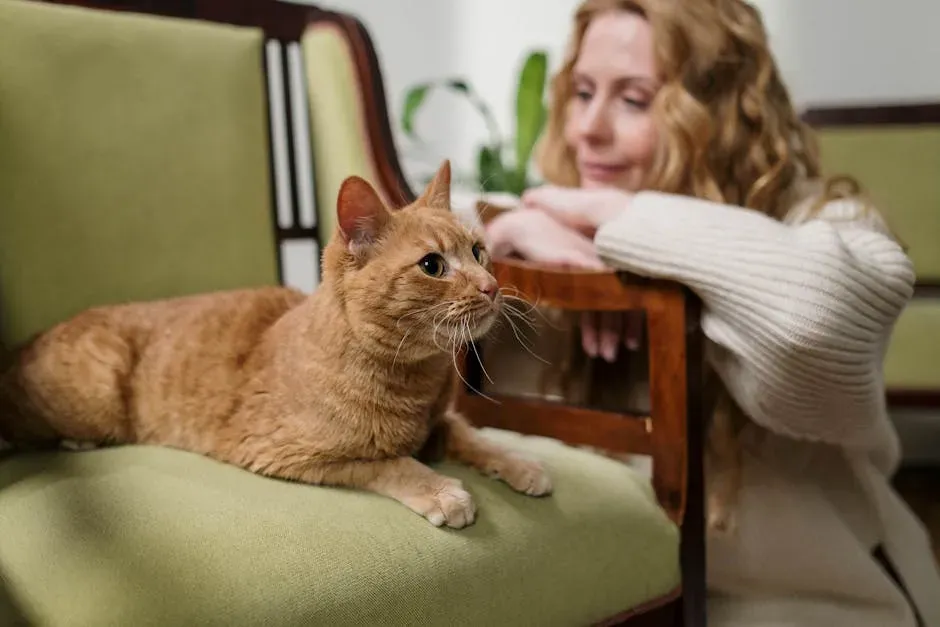
Perhaps surprisingly to those who think cats don’t care about us, roughly two thirds of felines were identified as securely attached. Roughly thirty percent were ambivalent, and the rest were mostly avoidant. These attachment styles, which mirror patterns seen in human infants, directly shape how closely a cat tends to follow their owner.
Once an attachment style has been established between the cat and its caregiver, it appears to remain relatively stable over time, even after a training and socialization intervention. Cats, like most domesticated animals, retain several juvenile traits into maturity and remain dependent on humans for care. In other words, a cat that follows you closely from early on is likely wired that way at a fairly deep level.
11. Breed and Individual Personality Matter
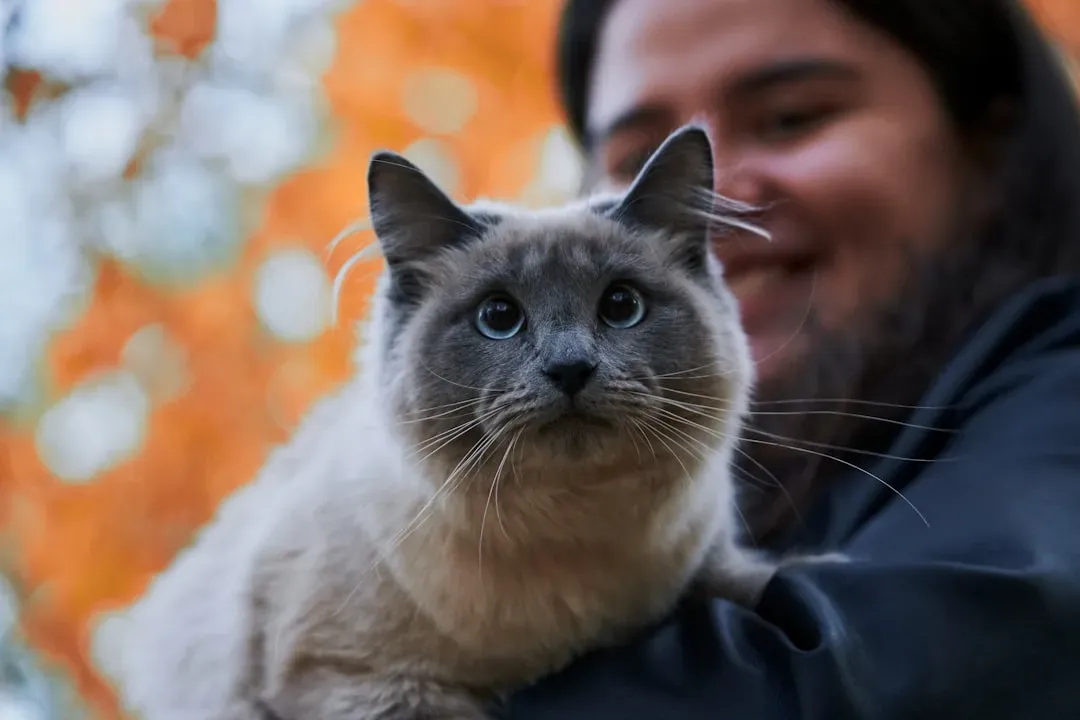
Certain breeds are more affectionate and need human contact. Siamese, Ragdolls, and Abyssinians are some of the most affectionate cat breeds, although this often depends more on their individual personality than their breed. Breed tendencies are real, but they’re not the whole story.
Past trauma or rehoming: stressful experiences like being abandoned or neglected can make a cat more attached to new owners. These early experiences create actual neurological differences. Cats who receive more human interaction as kittens develop more neural pathways associated with social bonding. It’s not that less-attached cats don’t care about you; their brains are literally wired differently when it comes to expressing attachment. Every cat that follows you everywhere has a backstory that shaped that habit.
12. They’re Monitoring Their Territory (and You’re Part of It)
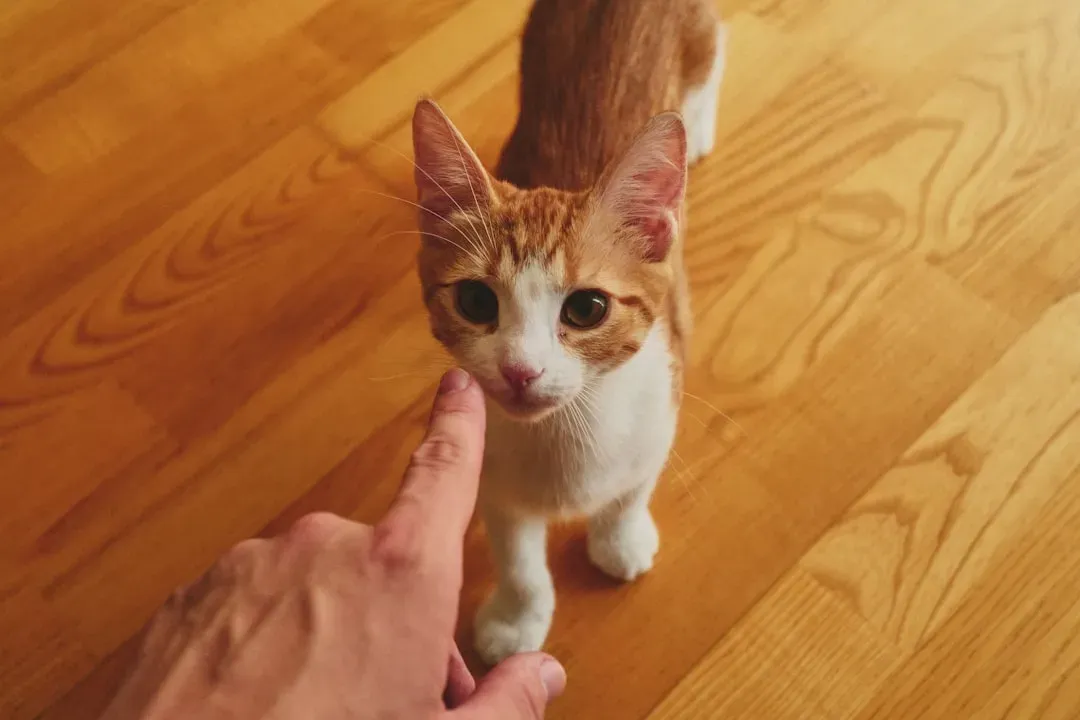
If your cat tends to rub against furniture corners and your legs, it is certainly to mark their territory. Pheromones released by the facial glands are used for territorial and social recognition. When they follow you all around the house, it’s to keep an eye on their “territory.”
Following you everywhere might be their method of staying close, seeking reassurance, or even ensuring they don’t miss out on something exciting, a phenomenon sometimes called “feline FOMO.” Our cats need to be aware of all our comings and goings; they don’t hesitate to accompany you from room to room, afraid you might hide something from them. You’re not just their person. You’re part of the territory they patrol.
What Your Cat’s Following Behavior Really Tells You
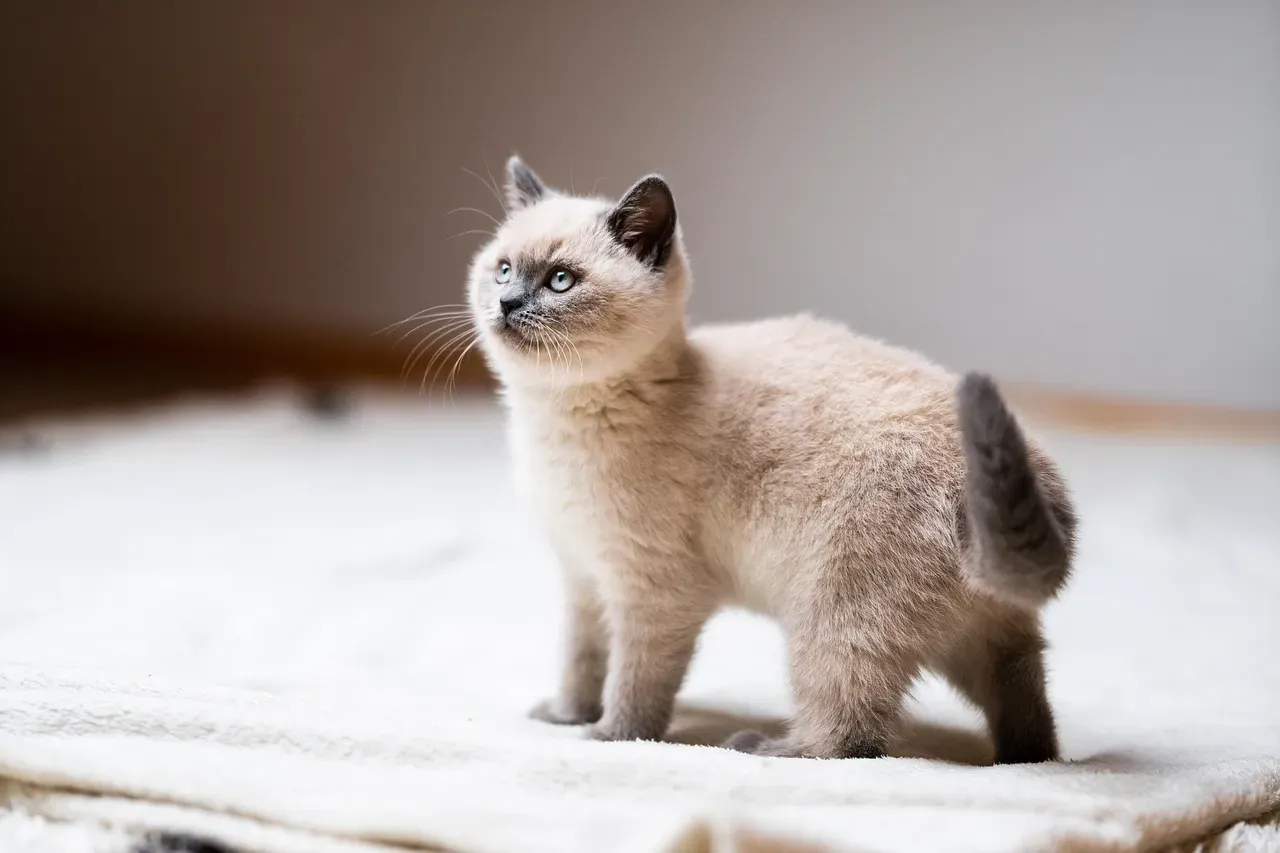
Cats rarely do anything without reason. When your feline friend trails behind you from room to room, it’s not random. It’s deeply rooted in instinct, emotion, and learned behavior. Understanding these motivations not only reveals the psychology behind their attachment but also helps you respond appropriately to their needs.
Increased clinginess can sometimes signal illness or stress, so it’s always worth paying attention to any sudden changes. Most of the time, though, a cat that follows you from room to room is doing exactly what bonded, curious, socially connected animals do. Your cat’s tendency to follow you everywhere is typically a sign of a strong bond and healthy attachment. That small shadow padding along behind you is, in its own quietly feline way, a form of loyalty.