You’ve probably noticed it a dozen times. Your cat bypasses the cushioned bed you bought, ignores the cozy blanket draped over the armchair, and plants itself on top of the refrigerator or in that odd corner by the bookshelf. It feels random. It isn’t.
Every spot your cat claims is the result of a quiet, deliberate calculation involving safety, warmth, scent, sight lines, and something deeper than simple comfort. Understanding what drives these choices doesn’t just satisfy curiosity. It changes how you see your cat entirely.
The Territorial Brain Your Cat Never Lost
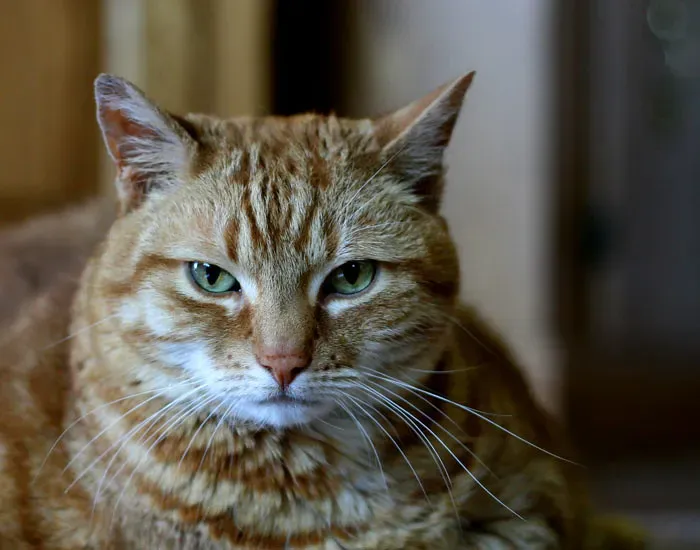
Cats are territorial animals at their core. In the wild, a cat establishes a home base where it sleeps and eats, and a broader home range where it hunts and mates. That ancient wiring hasn’t disappeared just because your cat now lives indoors and eats from a bowl at the same time every day.
Even if your cat is indoor-only, it still carries a strong natural instinct to establish territory, and your home must provide an environment that meets all of those territorial needs. The spot your cat returns to again and again isn’t a random resting place. It’s a home base, chosen with the same instinctive logic its wild ancestors used to survive.
Height Is Power: Why Your Cat Craves the High Ground
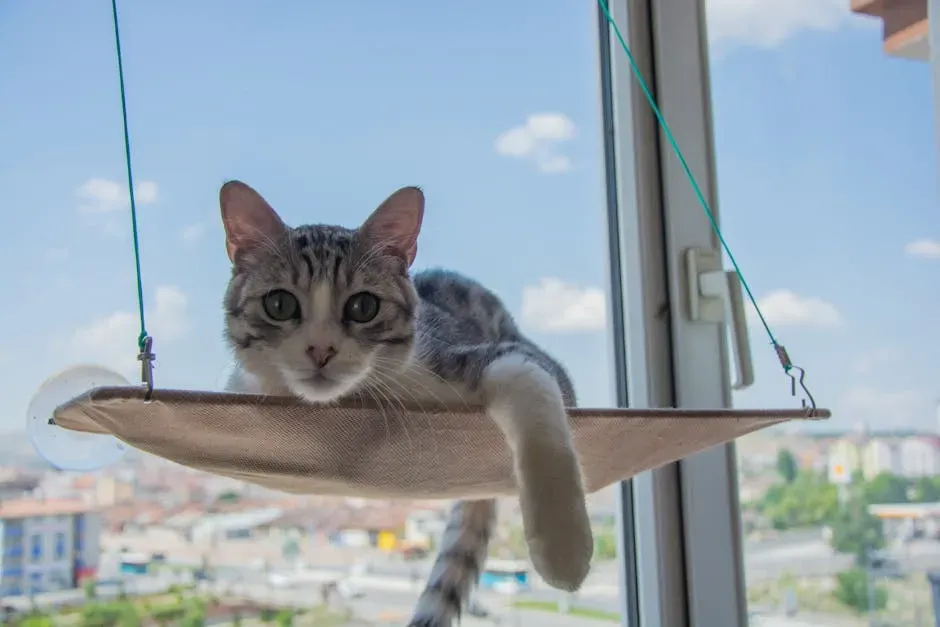
Elevation equals authority in cat language. From bookshelves to kitchen cabinets, cats instinctively climb to survey their domain. Being up high provides both security and superiority, allowing them to manage their world confidently and observe humans, pets, and movement from a position of control.
A cat’s ability to observe from a height not only satisfies its curiosity but provides a strategic advantage in monitoring the environment. This innate behavior is why your feline friend might prefer the top of the refrigerator over a comfy couch on the ground. It’s not arrogance. It’s pure strategy, and it’s deeply hardwired.
The Science of Warmth and Why Your Cat Follows the Sun
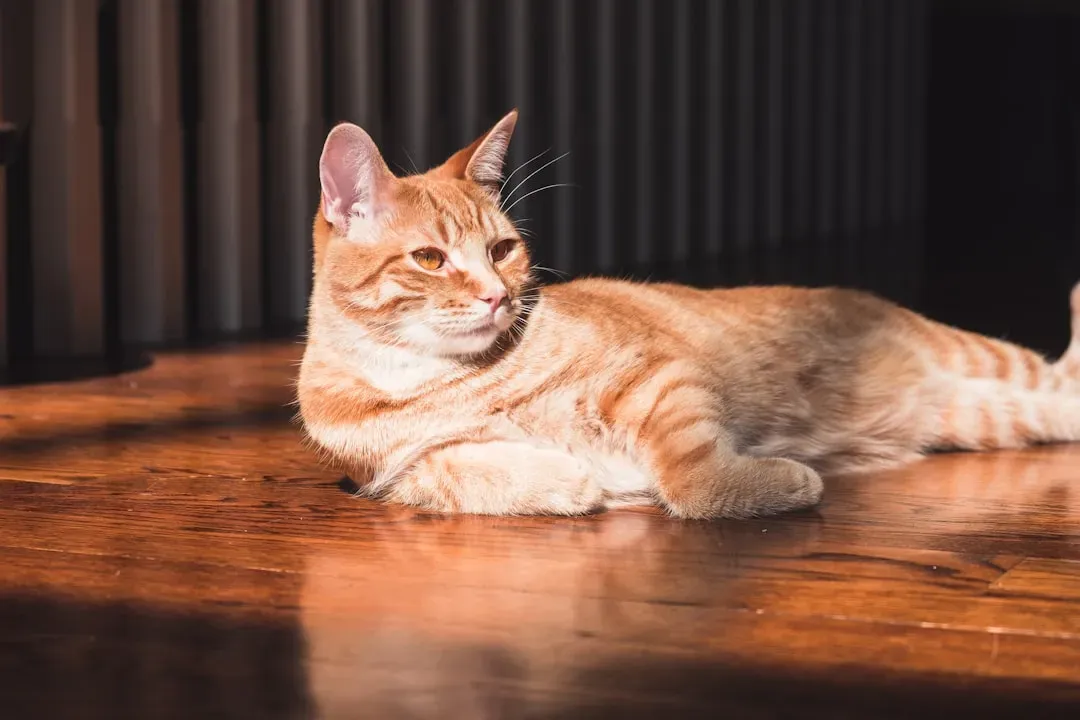
Cats are heat seekers. Their ideal resting temperature is around 86°F (30°C), much higher than ours. Window sills exposed to sunlight become perfect microclimates, and beyond warmth, sunlight also boosts serotonin, the feel-good hormone that enhances relaxation and emotional balance.
The reason behind this heat-seeking behavior is that wild cat ancestors originated from desert regions, where high temperatures were a constant part of daily life. Today’s housecats still carry that warm-weather preference in their DNA. A cat’s normal body temperature ranges from 101°F to 102.5°F, which makes chilly rooms feel colder to them. That sunny patch by the window isn’t just pleasant. It’s biologically essential.
Scent Marking and the Invisible Ownership Deed

Cats are highly territorial animals, and scent marking is one of the primary ways they establish boundaries. They have scent glands located in multiple areas, including their cheeks, forehead, paws, flanks, and the base of their tail. When a cat rubs its face against furniture, doorways, or even people, it deposits pheromones that signal ownership and familiarity.
When a cat marks, it deposits chemicals known as pheromones. Animals use pheromones to communicate with other members of their species. A cat’s pheromones contain personal information, and cats mark to intentionally leave their messages in socially important locations within their territory, particularly along commonly traveled pathways. Every time your cat rubs its cheek along the edge of its favorite chair, it’s essentially signing its name to a lease.
Safety Over Softness: What Your Cat Is Really Evaluating
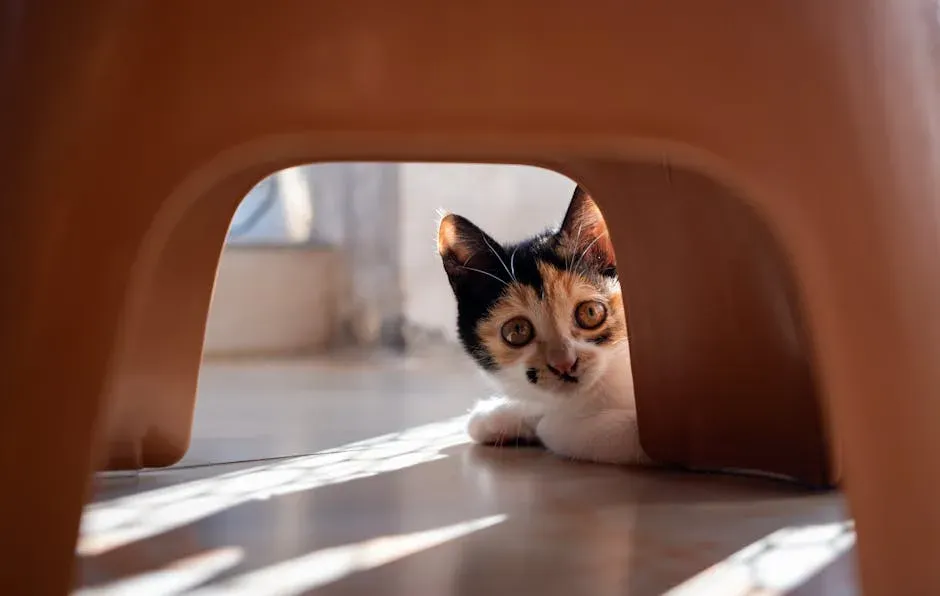
Cats are instinctively cautious animals that prioritize their safety above all else. They often choose spots where they feel hidden or protected, such as under furniture or in a high place. These areas provide a sense of security, shielding them from sudden movements or perceived threats.
According to International Cat Care, “Cats choose resting places based on temperature, visibility, scent, and perceived safety – more so than just softness.” You might have spent good money on a plush bed, only to find your cat on a cardboard box. The box probably offers better wall coverage, a lower profile, and a position from which your cat can watch the room without being approached from behind.
The Anchor Zone: How Familiar Spots Manage Stress
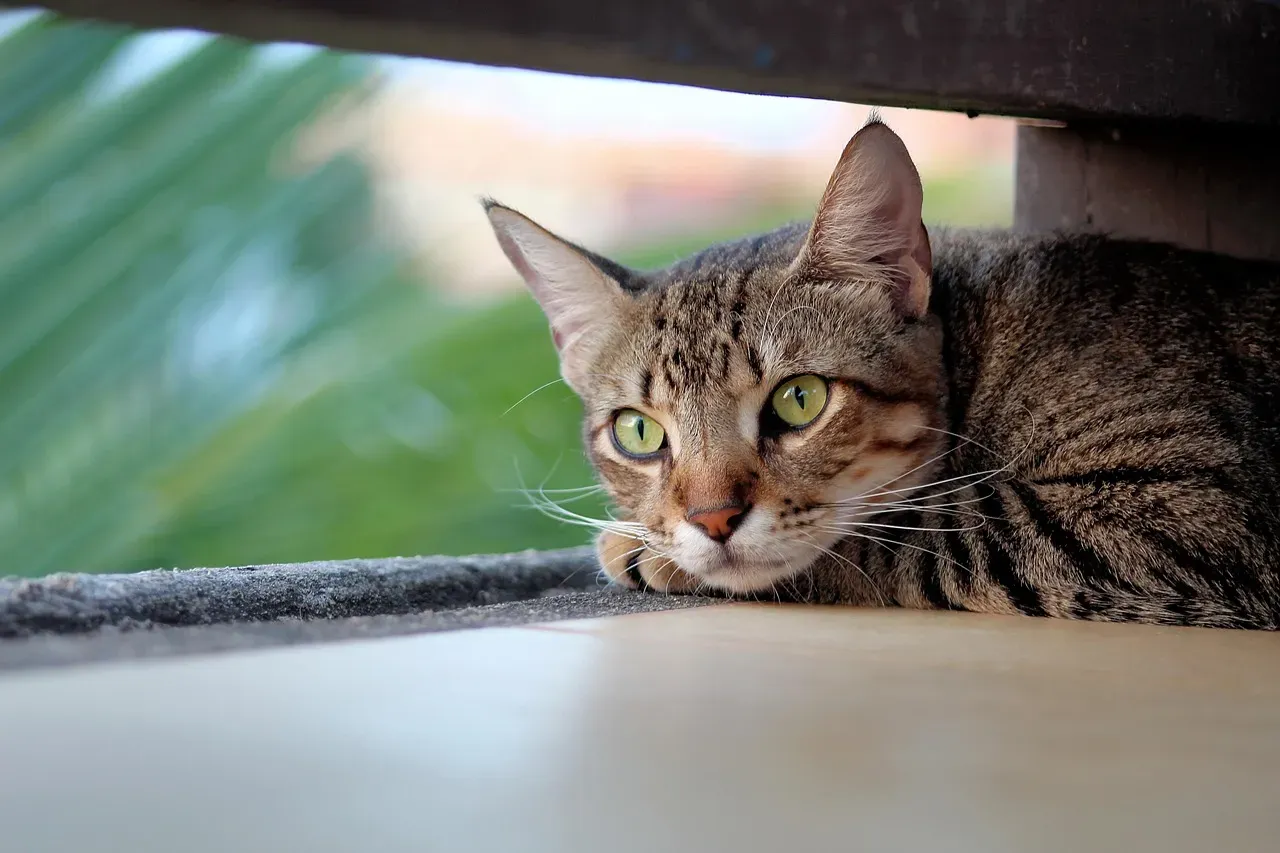
Cats use consistent spaces as emotional reference points. When a home feels too busy or smells different due to new guests, cleaning products, or furniture rearrangement, they retreat to their anchor zone, a physical memory of stability. This behavior reflects not distance from humans, but emotional self-care.
Domestic cats are exposed to a variety of stressful stimuli that may negatively affect their welfare and trigger behavioral changes. Some of the stressors most commonly encountered by cats include changes in their environment. Any time an indoor cat feels threatened or distressed, it may retreat to a familiar spot to reaffirm safe territory. A change in household routine, the addition of a person or pet, or even a remodeling project can trigger anxiety and marking. The spot your cat runs to during a thunderstorm isn’t random. It’s the place that has always felt safest.
The Window as a Hunting Screen
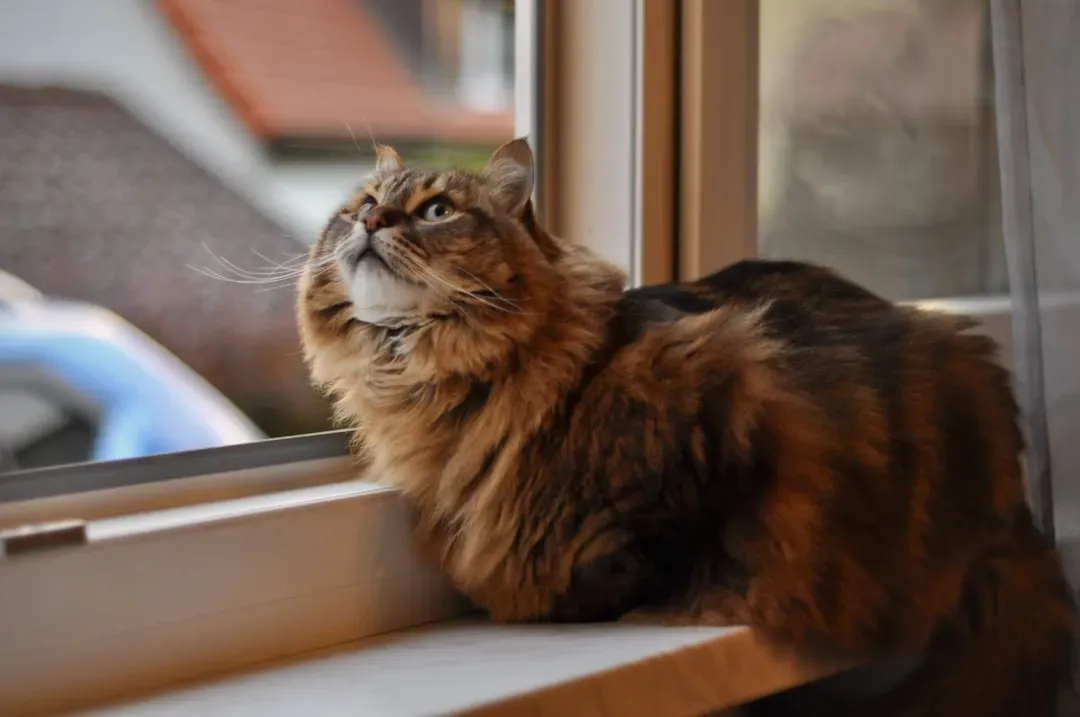
To a cat, a window isn’t just a view. It’s a cinema of movement. Birds, insects, cars, and falling leaves all trigger hunting instincts and curiosity. Sitting on a window ledge satisfies a cat’s predatory drive without requiring it to leave the safety of home, and you’ll often find your cat perched there at dawn or dusk, which are prime hunting hours in nature.
Windowsills and window-mounted cat beds combine multiple appealing elements: elevation, warmth from sunlight, and endless entertainment from outdoor activity. The combination of natural light, warmth, and mental stimulation from watching birds, people, and other outdoor activities makes window areas irresistible to most cats. These locations also provide the security of being indoors while maintaining visual connection to the larger territory beyond.
When Your Cat Switches Spots and What It Means
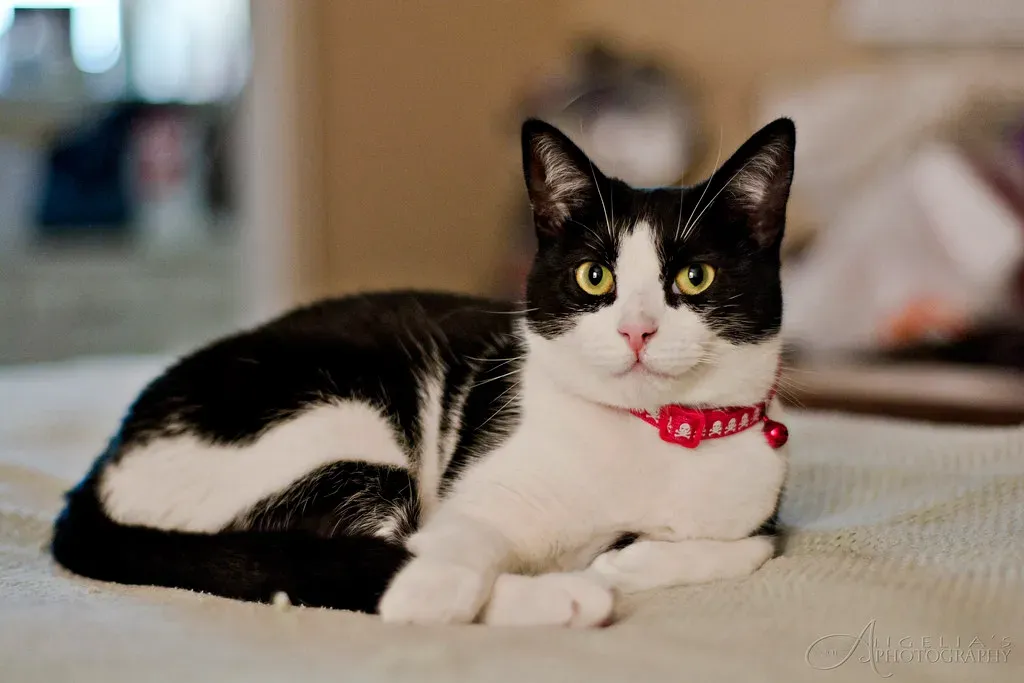
Cats are microclimate experts. They instinctively follow the most comfortable combination of light, texture, and airflow, favoring a sunny corner in winter and a tiled floor in summer. This adaptability explains why your cat suddenly abandons one favorite spot for another every few months. They’re not being fickle. They’re thermoregulating.
Sometimes, a cat changing its favorite spot can be a subtle sign of discomfort or health issues. If a cat is in pain, experiencing arthritis, or feeling unwell, it might avoid places that require jumping or stretching. An older cat might stop sleeping on a high shelf and choose a lower, more accessible location. Cats are masters at hiding pain, so changes in their habits can be an important clue for attentive owners.
How to Use This Knowledge to Support Your Cat
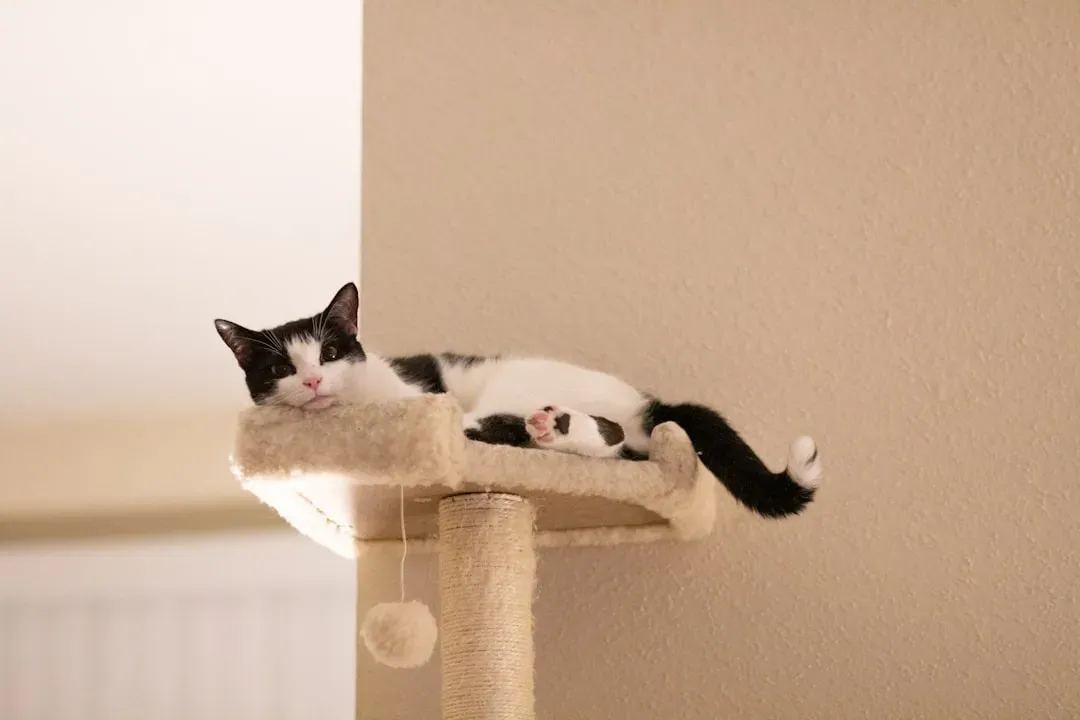
Height plays a crucial role in feline security and comfort. Cats naturally seek elevated positions that allow them to observe their territory while feeling protected. Installing designated climbing spaces throughout your home creates natural pathways that satisfy this instinct. A multi-level cat tree placed near a window covers nearly every base at once: elevation, warmth, stimulation, and a sense of territorial ownership.
Cats thrive on consistency and feel safest when they know where to go to relax. A well-placed lounge or resting zone offers a dependable, calming area your cat will return to without needing encouragement. Over time, it becomes a secure location where they feel at ease, especially during noisy or busy periods in your home. Respecting those zones, and resisting the urge to constantly rearrange or over-clean them, is one of the simplest ways to reduce your cat’s daily stress.
Conclusion
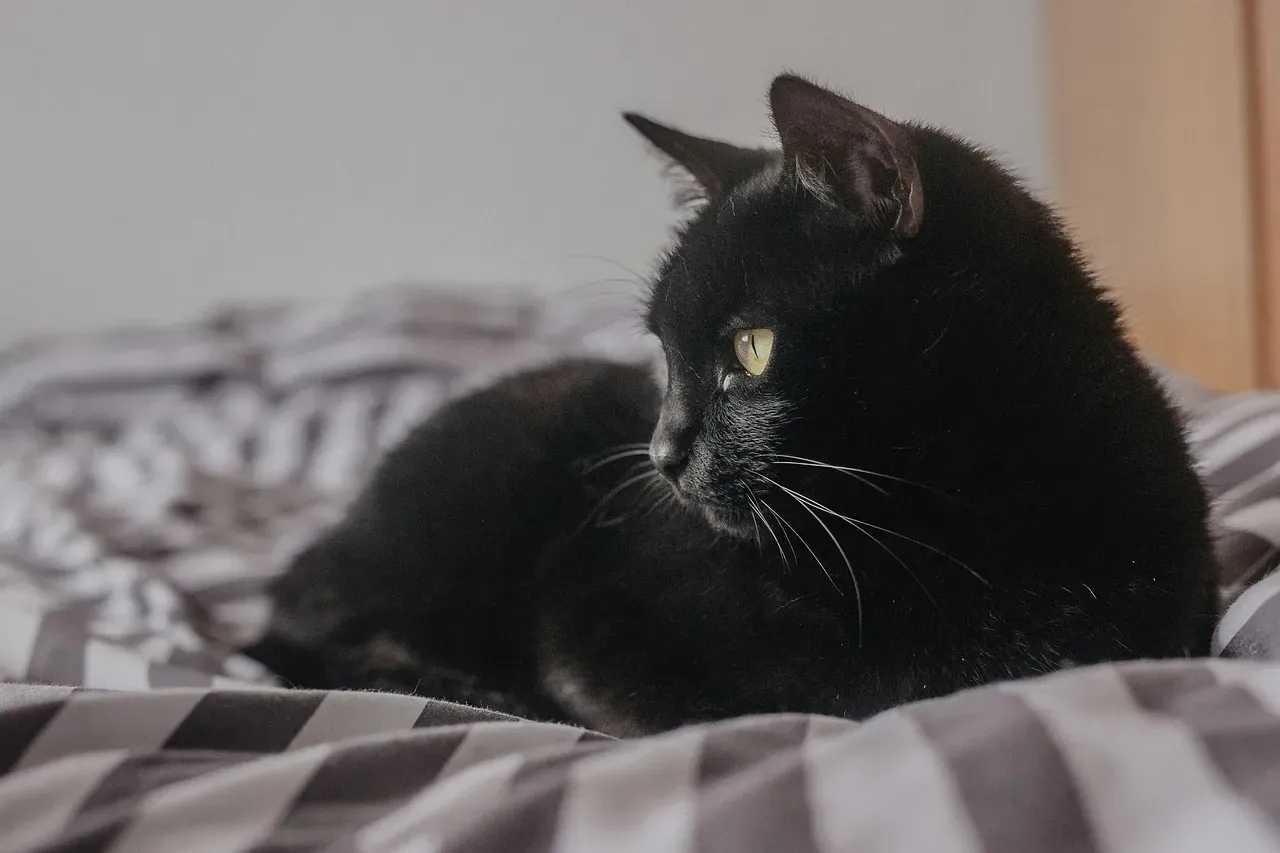
Your cat isn’t being eccentric when it picks the weirdest corner in the house. It’s being precise. Every chosen spot balances warmth, visibility, safety, scent, and territorial control in a way your cat has quietly calculated on your behalf. What looks like a lazy nap is actually the result of thousands of years of refined survival instinct playing out in your living room.
Once you start reading these choices as communication rather than coincidence, you’ll notice something shift. You’ll stop seeing random quirks and start seeing a highly capable animal doing exactly what it was built to do. That’s a small but genuine way to understand your cat better, and ultimately, to share your space more respectfully with the creature that has already decided exactly where it stands.