Anyone who lives with a cat has had at least one moment of genuine puzzlement. You walk into the room and find your cat sitting perfectly still, staring at a blank section of wall like it contains a portal to another dimension. Or they drop something off your desk for absolutely no discernible reason, then walk away unbothered. It’s the sort of thing that makes you wonder what exactly is going on inside that little head.
The truth is, most of what looks strange to you is deeply sensible from a cat’s point of view. Since domestication has been a relatively recent development for cats, some things cats once did to survive may have no adaptive value now that they are adored members of the modern-day household. Understanding the reasons behind these quirks doesn’t just satisfy curiosity. It gives you a much clearer picture of who your cat actually is.
1. Kneading You Like Dough
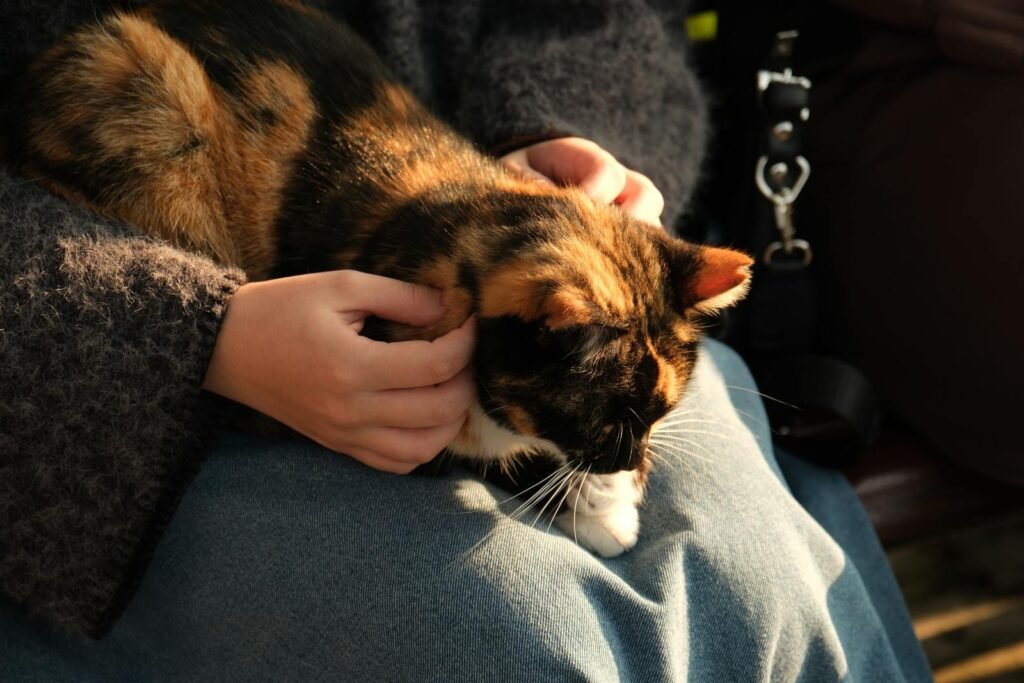
You settle onto the couch, your cat climbs into your lap, and suddenly you’re receiving a rhythmic pressing motion from two tiny paws that feels both endearing and slightly painful. Kneading, often referred to as “making biscuits,” is the rhythmic motion cats make by pushing their paws into a soft surface, alternating between left and right paws, and is commonly observed when a cat is relaxed.
Kneading originates from kittenhood, when kittens press their paws against their mother’s belly to stimulate milk flow, and this comforting behavior often persists into adulthood, associated with feelings of security and contentment. Beyond the nostalgia factor, cats may also use kneading to scent-mark a beloved human, create a comfy bed, or express contentment, and it is often used to calm themselves during times of anxiety. So when your cat does it to you, take it as a genuine compliment.
2. Bringing You “Gifts” You Definitely Did Not Ask For
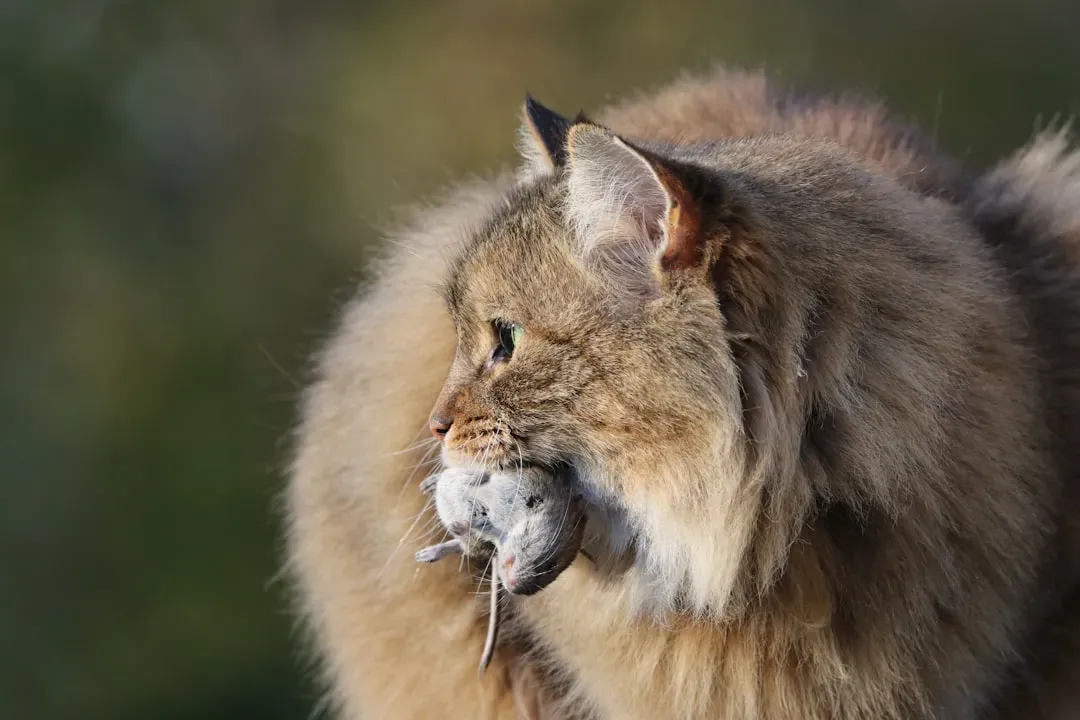
Few things wake you up faster than the proud chirp of a cat delivering something it has hunted. This behavior is deeply rooted in instinct, affection, and your cat’s unique way of communicating with you. While it might not feel like a gift you asked for, your cat sees things very differently. To them, this late-night delivery is meaningful, intentional, and even loving.
It is critical to understand that this hunting behavior is usually not driven by hunger. Domestic cats are, by nature, one of the most proficient hunters on the planet, and even when they no longer rely on hunting for survival, they retain a powerful prey drive from their wild ancestors. Bringing you prey is a genuine expression of affection and trust. Cats are not naturally inclined to share resources, and the fact that your cat is choosing to bring their catch to you, rather than simply eating it themselves, says something significant about the bond they feel with you.
3. The Midnight Zoomies
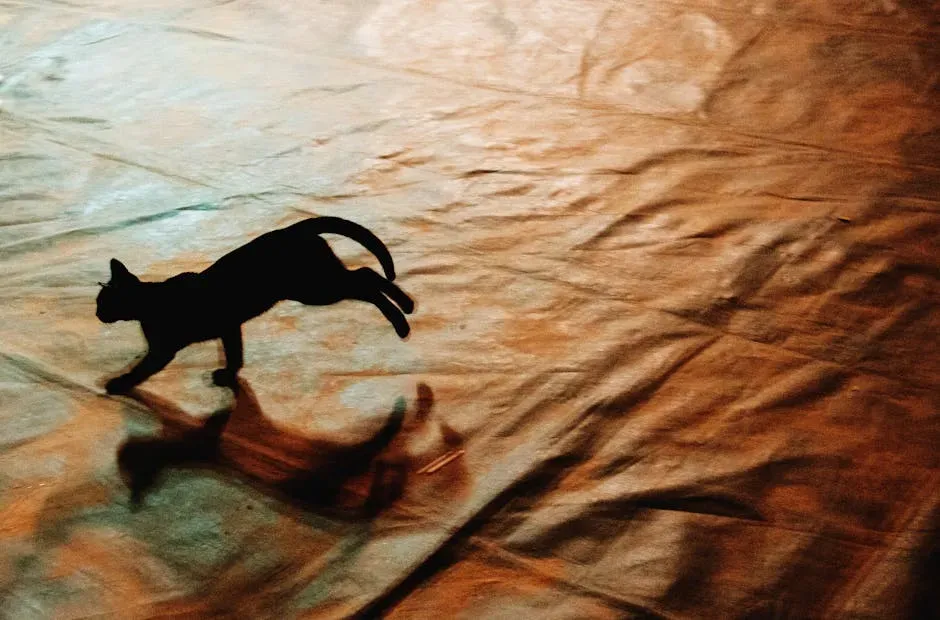
It is 2 a.m. The house is quiet. Then comes the thunder of small paws sprinting from room to room at full speed, bouncing off walls and leaping over furniture like your cat is completing some kind of obstacle course. Zoomies, properly known as Frenetic Random Activity Periods or FRAPs, can startle you, especially in the middle of the night, and in most cases express pent-up energy or counteract kitty boredom.
Contrary to popular belief, cats are not true nocturnal animals, but rather they are crepuscular, meaning they’re most active at dawn and dusk when their rodent prey is out and about. Because of this, your cat likely displays bursts of energy at these odd hours. Plus, after sleeping most of the day, your cat is ready to stretch their muscles by chasing imaginary prey, whether or not the time is inconvenient for you. It’s not chaos. It’s just Tuesday for them.
4. Headbutting You Out of Nowhere
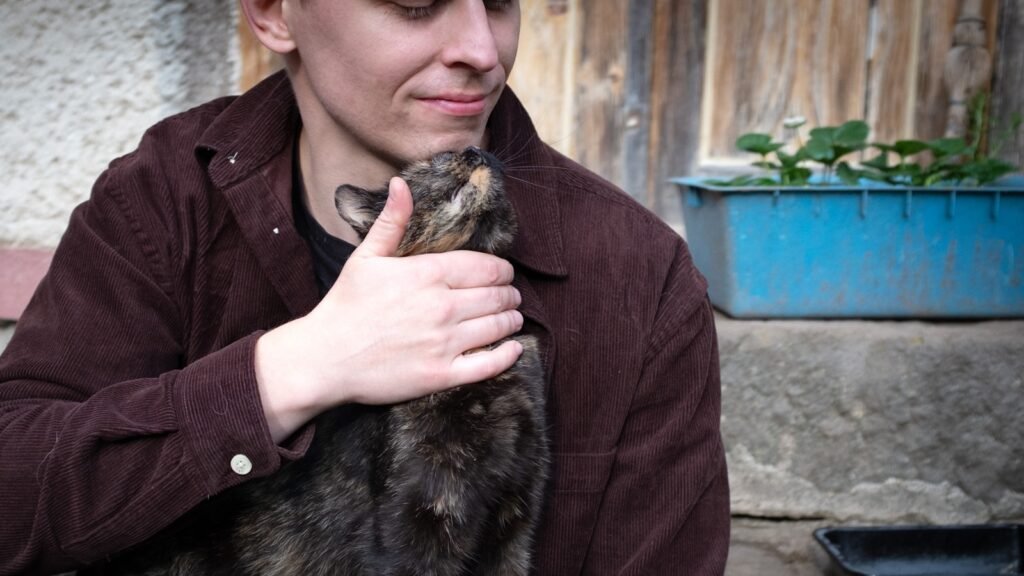
You are minding your business, and then a small furry head collides with your chin, your knee, or your hand. Cat headbutting, also called bunting, is usually a friendly behavior where cats mark you with their scent to show bonding, comfort, and familiarity. It might feel random, but it is actually one of the more deliberate things your cat does.
Cats have glands on their cheeks, forehead, and chin that contain pheromones. When a cat headbutts you, they are rubbing pheromones on you. The pheromone deposited during headbutting comes from glands located just in front of a cat’s ears. Humans can’t detect these pheromones, but to a cat, you can consider yourself marked. Essentially, bunting behavior not only shows your cat’s adoration but also marks you as their own. Cats have multiple scent glands in their faces, and when they bunt, they deposit pheromones on your face that claim you as their human. Bunting is a sign of trust, love, and respect.
5. Chattering and Chirping at Birds
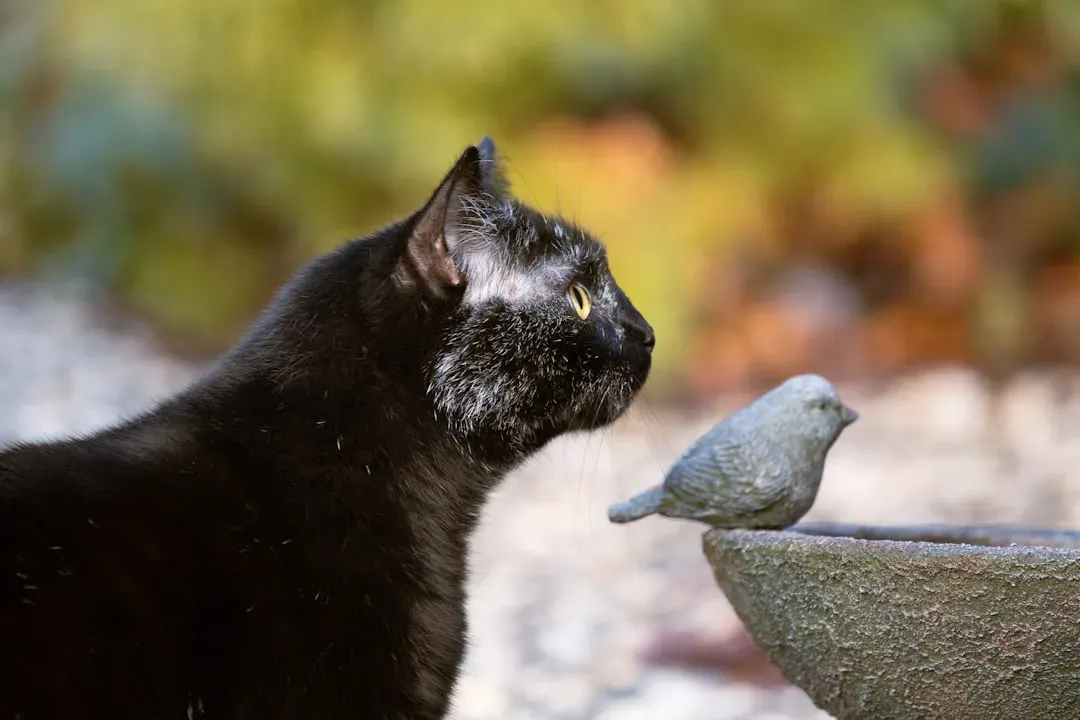
Your cat spots a bird on the other side of the window, and suddenly their jaw starts vibrating rapidly with a stuttering, clicking sound that seems almost frantic. Chattering is a distinctive, repetitive clicking sound made from a combination of lip smacking and your cat rapidly vibrating their lower jaw, and a lot of cats also sprinkle in soft, birdlike chirp sounds.
This strange cat trait is thought to be a mix of predatory excitement and frustration at not being able to get to the bird, and some animal behaviorists even think the chattering sound mimics a “killer bite” used to break the bones of prey. With the increased apps and TV shows that display mice, birds, and other prey, your cat may make this noise at your phone, tablet, or TV when they see their prey lurking out of reach. It is hunting instinct in its purest, most theatrical form.
6. Slow Blinking at You From Across the Room
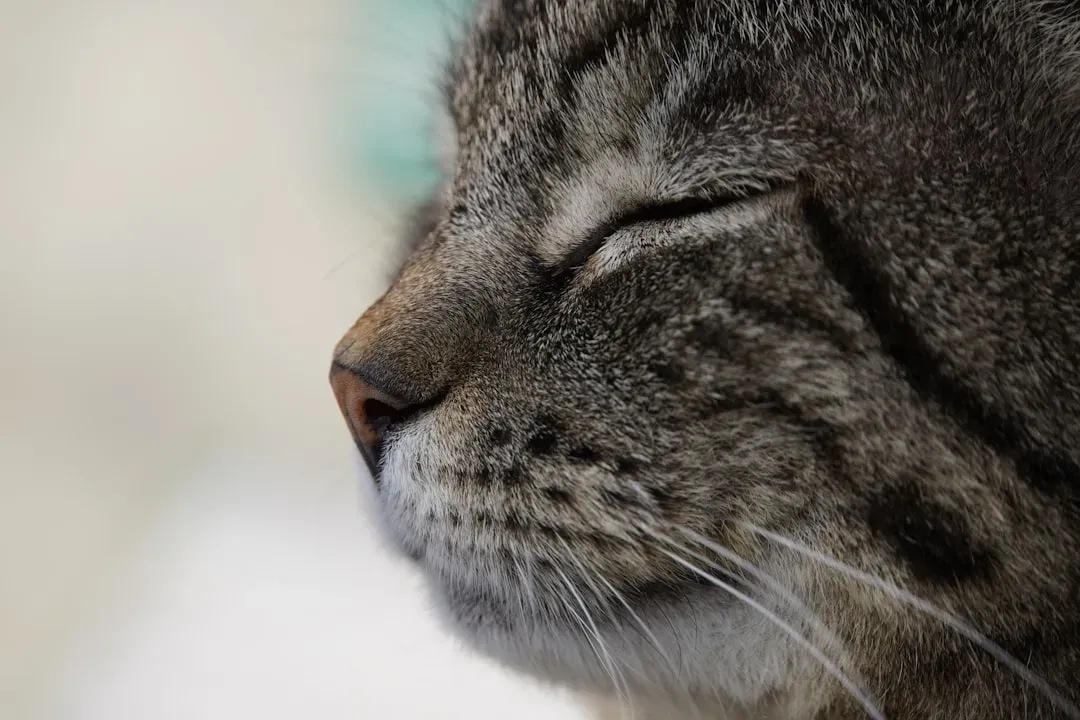
Your cat locks eyes with you from across the room, then slowly, deliberately closes their eyes and opens them again. It looks almost meditative. Behaviorists call this act “kitty kisses,” and these slow blinks are your feline’s way of showing affection and telling you that they like and trust you.
An unblinking stare into their eyes is typically seen as a threat and as a challenge by cats. When your cat looks at you and slow blinks, they are relaxing their guard – after all, a cat in the middle of a slow blink is vulnerable at that moment. Research has shown that a cat will even approach a stranger if they are on the receiving end of a slow blink. If you slow blink at your cat, particularly if they already slow blinked at you, it’s a great way to solidify your bond. Go ahead and blink back.
7. Sitting in Tiny Boxes and Cramped Spaces
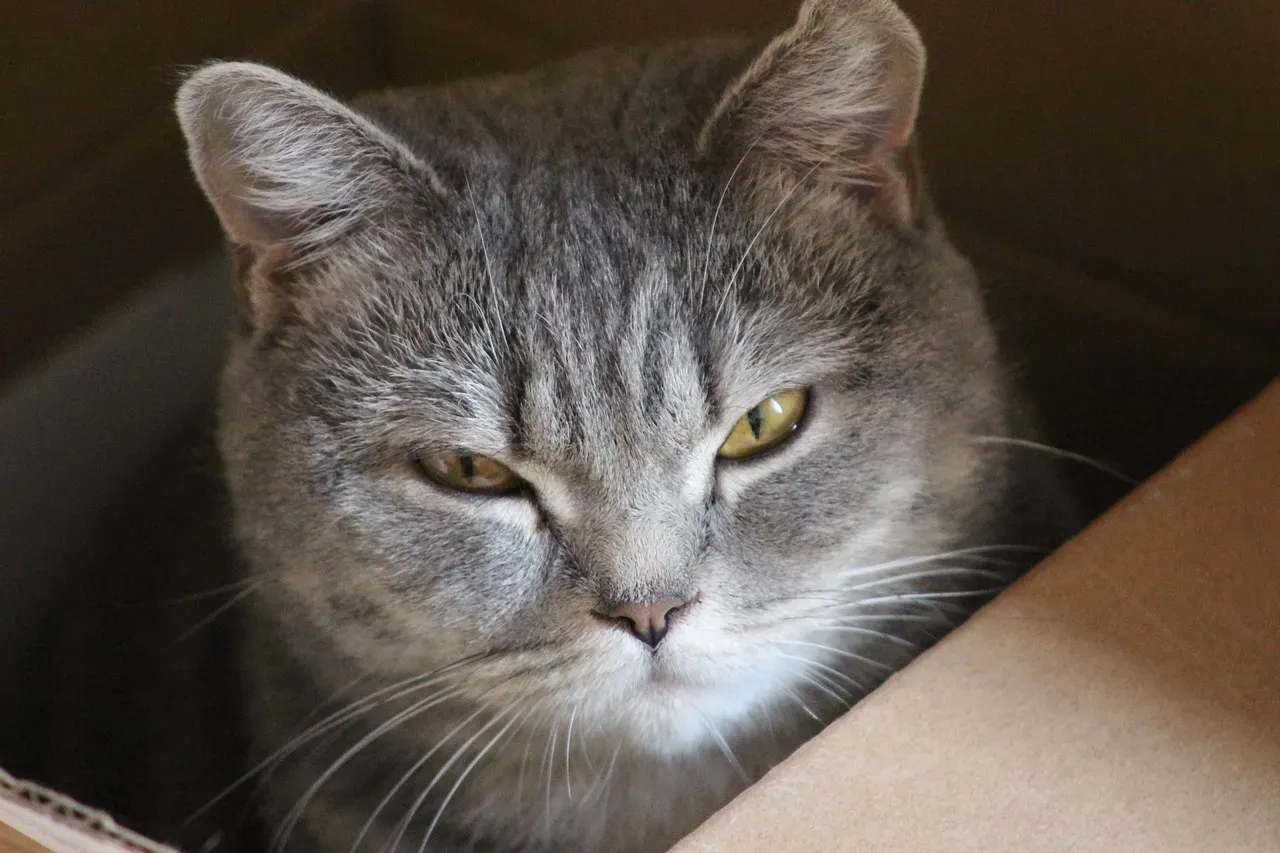
You spend money on a plush cat bed, and your cat spends the afternoon sitting in the Amazon box it arrived in. Cats love seeking small hiding places. Although this behavior is endearing, it also makes cats feel safer, and they seek comfort, security, and warmth in spots that seem so odd to you, like a shoebox or the bathroom sink.
Although your cat thinks they’re a fierce hunter, they’re also a prey animal. Cats are unique creatures in that they’re both predator and prey, and need small spaces to feel safe and secure. Some pet experts consider cats’ love of tiny spaces to be a nod to their wildcat ancestors that hid and slept in small, enclosed places as a way to avoid predators and stalk prey. The expensive bed was never going to win this one.
8. Scratching Your Furniture
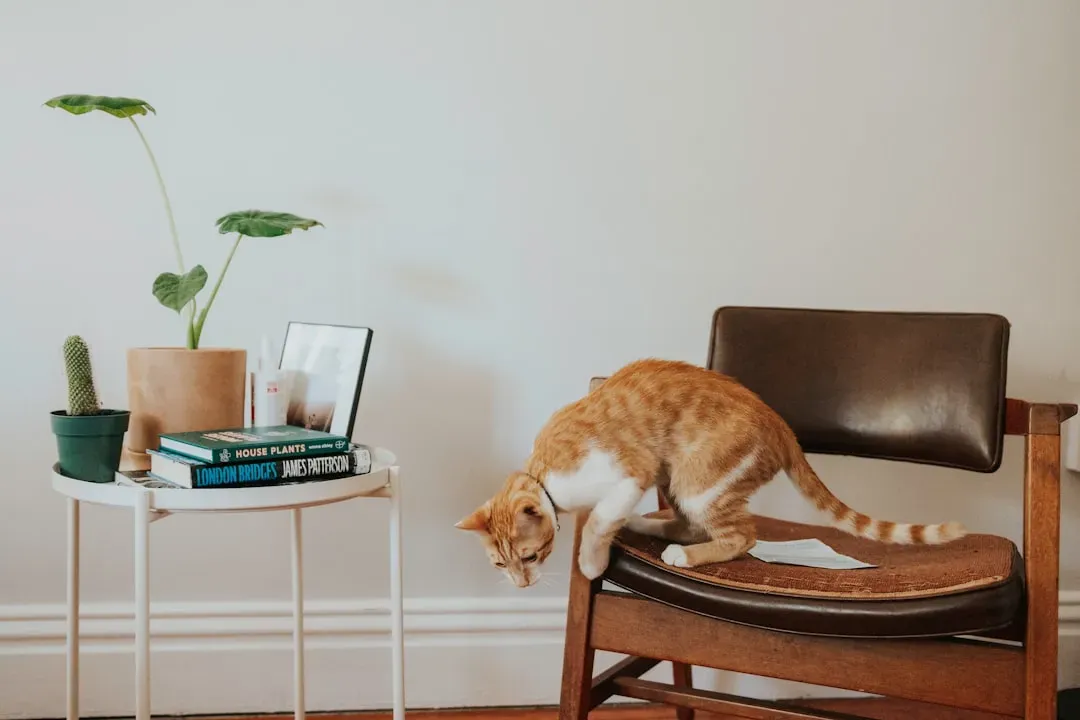
You hear the familiar shredding sound coming from the direction of your sofa and arrive to find your cat leaning into it with full commitment. Scratching is “not a behavior that’s displayed to punish the owners.” It is simply what cats are hardwired to do. The reason for cat scratching can range from a full body workout, scent marking, and boredom, to your cat wanting to maintain the sharpness of their claws.
Cats’ paws contain scent glands and when they scratch objects, they release a visible and chemical scent marker that identifies their territory in the home, and they are most likely to target prominent and frequently used areas such as carpets or sofas. This is because scratching these areas makes them feel more secure and relieve stress by putting their scent on things, making them feel more like their home. Rather than punishing the behavior, providing a sturdy scratching post in a spot your cat already gravitates toward is a far more effective approach.
9. Knocking Things Off Surfaces
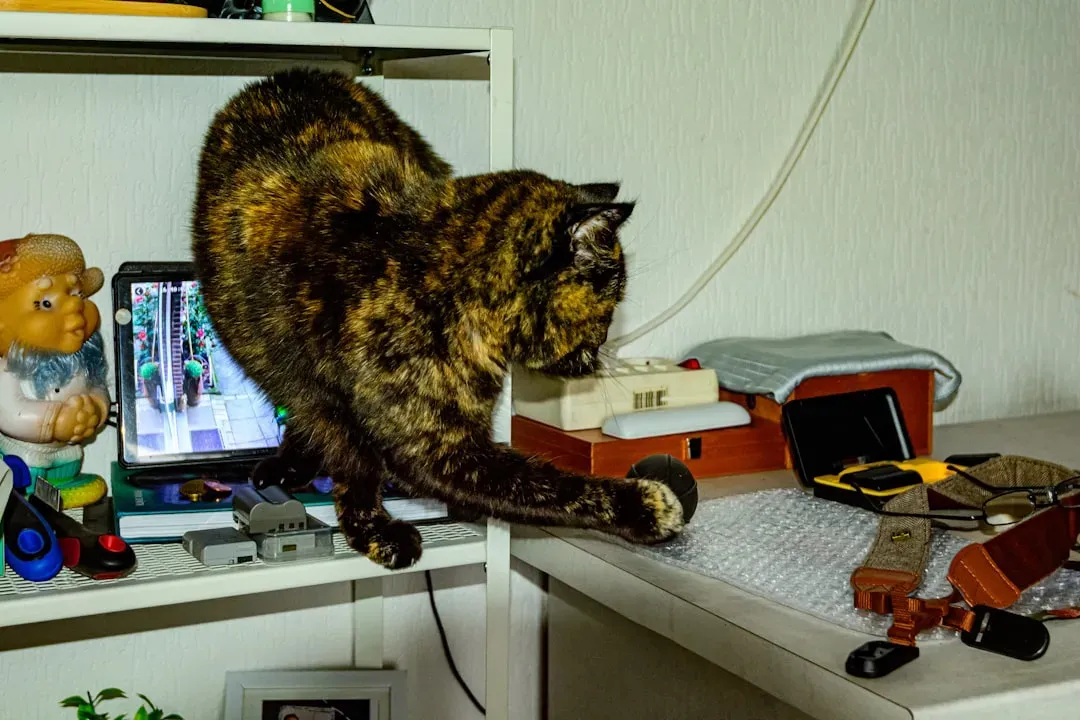
A glass sits on the edge of a table. Your cat approaches, makes deliberate eye contact with you, and taps it off. Then walks away. If you’ve spent any amount of time with a cat, you’ve likely seen them bat at something on a table until it falls off. Maybe it’s a drinking glass or perhaps it’s your phone. Though somewhat hilarious and perhaps maddening, this is perfectly normal cat behavior.
There are many theories about this, which include everything from boredom to attention-seeking to hunting to simply being playful. The hunting angle makes particular sense when you consider that cats do this because they’re tapping into their hunting instincts. You’ll also see this behavior when they have a toy or are about to pounce on an insect inside the house, and your domestic cat’s hunting instinct is still very much intact. It is curiosity and predatory instinct wrapped into one slightly annoying habit.
10. Preferring Running Water to Their Bowl
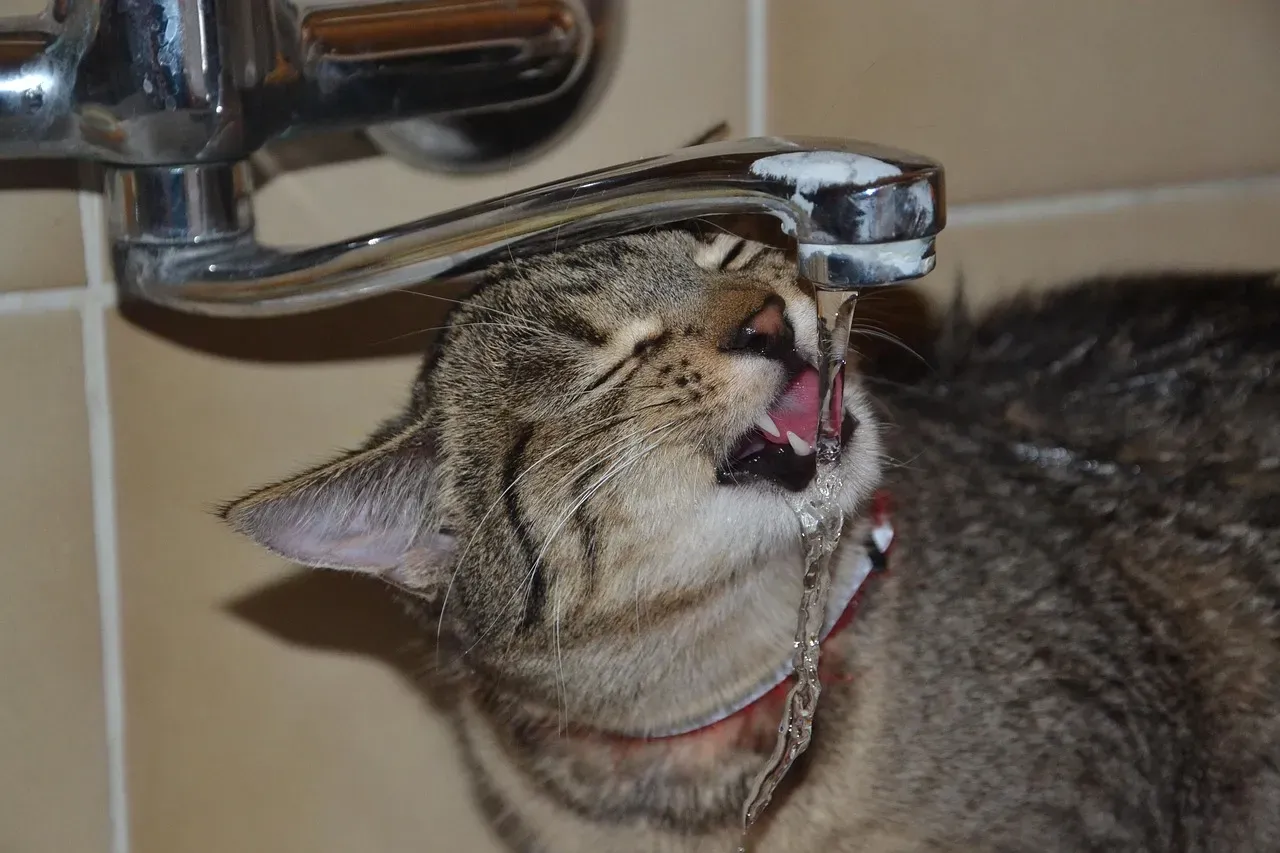
Your cat has a perfectly clean bowl of water available at all times, yet they will sit by the faucet and wait for you to turn it on. This behavior may actually originate from your feline’s wildcat ancestors. Out in the wild, it’s safer to drink from running water sources such as a river than a stagnant water source that could be home to bacteria and other contaminants.
If you don’t mind your cat taking an occasional sip from the faucet, you don’t need to worry. However, if they become too demanding with their requests to turn on the faucet, you can try setting up a pet fountain that runs continuously for them to enjoy. Their water instincts are working exactly as intended, just in a very modern plumbing context.
11. Staring at Walls and Empty Spaces
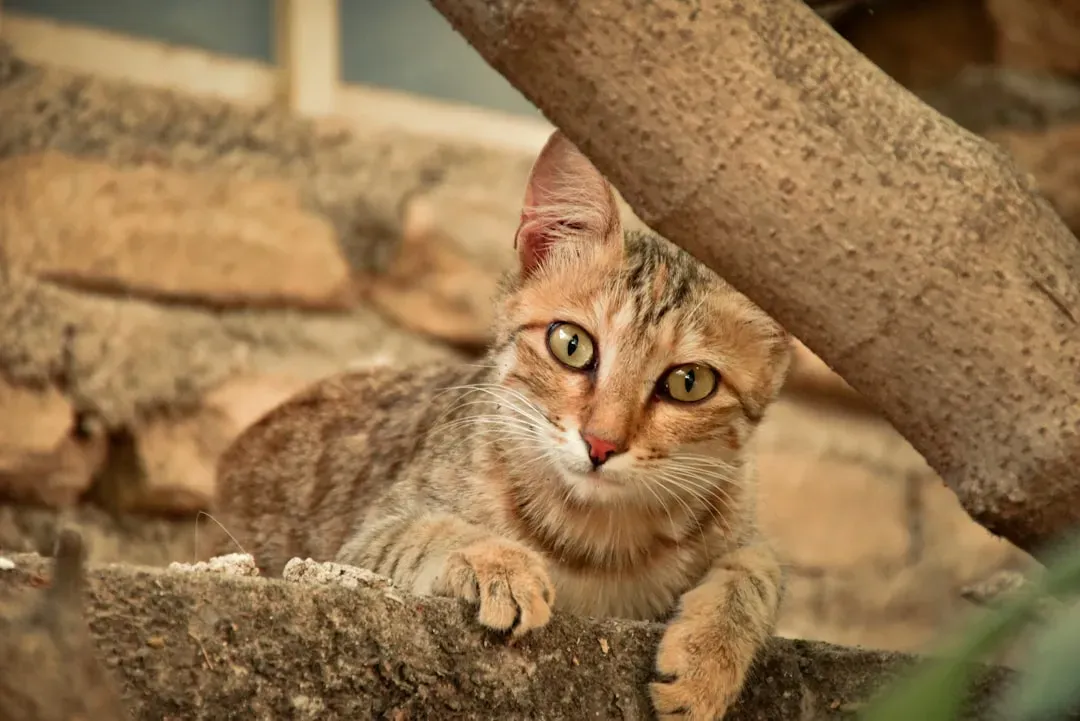
You look over and your cat is completely fixated on a blank section of wall. No bug. No shadow. Nothing you can see. It can feel genuinely unsettling. It’s a bit creepy when your cat stares at the wall, seemingly fixated on something you can’t see. According to a study from City University London in England, cats may be able to see in ultraviolet light, which means they can detect subtle motion and spectrums of light that we can’t see.
Cats tune in to their environment and hear and see things people can’t, like that dust bunny floating through the air 30 feet away. They may also be picking up sounds inside walls, like pipes or small animals, that are completely beyond your hearing range. Cats often have sudden bursts of energy and quirky habits including staring at empty spaces, and these behaviors usually reflect their natural instincts and playful nature. What looks like a staring contest with nothing is actually your cat doing what they do best: paying close attention to their world.
Understanding Your Cat Changes Everything
Living with a cat means accepting that their logic and yours will not always overlap. The behaviors that look strangest to you, the wall-staring, the midnight sprints, the deliberate object-pushing, almost always trace back to instincts shaped over thousands of years. Each cat has their own personality and preferences, and many behaviors that cats exhibit can be chalked up as instinct.
Look for changes in appetite, litter box use, or increased hiding alongside odd behaviors, as these can signal stress or illness. If your cat’s actions are consistent, playful, and don’t affect their daily routine, they’re likely just quirky habits. Most of the time, the behavior that puzzles you most is simply your cat being authentically, unapologetically themselves.
Once you start seeing your cat’s behavior through the lens of instinct rather than eccentricity, the relationship shifts. The headbutt becomes a declaration. The midnight sprint becomes a hunt. The slow blink becomes a conversation. Cats have always been communicating. It just takes a little translation to hear it.
Kristina is a young writer from India. An arts graduate and an avid content creator, Kristina is passionate about animals and wildlife. She enjoys exploring topics related to pet care, animal behavior, conservation, and nature, combining thorough research with engaging storytelling.