Your cat is not just a furry companion lounging on the sofa. It is a finely calibrated sensory machine shaped by millions of years of evolution, operating on frequencies, signals, and wavelengths that your own biology simply cannot access. What looks like a random stare at an empty corner or a sudden bolt from a calm room may actually be your cat responding to stimuli that are entirely real, just entirely invisible to you.
The gap between human perception and feline perception is wider than most people realize. From the way your cat hears the world to the way it interprets the air around it, these twelve abilities reveal something genuinely extraordinary about the animal living in your home.
1. Ultrasonic Frequencies Beyond Human Hearing
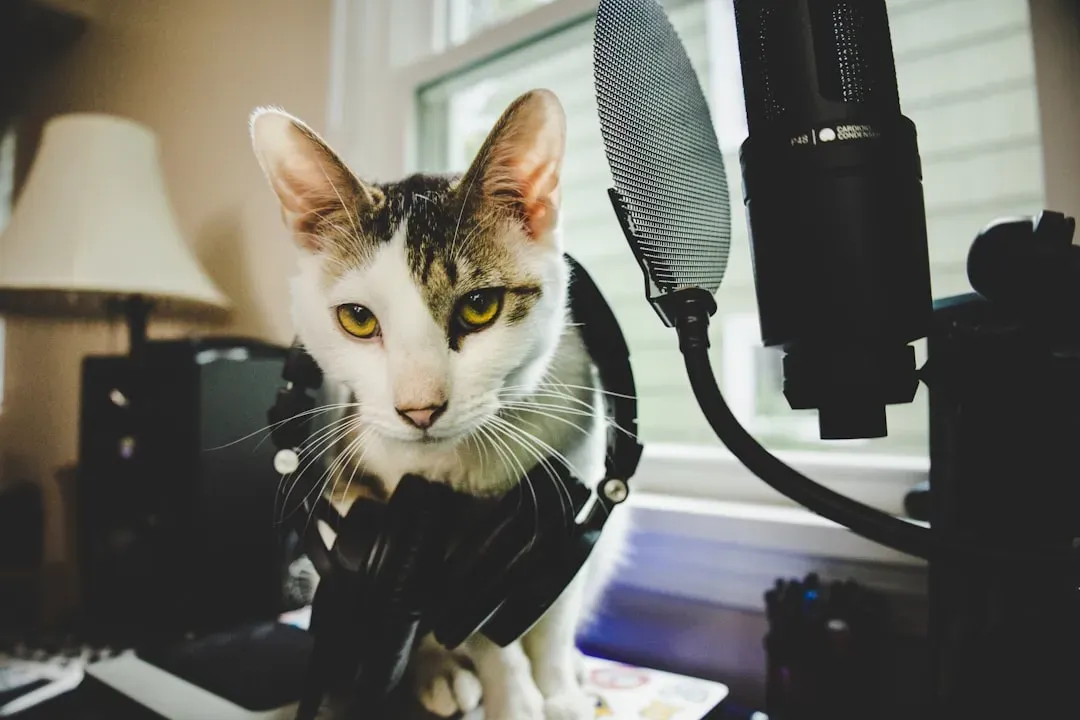
Humans and cats have a similar range of hearing on the low end of the scale, but cats can hear much higher-pitched sounds, up to 64 kHz, which is 1.6 octaves above the range of a human, and 1 octave above the range of a dog. This is not a minor upgrade. It places your cat in an entirely different acoustic world, one filled with sounds you will never hear.
Cats hear at higher frequencies than humans, and at this range, they can detect the ultrasonic squeaks of small rodents. Cats’ sensitive hearing means they experience our modern world in ways we might never imagine. Common household items, like LCD computer screens or electronic devices, can emit high-pitched frequencies that may prove stressful to our feline companions. What humans perceive as mere background noise might actually register as significant sound to a cat’s sensitive ears.
2. Ultraviolet Light Invisible to the Human Eye
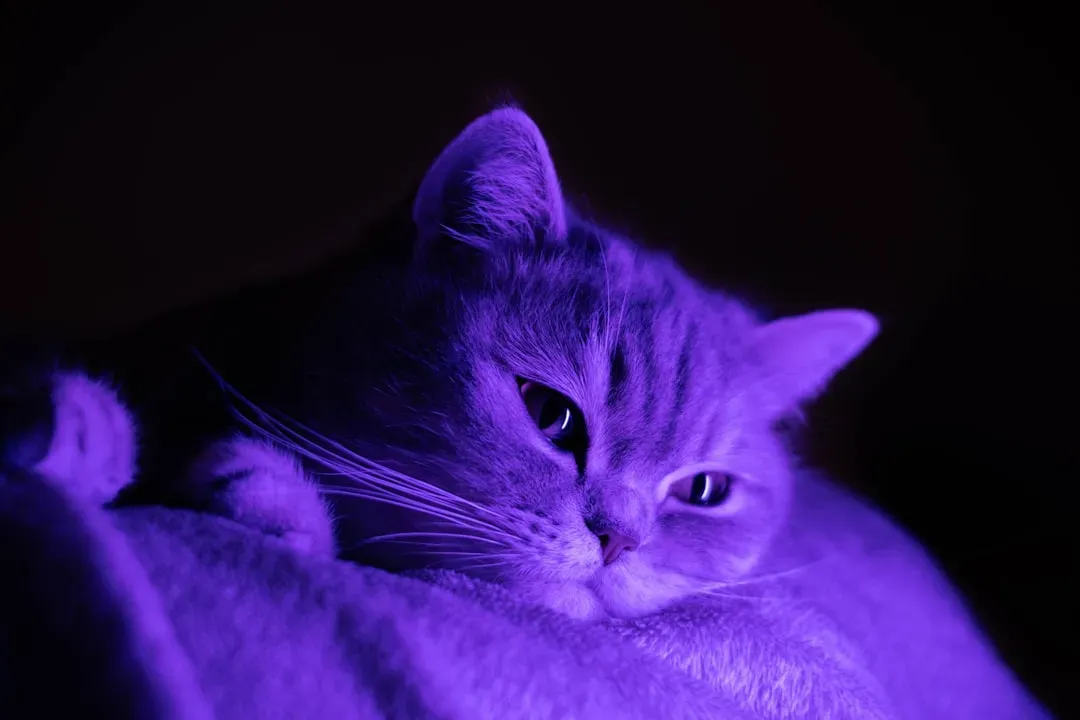
According to research cited by Live Science, cats and other sensitive animals, like dogs or deer, can see certain kinds of light, such as ultraviolet (UV) light that we humans simply cannot see. This fundamentally changes the visual landscape your cat inhabits. Patterns, markings, and surfaces that appear plain to you may glow or contrast sharply in your cat’s visual field.
More sensitive animals are seeing a lot of things in the world that humans aren’t, like patterns on flowers and in the fur of other animals. These patterns, visible through UV light, are completely invisible to the human eye, which does not see ultraviolet rays. Urine trails and scent markings invisible to us may shine in UV light, making them visible to cats. These hidden signals are like glowing roadmaps to feline eyes, revealing territorial boundaries, other animals’ paths, and information that humans cannot even begin to perceive.
3. Subtle Ground Vibrations Through Their Paw Pads
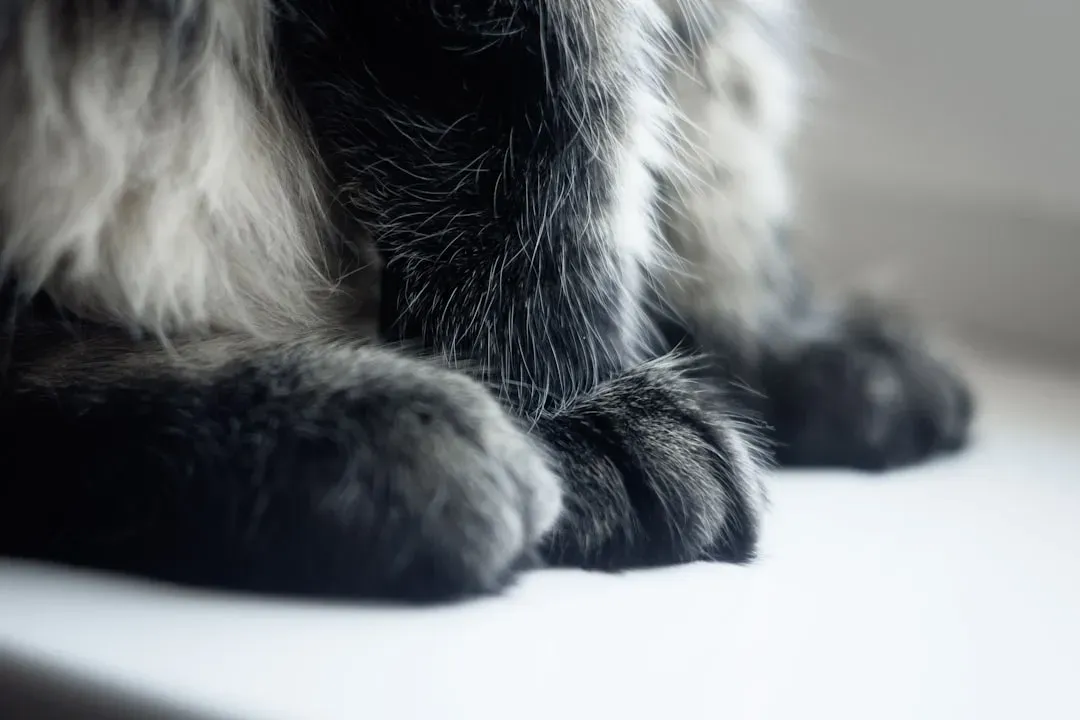
While cats feel with their paws and body just like humans do, the most remarkable thing about a cat’s sense is its paw pads. A cat’s paw pads pick up on the slightest ground vibrations thanks to Pacinian corpuscles, the paw pad’s nerve endings. These nerve endings provide them with detailed sensory information about sounds that can be difficult to locate otherwise.
Cats and dogs have specialized receptors on their paws that can detect tiny vibrations and pressure changes. This can also allow them to detect foreshocks, which are small earthquakes before a large quake that may be too minor for humans to notice. The ground beneath your feet is, to your cat, a constant stream of information that you are simply not equipped to read.
4. Seismic Activity Before You Feel a Thing

Scientists don’t agree on whether cats can predict earthquakes well in advance, but research suggests they can sense them up to 15 seconds before they occur. Cats have sharper senses than humans and can detect tiny vibrations we can’t feel or hear. Earthquakes start with fast, subtle P-waves, which we don’t notice, followed by stronger shaking S-waves. Unlike us, cats can likely sense the initial P-waves, which is why they often act anxious before an earthquake hits, or at least before we notice it’s there.
Results from a Japanese study showed that unexpected behaviors were reported by roughly 16 percent of cat owners before a major earthquake. Of those who reported unusual behaviors, they were most commonly observed immediately prior to the earthquake. In cats with unusual behavior, nearly half showed it immediately prior and roughly a third in the few hours before the earthquake. The pattern is intriguing, even if the science is still catching up.
5. Shifting Barometric Pressure Before Storms Arrive
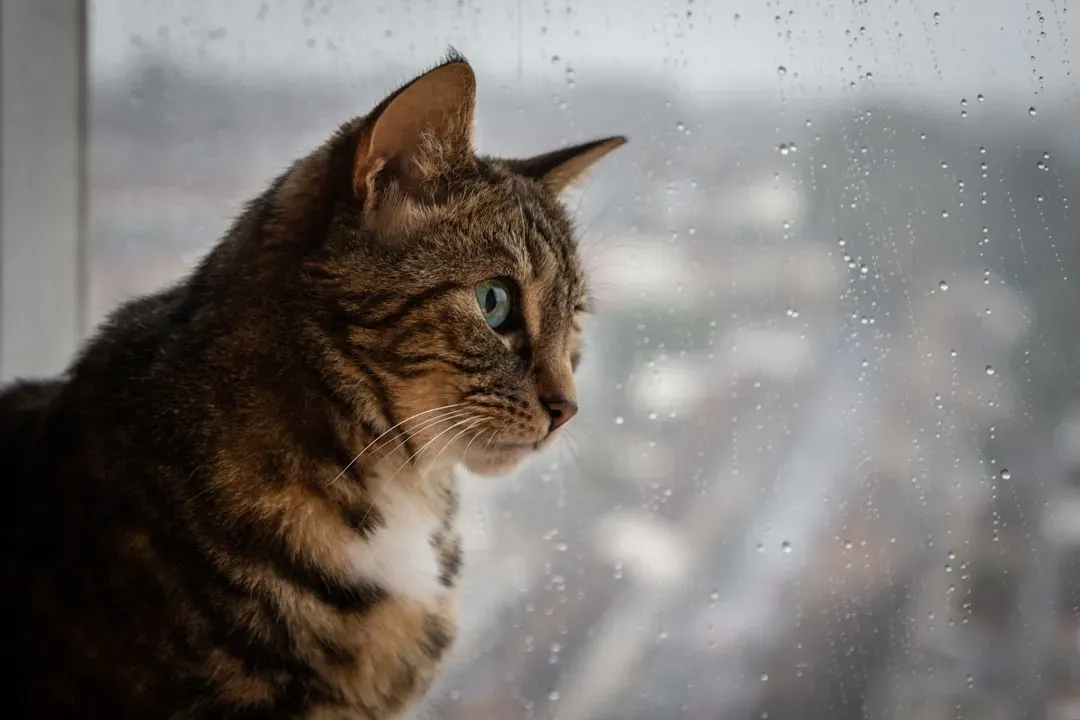
Cats can sense weather changes, and they do it through biological mechanisms that are sharper than anything humans possess. Their inner ears detect shifts in barometric pressure, their whiskers pick up changes in air currents, and their acute hearing can register distant thunder long before it reaches you. Many cat owners report their pets acting strangely minutes before a storm arrives, and science is starting to explain why.
Cats can often sense approaching thunderstorms due to their sensitivity to changes in atmospheric pressure. As a storm is brewing, the drop in pressure, along with changes in humidity and a buildup of static electricity, can make them feel uneasy or anxious. They can also hear the distant rumble of thunder long before we do and may even sense static in the air. When your cat suddenly retreats to a quiet corner on an otherwise calm afternoon, the weather app on your phone may be the last to know.
6. Air Currents and Spatial Changes Through Their Whiskers
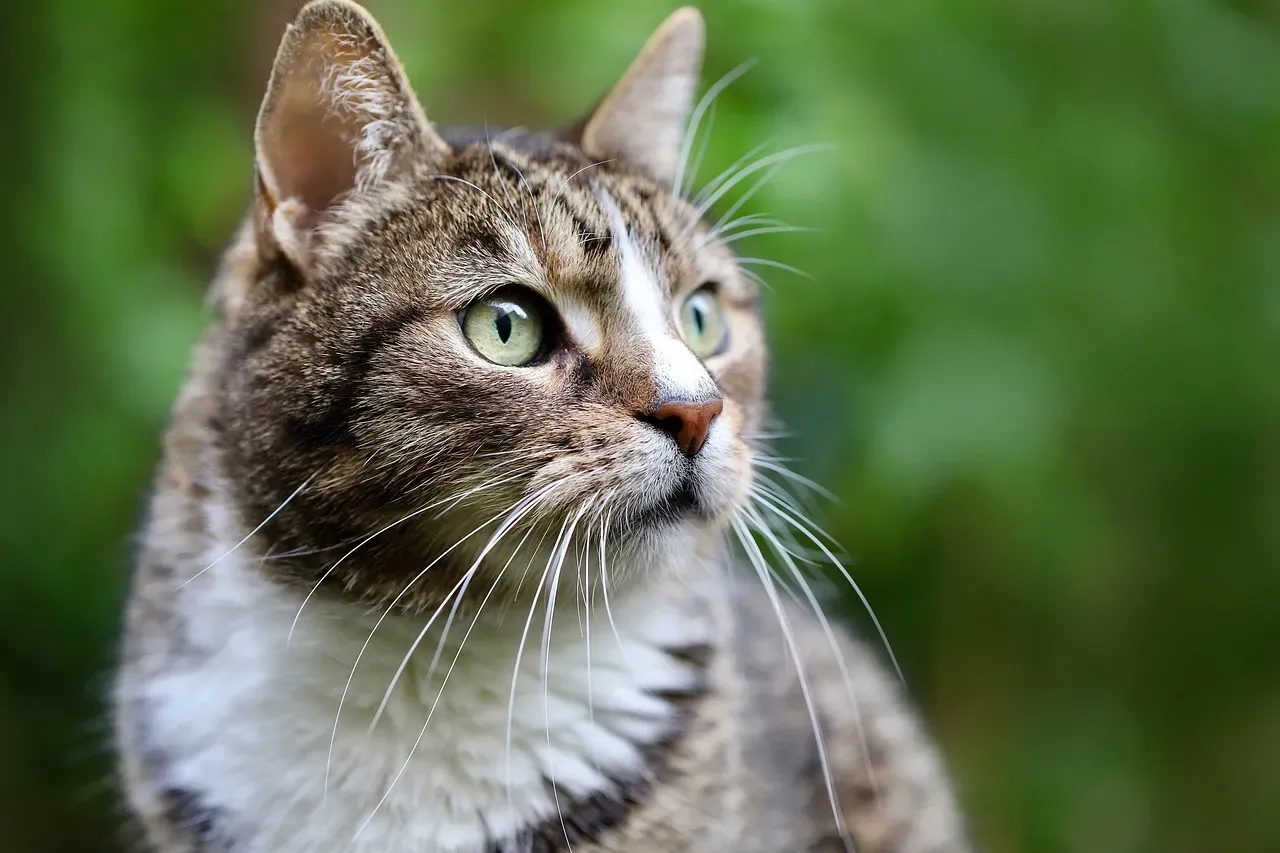
Whiskers are extensions of the cat’s skin and are designed to detect even the smallest changes in the environment, including air currents, air pressure, temperature, and wind direction. They are embedded three times as deep as fur and translate the slightest contact to sensory cells at their roots. They help cats navigate at night by acting like radar.
Whiskers are so sensitive they can actually register micro-changes in air current and air density. That means even in the absence of light and sound, a cat can sense when someone or something is moving, and can navigate a room they’ve never been in before. You navigate a dark room by reaching for a light switch. Your cat navigates it through a live, constantly updating map written in air.
7. Pheromones Through the Jacobson’s Organ
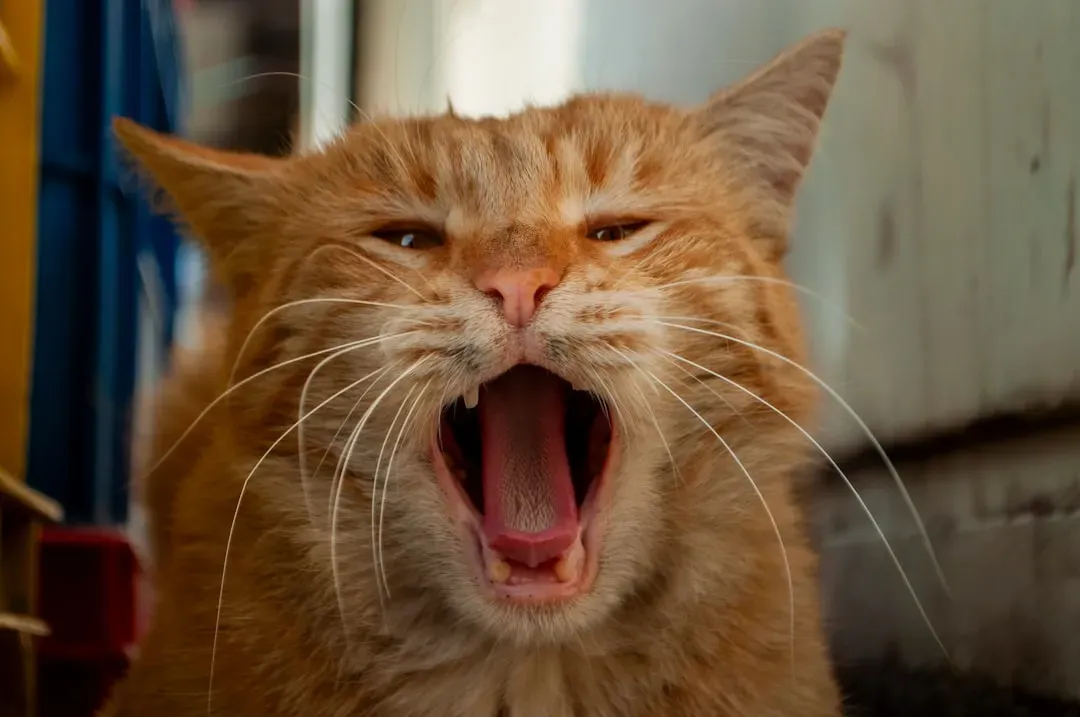
Cats also have a scent organ in the roof of their mouths called the vomeronasal, or Jacobson’s, organ. When a cat wrinkles its muzzle, lowers its chin, and lets its tongue hang a bit, it is opening the passage to the vomeronasal. This is called gaping. It is equivalent to the Flehmen response in other animals, such as dogs, horses, and big cats.
Cats also have a well-developed vomeronasal organ, which is between their nose and mouth, with the openings just behind their upper front teeth. This organ is used to sense pheromones in a method described as a combination of smelling and tasting. This dual-channel scent system gives cats access to chemical communication that is completely beyond human perception, essentially a private language written in molecules.
8. An Extraordinarily Detailed Olfactory World
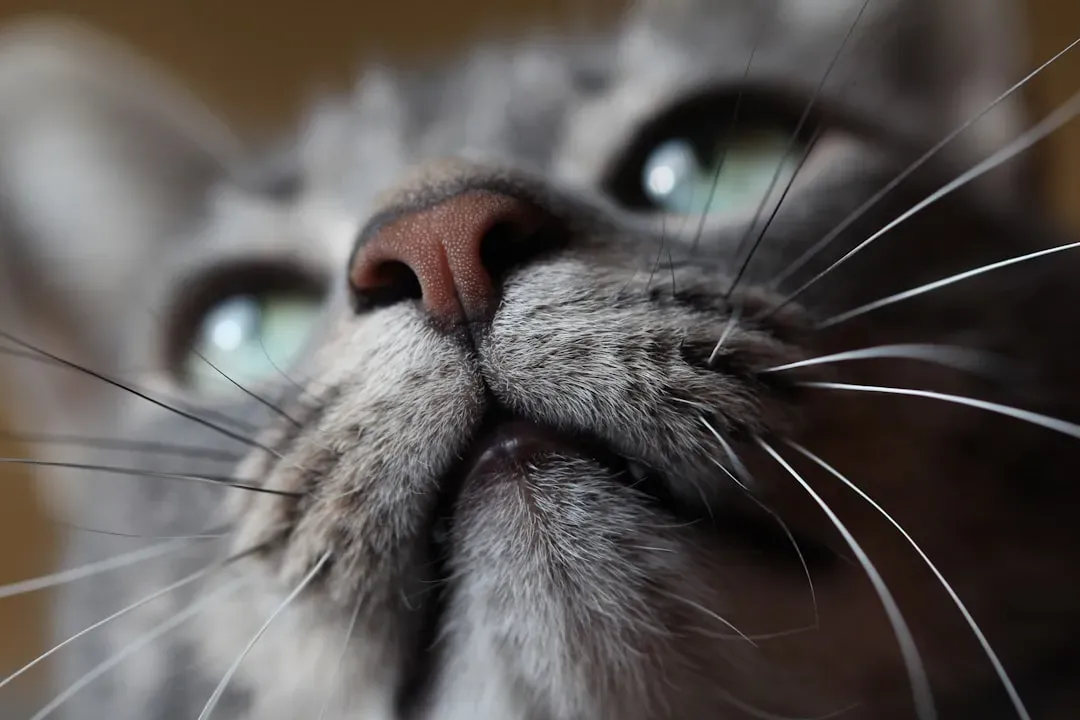
A domestic cat’s sense of smell is somewhere between nine and sixteen times as strong as a human’s. Cats have a larger olfactory epithelium than humans, meaning that cats have a more acute sense of smell. In fact, cats have an estimated 45 to 200 million odor-sensitive cells in their noses, whereas humans only have 10 million odor-sensitive cells.
A cat is believed to have around 200 million scent receptors in their nose. These millions of receptors act as an indicator that helps sense the world around them, such as food, friends, prey, and even navigating their way around the neighborhood. While cats have far fewer scent receptors than dogs, recent research has shown that cats may be better at discerning between different smells. Quality, in other words, can matter as much as quantity.
9. Your Emotional State Before You Show It
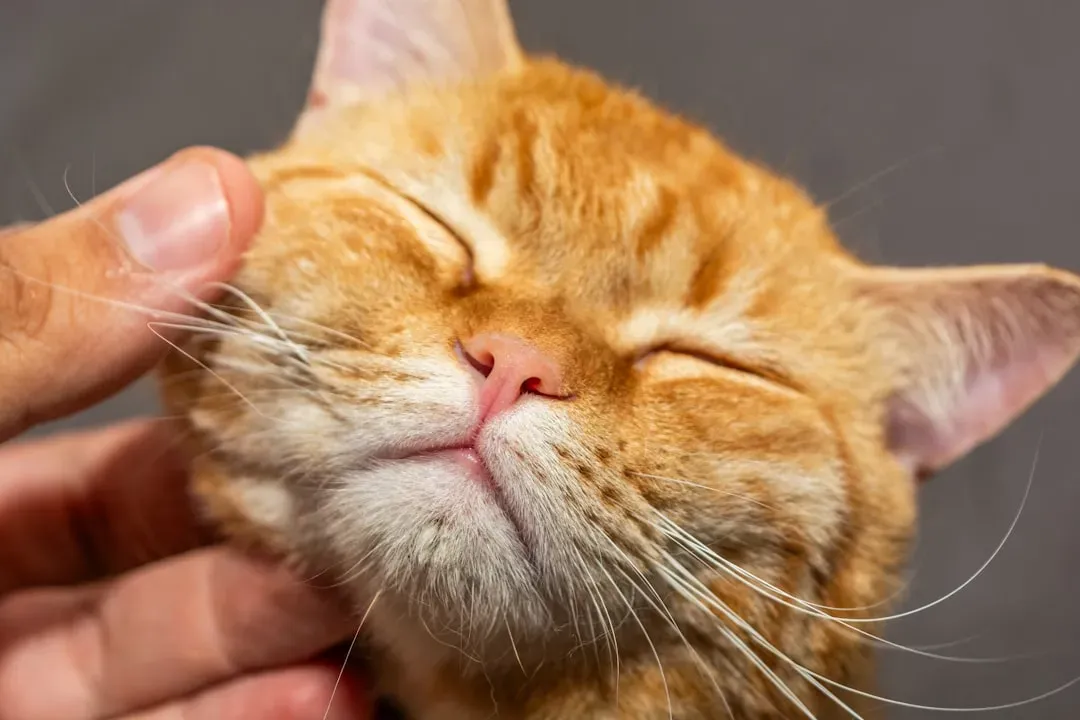
Cats are known for forming deep emotional bonds with their owners. They can often sense their owners’ emotions and respond with comfort and affection. Research suggests that cats can distinguish between their owners’ emotional states, reacting to stress, sadness, or happiness. This is believed to be a form of empathy, showing that cats have a unique ability to connect with their human counterparts.
Whether cats are aware of the supernatural or not, cats are highly in tune. Cats tend to be attentive to your emotions because they are aware of them before you even walk in the door. Cats don’t tend to communicate verbally with each other; they rely more on emotion and body language. Your cat may read your mood from the rhythm of your footsteps, the scent of your stress hormones, or the subtle shift in your posture long before a single word is spoken.
10. Signs of Illness in the Human Body
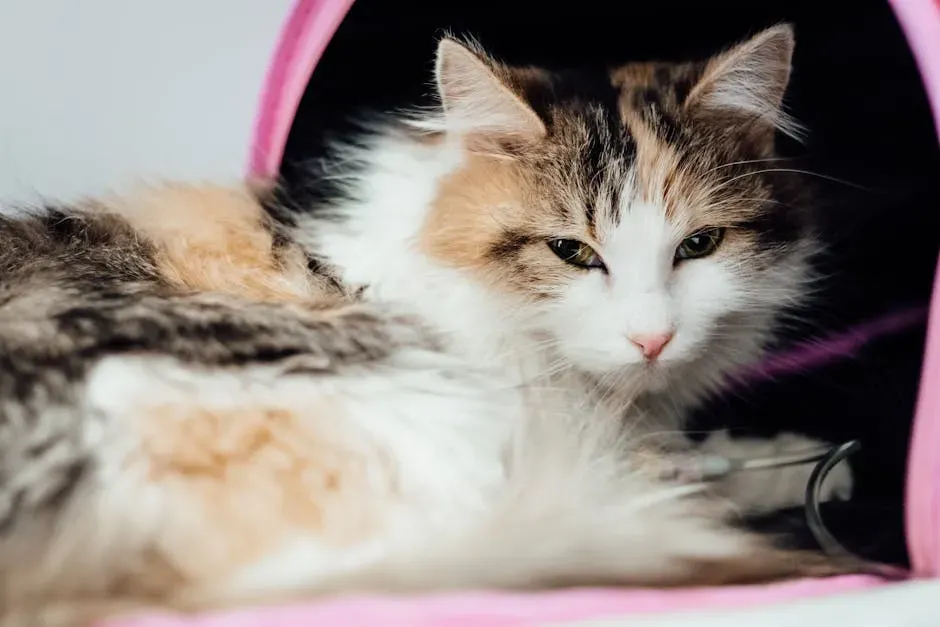
There are numerous anecdotes of cats displaying intuitive behavior when their owners are unwell. Some cats seem to have an uncanny ability to detect illnesses or physical discomfort in their owners. While this phenomenon remains largely anecdotal, it suggests that cats might pick up on subtle changes in body odor or behavior that signal a health issue.
Some cats can even smell imbalances in a human’s body, alerting them to impending seizures, low blood sugar, and more health issues. Oscar the therapy cat, for example, was known for accurately predicting when patients were about to pass away. Living at a nursing home in Rhode Island, he would curl up next to patients who often passed within hours. His behavior became so trusted that staff would call families to say their goodbyes when Oscar appeared in a room. How exactly Oscar was able to pull this off is still a mystery. Some think he could pick up on a scent people may give off before dying, while others suspect he may have noticed changes in breathing or movement of the patient.
11. Superior Low-Light Vision at the Edge of Darkness
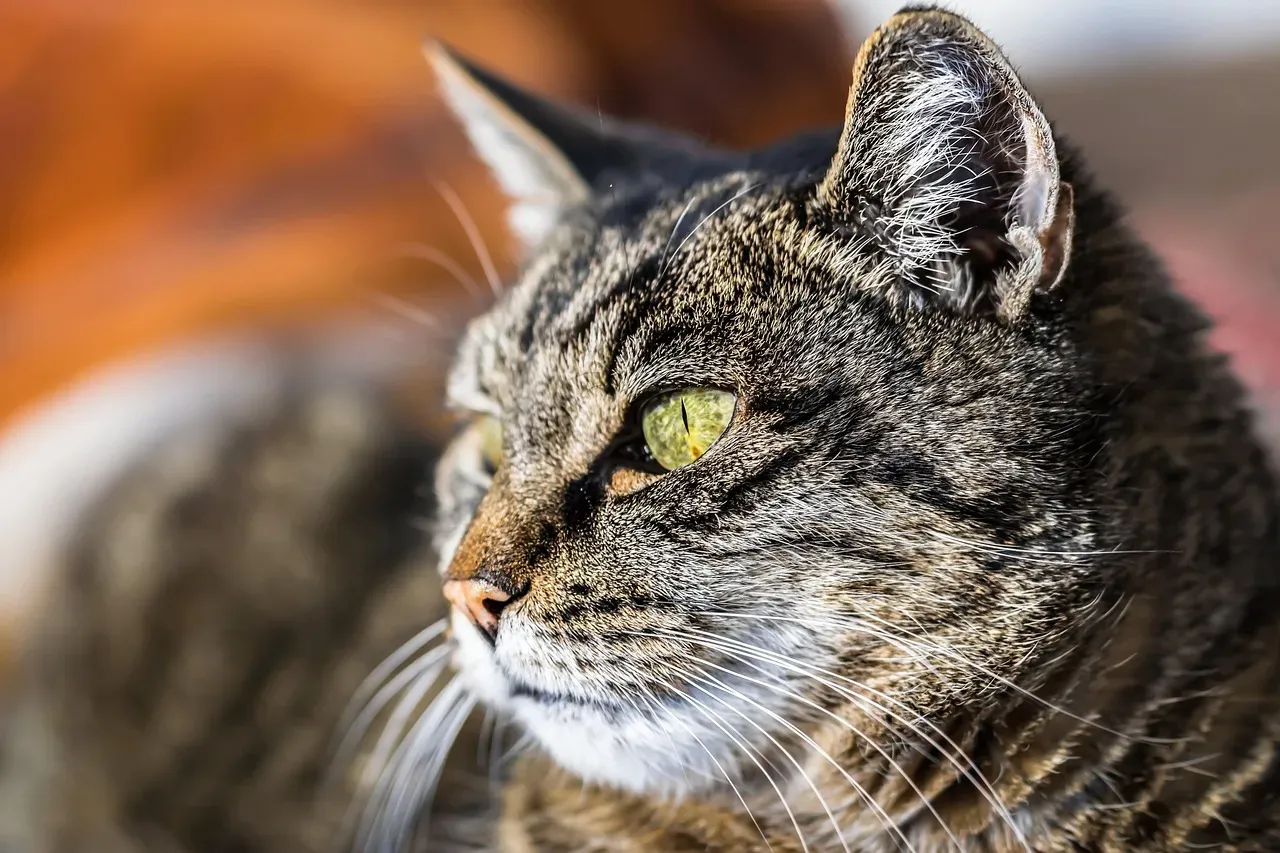
Cats have a tapetum lucidum, which is a reflective layer behind the retina that sends light that passes through the retina back into the eye. They also have a high number of rods in their retina that are sensitive to dim light. While these improve the ability to see in darkness and enable cats to see using roughly one-sixth the amount of light that humans need, they appear to reduce net visual acuity in bright conditions.
Thanks to more rod cells in their eyes, they navigate dark spaces with ease. What appears pitch black to us is a dimly lit world to a cat, rich in visible detail and movement. Cats also have a visual field of view of 200 degrees compared with 180 degrees in humans, giving them a wider peripheral awareness that gives them a genuine edge in dim, unpredictable environments.
12. High-Frequency Flicker in Screens and Artificial Light
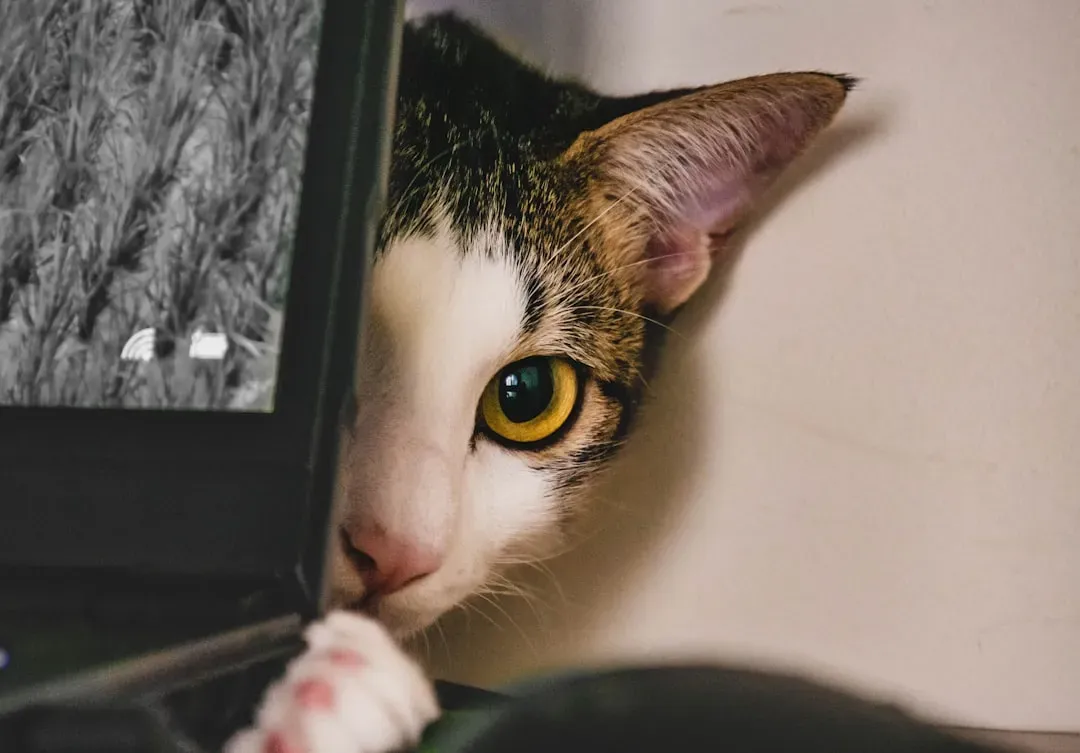
What looks like a smooth video to us may appear as a series of flickering images to cats. Their eyes can detect higher refresh rates, making TV screens and monitors more dynamic or even annoying to watch. This may explain their fascination, or disinterest, with our screens.
Cats’ sensitive sensory systems mean they experience our modern world in ways we might never imagine. Common household items, like LCD computer screens or electronic devices, can emit high-pitched frequencies and visual signals that may prove stressful to our feline companions. That odd moment when your cat stares blankly at a switched-off television or twitches at a buzzing light bulb is not random. It is your cat registering something genuinely there, something you cannot detect at all.
Conclusion
Living with a cat means sharing your home with a creature that perceives an entirely different version of reality. The ultrasonic hum of your devices, the microscopic tremble before a distant storm, the invisible chemical signatures drifting off your skin – your cat processes all of it constantly, in the background, without effort.
Understanding these abilities does not require a belief in anything mystical. Behind these amazing skills are the finely-tuned cat senses, honed over thousands of years of being on the prowl. Every quirk of behavior that puzzles you has roots in biology that is genuinely remarkable.
The next time your cat reacts to something you cannot see, hear, or feel, consider that you might simply be the one missing out. The world your cat inhabits is richer, louder, and more layered than the one you experience. That alone deserves a little quiet respect.
Kristina is a young writer from India. An arts graduate and an avid content creator, Kristina is passionate about animals and wildlife. She enjoys exploring topics related to pet care, animal behavior, conservation, and nature, combining thorough research with engaging storytelling.