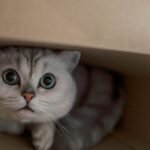
Most cat owners know the feeling: you drop a pan in the kitchen, and within seconds your cat has vanished. No warning, no goodbye. Just a blur of fur and the distant thud of something diving under the bed. It seems dramatic, but there’s real biology behind it.
One of the most important reasons cats react so strongly to sounds is their remarkable hearing ability. Cats can hear frequencies ranging from about 48 Hz up to 64 to 85 kHz, far beyond the upper range of human hearing. This means many high-pitched or electronic sounds are louder, sharper, and more intense for cats than for people. Understanding which sounds are most likely to trigger your cat, and what you can actually do about it, can make a noticeable difference in how calm and settled your home feels for them.
1. The Vacuum Cleaner
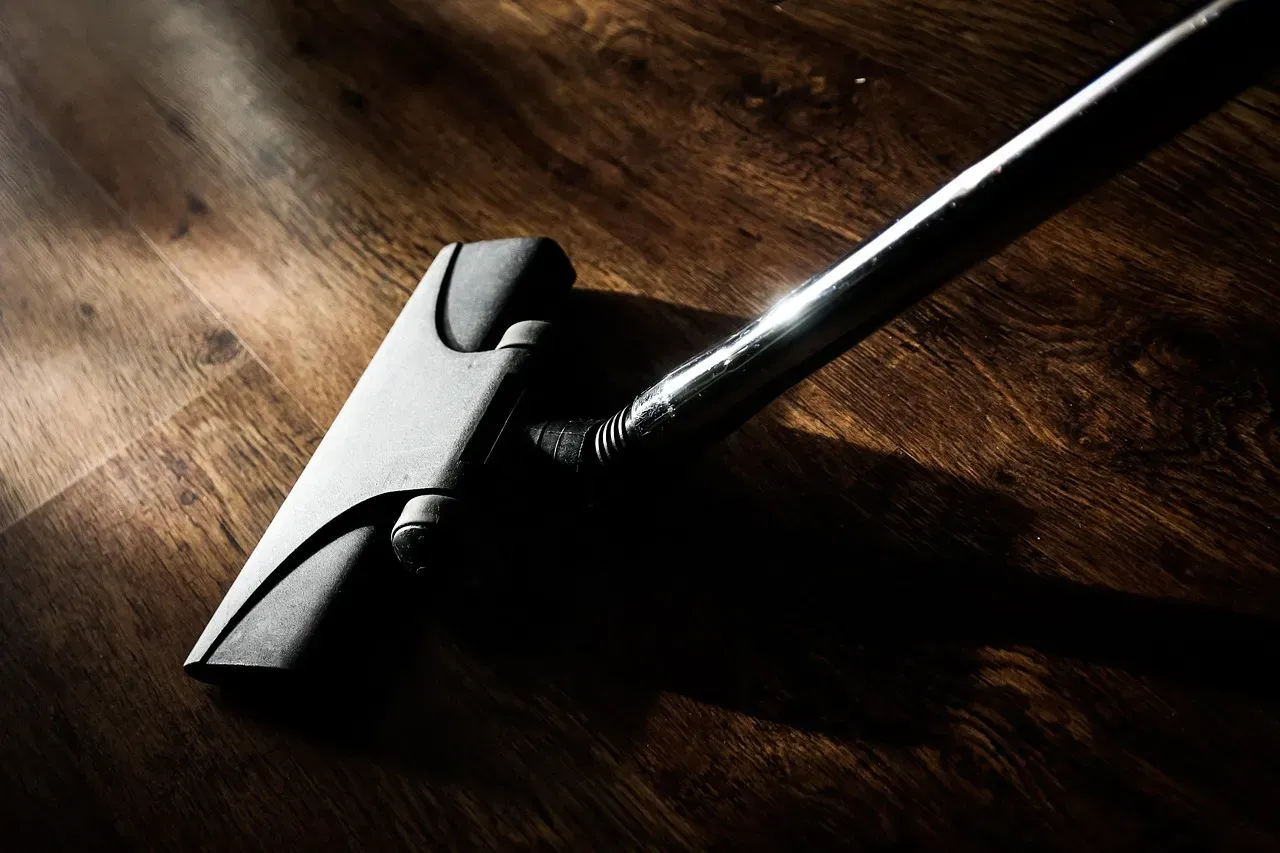
The noise of a vacuum cleaner is notoriously distressing for many cats. Its loud and sudden roar mimics the sound of a predator, triggering a cat’s fight-or-flight response. Many cats dash away and hide when the vacuum is turned on, perceiving it as a threat. It’s one of those sounds that combines volume, unpredictability, and movement all at once.
To help your cat stay calm, try introducing the vacuum cleaner while it’s off, allowing them to sniff and explore it. Gradually increase exposure with the vacuum on a lower setting, rewarding them with treats for calm behavior. You can also take your cat to a safe room before you begin vacuuming, and pinning a blanket over the door can help further muffle the noise.
2. Dropped Kitchen Items
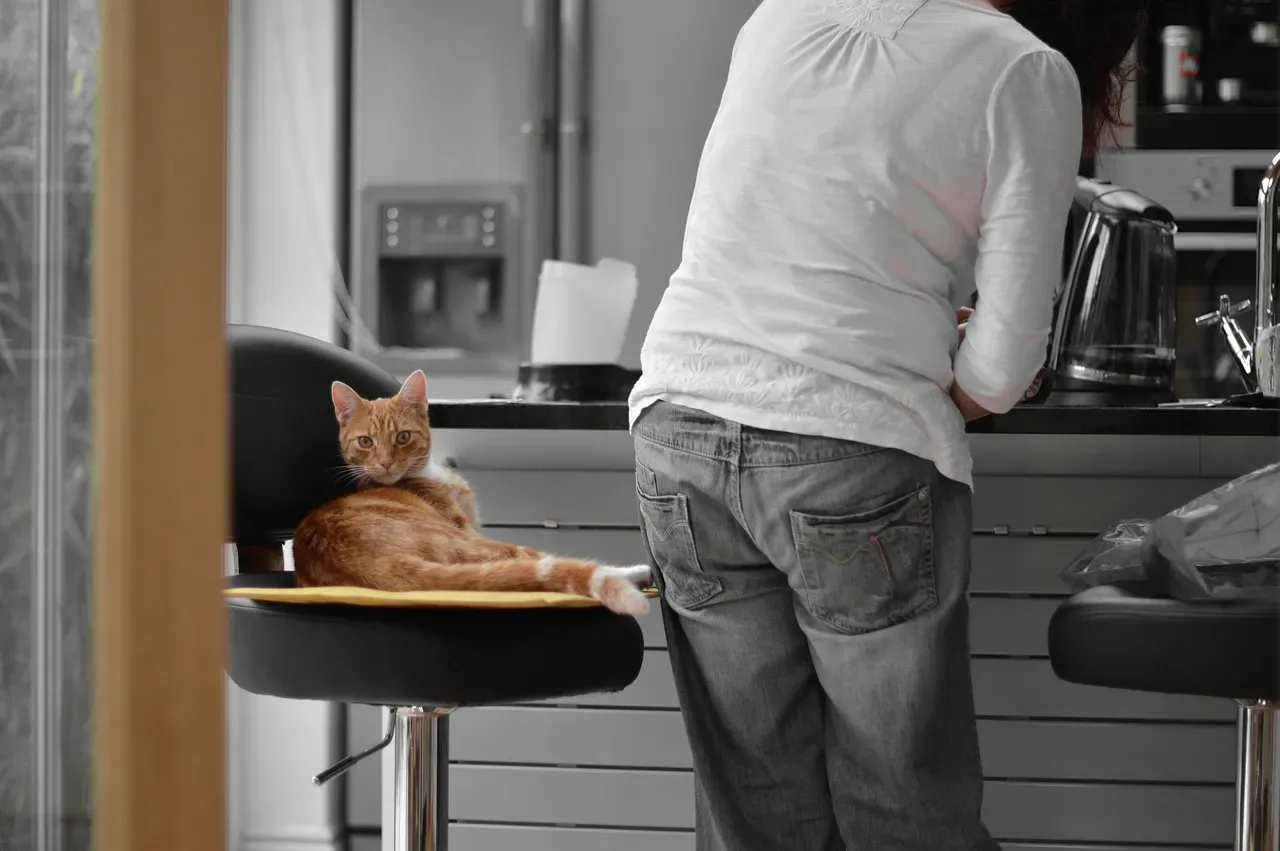
Dropping a pan, slamming a door, clapping, or sneezing loudly all trigger an instant startle reflex because cats are wired to interpret sudden sounds as potential threats. In the kitchen especially, these accidents happen without warning, which is precisely what makes them so unsettling.
Unexpected sounds such as a vacuum starting, an object dropping, or a door slamming can provoke a startle response. These noises don’t need to be loud; the lack of predictability alone can be enough to cause distress. If you notice your cat freezing or bolting after a kitchen clatter, give them space to decompress rather than rushing to reassure them.
3. Phone Ringtones and Notification Sounds
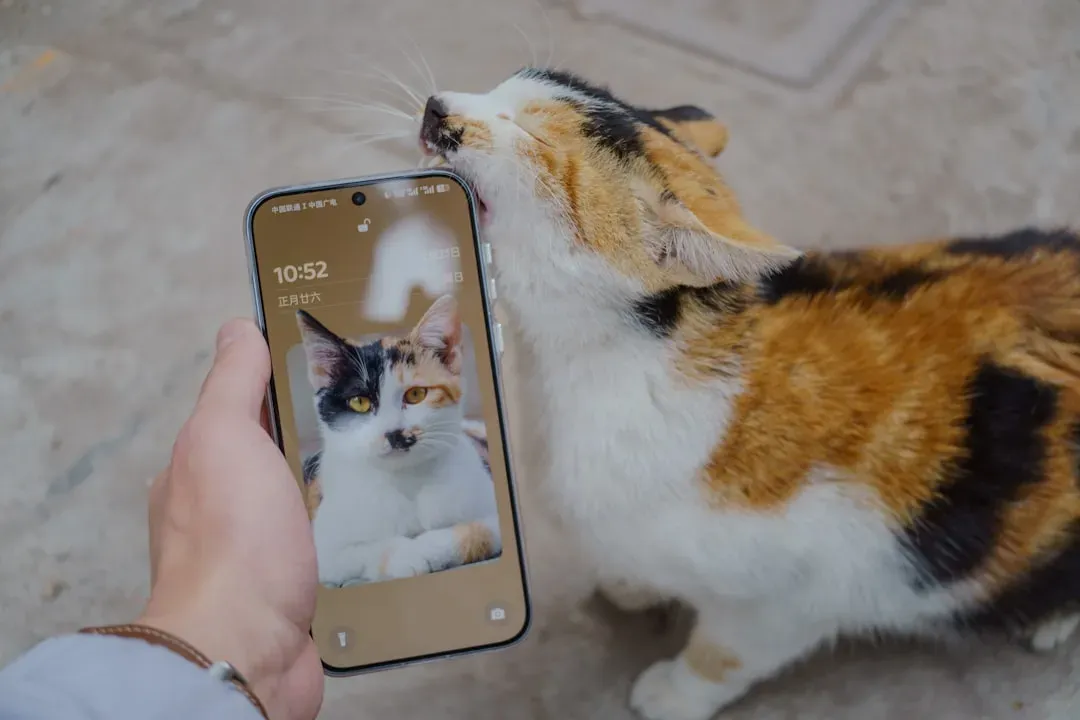
The sudden, unexpected nature of ringtones, especially those with high frequencies or unusual patterns, can startle cats out of peaceful sleep or trigger anxiety. Modern smartphones produce sounds in ranges perfectly calibrated to grab attention, including your cat’s. What feels like a mild ping to you can read as a sharp alarm to a feline nervous system.
Modern notification sounds are specifically engineered to cut through background noise, a feature that makes them particularly jarring to your cat’s delicate auditory system. Many cats develop a startle response that triggers elevated heart rates and stress hormones. Setting your phone to vibrate-only mode when at home can help, or if you need audible alerts, choose lower-frequency notification sounds that resemble gentle tones rather than sharp pings or beeps.
4. Aerosol Spray Cans

The pressurized hiss of aerosol sprays mimics threatening sounds in nature, specifically the warning hiss of hostile animals. Your cat’s instinctive reaction to this sound taps into deep evolutionary wiring. The unpredictable, high-frequency components of hissing noises can trigger immediate fear responses. Many cats will flatten their ears, dilate their pupils, or flee the room entirely when they hear aerosol products being used.
The hissing sound mimics the sound of a snake, which taps into a primal fear that cats have of snakes. This triggers an immediate defensive response in cats. Where possible, use pump-action alternatives instead of pressurized sprays, or leave the room when using aerosols and let the air settle before inviting your cat back in.
5. The Doorbell
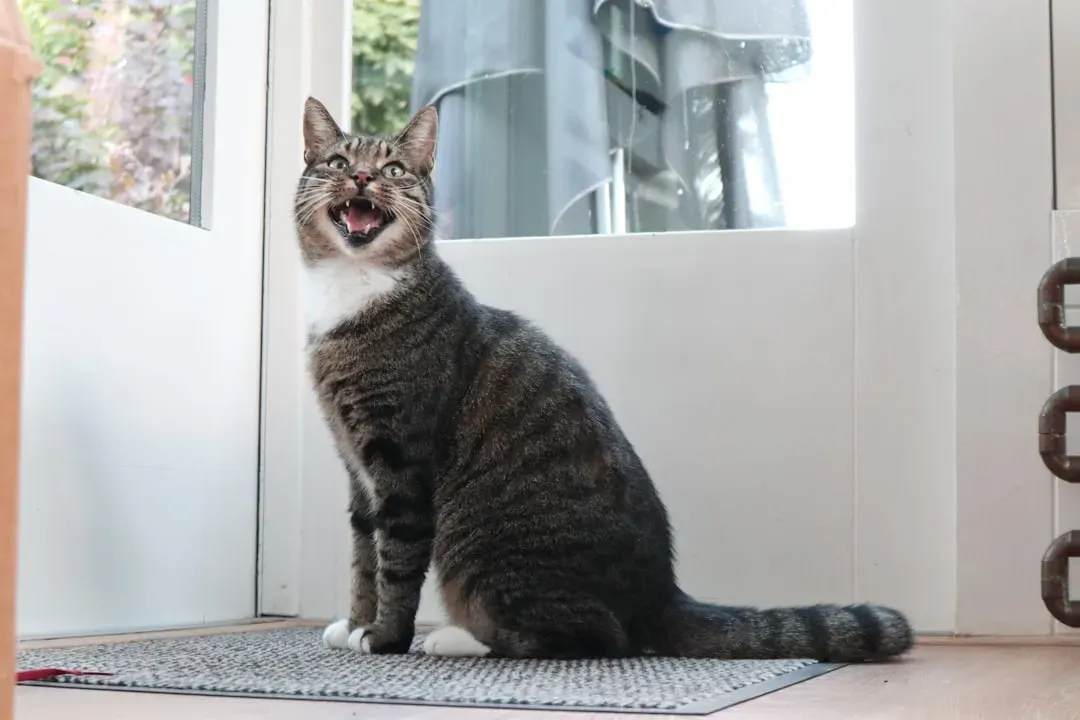
The sudden ringing of a doorbell can jolt your cat into a state of alertness. Cats are naturally curious but also cautious creatures, and unexpected sounds can trigger a startling response. A cat who’s shy around strangers, for example, might become especially anxious when the doorbell rings. The combination of the noise itself and the subsequent arrival of unfamiliar people compounds the stress considerably.
To help your cat stay calm, consider using a softer chime for your doorbell, or introduce a routine where a familiar voice reassures them after the bell rings. If your cat hides when the doorbell rings, provide a safe spot where they can retreat and feel protected. Over time, a consistent routine around visitors can reduce the spike of anxiety that doorbell sounds produce.
6. Loud Music and Heavy Bass
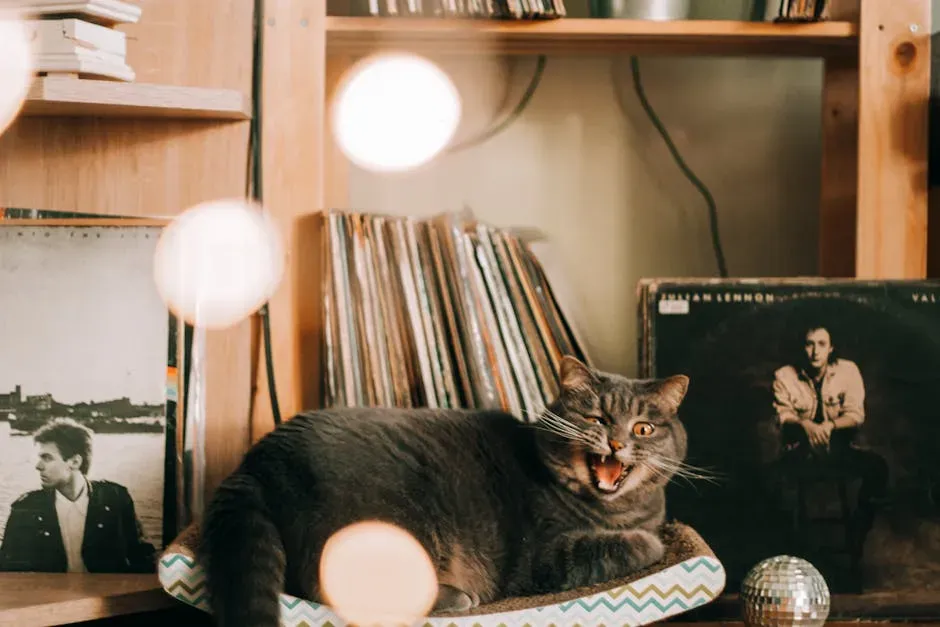
Cats have a much more sensitive sense of hearing than humans, so loud music can be overwhelming. The bass and high notes can be stressful and disorienting. This is especially true when music is played through large speakers or at high volumes in a shared room where your cat has nowhere comfortable to retreat.
If you notice your cat seeming stressed or restless when music is playing, try lowering the volume or switching to softer genres. Create a quiet space away from the noise where your cat can retreat and relax. Three recent studies found that soothing yoga music and classical music reduced cats’ respiratory rates and levels of aggression in stressful situations.
7. The Hair Dryer
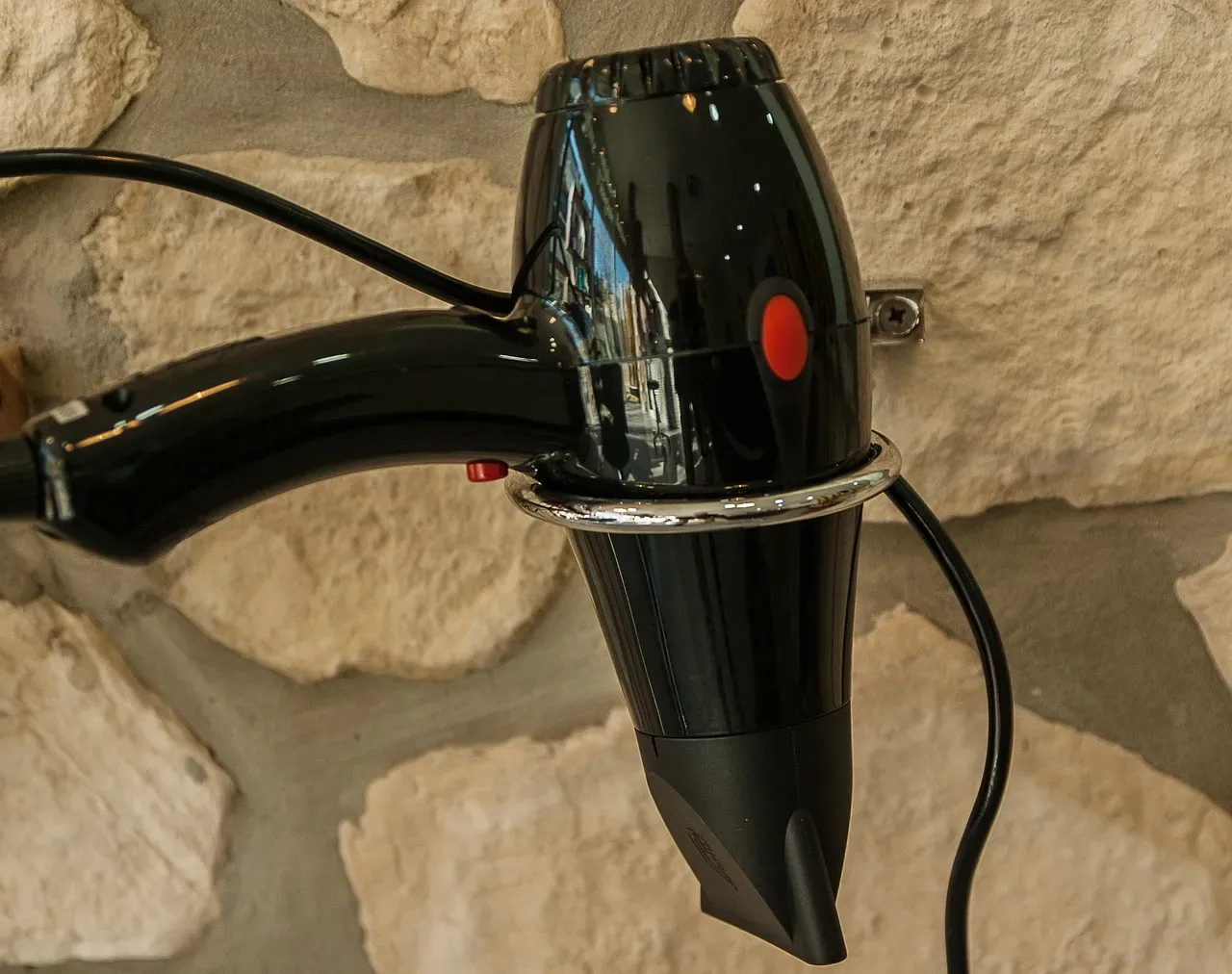
The whirring sound of a hair dryer can be unsettling for cats. Its high-pitched noise and the sudden gust of air add to the discomfort. Some cats may perceive this as an approaching danger, causing them to become anxious or startled. The fact that it’s directed and moving makes it even more alarming from your cat’s perspective.
The best approach is to use the hair dryer in a room your cat doesn’t frequent, or to close the door while drying your hair. A predictable, quiet environment reduces the likelihood that your cat will associate grooming with a threat or a startle. Avoid crowded places and areas exposed to loud noises. If your cat does wander in and seem bothered, turn it off and give them a moment before resuming.
8. Emergency Sirens and Car Alarms
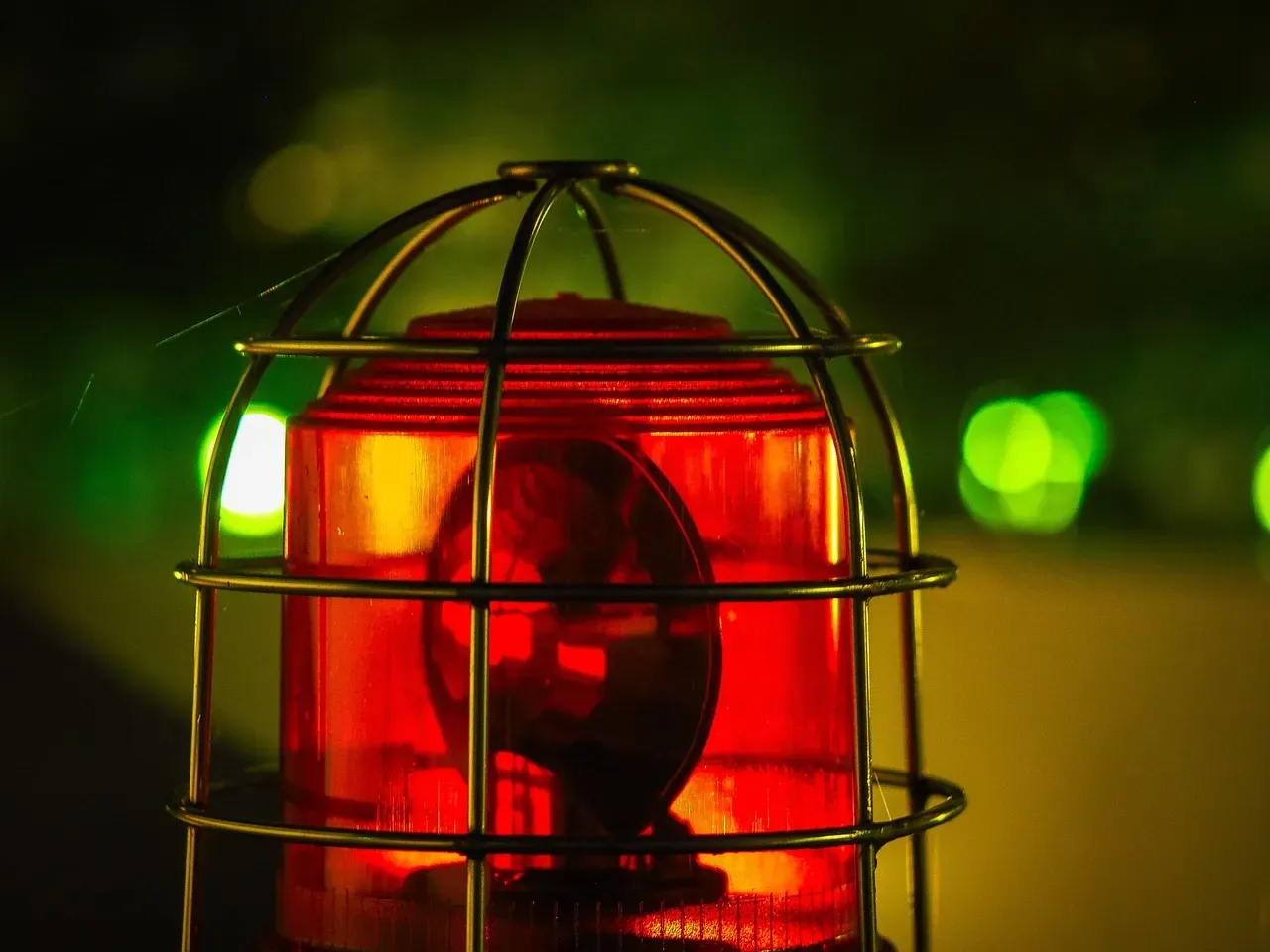
Examples of particularly distressing sounds include sirens, whistles, vacuum cleaners, and high-pitched alarm clocks. Cats can hear higher frequencies than humans, so high-pitched noises that are too loud or sharp can be frightening to them. A passing emergency vehicle outside can send sound waves straight through the walls of your home at levels your cat registers far more acutely than you do.
To minimize anxiety, keep windows shut and curtains drawn to reduce the noise. Providing a comforting environment with familiar scents can help. If sirens frequently disturb your cat, consider using a white noise machine to drown out these noises, creating a calmer atmosphere.
9. Plastic Bags and Aluminum Foil

Foil is a perfect storm for cats. The crinkling produces a burst of high-frequency sound that’s far more vivid through feline ears. The texture is unpredictable underfoot, and the reflective surface looks strange and unfamiliar. Plastic bags carry a similar effect, with that sharp crackling sound landing right in the frequency range where cats are most sensitive.
Some felines develop phobias around plastic bags, hiding whenever they hear that distinctive crinkle. Others might become oddly fascinated, a stress response disguised as curiosity. Storing reusable shopping bags in closed cabinets and unpacking groceries when your cat is in another room can help. Consider switching to cloth or paper bags when possible, which create gentler sounds.
10. The Washing Machine and Dryer
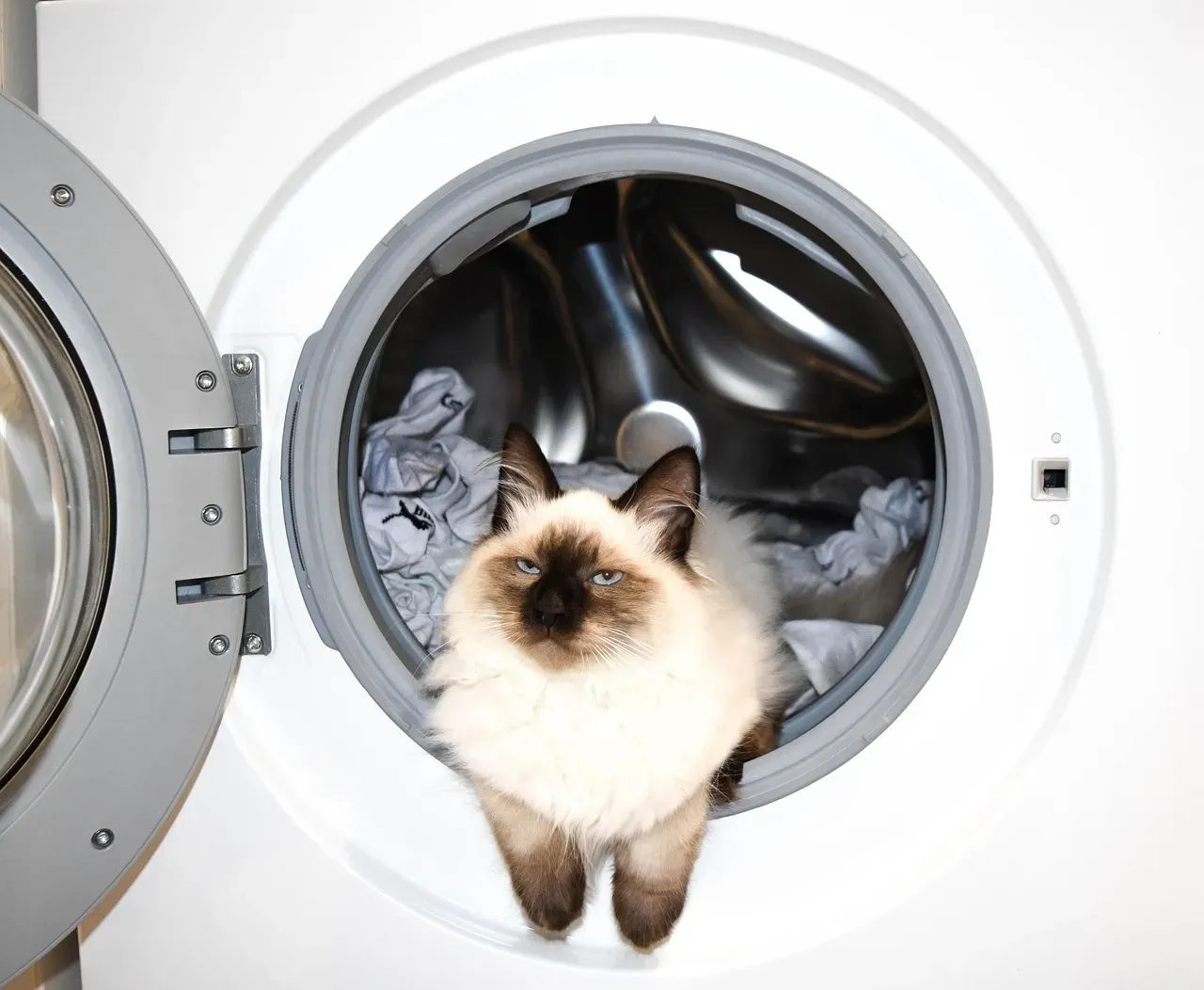
Loud noises from washing machines, doors, or constant foot traffic near your cat’s space can cause your cat to stop using its litter box. The environment is just as important as the cleanliness of the cat litter or the type of litter box you choose. The rhythmic vibrations combined with the mechanical rumble of a spin cycle can be a persistent source of low-level stress for cats who sleep or eat nearby.
If your laundry area is close to where your cat eats, sleeps, or uses their litter box, it’s worth relocating those essentials. According to AAFP and ISFM veterinary guidelines, environmental stressors can exacerbate elimination problems or inappropriate marking. A quiet environment around the litter box is a key factor in preventing these rejection behaviors.
11. Ultrasonic Sounds from Electronics
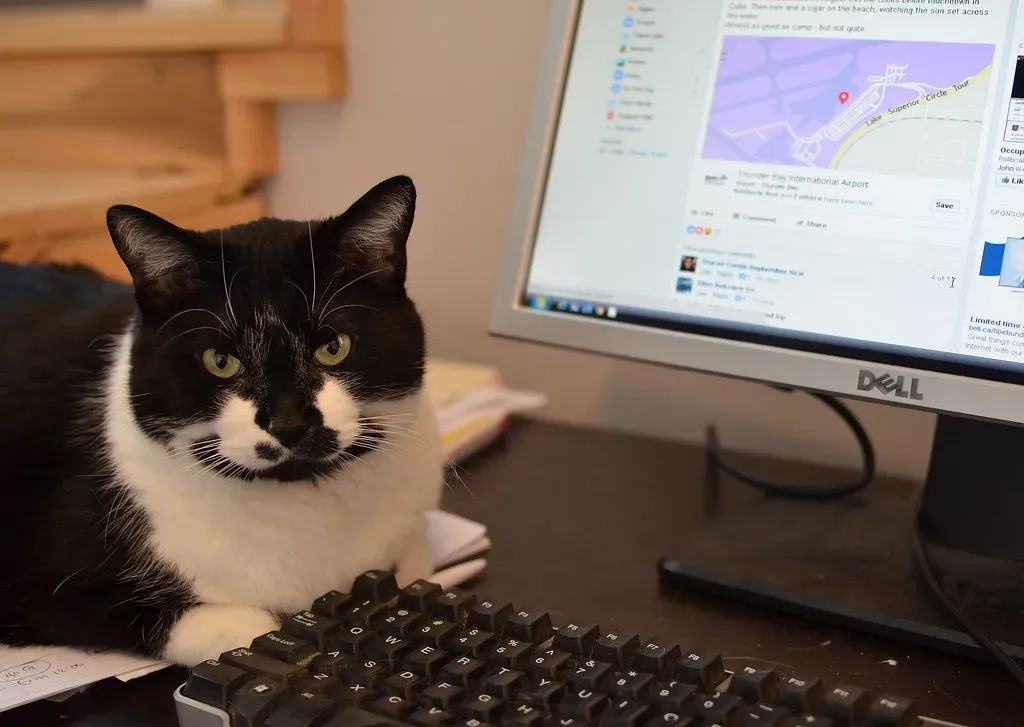
Some household electronics emit ultrasonic tones that humans cannot hear at all. Commercially available ultrasonic cat deterrent devices operate at 21 to 23 kHz, a frequency range above human hearing but squarely within a cat’s most sensitive zone. Your TV, computer monitor, or certain LED dimmers may produce similar high-pitched whines that bother your cat while you hear nothing.
It’s worth checking whether any electronics in your home are emitting high-pitched tones you can’t hear. If your cat consistently avoids a specific room or corner, an ultrasonic emission from a device could be the reason. Scientists say cats can hear ambient sounds like fluorescent light bulbs, video computer monitors, dimmers on light switches, and whistling tea kettles. Replacing older electronics or testing with a pet sound meter app can help you identify invisible culprits.
12. Thunderstorms and Fireworks

Thunderstorms are a common source of loud noises that can scare cats. The combination of thunder, lightning, and heavy rain can create a series of loud, unexpected sounds that can startle cats. The loud, booming noise of thunder can be particularly frightening for cats. Fireworks follow a similar pattern: unpredictable bursts of sound with no clear start or end, which gives cats no way to anticipate when they’re safe.
In the months leading up to known noisy events, you can start playing fireworks or thunder sounds quietly in your home and reward your cat with treats when they’re calm. Gradually increase the volume over time and reward your cat for remaining calm. You can further support your cat by giving them quiet, secure places to hide, keeping them indoors during noisy events, and closing windows and curtains when loud noises are expected.
A Final Thought on Living with a Sound-Sensitive Cat
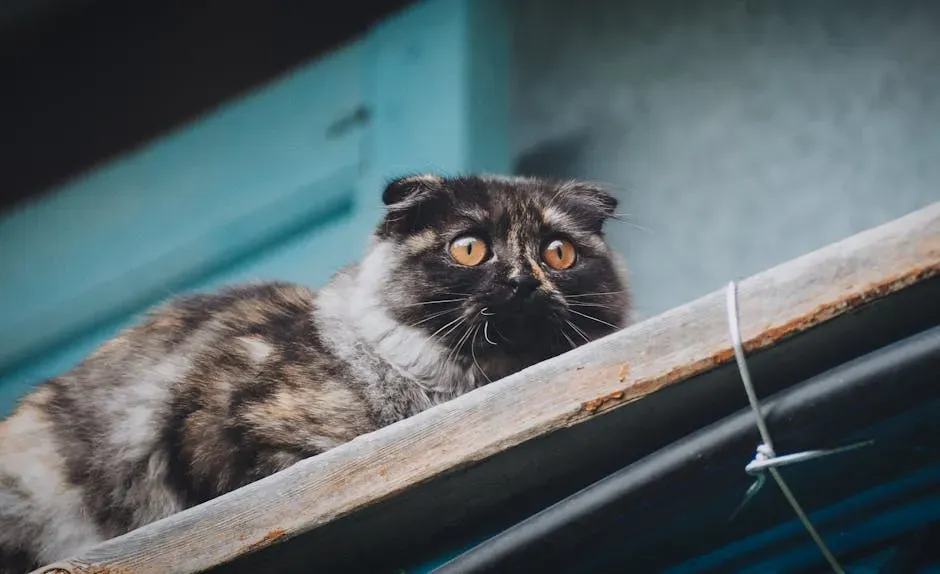
A brief, involuntary defensive response to loud, sudden noises, called the acoustic startle reflex, is a normal, adaptive response in mammals that protects the animal and typically resolves quickly once the noise ends. Most of the time, a startled cat just needs a moment, a safe corner, and a bit of patience from you.
Over time, noise aversion typically worsens without management, which can cause your cat to experience serious physical and emotional problems. So, although your cat’s anxiety when hearing loud sounds does not seem to be much of an issue, take action early. If your cat remains frightened long after the noise ends or begins reacting to everyday sounds, consult a veterinarian, as persistent sound sensitivity can indicate an underlying medical or stress-related issue.
Your home will never be perfectly silent, and it doesn’t need to be. What your cat needs most is a space they trust, a few reliable places to retreat, and an owner who knows when to act and when to simply stay calm and let them be. That alone goes a long way.
Kristina is a young writer from India. An arts graduate and an avid content creator, Kristina is passionate about animals and wildlife. She enjoys exploring topics related to pet care, animal behavior, conservation, and nature, combining thorough research with engaging storytelling.