12 Mind-Blowing Tiger Facts That Show Just How Extraordinary the World's Largest Cat Can Be
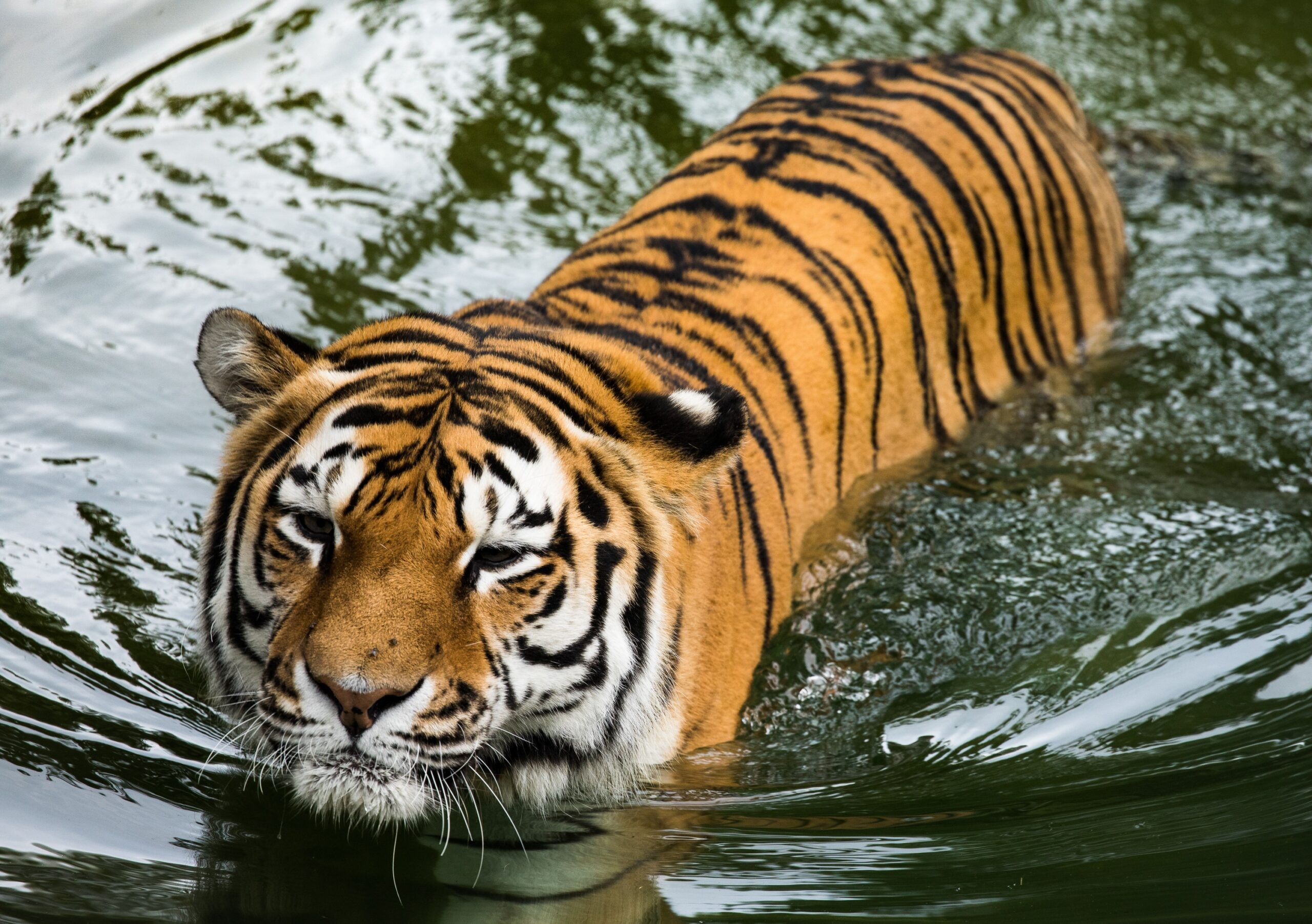
#1. Tigers are the largest cats on the planet, full stop
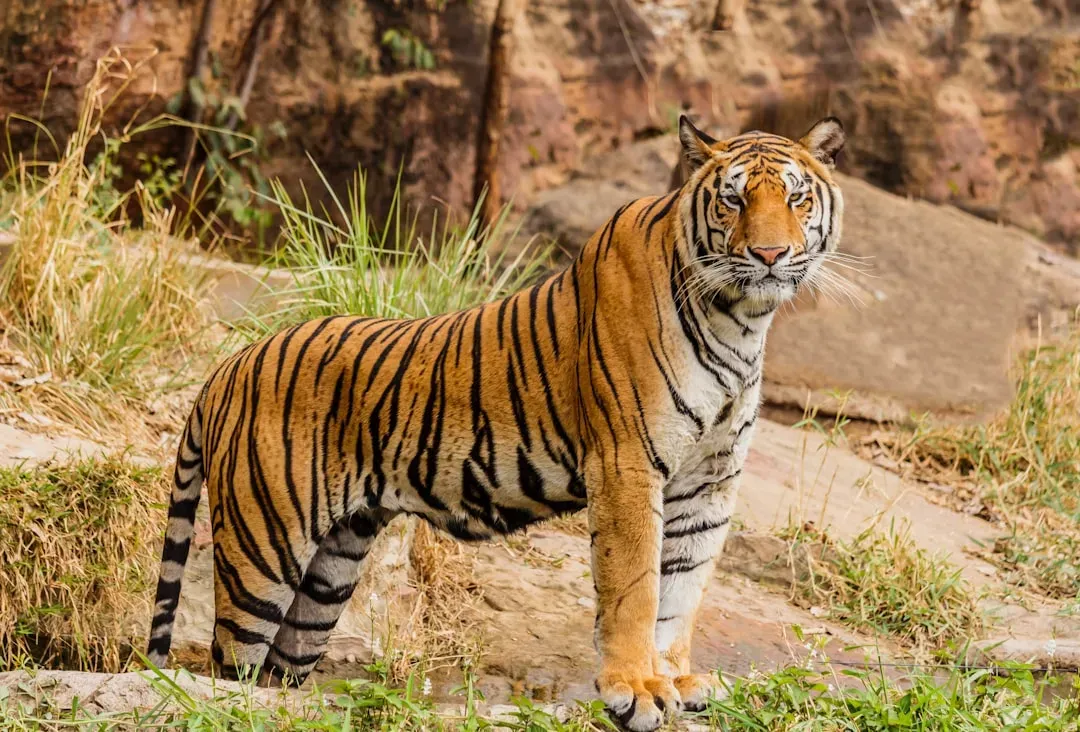
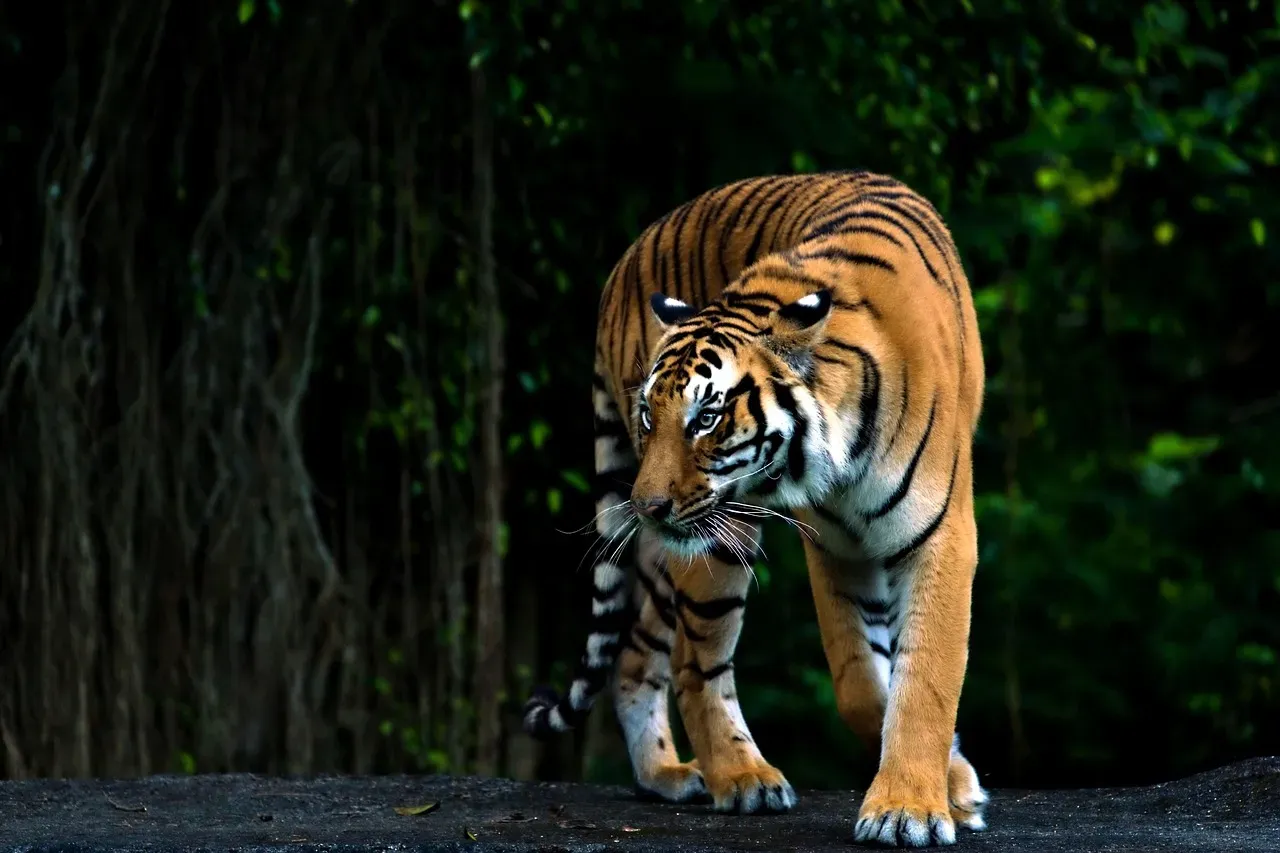
There's no asterisk needed here. The tiger is the largest cat species, reaching a total body length of up to 3.38 meters over curves and weighing up to 388.7 kilograms in the wild. The biggest individuals tend to be Amur, or Siberian, tigers, which live in the cold forests of the Russian Far East and parts of northeastern China.
Amur tigers, sometimes called Siberian tigers, are the biggest tigers, with males weighing up to 660 pounds and measuring up to 10 feet long from nose to tip of the tail. That size difference between subspecies isn't random. Bergmann's Rule holds that within a broadly distributed group, larger populations tend to live in colder environments while smaller ones occupy warmer regions, which is why the Siberian tiger is significantly larger than the Bengal tiger or the Sumatran tiger.
#2. Their stripes go all the way down to the skin
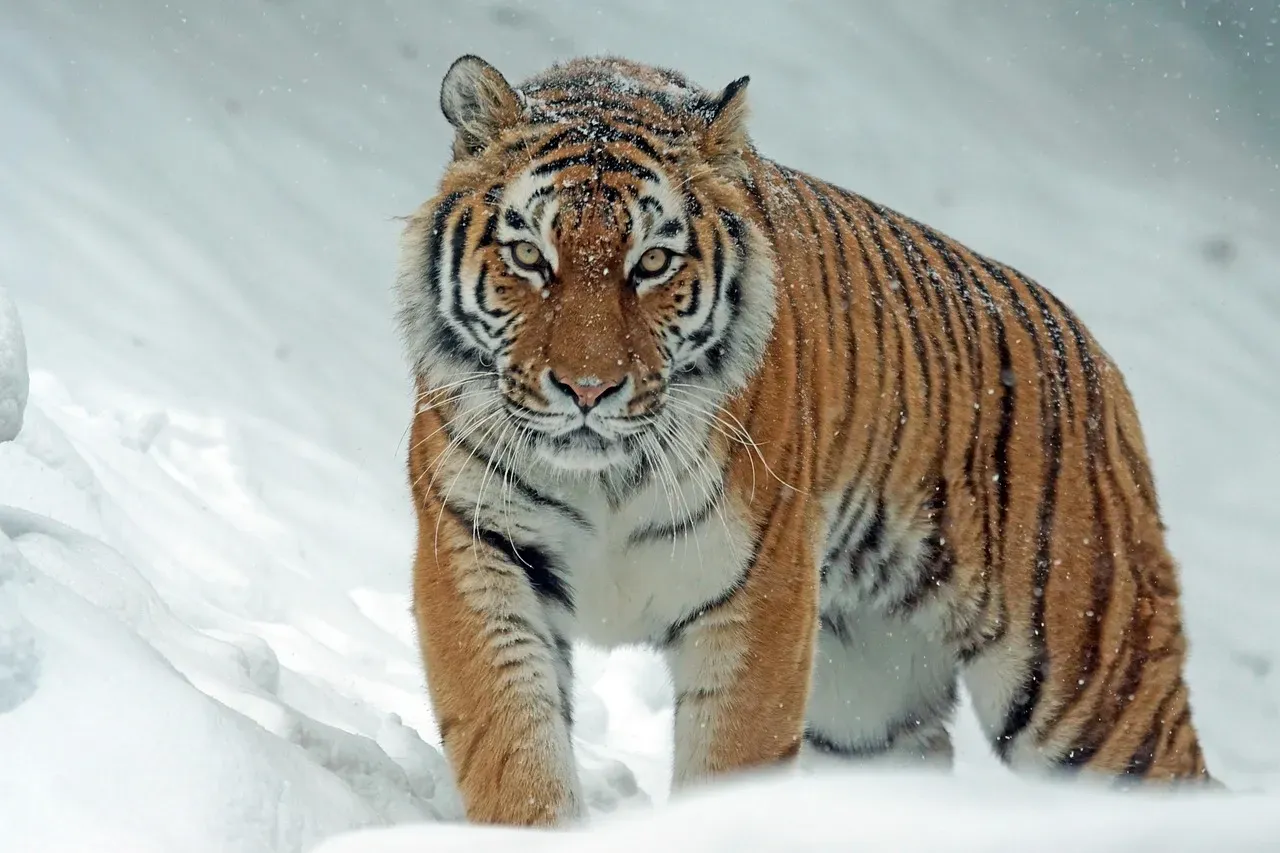
This one surprises almost everyone the first time they hear it. Beneath the fur, a tiger's skin also exhibits the same striped pattern, meaning that if a tiger were to be shaved, the unique pattern would still be visible on its skin. It isn't paint sitting on top of the hair. The pigmentation is baked into the animal at a cellular level.
The formation involves specific cells called melanocytes, which produce melanin, and in tigers these cells are distributed in a way that leads to varying concentrations of melanin in different areas of the skin, resulting in the striped pattern. Fur simply grows on top and follows that underlying map. It's a reminder that a tiger's identity is quite literally written into its body, not just its coat.
#3. No two tigers share the same stripe pattern
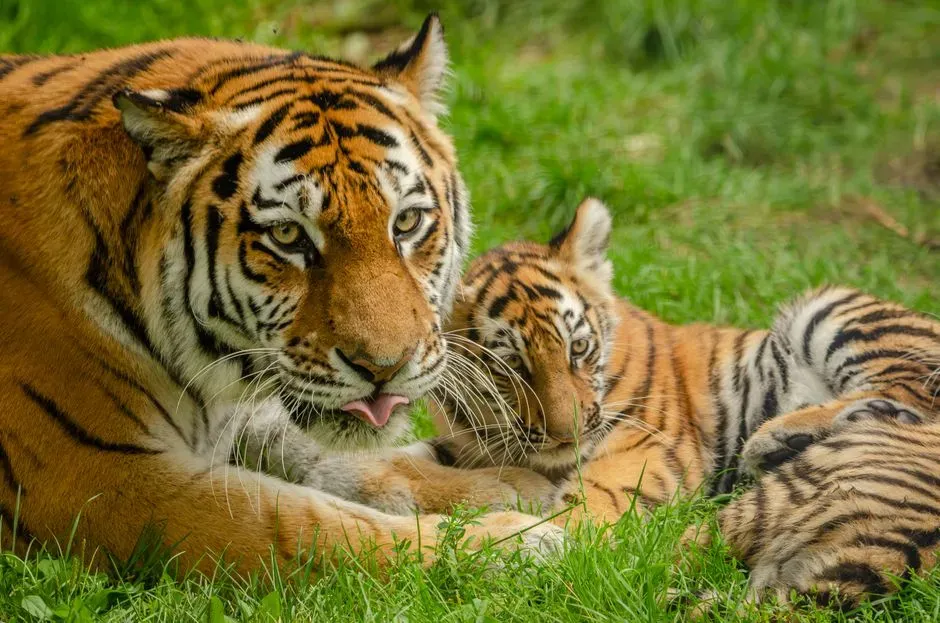
Just like human fingerprints, tiger markings are individually unique. Each tiger possesses a stripe pattern that is distinct and individual, much like human fingerprints, and from the moment of birth, a tiger's stripes are fully formed and remain unchanged throughout its life. That permanence has turned out to be scientifically useful.
Researchers studying wild populations rely on this trait constantly. One study exploited the properties of tiger stripes to calculate similarity scores between individuals through a surface model of tigers' skins, reporting a top-1 accuracy score of 95 percent across 298 individuals. Camera traps combined with pattern-matching software now let conservationists track specific tigers across huge landscapes without ever tagging or collaring them.
#4. Their eyes are built for hunting in near total darkness
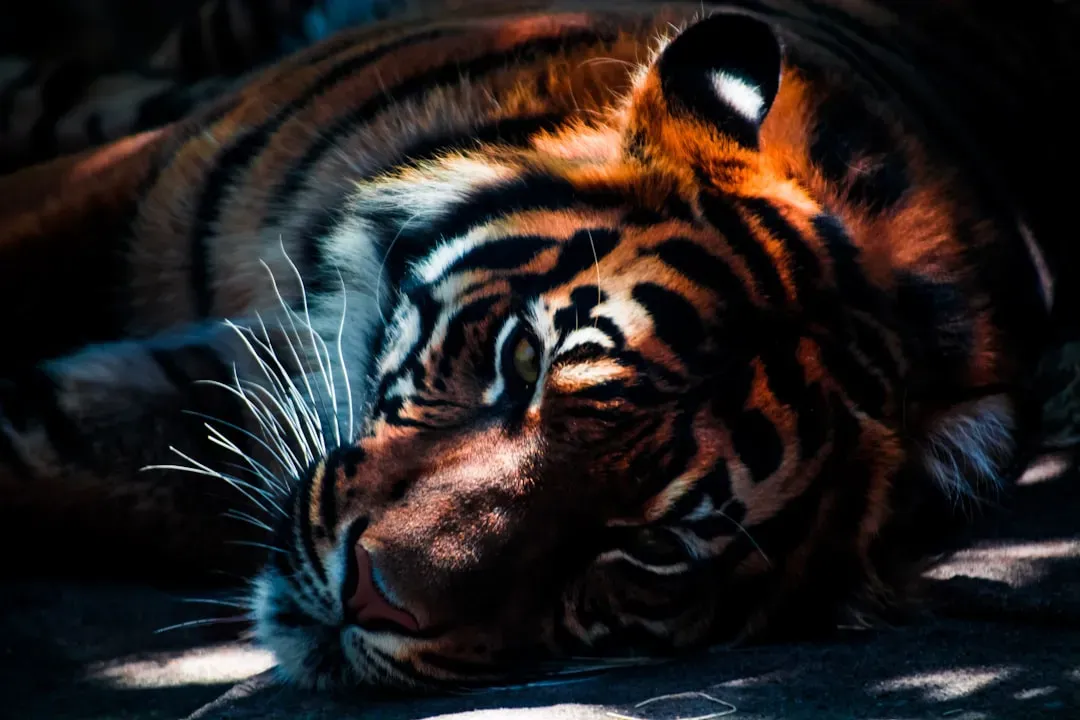
Tigers do most of their hunting at night, and their eyes are engineered accordingly. The eye of the tiger is backlit by a membrane that reflects light through the retina, the secret of its famous night vision and glowing night eyes. That reflective layer, called the tapetum lucidum, bounces available light back through the retina a second time, essentially giving the tiger a built-in light amplifier.
This is paired with genuinely sharp hearing. A tiger's hearing power is roughly five times better than that of a human, and tigers can spin their ears like radars to pick up sound signals, helping them detect prey's movements. Between the eyes and the ears, a tiger stalking through dense cover at midnight has far more sensory information available than its prey ever suspects.
#5. A tiger's roar can travel more than a mile
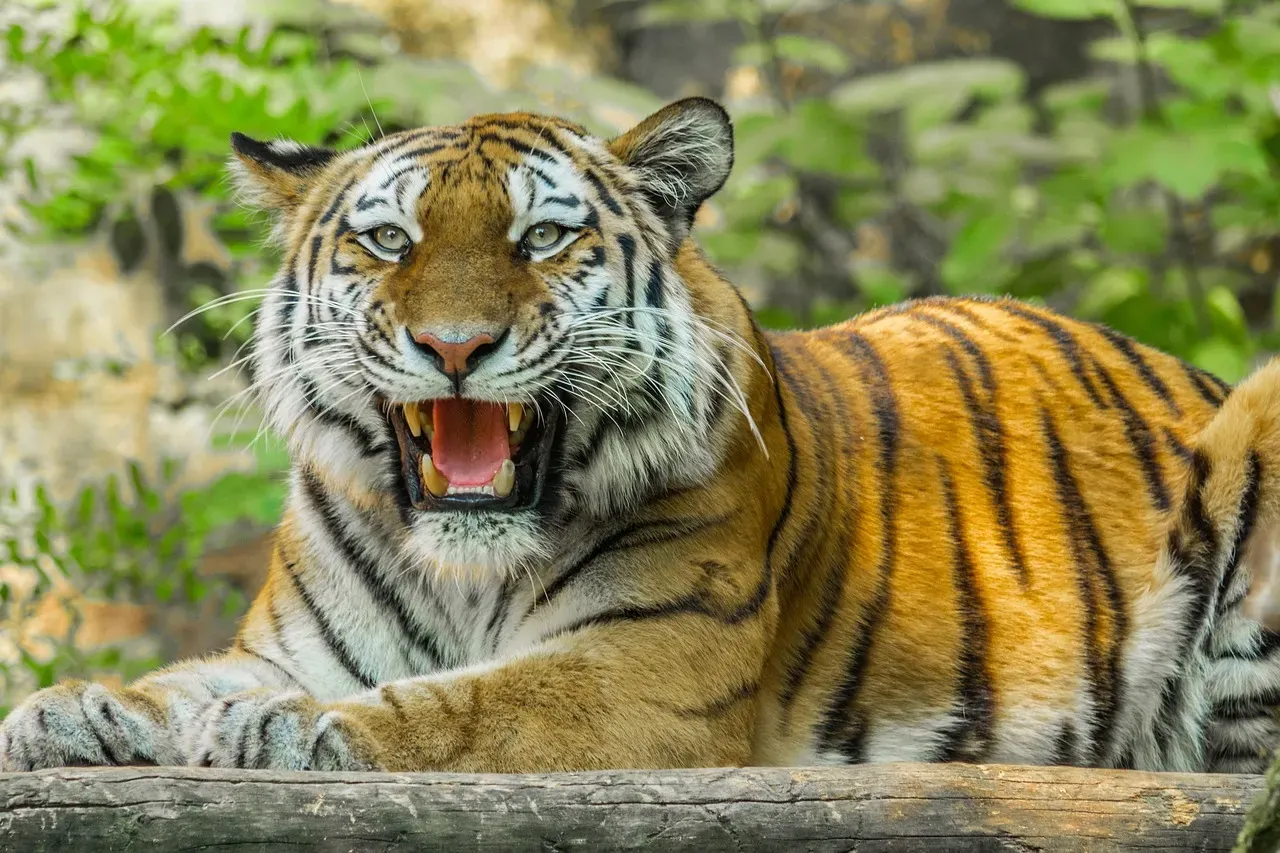
The sound itself is one of the most recognizable in the animal kingdom, and it carries an astonishing distance. The roar of a tiger can carry more than a mile. Part of the reason is anatomical. The vocal chord of the animal is designed in a squared shape, allowing tigers to be extremely loud.
The volume itself is startling on paper. A tiger's roar can reach 114 decibels, comparable to the noise of a jet engine. Some researchers have even suggested the sound has a physiological effect on prey animals nearby, momentarily startling them into stillness before the tiger closes the distance.
#6. Tigers are powerful, confident swimmers
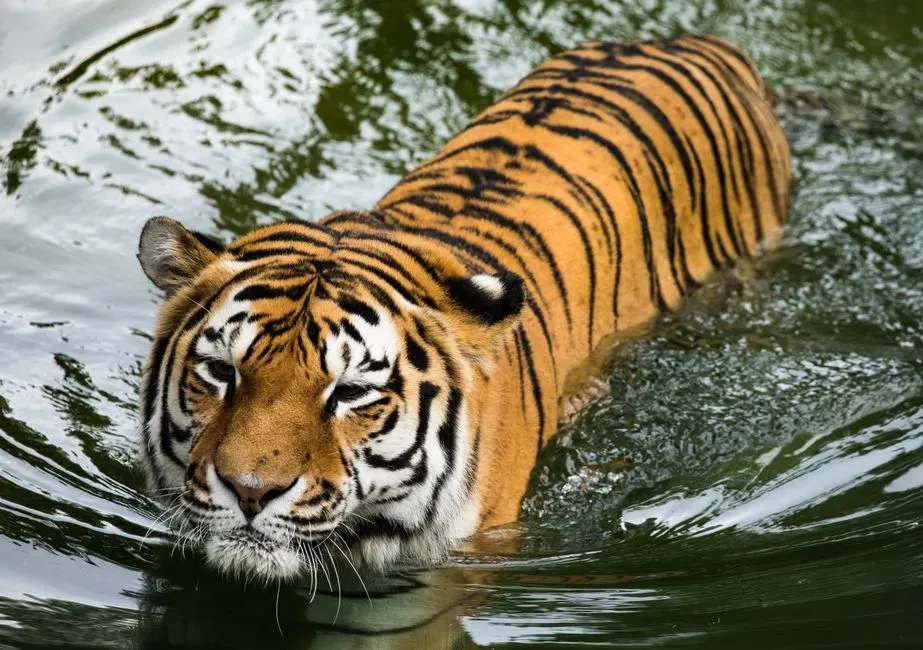
Unlike most cats, tigers don't just tolerate water, they actively seek it out. Tigers are adept swimmers and have even been recorded hunting in the water. In hot climates, especially across South and Southeast Asia, tigers regularly cool off in rivers, ponds, and lakes during the heat of the day.
This comfort in water sets them apart from lions and most other big cats, which tend to avoid deep water whenever possible. Sumatran and Bengal tigers have even been documented crossing rivers and swimming between islands in search of territory or prey. It's one of the clearer examples of how tiger anatomy, with its muscular build and large paws, doubles as a swimming advantage rather than a hindrance.
#7. Their legs are built for ambush, not marathon chases
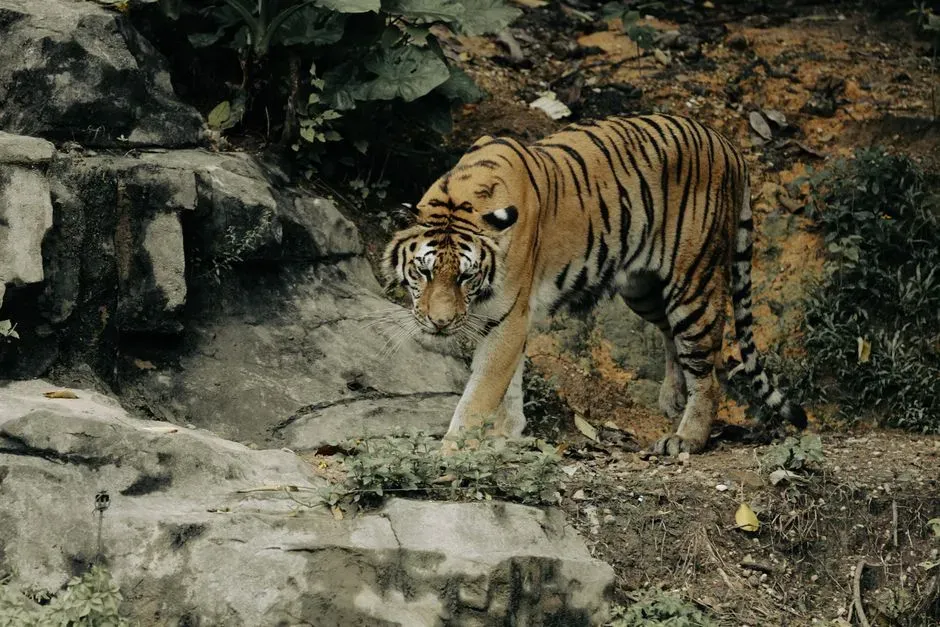
Tigers are strong, but they are not built for long pursuits across open ground. While able to achieve bursts above 35 miles an hour, the tiger is built for strength rather than sustained speed, with short, powerful legs that propel its trademark lunge and fabled leaps. This body plan reflects where tigers actually hunt.
Tigers have shorter, stockier legs than lions, which provide a lower center of gravity and more power for pouncing and grappling in dense forests. A lion chasing prey across an open savanna needs a completely different skeleton than a tiger sneaking through tangled undergrowth before exploding into an ambush at close range.
#8. Tigers can leap remarkable distances from a standstill
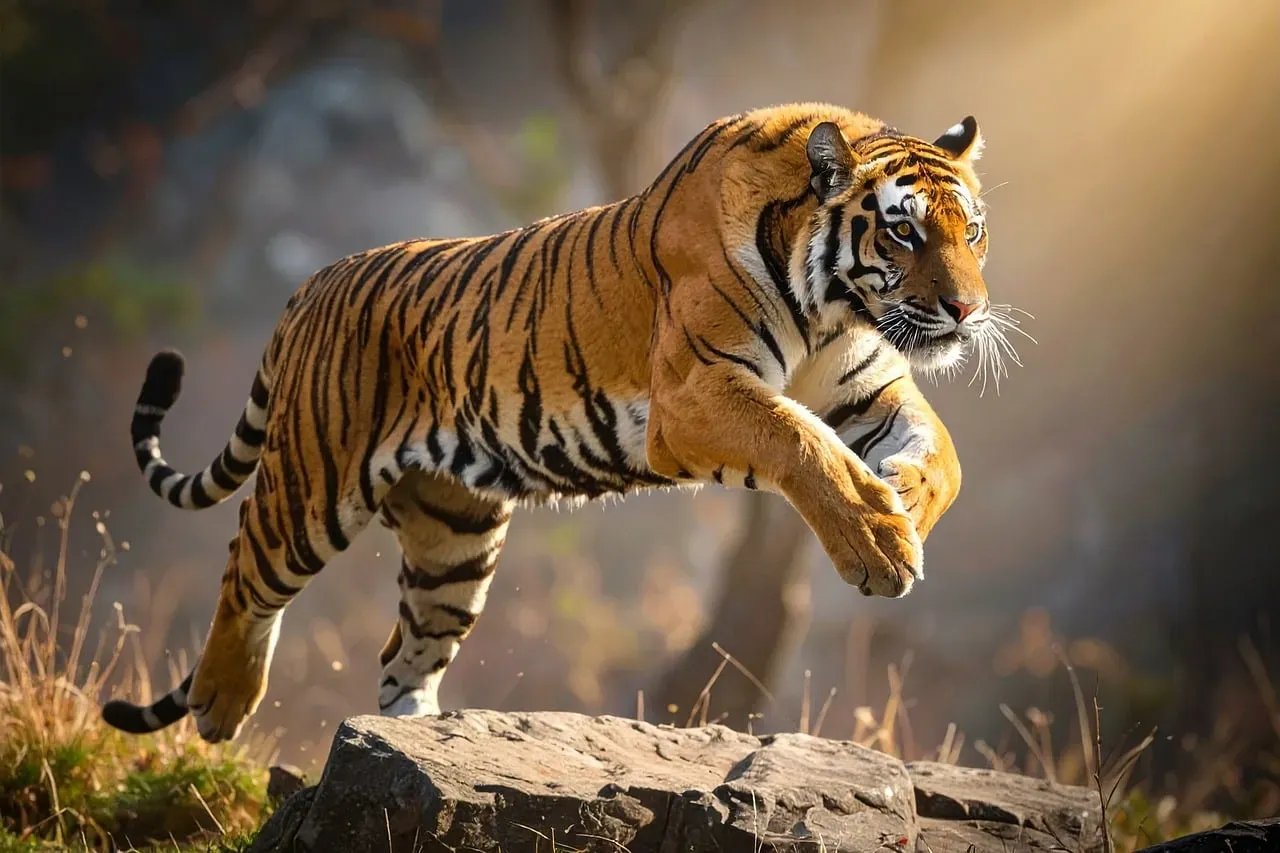
Given their weight, the jumping ability of a tiger is genuinely hard to believe until you see documentation of it. A tiger was recently captured on video jumping from flat ground to 13 feet in the air to attack a ranger riding an elephant. That kind of vertical explosion from an animal weighing several hundred pounds is a serious feat of muscle and tendon engineering.
Their claws contribute to this athleticism as well. Tigers have retractable claws up to four inches long, along with carnassial teeth capable of shattering bone. The combination of grip, power, and reach is exactly what's needed to bring down animals many times a tiger's own body weight.
#9. White tigers are not a separate species, just a rare genetic variant
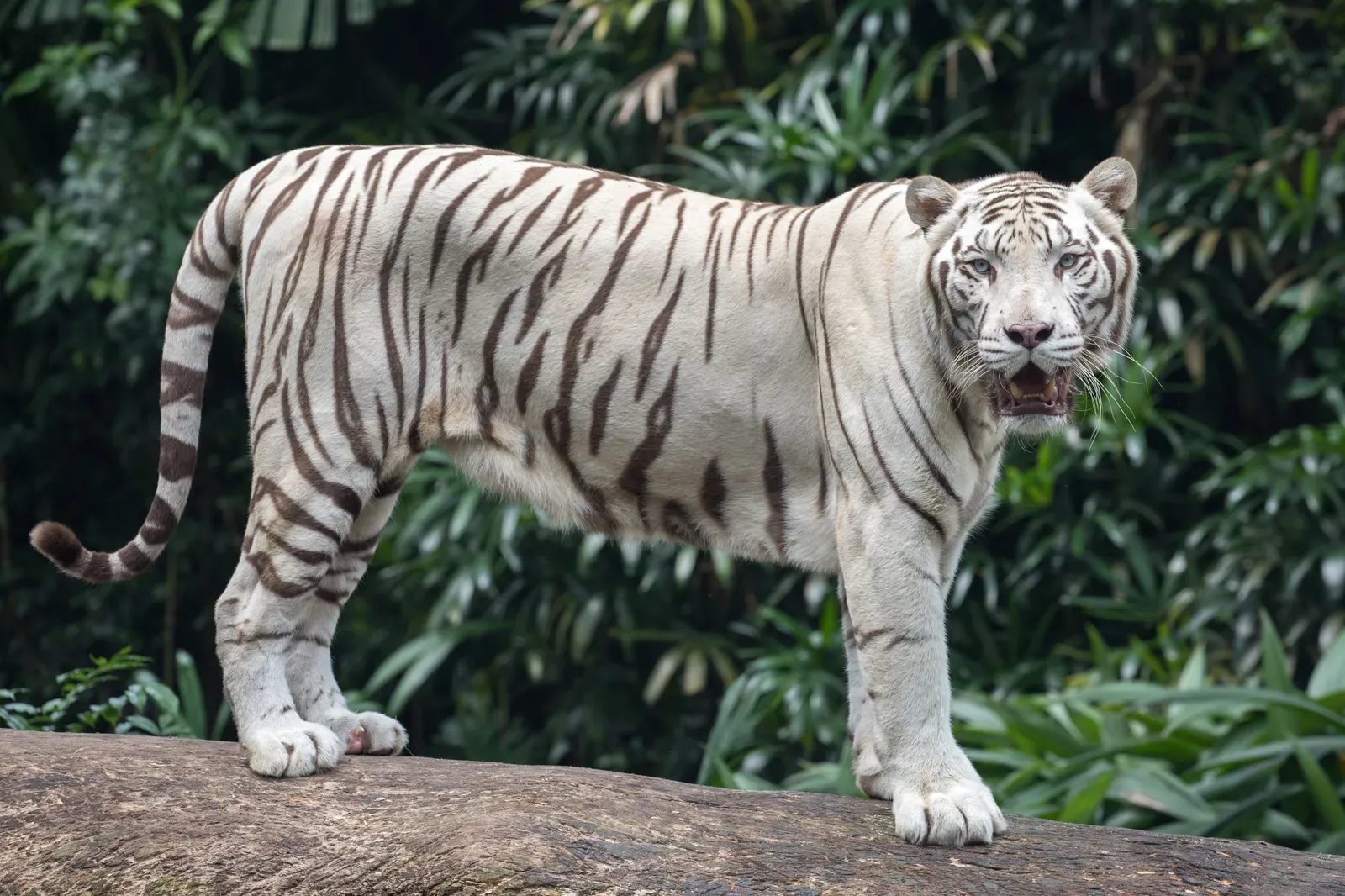
White tigers often get marketed as an exotic breed, but that framing is misleading. The white tiger isn't a species in its own right, or even a subspecies, but a mutant version of the Bengal tiger, whose orange coat has whitened thanks to an extremely rare recessive gene. Research has traced the responsible gene to a specific pigment locus.
The genetic analysis led researchers to a pigment gene called SLC45A2, which had already been associated with light coloration in animals like horses, chickens, and fish, and the variant found in white tigers primarily inhibits the synthesis of red and yellow pigments while leaving black largely unaffected, explaining why white tigers still show dark stripes. In the wild this trait is exceptionally rare and offers no camouflage advantage, which is part of why the last known free-ranging white tiger was shot in 1958 and the variant now survives almost entirely in captivity.
#10. Tiger cubs are born blind and extremely vulnerable
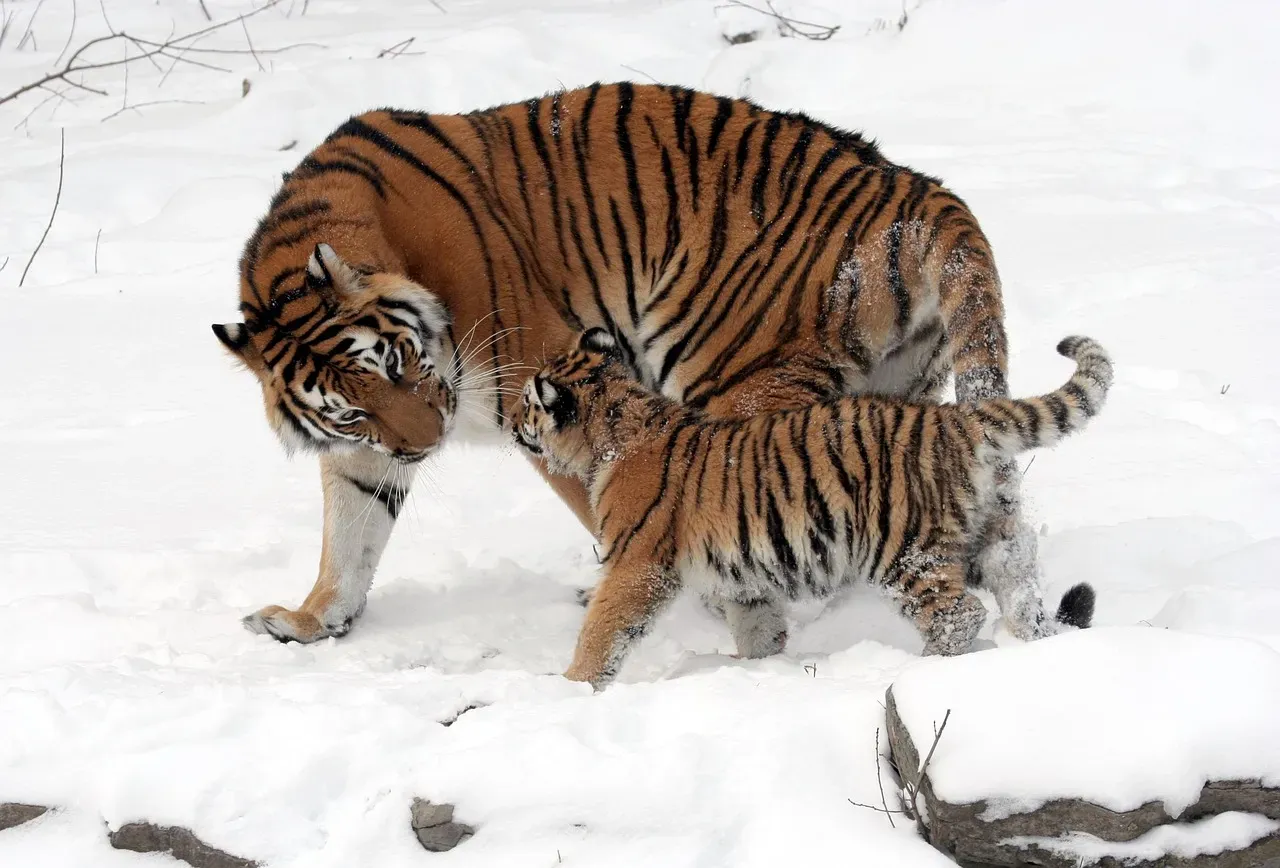
Despite growing into the largest cats on Earth, tigers start life in a state of complete helplessness. Tiger cubs are born blind, entering the world in complete darkness with their eyes tightly shut. For roughly their first one to two weeks, they depend entirely on scent, warmth, and touch to find their mother.
The odds against them are steep. It is not their lack of sight that makes cub mortality so high, often reaching 50 percent in the wild, but rather external threats such as predation by leopards, wild dogs, or rival male tigers, along with starvation if the mother struggles to secure enough food. Every adult tiger seen in a documentary or on safari represents a cub that beat those long odds.
#11. Wild tiger numbers are recovering, but the total is still small
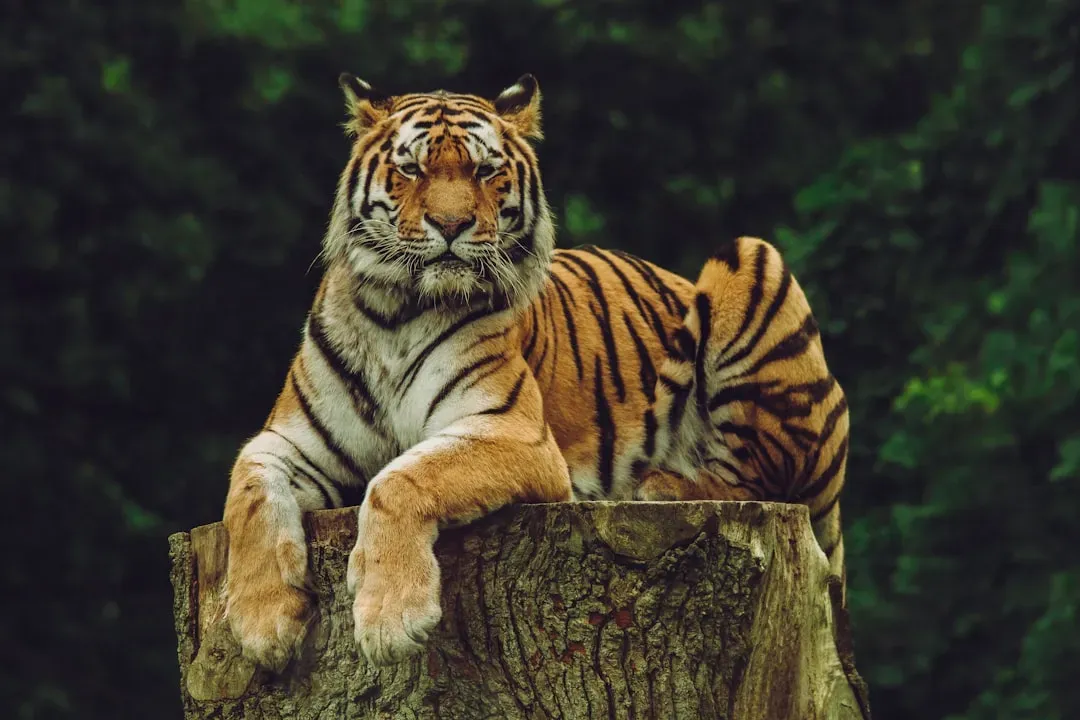
For an animal this iconic, the actual population figures are sobering. As of 2024, there are approximately 5,574 wild tigers left in the world, a number that has grown in recent years but remains a fraction of historical populations. India carries an outsized share of that recovery story.
Tigers in India constituted more than 75 percent of the global tiger population as of 2025, largely thanks to a decades-long conservation effort. The country's wild tiger population, recorded at 1,411 individuals in 2006, had grown to 3,682 by 2022, one of the more genuine conservation success stories among large predators anywhere in the world.
#12. Every tiger subspecies is shaped by its own environment
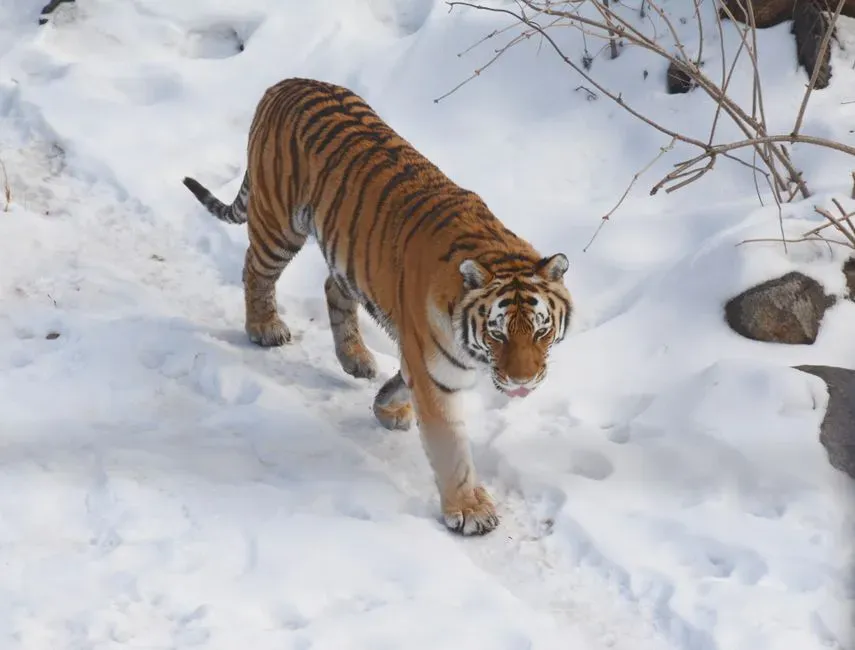
Tigers aren't a single uniform animal stamped out across Asia. The largest big cat, the Siberian tiger, can weigh an astonishing 660 pounds and stretch more than 10 feet nose to tail, and it is one of six surviving tiger subspecies. Bengal, Sumatran, Indochinese, Malayan, and Amur tigers each carry distinct sizes, coat densities, and behaviors shaped by climate and terrain.
Compare a Bengal tiger prowling the mangrove swamps of the Sunderbans to an Amur tiger navigating deep snow in Russia's Sikhote-Alin range, and the differences in build become obvious. A Siberian tiger can weigh up to 660 pounds and measure around 12 feet from nose to tail, with big paws that help it walk silently in deep snow and thick fur for warmth in cold climates. Smaller, leaner tropical subspecies trade that bulk for agility in dense, humid forest instead.
The takeaway