Cats are fascinating creatures that often leave us scratching our heads with their peculiar behaviors. While some of their antics might appear strange to us, they are, in fact, completely normal in the feline world. In this article, we’ll explore twelve quirky things cats do and explain why these behaviors make perfect sense from a cat’s perspective.
Kneading with Their Paws
One of the most endearing yet puzzling behaviors of cats is kneading with their paws. Often referred to as “making biscuits,” this action involves the cat rhythmically pressing their paws against a soft surface. To humans, it might seem odd, but this behavior is deeply rooted in a cat’s early life. Kittens knead their mother’s belly to stimulate milk flow, and adult cats often continue this behavior as a comforting and self-soothing action. It’s a sign of contentment and a throwback to their kittenhood, where life was simple and secure.
Chattering at Birds
Have you ever noticed your cat sitting by the window, watching birds intently and making a strange chattering sound? This behavior is not just your feline friend trying to mimic the birds. The chattering is believed to be an expression of frustration or excitement as they observe prey they can’t reach. Some experts suggest that it might also be an instinctual behavior, preparing their jaw muscles for the kill. Regardless of the reason, it’s a clear sign that your kitty’s hunting instincts are still very much alive.
Bringing You “Gifts”
While finding a dead mouse or bird on your doorstep might not be your idea of a gift, your cat sees it differently. Cats are natural hunters, and bringing you their catch is a sign of affection and loyalty. It’s their way of sharing their success and providing for their human family. In multi-cat households, this behavior is often part of social bonding, where the more dominant cat shares its catch with others. So, next time your cat presents you with a “gift,” remember it’s their version of saying “I care about you.”
Zooming Around the House
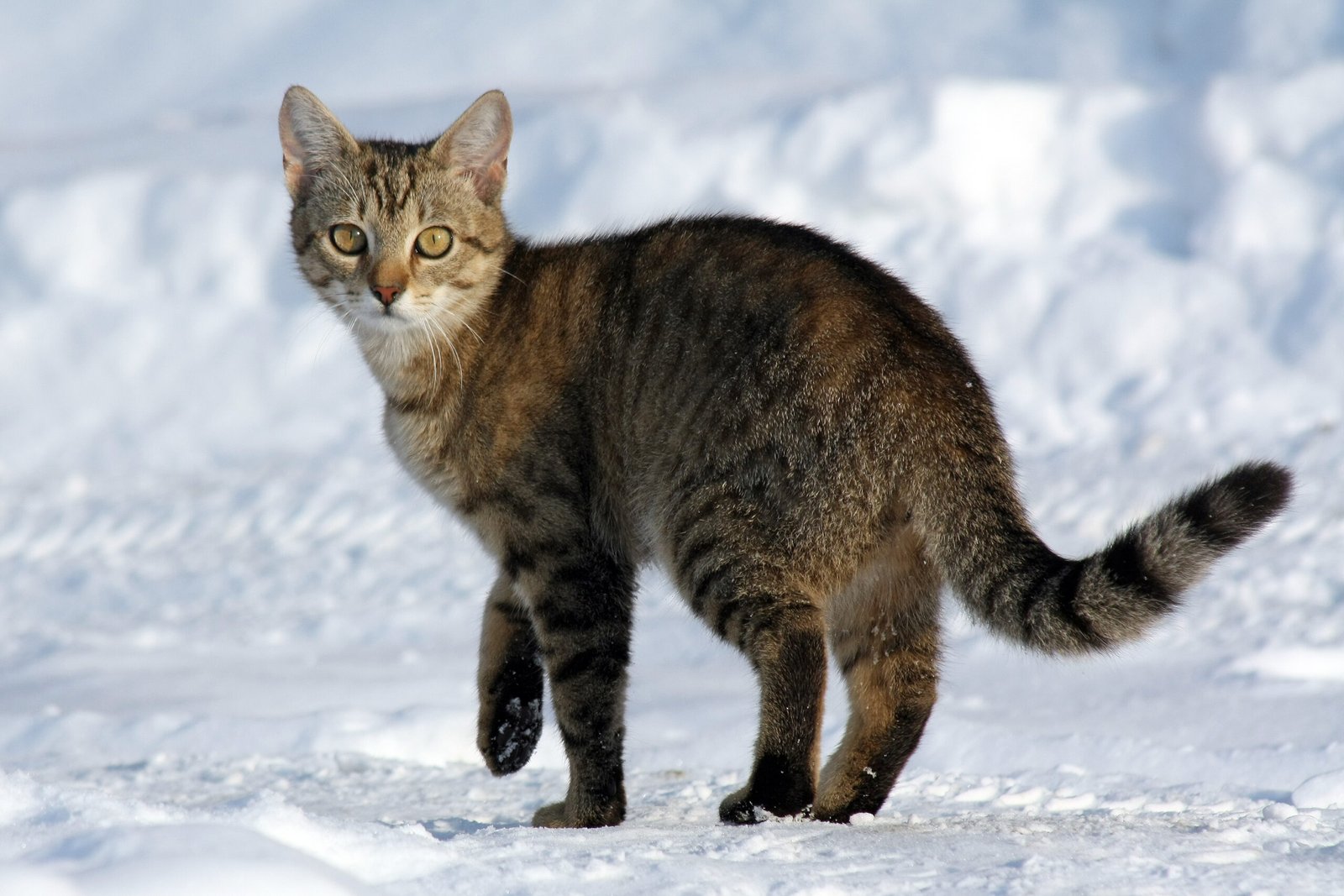
Cats are known for their sudden bursts of energy, often referred to as the “zoomies.” These frantic episodes can happen at any time, usually resulting in your cat sprinting around the house at lightning speed. This behavior is completely normal and is often a way for cats to release pent-up energy. In the wild, cats would spend much of their day hunting, and this burst of energy mimics that natural behavior. Providing your kitty with interactive toys and playtime can help manage these energetic outbursts.
Drinking from the Faucet
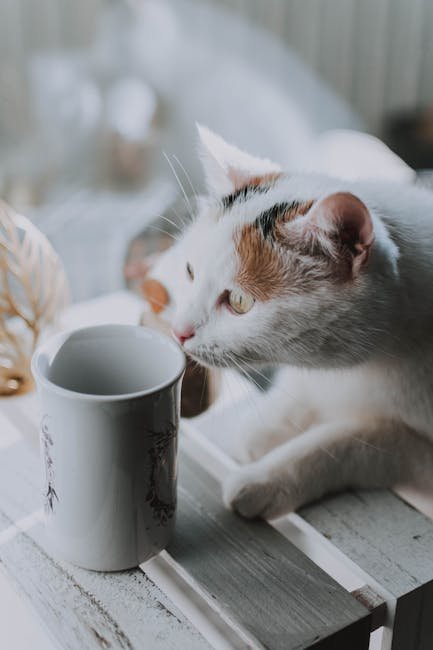
You might find it peculiar that your cat prefers drinking from a running faucet instead of a perfectly good bowl of water. This preference is actually rooted in their instincts. In nature, running water is often fresher and less likely to be contaminated than stagnant water. Cats are also attracted to the sound and movement of running water, making it more enticing. If your cat enjoys drinking from the faucet, consider investing in a pet water fountain to provide them with a similar experience.
Headbutting or “Bunting”
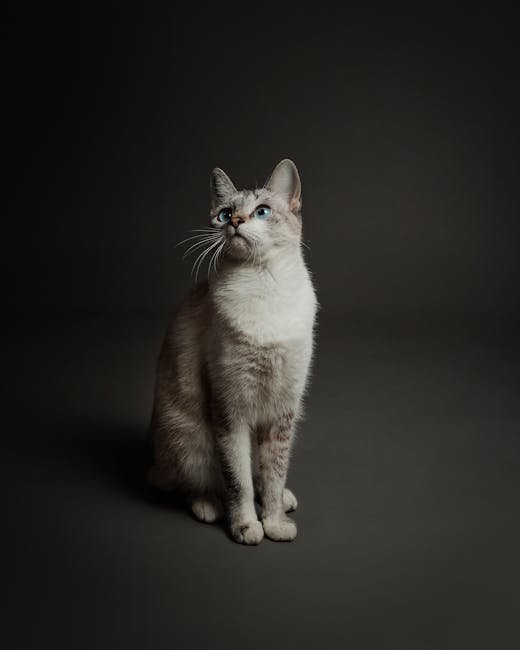
When a cat headbutts or rubs their head against you, they’re not just being cute; they’re marking you as part of their territory. This behavior, known as “bunting,” is a way for cats to transfer their scent onto objects or people, claiming them as their own. It’s a sign of affection and trust, as cats only exhibit this behavior with those they feel comfortable with. When your cat headbutts you, they’re saying, “you’re part of my family.”
Sleeping in Small Spaces
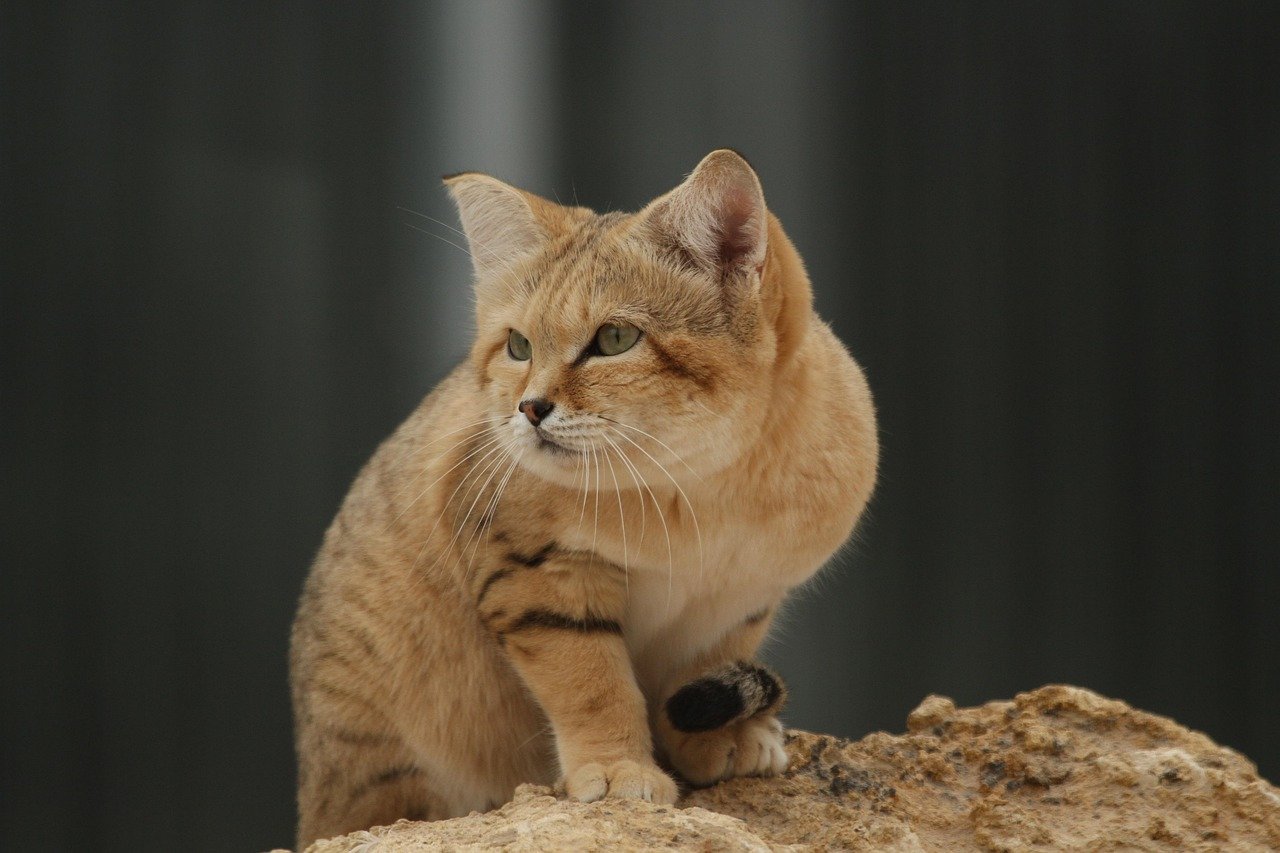
Cats have a knack for squeezing themselves into the smallest of spaces, be it a cardboard box or a laundry basket. This behavior is linked to their need for safety and security. In the wild, small spaces offer protection from predators and a cozy place to rest. By curling up in tight spots, cats feel more secure and can relax more easily. Providing your cat with small, enclosed beds or boxes can give them the comfort they crave.
Ignoring Expensive Toys
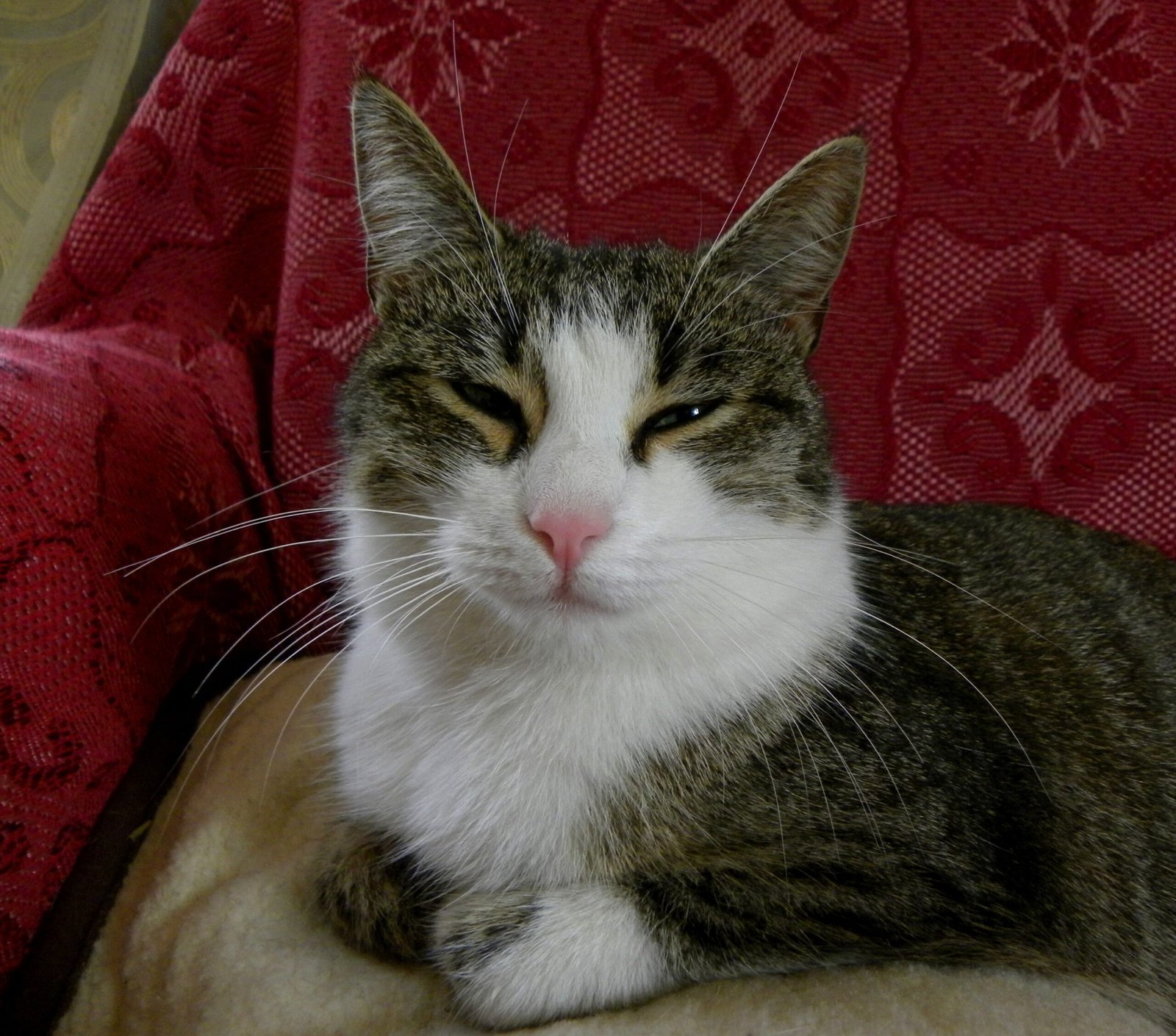
It can be frustrating when you spend money on fancy cat toys, only for your feline friend to ignore them in favor of a simple cardboard box or crumpled paper. Cats are naturally curious and often find more enjoyment in exploring everyday objects than in playing with store-bought toys. Their preference for simple items is a testament to their resourcefulness and creativity. To keep your cat entertained, try rotating their toys and incorporating household items into their playtime.
Staring at Nothing
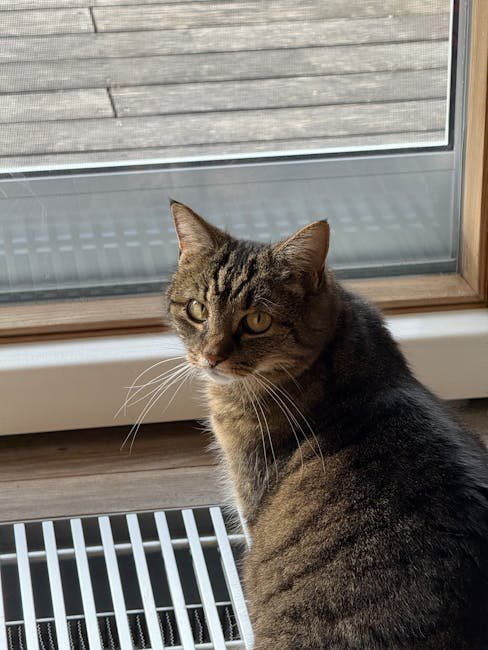
It can be a bit eerie when your cat suddenly stops and stares intently at what seems like nothing. While it might seem like they’re seeing things that aren’t there, cats are actually highly observant creatures. They have excellent hearing and vision, allowing them to detect even the slightest movements or sounds that are imperceptible to humans. When your cat is staring off into space, they might be listening to distant noises or watching small insects that you can’t see.
Knocking Things Over
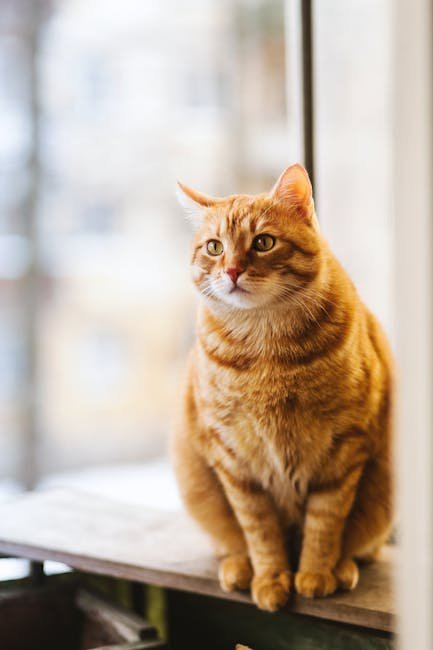
Cats have a reputation for knocking things off tables and shelves, often leaving a trail of destruction in their wake. This behavior is not just a result of curiosity but also a way for cats to test their environment. By batting at objects, cats explore their surroundings and learn about the textures and movements of different items. It’s also a form of play, allowing them to hone their hunting skills. Providing your cat with safe, interactive toys can help redirect this behavior.
Eating Grass
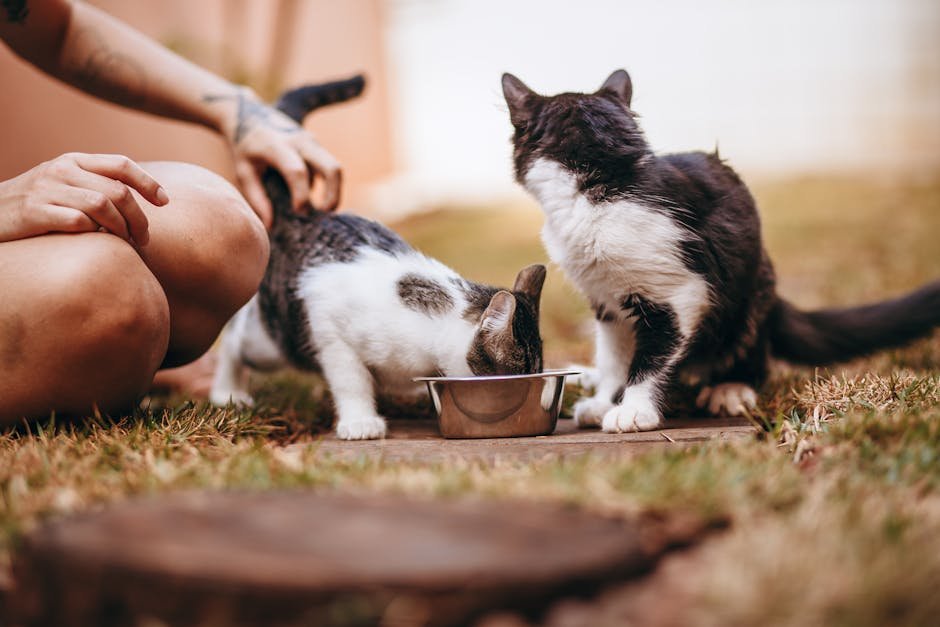
While it might seem strange for a carnivorous animal, many cats enjoy nibbling on grass. This behavior is thought to aid in digestion and help expel hairballs. Grass can also provide essential nutrients, such as folic acid, that cats might not get from their regular diet. If your cat enjoys eating grass, consider growing pet-safe grass indoors so they can indulge safely.
Purring Loudly
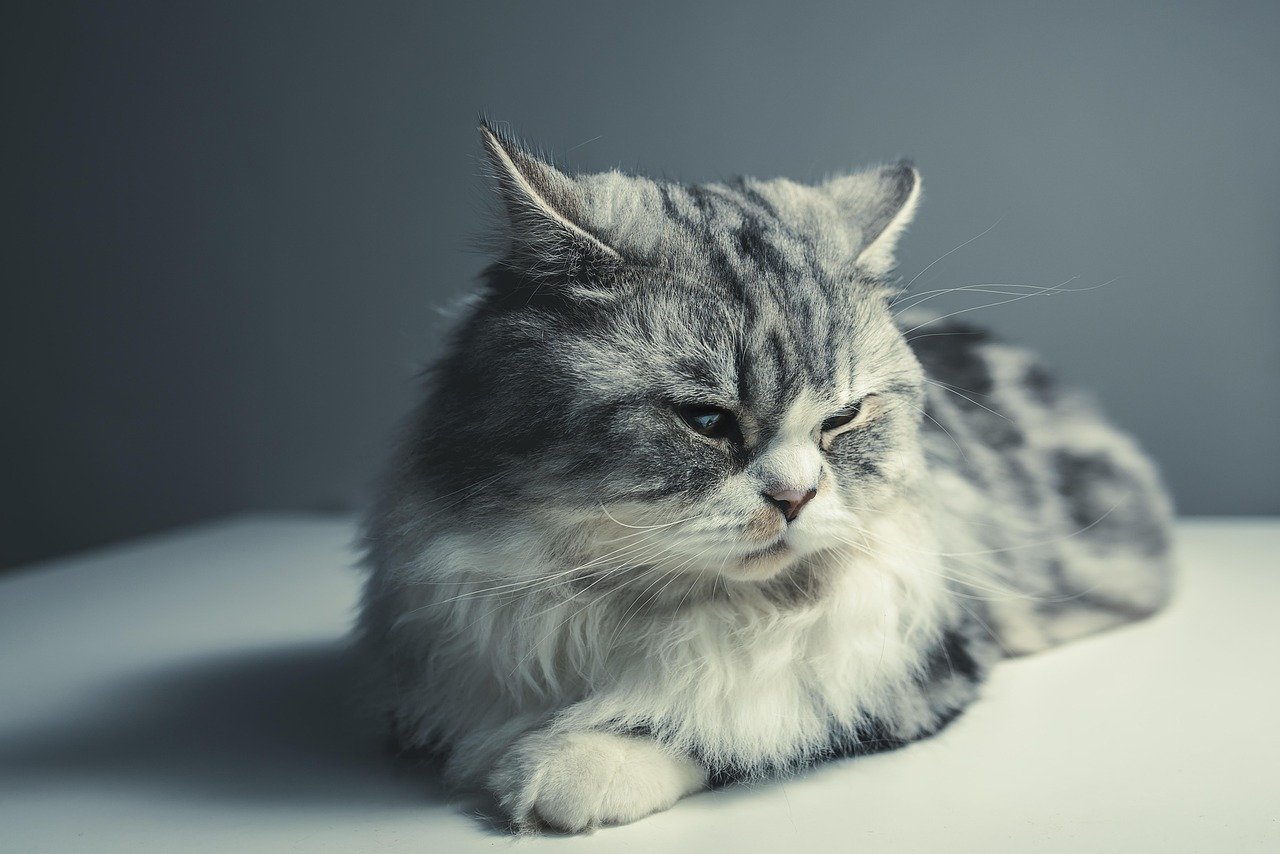
Purring is one of the most recognizable sounds cats make, often associated with contentment and relaxation. However, cats also purr when they’re anxious, in pain, or trying to heal themselves. The vibrations from purring are believed to have therapeutic effects, promoting healing and reducing stress. When your cat purrs loudly, it’s their way of communicating their emotions, whether they’re feeling happy, anxious, or unwell.
In conclusion, while cats may engage in behaviors that seem odd to us, these actions are perfectly normal in the feline world. Understanding these quirks can help us appreciate the unique and fascinating nature of our feline companions, strengthening the bond we share with them. Embrace these peculiarities, for they are what make our cats so wonderfully unique.

Hi, I’m Bola, a passionate writer and creative strategist with a knack for crafting compelling content that educates, inspires, and connects. Over the years, I’ve honed my skills across various writing fields, including content creation, copywriting, online course development, and video scriptwriting.
When I’m not at my desk, you’ll find me exploring new ideas, reading books, or brainstorming creative ways to solve challenges. I believe that words have the power to transform, and I’m here to help you leverage that power for success.
Thanks for stopping by, Keep coming to this website to checkout new articles form me. You’d always love it!