Most cat owners assume their pet barely tolerates them, silently ranking humans somewhere below the couch cushions and just above the vacuum cleaner. That assumption is almost never true – and the real picture is stranger, more calculated, and more intimate than most people expect.
Cats are private, guarded animals shaped by millions of years of solitary survival instinct, and they do not hand out affection carelessly. Feline behaviorists say there’s a very specific set of gestures cats reserve for exactly one person: the human they’ve quietly decided, after careful observation, is safe. If your cat does something strange only around you and never around anyone else in the house, the answer is coming – and it’s more flattering than you’d think.
#1 – The Slow Blink That’s Basically a Kiss
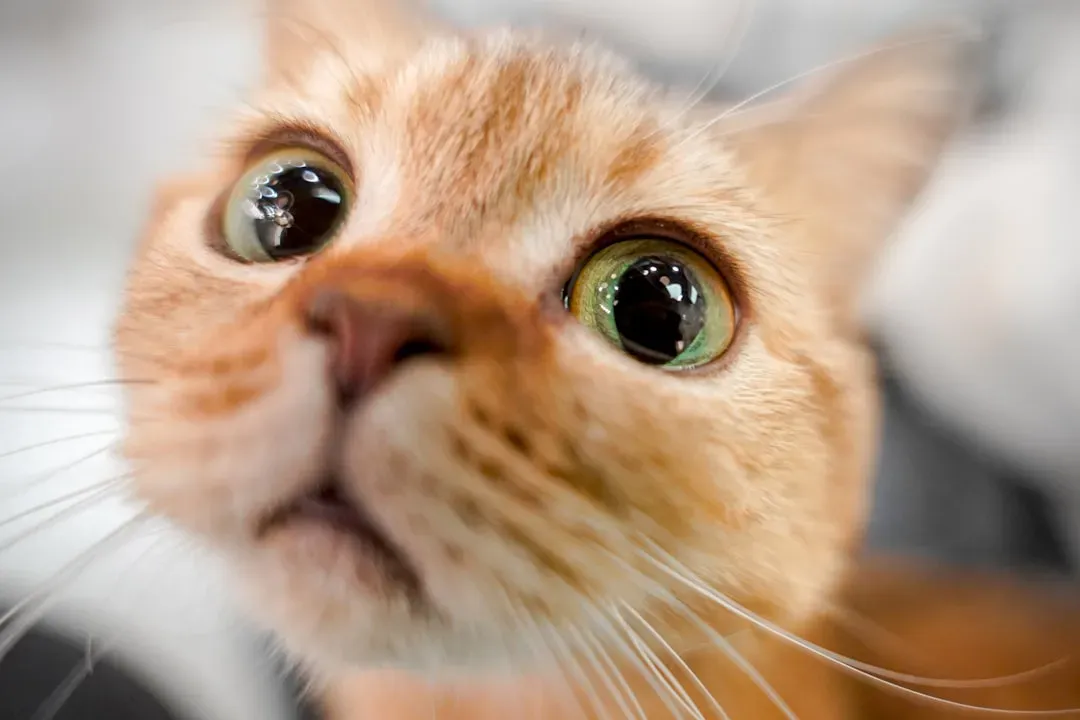
A slow, deliberate blink from your cat is not sleepiness – it’s one of the clearest trust signals in the feline world.
Researchers studying cat-human communication have found that cats slow-blink more frequently at their own owners than at strangers, and that humans who slow-blink back tend to get more of the same in return. In the wild, direct eye contact is a threat signal between predators. A slow blink interrupts that tension on purpose, telling the other party, “I’m not a danger to you, and I don’t expect you to be one either.”
This is why cats rarely slow-blink at people they’ve just met. It takes weeks, sometimes months, of consistent gentle interaction before a cat feels safe enough to lower its guard this way. If your cat does this while lying near you, especially with a relaxed body, consider it the feline equivalent of a whispered “I trust you.” But that’s nothing compared to what’s coming in #2.
#2 – Showing You the Belly (Without Wanting a Rub)
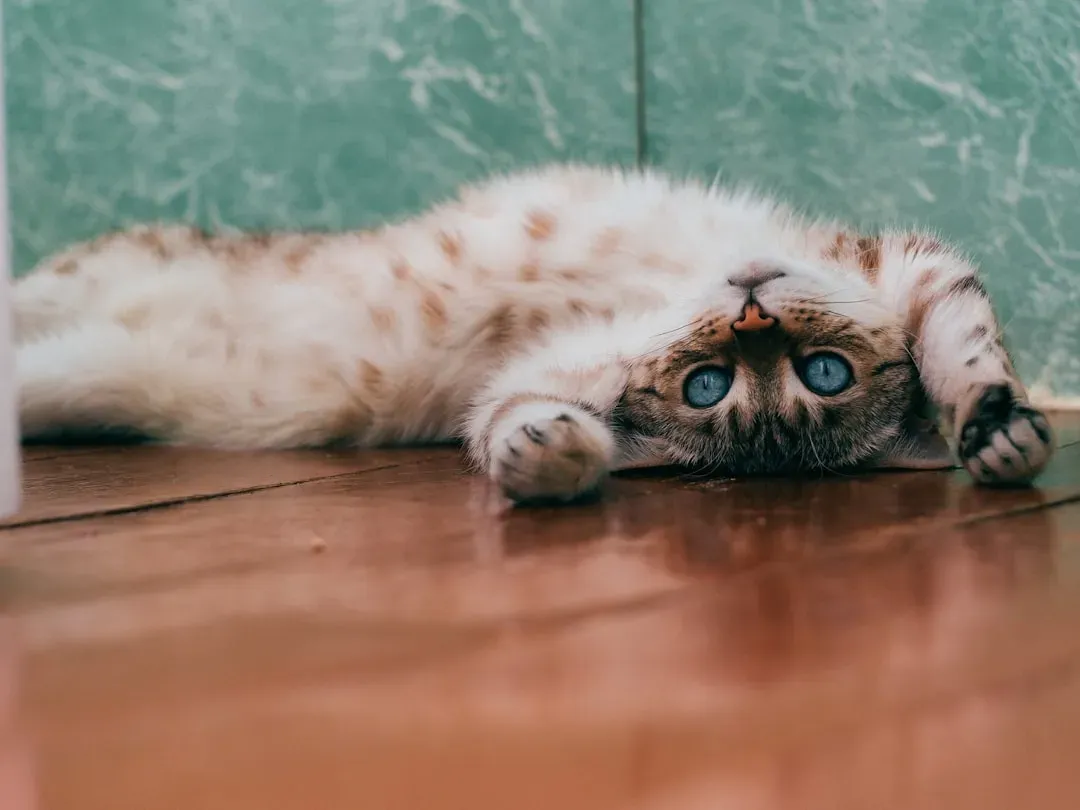
A cat exposing its stomach is arguably the single most vulnerable position it can offer another living being.
The belly protects vital organs, and in the wild, exposing it is essentially inviting an attack. When a cat rolls onto its back in front of you, stretches out, and holds that pose, it’s telling you it doesn’t perceive you as a threat at all. Behaviorists are quick to note this gesture is about trust, not an invitation to touch – many cats will tense up or swat if you actually rub the belly, since the position is symbolic, not an open request for contact.
This distinction trips up a lot of owners. They see the belly and assume it means “pet me,” then get nipped for their trouble. The real message is subtler: “I feel secure enough around you to be defenseless.” That’s a big deal for an animal wired to guard its weak spots at all times.
#3 – Kneading You Like Bread Dough
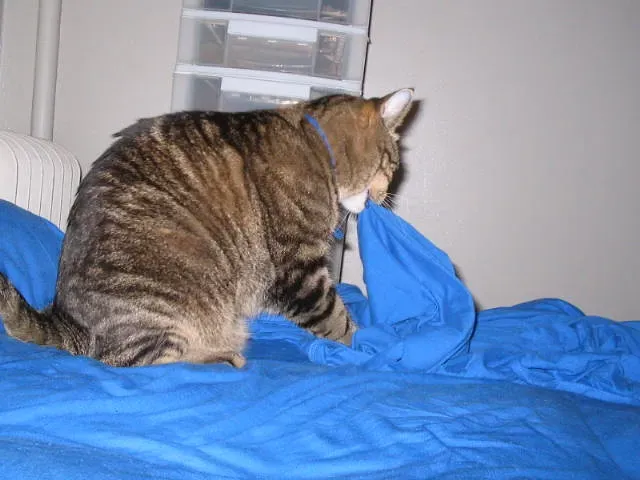
That rhythmic paw-pressing motion cats do on blankets, laps, or soft stomachs traces directly back to kittenhood.
Kittens knead their mother’s belly to stimulate milk flow while nursing. When an adult cat kneads a person, behaviorists widely agree it’s a regression to that early, comforting, trust-soaked memory of nursing safely. The cat isn’t randomly pawing at you – it’s associating you with the same security it felt as a newborn curled against its mother.
Not every cat kneads, and some do it on blankets or beds instead of people. But when a cat specifically chooses a person’s lap to knead on, especially while purring, it’s making a clear statement. It has mentally filed that human under “safe enough to feel like home,” often before some of the more advanced trust gestures on this list ever appear.
Fast Facts
- Kneading starts in kittenhood as a nursing reflex to stimulate milk flow
- Adult kneading is a comfort behavior, not a sign of hunger
- Cats that knead blankets instead of people are still showing the same instinct
- Purring paired with kneading signals an especially strong bond
#4 – The Head Bunt That Marks You as Theirs
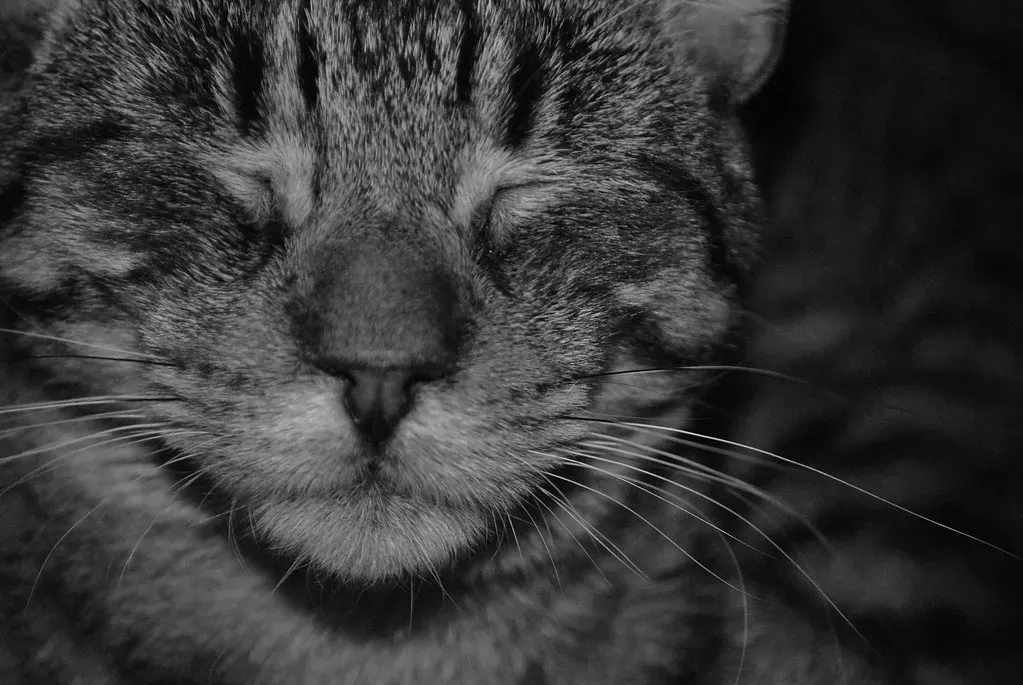
When a cat presses its head or the side of its face against you, it’s not just being affectionate – it’s marking you.
Cats have scent glands concentrated around their cheeks, forehead, and chin. Bunting deposits pheromones onto a person, object, or another animal, effectively saying “this is mine, and I belong to it too.” Behaviorists describe this as a mutual claiming ritual, distinct from casual rubbing against furniture. Cats reserve headbutts specifically for creatures and things they’ve bonded with emotionally.
Unlike scratching, which marks territory through visual and scent cues meant to warn others away, bunting is a social, affiliative gesture. It requires the cat to get close, lower its guard, and initiate physical contact voluntarily. A cat that headbutts you repeatedly, especially unprompted, is actively reinforcing a bond it’s chosen to maintain with you and largely no one else in the household.
#5 – The “Gift” on Your Pillow That’s Secretly a Compliment
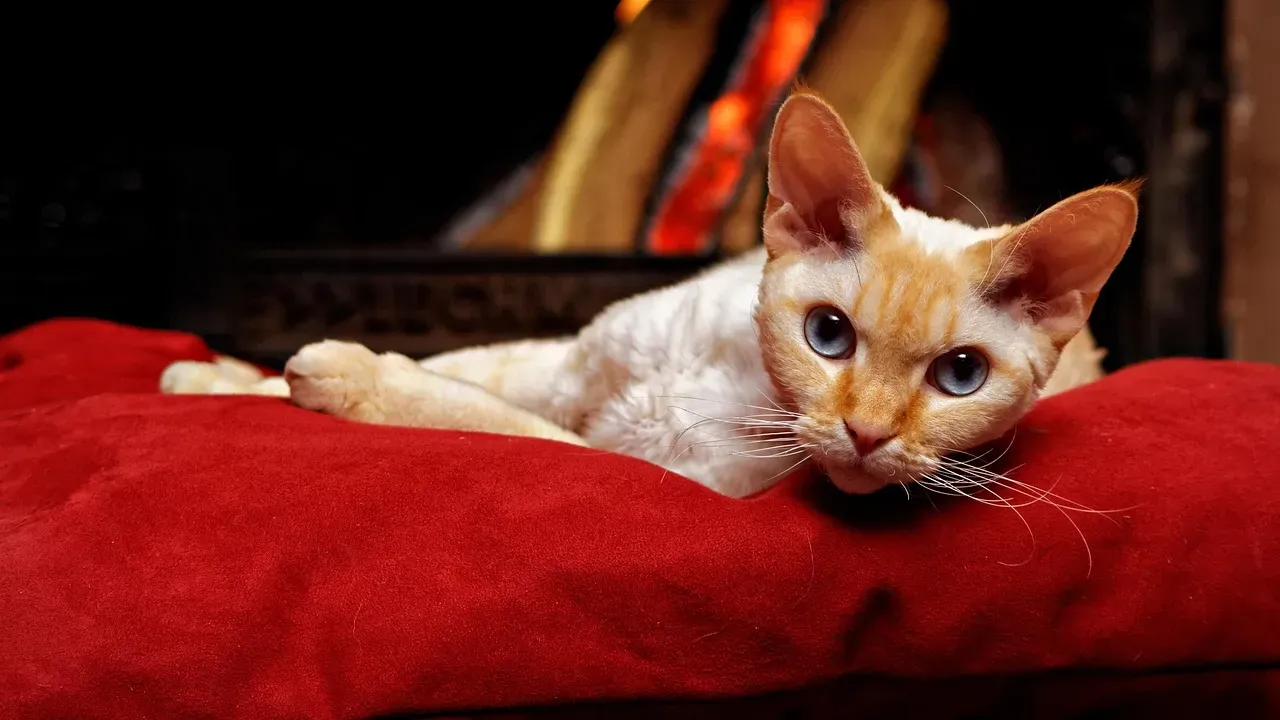
Nothing tests a relationship quite like waking up to a dead lizard on your pillow, but experts say this disturbing habit is actually a compliment.
Outdoor and semi-outdoor cats that hunt often bring prey back to specific people. Behaviorists suggest this stems from maternal teaching instincts, where mother cats bring live or dead prey to kittens to teach hunting skills. When your cat brings you a “gift,” it may be treating you the way it would treat a member of its own litter – someone worth teaching, feeding, or including in resource-sharing.
This gesture is selective. Cats don’t hand out prey gifts to just any household member; they tend to target the person they consider most bonded, or in some interpretations, the one they view as least capable of hunting themselves. Either theory points to the same conclusion: you’ve been placed in the cat’s inner circle of trust and care, however unsettling the delivery method.
Worth Knowing
- Only cats with outdoor or hunting access typically bring physical prey gifts
- Indoor-only cats often substitute toys for the same behavior
- Mother cats use live and dead prey to teach kittens survival skills
- The chosen recipient is usually the household’s most trusted or most bonded person
#6 – Following You Into the Bathroom Like a Bodyguard
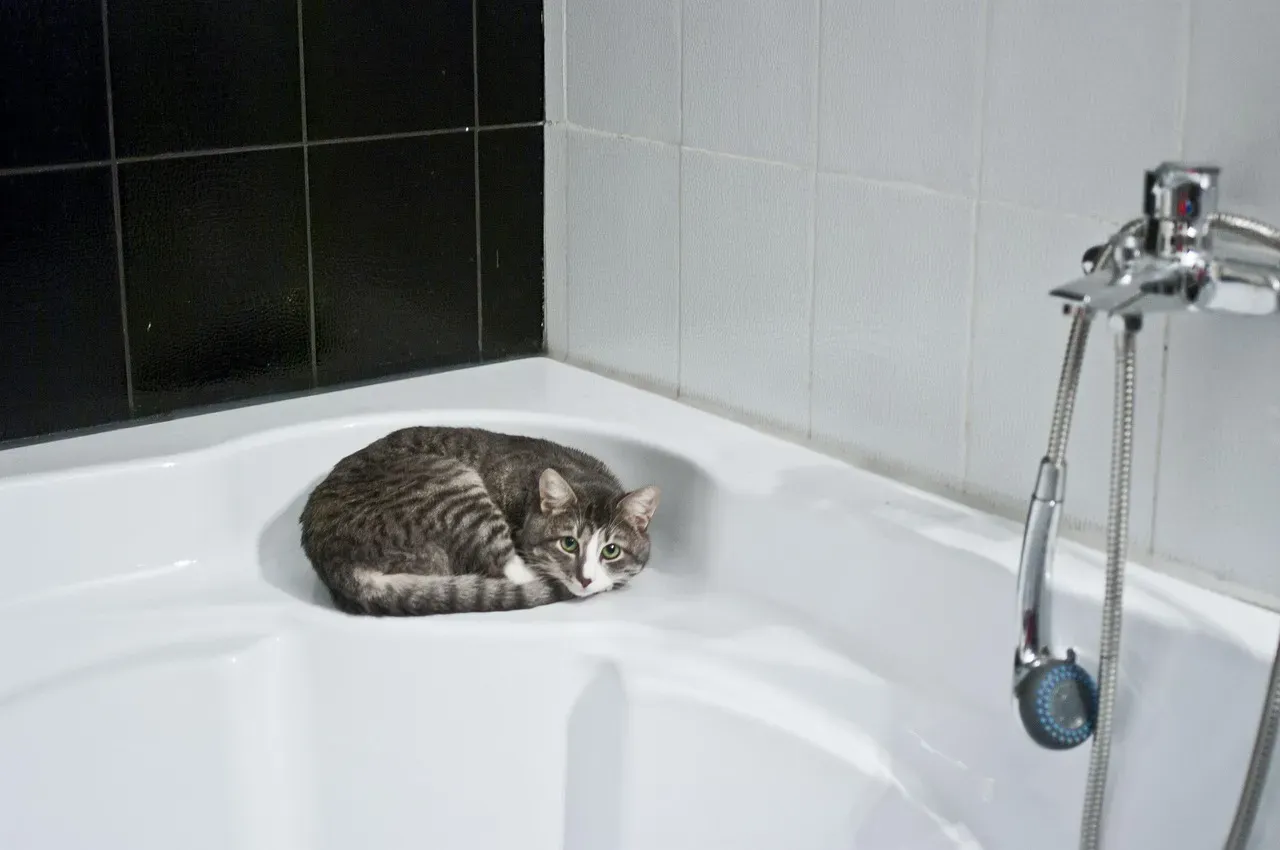
If your cat treats the bathroom door like a personal VIP pass, that’s not nosiness – it’s attachment behavior.
Cats are territorial animals that like to monitor their environment, but following a specific person into small, enclosed spaces like bathrooms goes beyond curiosity. Behaviorists link this to separation-sensitive attachment styles, similar to how securely attached cats seek proximity to a trusted person even during mundane activities. The bathroom, being small and enclosed, may also feel like a safe shared space rather than an intrusion from the cat’s perspective.
This behavior tends to be person-specific. A cat might ignore a roommate’s bathroom trips entirely while insisting on supervising just one household member. If your cat does this consistently, it’s less about what you’re doing behind that door and more about not wanting to lose sight of someone it considers essential to its sense of security.
#7 – Sleeping With Its Back Turned to You
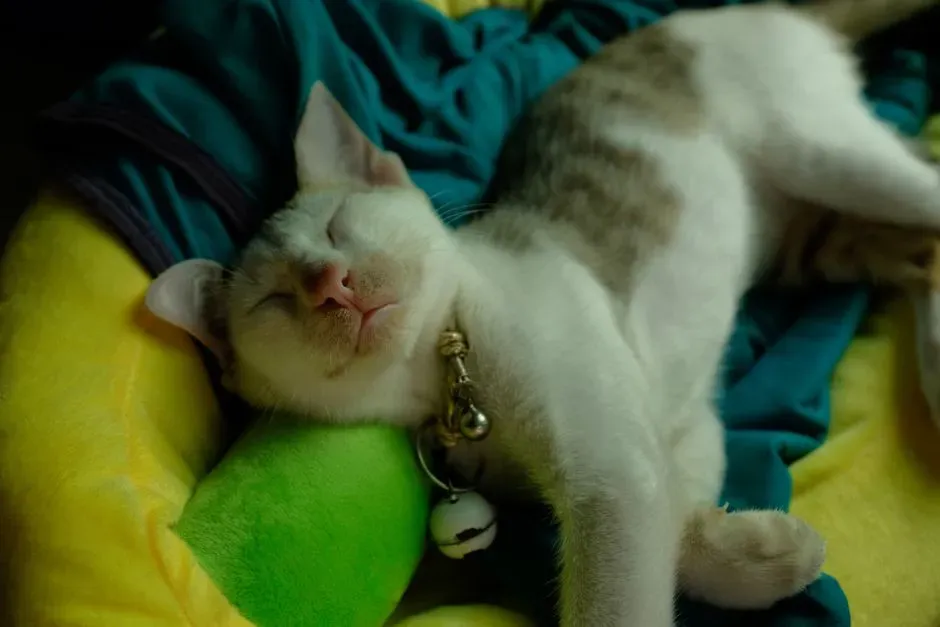
It sounds counterintuitive, but a cat sleeping with its back to you is showing serious confidence in your presence.
Sleep is the most vulnerable state any animal enters, and a cat’s instincts push it to sleep facing potential threats so it can react quickly. When a cat turns its back to a person during sleep, it’s signaling that it doesn’t consider that person worth watching. Behaviorists point out this posture is one of the strongest nonverbal trust indicators in feline body language, since it directly overrides a survival instinct.
Combine this with choosing to sleep near or on a specific person rather than alone, and the message compounds. Cats that feel unsafe or unfamiliar with someone will typically choose distance, an exit-facing position, or a raised vantage point instead. A relaxed, back-turned sleeping cat pressed against your side is telling you, in the clearest way it knows, that it feels fully protected.
Quick Compare
- Curled up facing the door: alert, lower trust in that moment
- Perched on a high shelf: monitoring the room, moderate trust
- Back turned but at a distance: comfortable, growing trust
- Back turned and pressed against you: the deepest trust signal of all
#8 – The Flagpole Tail That Greets Only You
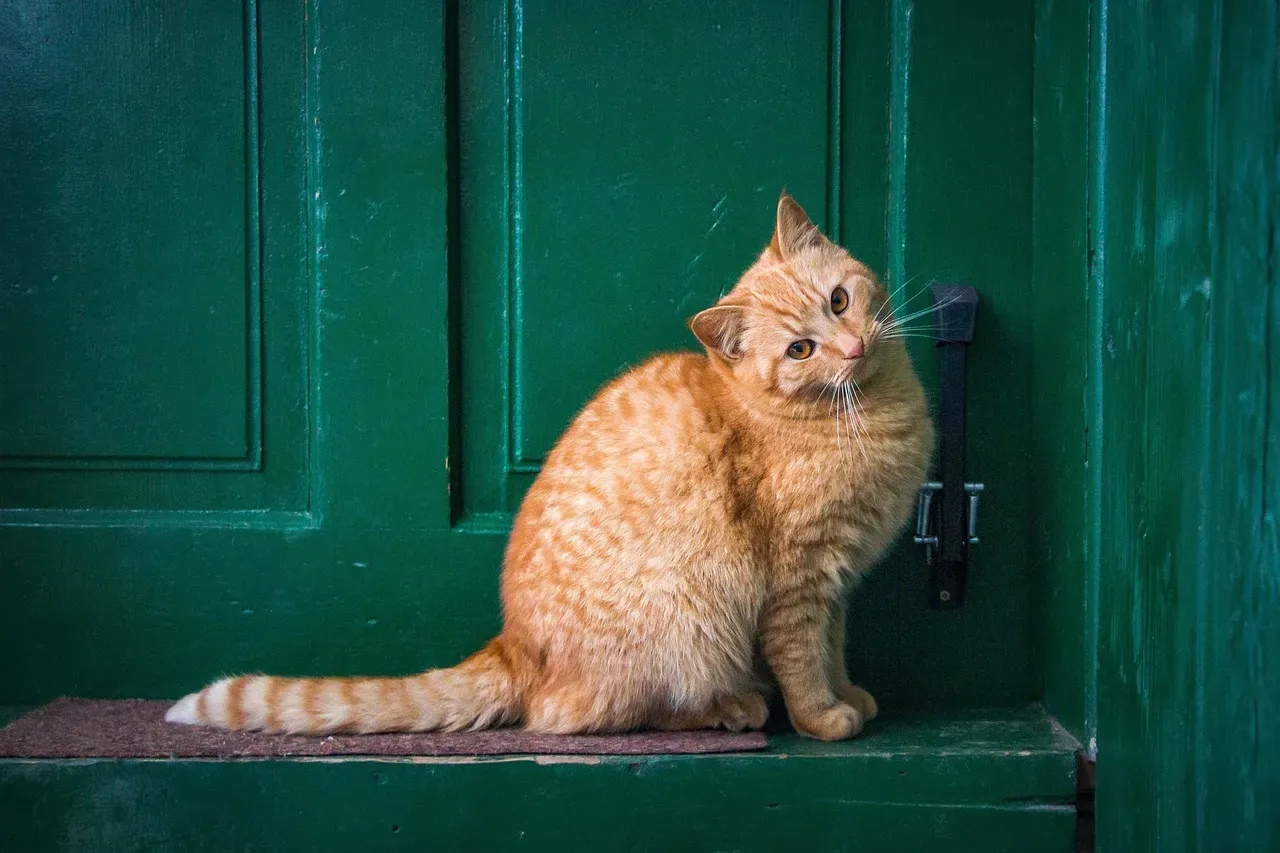
A cat’s tail is basically a mood flag, and an upright tail with a slight curl at the tip is one of the friendliest signals it can send.
This posture, often called the “flagpole tail,” typically appears when a cat greets someone it recognizes and feels comfortable around. Behaviorists note it frequently accompanies head bunting and leg-rubbing greetings, forming a full-body welcome ritual reserved for familiar, trusted people rather than strangers or unfamiliar animals.
Cats that feel uncertain or threatened tend to lower or tuck their tails, sometimes puffing them up defensively. A consistently raised, relaxed tail whenever a specific person walks into the room is a strong indicator of a positive emotional association. It’s one of the easiest gestures to spot, yet many owners overlook it simply because it happens so quickly during everyday greetings.
#9 – Grooming You Like You’re a Fellow Cat
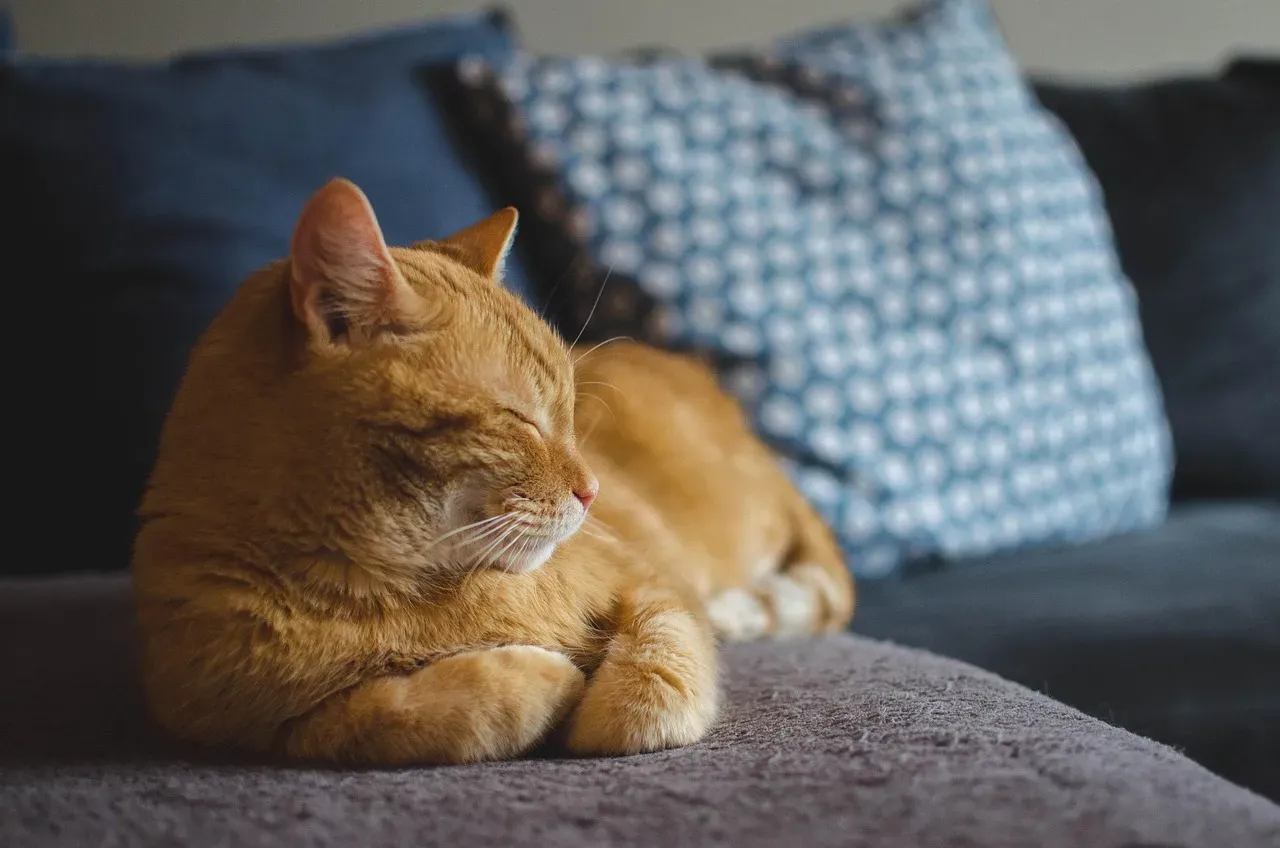
If your cat has ever licked your hand, arm, or hair, it’s engaging in what behaviorists call allogrooming, a bonding ritual normally reserved for close social partners.
In multi-cat households, cats groom family members they’ve formed strong attachments with, not random cats they merely tolerate. When a cat extends this behavior to a human, it’s treating that person as part of its trusted social unit rather than as a separate species entirely. This is a significant behavioral leap, since grooming requires close physical proximity and a temporary drop in defensive alertness.
Not all cats groom people, and some show trust through other gestures instead. But cats that do groom their humans tend to do it selectively and repeatedly toward the same one or two people. If your cat singles you out for this behavior while ignoring others in the house, you’ve essentially been folded into its grooming circle – a status not every household member earns.
#10 – The Private Chirp That’s Just for You
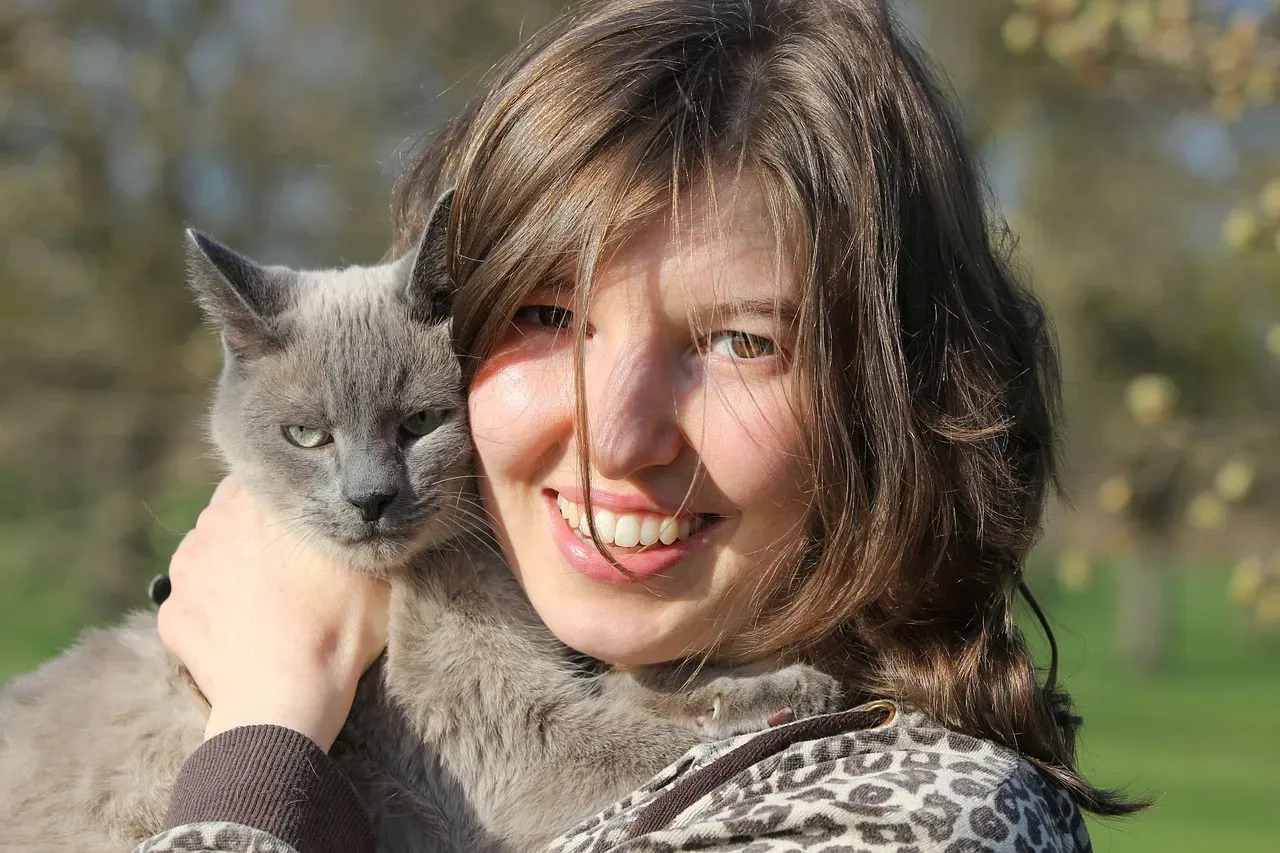
Cats are far less vocal with each other than they are with humans, and there’s a reason your cat seems to have an entire vocabulary reserved just for you.
Mother cats use short trilling chirps to call kittens and get their attention. Many adult cats retain this specific vocalization and use it almost exclusively toward trusted humans, rather than toward other cats or unfamiliar people. Behaviorists suggest this trilling greeting is a direct callback to early maternal communication, repurposed as an adult bonding tool.
The distinction matters: a cat meowing at the door for food is different from a cat trilling softly the moment you walk into a room. The trill is a targeted, affectionate greeting, not a demand. Cats tend to reserve this particular sound, along with soft chirps during eye contact, for the specific people they consider safe, familiar, and worth acknowledging personally.
#11 – Turning Its Back on You in Broad Daylight
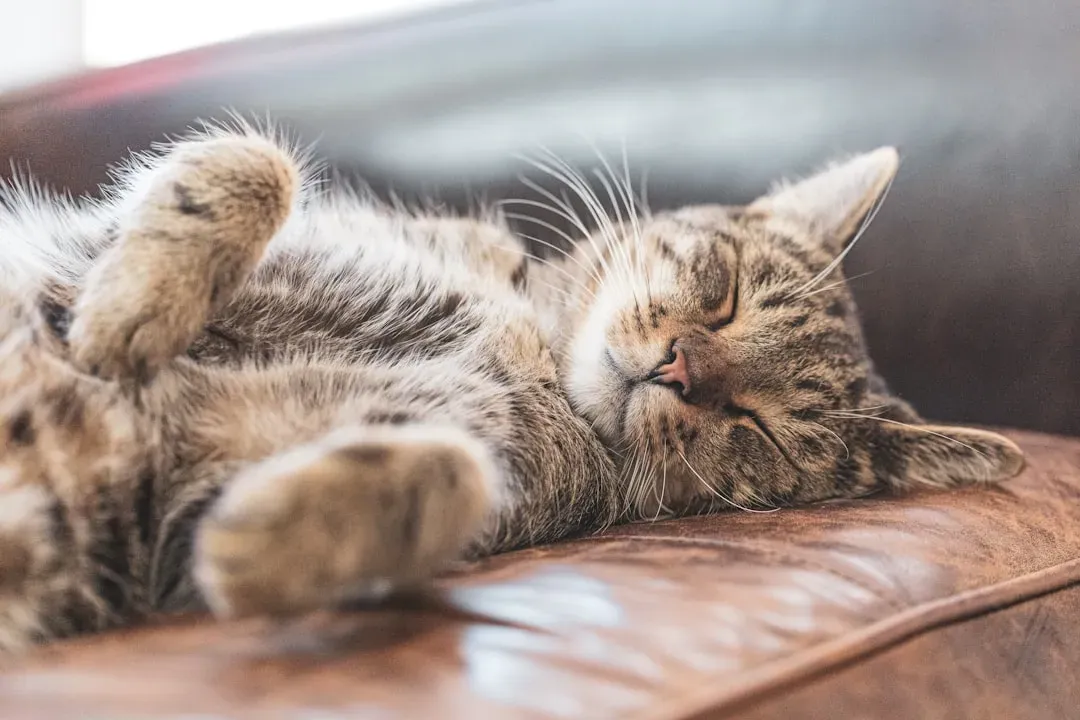
Turning its back on you might sound rude, but for a cat, it’s a calculated display of comfort.
A cat’s back and neck are prime attack points for predators in the wild, which is why cats instinctively keep an eye on anything or anyone they don’t fully trust. Choosing to sit or lie with its back exposed toward a specific person, especially while relaxed rather than tense, signals that the cat has ruled that person out as a potential threat entirely.
This gesture often shows up gradually as trust builds. A new cat in the home might avoid ever turning its back on anyone; a settled, bonded cat will do it constantly around its favorite people while staying more alert around others. It’s a quiet, easy-to-miss signal, but one that behaviorists consistently point to as a marker of deep comfort and trust.
#12 – The Cat Loaf That Means “I Feel Safe Here”
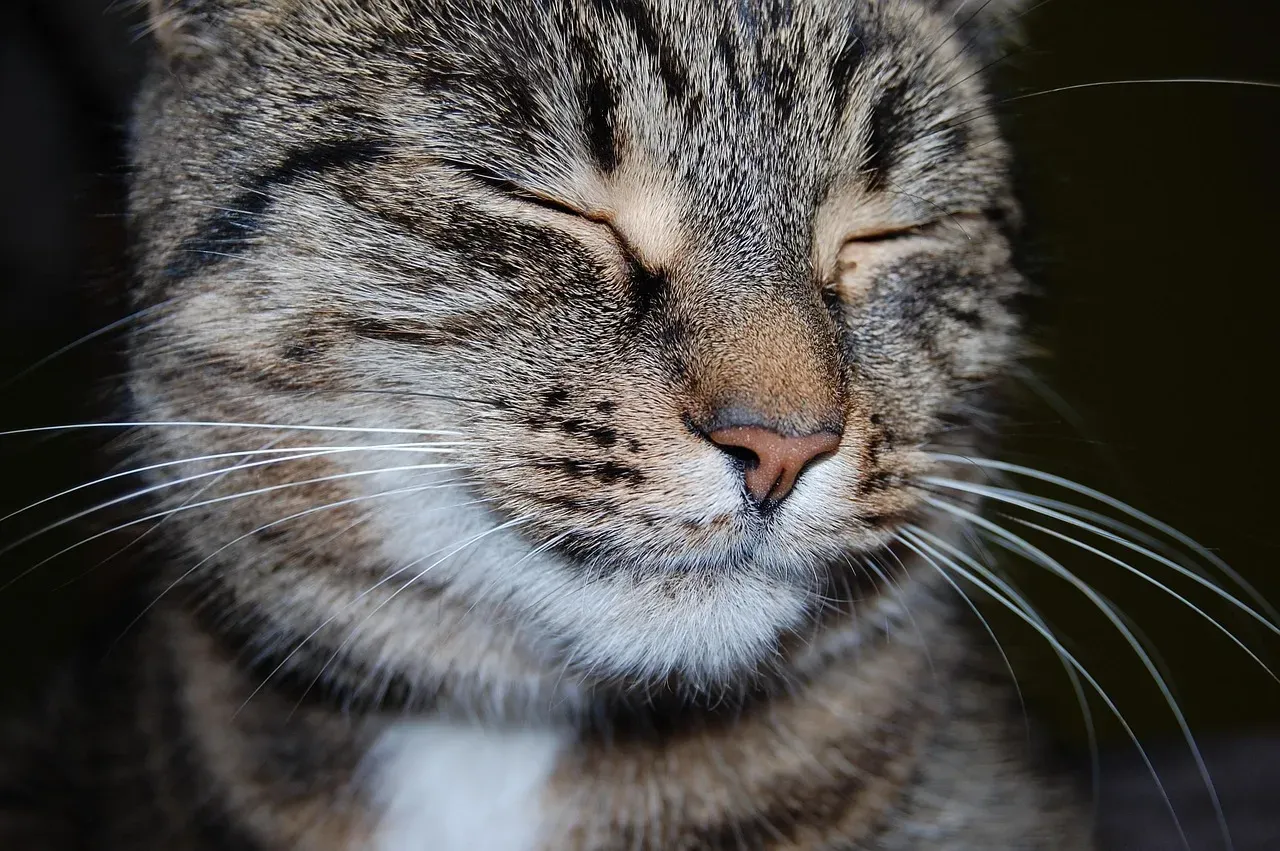
The “cat loaf” position – paws tucked neatly underneath the body – isn’t just about staying warm.
Tucked paws mean a cat cannot quickly extend its claws or spring into a defensive posture, making it one of the least combat-ready positions a cat can assume. Choosing to loaf specifically near or facing a certain person suggests the cat feels no urgency to stay combat-ready around them. Behaviorists frequently cite this posture alongside slow blinking and relaxed ears as part of a broader cluster of calm-trust signals cats display only around safe individuals.
Cats that are wary or newly introduced to a space tend to keep their paws ready and their bodies more alert, even while resting. A cat that consistently loafs beside one specific person, especially during quiet moments like reading or watching TV, is choosing comfort over readiness – and that choice is rarely accidental.
At a Glance
- Paws tucked under the body: claws unavailable, guard fully down
- Ears relaxed and forward: no active alertness to nearby threats
- Loafing near one person specifically: a targeted comfort choice
- Often paired with slow blinking for a full calm-trust cluster
#13 – The Long, Calm Stare That Ends in a Shrug
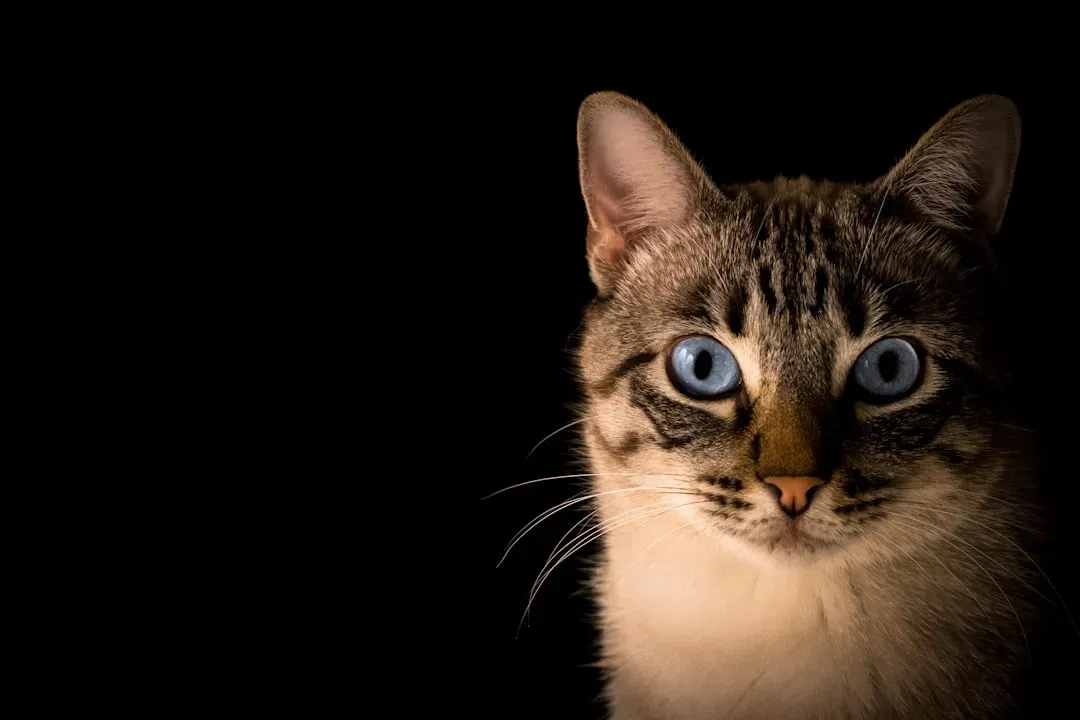
Sustained, relaxed eye contact followed by an unhurried look-away is one of the rarest and most telling trust gestures a cat can offer.
In feline social dynamics, prolonged staring is typically a challenge or a threat. A cat that holds eye contact with a specific person without tension, then breaks it off casually rather than fleeing or freezing, is demonstrating an unusually high comfort level. Behaviorists consider this the most advanced version of the trust gestures on this list, since it combines vulnerability, confidence, and voluntary engagement all at once.
This calm eye contact often appears alongside slow blinking, forming an extended, wordless conversation between cat and owner. Cats rarely offer this kind of engagement to strangers, roommates they merely tolerate, or people they associate with stress. When it happens consistently with one person, it usually marks the deepest tier of trust a cat is capable of expressing.
Cats don’t fake affection to keep the peace the way dogs sometimes do. Every gesture on this list requires a cat to override a deep, hardwired survival instinct – showing its belly, sleeping with its back turned, holding a stare instead of fleeing it. That’s not a small thing coming from an animal built to trust almost nothing on sight.
Not every cat will show all thirteen signals, and that’s fine – personality matters as much in cats as it does in people. But if you’re consistently seeing three or four of these from your own cat, stop assuming it’s only ever after dinner. You’ve earned something most people never do: a wild-hearted animal’s quiet, deliberate decision that you, specifically, are safe.
So which gesture does your cat do the most around you? That’s usually the one worth paying the closest attention to.
Kristina is a young writer from India. An arts graduate and an avid content creator, Kristina is passionate about animals and wildlife. She enjoys exploring topics related to pet care, animal behavior, conservation, and nature, combining thorough research with engaging storytelling.