Ask any dog owner what they think of cats, and you’ll probably hear some version of the same complaint: cats don’t really love you, they just tolerate you for the food. It’s a stereotype so old that even people who’ve owned cats their whole lives repeat it without thinking twice.
Here’s the problem. That stereotype falls apart completely once you look at specific breeds. Behaviorists, TICA judges, and longtime breeders have been quietly pointing out the opposite for years, and the gap between what people expect from a cat and what these fourteen breeds actually do is bigger than almost anyone realizes. Some of these cats don’t just tolerate affection. They chase it down.
#1 – Ragdolls Are Basically Dogs in Cat Bodies
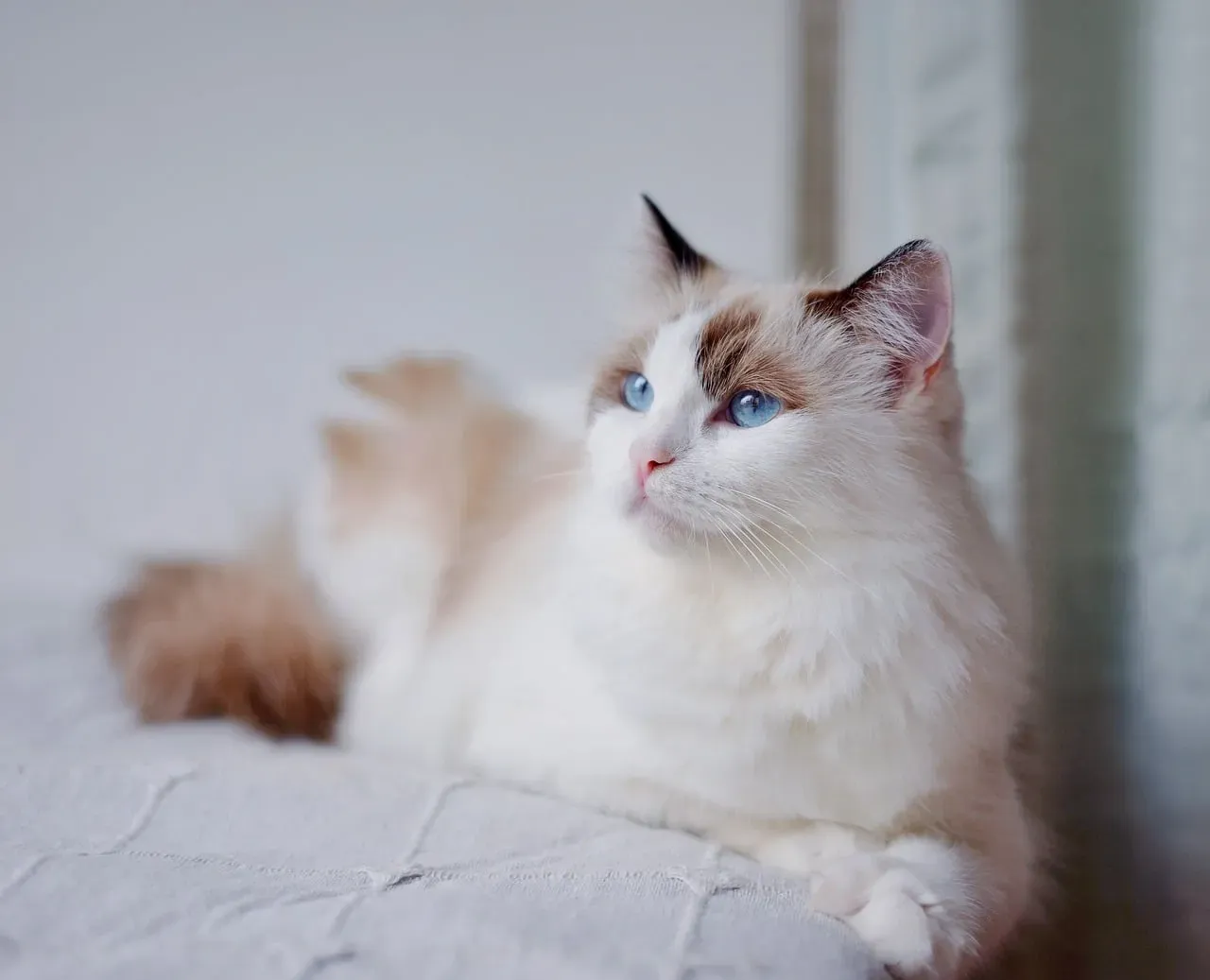
The Ragdoll didn’t earn its name by accident, and the story behind it is stranger than most owners think. This breed was developed specifically to be affectionate, and it’s named for the way it goes completely limp in a person’s arms or across their lap. That’s not a cute quirk that shows up occasionally. It’s the defining trait of the entire breed.
Owners regularly describe their Ragdoll flopping into their arms like a stuffed toy, offering zero resistance to being carried around the house like a baby. And the affection doesn’t stop once you put them down. A Ragdoll’s favorite activity is snuggling their people, often for hours a day, and many owners say their Ragdoll follows them from room to room like a shadow. This is a cat that will genuinely wait by the door for you.
#2 – Maine Coons Are Called “Gentle Giants” for a Reason
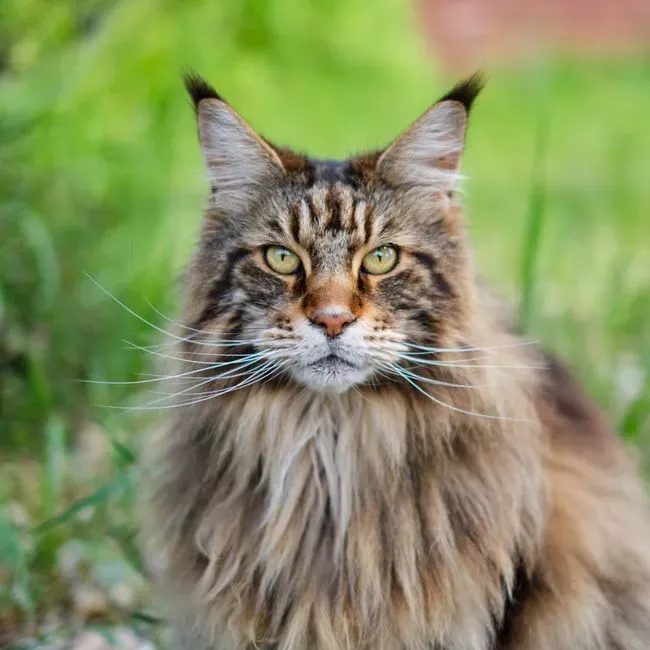
Maine Coons look intimidating. A full-grown male can top twenty pounds, and their size alone convinces a lot of people they’re dealing with a tough, independent animal. Instead, Maine Coons act like oversized lap kittens, often “talking” to their favorite humans with chirps, trills, and other unusually soft sounds for such a big cat.
Fast Facts
- Weight: males typically 13–18 lbs, females 8–12 lbs
- Lifespan: usually 12–15 years
- Origin: Native to Maine, one of the oldest natural cat breeds in North America
- Coat: Long, shaggy, and water-resistant, built for harsh winters
Here’s the part that really surprises people: Maine Coons aren’t clingy or demanding despite how affectionate they are. They typically pick one particular person and bestow most of their love on that one human, while still staying warm and gentle with everyone else in the house. They choose a favorite and stick with them for life, which is a kind of selective loyalty that’s rare in cats and much closer to how dogs bond.
#3 – Sphynx Cats Crave Physical Contact More Than Almost Any Other Breed
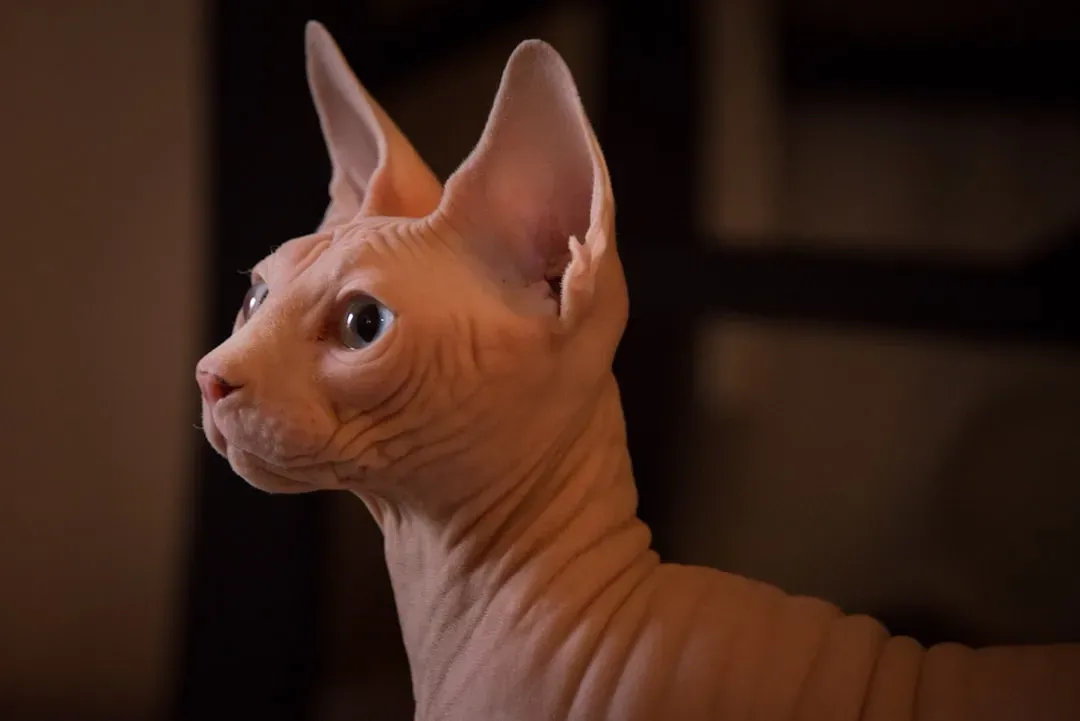
The hairless Sphynx has a reputation for looking strange, and that unusual appearance convinces a lot of people it must be a cold, standoffish breed. The opposite is true. Because they have no fur to trap body heat, Sphynx cats are constantly hunting for warmth, which means climbing into laps, burrowing under blankets, and pressing themselves against their owners far more than almost any other breed.
That’s not a coincidence. It’s a survival instinct that turned into a permanent personality trait. Most owners describe their Sphynx as a “velcro cat” that refuses to sleep alone. They’ll follow you into the bathroom, sit on your shoulder while you cook dinner, and demand to be touched almost constantly. Anyone who assumes a hairless cat must be aloof has clearly never lived with one.
#4 – Burmese Cats Act More Like Puppies Than Cats
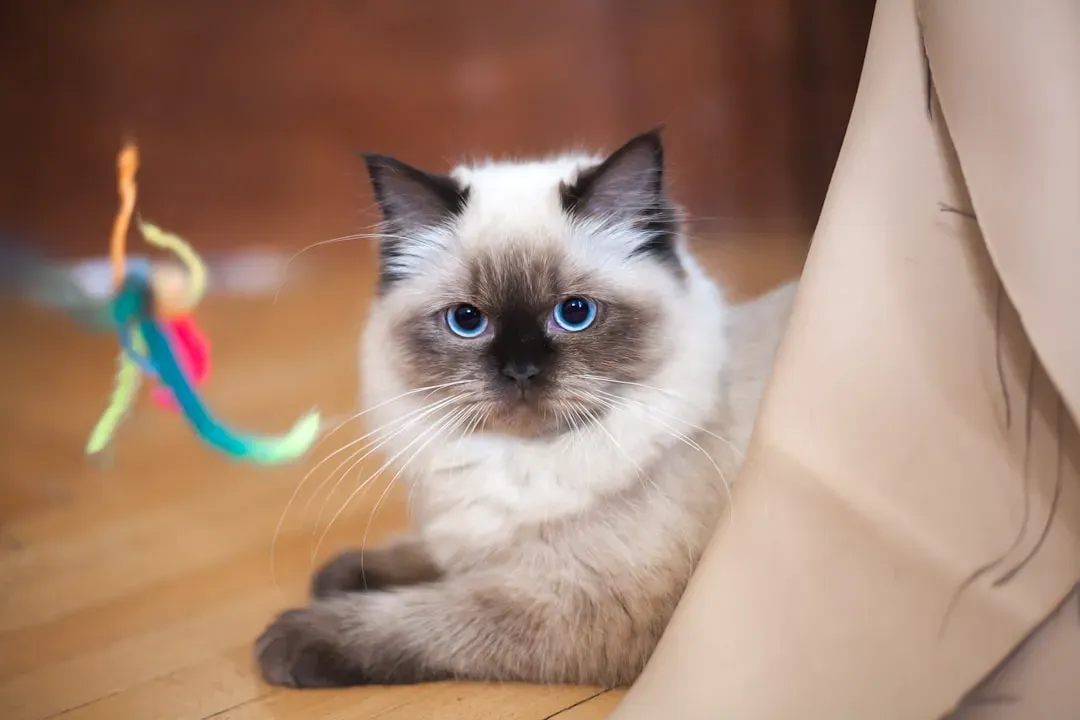
If you’ve ever wanted a cat that plays fetch, the Burmese might change your mind about the entire species. This is one of the most dog-like cat breeds that exists, fetching balls and hair ties, learning games, and wanting to play constantly with the people it loves. This is one of the few breeds that will genuinely retrieve a toy and bring it back to you.
The social need runs deeper than play, though. Burmese cats are equally fond of infants, elderly family members, and everyone in between, and they don’t discriminate based on age or energy level. They simply want to be near people, which makes them one of the most versatile affectionate breeds for households with kids or older relatives who need a calmer companion.
#5 – Persians Are Secretly One of the Cuddliest Breeds Alive
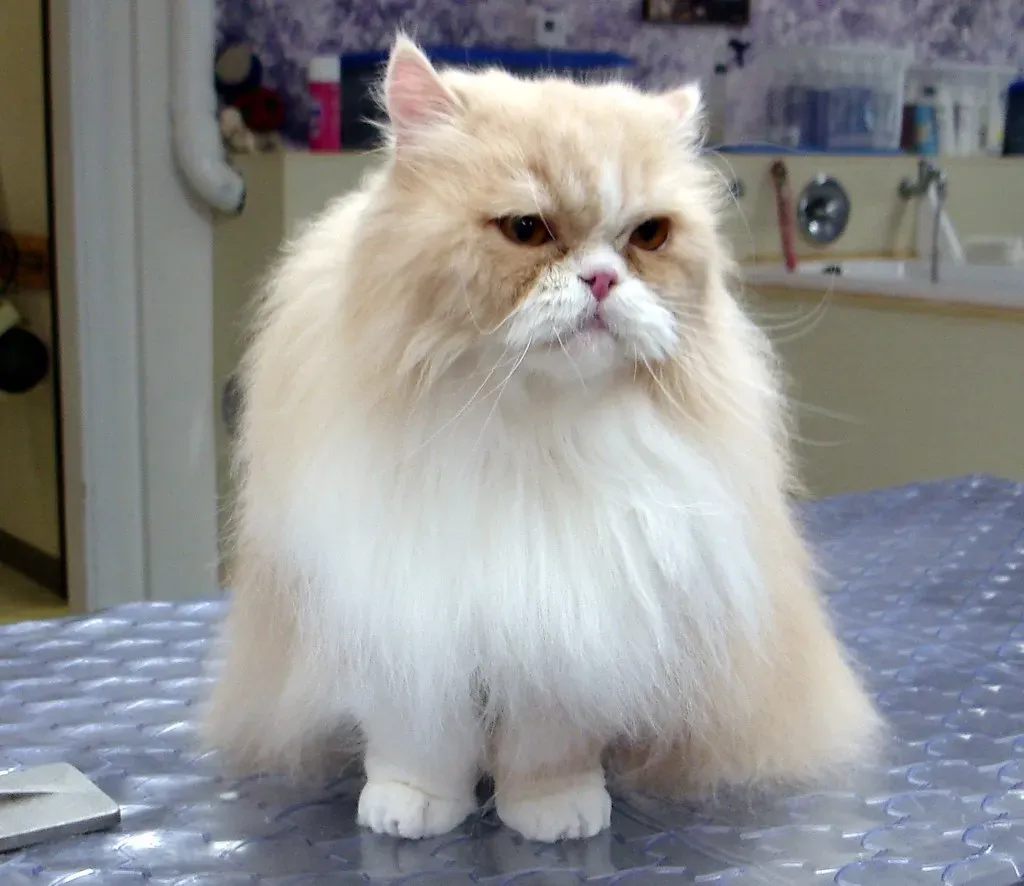
Persians get typecast as high-maintenance divas because of their grooming needs, but their personality tells a completely different story. Picture the ultimate luxurious lap cat, and you’re probably picturing a Persian, with a placid, sweet, and incredibly affectionate temperament that loves nothing more than a quiet afternoon snooze on someone’s lap.
Their long, thick coat does require a dedicated, high-maintenance grooming and eye-cleaning routine, but here’s the controversial part: many experts now argue that routine is exactly why Persians bond so tightly with their owners. The grooming itself becomes a bonding ritual, and plenty of owners say daily brushing sessions are when their Persian is at its most affectionate.
#6 – Siamese Cats Are Emotionally Attached, Not Just Vocal
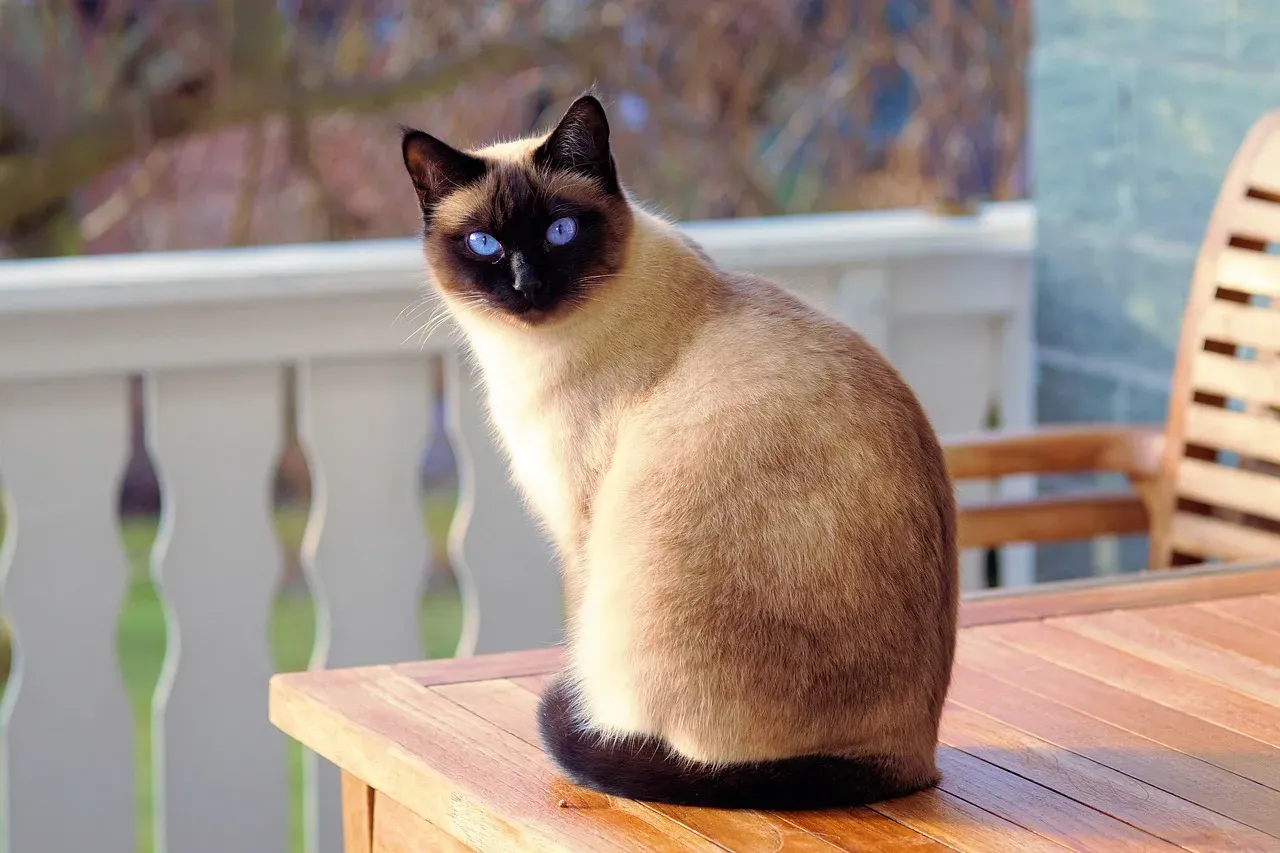
Everyone knows Siamese cats are loud. Almost nobody realizes how emotionally dependent they actually are on their humans. Siamese cats are vocal, social, and affectionate, forming strong bonds with their families and following their humans from room to room throughout the day. The constant chatter people find annoying is really a form of communication, they’re talking to you because they want a response.
The love you can see in their eyes toward their owners is incomparable.
Cheryl Hogan, TICA breed judge
This is a breed that genuinely struggles with being left alone for long periods. Many owners underestimate just how much a Siamese needs company until they watch one become visibly anxious during a long workday.
#7 – Birmans Are Quiet Shadows Who Won’t Leave Your Side
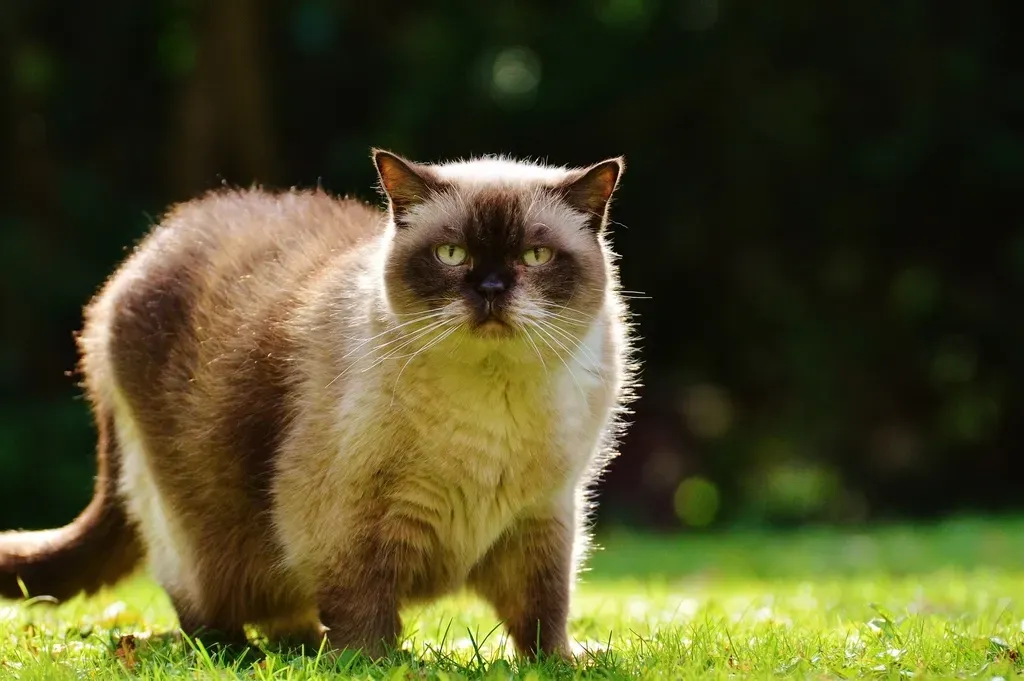
Birmans don’t demand attention loudly, but their devotion runs just as deep as louder, more vocal breeds. Intuitive, freely affectionate, and loving, a Birman can be a shoulder to cry on one minute and a fully energized kitten the next, entertaining you for hours with their favorite games. That dual personality surprises a lot of new owners who expect a calm cat to stay calm all the time.
Worth Knowing
- Origin: Developed in France, with legend tying the breed’s roots to Burma (Myanmar)
- Signature look: Deep blue eyes and a silky coat with white “gloves” on all four paws
- Temperament: One of the calmest color-point breeds, rarely aggressive
- Best fit: Households that can offer steady companionship, human or feline
Birmans aren’t pushy, but they will let you know when they want to be petted, and most don’t enjoy being the only pet in the house. This is a breed that actively seeks out companionship, human or feline, rather than simply tolerating it. If you’re a single-pet household, a Birman might struggle more than you’d expect from such a calm-looking cat.
#8 – Tonkinese Cats Read the Room Better Than Most Humans
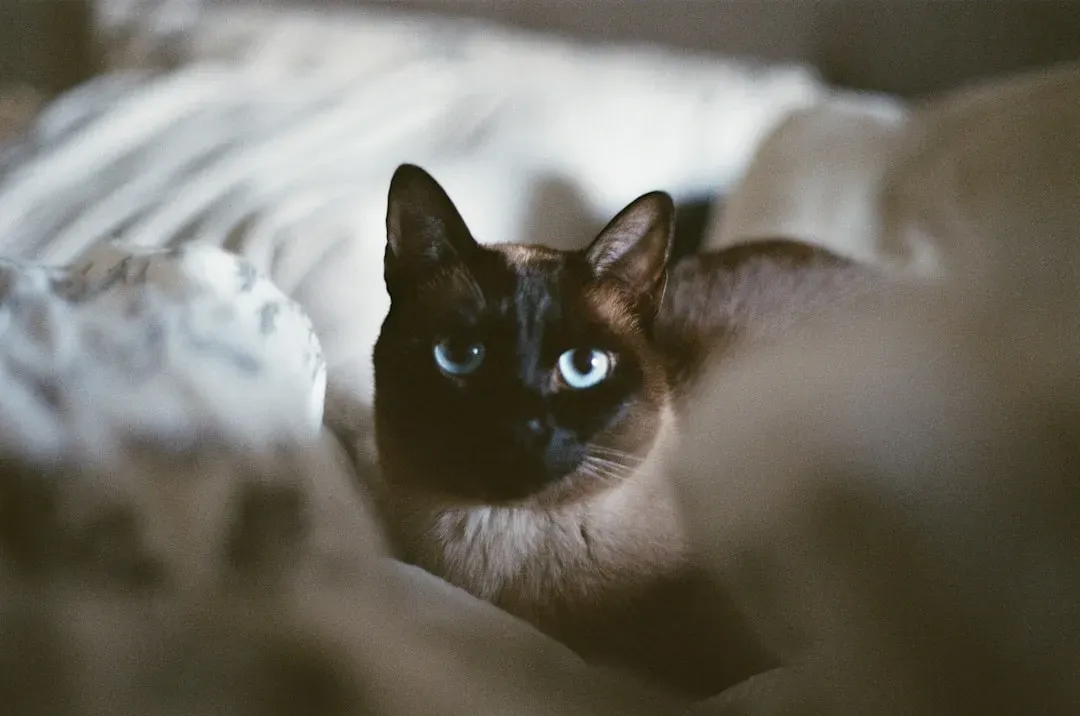
The Tonkinese is a hybrid breed that somehow inherited the best emotional traits from both of its parent breeds. It’s a highly intelligent, joyful cat that will happily play with kids, join a group of guests, or quietly sit on your lap depending on the vibe of the room. That social flexibility is rare. Most cats have one mode. The Tonkinese adapts to the energy of the room like a socially intelligent house guest.
While they’re playful, their favorite activity is being petted and snuggling on their person’s lap. They’re also talkative and loyal, and they’re happiest in a household with plenty of attention to give. This isn’t a low-maintenance breed emotionally, but in return for the engagement it demands, it offers some of the most emotionally responsive companionship of any breed on this list.
#9 – American Shorthairs Are Affectionate Without Being Needy
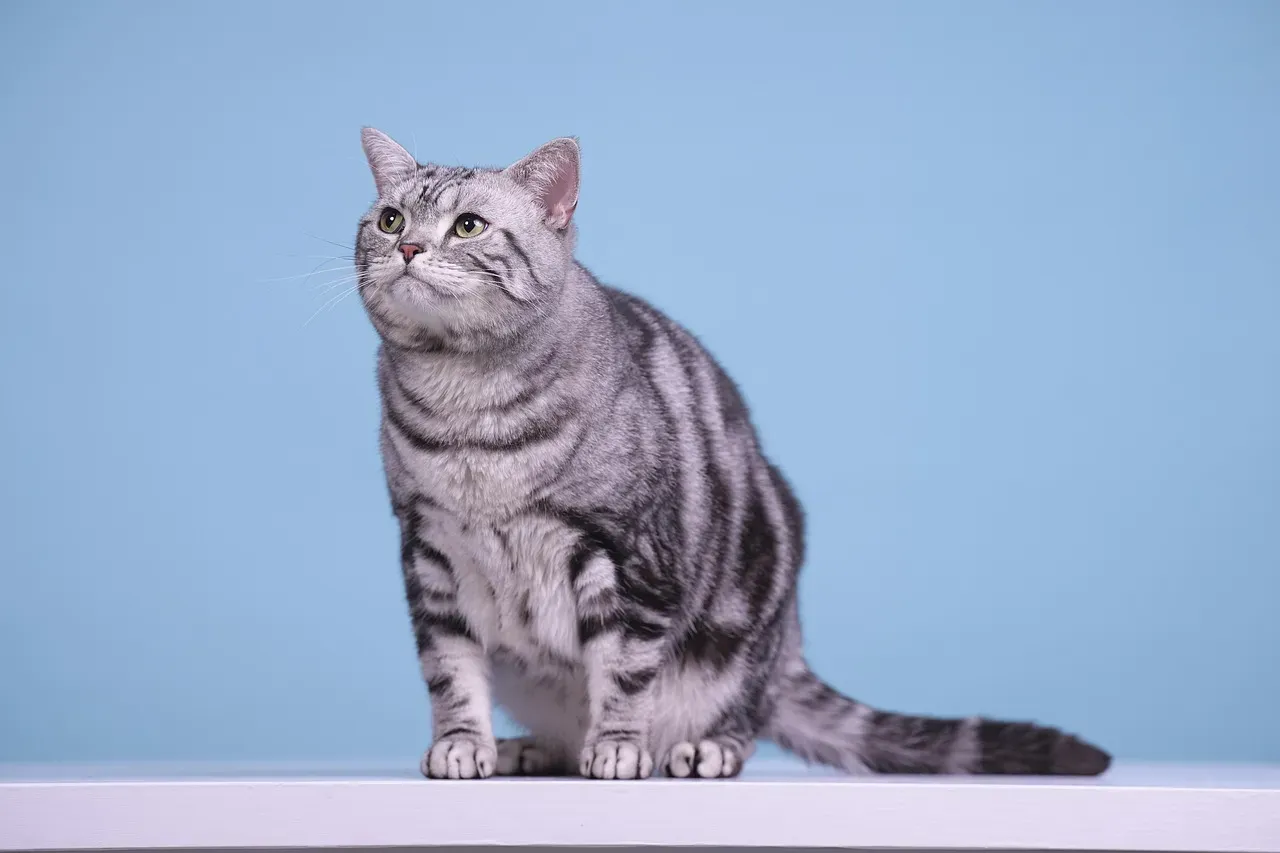
American Shorthairs prove that affection doesn’t have to mean constant demands, and that’s exactly why families love them. This is a laidback, people-oriented breed with plenty of energy that loves to play but doesn’t need constant attention, and it tends to get along easily with kids and dogs. It’s the rare breed that offers deep affection without the emotional intensity of clingier cats.
They love cuddling with their human family, but they’re not pushy about it, and they’re happy to play independently when nobody’s available. A lot of people overlook this breed entirely because it doesn’t have a flashy reputation. That’s a mistake. It’s one of the most balanced affectionate breeds for busy households that still want a genuine bond.
#10 – Abyssinians Bond Through Play, Not Just Cuddles
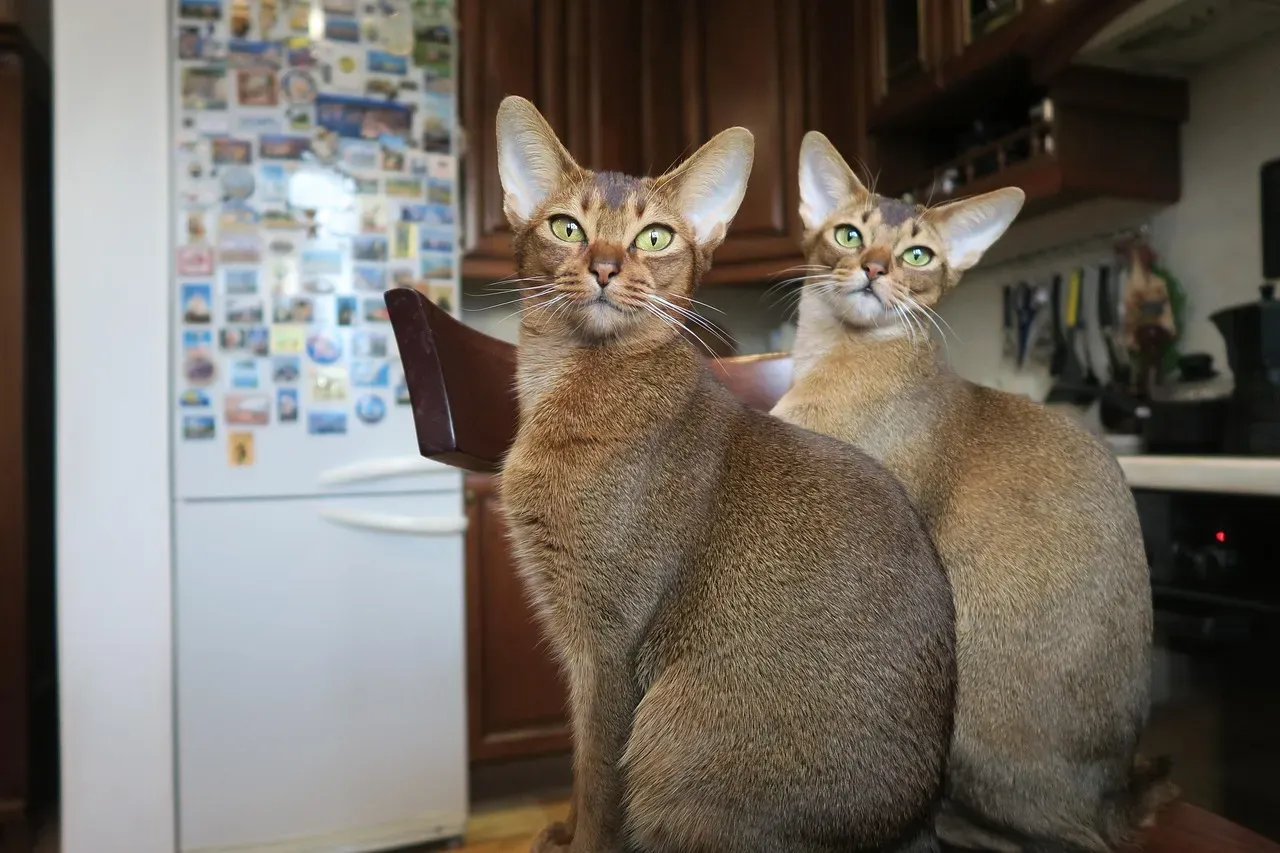
Most affection lists focus on lap cats. The Abyssinian proves affection can look completely different and still be just as real. Abyssinians are known for their curiosity, loving to explore, climb, and grab hold of anything that catches their interest. Most are extremely playful and rarely seem to stop moving. Their version of affection is constant interaction, not stillness.
Quick Compare
- Abyssinian: Bonds through motion, climbing, and shared play sessions
- Classic lap cat: Bonds through stillness and physical closeness
- Abyssinian: Needs daily interactive play to stay genuinely happy
- Classic lap cat: Content with quiet snuggle time and minimal exercise
These cats want affection from their humans and generally get along well with other cats, dogs, and pets, but as active and intelligent animals, they need a lot of physical and mental exercise to stay happy. It’s a controversial pick for an “affectionate” list because their love language is activity, not snuggling, but plenty of experts now argue this energetic bonding style is just as deep as any lap cat’s devotion.
#11 – Scottish Folds Will Let Kids Dress Them Up
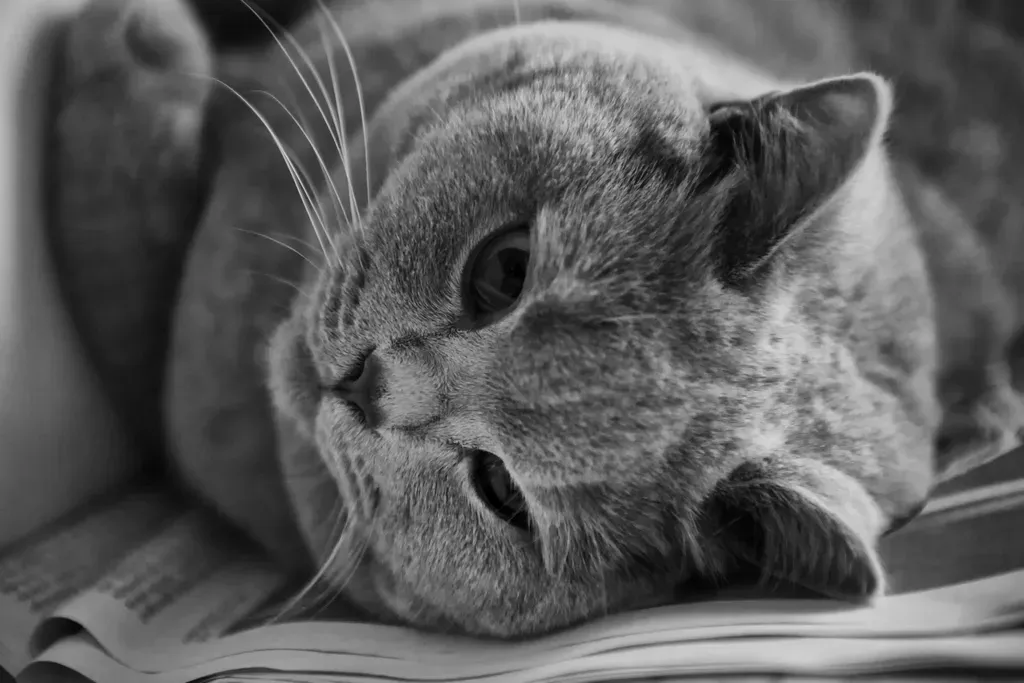
The Scottish Fold’s folded ears get all the attention, but its personality is the real reason people fall in love with this breed. According to TICA judge Cheryl Hogan, this sweet cat, whether folded or upright-eared, is so mellow that many will even tolerate kids dressing them up in doll clothes. That level of tolerance is almost unheard of in cats. Most breeds would never sit still for that kind of handling.
This mellow temperament makes Scottish Folds particularly well-suited to families with young children, where patience matters more than independence. They’re not the most active breed on this list, but their calm, accepting nature means they rarely react badly to the chaos of a busy household. That patience is its own quiet form of affection.
#12 – Devon Rex Cats Refuse to Be Distant
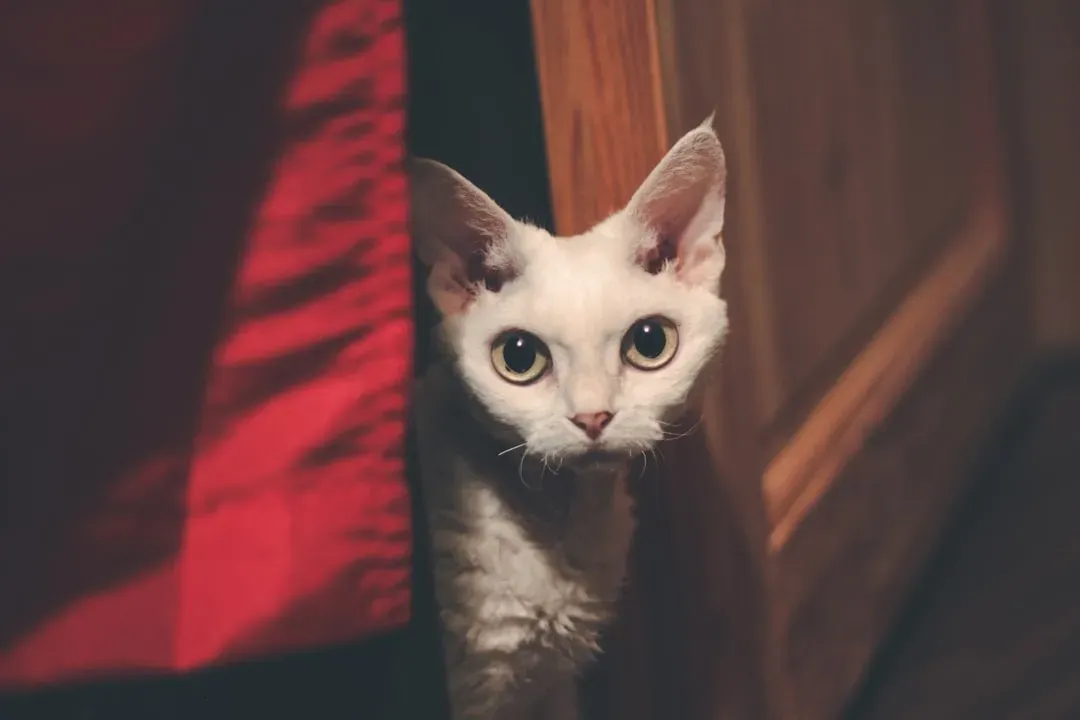
The Devon Rex looks unusual with its curly coat and oversized ears, but its personality is anything but standoffish. This is a breed built almost entirely around closeness, and owners frequently describe their Devon Rex perching on shoulders, curling into necks, and following them into every room without exception.
This is one of the most physically affectionate breeds most people have never heard of. While Ragdolls and Maine Coons dominate the affection conversation, the Devon Rex quietly outperforms many “official” lap cat breeds in sheer clinginess. It deserves far more recognition for its emotional intensity than it currently gets.
#13 – Russian Blues Bond Completely, But Only With Their Person
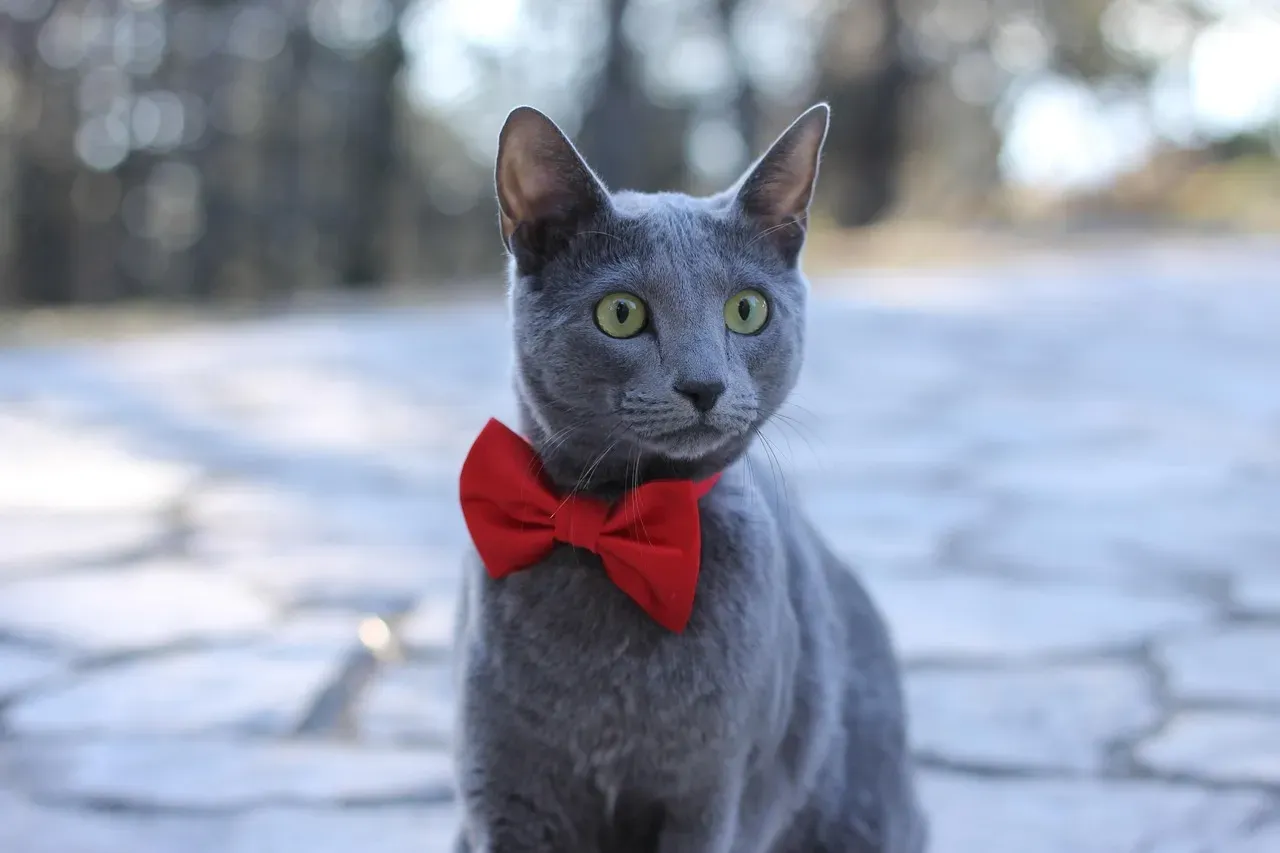
Russian Blues have a reputation for being reserved with strangers, but that reserve hides one of the most intense one-on-one bonds in the cat world. “Once a Russian Blue considers you a friend, you’ll never have an empty lap again,” one longtime breeder has noted, adding that they bond completely with their owners. This is a breed that essentially chooses one person and commits fully.
At a Glance
- Coat: Short, dense, silvery-blue double coat
- Eyes: Vivid green
- Origin: Believed to trace back to the port of Arkhangelsk, Russia
- Lifespan: Often 15–20 years, longer than many breeds
That creates a fascinating contradiction: Russian Blues can seem aloof to guests while being intensely devoted at home. Many owners don’t realize their “shy” cat is actually one of the most emotionally attached breeds around, it just reserves that devotion exclusively for the people it trusts. Strangers rarely see this side at all.
#14 – Bombays Are Often Called “Patent Leather Kids”
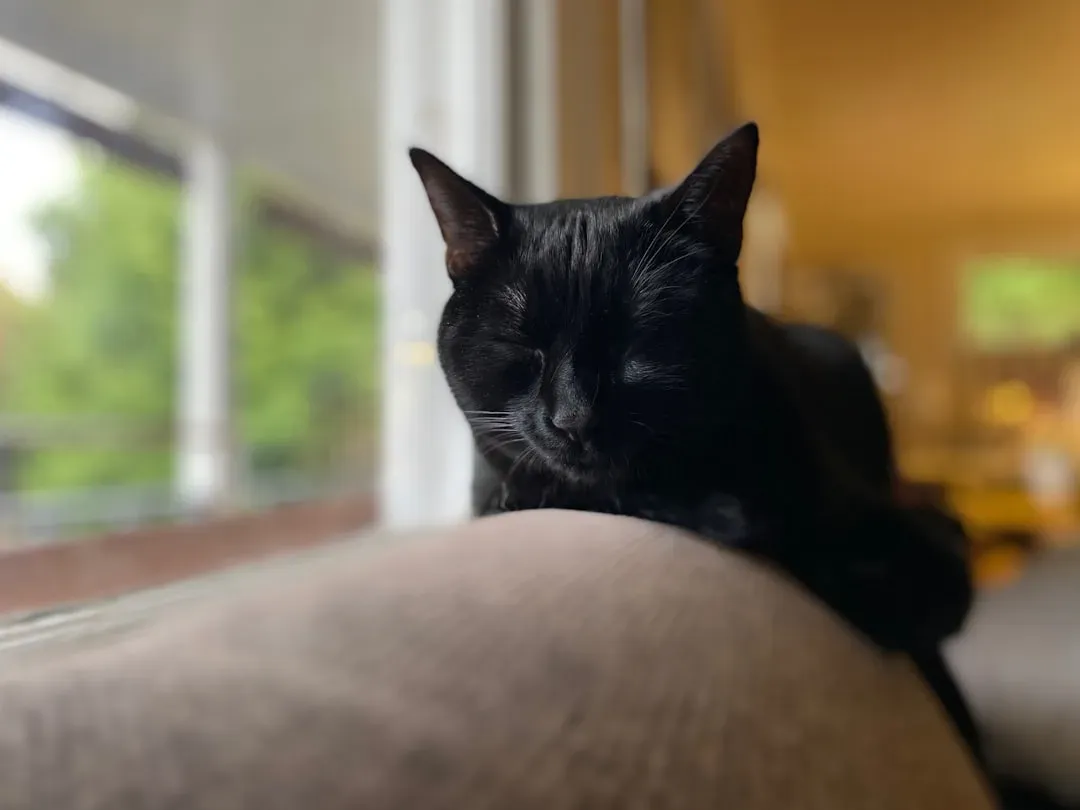
The Bombay was bred to look like a mini panther, but its personality couldn’t be further from anything wild or distant. As one of the Bombay’s parent breeds, the Burmese is just as people-oriented and eager to please, and the Bombay inherited that same eagerness. Breeders often describe them needing to be near their humans constantly, following room to room like an actual shadow.
These cats thrive on attention from their family, and they’re equally fond of infants, elderly relatives, and everyone in between. Longtime breeder Wendy Klamm has spoken affectionately about just how devoted the breed is. This is a cat that genuinely struggles with isolation. If you want a companion that behaves like a devoted, always-present shadow rather than an independent roommate, the Bombay might be the most underrated pick on this entire list.
The Bottom Line
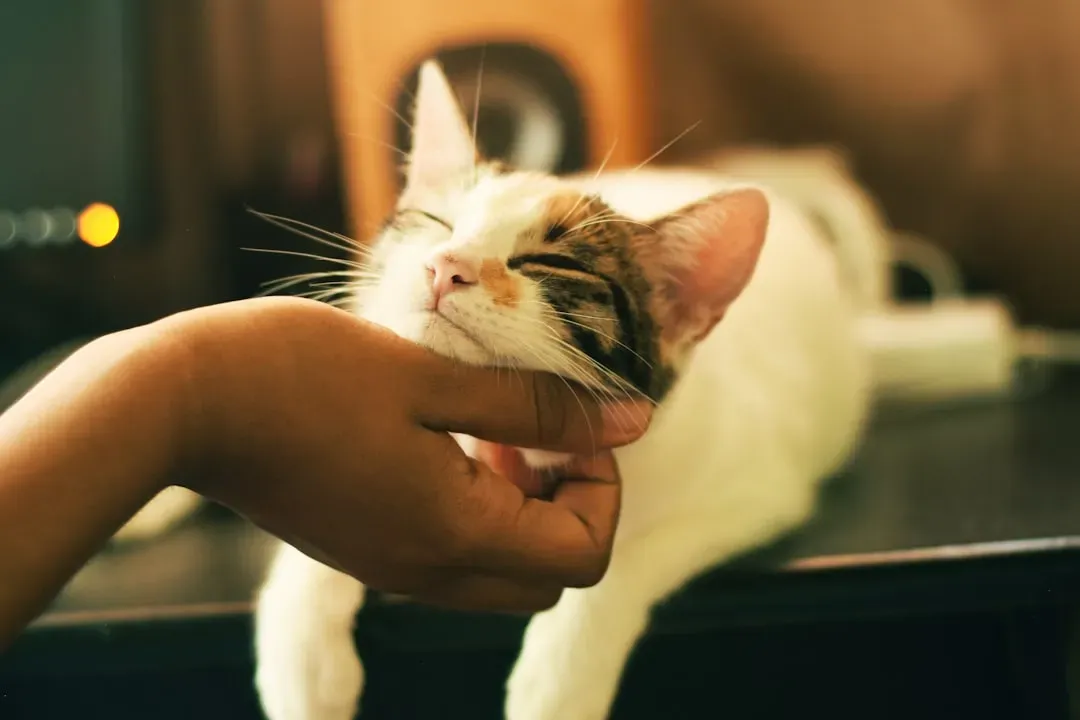
The idea that cats are naturally distant is outdated, and honestly, it always oversimplified an animal that’s a lot more emotionally complex than people give it credit for. From Ragdolls that go limp with trust to Russian Blues that bond completely with one person, these fourteen breeds show that affection in cats isn’t rare at all. It’s just been marketed badly for decades.
Breed matters, but so does how a kitten is raised in its first weeks of life, and no personality trait is ever guaranteed. Still, if you’re chasing a genuinely affectionate cat, these are the breeds experts consistently point to, and for good reason. Which one surprised you the most? Did we miss a breed that deserves a spot on this list? Drop it in the comments.
Kristina is a young writer from India. An arts graduate and an avid content creator, Kristina is passionate about animals and wildlife. She enjoys exploring topics related to pet care, animal behavior, conservation, and nature, combining thorough research with engaging storytelling.