Old cats don’t throw goodbye parties. There’s no dramatic final performance, no grand gesture that says “pay attention to me.” Instead, most senior cats quietly shift into a slower, softer version of themselves – and most owners miss it entirely because they’re waiting for something loud. Veterinarians say the real signals are subtle: a longer stare, a heavier lean, a purr that lasts one beat too long.
These aren’t signs of decline you need to panic about. They’re signs your cat has settled into contentment, savoring the ordinary moments most of us rush past. Here’s what vets and behaviorists actually say to watch for – and a few of these will catch you completely off guard.
#1 – They Suddenly Can’t Get Enough Sunlight
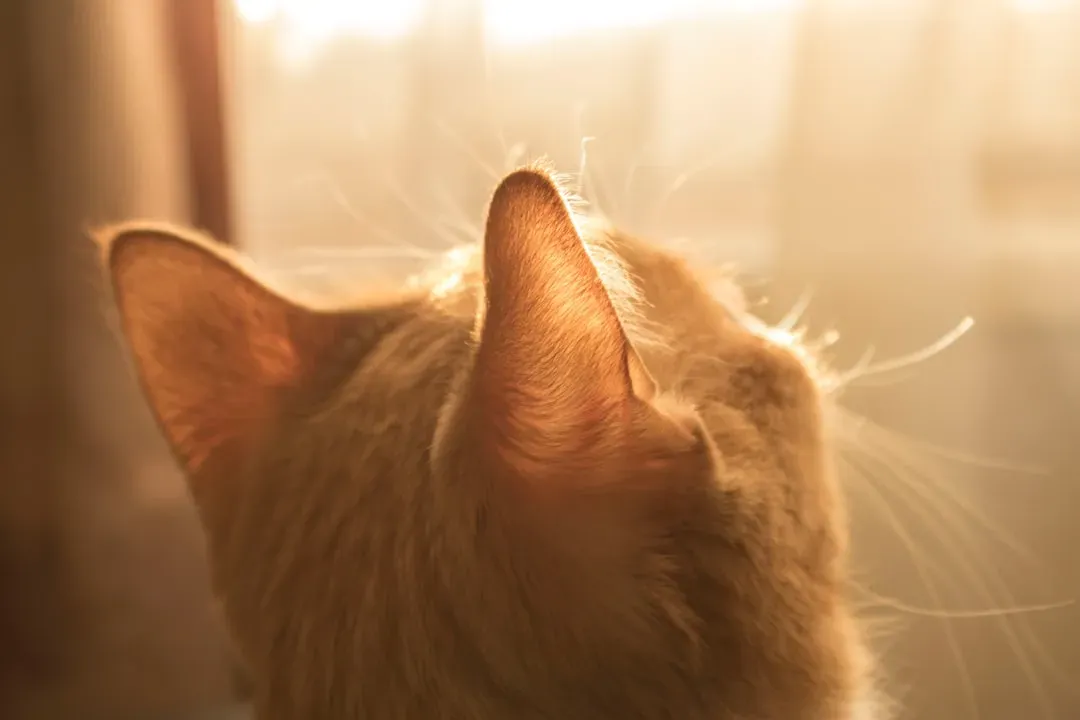
Cats have always loved a warm windowsill, but an old cat’s obsession with heat hits a different level. It’s not laziness. It’s biology catching up with them.
Veterinarians explain that cats develop thinner skin with age and may also lose muscle mass, which can make it harder for senior cats to regulate their body temperature, causing them to sit on the radiator more or seek out warmer areas in the home. The single most surprising part? Poor circulation can make their paws and nose go cold to the touch even in a warm room, according to veterinarian Danielle Rutherford. So when your old cat parks itself in a sunbeam for hours, it’s not just comfort – it’s a genuine physical need your cat has learned to chase without complaint. But that’s nothing compared to what we found about #2…
Fast Facts
- A healthy cat’s normal body temperature typically falls between about 100.5°F and 102.5°F.
- Senior cats may experience a slight drop in body temperature due to decreased metabolism.
- Healthy indoor cats are generally most comfortable in temperatures of 68 to 80 degrees Fahrenheit, though many seniors seek out warmer corners than that.
- Older cats often have weaker blood circulation, which causes them to cool down more quickly than younger cats.
#2 – Independence Quietly Takes a Back Seat
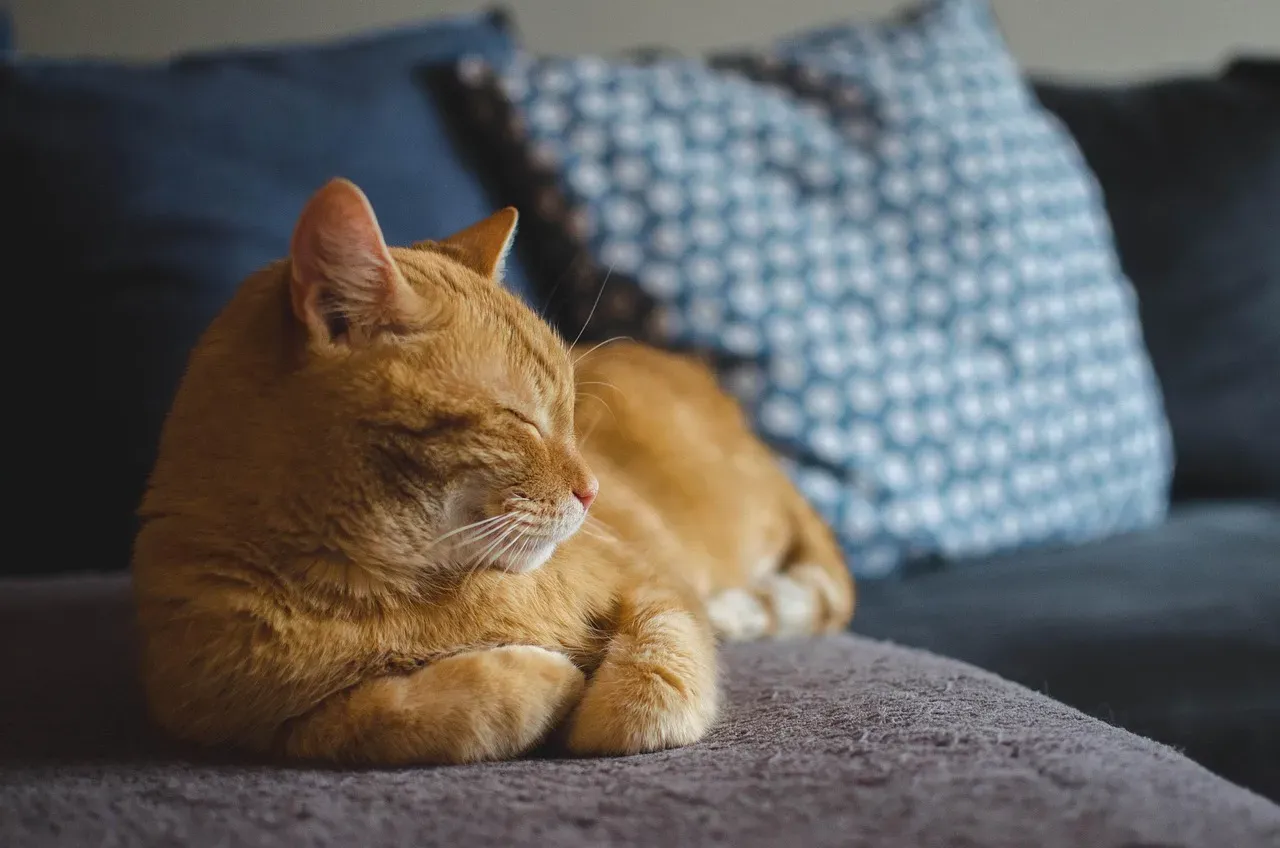
Cats built their entire reputation on being aloof. So when an old cat starts trailing you from room to room, something has shifted.
Experts note that some senior cats become intensely clingy as they age, a complete reversal from their younger, more solitary selves. This isn’t neediness – it’s a cat recalibrating what feels safe. Most people assume clinginess in a pet is a red flag, but many behaviorists argue it’s actually one of the clearest signs of trust deepening in the final chapters of a cat’s life. Your old cat isn’t losing its personality. It’s choosing you over the empty room, over the closet, over the independence it used to guard so fiercely. But #3 might be even easier to miss.
#3 – The Purr Changes Texture
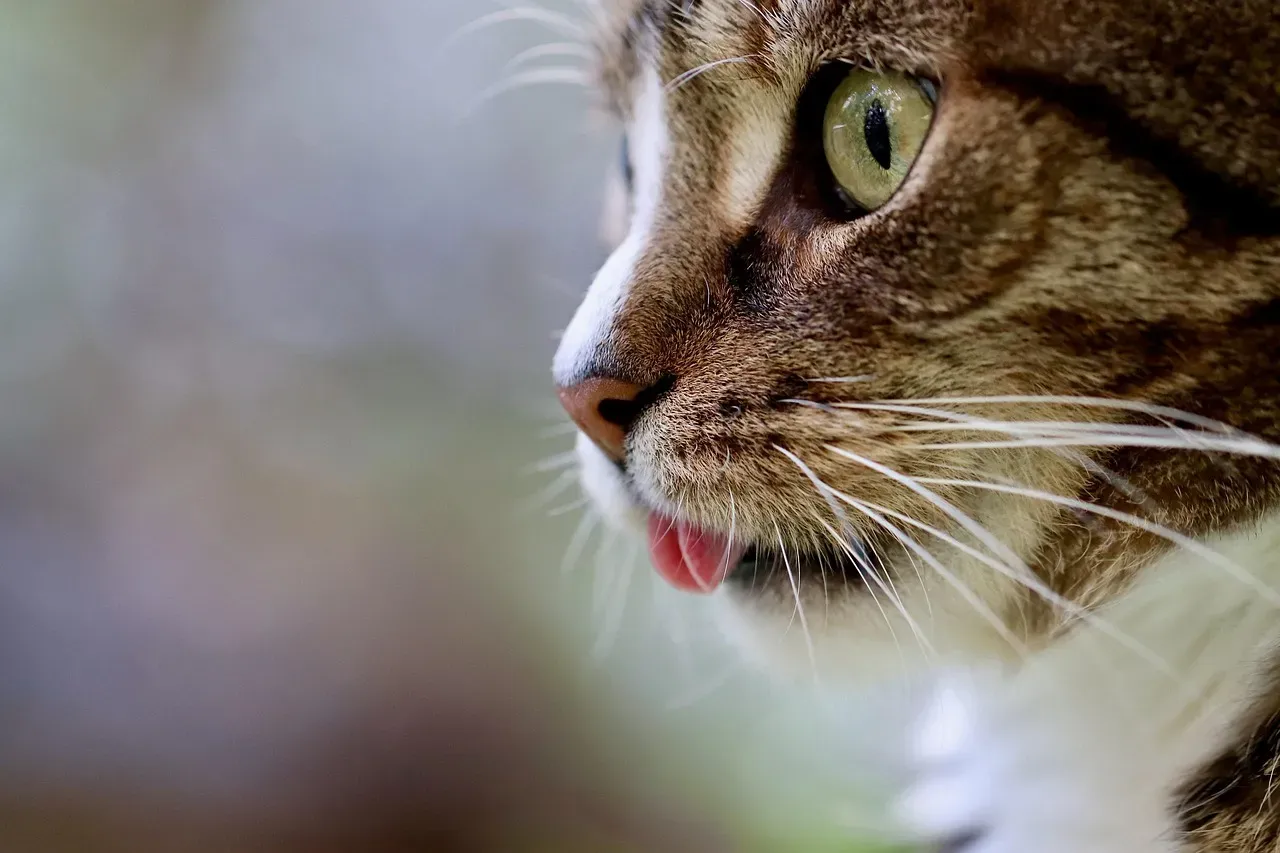
Every cat owner knows the purr. But an old cat’s purr often sounds different – longer, softer, almost meditative.
Veterinary sources confirm that purring is one of the most recognized signs of a happy cat. Context still matters: in rare cases cats purr when frightened or hurt, but if your cat is curled up next to you and seems relaxed when the motor starts, you know the cat is content. The surprising twist is that senior cats often purr more frequently than they did as adults, not less, using it as a steady, self-soothing signal that everything, in this exact moment, is fine. Listen for that lower, slower rumble – it’s the sound of an old cat savoring stillness. But wait until you hear what #4 reveals about their eyes.
#4 – Slow Blinks Turn Into a Daily Ritual
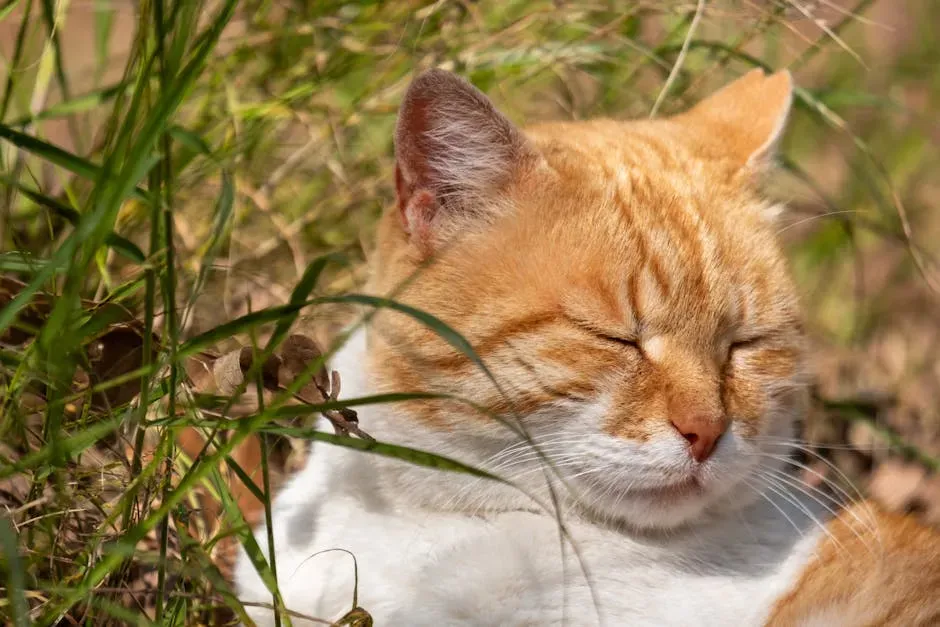
If your old cat has started giving you long, deliberate blinks across the room, pay attention. That’s not sleepiness. That’s communication.
Behavior experts describe this as one of the clearest bonding signals cats give. Owners often notice slow blinking during quiet moments, such as relaxing together on the couch or before a nap, and combined with relaxed ears and loose body posture, it’s one of the strongest indicators a cat feels safe. Most owners think slow blinks are just tiredness, but experts insist they’re closer to a feline “I love you.” Senior cats tend to lean into this gesture more than younger ones, almost as if they’ve learned it’s the easiest way to say something without wasting energy. But #5 takes affection to a whole new physical level.
#5 – Kneading Returns Like a Kitten Habit
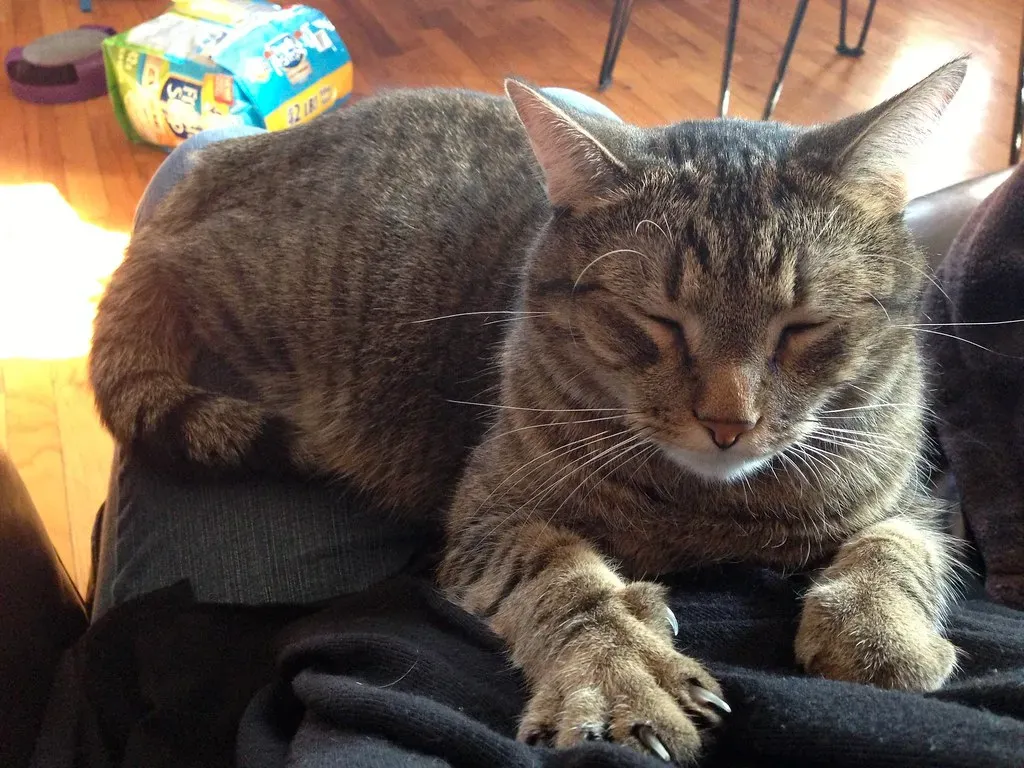
That paw-pressing motion your cat did as a kitten? In old age, it often comes back – and stronger than before.
According to veterinary behaviorists, kneading often accompanies purring and is known as “making biscuits,” a motion cats use on blankets or their favorite people that’s often considered the height of contentment, thought to be a throwback to the security kittens feel kneading on their mother. The most surprising detail is that this instinctive comfort behavior doesn’t fade with age – for many cats, it intensifies, showing up more in the senior years than in the middle of a cat’s life. When your old cat curls into your lap and starts kneading your blanket like it’s twelve weeks old again, that’s not regression. That’s your cat reaching back for the safest feeling it’s ever known. But #6 is where things get controversial.
#6 – The Meows Get Softer, Not Louder
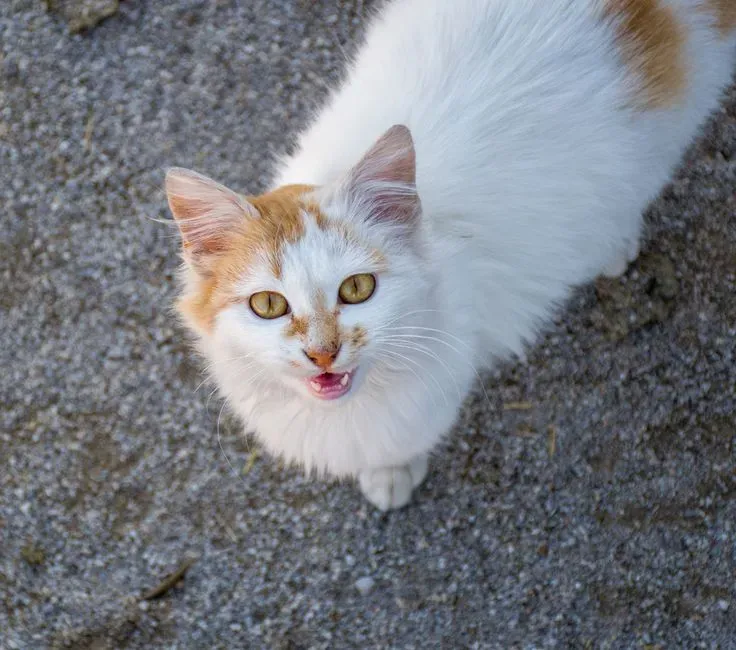
Most people assume aging cats get noisier and more demanding. The opposite is often true, and it’s a detail vets say gets overlooked constantly.
A happy cat will often be a chatty cat, making cheerful noises like meows, chirps, and trills when they are feeling relaxed or looking for attention from their owners, according to veterinarian Dr. Rebecca MacMillan. But in senior cats, that chattiness often shifts tone – from sharp, demanding meows to shorter, breathier chirps. While most owners brace for louder complaints as cats age, many experts argue the real shift is toward gentler, more conversational sounds, almost like a cat easing into a quieter way of asking for things. But #7 might explain why grooming time suddenly feels different.
#7 – Grooming Becomes a Two-Person Job
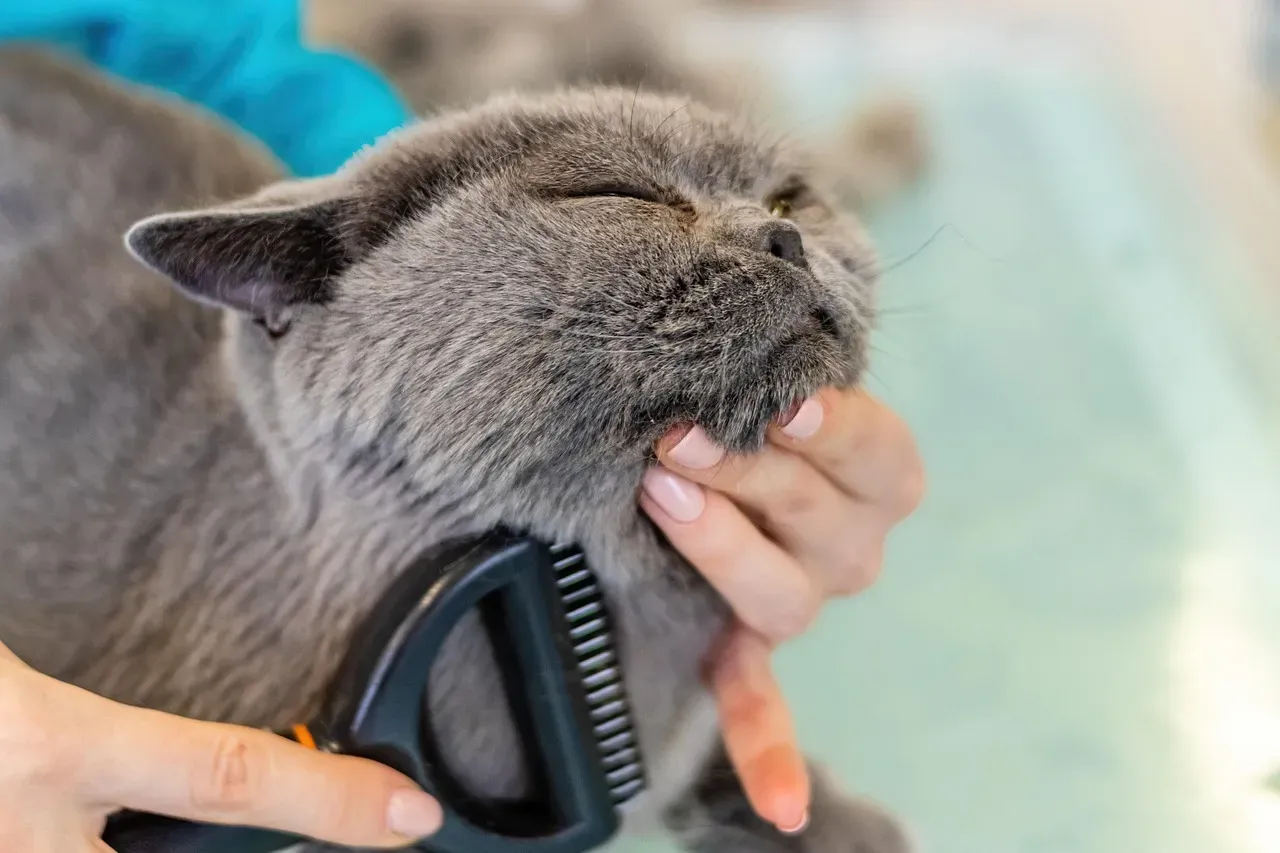
Old cats groom less on their own, which usually alarms owners immediately. But there’s a gentler explanation hiding underneath.
Vets often recommend stepping in to help: gently wiping your cat clean with pet cleaning wipes and brushing their coat becomes part of senior cat care, especially as flexibility declines. Here’s the surprising part most owners never expect: many senior cats come to prefer being groomed by their owner over grooming themselves, treating it as bonding time rather than a chore. Watch how your old cat leans into the brush instead of tolerating it. But #8 reveals a habit that’s easy to dismiss as “just getting old.”
#8 – One Spot Becomes Sacred
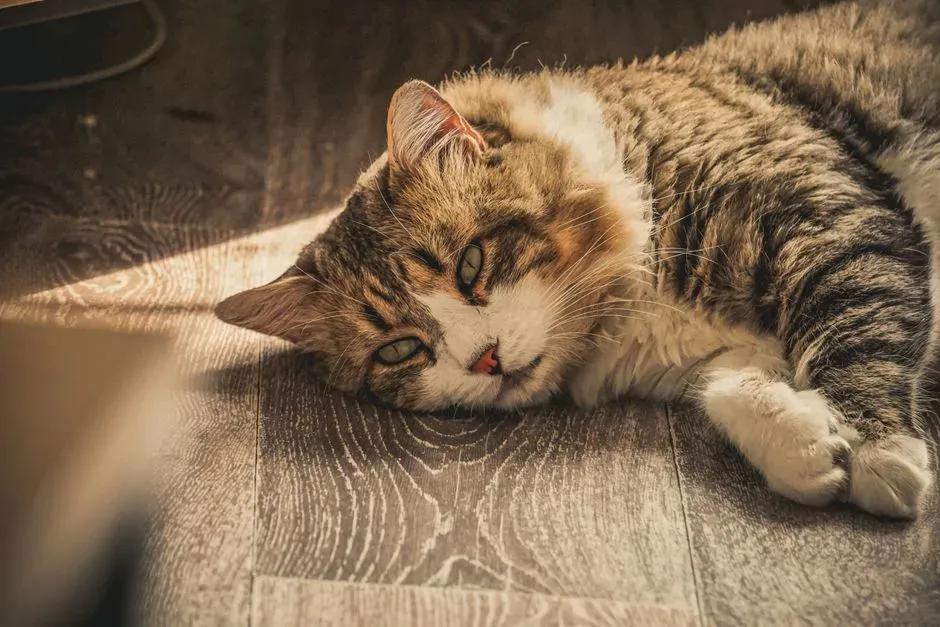
Young cats explore every surface in the house. Old cats often narrow their world down to one specific, unshakable favorite spot.
Behavior specialists point out that age changes how happiness looks in a cat – a senior cat may play less, jump less, and still be deeply content if they’re comfortable. That “comfortable” often means one exact cushion, one exact corner, revisited daily with almost ritual precision. Most people assume this narrowing is sad, a sign of a shrinking world – but many behaviorists argue it’s actually a sign of a cat who has found exactly what it needs and stopped searching. That one spot isn’t a limitation. It’s a decision. But #9 is about something even quieter than stillness.
Worth Knowing
- Joint disease is remarkably common in older cats, with studies estimating it affects 70% to 90% of cats over age 12.
- Cats are instinctively skilled at masking pain, so most owners never notice the stiffness driving a favorite-spot habit.
- Slowness to rise and limited jumping or playing are among the earliest visible clues of joint discomfort.
- A soft, low, easy-to-reach spot can protect aging joints just as much as it comforts an aging heart.
#9 – They Sleep Through Things That Used to Startle Them
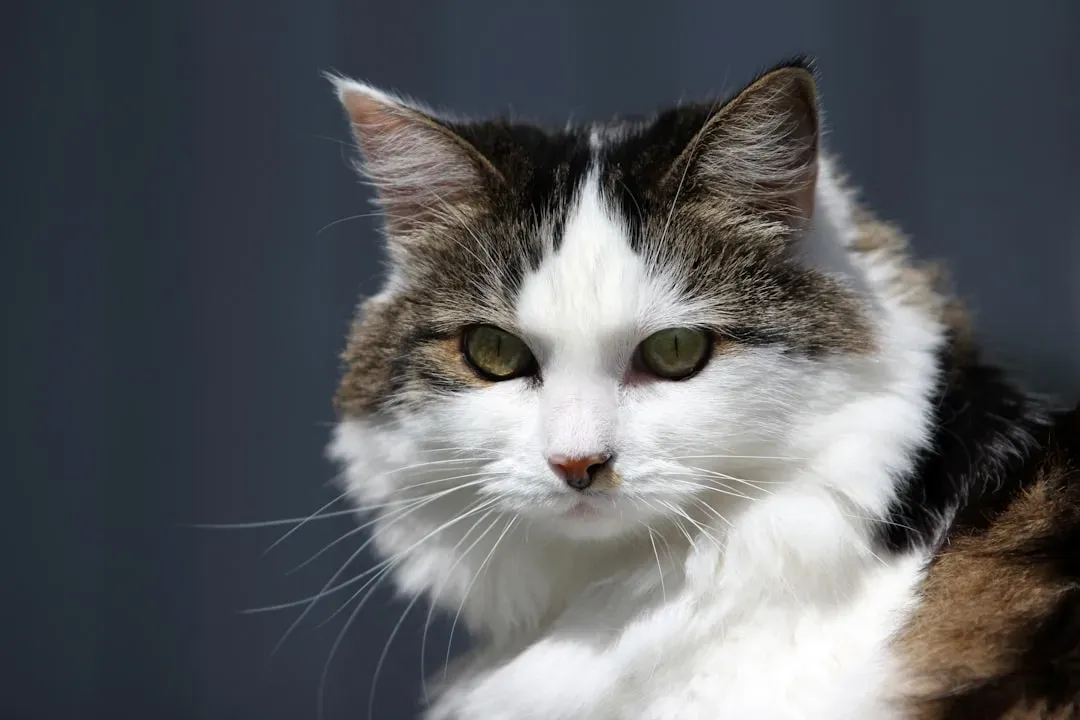
A slamming door. A dropped pan. A vacuum cleaner. Young cats bolt. Old cats, more and more, just… don’t.
This isn’t always about hearing loss, though that plays a role. It’s also about a cat who has lived long enough in one home to trust it completely. The surprising truth here is that while many owners worry this means their cat is “checked out” or declining, veterinarians note it often reflects a deep, earned sense of safety built over years in the same routine, with the same people, in the same rooms. That kind of calm doesn’t come from confusion. It comes from certainty. But #10 shows up in the strangest place: playtime.
#10 – Play Slows Down, But Never Fully Disappears

It’s tempting to assume an old cat has lost interest in toys entirely. That’s rarely the full picture.
Play is a way for cats to express happiness, though this can vary depending on age and temperament – older cats often need a range of different toys and speeds to find the right fit. Most owners give up on play too early, assuming a slower response means disinterest, when it’s really just a change in pace. A single unhurried swat at a feather toy, a soft nose-bump against a jingling ball – these smaller gestures matter just as much as the wild kitten chases once did. But #11 is the moment most owners describe as “the look.”
Quick Compare
- Young cat play: fast pounces, long chases, constant toy rotation.
- Senior cat play: a slow paw swat, a gentle nose-bump, short bursts that end in a nap.
- Young cat curiosity: races toward every new toy immediately.
- Senior cat curiosity: circles back to a few trusted favorites, lingering longer with each one.
#11 – Deliberate Rubbing Replaces Casual Affection
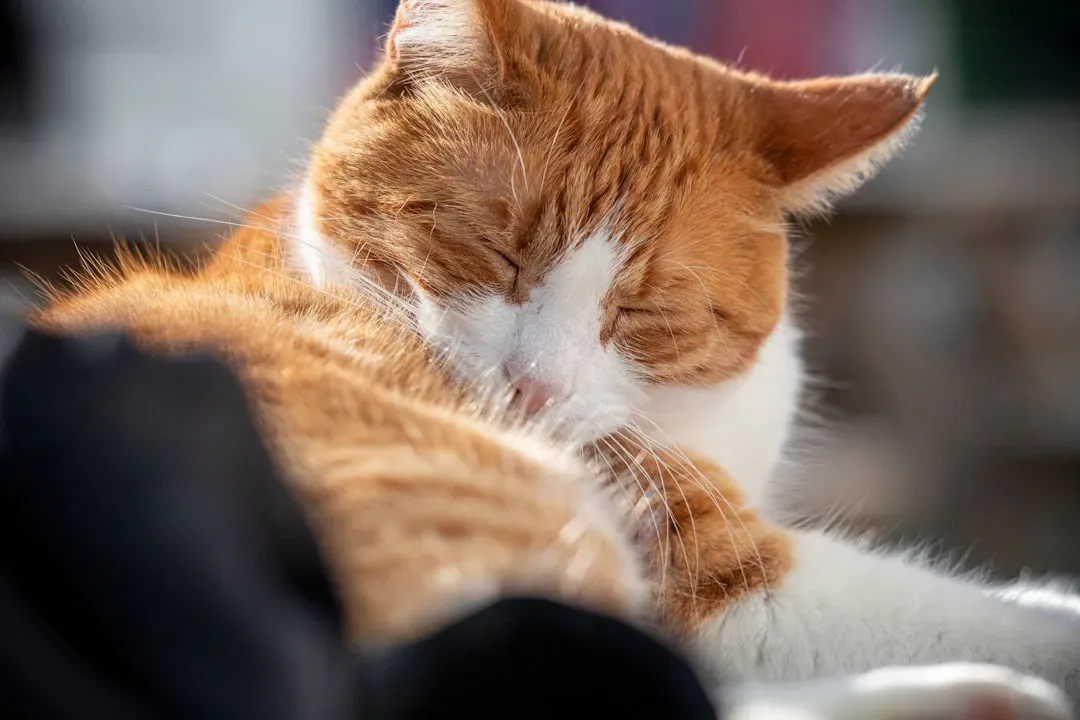
Cats have always rubbed against their people. In old age, though, it often becomes noticeably slower and more deliberate.
When a cat winds between your legs or presses its head against your hand, it’s part of a natural social behavior reserved for people cats trust, according to Reader’s Digest reporting on feline behavior. Cats living together often rub on one another to share scent from glands around their cheeks, chin, and forehead, creating what experts call a “colony scent.” The detail most owners miss is that an old cat doing this to you is treating you as part of its inner circle in the most literal, chemical sense possible. It’s an old cat marking its person as family, one more time, on purpose. But #12 involves something happening at the food bowl.
#12 – Meals Get Smaller, But More Deliberate
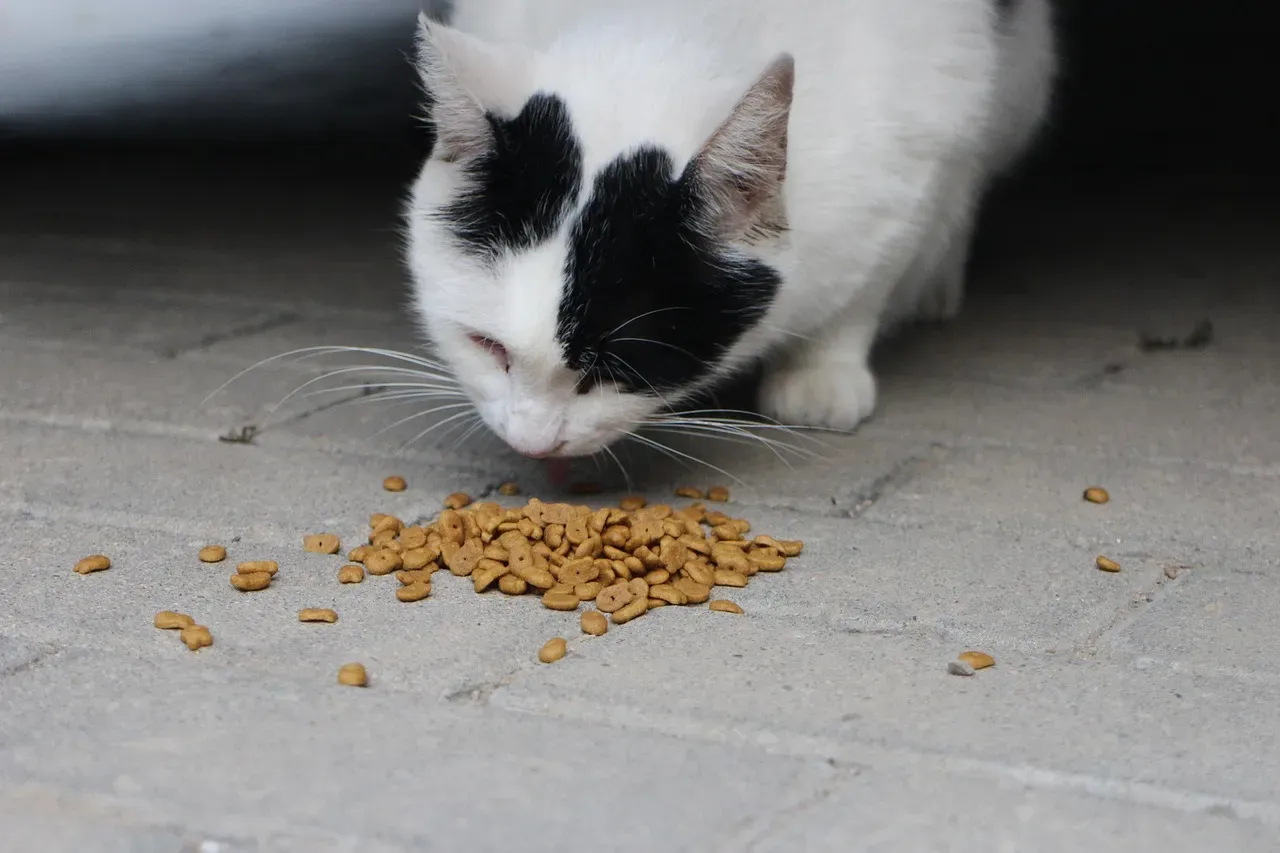
An old cat eating less can trigger instant worry, and sometimes it should. But there’s a version of this that’s simply age, not alarm.
If a cat is eating and drinking the same general amounts as always, that’s a strong sign of contentment, since a happy cat will have a normal appetite and thirst, notes veterinarian Dr. MacMillan. The key is watching for steady, smaller portions rather than sudden refusal. What surprises most owners is that an old cat that eats less overall but still eagerly finishes a favorite treat is often savoring quality over quantity, not losing interest in food altogether. But #13 is the sign hospice vets say matters most of all.
#13 – They Choose Stillness With You, On Purpose
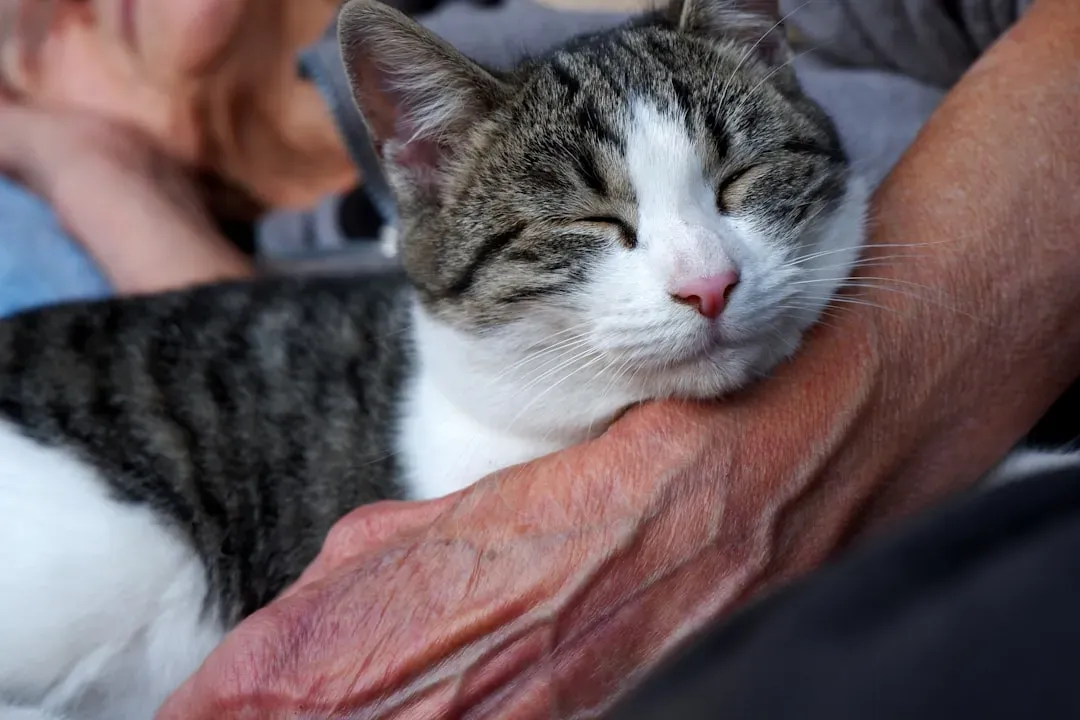
This is the sign that ties every other one together, and it’s the hardest to describe without sounding sentimental.
Veterinarians who work with aging pets emphasize that predictability builds safety, and safety builds trust – in the feline world, predictability is one of the most reassuring signs a cat feels secure with its person. When an old cat stops chasing novelty and instead settles, again and again, into the same quiet moment beside you – same chair, same lap, same hour of the evening – that repetition isn’t boring to them.
In the feline world, predictability is one of the most reassuring signs a cat feels secure with its person.
Veterinary behaviorist guidance on senior cat care
Most people miss this entirely because it looks like nothing is happening, when in reality, a cat choosing stillness with you, night after night, is the clearest form of contentment it has left to give. It’s not a dramatic goodbye. It’s a quiet, repeated yes.
The Bottom Line
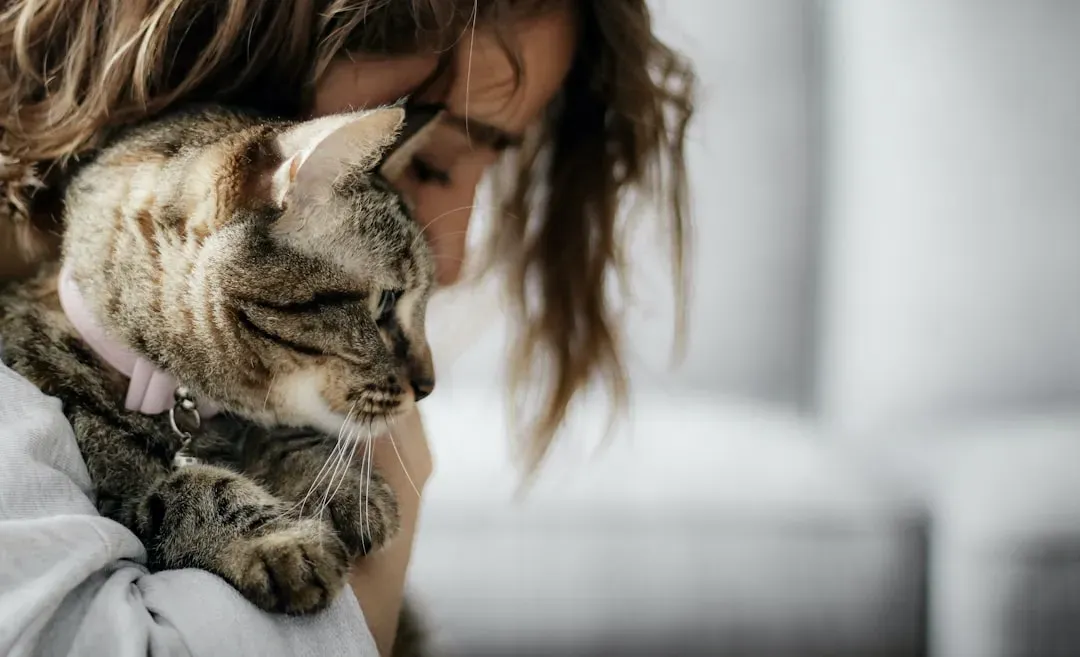
None of these signs are loud, and that’s exactly the point. Old cats don’t announce contentment – they lean into warmth, soften their voice, and choose the same lap over and over until it becomes a ritual.
The biggest mistake owners make is assuming quiet means something is wrong, when often it means the opposite: a cat that has settled fully into trust after years of testing it. Slow blinks, deliberate rubs, smaller meals eaten with intent – these aren’t warning signs. They’re an old cat’s version of gratitude.
If your senior cat has started doing two or three of these things, you’re not watching decline. You’re watching a cat that has finally stopped searching for something better, because it already found it – in your lap, in the sunbeam by the window, in the same quiet hour every single evening.
Kristina is a young writer from India. An arts graduate and an avid content creator, Kristina is passionate about animals and wildlife. She enjoys exploring topics related to pet care, animal behavior, conservation, and nature, combining thorough research with engaging storytelling.