Everyone assumes the kitten bouncing off your furniture is the star of the household. Turns out, the grey-muzzled cat calmly watching from the armchair is quietly running the whole show.
Senior cats – generally 7 years and older – build up qualities no 12-week-old ball of fluff has had time to earn. Most people never notice, too dazzled by kitten cuteness to look twice.
Here’s what the data actually says about why your aging cat is winning – and the list only gets more surprising from here.
#13 – Their Personality Is Already the Full Package
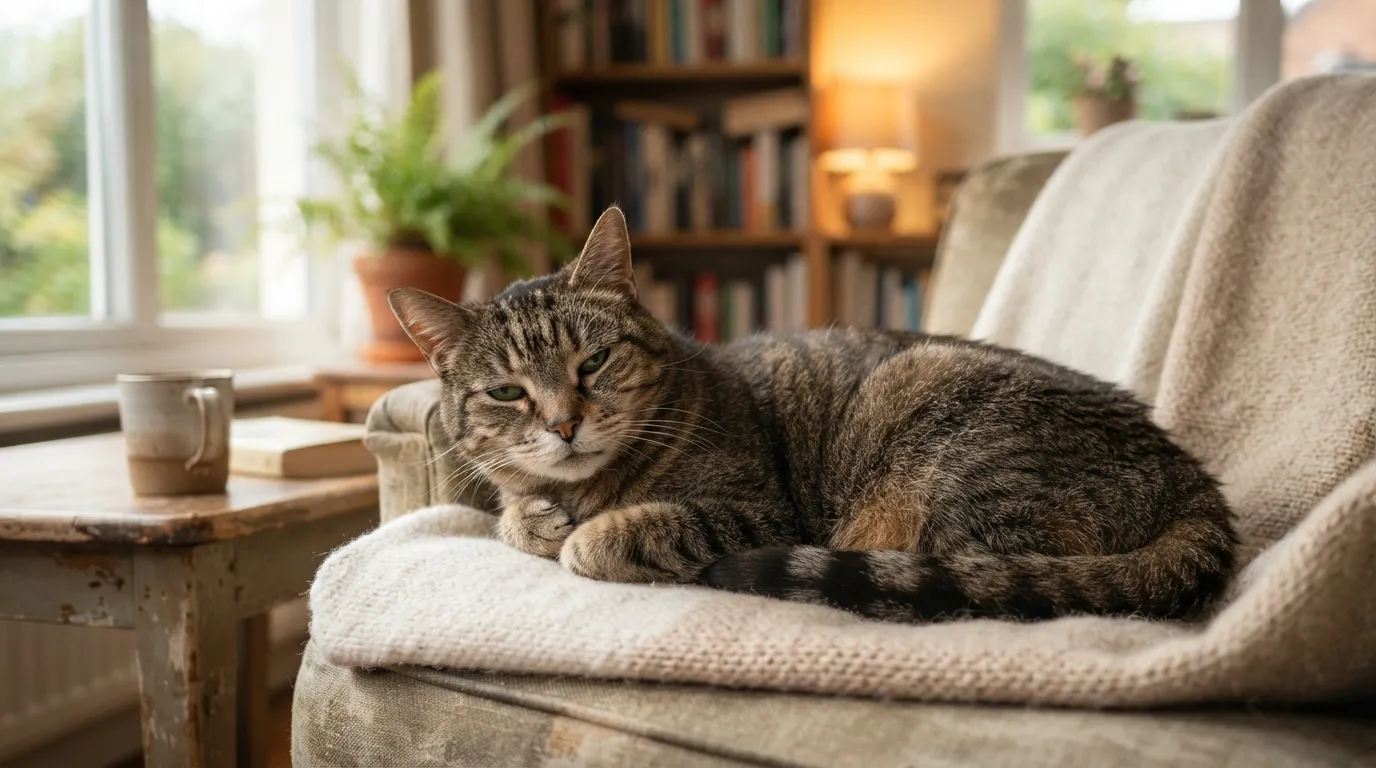
You know exactly who you’re dealing with – and that’s rare.
A kitten’s personality is still forming, shifting as it grows into whatever cat it’s going to become. A senior cat’s personality already arrived years ago.
What you see is genuinely what you get. A calm, affectionate cat at the shelter brings that same calm, affectionate energy home – no guessing required.
Fast Facts
- Vets now classify cats aged 7 to 10 as “mature adults,” with cats 10 and older considered officially “senior.”
- A 10-year-old cat is officially a senior, which puts it at roughly 56 in human years.
- Senior cats should be seen at least every 6 months, more often than the once-a-year checkup schedule.
But knowing their personality is only half the story. How they use it is where things get interesting…
#12 – They’re Easier to Match to Your Life
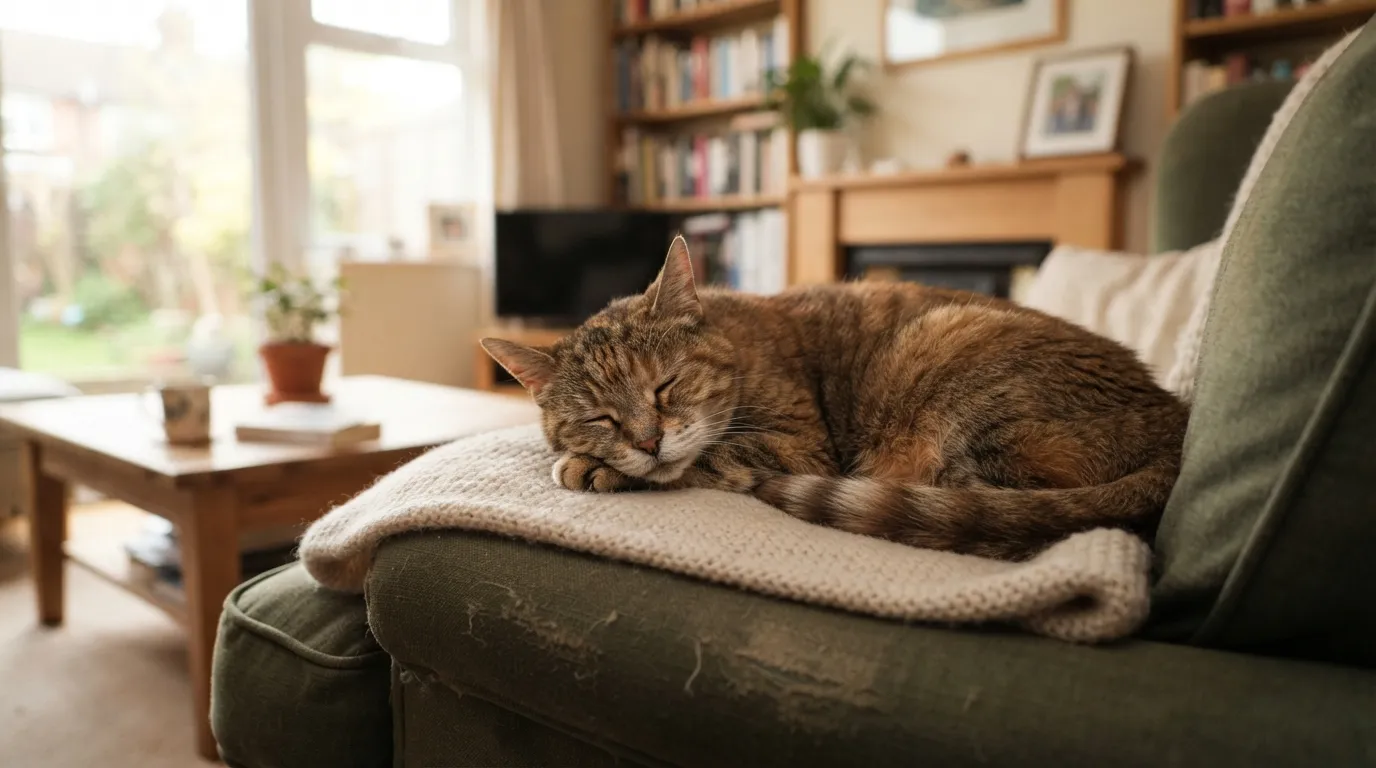
A kitten will reshape your life around it. A senior cat simply fits into the one you already have.
Want a relaxed lounger instead of a lightning bolt with legs? You can actually find that in an older cat, on purpose.
This is something most first-time owners completely miss. A good shelter or foster can tell you an older cat’s likes, dislikes, and quirks before you ever bring them home.
You’re not gambling on who they’ll become. And once they’re home, something else stands out immediately…
#11 – The Litter Box Drama Is Already Over
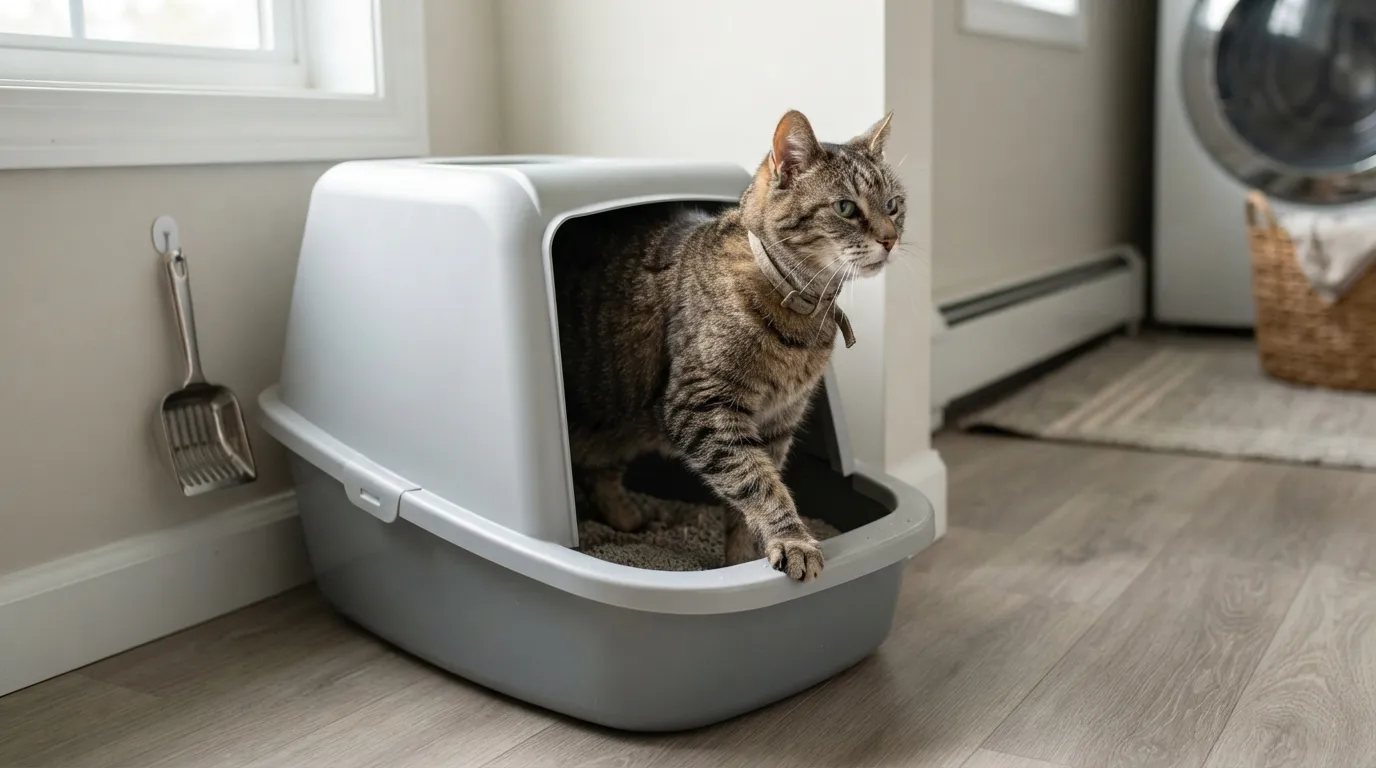
No midnight accidents. No confused stares at the corner of the rug.
An older cat has been around the block – literally – and already knows exactly what’s expected. Litter training, for them, is ancient history.
Senior cats also carry longer attention spans than kittens, which means even new routines click fast. The groundwork is already done before they walk through your door.
Skip the cleanup phase entirely. Here’s what that actually looks like day to day…
#10 – They Won’t Destroy Your Home
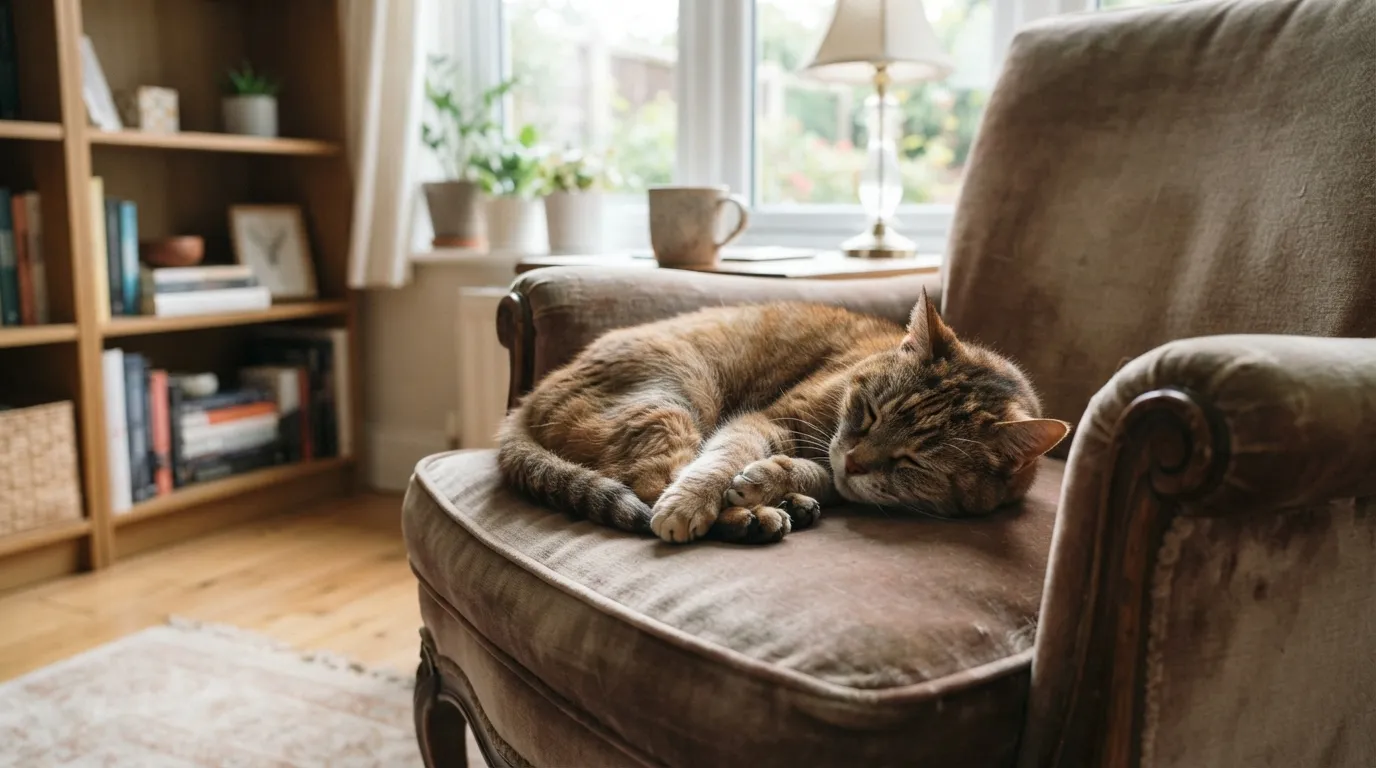
Your furniture stays intact. Your sanity, too.
Kittens run on pure curiosity – chewing wires, knocking over cleaning products, climbing anything that isn’t nailed down. That energy has to go somewhere, and it’s usually your house.
Senior cats have already outgrown nearly every destructive impulse a kitten hasn’t met yet. They learned what’s acceptable years ago, and they’re not interested in relearning it.
Less damage is great. But older cats bring something even more underrated to the table – keep reading…
#9 – They Can Still Learn New Tricks
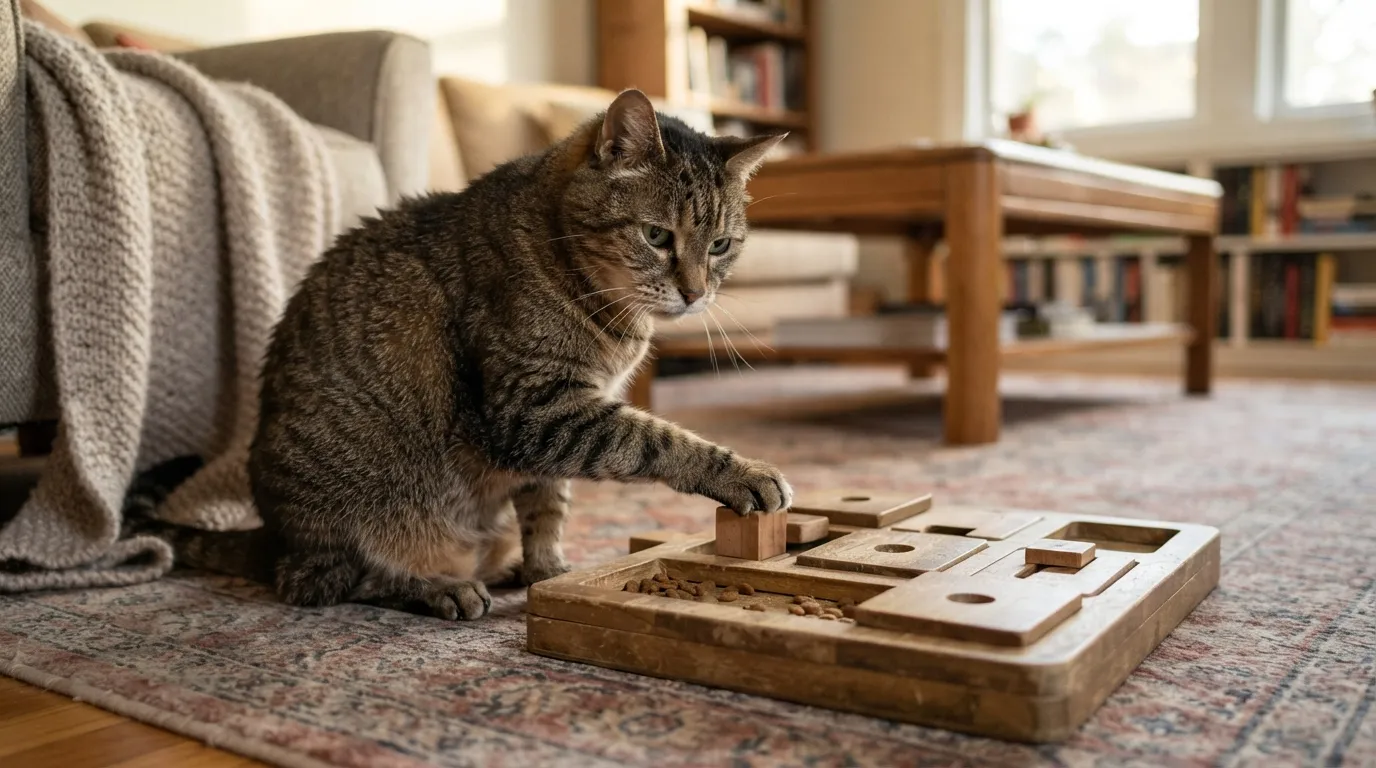
The “old dog” stereotype does not apply here.
Senior cats can absolutely be clicker-trained, walked on a leash, or handed a puzzle toy to solve – they might just want a nap right after.
The real advantage is patience. Less frantic energy means longer attention spans and more focused cooperation than a kitten can offer.
That focus extends well beyond training – it shows up in how they bond with people, which is where things get genuinely surprising…
#8 – Their Calm Is Scientifically Good for You
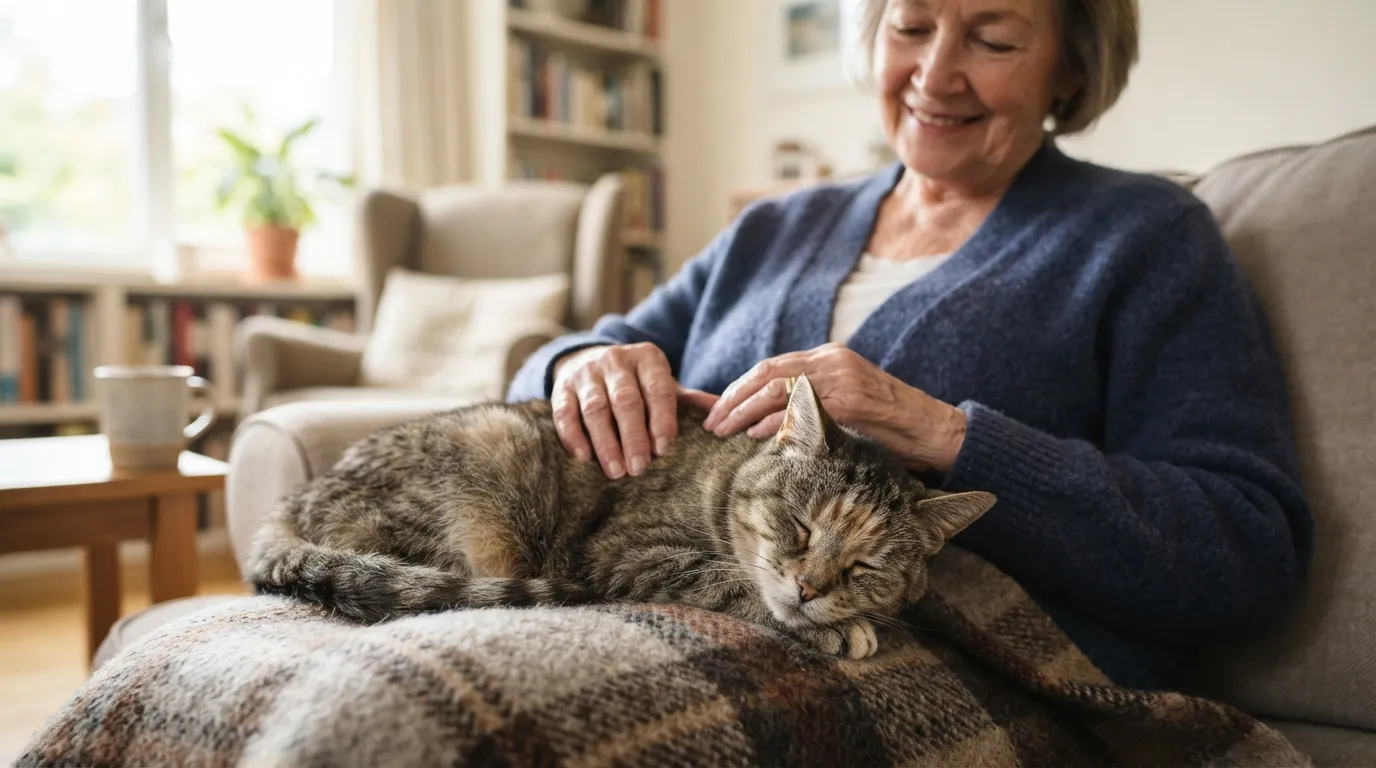
This isn’t just “nice to have.” There are real health effects at play.
Because older cats run calmer and gentler than kittens, they make natural lap companions – and petting them has real therapeutic value.
Their purr itself may be doing something remarkable. Research suggests the frequency range of a cat’s purr, typically 25 to 150 Hz, is linked to tissue repair, bone density, and even faster fracture healing.
Fast Facts
- A 10-year study of more than 4,000 Americans at the University of Minnesota found cat owners had a 30 percent lower risk of death from heart attack than non-owners.
- Researchers believe having a pet probably helped to relieve stress, a known driver of cardiovascular risk.
- The study found no comparable protective effect in dog owners, likely just due to smaller sample size.
That healing hum gets even more meaningful once you understand the trust behind it…
#7 – When They Sleep on You, It Means Something Real
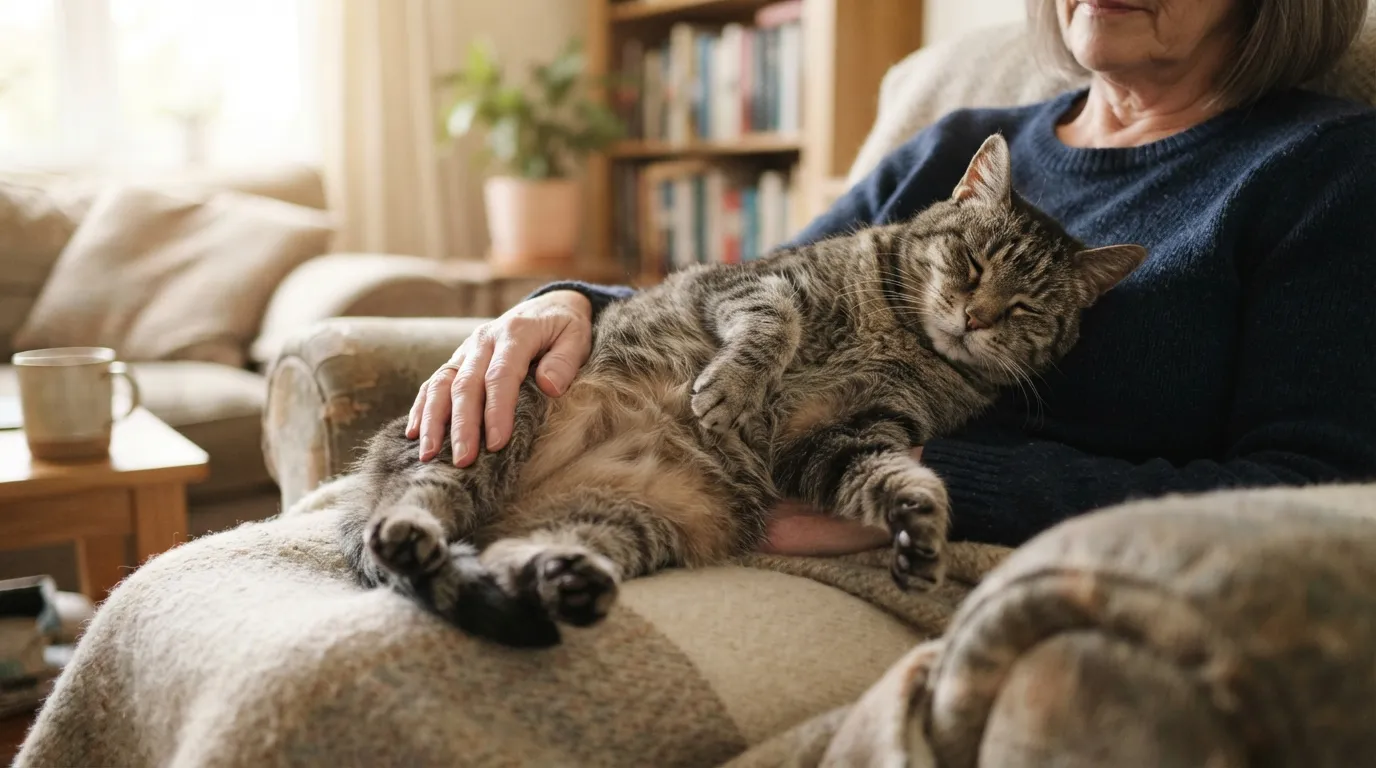
A kitten sleeps on you because you’re warm. A senior cat sleeps on you because you’ve earned it.
Sleep makes a cat completely defenseless, so choosing to do it near you is a real act of trust. It’s their way of saying you’re part of the family.
Senior cats who fully bond drop their guard in a way younger cats rarely manage. Full belly-up sprawls, deep snoring, twitchy dream-paws right against your hand – all high-risk positions in the wild, and they know it.
But this kind of trust has a quiet side effect most owners only notice years in…
#6 – They Run on a Predictable Schedule
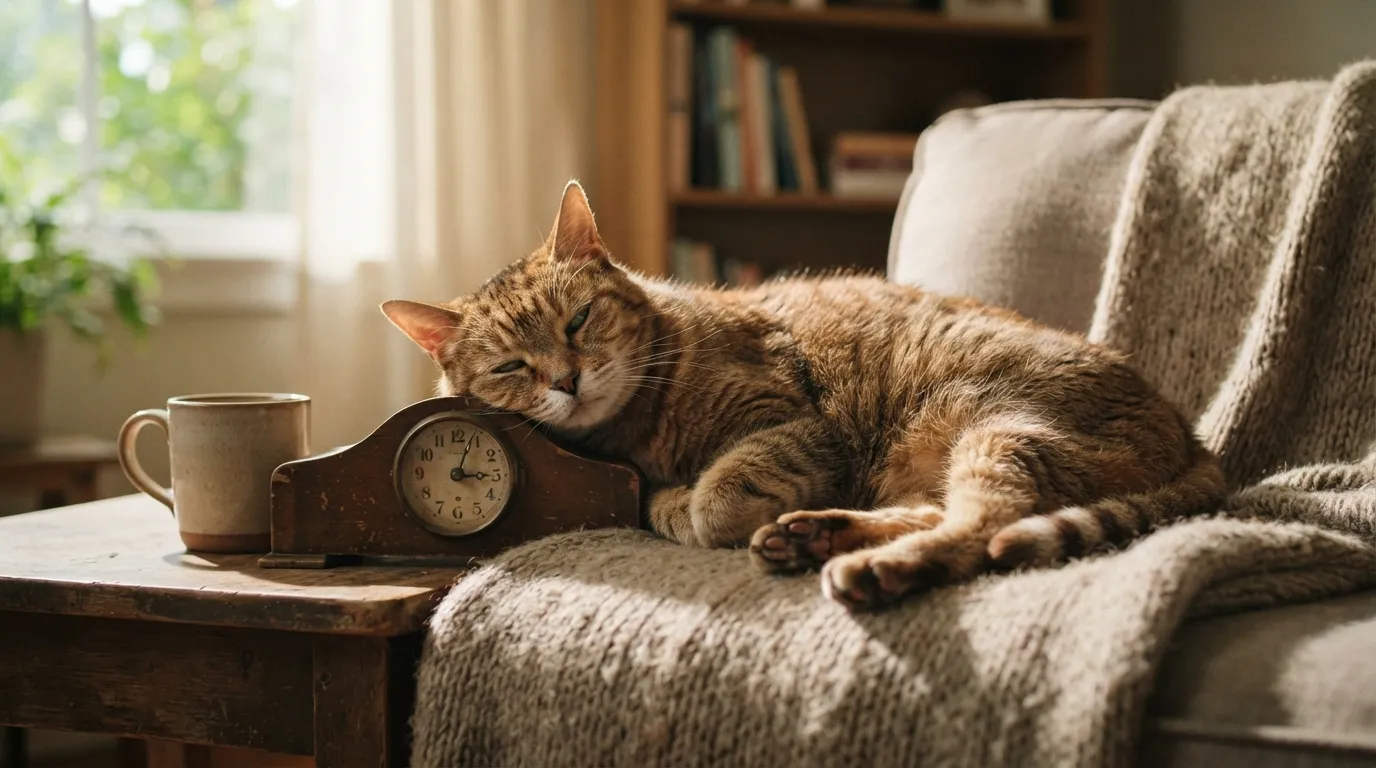
Chaos belongs to kittens. Older cats hand you something rare: a rhythm you can actually set your watch to.
Cats naturally mellow with age, and that calm turns into routine – meal time, nap time, cuddle window, repeat. No wild bursts of 3 a.m. zoomies to plan around.
Predictability is criminally underrated as a cat quality. Most owners don’t appreciate it until they’ve survived kittenhood first.
That stability unlocks something else – a depth of bond that sneaks up on you…
#5 – They’re Surprisingly Good With Kids
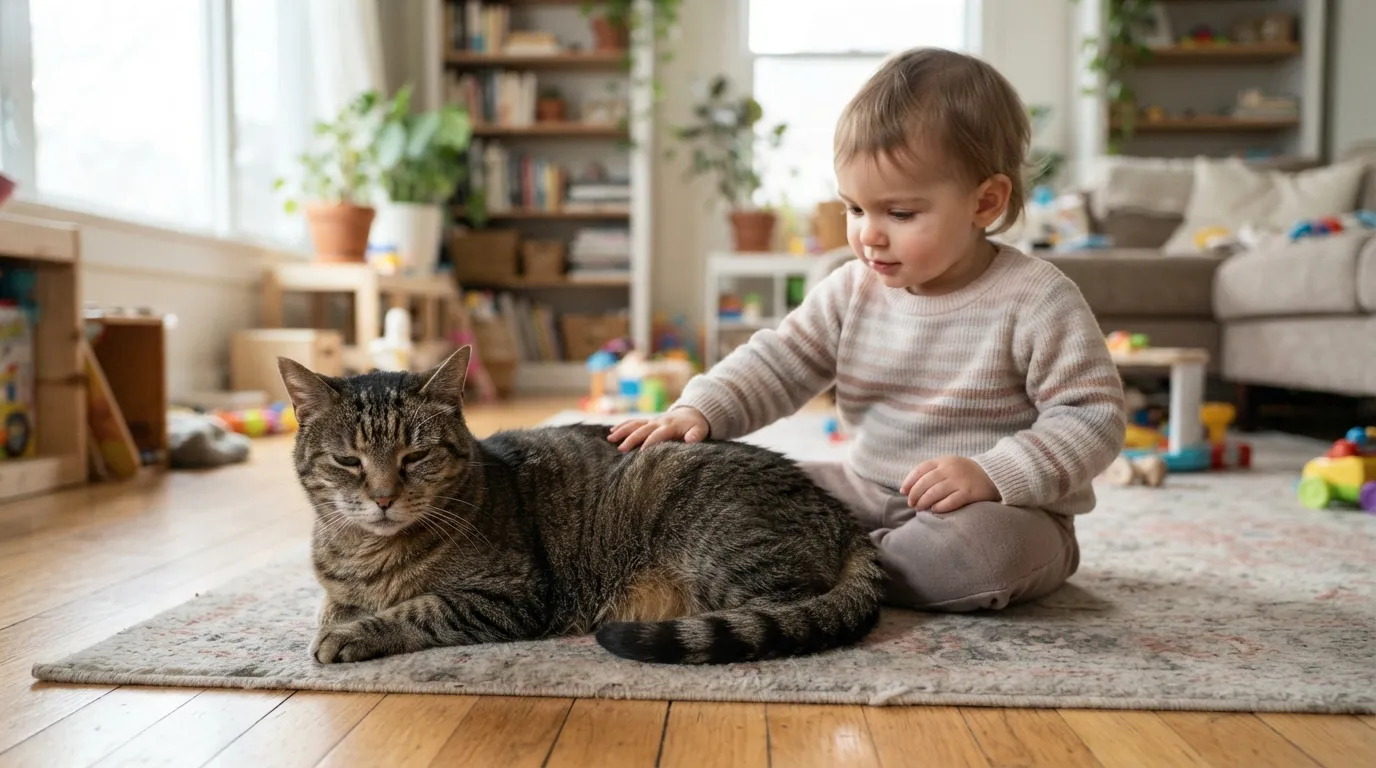
Counterintuitive? Completely. True? Yes.
Kittens are fragile and easily hurt by an over-enthusiastic hug from a toddler. Senior cats are sturdier, steadier, and far less likely to bolt or lash out when a small human gets too close.
They’ve simply seen it all before. A stomping toddler isn’t their first rodeo, and that composure is worth more than any kitten’s playful energy.
And that composure goes even deeper than you’d think when you add another pet to the mix…
#4 – They’re Less Likely to Develop Anxiety
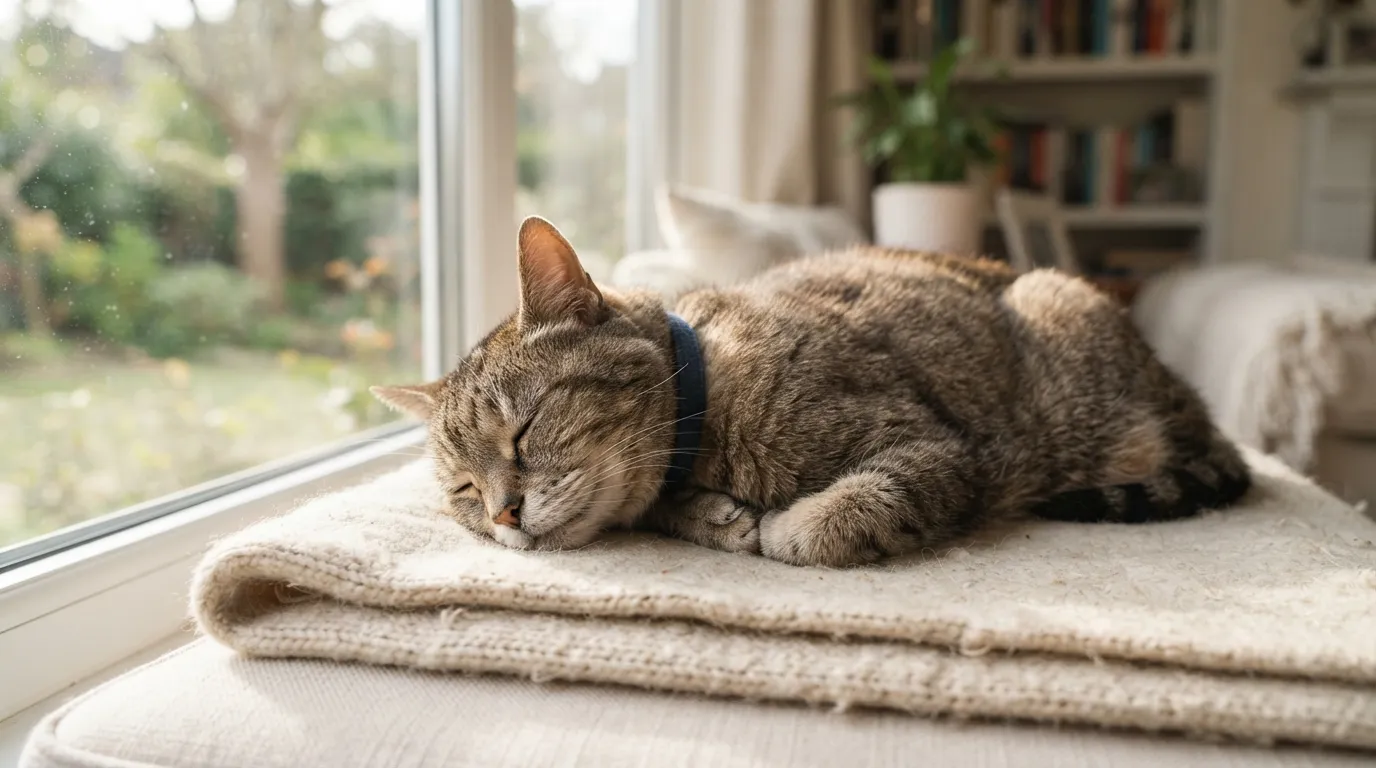
Kittens are a bundle of nerves learning everything at once. Seniors have already been there, done that.
With the right environment, older cats are less prone to anxiety and behavioral issues than kittens still figuring out the world. Their mental map is already built.
This steadiness makes them remarkably easy to live with long-term. Age doesn’t limit affection – it just means they pursue their bonds with a lot less chaos attached.
That low-anxiety temperament has a hidden bonus almost no one talks about…
#3 – Their Bond With You Deepens Over Time, Not Stagnates
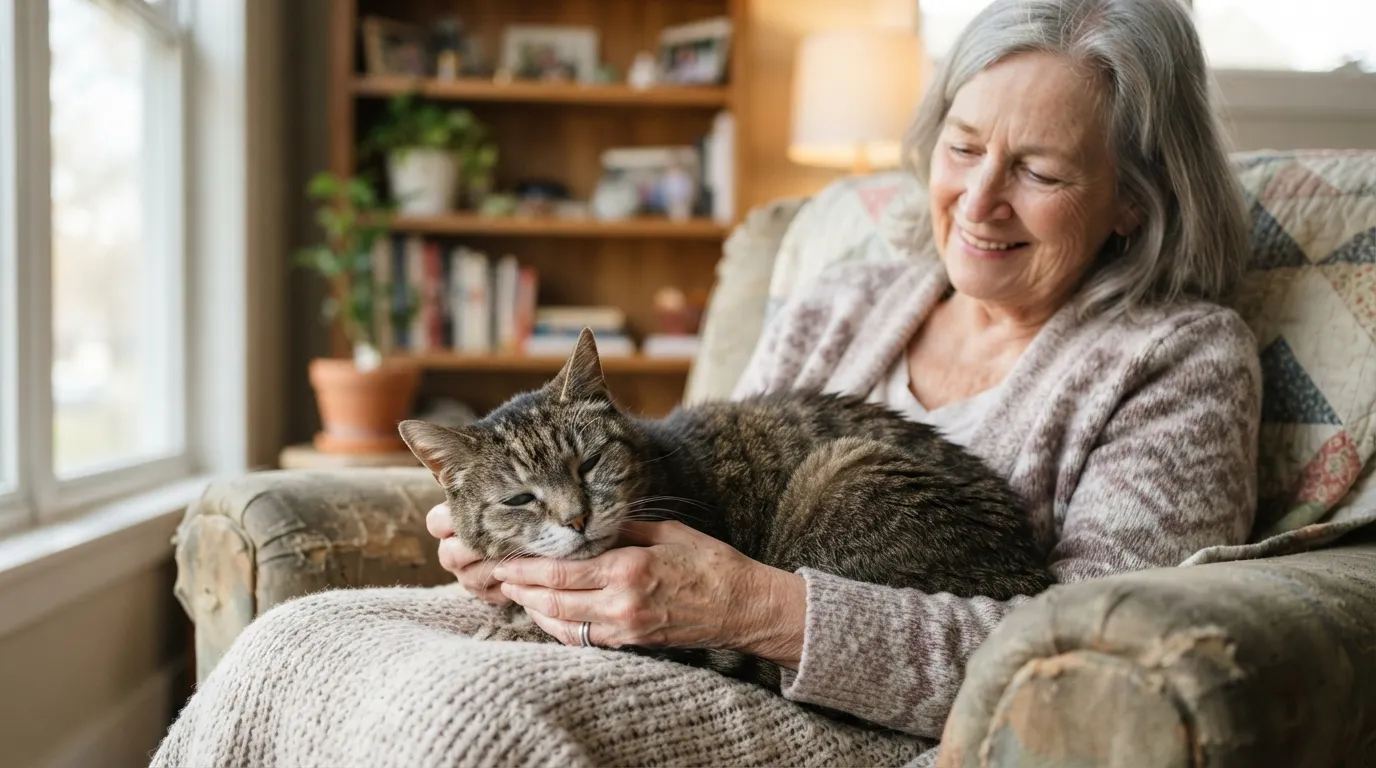
People assume senior cats are “set in their ways.” The opposite is true.
Older cats may get pickier about who they let close – but the bonds they do keep only grow stronger with time.
The connection carries real history. You start noticing their rhythms, their moods, their tiny cues – and without ever meaning to, they’ve trained you into paying real attention.
And that intimacy has a physical expression that surprises almost everyone who experiences it…
#2 – Their Trust Is the Highest Compliment in the Animal Kingdom
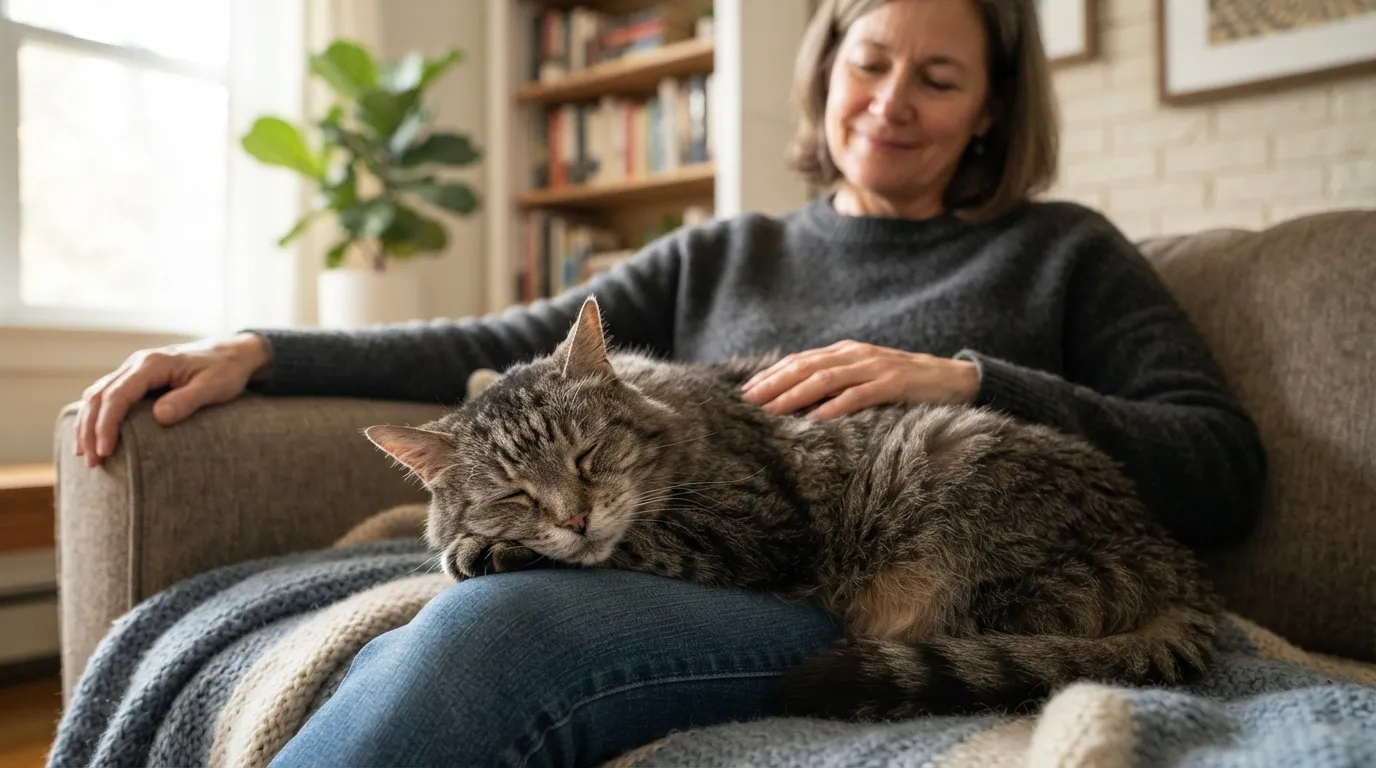
This is one that kitten owners simply haven’t reached yet.
A cat sleeping deeply on your lap is trusting you with its survival, even if just for a nap. A cat who lets you scoop them up mid-dream is handing over total control.
That loose, floppy, dead-weight nap on your chest isn’t laziness – it’s the highest compliment a cat can pay. No kitten has racked up enough history with you to reach that level yet. It takes years, and your senior cat has already put in the time.
One final sign remains – and it quietly defines everything else about living with an aging cat…
#1 – They Turn Your Shared History Into Something You Can Feel
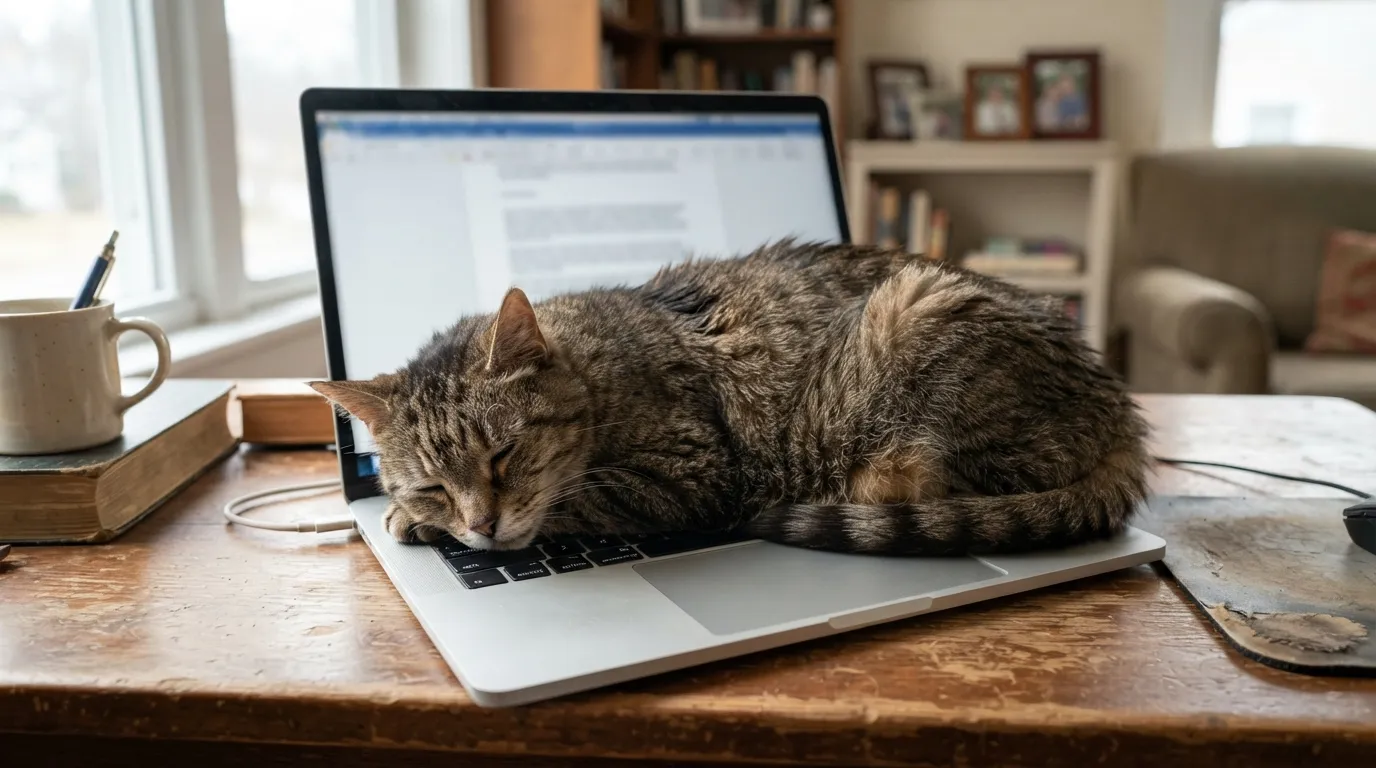
This is the one no kitten can compete with. Not yet, anyway.
By the time a cat reaches true senior age, you’re not just sharing a house – you’re sharing a whole timeline. Moves, breakups, new jobs, quiet Tuesday nights, loud Sunday mornings – all of it stored somewhere in that small body currently sitting on your laptop.
That shared history changes how you exist in the same space. You plan around their medication schedule, their favorite cuddle window, the exact moment they’ll want the sunny spot on the couch.
No kitten in the house can offer that. Not yet.
The Bottom Line
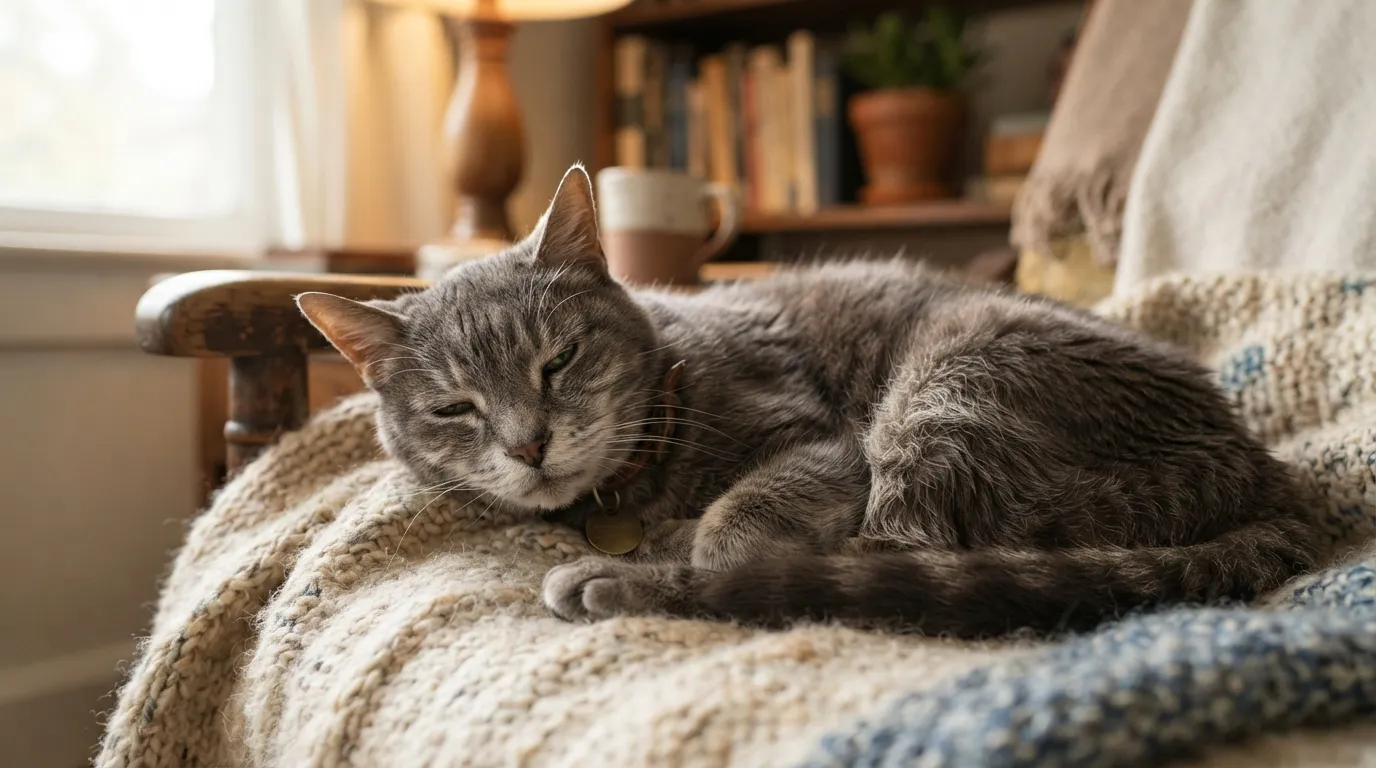
Most people walk straight past the senior cages toward the kittens. Anyone who’s actually lived with an old soul will tell you that’s the real mistake.
Worth Knowing
- Roughly 81% of kittens in shelters get adopted, compared to just 54% of senior cats.
- Senior cats consistently face the lowest adoption rates in U.S. shelters, often waiting up to four times longer for a home than kittens.
- A common myth is that older cats don’t bond as strongly as younger ones – the exact opposite of what actually happens.
Older cats bring fully developed personalities, earned trust, and a depth of bond that simply takes years to build. They won’t shred your sofa, they’ll skip the 3 a.m. sprints, and when they finally collapse on your chest, it means more than any kitten’s snuggle ever could.
Does your senior cat show a sign that didn’t make this list? Drop it in the comments – we’d love to hear what your old soul gets right.