Most owners assume a senior cat just needs a softer bed and a little extra sleep. Vets know that’s barely scratching the surface.
By the time a cat turns 10, real changes are happening inside their body – joints ache, senses dull, anxiety creeps in quietly. The comforts that actually move the needle aren’t the obvious ones, and most owners have never heard of half of what’s on this list.
#15: Twice-a-Year Vet Visits (Not Once)
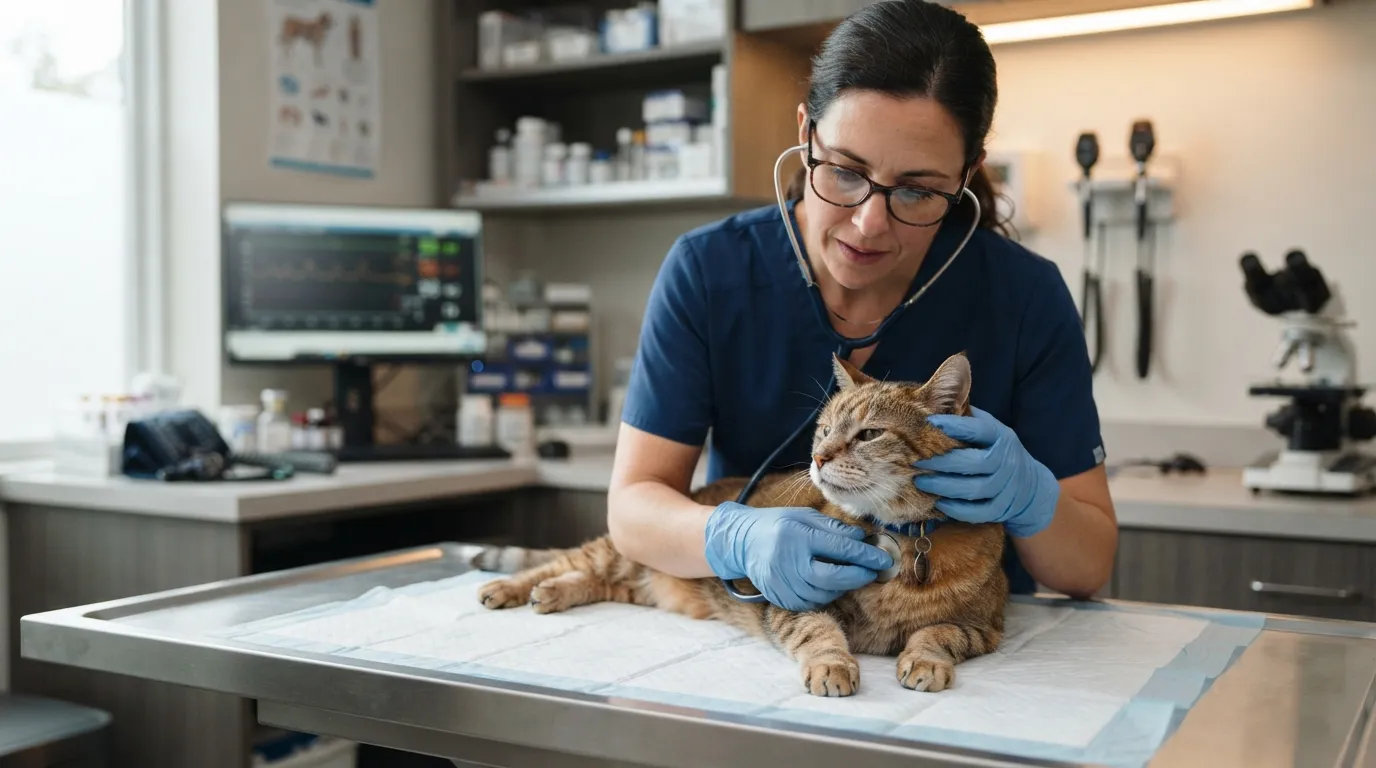
Most owners still think an annual checkup is enough. Vets say that’s one of the biggest mistakes you can make with a senior cat.
The AAHA recommends twice-a-year visits for senior cats, more often if your cat has a chronic condition. These visits typically include weight checks, dental exams, and bloodwork to monitor kidney, thyroid, and heart health.
The real danger is what you can’t see. By the time symptoms show up in a senior cat, the disease is often already advanced.
Fast Facts
- Cats are generally considered senior starting around age 7.
- Vet groups recommend twice-yearly exams once a cat reaches senior status, not once.
- Standard senior bloodwork screens kidney, thyroid, and heart function together.
- Cats instinctively mask illness, so visible symptoms often mean a problem is already advanced.
But getting your vet schedule right is just the foundation. What happens between those visits matters just as much – and #14 is where most owners go completely wrong.
#14: A Health Journal Between Visits
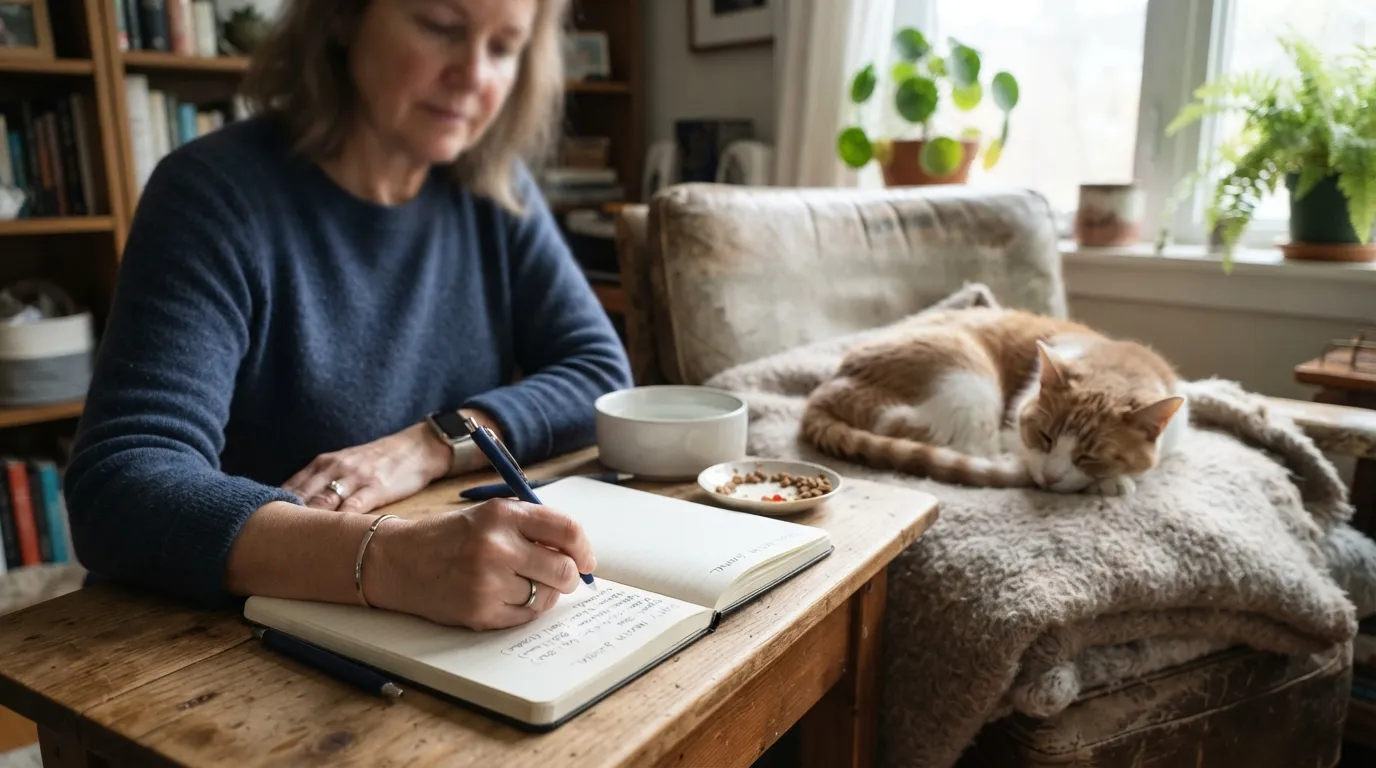
Your vet sees your cat for 20 minutes twice a year. You live with them every single day.
A simple health journal noting appetite, water intake, and litter box habits gives your vet valuable information between visits. It helps catch subtle changes long before they become real problems.
Most early warning signs in senior cats are behavioral, not physical. A slight drop in appetite or one fewer trip to the water bowl is often the clearest early signal there is.
A notes app on your phone works perfectly for this. But even the sharpest observer can miss the one thing hiding in plain sight – and that’s exactly what #13 is about.
#13: Taking Hidden Pain Seriously
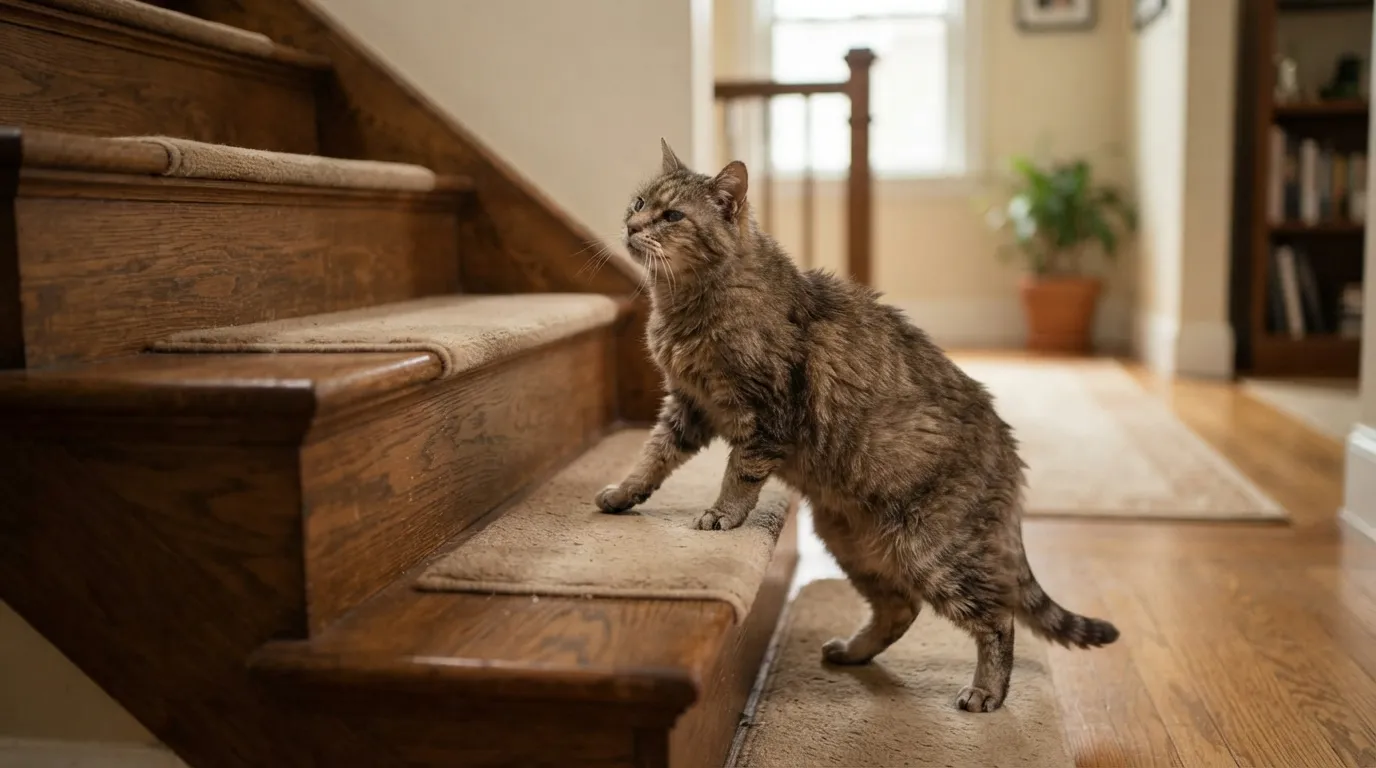
Cats are wired to mask pain. It’s a survival instinct, and right now it’s working against your senior cat.
Slowing down doesn’t always mean a cat is simply getting old – it could be a sign of pain. Cats are experts at hiding discomfort, which makes subtle behavioral changes more important, not less.
Watch for less running, trouble jumping, avoiding stairs, or an irregular gait. Most owners chalk these up to “just aging.” Vets call it undertreated arthritis.
Don’t wait for a limp to take it seriously. And once you suspect pain, #12 reveals the treatment option most owners have never even heard of.
#12: Ask Your Vet About Newer Pain Treatments
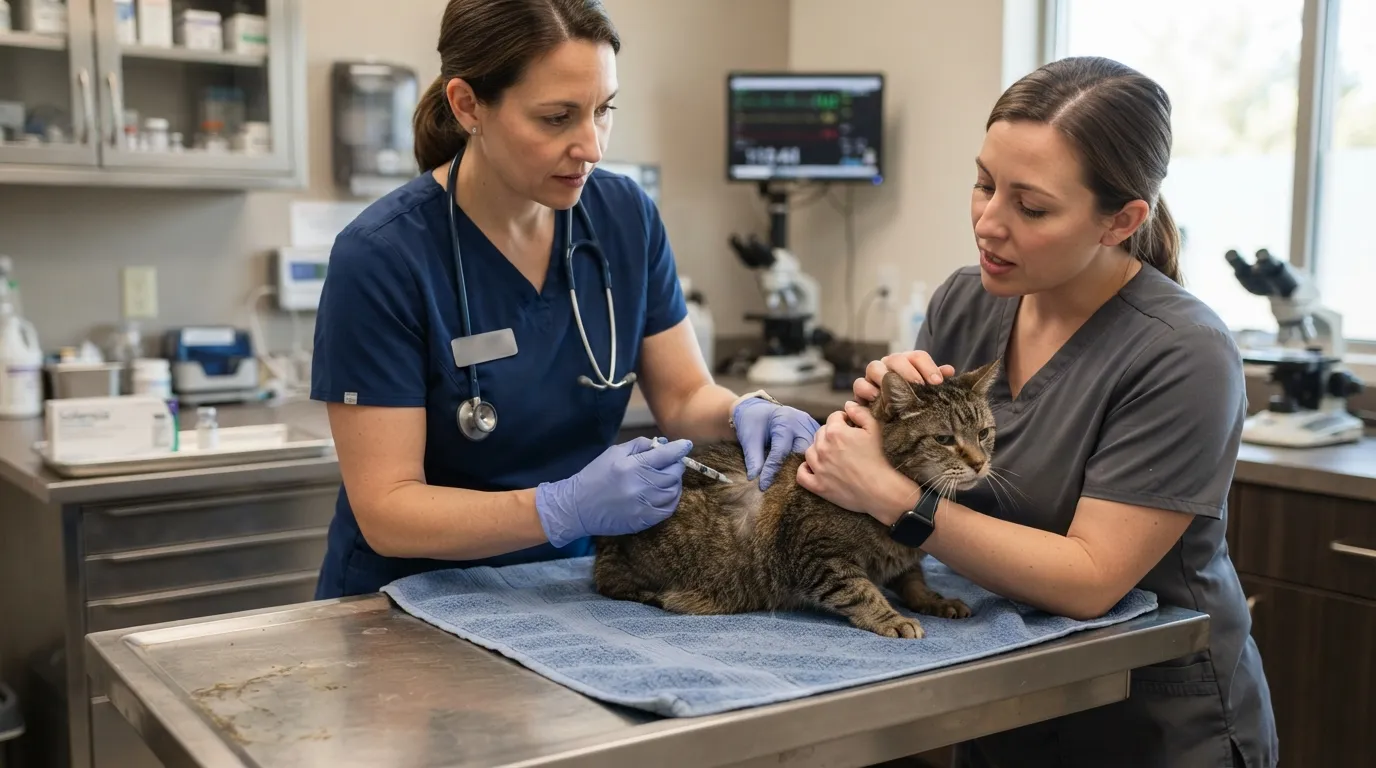
For years, managing arthritis pain in cats was genuinely difficult – most standard pain meds are toxic to felines. That’s finally changed.
Solensia (frunevetmab) is a once-monthly injection that targets nerve growth factor, a key driver of osteoarthritis pain. It’s the first and only FDA-approved treatment specifically for feline OA pain.
Beyond injections, options now include gabapentin, joint supplements, and gentle rehabilitation. Combining treatments is what vets now consider the gold standard.
Worth Knowing
- Solensia is the first FDA-approved monoclonal antibody treatment for feline OA pain, given as one monthly shot.
- It works by blocking nerve growth factor, a molecule that drives chronic joint pain signals.
- Research cited by its manufacturer found OA affects roughly 60% of cats over 6 and 90% of cats over 12.
- Monthly injections typically run somewhere between $50 and $115, depending on the clinic.
Ask your vet specifically about feline-safe pain protocols – many now have access to options that didn’t exist five years ago. Speaking of physical relief, #11 is a home fix that costs almost nothing.
#11: Orthopedic Bedding in Warm, Quiet Spots
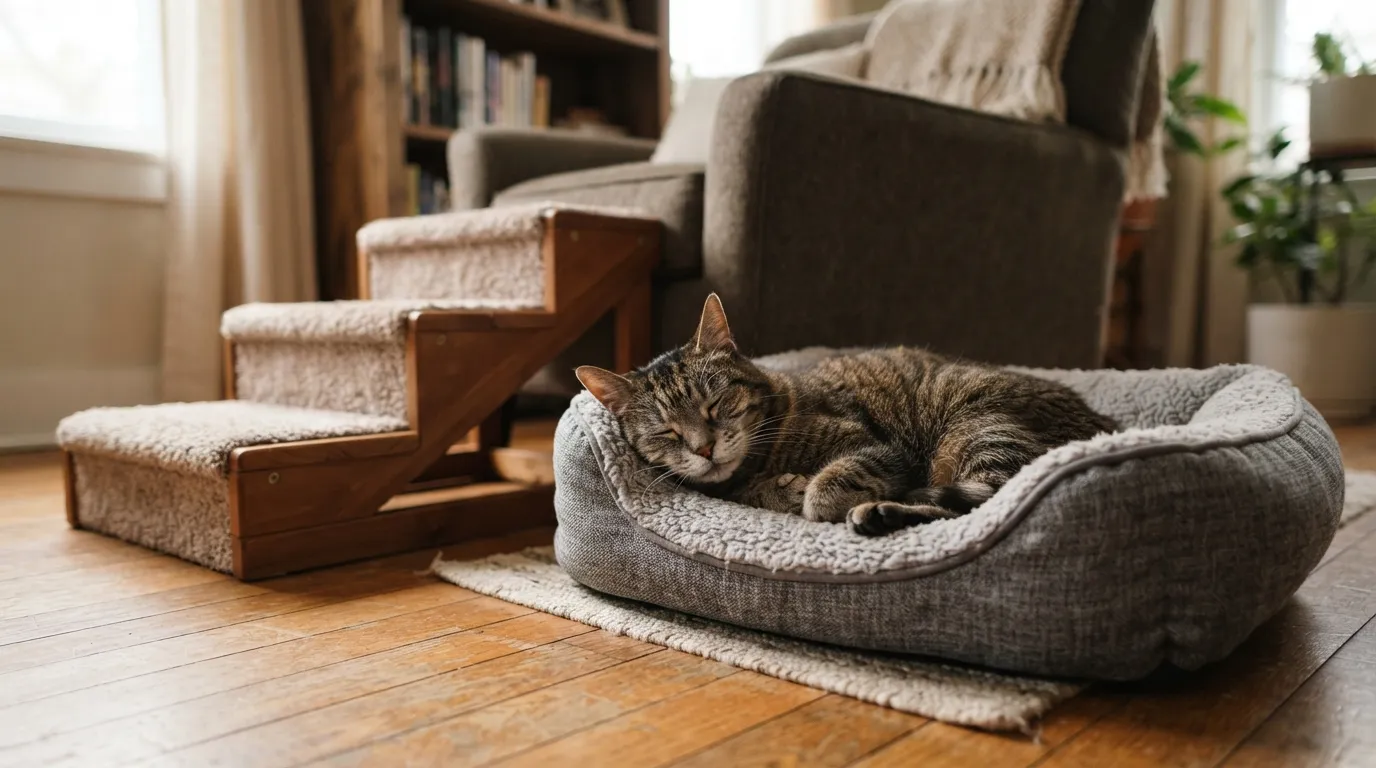
This one sounds obvious. Almost no one actually does it right.
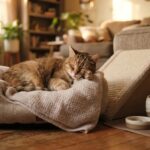
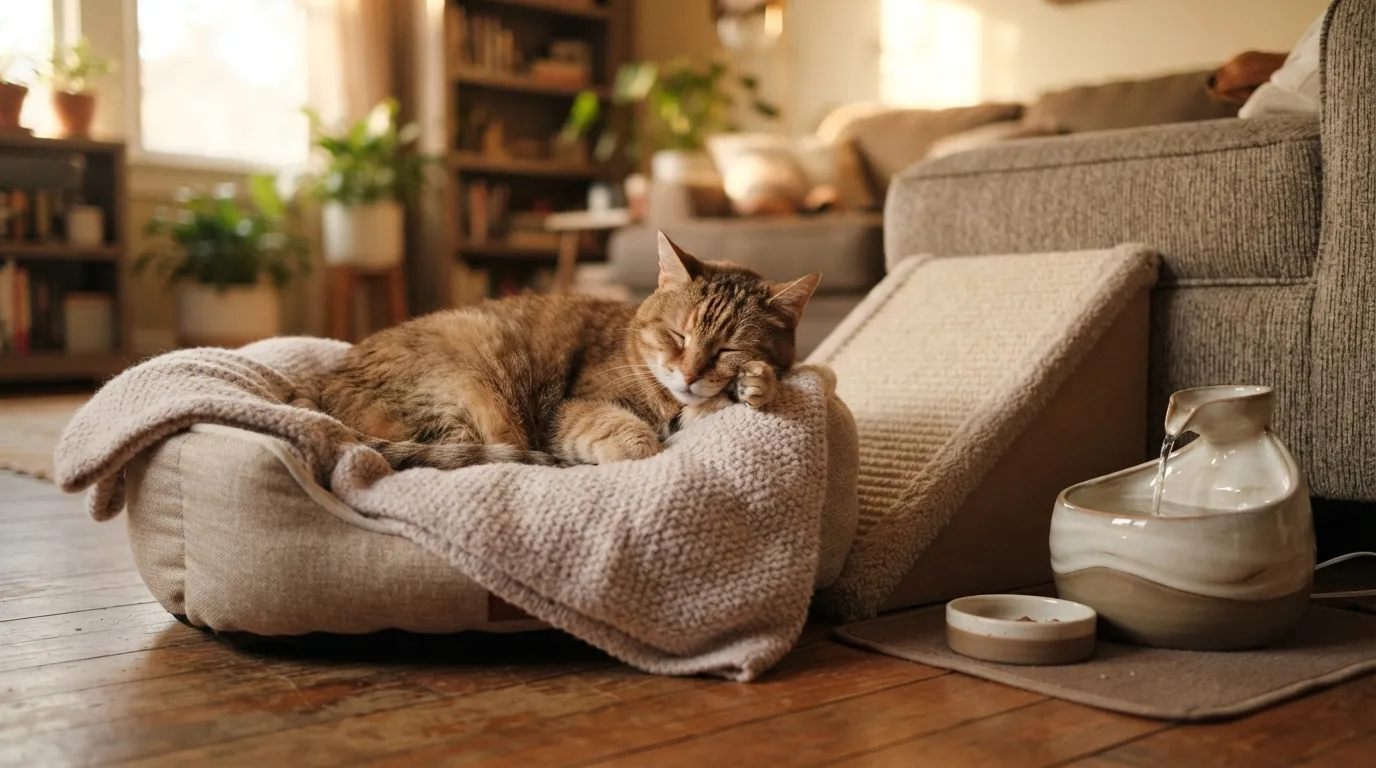
Older cats need easy access to a warm, comfortable bed where they won’t be disturbed. A plush bed on the floor won’t help a cat who used to sleep on the couch – a ramp or steps matters more than the bed itself.
Warmth is a direct pain-relief tool for arthritic joints. A heated bed soothes stiffness in ways nothing else at home can replicate.
Place it away from foot traffic and drafts. Once rest is sorted, hydration becomes the next quiet crisis – and #10 is where most owners are unknowingly falling short.
#10: A Water Fountain (Not Just a Bowl)
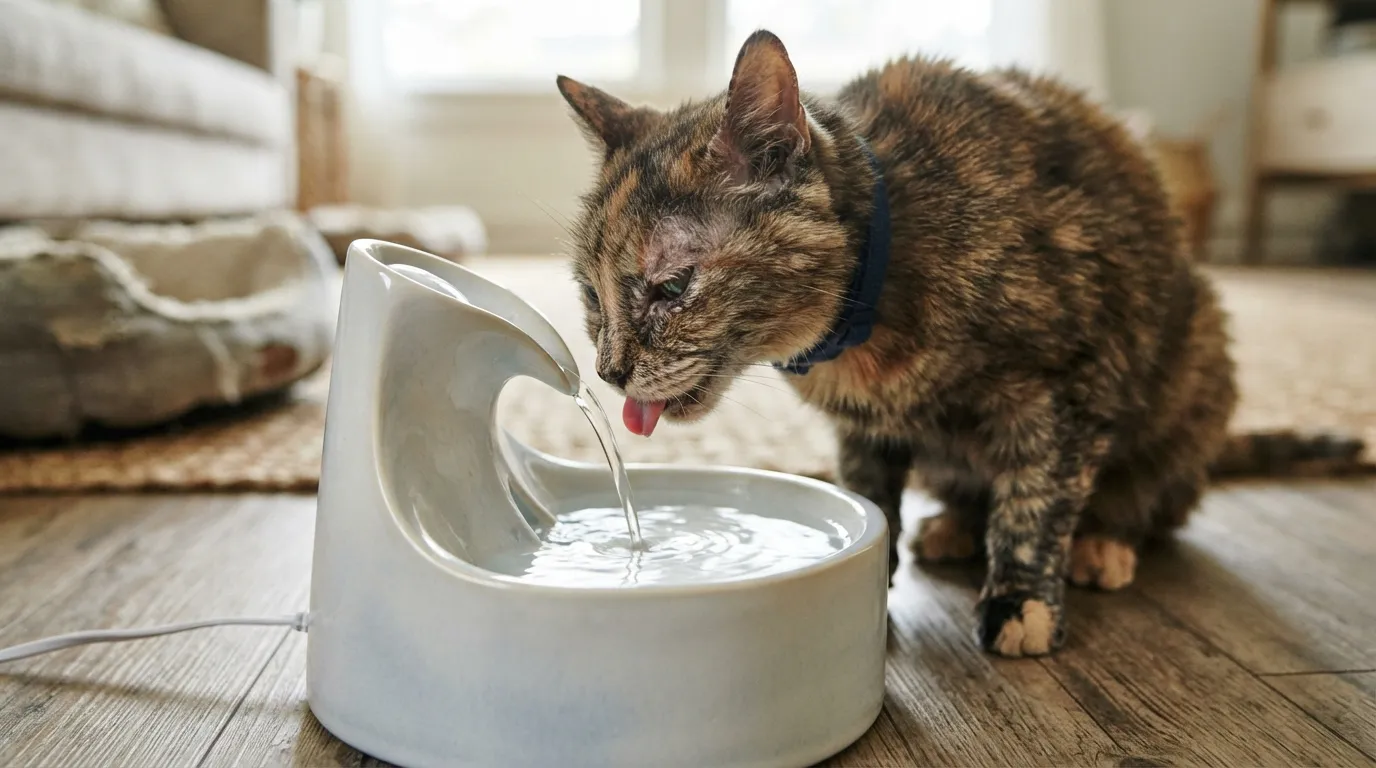
Senior cats are chronically underhydrated, and a standard bowl is part of the problem. Cats are instinctively drawn to moving water – it signals freshness to their ancient brain.
A still bowl simply doesn’t trigger the same drive to drink. Automated fountains can noticeably increase daily water intake in senior cats.
Kidney disease is one of the top killers of senior cats, and hydration is one of the most protective factors against it. Wet food can also help boost daily fluid intake.
This is one change you can make today for under $30. Once hydration is dialed in, what goes into that food matters enormously – which brings us to #9.
#9: A Senior-Specific Diet (Tailored to Them)
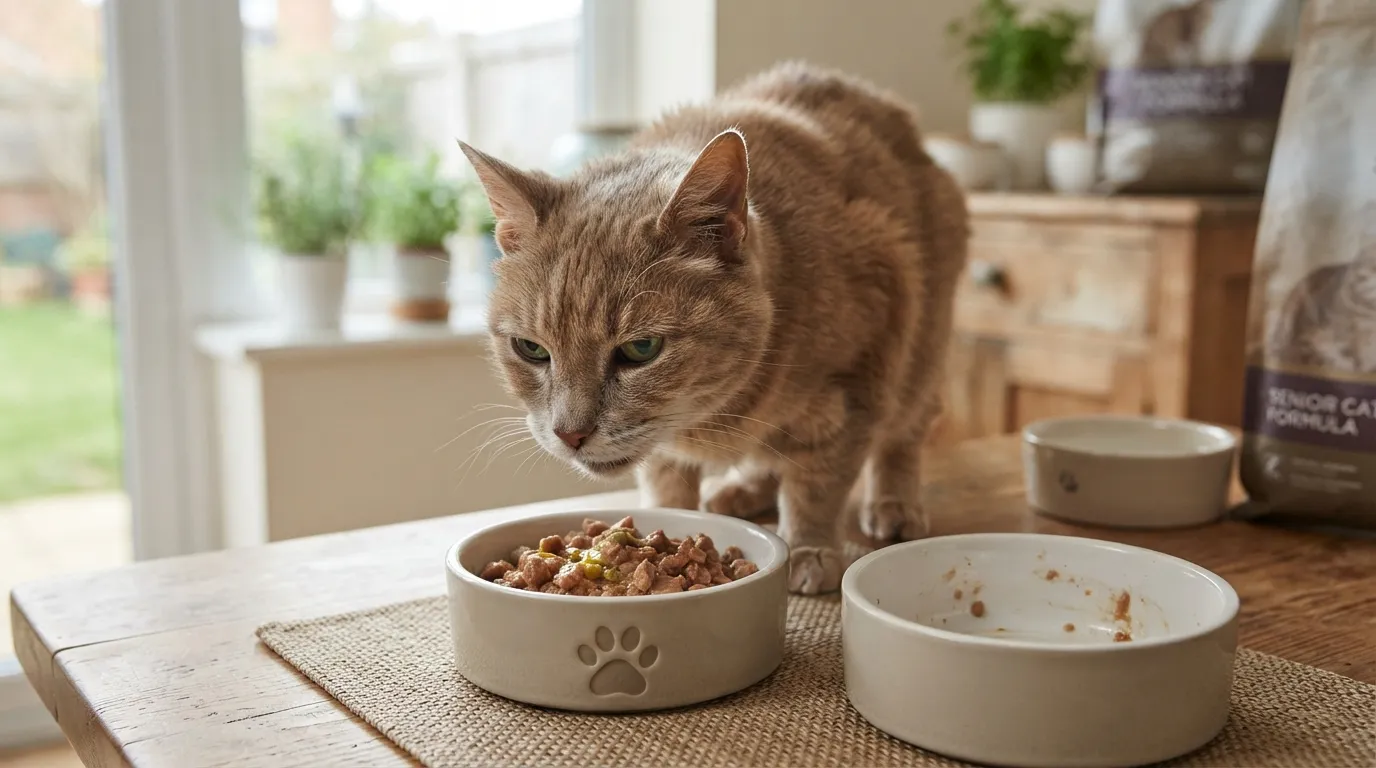
Feeding your 13-year-old cat the same food as your 3-year-old? Vets cringe when they hear that.
Senior cats benefit from diets lower in calories but rich in easily digestible protein to preserve muscle mass. Added fiber and omega fatty acids can support digestion, joints, and even cognitive function.
The kidney factor is critical. A senior diet – often higher in protein but lower in phosphorus – directly supports aging kidneys, and there’s no one-size-fits-all formula.
Quick Compare
- Adult formula: Higher calorie density, standard protein and phosphorus levels.
- Senior formula: Fewer calories, easily digestible protein, and often reduced phosphorus to ease strain on aging kidneys.
- Senior formula: Frequently fortified with fiber and omega fatty acids for joints and digestion.
Bring this up at your next visit specifically. Then focus on #8, a comfort that hits differently than any food adjustment.
#8: Accessible Litter Boxes on Every Floor
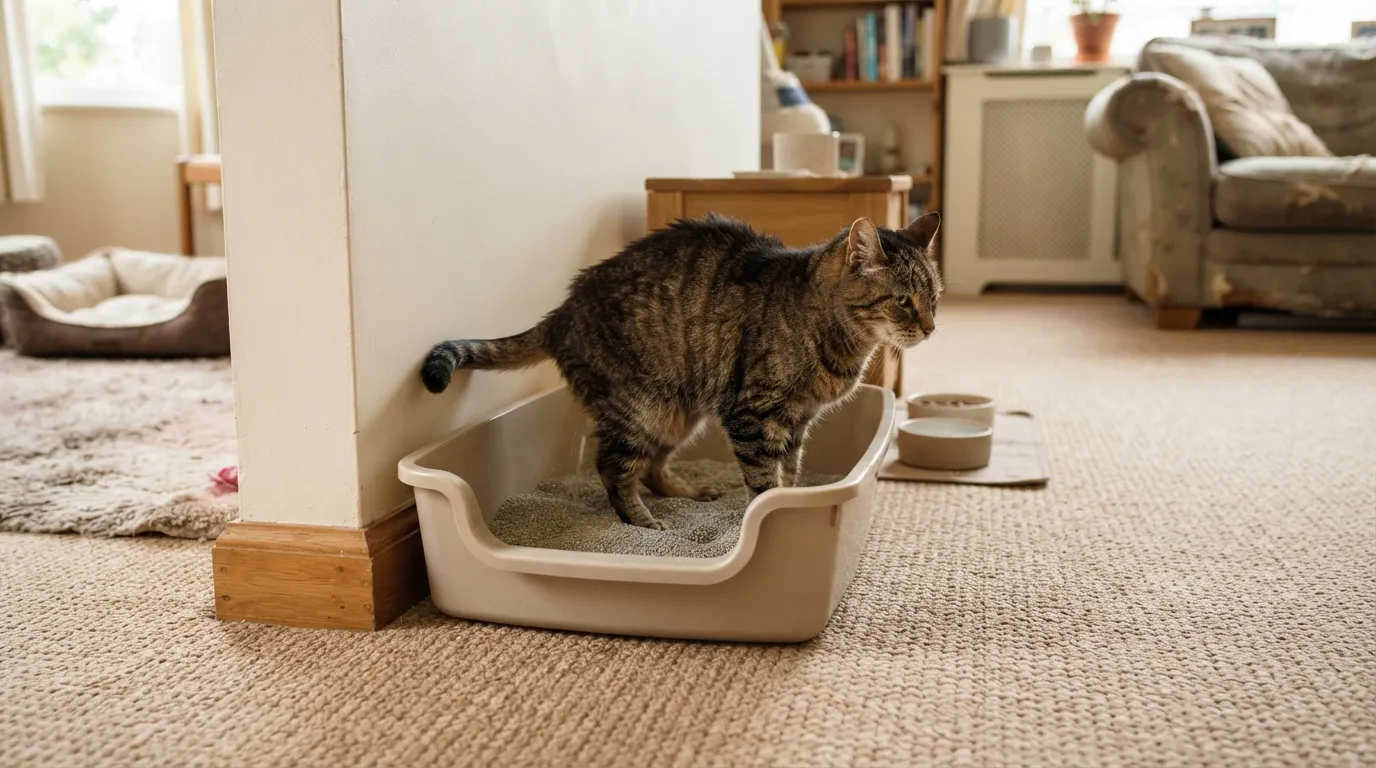
Nothing signals a cat is struggling more than litter box accidents. And almost always, the box itself is the problem.
Older cats need multiple boxes placed near favorite sleeping and eating areas, on every floor of the house. As joints stiffen, some cats lose fine control and simply can’t make it as far as they used to.
The low-sided litter box is the single most underused tool in senior cat care. Stepping over a high lip can be genuinely painful for arthritic hips.
Don’t interpret avoidance as bad behavior – interpret it as a signal. Once mobility is protected, you’d be surprised how much a simple grooming routine changes everything, and that’s #7.
#7: Regular Assisted Grooming
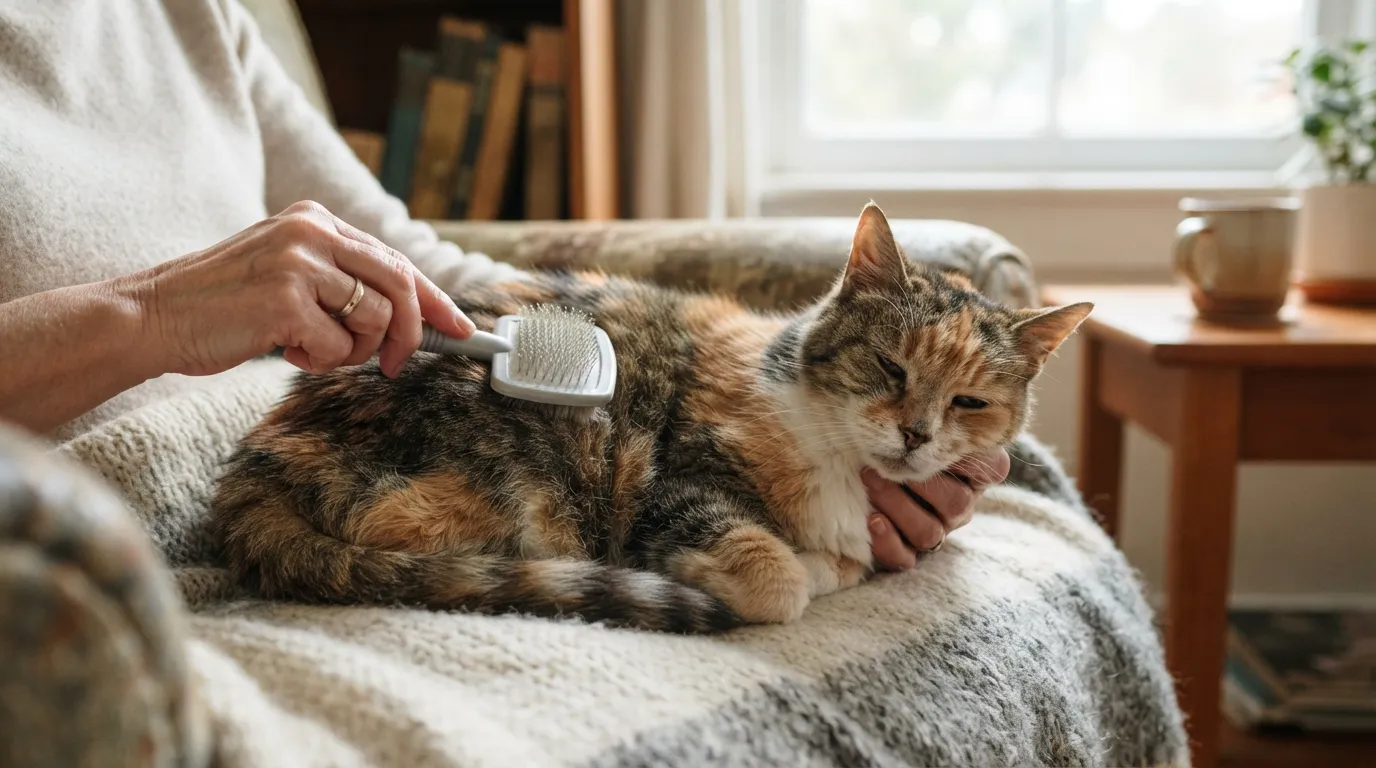
Your senior cat probably looks like they’re grooming themselves just fine. They’re likely not.
Arthritis and dental pain make it hard for older cats to reach their lower back, tail base, or behind their ears. Those exact spots are where mats and skin problems tend to develop.
Grooming sessions are also your best early-detection tool. A new lump or sensitive spot is often found by hand, long before it shows up anywhere else.
Keep it slow, gentle, and short. From physical comfort to sensory comfort, #6 is a small change that makes a surprisingly big difference at night.
#6: Night Lights for Aging Eyes
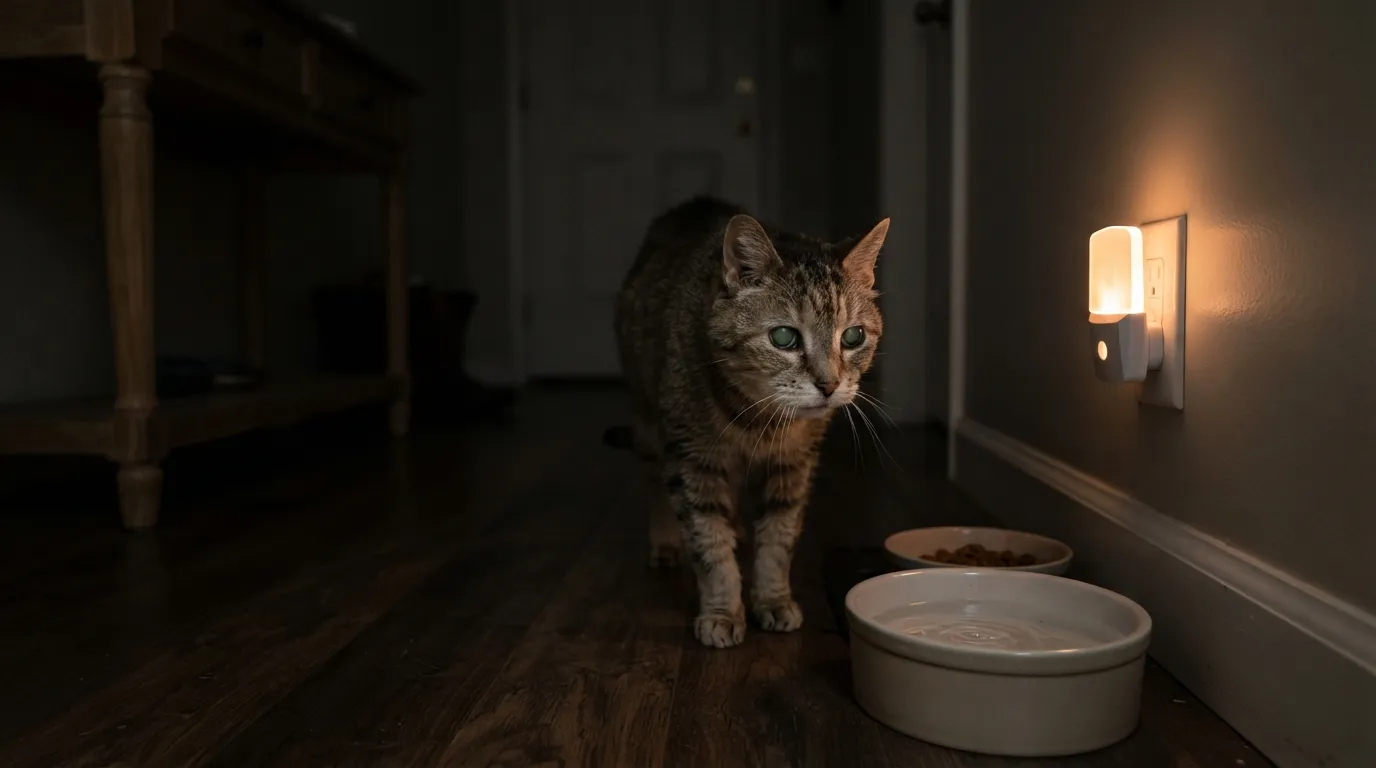
Nobody talks about this one, but vets consider it essential for cats showing signs of sensory decline.
Senior cats frequently develop lens changes, reduced night vision, or early cataracts. Disorientation in the dark causes real, quiet anxiety that most owners never connect to vision loss.
A disoriented cat at 2 a.m. isn’t being “weird” – they may genuinely not be able to see where they’re going. Small plug-in lights near food, water, and the litter box fix this for about $10.
Keep furniture arrangements consistent for cats with vision loss. Stability matters more than you’d think, and #5 takes that idea even further.
#5: Unshakeable Daily Routine
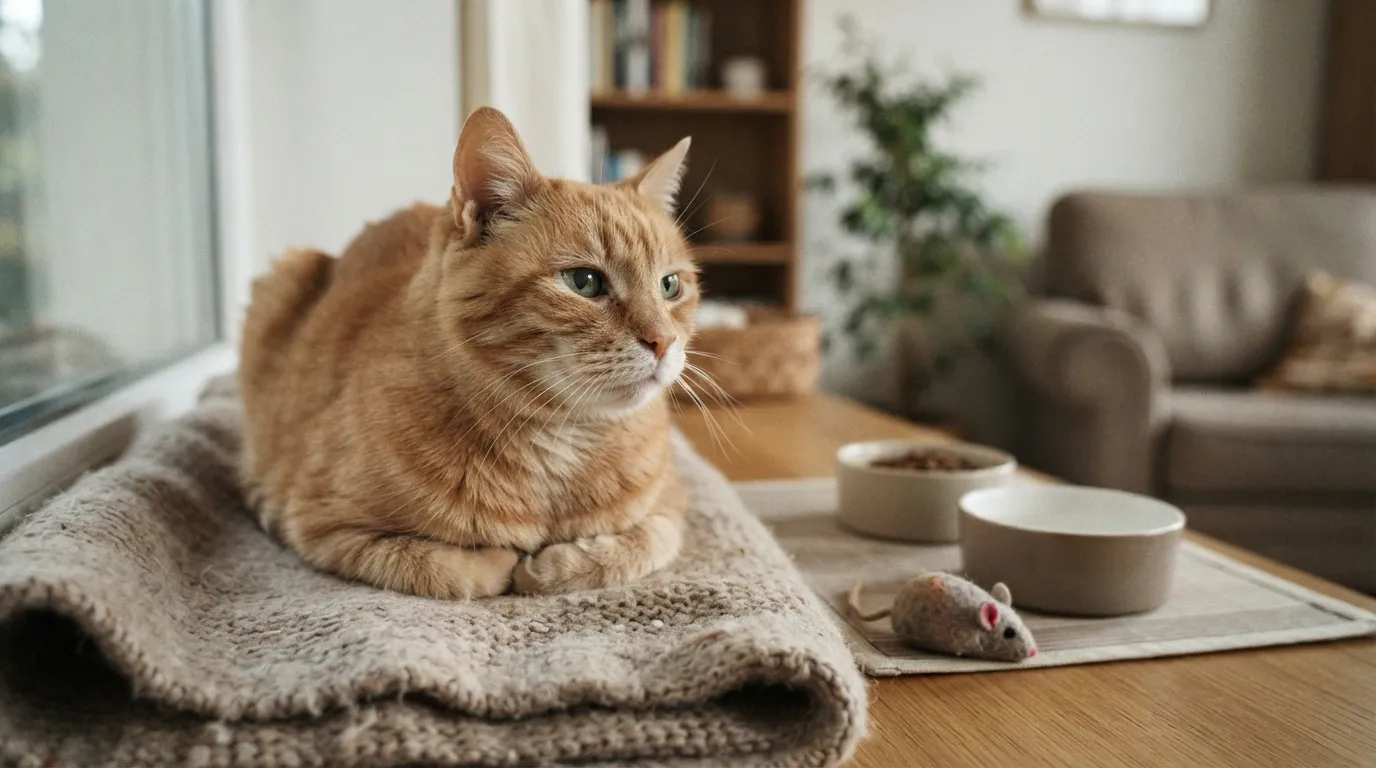
This is one of the most powerful comfort tools vets recommend, and it costs absolutely nothing.
Cats love routine, and that becomes even more true with age. Feeding, play, and quiet time at the same hour every day reduces baseline stress in a body already working hard.
Feline cognitive dysfunction is more common than most owners realize, and routine is one of the key management tools. An unpredictable schedule can accelerate confusion and anxious vocalizing.
Keep the core rhythm steady, but sprinkle in small enrichment when you can. #4 builds directly on that mental engagement piece.
#4: Gentle Mental Stimulation
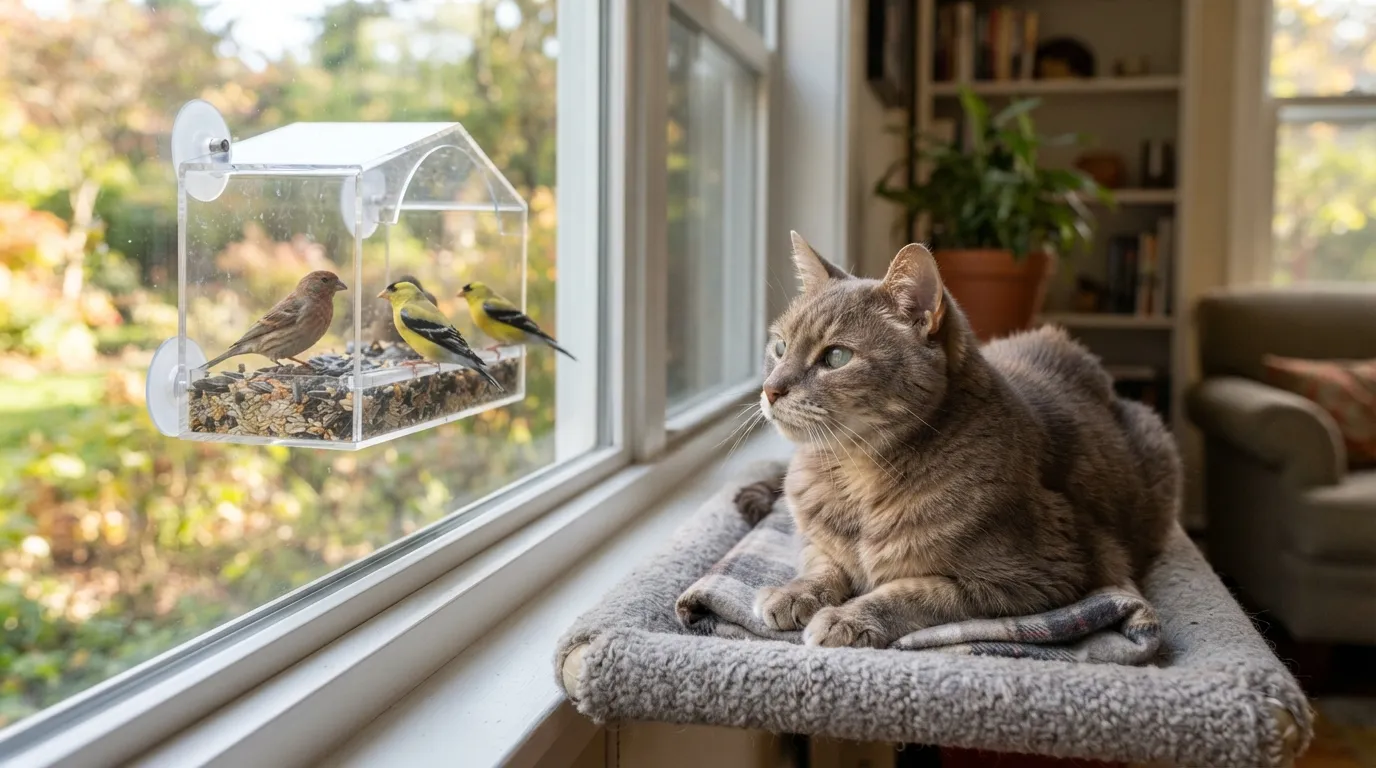
Comfort isn’t only physical. A bored senior cat is a declining senior cat.
Boredom can accelerate cognitive decline, so puzzle feeders suited to their abilities genuinely help. The goal isn’t to exhaust them – it’s to give their mind something small to do.
A window bird feeder is one of the most vet-recommended, low-effort enrichment tools available. It gives an aging cat hours of passive engagement with zero physical strain.
Make sure their favorite window perch is safe and easy to reach. When physical limitations grow, #3 is the comfort that keeps quality of life intact longer than almost anything else.
#3: Ramps and Steps Throughout the Home
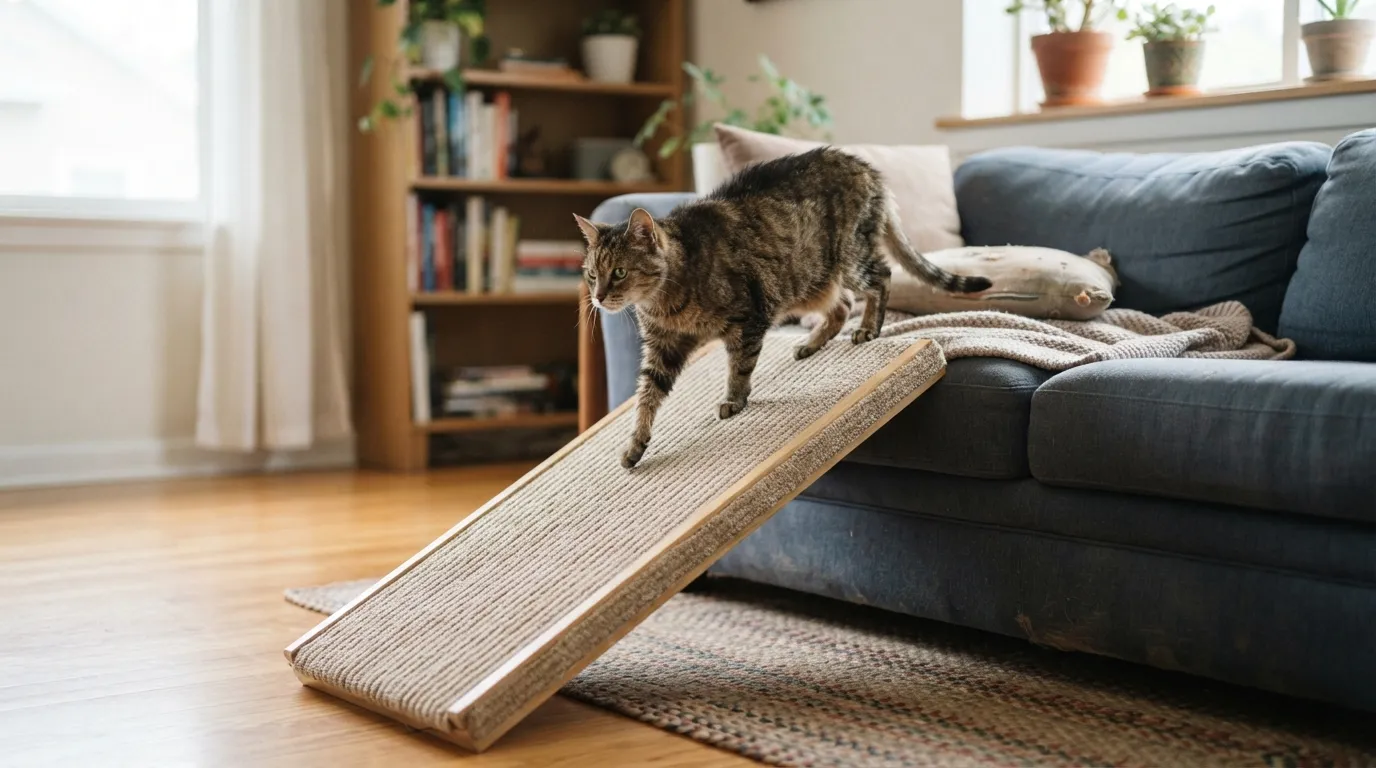
Jumping is how cats access nearly everything they love. When it starts to hurt, they simply stop trying – and quietly withdraw.
Carpeted ramps or pet stairs let senior cats reach the couch, bed, or windowsill without jumping. That access keeps them connected to the places they’ve always loved.
This is the difference between a cat who still participates in family life and one who retreats to a corner. Vets see mobility aids delayed constantly because owners assume “she’ll manage.”
Don’t wait until your cat has fully stopped jumping – put the ramp in now. Next up, #2 is the integrative comfort more vets are actively recommending, and it might surprise you.
#2: Acupuncture and Laser Therapy
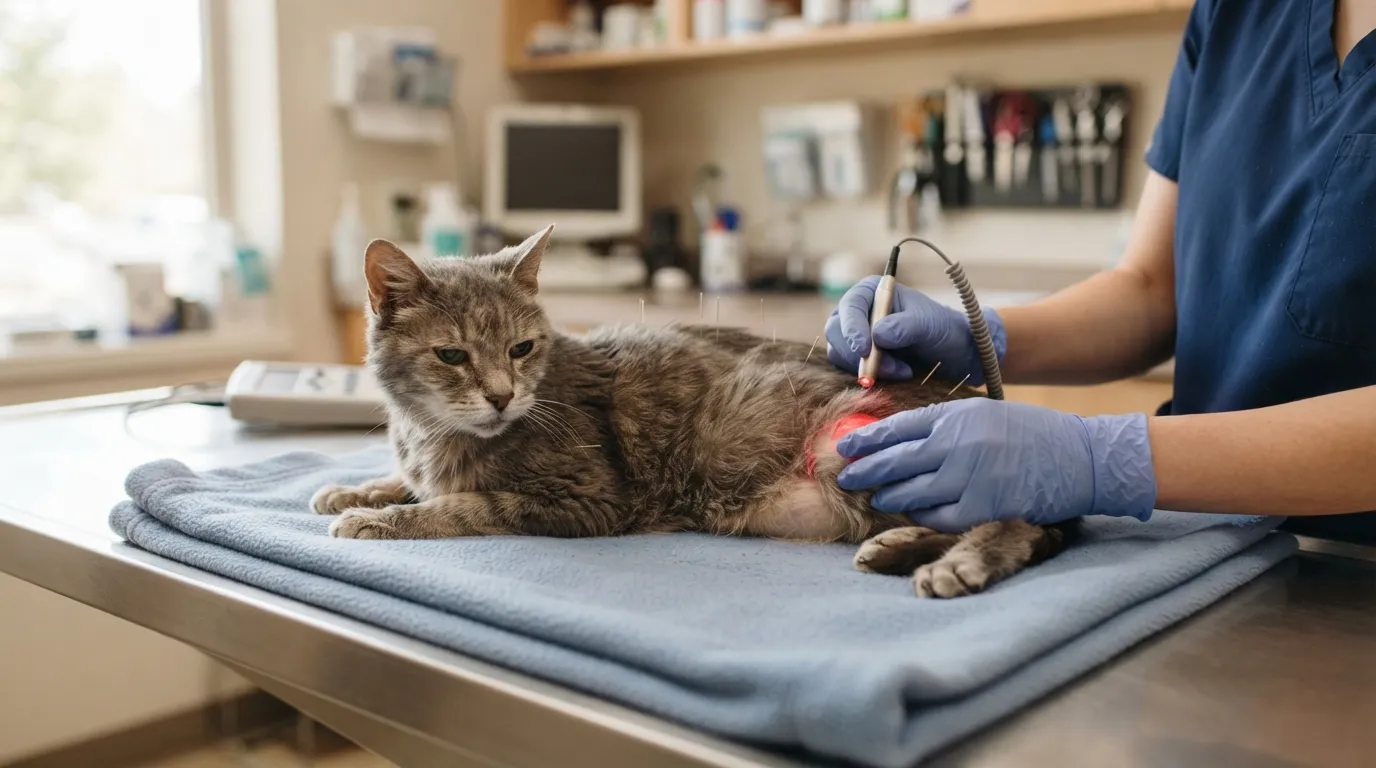
If you think this sounds fringe, you’re behind the research.
Acupuncture can help manage chronic arthritis pain in senior cats and may even support kidney and liver function. It’s increasingly used alongside conventional pain medication, not instead of it.
Low-level laser therapy is now offered alongside acupuncture at specialized feline clinics, with vets reporting real mobility improvements after just a few sessions. These aren’t replacements for medication – they’re powerful additions to a full comfort plan.
Why It Stands Out
- Many vets offering feline acupuncture are certified through organizations like the International Veterinary Acupuncture Society.
- Initial treatment plans often start with weekly sessions before spacing out as pain improves.
- Laser therapy sessions are typically brief, often just a few minutes per treatment area.
- Both therapies are increasingly used alongside, not instead of, standard pain medication.
Ask your vet specifically, since not every clinic offers them yet. And all of it leads to the comfort vets consistently rank as the most important of all.
#1: Your Calm, Consistent Presence
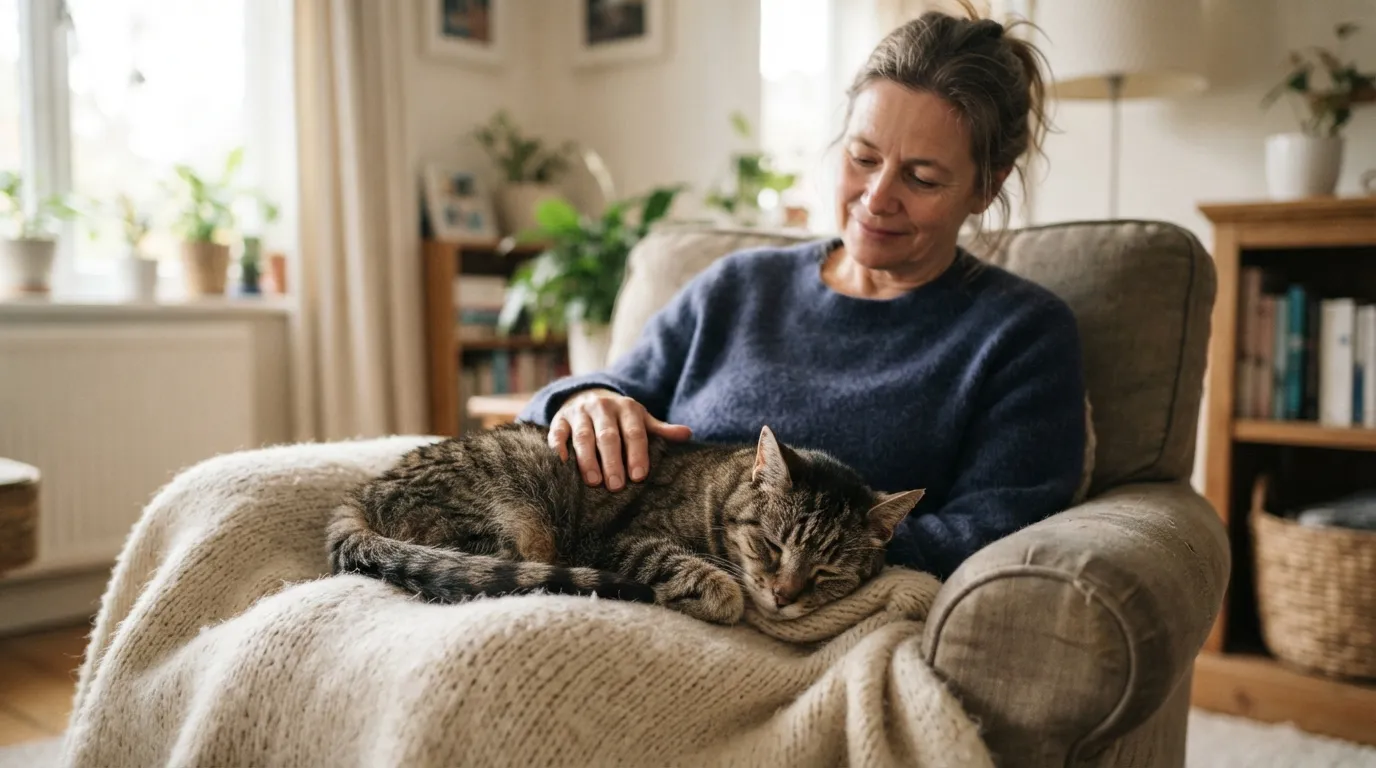
Every other item on this list matters. But vets will tell you – nothing replaces this one.
When a cat’s health starts to decline, the bond between you becomes even more important. Quiet naps, soft purrs, and gentle headbutts do more than most people realize.
Time spent with cats is never wasted.
Sigmund Freud
Senior cats read your energy. A stressed, anxious owner creates a stressed, anxious cat, and stress is genuinely hard on an aging immune system.
Your calm presence and your willingness to just sit with them is its own kind of medicine. Your vet can guide the medical decisions, but the warmth between those visits is entirely yours to give.
The Bottom Line
Senior cat comfort isn’t one big thing. It’s 15 small ones, stacked together.
Joint stiffness, sensory decline, and appetite changes are normal parts of aging, and a once-playful cat softening into longer naps is too. The comforts that help most – early vet visits, treated pain, ramps instead of jumps, moving water, and your unhurried presence – are all within reach.
The cats who thrive in their later years don’t do it by accident. They have owners who paid attention.
Which comfort on this list are you adding first? Drop it in the comments.
Kristina is a young writer from India. An arts graduate and an avid content creator, Kristina is passionate about animals and wildlife. She enjoys exploring topics related to pet care, animal behavior, conservation, and nature, combining thorough research with engaging storytelling.