13 Ways Your Indoor Cat Keeps You Company Without Ever Leaving Your Side
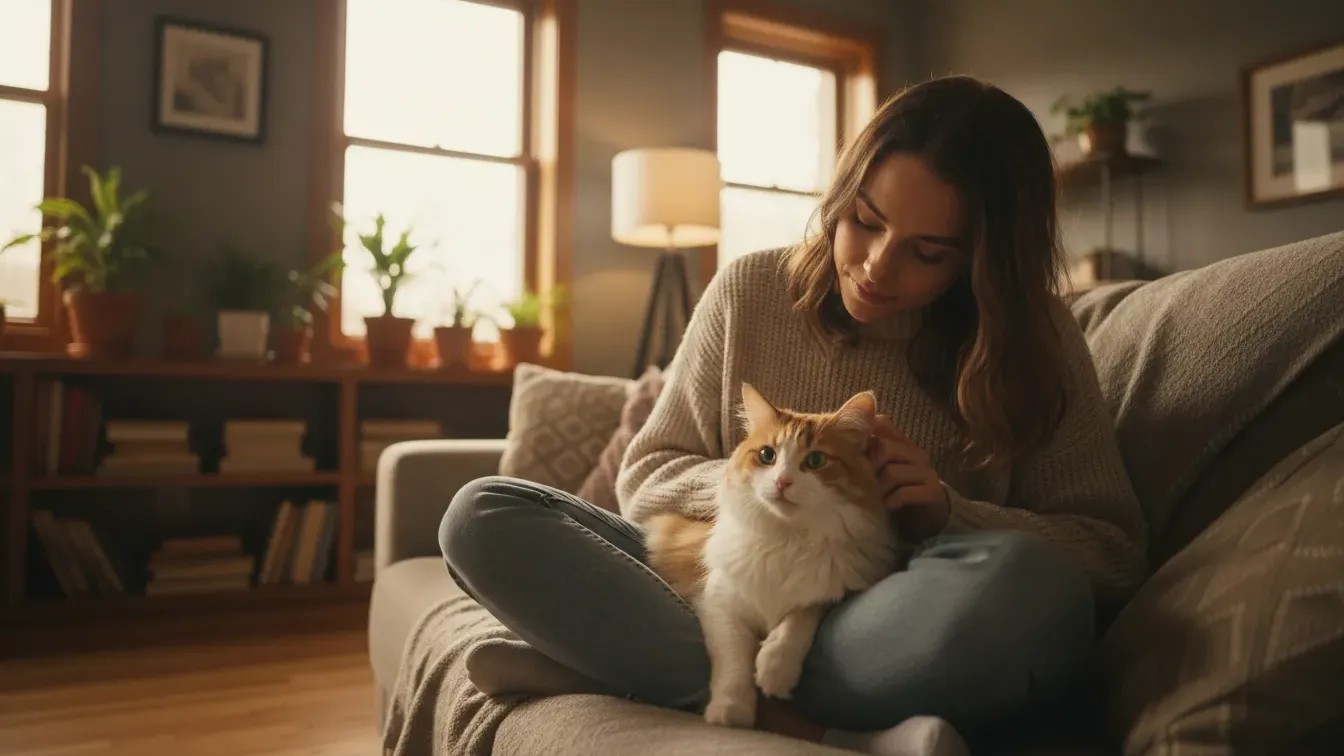
Most cat owners assume they're the ones doing all the emotional heavy lifting - feeding, cleaning, worrying. Turns out, the data flips that assumption completely upside down.
Over 94 million cats live in U.S. homes, quietly running a support system most owners never notice. Here are the 13 real, science-backed ways your indoor cat is holding you together - starting with the one happening in your bloodstream right now.
#13 - They Lower Your Stress Hormone Within Minutes
Your cat doesn't need to do anything dramatic to help you. Just sitting nearby seems to be enough.
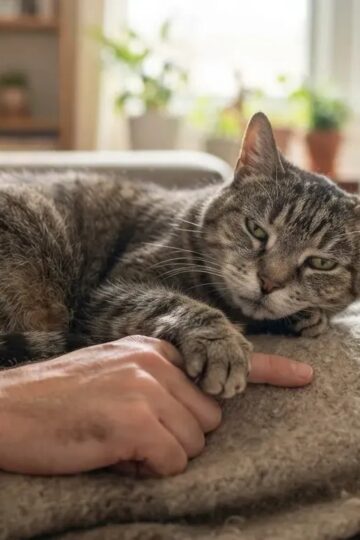
Studies show that ten minutes of petting a cat can significantly lower cortisol levels in humans. That's your primary stress hormone, quietly getting neutralized by a creature that isn't even trying.
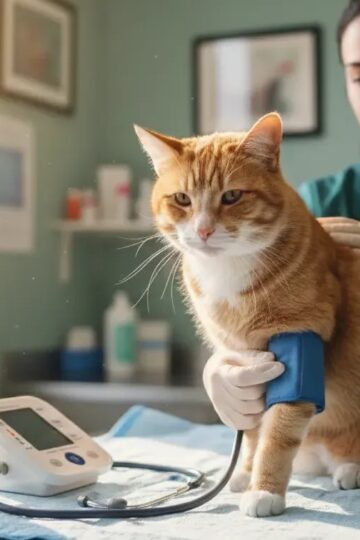
Some research also links regular pet ownership to lower resting blood pressure. The rhythmic motion of stroking a cat's fur can produce a measurable calming effect in certain people.
It's not magic - it's biology, and your cat doesn't even need to be awake for it to work. But the cortisol drop is just the opening act - wait until you see what's happening in your brain next.
#12 - They Flood Your Brain With "Love Chemicals"
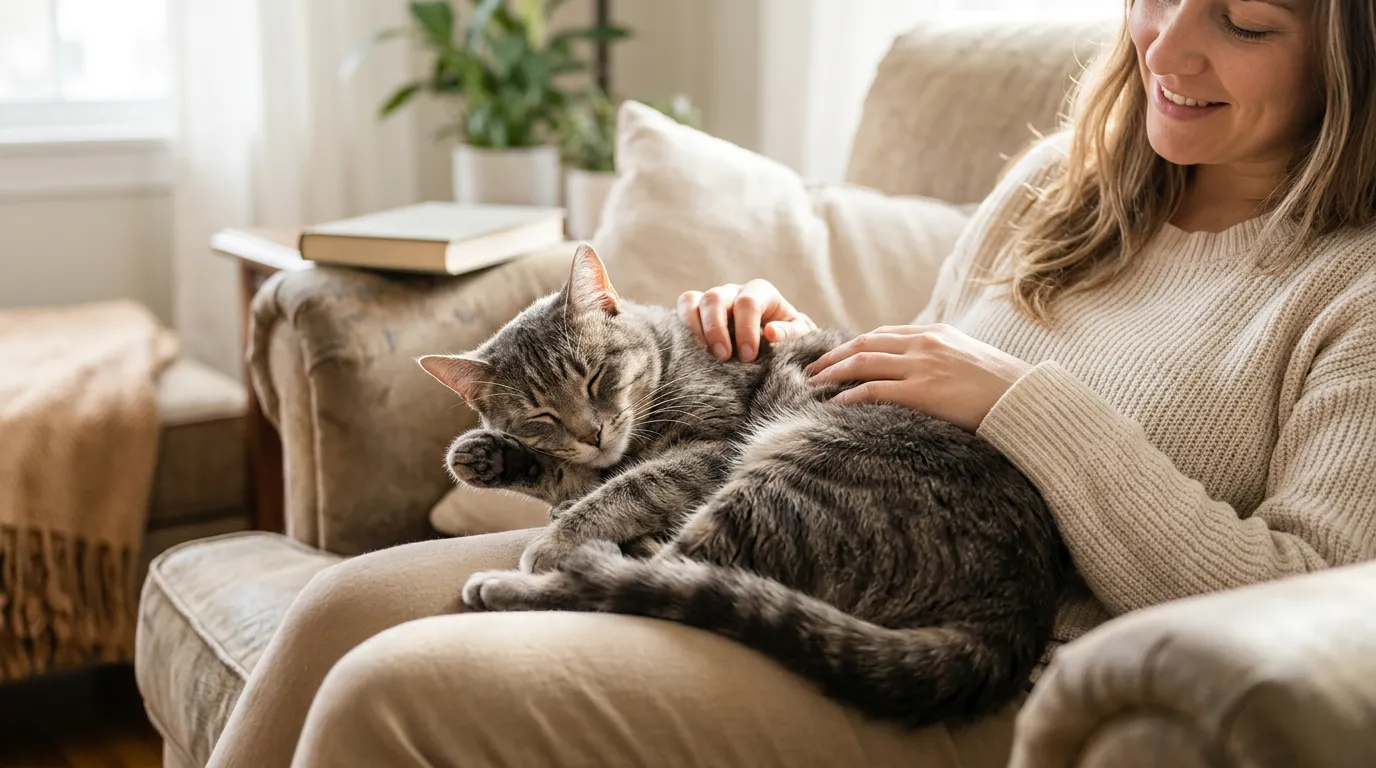
There's a reason you feel genuinely better after your cat curls up on your lap. It goes deeper than warmth.
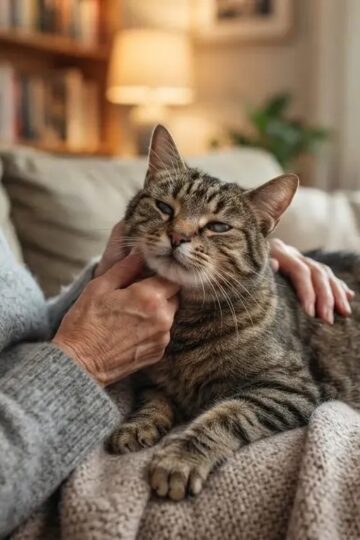
Interacting with cats triggers a release of serotonin, dopamine, and oxytocin in humans - the chemicals tied to comfort and connection. Oxytocin specifically slows your heart rate and your breathing.
It also appears to reduce activity in the amygdala, the brain's alarm center. In plain terms, your cat is literally dialing down your fear response.
Repeat this enough times and it can reset your baseline calm. That daily chemical shift is free and automatic - and it sets up something even stranger in #11.
#11 - Their Purr Is a Low-Frequency Therapy Session
Most people think purring just means a happy cat. They're only half right.
Cats purr at frequencies between 25 Hz and 150 Hz. Some researchers believe these frequencies may carry soothing, even tissue-healing properties, though the human-focused evidence is still limited.
What's already confirmed is the psychological effect. The low-frequency vibration of a purr has been shown to reduce stress, anxiety, and even blood pressure in humans nearby.
"The low-frequency vibrations of a cat's purring are often used in sound therapy."
Nancy Martin, LCSW, Inspira Health
You're basically sitting next to a living vibration machine that also happens to adore you. Next up: something your cat is doing that you've probably never consciously noticed.
#10 - They Read Your Emotional State Without a Single Word
Cats have a reputation for being detached. That reputation is completely undeserved.
Research shows cats combine visual and vocal cues to recognize human emotions - and adjust their own behavior accordingly. In other words, your cat knows when something is wrong with you.
They're sensitive to shifts in your heart rate, breathing, and even your daily schedule. Even small changes in routine rarely go unnoticed by them.
One long-term study found that cats sought more physical contact and became noticeably more affectionate during their owners' depressive episodes. They're not just present - they're actively responding, and something even stranger happens with your face in #9.
#9 - They Watch Your Face and Mirror Your Mood
Here's one most owners completely underestimate. Your cat is a dedicated student of your facial expressions.
This is called social referencing - cats look at your face and calibrate their behavior off what they see. When you show negative emotion, they stay more vigilant; when you're relaxed and happy, so are they.
Cats also spend more time in physical contact with owners who display positive emotions like happiness compared with anger. They're reading you constantly, like a book they've memorized.
That habit has real consequences for how close the two of you actually feel. Slide #8 covers something most people never even connect to their cat.
#8 - They Give Your Day a Built-In Structure
Loneliness and anxiety both thrive in unstructured days. Your cat quietly fights both, on autopilot.
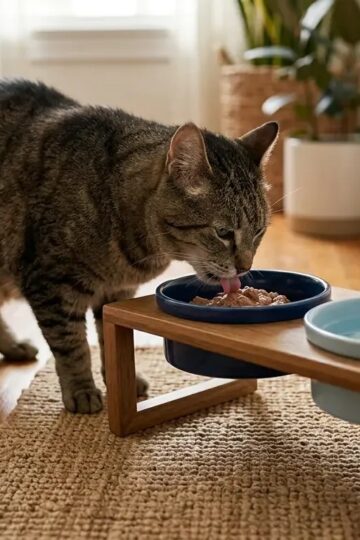
Cats thrive on predictability, and building your routine around their needs can genuinely benefit your mental health too. That structure gives both of you a sense of security.
Worth Knowing
- Indoor cats average 10 to 15 years, with many living well into their late teens or twenties.
- Outdoor-only cats average just 2 to 5 years due to traffic, disease, and predators.
- Consistent feeding, play, and attention are among the biggest reasons indoor cats live so much longer.
Caring for another creature also gives many owners a renewed sense of purpose. It pulls attention away from daily stress and worry, whether you notice it happening or not.
This is especially valuable if you work from home or live alone - your cat is enforcing a schedule that keeps you functional. Slide #7 gets more personal: how cats keep you from sliding into real isolation.
#7 - They Protect You From Loneliness in a Real, Measurable Way
This isn't sentimental fluff. The data backs it up directly.
Cats offer companionship without judgment, and having one around has been linked to less loneliness and depression. That benefit is especially strong for people who live alone or have lost a partner.
Bonding with a cat gives you a real relationship to invest in, which matters enormously if you struggle with anxiety. Many researchers now argue that pet companionship is quietly offsetting an under-discussed epidemic of adult loneliness.
Indoor cats - always present, always nearby - are uniquely positioned for exactly that job. Next up in #6: something cats do while you're asleep that you've probably never thought twice about.
#6 - They Keep You Company Through the Night
A lot of cats don't just tolerate their owner's sleep schedule. They actively seek it out.
Cats raised indoors tend to stay physically closer to their owners than cats with outdoor access. That closeness comes with real behavioral benefits on both sides.
Cats show fewer stress-related behaviors when their owner is nearby, and the comfort runs both ways. Millions of owners sleep better with a cat on the bed, and now there's a physiological reason why.
A consistent bedtime routine with your cat has even been shown to reduce nighttime anxiety. Slide #5 uncovers a benefit that has nothing to do with touch or proximity at all.
#5 - Watching Them Play Actually Lifts Your Mood
You don't have to participate for this one to work. Just watching your cat is enough to shift your mood.
Playful behavior brings genuine happiness and laughter, and it strengthens the human-feline bond in the process. But even passive observation - watching your cat pounce on nothing or chase a shadow - triggers a real emotional response.
The spontaneous absurdity of a cat playing has a measurable effect on mood. The positive emotions from playing or cuddling with a cat may even give your immune system a boost.
That's a bonus most people never see coming. It gets even more interesting in #4 - something no human companion quite replicates.
#4 - They Offer Judgment-Free Companionship
Humans are exhausting sometimes. Cats never are.
People often expect judgment from other humans, but a cat offers zero of it. That psychological safety is rarer than it sounds, which is exactly why so many owners talk to their cats during hard moments.
Cats offer silent support that eases loneliness and intrusive thoughts - no advice, no criticism, just presence. For a lot of people, that's precisely what they need and can't always get from another person.
Pet therapy research backs this up: it reduces anxiety, increases social communication, and improves daily functioning. Slide #3 covers something owners usually write off as coincidence - but science says it's deliberate.
#3 - They Seek You Out When You Need It Most
This one surprises even longtime cat owners. Cats become noticeably more affectionate when they sense you're feeling down.
That's not random behavior - it's a response to real signals your body sends out constantly. Your cat's sensitive nose may even detect rising cortisol and adrenaline during stress.
They can also pick up on subtle shifts in your heart rate and breathing. Your cat isn't wandering over by accident on your hardest days.
They're responding to a cascade of signals your body is broadcasting, and choosing to come help. Slide #2 reveals a dimension of this bond most owners don't discover until years in.
#2 - They Form a Genuine Attachment Bond With You
Here's the credit dogs have always gotten - that cats deserve just as much. Having shared human homes for at least 10,000 years, cats form complex, long-lasting relationships now classified as genuine attachment bonds.
Fast Facts
- A 2019 Oregon State University study found 65.8% of adult cats are securely attached to their owners.
- That rate nearly matches the 65% secure attachment rate seen in human infants.
- Researchers used a "secure base test," the same method originally designed to study infant-caregiver bonds.
Domestic cats have lived alongside humans for millennia, and research confirms they bond closely with the people who care for them. These bonds shape behavior and mood on both sides.
Most people assume cats are indifferent. The truth is your indoor cat has formed a psychological attachment that shapes its behavior every single day - it watches you, follows you, and waits for you.
Which brings everything to a head in #1 - the one that changes how most owners see this relationship entirely.
#1 - Their Presence Alone Is Enough to Make You Feel Safer
No tricks. No entertainment. Just being there is enough.
This is called the Secure Base Effect - a bonded animal using its caretaker's presence as a source of safety. Cats show fewer stress behaviors when their owner is in the room, and remarkably, the effect runs in reverse too.
Owners report feeling calmer and more settled simply because their cat is nearby. Strong human-animal bonds like this deepen over time, and the longer you live together, the stronger the effect gets.
That's the real secret hiding behind all thirteen of these. Your indoor cat doesn't need to perform for you - its presence alone is the gift.
The Bottom Line
Most people think their cat is simply along for the ride - a cute, independent animal doing its own thing. The data says otherwise, decisively.
Your indoor cat lowers your cortisol, floods your brain with oxytocin, reads your face, senses your stress, and quietly bonds with you on a level most owners never fully clock.
The cat curled up three feet from you right now isn't just passing time. It's working - and it's doing it without ever asking for credit.