14 Final Signs a Beloved Breed Cat Shows Before It Is Time to Let Go
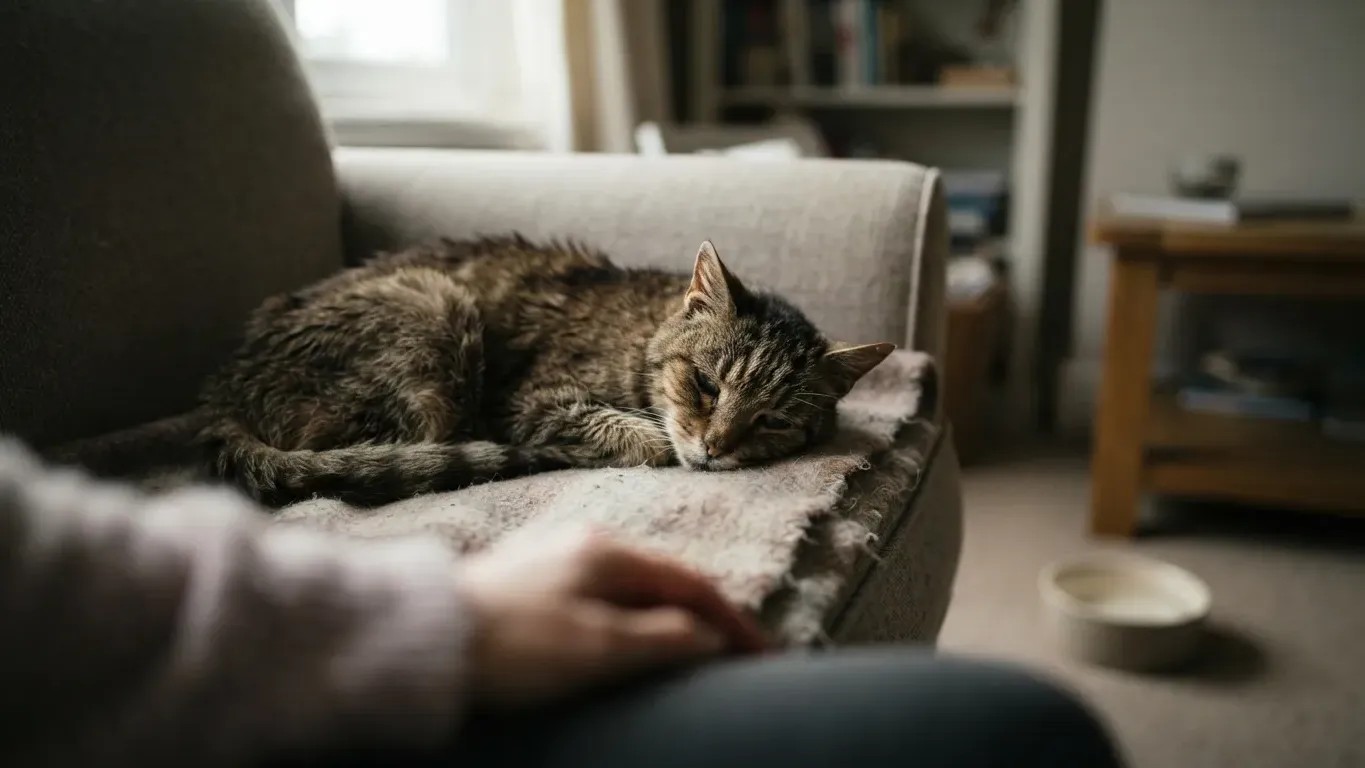
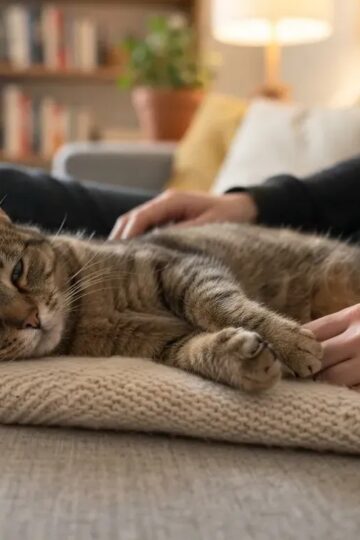
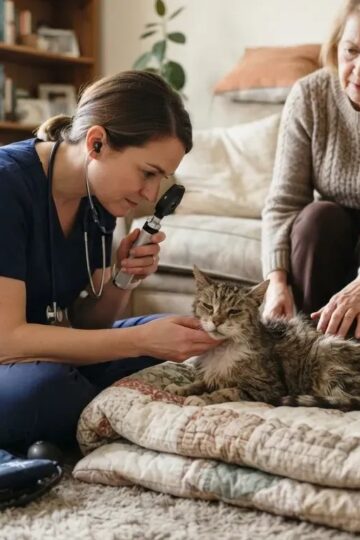
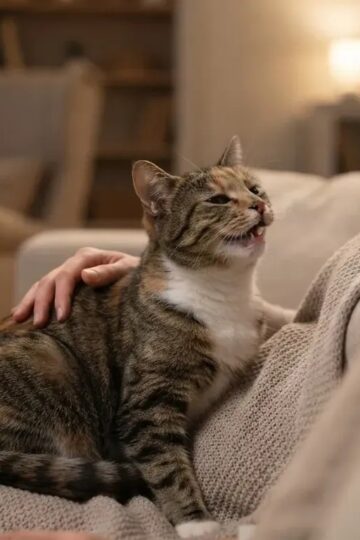
Most cat owners are convinced they'd know the exact moment something was seriously wrong with their cat. Veterinarians who work in end-of-life care say that confidence is usually misplaced.
Cats are wired to hide suffering until the very end, which means warning signs often sit in plain sight for weeks before anyone notices. Fourteen signs show up again and again in a cat's final stretch of life - and once you know them, you will never look at your cat the same way again.
#14 - Extreme Lethargy That Goes Beyond "Just Tired"
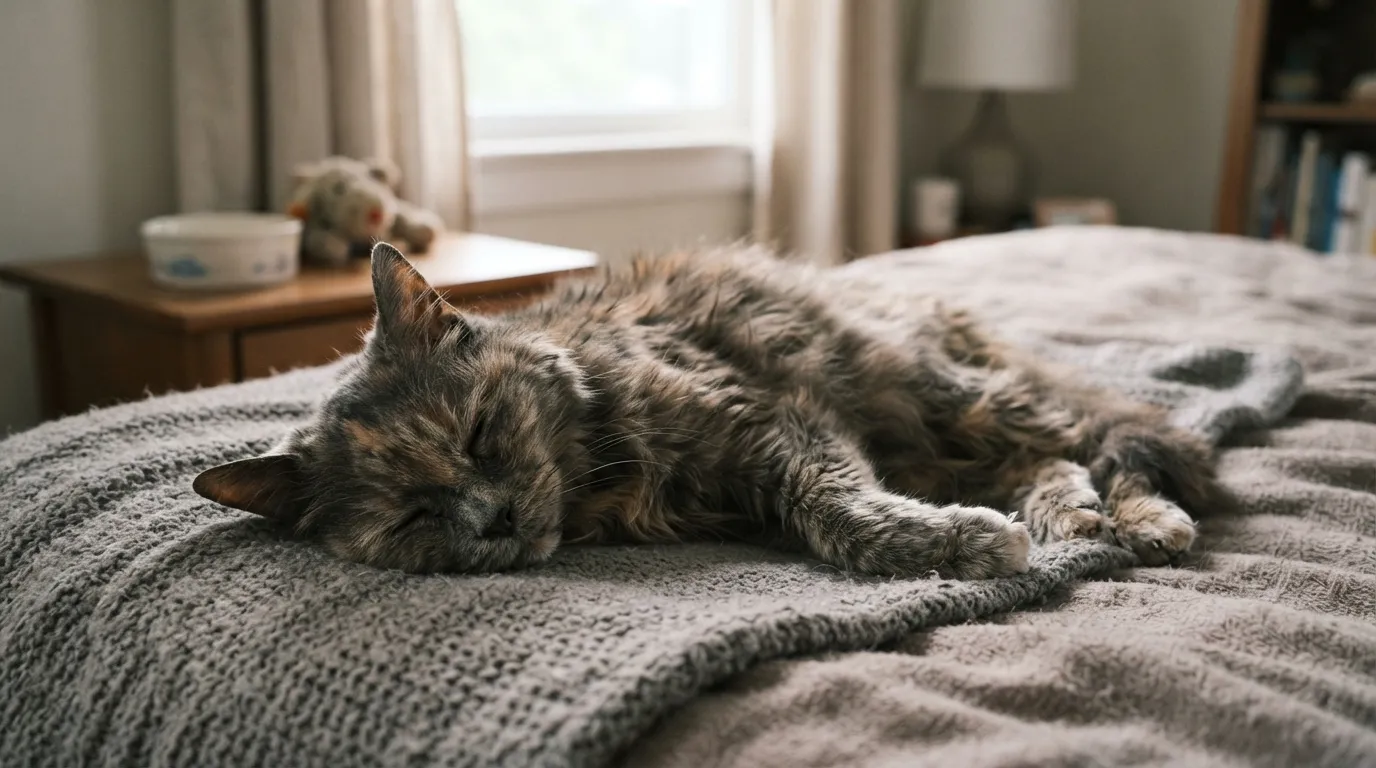
Every cat owner knows their cat loves a long nap. But there's a hard line between lazy and dying.
A dying cat may sleep up to 20 hours a day, and become nearly impossible to wake even for a favorite treat. That refusal to respond, not the sleeping itself, is the real signal.
Normal tiredness still has flashes of alertness in it. Terminal lethargy is flat and unbroken - the kind where a cat doesn't even lift their head when you walk into the room.
Watch for that stillness. It's not a nap, it's a warning most owners miss until it's too late.
That kind of stillness is unsettling. But the next sign is even harder to watch unfold.
#13 - Complete Refusal to Eat or Drink
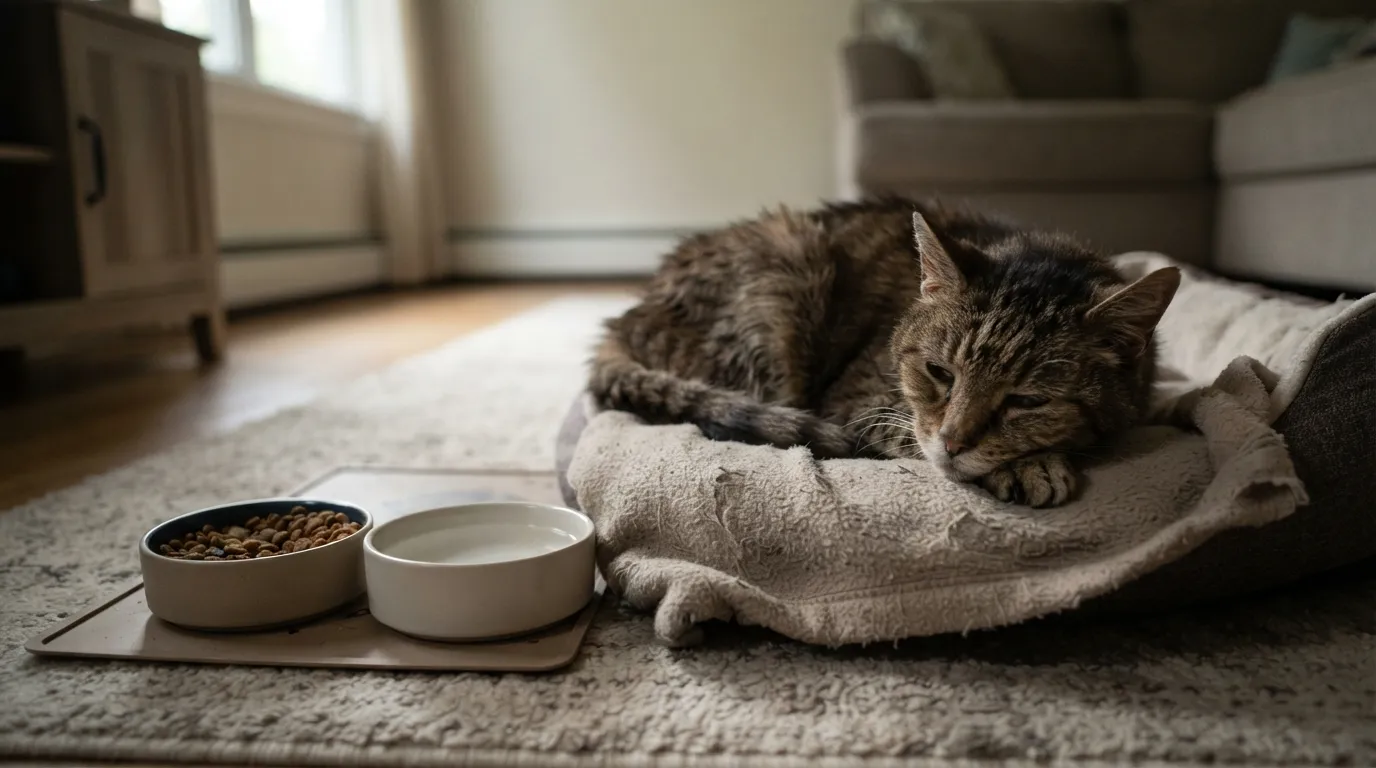
A cat skipping one meal is nothing to panic about. A cat who stops eating completely is a different story entirely.
Appetite loss is often the very first sign vets watch for. Some cats manage a day or two on almost nothing, but ongoing refusal - especially paired with hiding or weakness - usually means the end is closer than owners realize.
In human hospice care, appetite is treated as a direct measure of quality of life. The same logic applies here: even food-obsessed cats eventually stop trying.
When water refusal joins food refusal, organ shutdown is often already underway. Don't wait to see if it passes - call your vet the same day.
As hard as that is to accept, the next sign hides in plain sight - underneath all that fur.
#12 - Dramatic, Visible Weight Loss
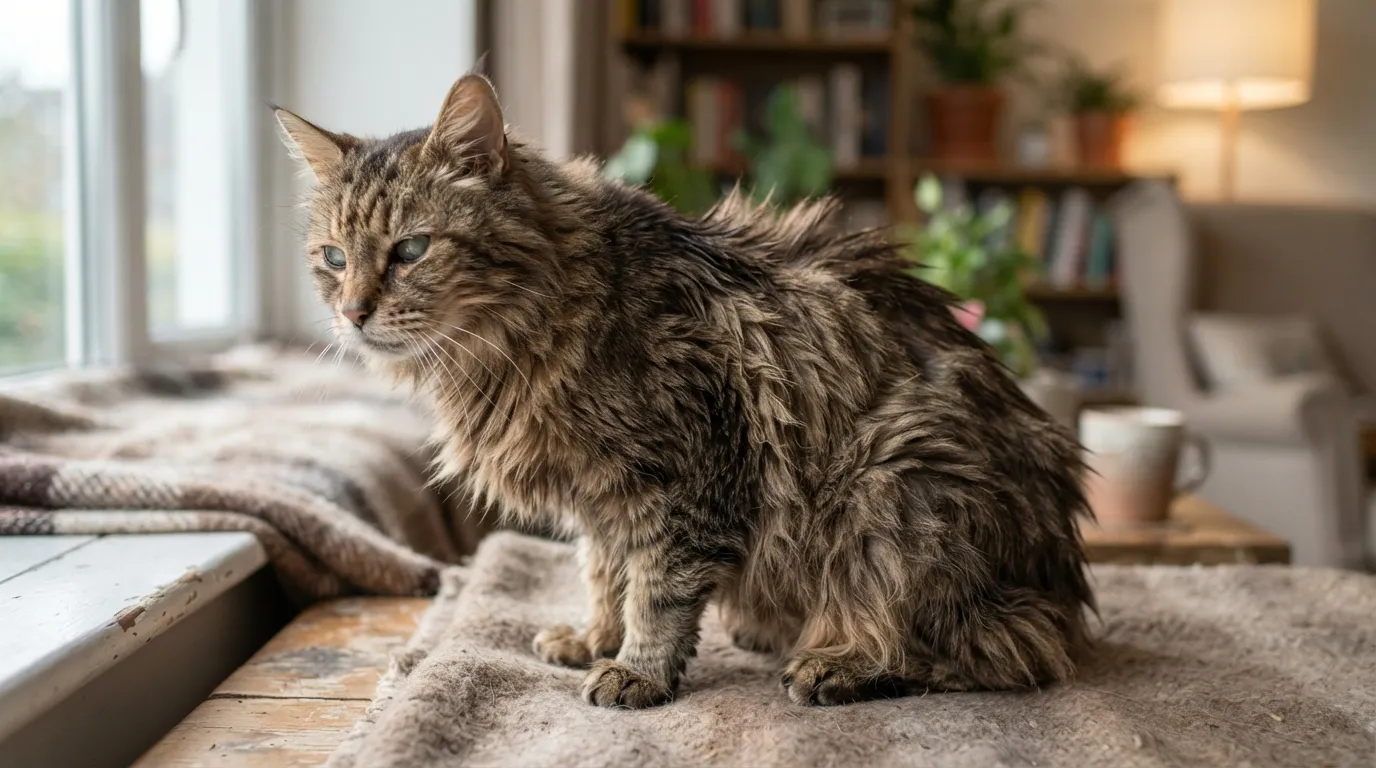
This one sneaks up on owners, especially with long-haired breeds like Maine Coons or Persians. The coat hides everything until it's too late to un-see.
Muscle wasting, thinning skin, and dulled senses can all happen quietly underneath a full coat. Many owners only discover it when they pick their cat up and feel bones they never knew were there.
Weight loss on its own can have a treatable cause. Weight loss paired with behavior changes is a far more serious picture.
A cat who has lost more than 20% of their body weight in a short window is in real medical trouble. Run your hands along the spine and ribs weekly - it takes ten seconds and tells you everything.
At a Glance
- Ribs, spine, or hip bones felt easily under a full coat
- Loss of the "waist" or noticeably sunken flanks
- Unexplained loss of 10% or more body weight in a month warrants a vet visit
- Weekly hands-on checks catch changes fur alone will hide
The next sign isn't about the body at all. It's about where your cat suddenly chooses to disappear.
#11 - Hiding in Unusual Places
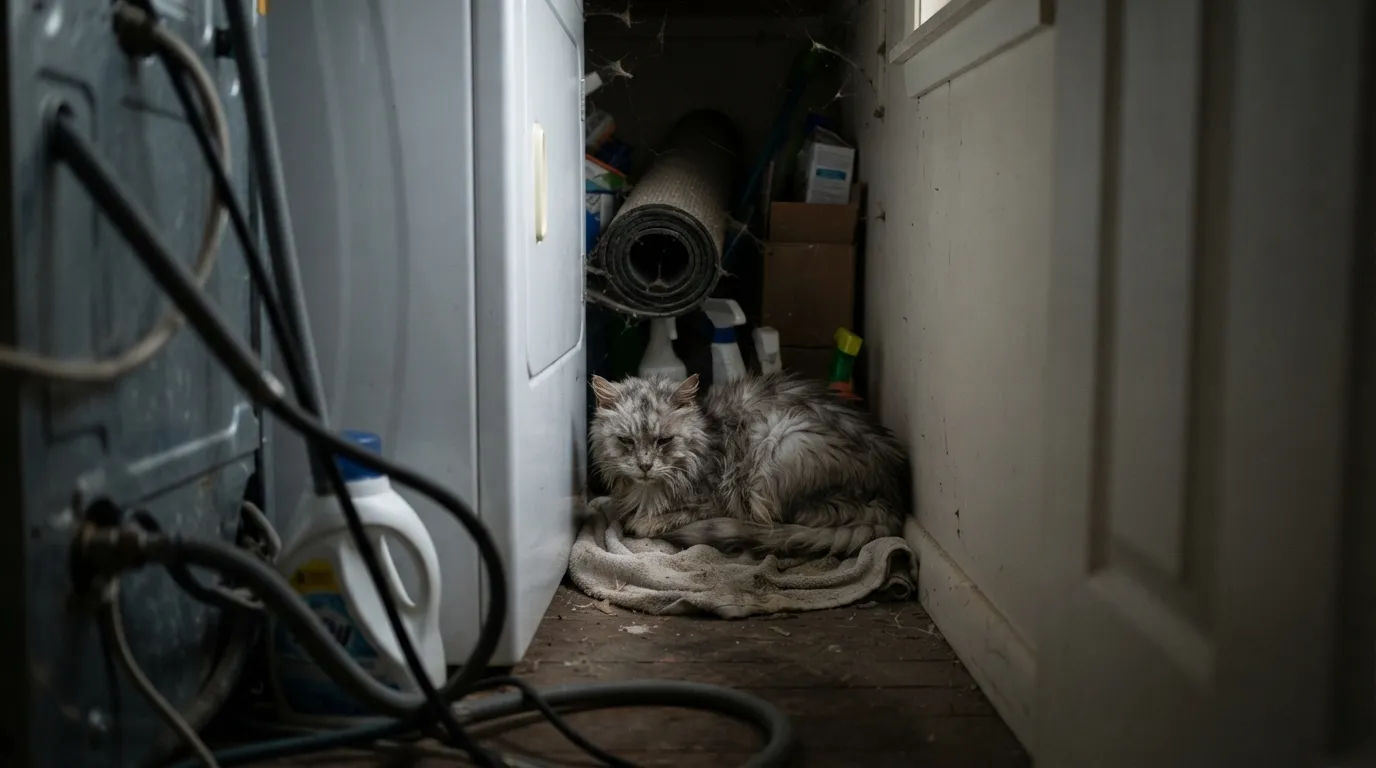
Cats are private by nature, but end-of-life hiding feels different, and most owners can sense it. This isn't the usual spot under the bed.
This is a closet corner, behind the washing machine, inside a cupboard they've never once explored before. Vets say cats retreat like this because they sense their own vulnerability, not because they understand death.
It's an ancient survival instinct - a sick animal in the wild is a target, so hiding feels safer. In a home, though, that same instinct can tragically delay the care a cat needs.
If your cat suddenly goes quiet and vanishes for hours, take it seriously. It's rarely nothing.
If hiding is the quiet sign, this next one is impossible to ignore.
#10 - Neglected Grooming and a Dull, Matted Coat
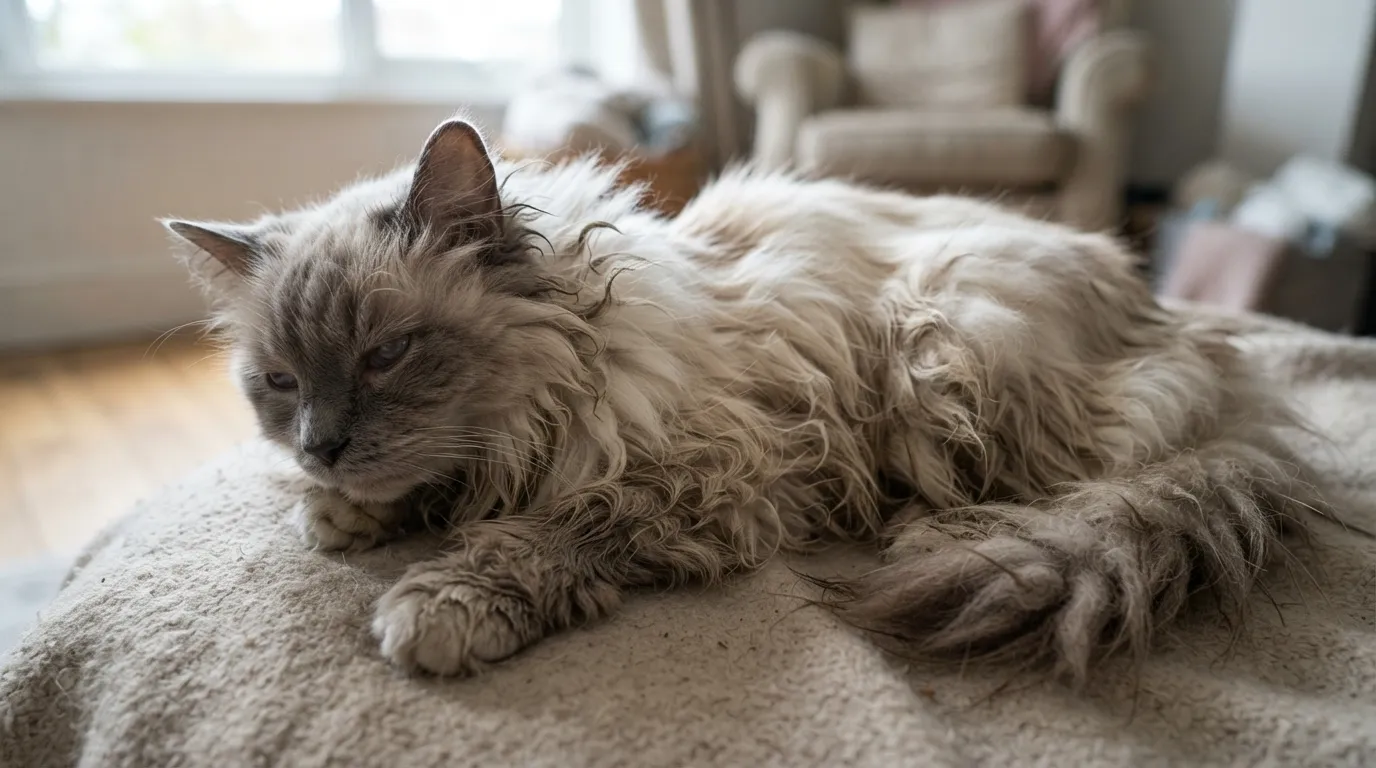
Cats are obsessive self-groomers, almost to a fault. When that stops cold, the body is sending a loud signal.
For breed cats with dense or long coats, matting can happen within days. A once-pristine coat turns tangled and greasy almost overnight.
Cats who can no longer groom themselves often feel real distress from it. Wet fur, skin irritation, and urine scald follow quickly, and quality of life drops fast.
Grooming is one of the last habits a healthy cat ever gives up. If your immaculate Ragdoll or British Shorthair suddenly looks unkempt, that's the body talking, not laziness.
Sound matters too. Sign #9 is one families almost always dismiss at first.
#9 - Changes in Vocalization
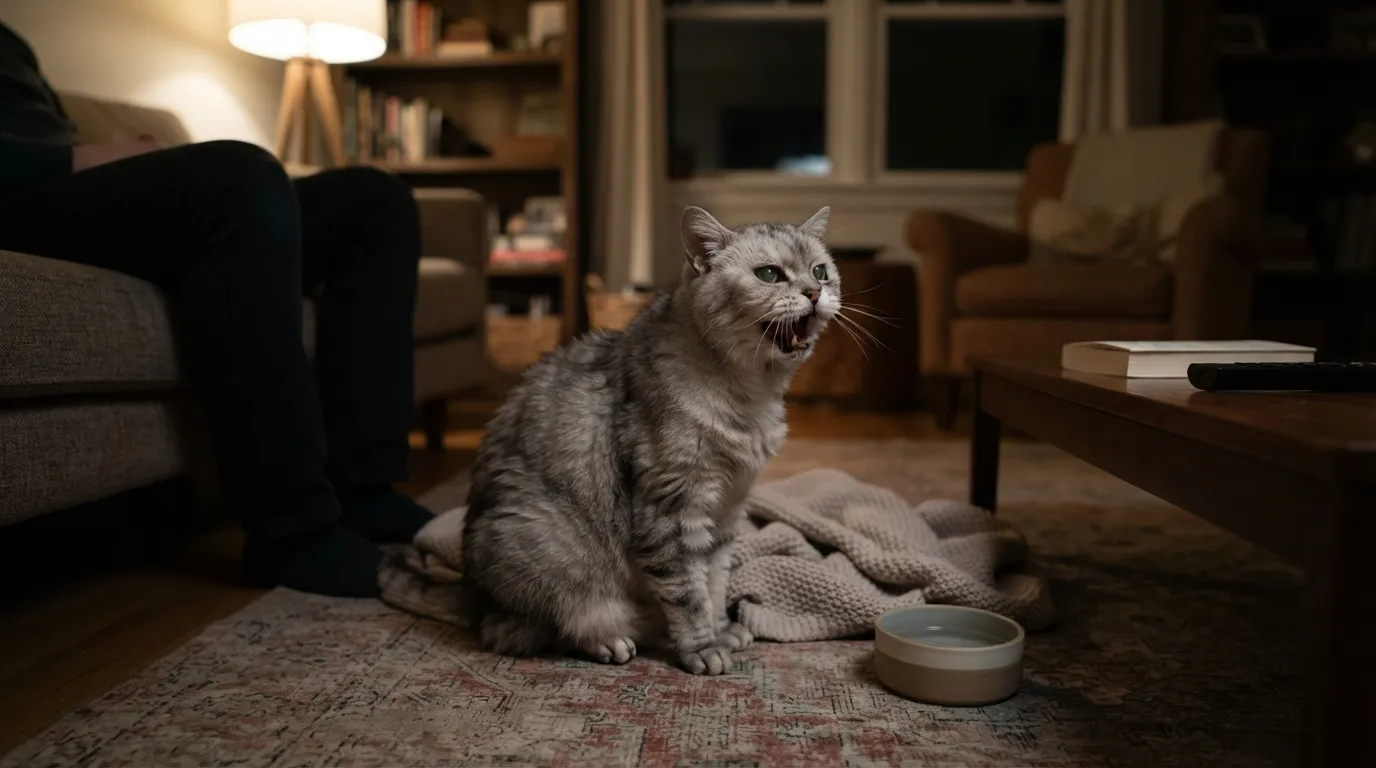
A sudden shift in how your cat sounds - or whether they make sound at all - deserves your full attention.
Meowing more, yowling at odd hours, or making unfamiliar noises can all signal discomfort or pain. It's especially telling when it happens alongside difficulty moving or refusing to jump to a favorite perch.
Night yowling in senior cats is often linked to cognitive dysfunction, pain, or disorientation - not just a mood swing. Some owners write it off as their cat "being dramatic."
Many later wish they'd listened sooner. Uncharacteristic silence can be just as telling as excessive noise.
This next sign is the one vets say demands action the same day you notice it.
#8 - Labored or Irregular Breathing
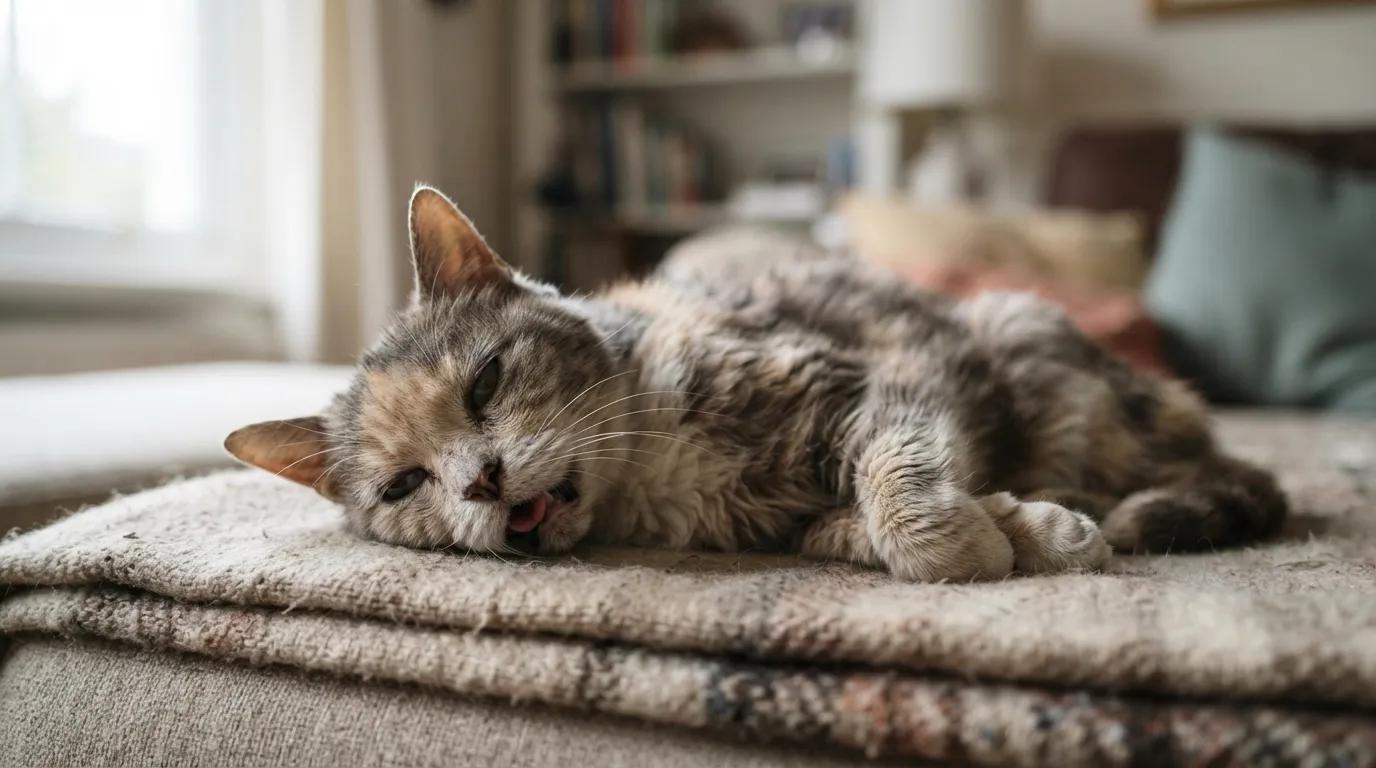
Breathing changes are some of the most urgent signs on this entire list. They can escalate in hours, not days.
A dying cat's breathing may speed up and slow down at random, sometimes stopping briefly before starting again. This is not something to monitor overnight and reassess in the morning.
Call your vet immediately if your cat struggles to breathe, can't get comfortable, stops eating, can't urinate normally, or seems suddenly confused or distressed.
Open-mouth breathing in a cat who isn't overheated is always an emergency. Cats almost never breathe through their mouths unless something is seriously wrong.
Fast Facts
- A healthy resting cat typically breathes 20 to 30 times per minute
- Rapid, shallow breaths can point to fluid around the lungs or heart
- Open-mouth breathing at rest is not normal, even briefly
- Breathing distress can shift from mild to severe within hours
The next sign is quieter, but just as painful to watch.
#7 - Loss of Interest in People and Surroundings
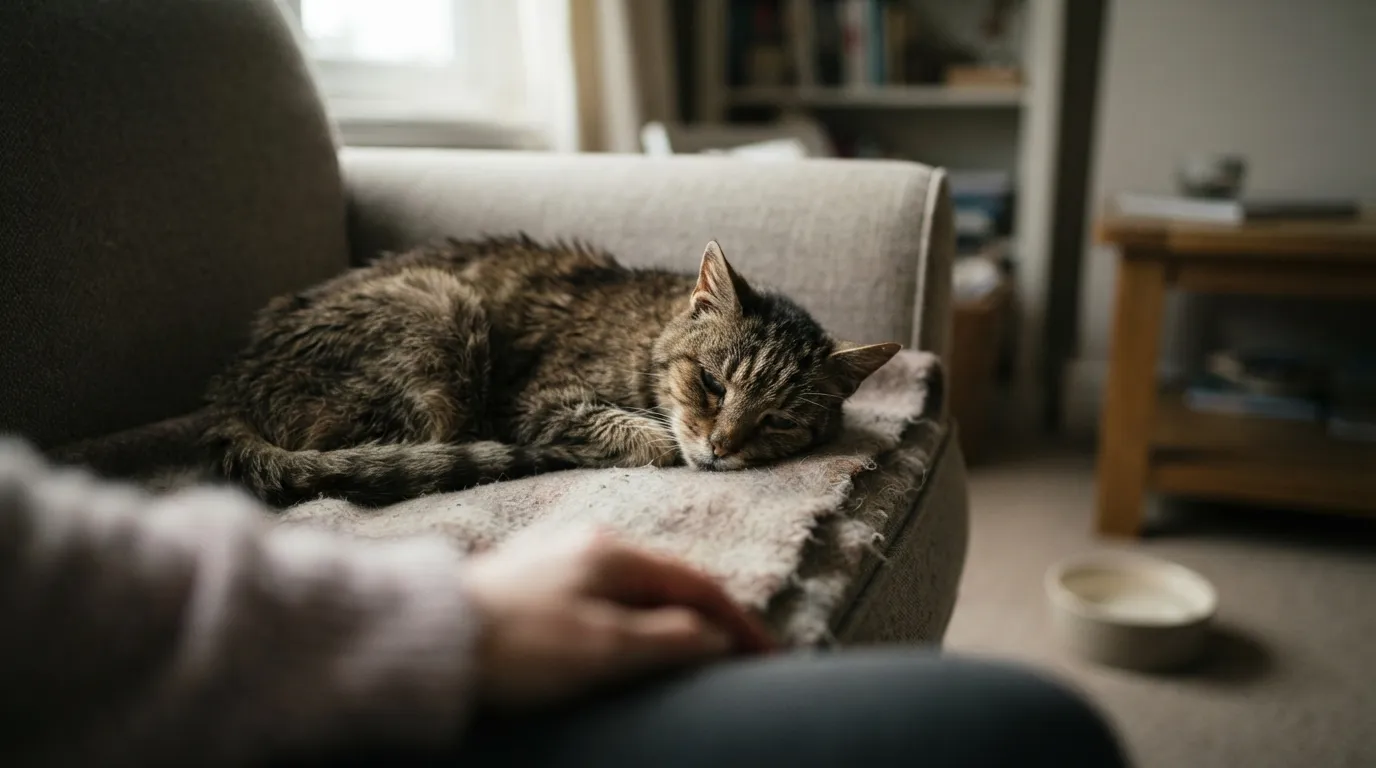
Your cat used to greet you at the door. Now they don't even lift their head, and that disconnect matters.
When a cat stops enjoying the things they once loved - play, food, company - and loses their spark entirely, it's often a sign they need end-of-life care. This isn't moodiness, it's survival mode.
The moment a cat stops seeking connection with the people they love, quality of life has usually already crossed a line. It's one of the hardest signs for owners to accept.
It feels like goodbye before goodbye has even been said. Many owners describe this as the sign that finally made them call the vet.
What comes next looks like aging. It's usually something far more serious.
#6 - Disorientation and Cognitive Confusion
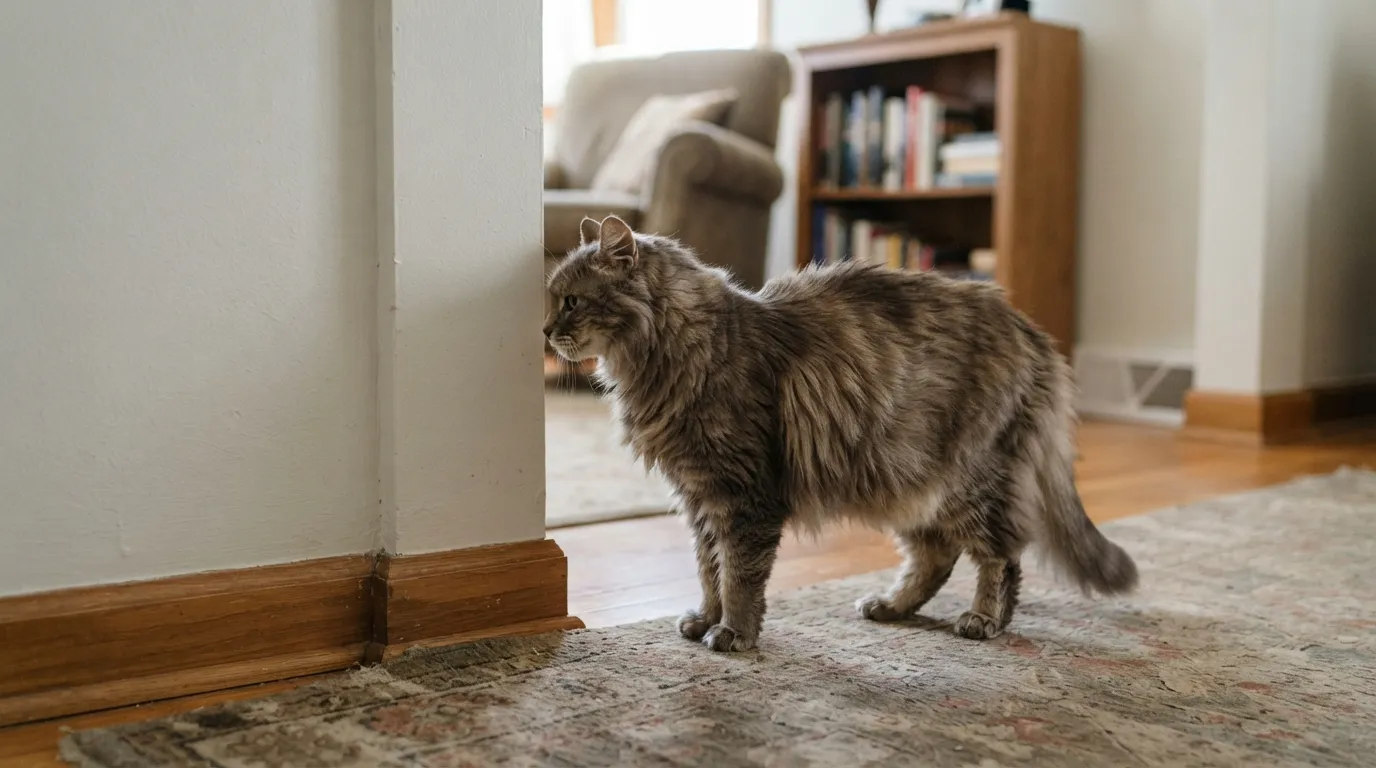
Many owners mistake this for simple old age. Vets say it's almost always something more.
A cat who walks into walls, stares blankly at corners, or gets "stuck" in rooms they've known for years is showing neurological distress, not eccentricity. Confusion, poor hygiene, incontinence, and breathing trouble often show up together.
In cats with kidney disease or brain tumors, cognitive decline can progress within days rather than weeks. If your cat seems mentally "gone," even briefly, write it down and call your vet.
Time matters more here than owners realize. This sign moves fast.
Worth Knowing
- Common triggers include kidney disease, hyperthyroidism, brain tumors, and cognitive dysfunction syndrome
- Confusion often pairs with litter box accidents or vocal changes
- Cats may briefly fail to recognize familiar people or rooms
- Sudden confusion is more urgent than gradual, age-related slowing
This next one is the sign that stops most owners cold.
#5 - Incontinence and Litter Box Avoidance
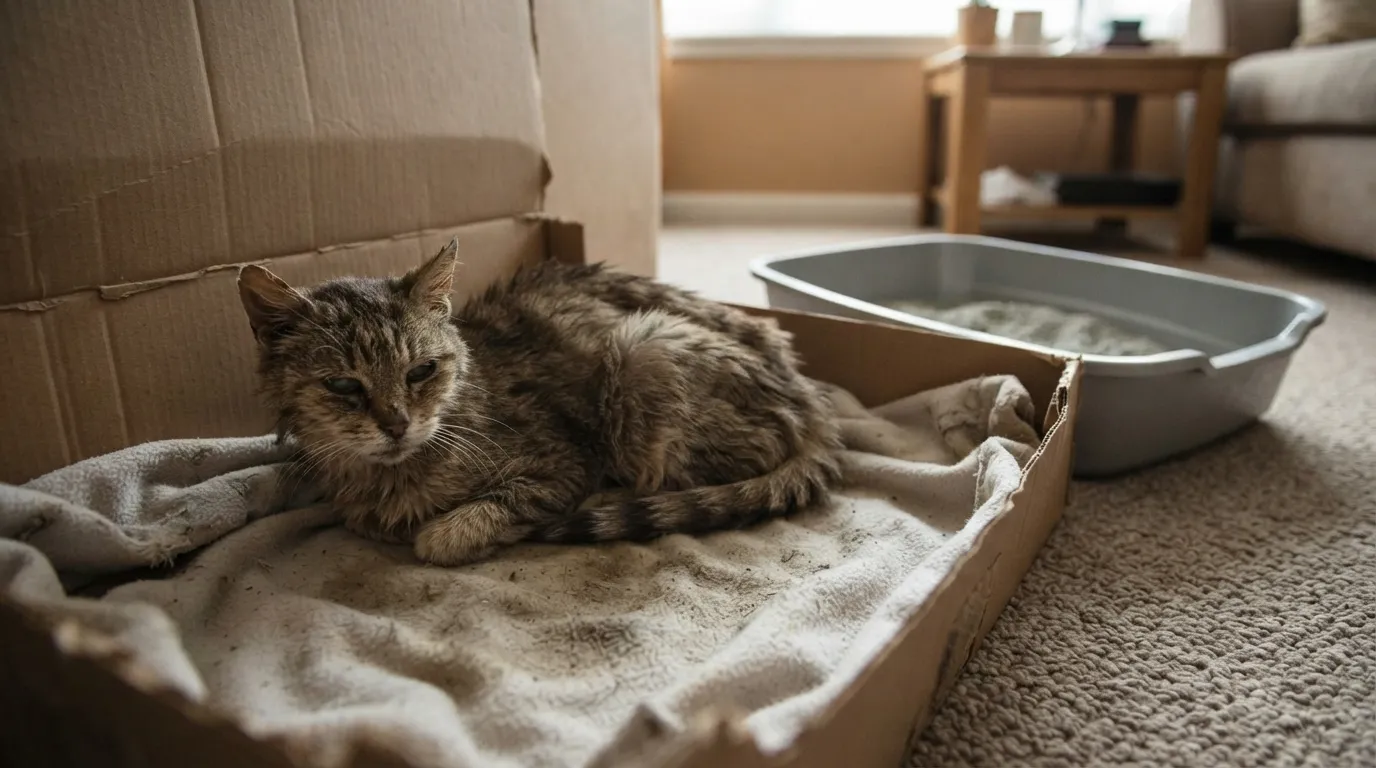
This sign stops many owners cold, because it signals a loss of basic bodily control. A cat who used the box flawlessly for a decade suddenly can't, and that carries real meaning.
Cats who can no longer stay clean or use the litter box often feel genuine distress about it. It's rarely defiance, it's the body failing.
Advanced kidney disease - one of the most common terminal conditions in older cats - often shows up as excessive urination or none at all, plus vomiting, appetite loss, and hiding. A cat urinating or defecating where they sleep has usually lost the ability to signal and respond.
Combined with other signs on this list, this deserves an urgent conversation with your vet about quality of life. Don't wait for it to resolve on its own.
The next sign hides behind something owners usually mistake for comfort.
#4 - Hunched Posture, Stiffness, and Obvious Pain
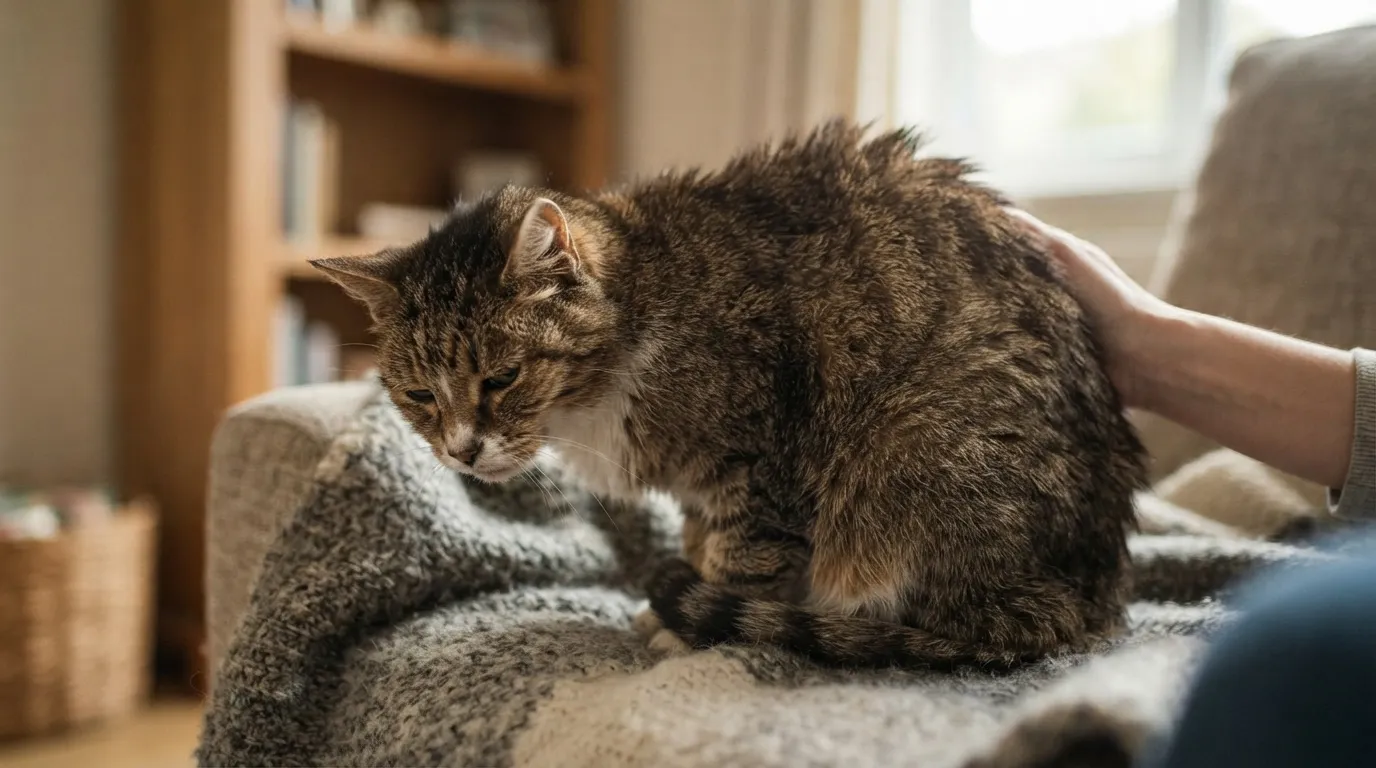
Pain in cats is notoriously underdiagnosed, because cats are experts at hiding it until they simply can't anymore. A hunched posture, limping, or stiffness are all signs of real suffering.
So is flinching or growling when you touch a spot your cat normally loves. By the time a hunched posture is visible, the discomfort has usually been there for a while.
Purring is not always contentment. In some cats, it's a self-soothing response to pain - one that well-meaning owners regularly misread as comfort.
Know the difference before you dismiss it. It could change how quickly you act.
The next sign isn't a single moment. It's a pattern, and it might be the most important one on this list.
#3 - Bad Days Consistently Outnumbering Good Ones
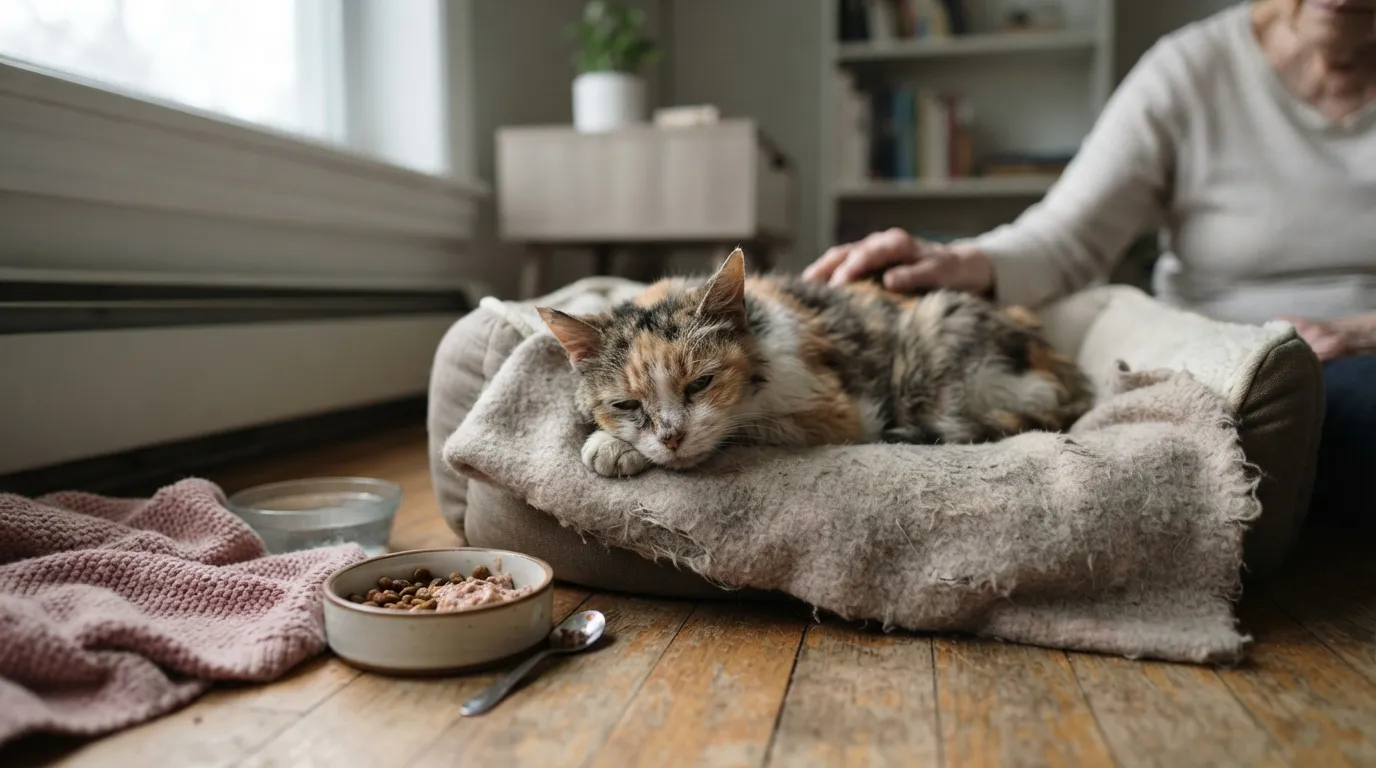
This sign doesn't look like a symptom. It's a pattern, and vets say it may be the most important one here.
When a cat's bad days start outnumbering good days, even with medication and support, it may be time to consider quality-of-life euthanasia. The clearest red flags are comfort you simply cannot restore - ongoing pain, anxiety, hiding, or lost interest in food and routine.
Ask yourself one simple question: does my cat still have moments when they act like themselves? A head bump, a small meal, choosing to rest near you - these all count.
When those moments become rare, clarity is needed. Track the good and bad days daily; the pattern becomes undeniable fast.
Quick Compare
- Good day: eats on their own, shows curiosity, seeks affection, moves without visible pain
- Bad day: refuses food, hides for hours, labored breathing, flinches or cries when touched
- Warning pattern: bad days outnumbering good ones over a week or more
Sign #2 means the body has stopped negotiating.
#2 - Physical Collapse or Inability to Stand
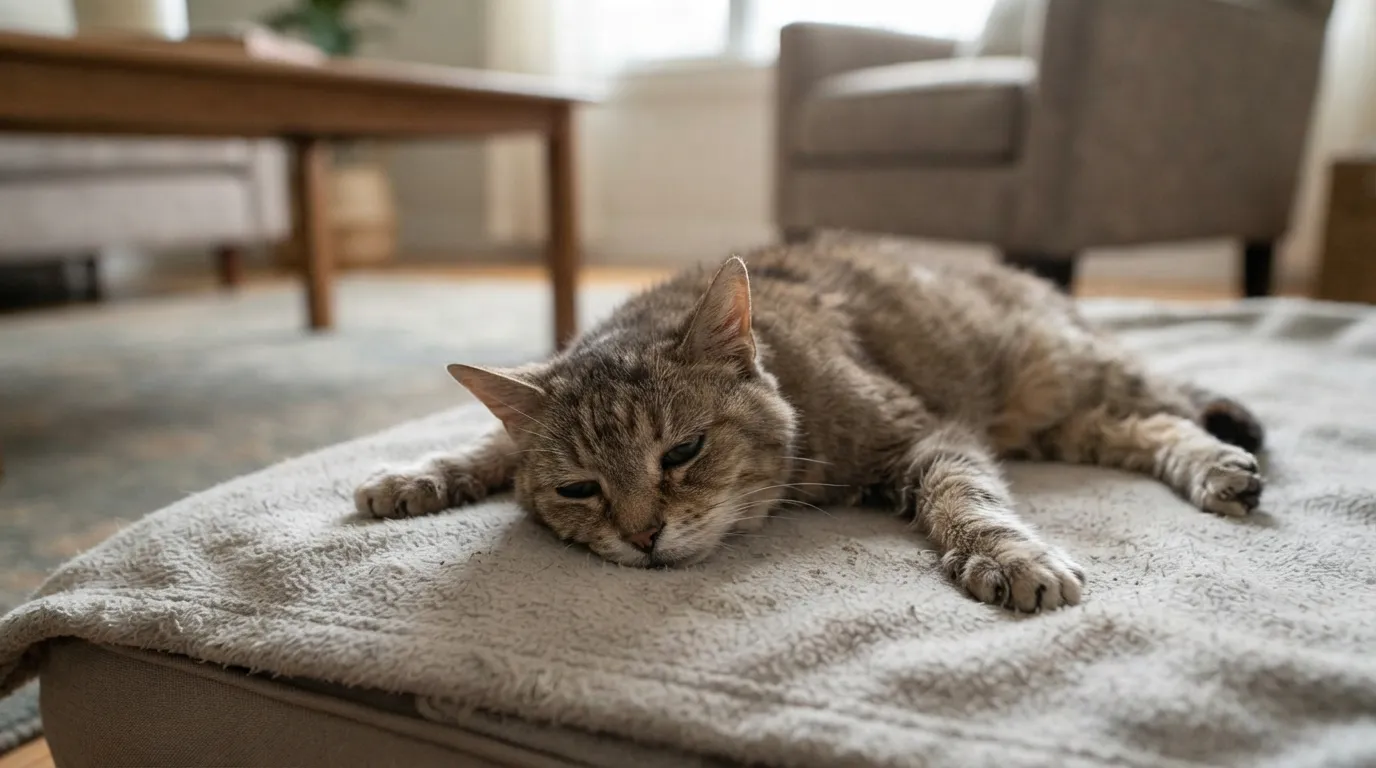
When a cat can no longer hold their own body upright, something critical has shifted. This goes well beyond ordinary age-related weakness.
Severe arthritis often precedes this stage, but collapse - the inability to stand, walk, or reposition without falling - is different. It's a critical-stage sign, not a bad day.
Watch for appetite loss and difficulty moving together, since both point to distress that compromises quality of life. A cat who collapses and can't right themselves isn't resting, they're in crisis.
Call your vet right away if this happens. This is not a wait-and-see moment; every hour matters.
There's one final sign left. Veterinarians say it's the hardest to witness, and the one almost every owner remembers with total clarity.
#1 - The Spark Is Gone
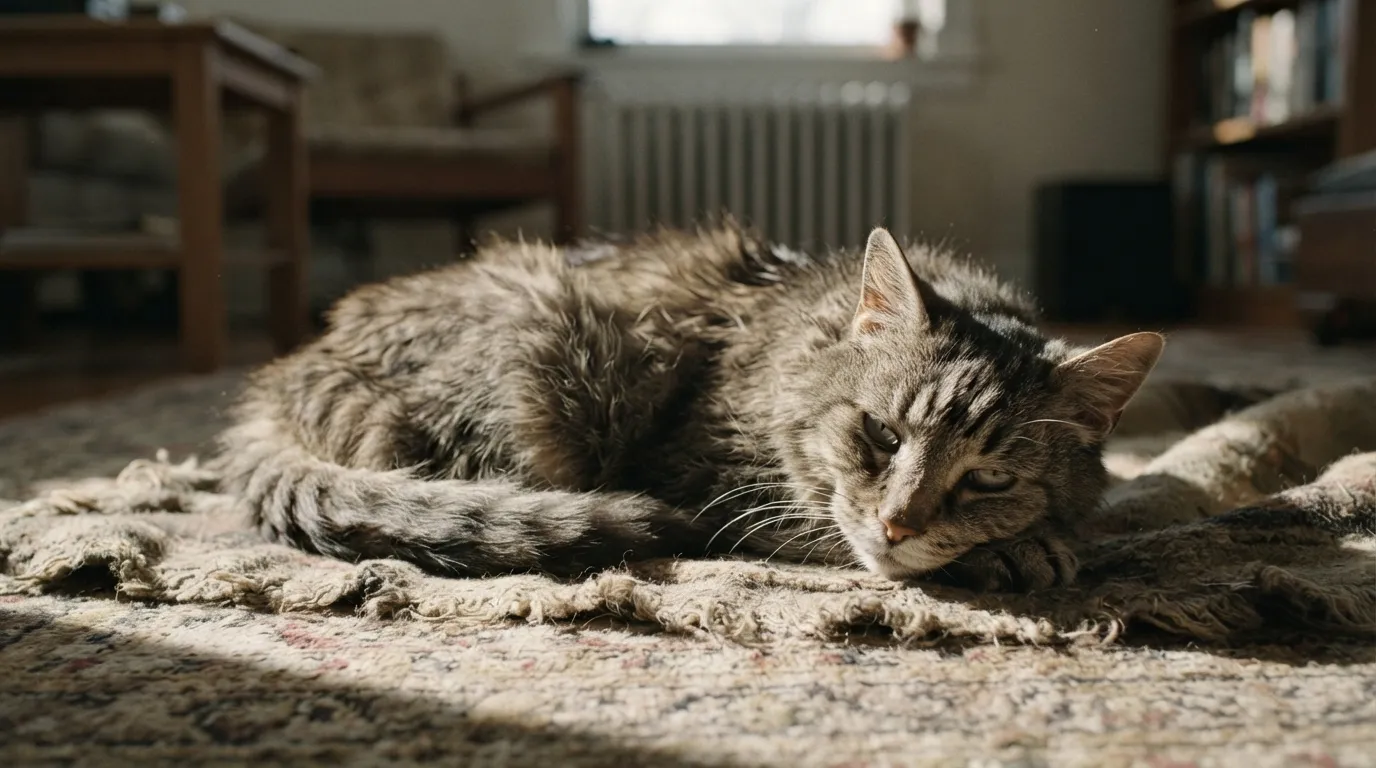
Every cat has a version of themselves their owner knows by heart. A tilt of the head. A sunbeam ritual. A very particular meow reserved only for dinner time.
When that essence disappears - not just the behaviors, but the presence behind them - something irreversible has happened. Many families describe recognizing this the moment it occurs.
The question that captures it best: does my cat still have moments when they act like themselves? When the honest answer becomes "no" - not just for one hard day, but consistently - vets say that's the sign that matters most.
When owners trust that feeling, they are almost never wrong.
Lap of Love Veterinary Hospice
Make the final decision in partnership with a vet you trust. But the instinct that something fundamental has changed in your cat is valid, real, and worth acting on.
The Bottom Line
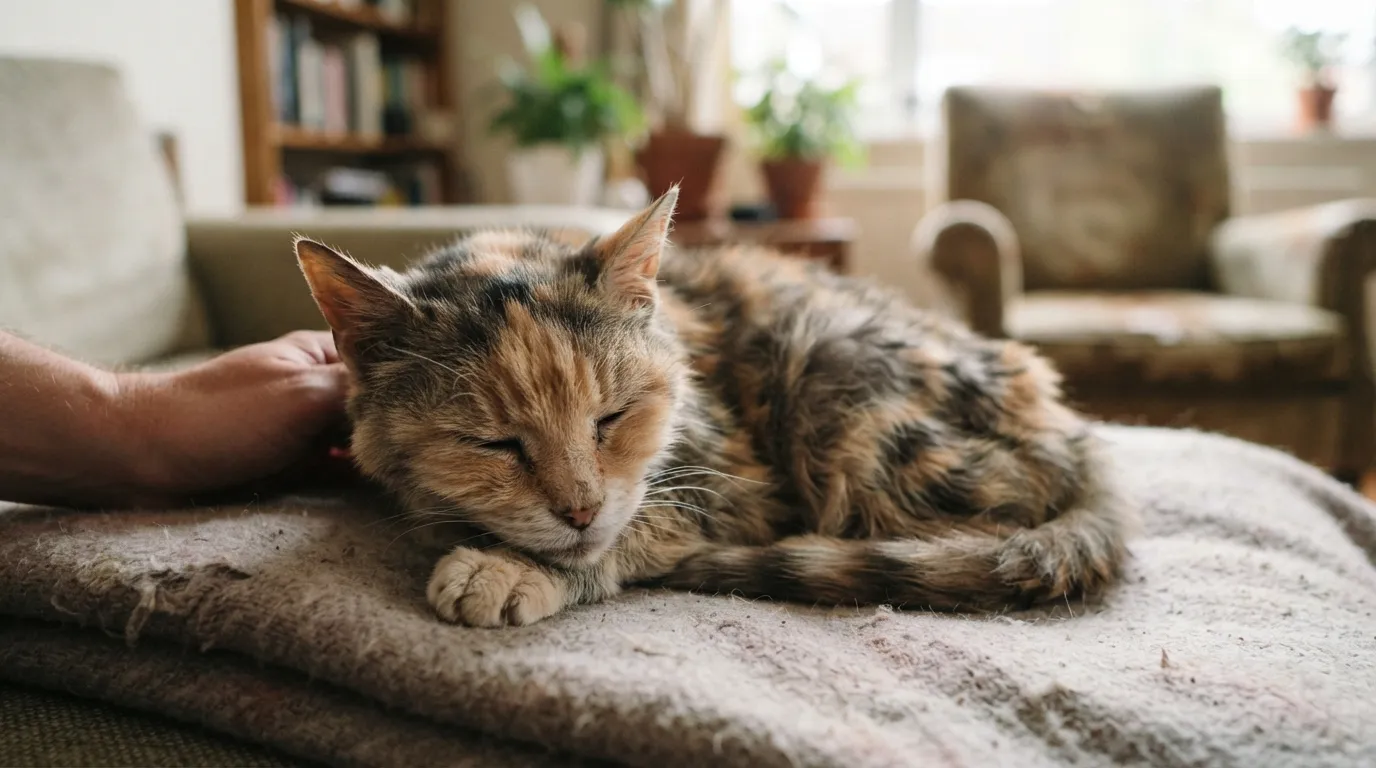
Cats are remarkably good at hiding pain, which is exactly why the end can feel sudden even when it isn't. The signs are there the whole time: lethargy, appetite loss, weight loss, hiding, grooming failure, breathing changes, pain, confusion, incontinence, collapse - and finally, the quiet disappearance of the cat you knew.
When bad days consistently outnumber good ones, even with medication and support, it may be time. The most loving thing you can do is pay attention, track what you see, and talk honestly with your vet before suffering becomes undeniable.
Your cat trusted you with their whole life. Trust yourself now to recognize when it's time to help them go peacefully.