Most cat owners assume a long lifespan means their cat is healthy. That assumption is wrong more often than you’d think.
Roughly one in five cats in the US now lives past 11 years old, yet plenty of them are quietly carrying dental disease, hidden weight problems, or failing kidneys their owners never notice. Age on its own doesn’t prove anything – what matters is how well your cat is aging, and the signs below will tell you exactly where your cat really stands.
#14 – They Still Start Their Own Playtime
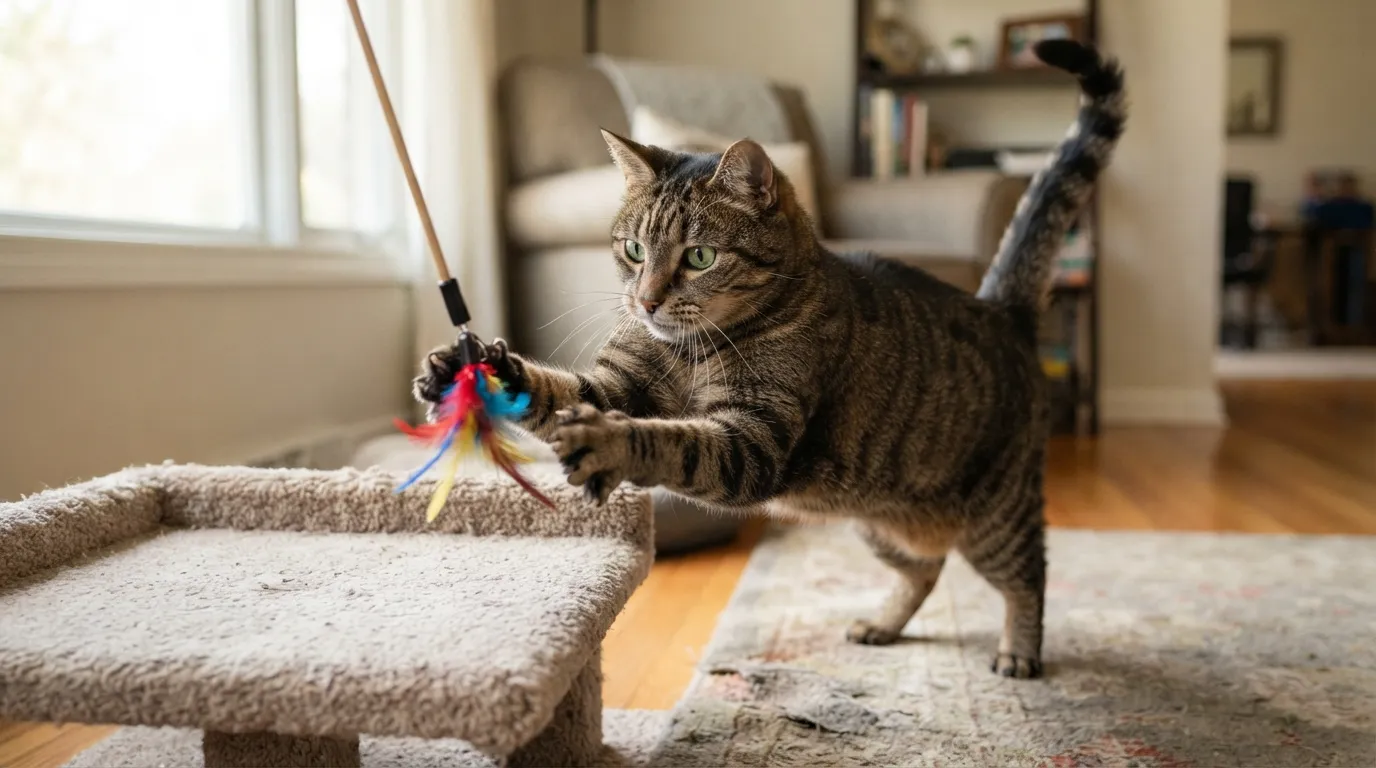
A cat that still starts its own playtime isn’t just being cute. That’s a measurable health signal.
Vets say cats should keep some ability to play and jump as they age, even if it slows down. A cat that stalks a toy, chases motion, or swats at something unprompted is showing you its nervous system and joints are still firing correctly.
Most cats drop this behavior far earlier than they should. Owners chalk it up to “getting older,” when it’s often the first quiet flag of pain or illness.
If your cat still starts play on its own, that’s rarer than you’d guess. But there’s something even more telling hiding in how steady your cat’s weight has stayed – and that’s next.
#13 – Their Weight Has Held Steady for Over a Year
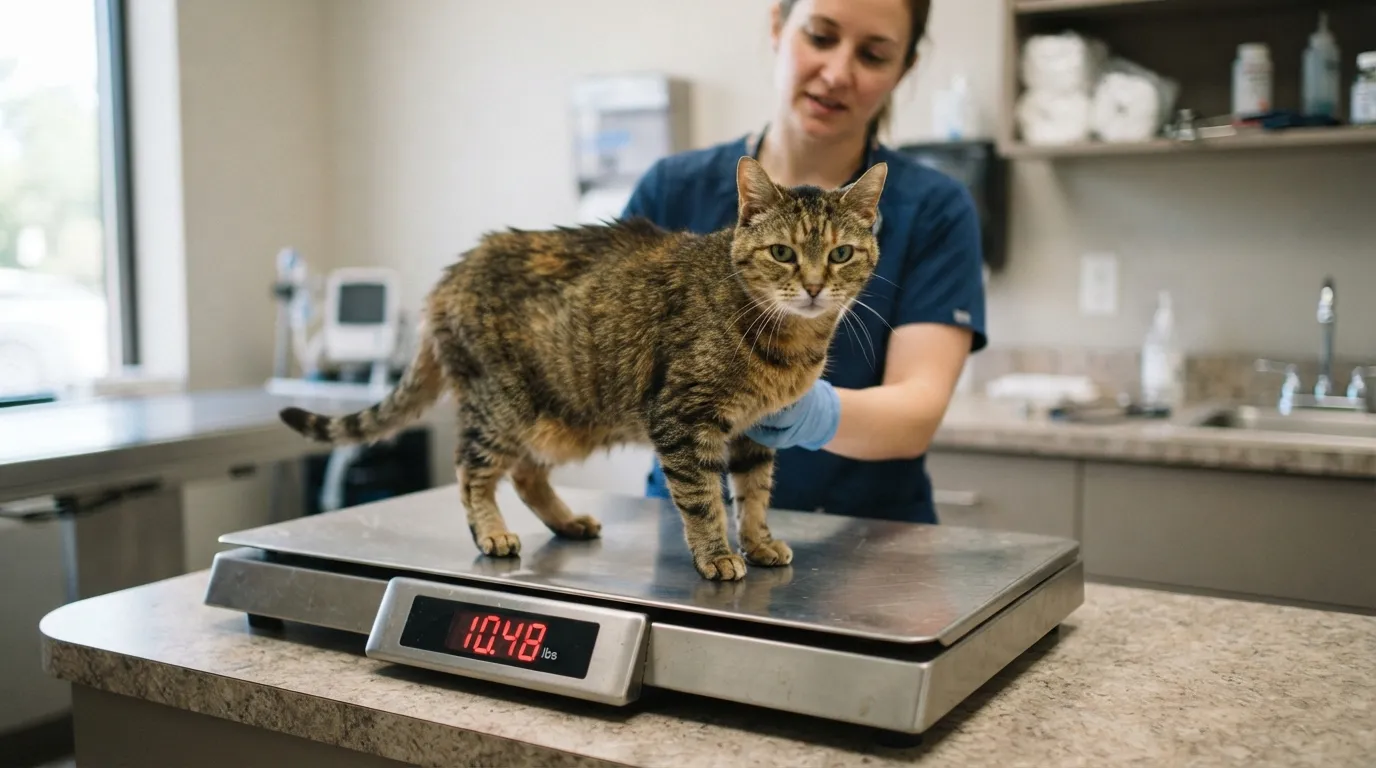
Weight is the one health metric owners consistently get wrong.
New data suggests 61% of cats in the US are overweight or obese. That means a cat holding a stable, healthy weight is already in the minority.
Overweight cats also live shorter lives – often five to ten years, compared to healthy-weight cats that can live years longer. And unexplained weight loss is just as dangerous: a mature cat can lose muscle or body weight before any other sign of illness shows up.
Fast Facts
- About 61% of U.S. cats fall into an overweight or obese body condition, with roughly a third considered clinically obese.
- Weight gain is most likely to develop between the ages of 2 and 10, when cats naturally burn less energy.
- Extra weight raises the risk of diabetes, arthritis, and heart strain.
- A weight that hasn’t budged in over a year is a strong sign of a well-regulated body.
If your cat’s weight has held steady without you doing anything special, take that as a real win. What comes next is a sign most owners never think to check – until it’s too late.
#12 – Their Coat Is Still Glossy and Even
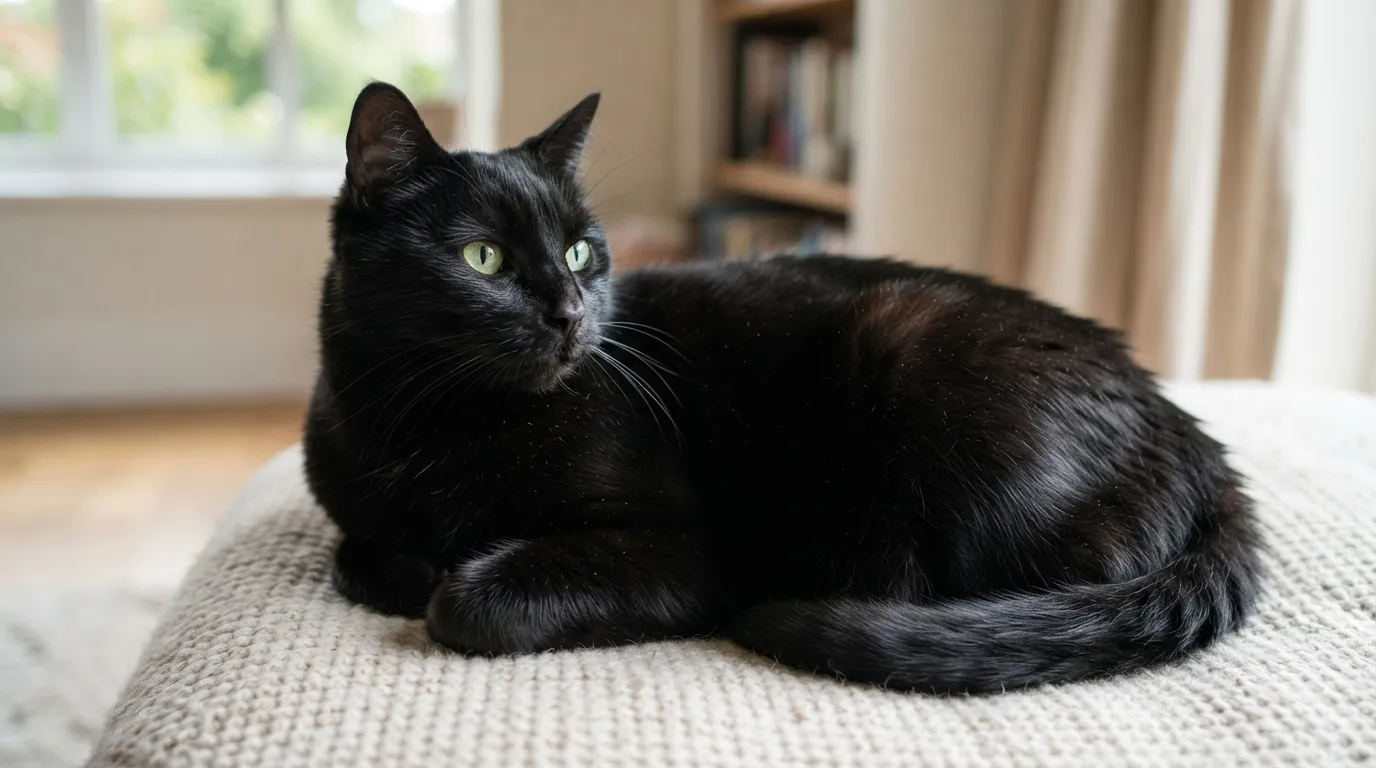
A cat’s coat is basically a running health report, updated daily.
A cat that grooms consistently and keeps a sleek, even coat is usually doing well internally. A greasy coat, patchy grooming, or excessive licking in one spot often points to stress, pain, or illness.
A glossy coat means your cat is grooming – and grooming means it isn’t in pain. Some dullness is normal with age, but older cats in real pain often stop grooming altogether.
A great coat is hiding more information than most owners realize. But here’s a sign that goes even deeper – literally.
#11 – They Have Clean Teeth for Their Age
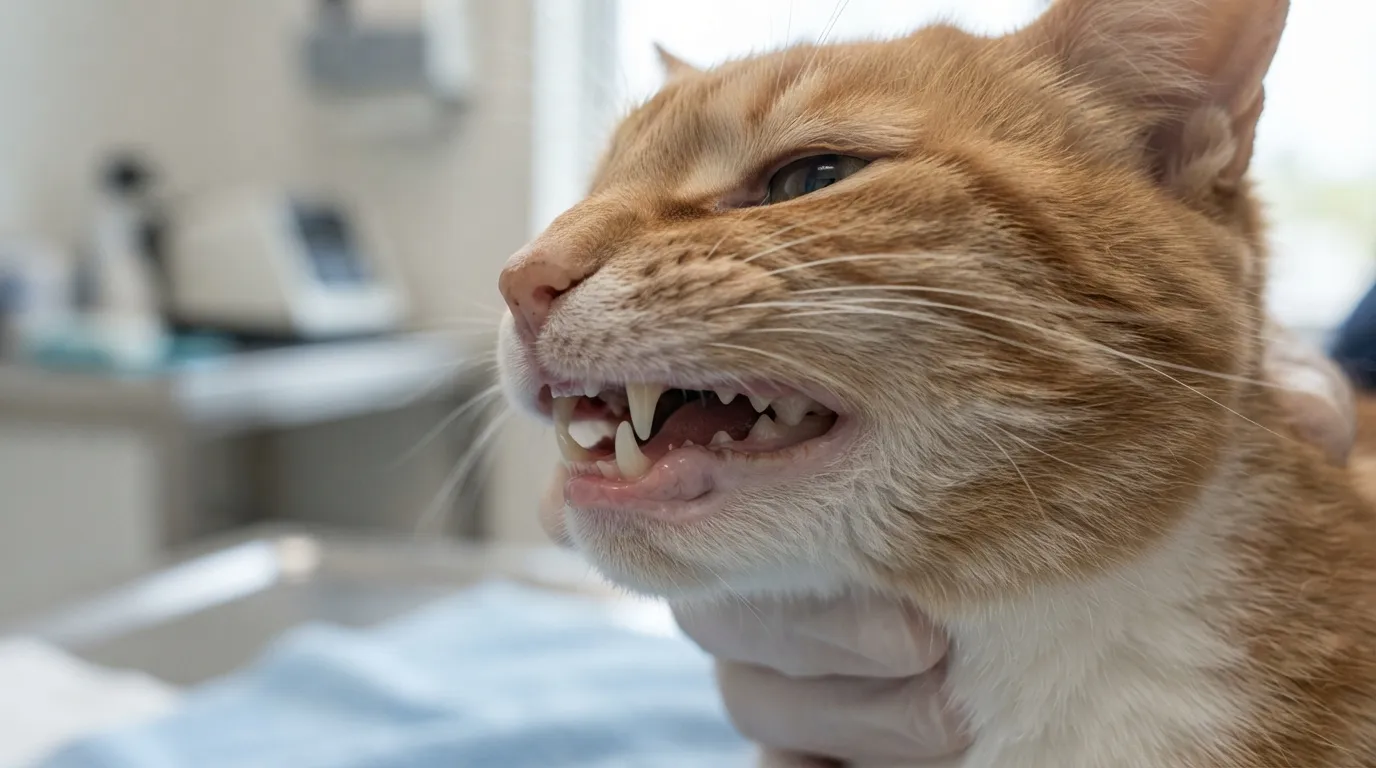
Dental disease is the silent epidemic almost no cat owner catches in time.
It’s extremely common in older cats, and it can make eating painful without ever looking obvious. By age 10, most cats without dental care show real tooth wear, gum disease, or missing teeth.
Worth Knowing
- Dental disease affects over 80% of cats over 5 years old.
- Left untreated, it can lead to pain, tooth loss, and infection that spreads beyond the mouth.
- A vet can often spot early gum trouble at a routine exam, long before a cat stops eating normally.
A cat with clean gums and manageable tartar for its age is genuinely beating the odds. If your cat’s breath doesn’t stop you in your tracks and your vet hasn’t flagged decay, that’s worth taking seriously – in a good way.
The next sign is one almost nobody thinks to check. It tells you more about your cat’s future than almost anything else on this list.
#10 – Their Kidney Function Is Already Being Monitored
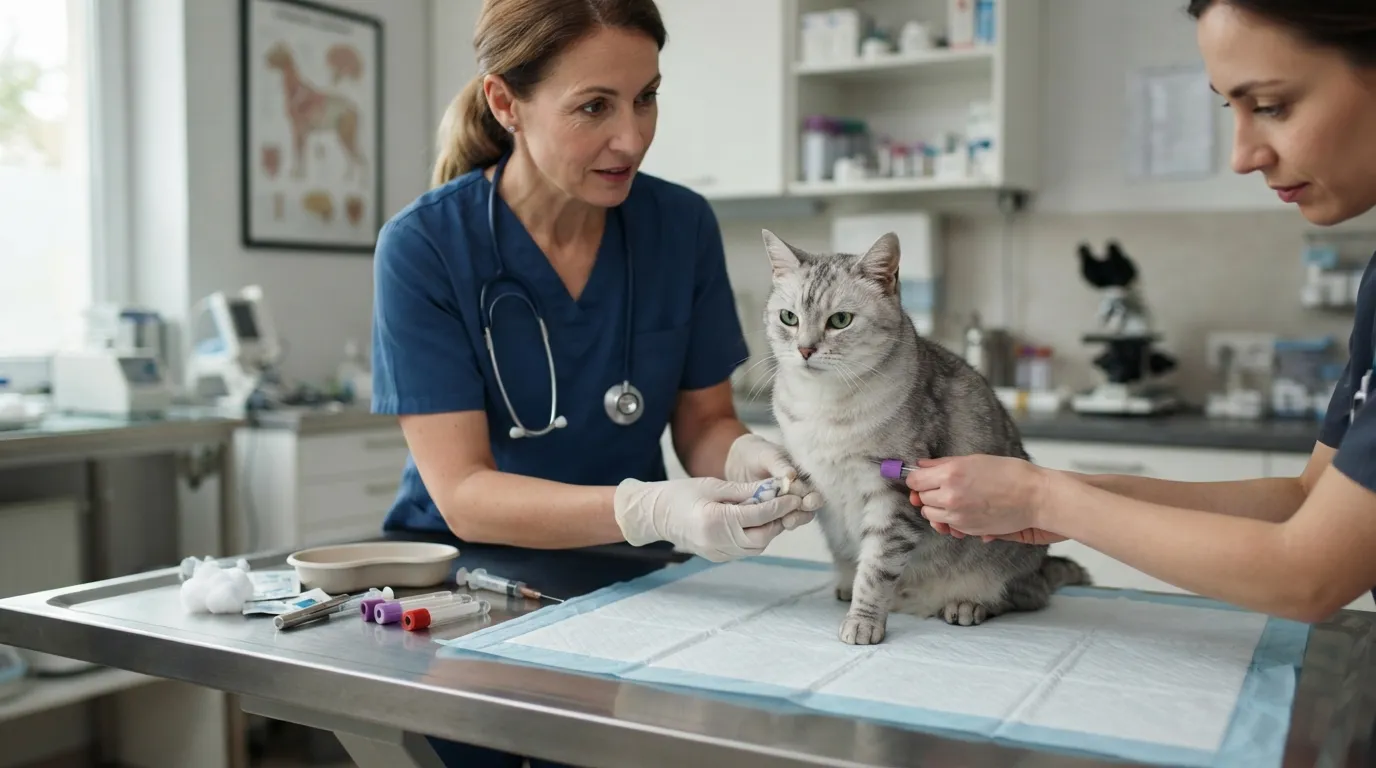
Most owners don’t test kidney function until something looks visibly wrong. By then, damage is usually already done.
Feline kidneys go through steady age-related decline, and kidney failure is one of the most common diseases in older cats. It’s more common after age 7, and the early signs are easy to miss.
A cat whose kidneys are already being screened – before anything looks wrong – is ahead of most of the pack. Catching kidney changes early is one of the biggest quality-of-life differences a vet can make.
If your vet is running bloodwork before symptoms show up, your cat is in better shape than most. But healthy kidneys need one crucial partner, and that’s what’s coming next.
#9 – They Drink Water Consistently
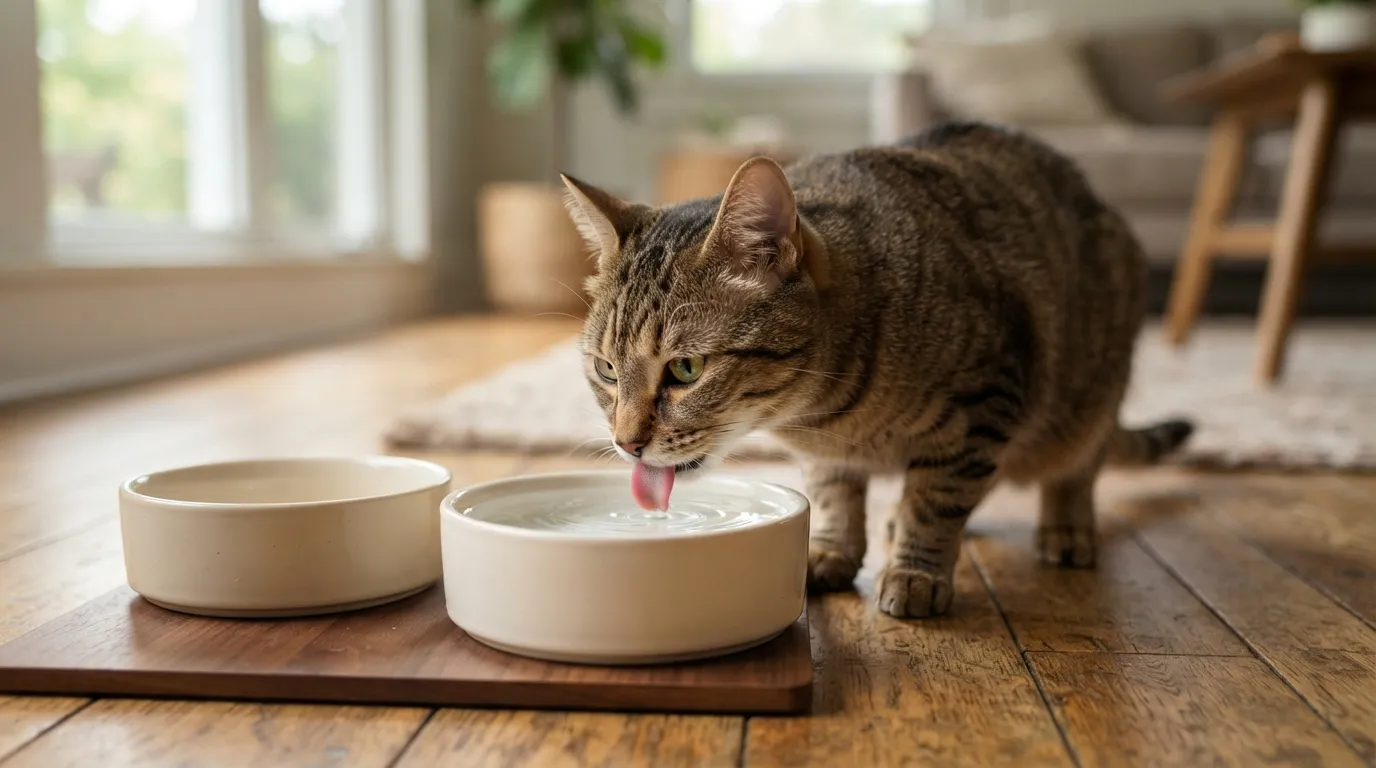
Hydration sounds simple. It’s actually one of the hardest things to get right with cats.
Indoor cats especially tend toward mild chronic dehydration, which raises the risk of urinary and kidney disease. A well-hydrated cat has skin that snaps back quickly when gently pinched.
Most owners have no idea whether their cat drinks enough until there’s already a crisis. A cat that drinks regularly, without being coaxed, is quietly doing something a huge share of indoor cats fail at daily.
Consistent drinking connects directly to the next sign – something you probably check every day without realizing it matters.
#8 – Their Litter Box Habits Are Boringly Predictable
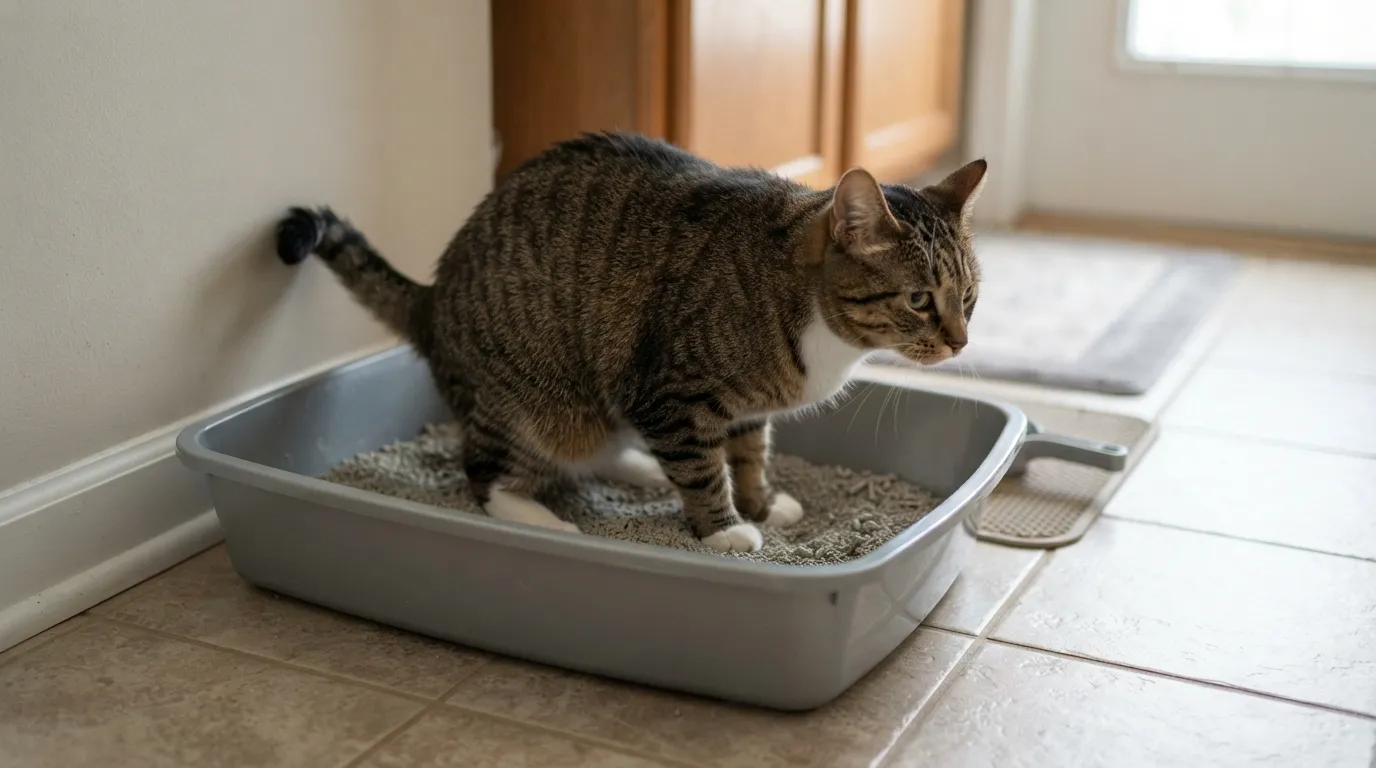
Consistency in the litter box is one of the earliest, most reliable signals vets rely on.
Healthy cats urinate and defecate with normal frequency and no visible strain. Vets specifically watch frequency, duration, and small changes as early warning signs.
A cat whose habits never change is a cat whose internal systems are running smoothly. Any shift – more trips, straining, avoiding the box – usually shows up here before anywhere else.
If you’ve genuinely never worried about your cat’s litter box, that’s a good sign. The next one surprises most people when they learn how few cats actually pass it.
#7 – They Can Still Jump Without Hesitation
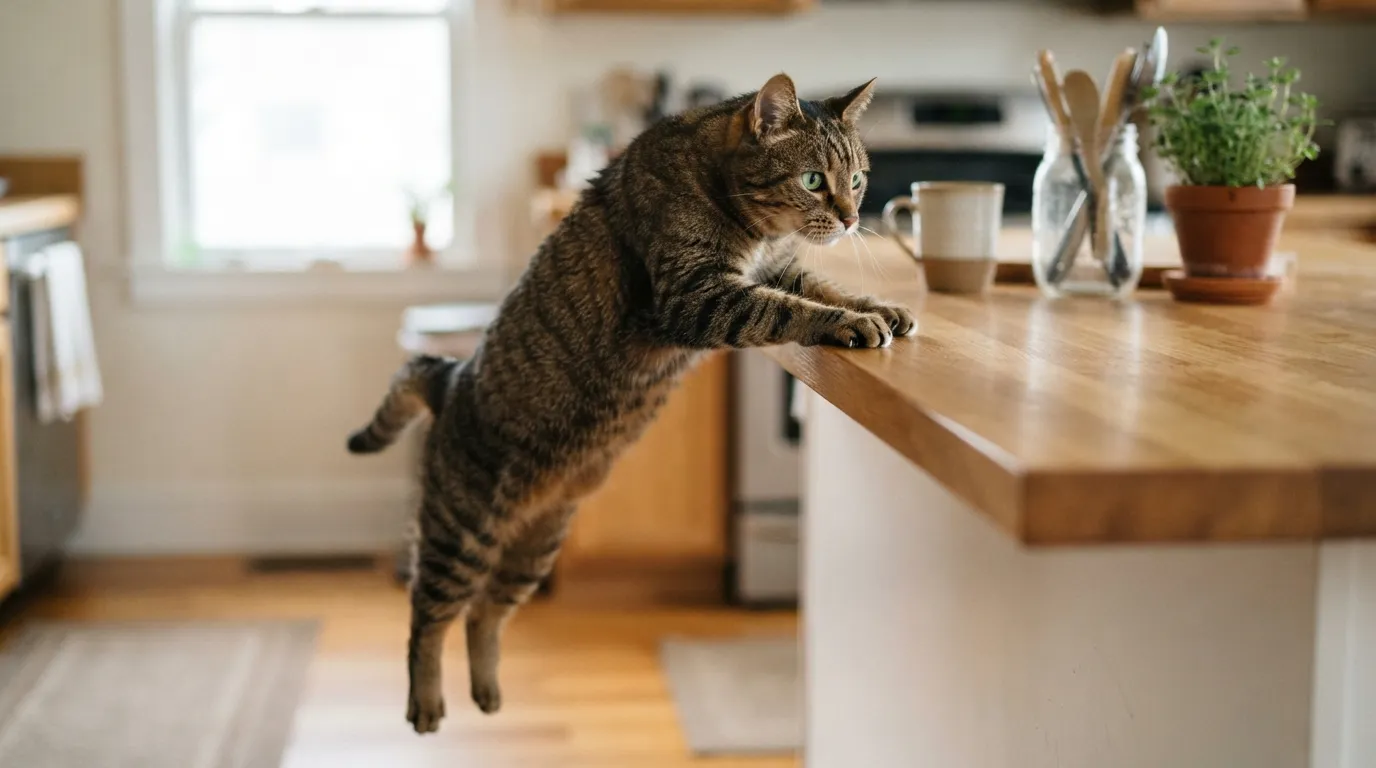
The ability to jump is a direct window into joint health, and it fades earlier than most owners notice.
Arthritis is common in older cats, but cats don’t limp or cry out the way dogs do. They simply stop jumping – and owners assume the cat has just “slowed down.”
Quick Compare
- Healthy joints: jumps up without pausing, lands smoothly, still explores high shelves.
- Aging joints: joints can wear down and may develop arthritis, causing stiffness and pain when walking or jumping.
- Aging joints: hesitates before jumping, chooses lower routes, avoids stairs when possible.
A cat that still launches onto counters or high shelves without pausing to calculate the leap is showing you pain-free, functional joints. That’s not a small thing once a cat is past middle age.
Mobility like that is part of what vets call “healthspan” – the years your cat spends genuinely comfortable, not just alive. And that mobility depends on something else that’s just as easy to miss.
#6 – They’ve Held Onto Their Muscle Mass
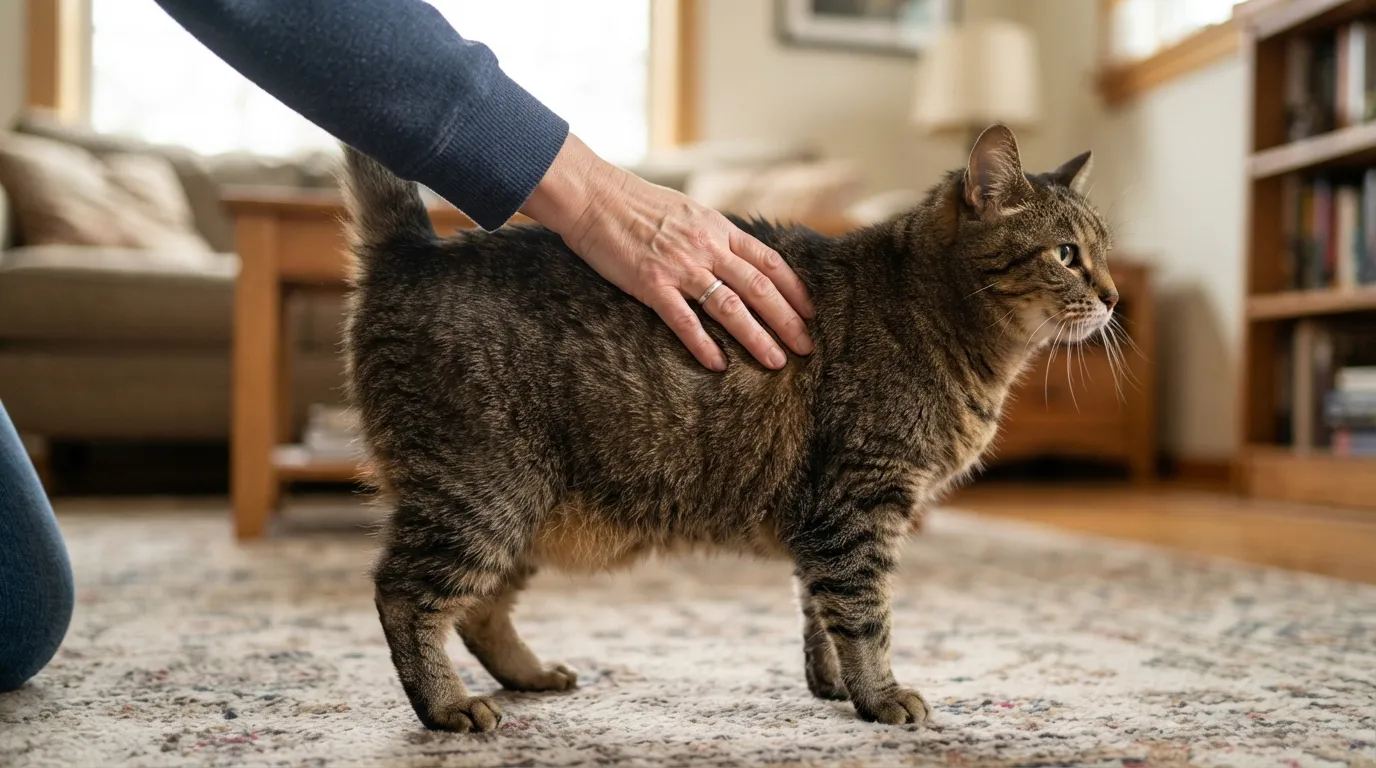
Muscle loss is one of the sneakiest age markers in cats – and one of the most predictive.
Cats lose muscle as they age, especially along the spine, shoulder blades, and thighs. Young cats have firm, easy-to-feel muscle along the back; senior cats often show visible loss in the same spots.
A cat that still feels firm and muscular when you run a hand along its spine is genuinely aging well. Most owners never notice the decline because a thick coat hides it until it’s already significant.
Run your fingers along your cat’s backbone right now. If you can’t easily count individual vertebrae, that’s a good sign – and the next signal is behavioral, separating cats that are thriving from cats that are merely surviving.
#5 – They’re Still Curious About Everything Around Them
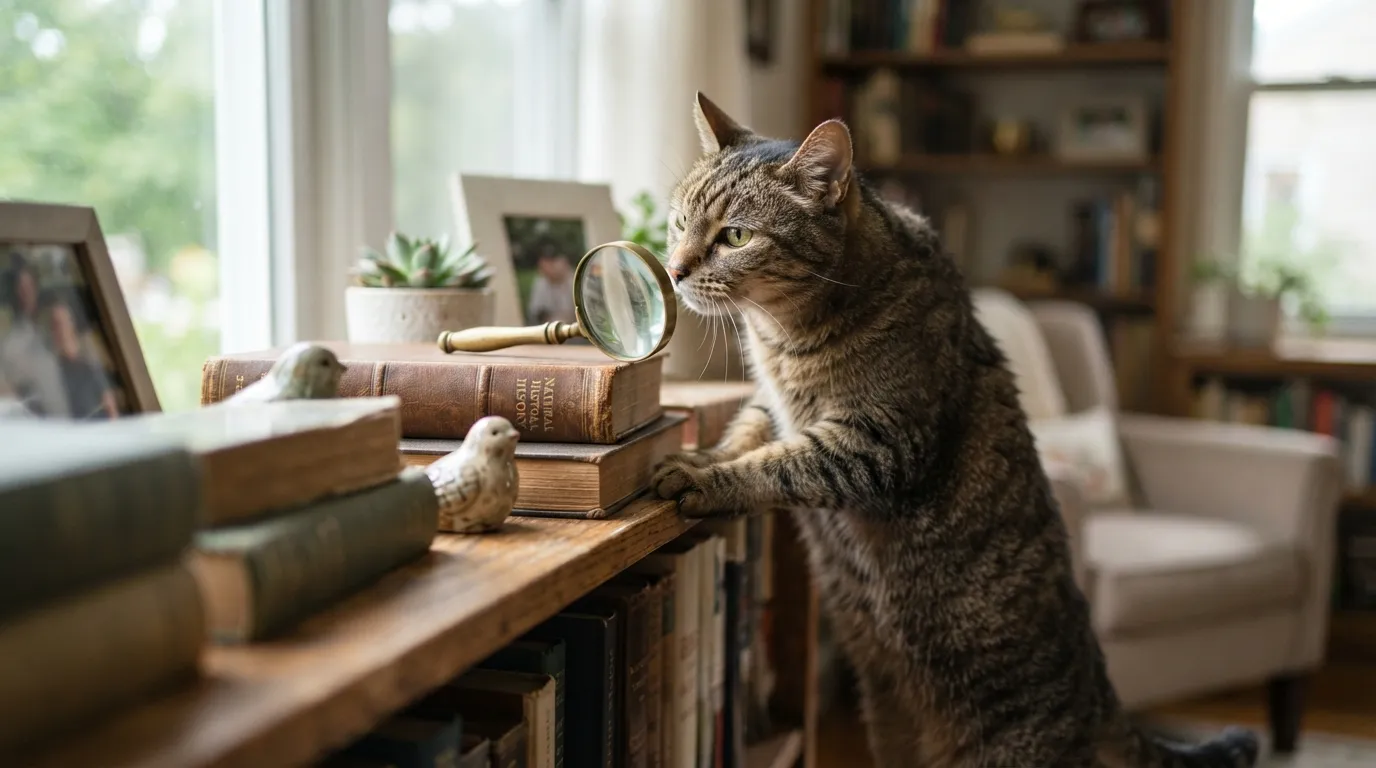
Curiosity in a cat isn’t just personality. It’s a neurological health sign.
A cat that still investigates new sounds, watches birds from the window, or reacts to a crinkle across the room has a functioning, alert brain. That kind of engagement is a genuine marker of good health.
Withdrawal from the environment is one of the quieter signs of cognitive decline or chronic pain – and it’s frequently dismissed as a cat “just being independent.” Staying interested in the world is part of what real healthspan looks like.
If your cat is still snooping around the house, that’s a genuinely positive sign. But there’s one more behavioral clue that matters even more – and it’s about how your cat treats you.
#4 – They Choose to Be Near You, On Their Own Terms
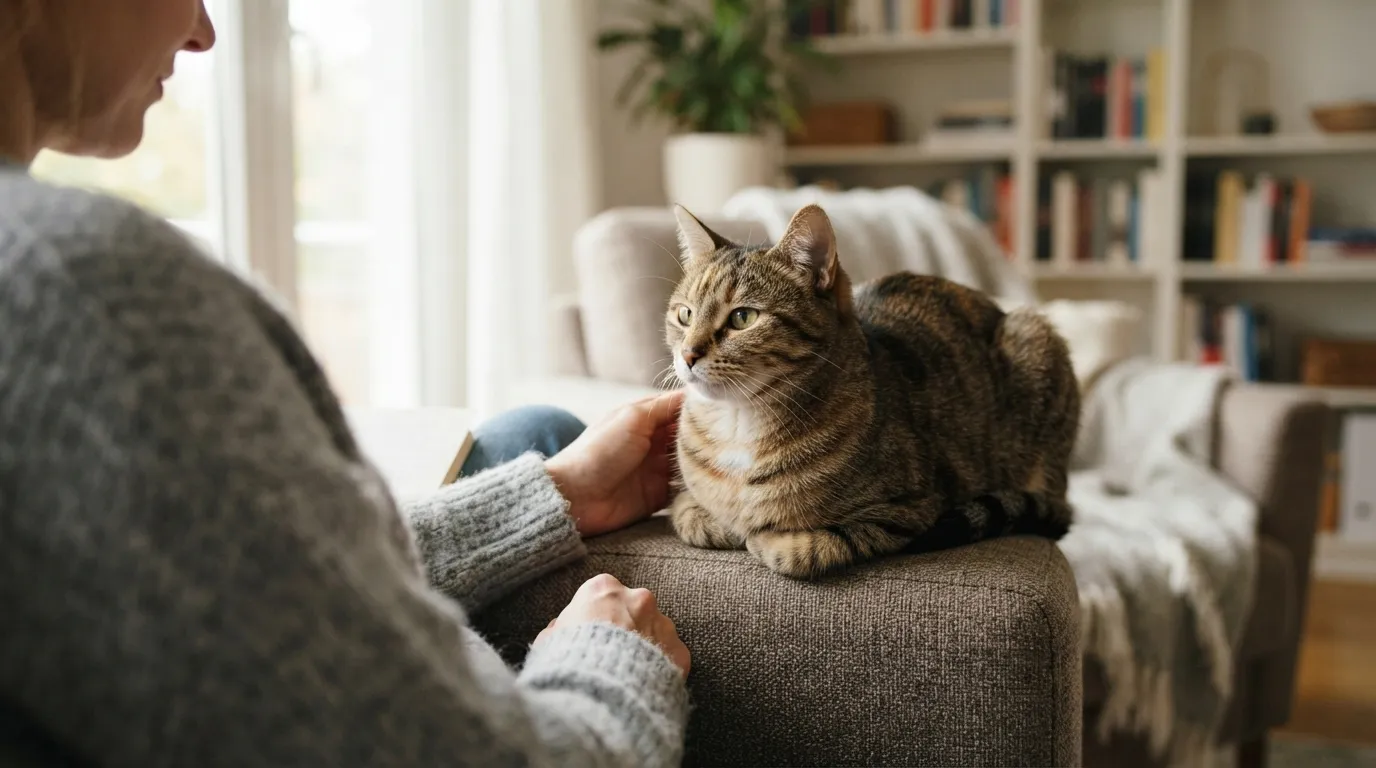
A cat that chooses to sit near you – without being bribed with food – is telling you something real about how it feels.
Sick cats usually show changes in energy, sociability, coat condition, or shedding well before anything else looks wrong. Social withdrawal is often the thing owners only recognize in hindsight, after a diagnosis already explains it.
A cat that approaches you, lingers nearby, or makes eye contact voluntarily feels well enough to engage with the world. Painful or sick cats retreat and hide long before any physical symptom becomes obvious.
Cats are experts at masking illness, which makes social engagement one of the few signals that’s hard to fake. The next one is the sign most people skip entirely – and skipping it is a real mistake.
#3 – They’re Getting Checkups Before Anything Looks Wrong
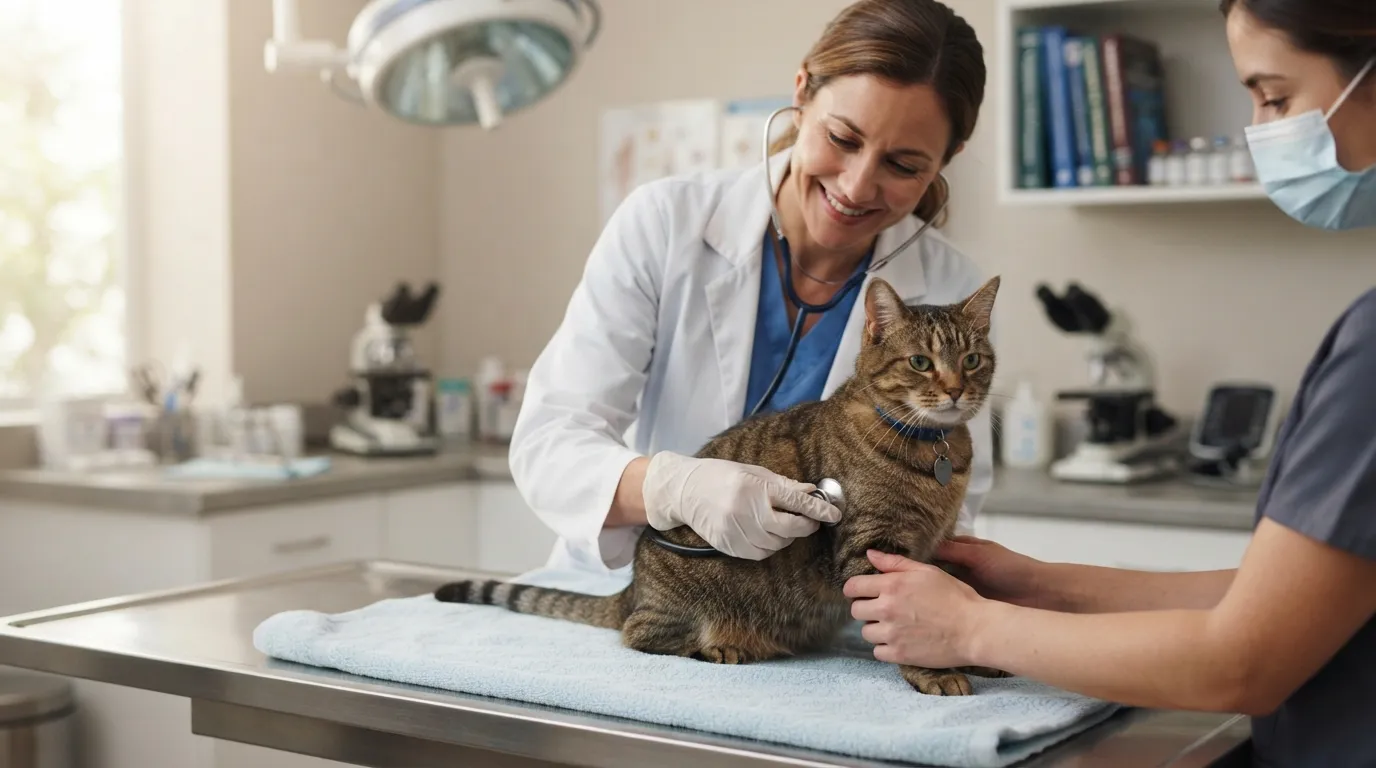
Here’s the one that separates genuinely well-managed cats from cats running purely on luck.
Annual checkups, updated vaccines, and parasite prevention catch illness while it’s still cheap and treatable. Most owners only go to the vet reactively – after something is already wrong.
Healthy young adult cats may only need one visit a year. Mature adults benefit from checkups every six to twelve months, including bloodwork, well before symptoms ever show up.
At a Glance
- Young adult (1-6 years): one wellness exam a year.
- Mature adult (7-10 years): checkup every 6-12 months, often with bloodwork.
- Senior (10+ years): exams at least every 6 months, with increasing frequency for cats with chronic conditions.
A cat on a proactive care schedule is in a genuine minority. The final two signs, though, might be the ones that matter most – and you can check both today.
#2 – Their Appetite Is Steady and Enthusiastic
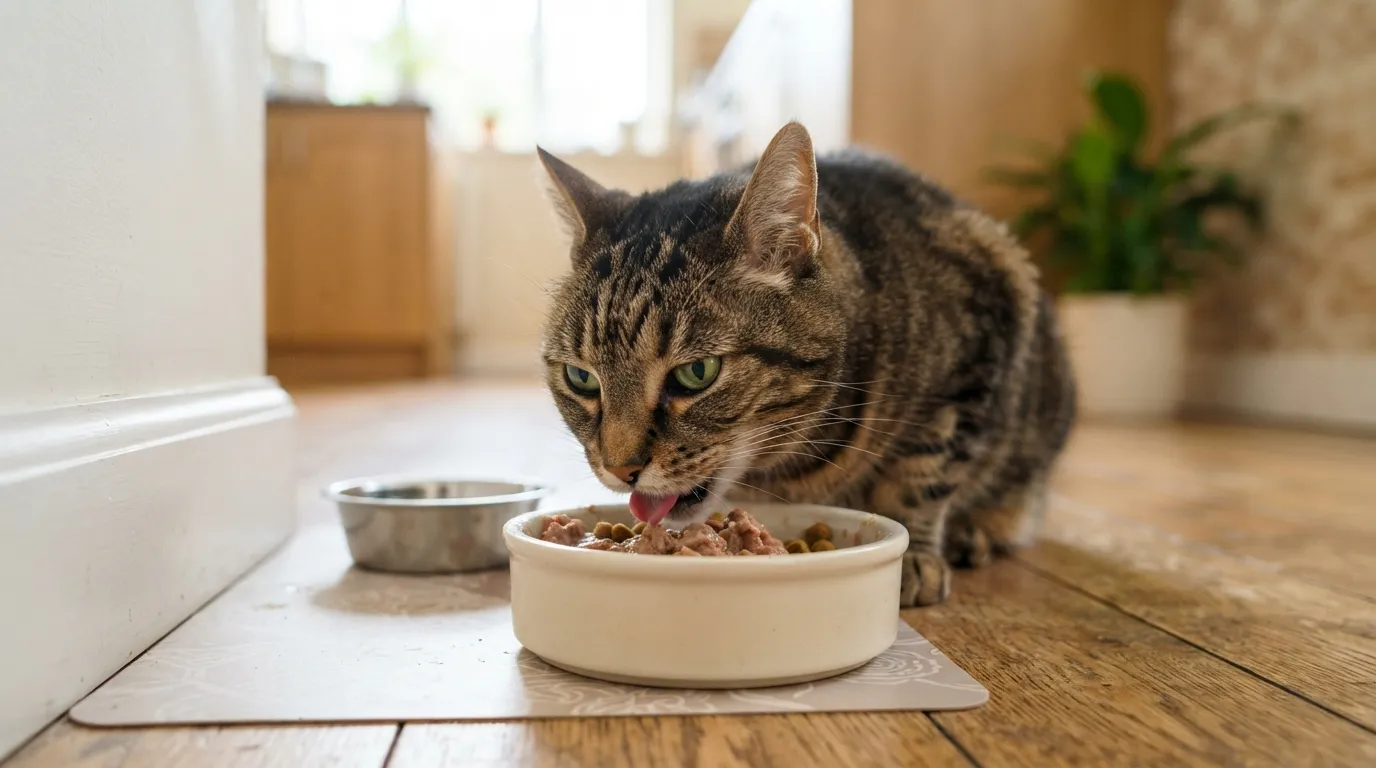
A consistent appetite is one of the most reliable daily indicators that a cat’s body is working the way it should.
Healthy cats show up at mealtime and eat with real interest, day after day. Sudden changes – eating noticeably more or less – are early warning signs tied to dental disease, kidney problems, or hyperthyroidism.
A cat that eats fully and walks away satisfied is quietly passing one of the most important daily health tests there is. Even a decreased sense of smell in old age can dull appetite, so a senior cat still eating eagerly is genuinely beating the odds.
That’s a real win. And the final sign on this list ties every other one together.
#1 – They’re Living Well Past Average – and Still Thriving
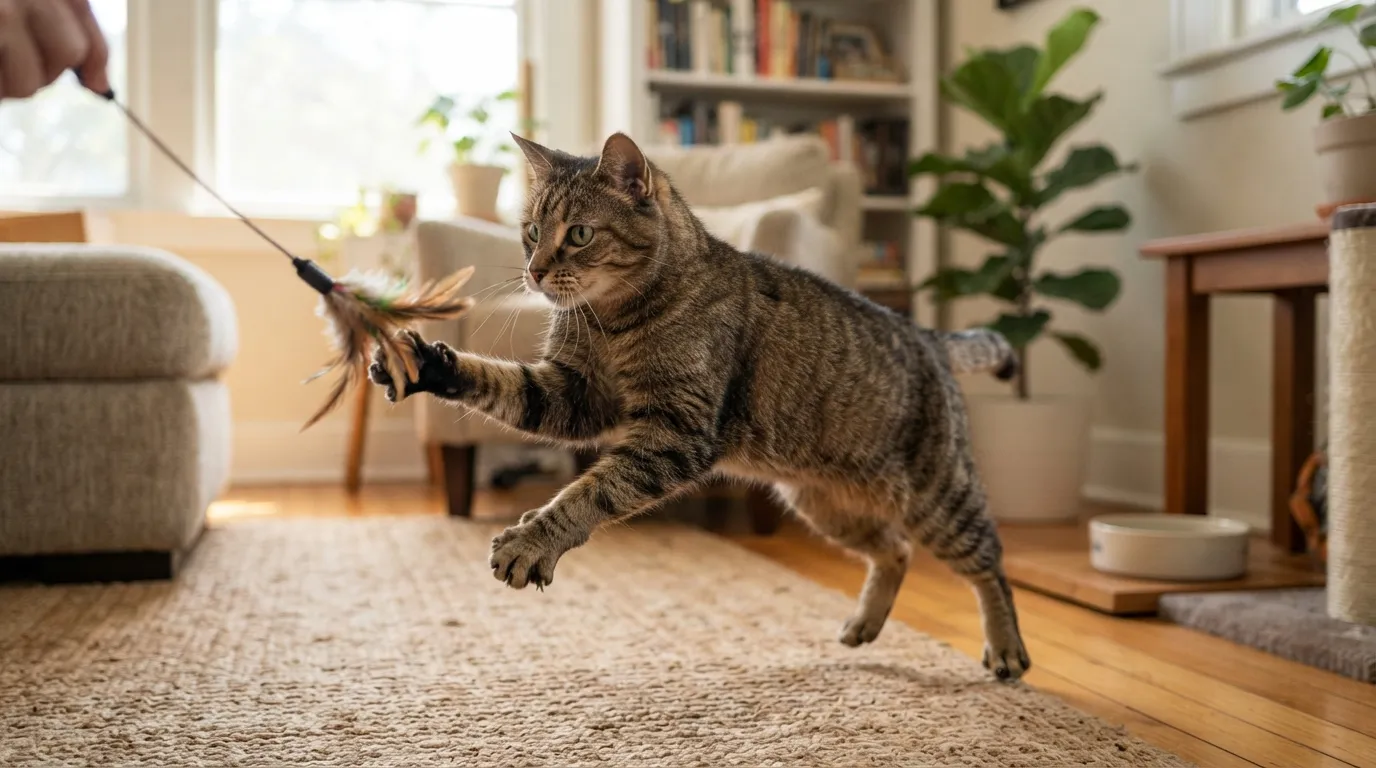
This is the sign that reframes everything else on this list.
The average indoor cat now lives 12 to 15 years – a dramatic jump from just seven years in the early 1980s and barely over nine in 1995. But the number alone was never really the point.
Healthspan is the stretch of life a cat spends genuinely comfortable: eating well, moving easily, grooming without trouble, using the litter box with dignity, and staying interested in the world. A cat doing all of that at 12, 14, or 16 years old isn’t just lucky – it’s thriving, and cats that age well often make it well into their 20s.
That’s the real benchmark. Not years on the clock, but the quality packed into every single one of them.
The Bottom Line
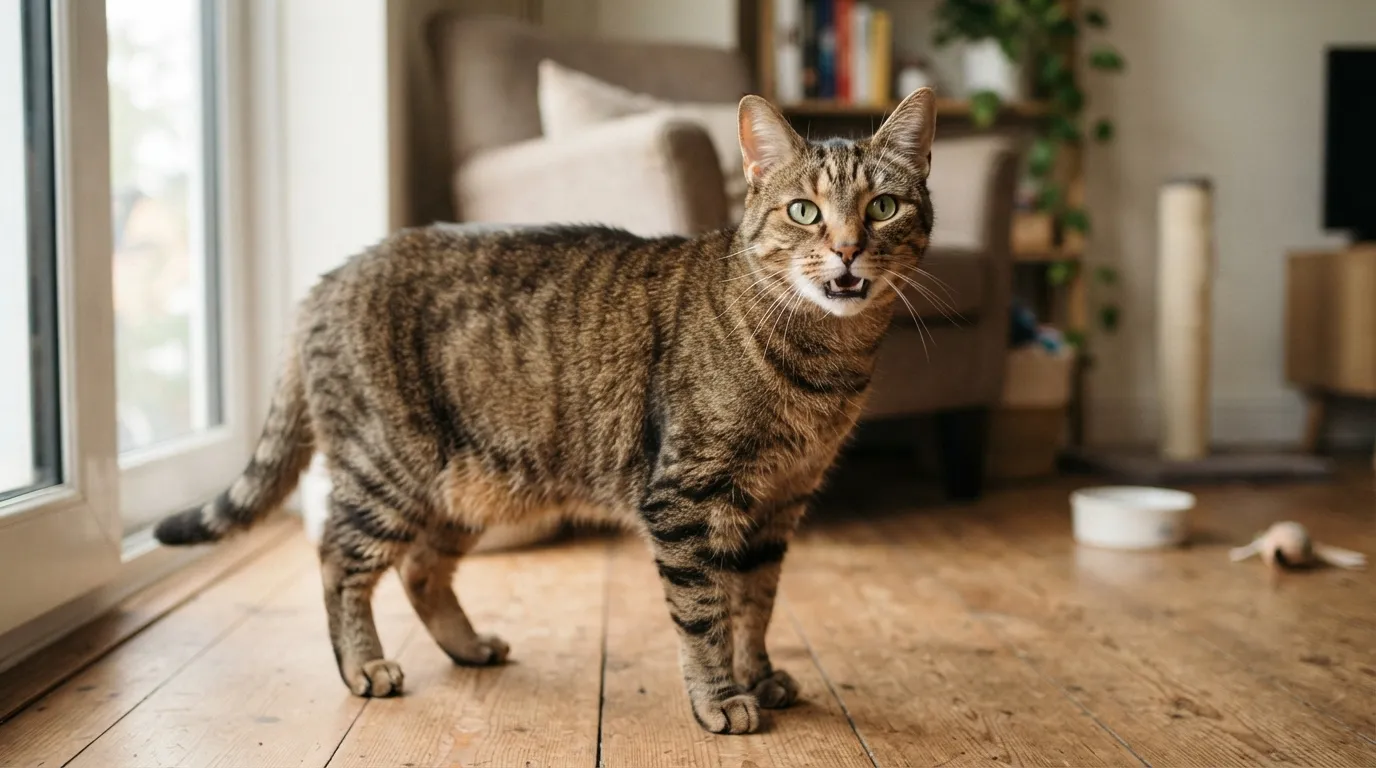
61% of cats are overweight or obese, and dental disease is common by age 10. Kidney disease becomes far more likely after age 7.
The bar for an “average” healthy cat is genuinely low – which means a cat that scores well on stable weight, clean teeth, strong appetite, predictable litter habits, solid muscle, and real curiosity isn’t just healthy, it’s exceptional.
These signs are quiet, daily, and easy to miss until you know exactly what you’re looking for. Does your cat hit most of them – or did one just make you want to call the vet?
Tell us in the comments – other cat owners need to hear it too.
Growing up traveling and experiencing new cultures and wonders, I have had a passion for nature, adventuring, photography, and videography. I am currently working towards a BSc in Biodiversity and Ecology at Stellenbosch University, and I hope to specialise in Marine Sciences one day.
Please send any feedback to Feedback@animalsaroundtheglobe.com