Most people assume their cat treats every human in the house the same way – feed them, and you’re in. That’s not how it works. Veterinary behaviorists have found that cats run a quiet, invisible screening process on everyone under their roof, and usually only one person passes it completely.
That person gets a backstage pass. They see a private catalog of behaviors – small, vulnerable, almost secretive gestures – that the cat deliberately hides from everyone else in the house. Most owners have no idea they’re being tested, let alone that they already won months ago. Here’s exactly what that winning looks like, according to what feline behavior experts actually observe.
#1 – The Slow Blink Nobody Else Gets
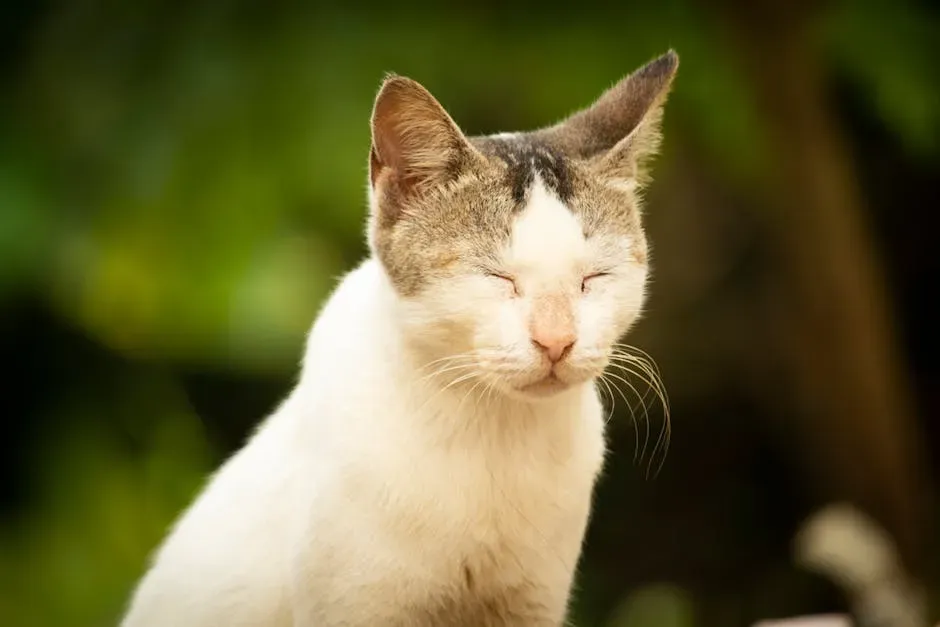
A cat that trusts exactly one person saves their most private eye contact for that human alone. Feline behavior experts call this the slow blink, and it happens when your cat looks at you with half-closed eyes and deliberately blinks slowly. Closing their eyes near anything they see as a threat would be risky in the wild, so doing it in front of you is basically a whispered secret.
That’s the part most people miss – a cat only does this with someone they’ve already decided poses zero danger. Cats fully close their eyes only to sleep or when they feel completely safe, and researchers link the slow blink to genuine trust, contentment, and affection. Strangers almost never get one. Even other family members usually get a quick glance instead of the real thing.
#2 – The Belly Reveal That’s Basically a Confession
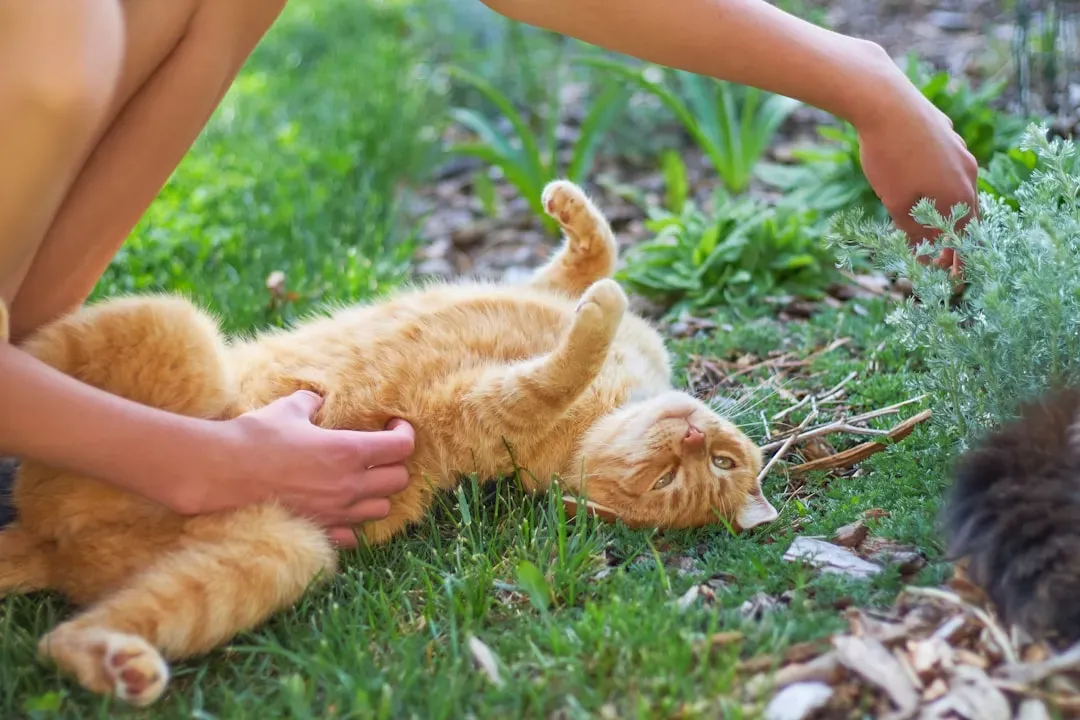
Showing a soft, exposed stomach is the single most vulnerable position a cat can put itself in, and it’s reserved for almost no one. A cat’s belly is one of their most defenseless areas – in the wild, exposing it to a predator could be a fatal decision. So when your cat rolls onto their back and shows you their stomach, they’re handing you their most defenseless position on purpose.
Here’s the twist experts want every owner to know: this isn’t an invitation to touch. Most cats actually hate belly rubs, even from someone they trust completely, and plenty of owners misread the gesture and get scratched for it. Reading it correctly – admiring it without touching – is actually the deeper compliment.
#3 – Using the Litter Box With You Still in the Room
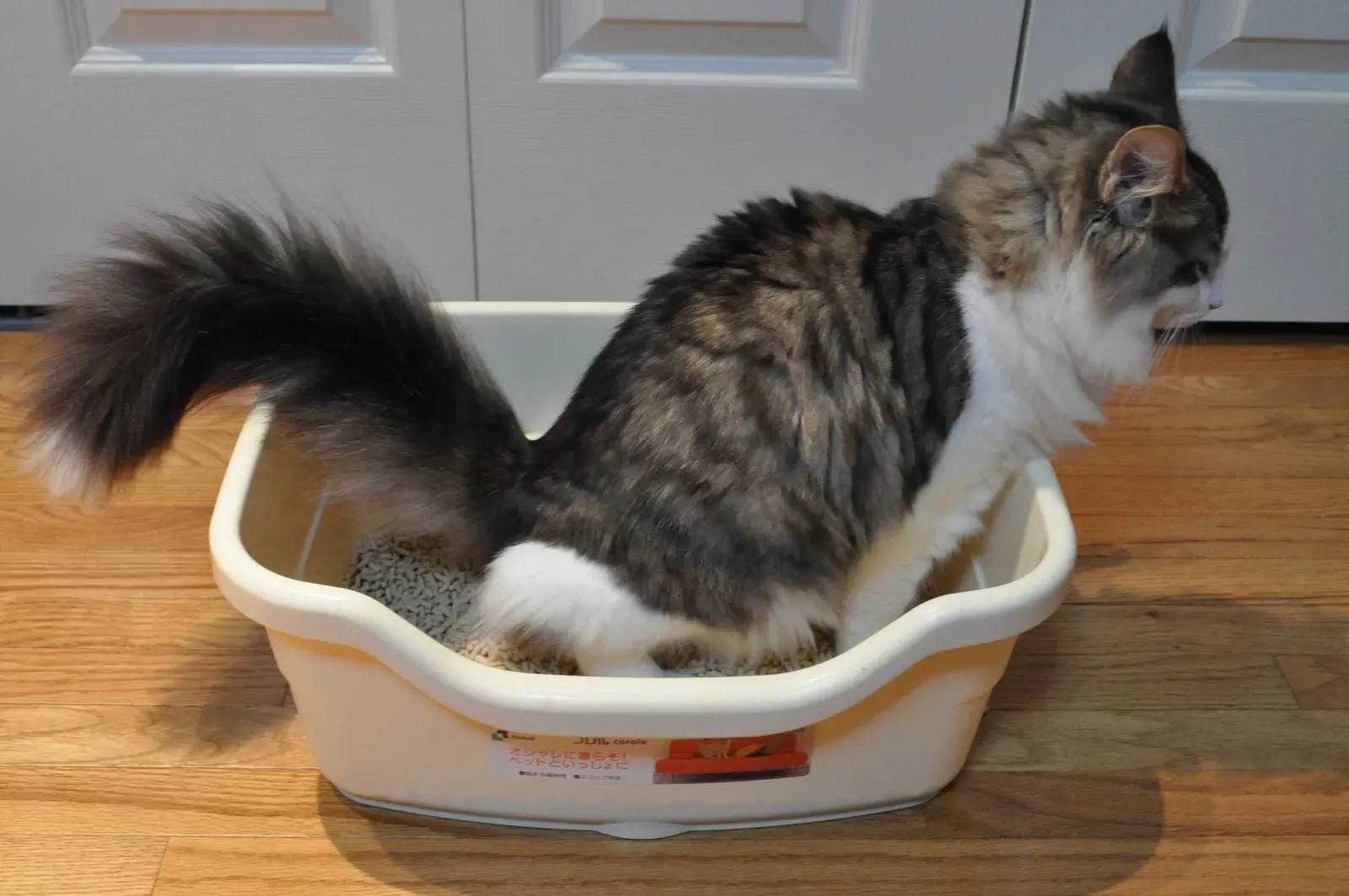
This sounds mundane, but it’s one of the rawest trust signals in the entire feline playbook. One of the clearest signs your cat trusts you shows up when they use the litter box while you’re still in the room. Elimination is one of the most vulnerable moments in a cat’s day – in nature, a predator could ambush them mid-act, or the scent could give away their location afterward.
Most people never think twice about this, but it’s loaded with meaning. A cat that would normally bolt from the room instead finishes their business calmly in front of you, quietly announcing that you don’t register as a threat at all. It’s not glamorous, but it might be the most honest compliment on this entire list.
Fast Facts
- Elimination is one of the most exposed, high-risk moments in a cat’s daily routine
- Cats instinctively seek privacy around unfamiliar people or perceived threats
- Staying relaxed in a room without bolting is a strong, specific trust signal
- This behavior is rarely, if ever, offered to guests or unfamiliar housemates
#4 – The Headbutt That’s Actually a Secret Handshake
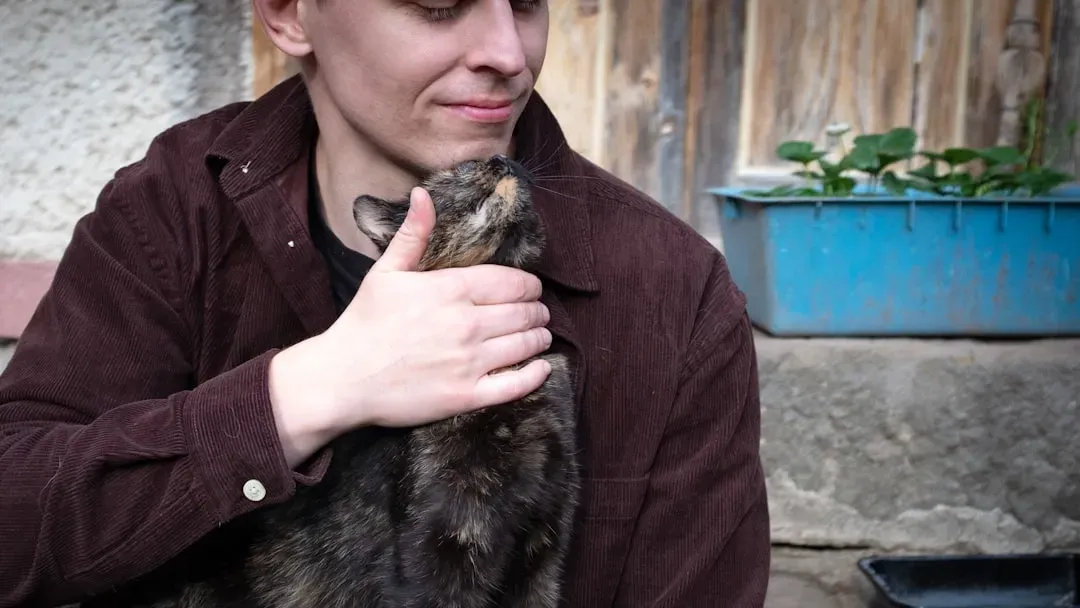
Cats don’t headbutt just anyone – this gesture, known in animal behavior circles as bunting, is a calculated act of chemical bonding. It’s rooted in scent communication and social trust, which makes it about as warm a gesture as a cat can offer a human. Cats have scent glands along their cheeks, forehead, and chin, and pressing those spots against you deposits pheromones that mark you as theirs.
So when your cat headbutts you and completely ignores your roommate, that’s not random affection. It’s a deliberate chemical claim, filed under “this human belongs to me.” And the science behind it gets stranger the deeper you look.
#5 – Bunting Is Actually a Dominance Move, Not Submission
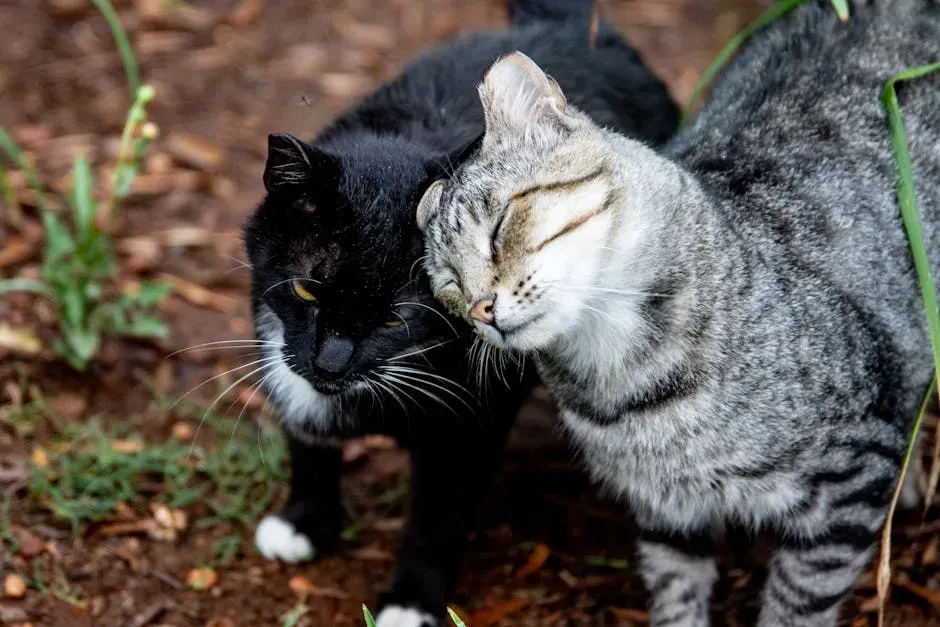
Here’s a fact that flips the usual “sweet and submissive” narrative most people believe about affectionate cats. There’s an actual social hierarchy behind head bunting – a cat with a higher social rank is typically the one who initiates it, since spreading the family scent is considered a job for the confident, dominant cat in the group.
Most owners assume the opposite. They picture a cat rubbing against their leg as needy or submissive, when the behavior is closer to a confident animal claiming property. The cat headbutting you specifically isn’t just fond of you – it’s socially asserting that you belong to its inner circle, which explains why some cats in multi-pet homes only bunt one human in the entire house.
#6 – Kneading You Like Bread Dough
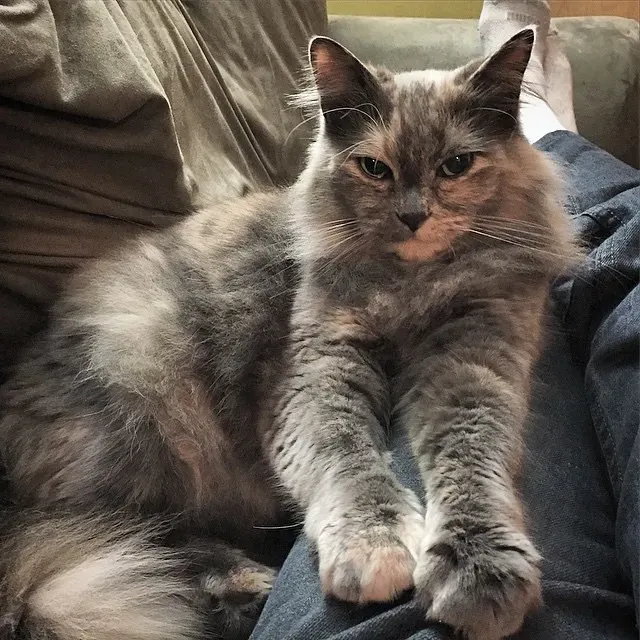
That rhythmic paw-pressing motion goes back to a memory your cat’s brain never let go of. Kneading traces straight back to kittenhood, when kittens pressed their paws into their mother’s belly to stimulate milk flow. Grown cats never fully outgrow the motion – they just repurpose it.
Here’s what makes it significant: it isn’t automatic for every human a cat encounters. When an adult cat kneads you specifically, it’s telling you that it associates you, personally, with comfort, warmth, and safety. Regressing into kitten behavior on your lap – and not on the couch cushion next to a stranger – means you’ve been cast as the stand-in for its earliest safety figure.
#7 – The “Gift” Drop-Off That’s Really an Invitation
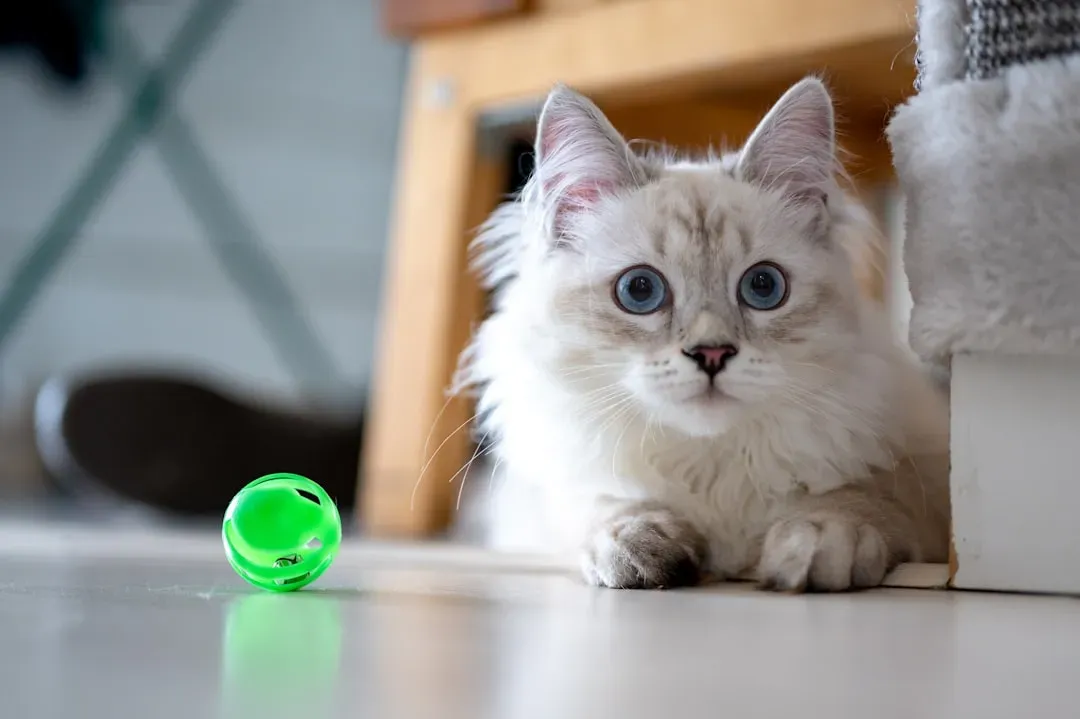
Finding a dead bug or a mangled toy mouse by your slipper isn’t random – it’s a calculated social gesture aimed at exactly one person. A gift like this means your cat is including you in their social group and sharing a genuine hunting success, whether it’s a toy or something they caught outside.
Most people find this disgusting, but experts insist it’s the opposite of an insult. Cats bring prey to territory they consider safe, and presenting it to you is their way of sharing something they consider vital to survival. Notice how these “gifts” rarely spread evenly across a household – there’s almost always one clear target.
Worth Knowing
- Common “gifts” range from toy mice to real caught prey for outdoor cats
- Indoor-only cats often substitute a favorite toy when there’s nothing to hunt
- The instinct echoes food-sharing behavior seen in wild and feral cat colonies
- Gifts are almost always delivered to one consistent household member, not the whole family
#8 – Following You From Room to Room Like a Tiny Shadow
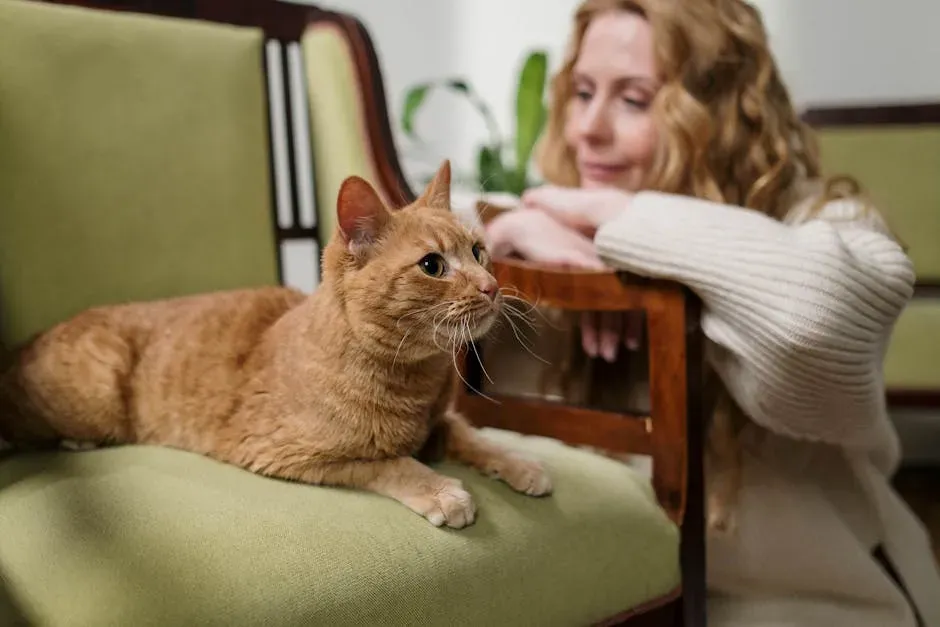
If your cat trails you into the kitchen, the bathroom, and even the laundry room, that’s not accidental clinginess – it’s a specific, repeated choice. Cats that trust and love a person tend to keep them in sight constantly, following them from room to room throughout the day.
This is more deliberate than most owners realize. It signals genuine enjoyment of your company, not passive tolerance of your presence. Other people in the same house might get completely ignored while the cat trails one specific human like a shadow with opinions.
#9 – The Door Greeting Ritual Reserved for One Person
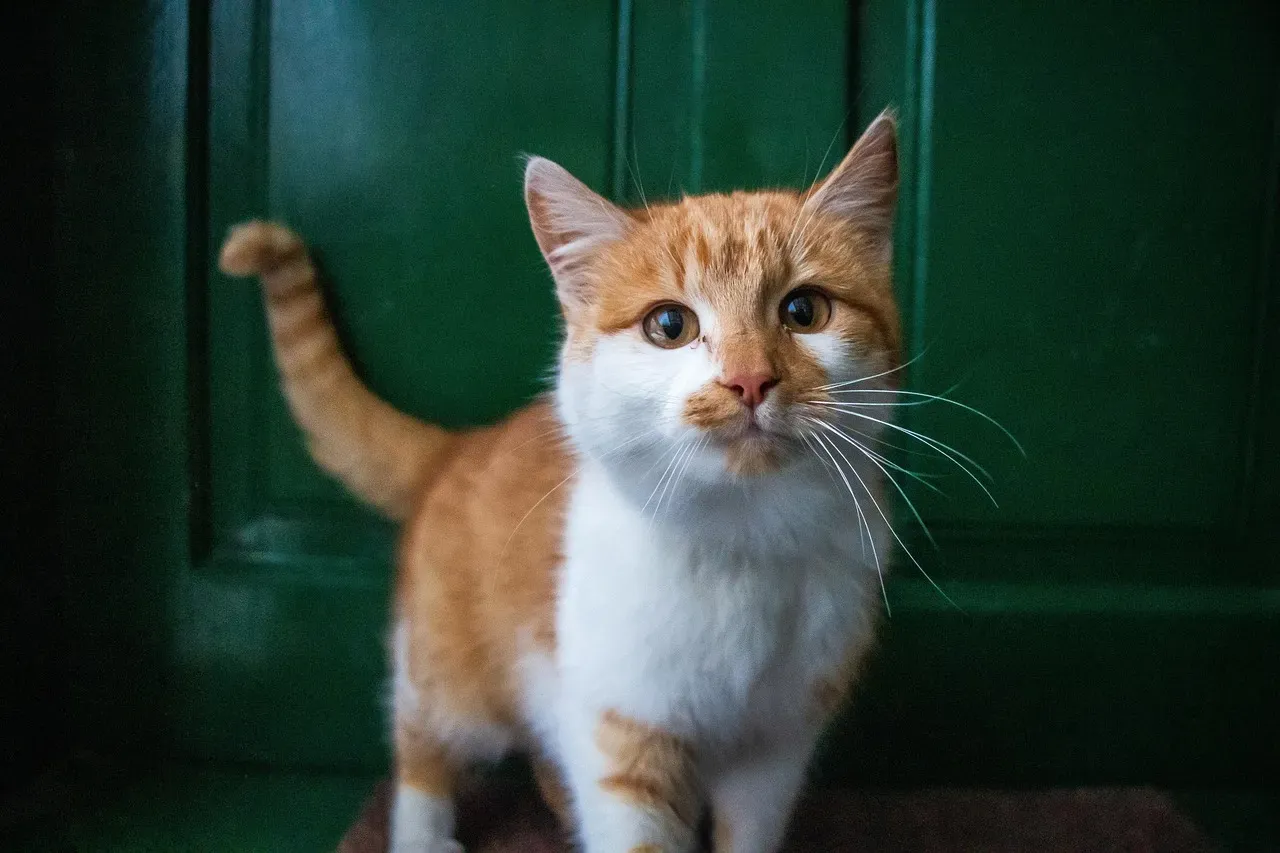
Some cats sprint to the door for anyone who walks in. The favorite-person cats do something far more specific – an upright tail, weaving between your legs, sometimes even a fast “rattle-tail” shake paired with enthusiastic meowing.
This is a household-specific status symbol, and not every family member triggers the full show. Usually just one person does. If your cat has a distinct greeting reserved only for you, you’ve been formally designated, whether you asked for the job or not.
Quick Compare
- Stranger arrives: cautious distance, hiding, or a brief glance
- Familiar housemate arrives: a casual look, maybe a slow approach
- Favorite person arrives: upright tail, leg-weaving, rattle-tail shake, vocal greeting
#10 – Grooming You Like You’re a Giant, Confused Kitten
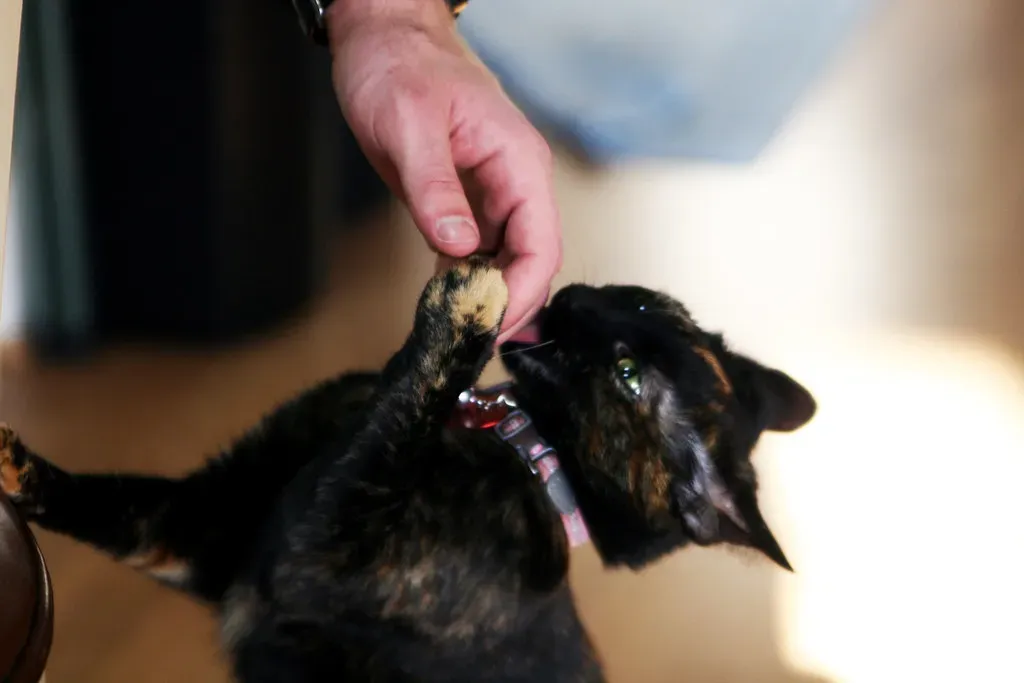
A cat licking your hand or hair isn’t hygiene assistance. It’s a formal membership card into their family unit. Cats engage in mutual grooming, called allogrooming, to bond and reinforce trust with members of their social group – not just to stay clean.
Here’s the slightly absurd truth experts point out: they’re treating you like an oversized, hairless, somewhat helpless member of the family who clearly needs supervision staying clean. This ritual is almost always aimed at one preferred groomer in the house, not spread evenly among everyone.
#11 – Purring That’s Reserved for Proximity to You Specifically
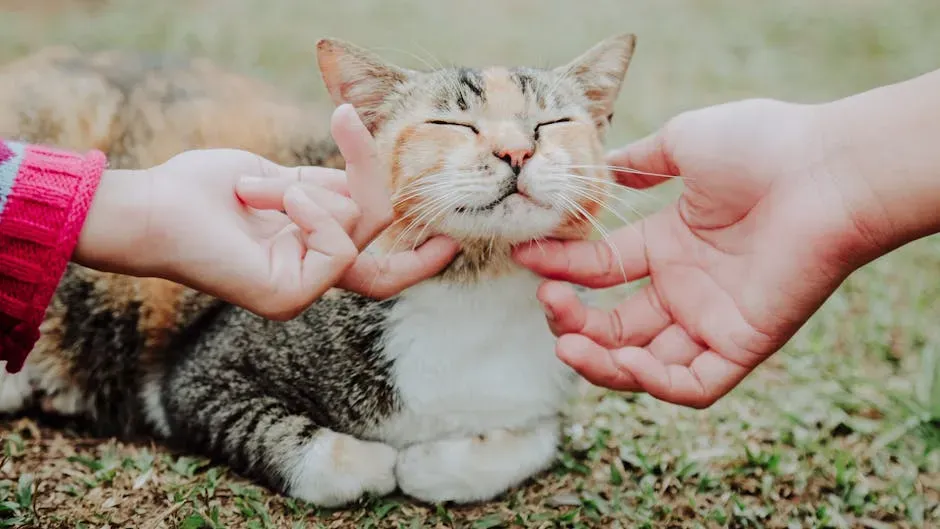
Purring isn’t a universal happy noise – context determines whether it’s actually about you. A relaxed, rumbling purr in your presence is a sign of real trust and comfort, and it tends to soothe both the cat and the human hearing it.
What most people don’t realize is that this purr isn’t automatic on every lap. Some cats specifically seek out their favorite person when they want to relax, using the purr as a direct signal of contentment. A cat that stays silent on a stranger’s lap but purrs the second it’s back on yours is drawing a very clear line.
#12 – The Tail Position Only Trusted People Get to See
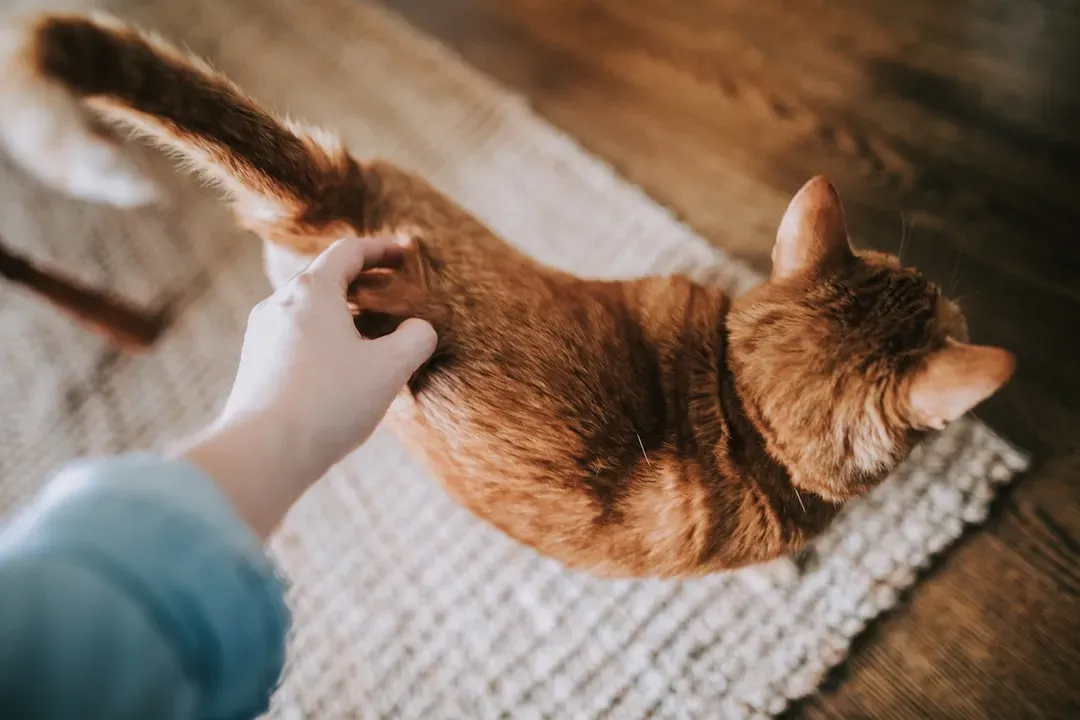
A cat’s tail functions like a mood dashboard, and the fully relaxed, upright setting is rarely shown to outsiders. If a cat’s tail is held high with a gentle curve at the tip, it’s actively signaling comfort and interest in the interaction happening right now.
When a cat trusts you, their tail will be relaxed and often held up, which reveals they are actively interested in an interaction.
Dr. Stephanie Borns-Weil, Cummings School of Veterinary Medicine at Tufts University
This is one of the more controversial signals, because plenty of owners assume a raised tail means friendliness toward anyone nearby. It doesn’t. Around unfamiliar people, that same cat usually keeps its tail lower and stiffer – the tail tells the truth even when the rest of the cat is putting on a polite face.
#13 – Claiming Your Chair, Your Side of the Bed, and Your Scent
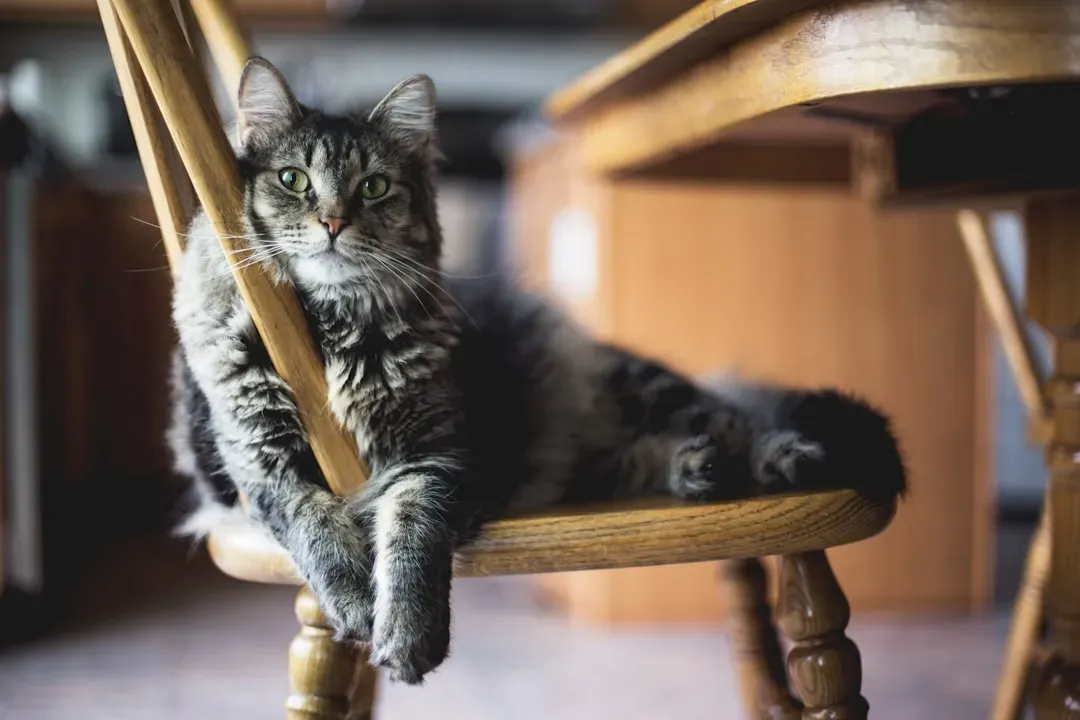
Cats that steal your favorite seat aren’t being rude – they’re chasing something specific: you. Researchers describe an owner’s bed as one of the most concentrated sources of familiar scent in the house, which delivers both psychological and emotional comfort to a cat.
Here’s the part most people find surprising: it isn’t about comfort in general, it’s about your specific scent profile. The cat who once hid under the bed might start sleeping near the doorway, then nap on the couch while you’re in the room, and eventually claim your chair with the confidence of a landlord who’s never read the lease. Plenty of soft surfaces exist in most homes – the cat still gravitates toward the one soaked in one person’s scent.
At a Glance
- Beds, chairs, and worn clothing absorb concentrated amounts of personal scent
- Cats consistently gravitate toward the most scent-saturated surface in a home
- Scent-seeking behavior often grows more obvious as trust deepens over time
- A favorite claimed spot can shift as the human’s daily routine changes
#14 – Running Straight to You When Something Scares Them
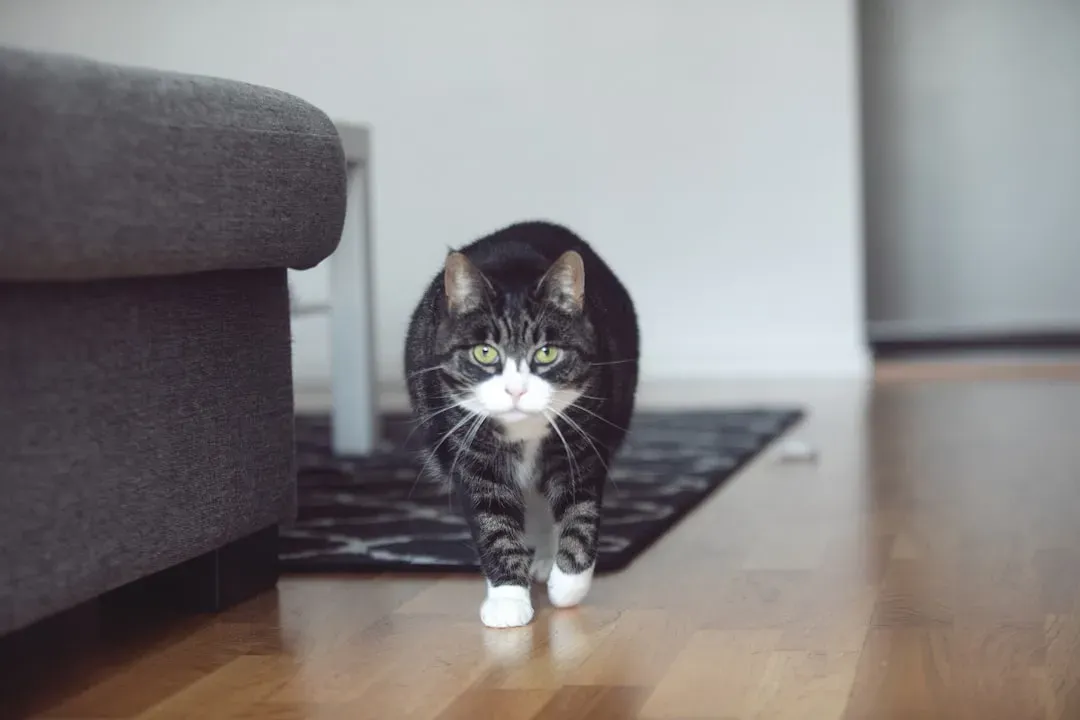
This is the ultimate tell, and it happens in the split second after something goes wrong. If you assumed your cat was completely fearless, it can look almost surprising when they suddenly bolt toward you – or plant themselves close by – right after a loud noise or a sudden movement.
This single behavior overrides every other signal on this list. A cat doesn’t pick a random human to sprint toward during genuine fear – it runs to whoever its nervous system has already filed away as the safe option. That’s the same person behind the slow blinks, the belly reveals, and the quiet litter-box confidence. When the smoke alarm goes off or a stranger knocks, watch where your cat actually runs. That’s your real answer.
The Bottom Line
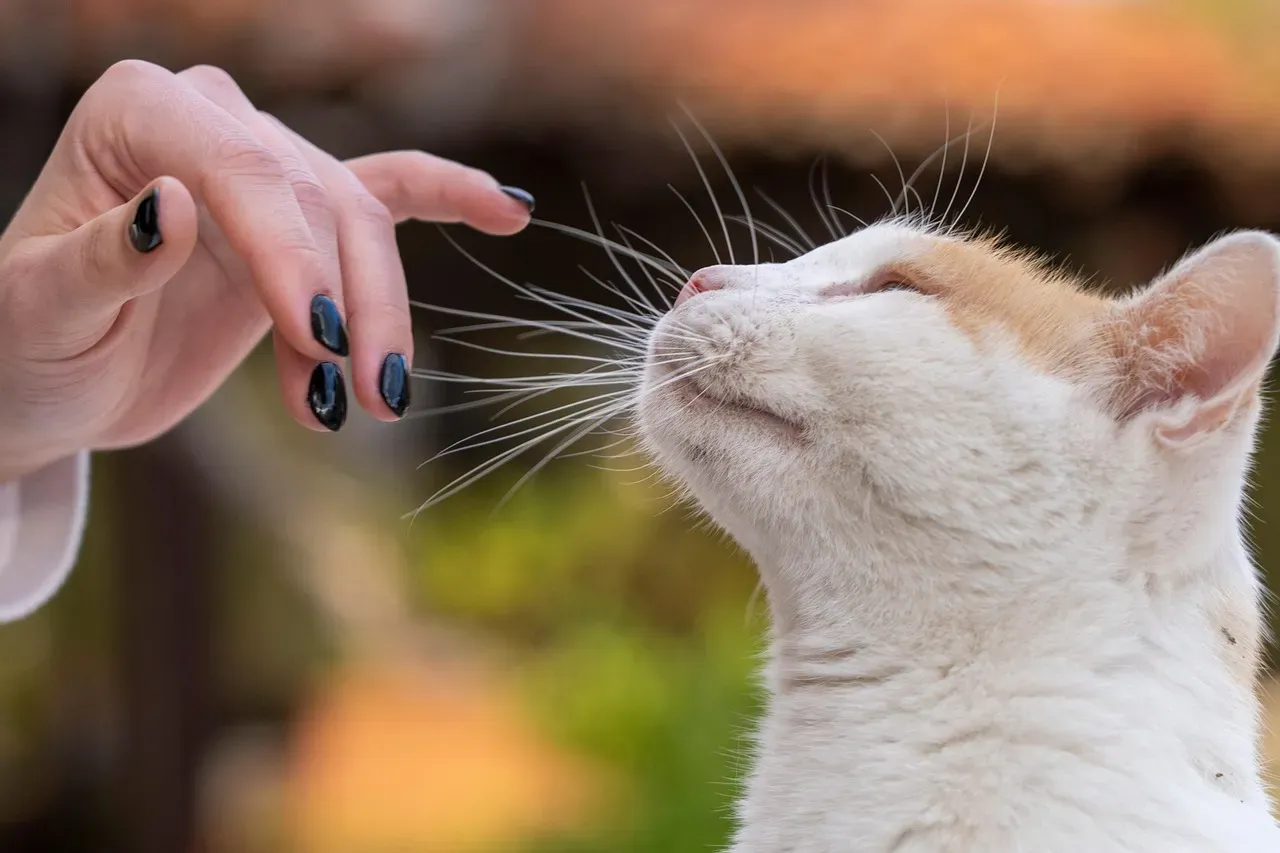
Cats aren’t the emotionally guarded animals most people assume. They’re constantly running a trust audit, and the results show up in slow blinks, belly reveals, bathroom-break confidence, and full-speed sprints toward one specific human during a crisis.
The uncomfortable truth many multi-pet households don’t want to admit: cats do pick favorites, and they rarely hide it once you know what to look for. If your cat headbutts you, kneads you, and runs to you when startled, you’ve already won – whether you noticed or not.
Which one of these does your cat only do with you? Drop it in the comments – we want to know who actually earned the trust.
Kristina is a young writer from India. An arts graduate and an avid content creator, Kristina is passionate about animals and wildlife. She enjoys exploring topics related to pet care, animal behavior, conservation, and nature, combining thorough research with engaging storytelling.