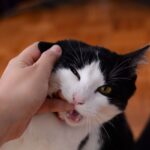
You expect your cat to slow down a bit with age. Maybe nap more, jump a little less, grumble when you move them off your pillow. But some changes are not just “old cat stuff” – they’re your cat quietly waving a red flag and hoping you notice. The tricky part is that the line between normal aging and a real health problem is thin and easy to miss.
When you know what to look for, you stop shrugging things off as “she’s just old” and start catching issues early – sometimes years earlier. That can mean less pain, fewer emergencies, and more good, comfortable time together. Think of this as learning a new language: senior-cat body language. Once you learn it, you’ll never see those “quirks” the same way again.
1. Sleeping More… But Also Acting Weirdly Restless
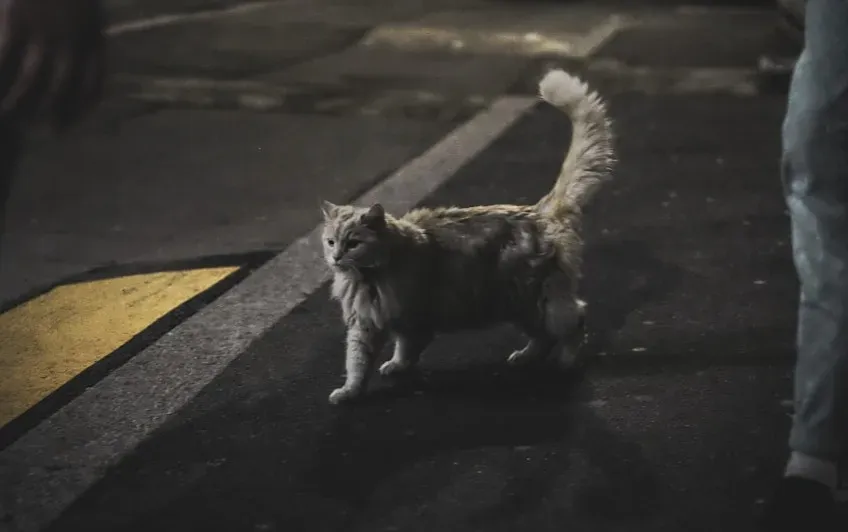
You expect your senior cat to sleep more, and that part is normal. What isn’t normal is when your cat seems exhausted during the day, but then paces, vocalizes, or can’t settle at night. That restless, unsettled behavior often gets brushed off as “he’s just old and cranky,” when it can actually be pain, anxiety, or a condition like feline cognitive dysfunction (sometimes called cat dementia).
If you notice your cat waking you up repeatedly, wandering the house at odd hours, or seeming confused about where to sleep, it’s worth paying attention. You might also notice they jump down from a bed, pace for a while, then climb back up, as if nothing feels comfortable. That pattern isn’t just age; it’s your cat telling you something in their body or brain isn’t right.
2. Drinking More Water and Soaking the Litter Box
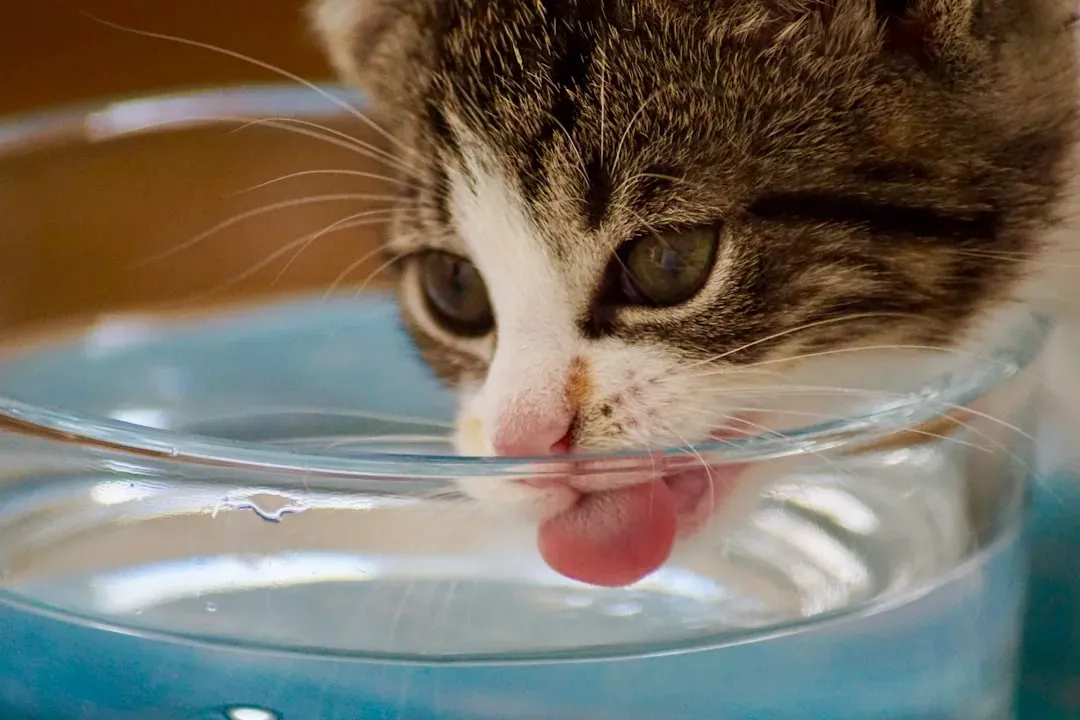
You might feel relieved when your older cat starts visiting the water bowl more, thinking, “Good, she’s staying hydrated.” But when a senior cat suddenly drinks and urinates more than before, that can be one of the biggest warning signs of diseases like kidney disease, diabetes, or overactive thyroid. You’ll often see the litter box filling faster, clumps getting much larger, or even pee accidents outside the box.
Because these illnesses are so common in older cats, you never want to write off big changes in thirst or urine as normal aging. Start by paying attention to how often you’re refilling the water bowl and scooping the box. If it feels like “a lot more than last year,” that alone is a reason to call your vet and ask for blood and urine tests, even if your cat otherwise seems fine.
3. Losing Weight Even Though Appetite Seems “Pretty Good”
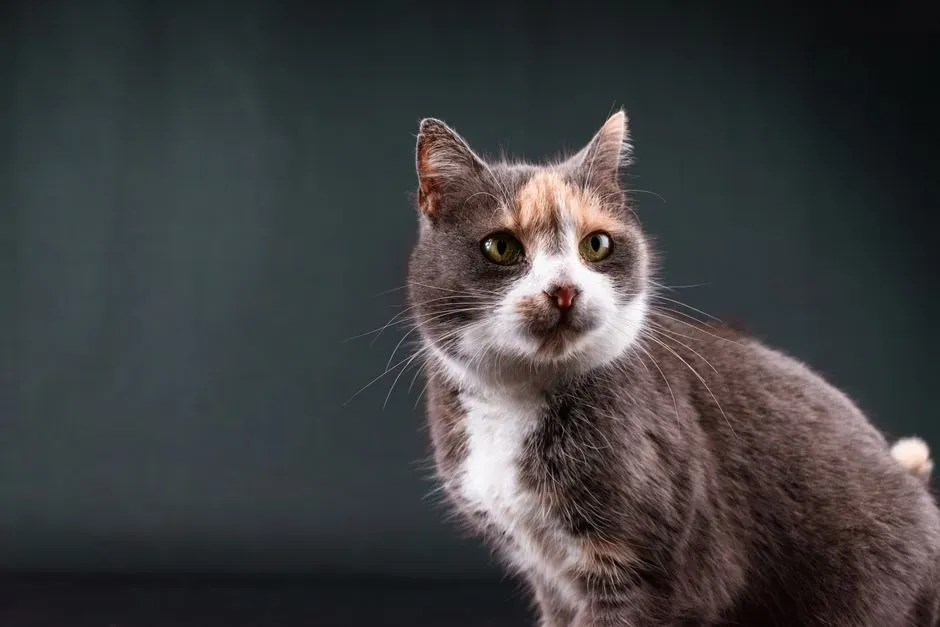
If you run your hands over your senior cat and suddenly feel bony ridges where you used to feel a smooth, firm body, that’s not just age. Conditions like hyperthyroidism, kidney disease, inflammatory bowel disease, dental pain, or cancer commonly show up first as slow, subtle weight loss. Weighing your cat every month or two (even using a baby scale or yourself-plus-cat on a bathroom scale) gives you hard evidence of changes you might not see with your eyes.
4. Getting “Grumpy” About Being Picked Up or Touched
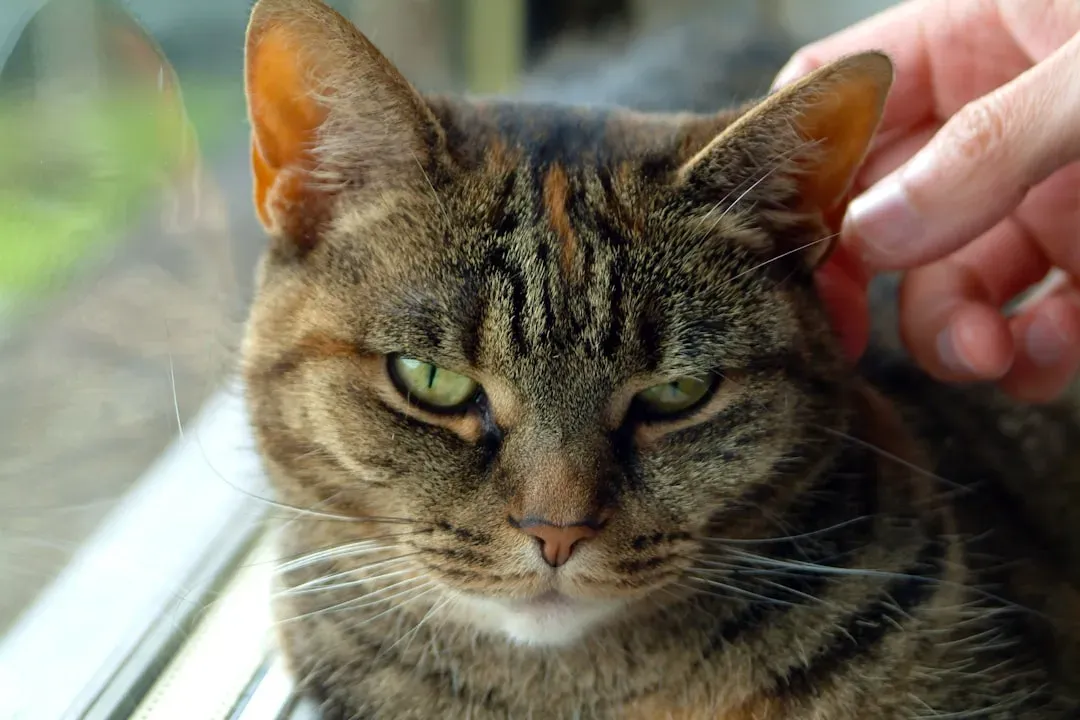
It’s so easy to label a senior cat as moody, intolerant, or “just done with cuddles.” But when your older cat suddenly hates being picked up, flinches when you touch their back, or growls during nail trims, pain is often the real problem. Arthritis is extremely common in older cats, even though many of them never limp in the obvious way a dog might.
You might notice subtle clues: your cat no longer wants to sit in your lap in a certain position, avoids being brushed over their lower back, or complains when you move them off the sofa. You may also see them licking or chewing at certain joints more often. That isn’t personality; that’s discomfort. With pain medication, joint support, and environmental changes, many of these “grumpy” seniors become surprisingly sweet again.
5. Struggling With Jumps They Used to Nail Effortlessly
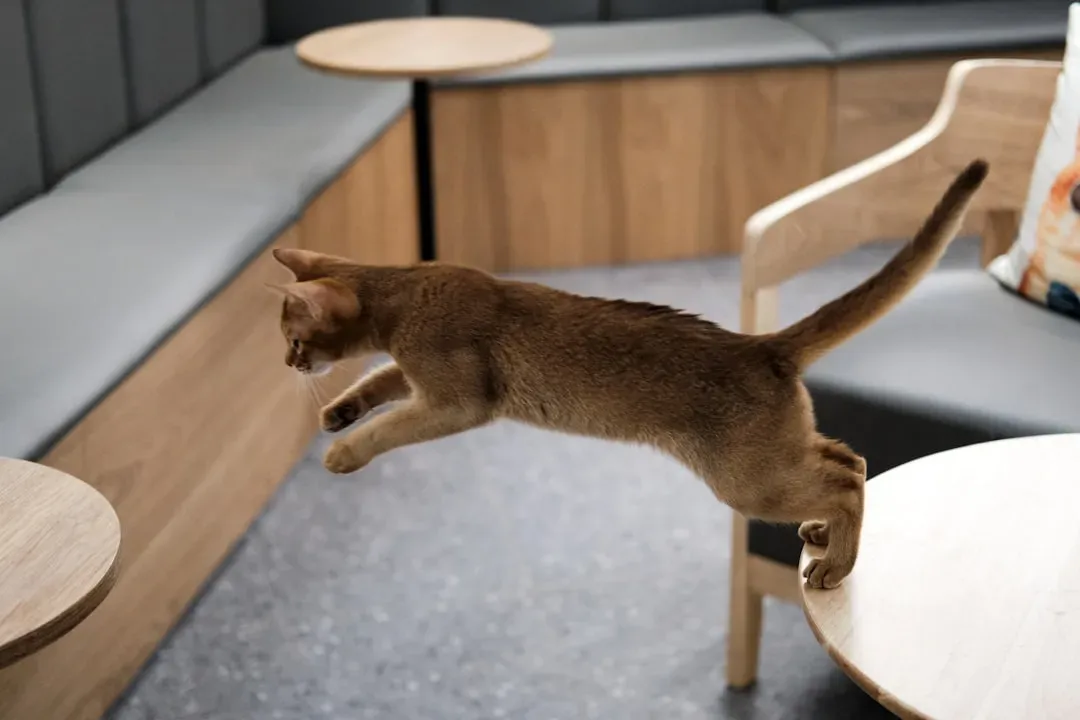
One of the classic early signs of joint pain in cats is a quiet change in how they jump. You might see your cat hesitate before jumping up, need a “two-step” path using a chair or ottoman, or pull themselves up instead of launching cleanly. Many owners chalk this up to “he’s just not a kitten anymore,” but often it’s painful hips, knees, or elbows.
Watch how your cat gets on and off their favorite spots: the couch, the windowsill, the bed. If they start choosing lower places, miss jumps occasionally, or stop going to high perches at all, that’s not just normal slow-down. Making ramps, adding pet steps, or lowering food and beds helps, but it should also prompt a checkup. With treatment, you can usually restore a lot of those confident jumps.
6. Getting Confused in Familiar Places
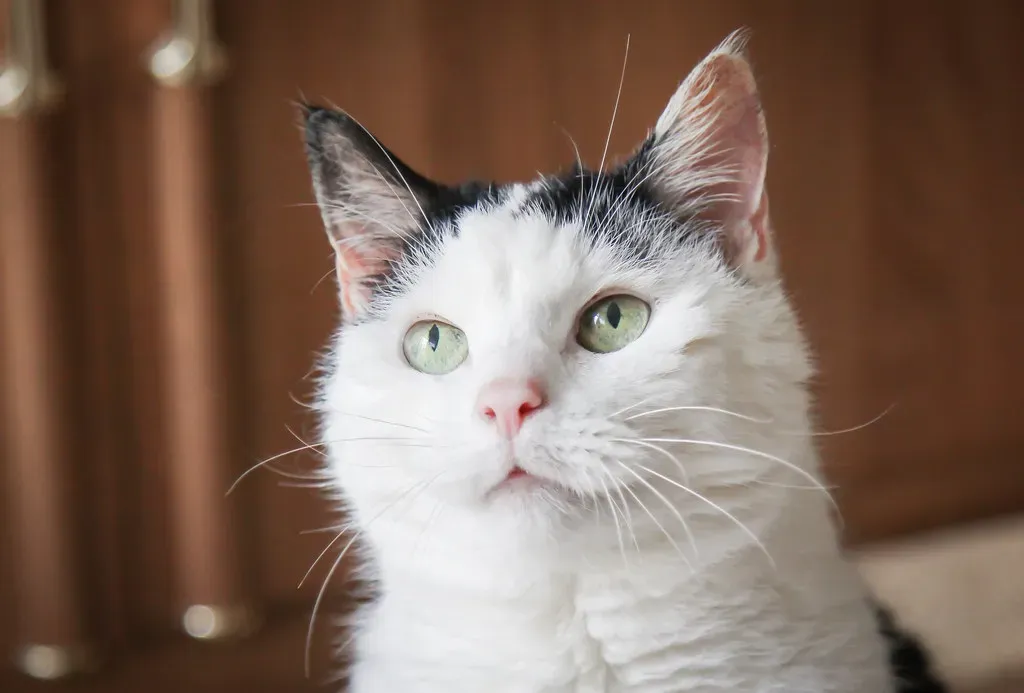
If your cat starts staring at walls, getting “stuck” in corners, or acting like they don’t recognize rooms they’ve lived in for years, you might assume their eyesight is failing or that this is just old age fog. While vision changes can happen, these behaviors can also signal cognitive dysfunction, a condition similar to dementia in people. It’s under-recognized in cats because owners often think it’s a natural part of aging.
You might notice your cat walks into a room and meows loudly, as if calling for someone, or seems unsure how to navigate around furniture they’ve known forever. They might forget where the litter box is, or appear to be looking for something invisible. None of that has to be accepted as “just what happens.” There are ways to support brain health through diet, environment, and sometimes medication that can reduce confusion and distress.
7. Meowing Loudly at Night or For “No Reason”
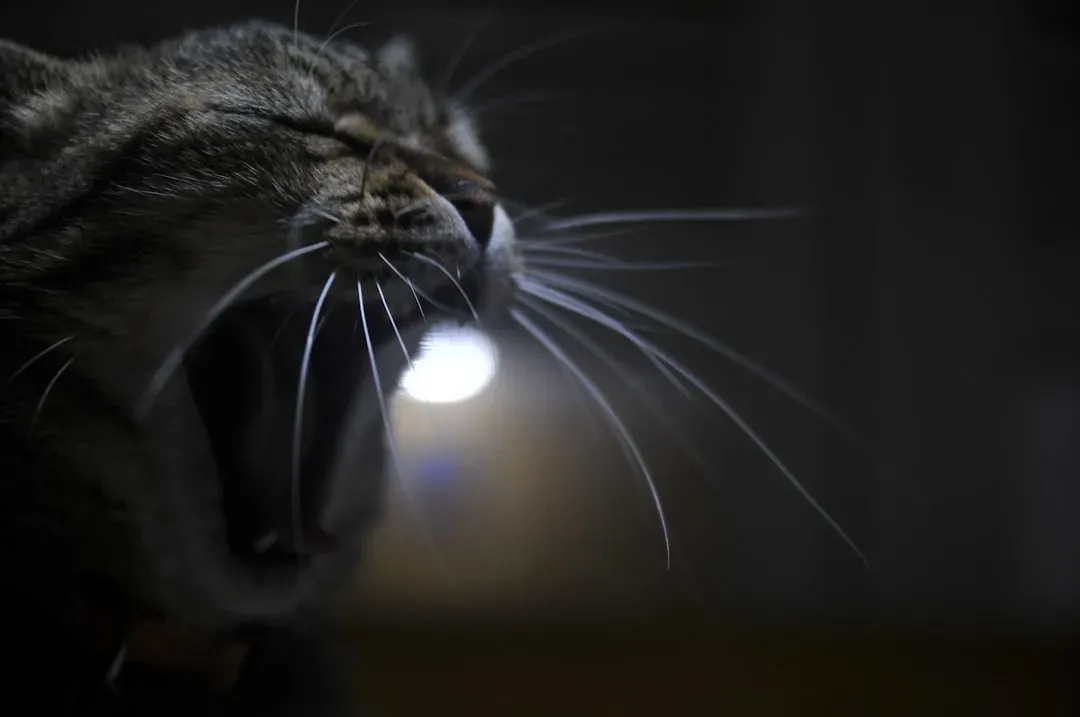
That eerie 3 a.m. yowl from a senior cat gets joked about a lot, but it can be a sign of something serious. When an older cat suddenly starts vocalizing more, especially at night, it can be due to pain, high blood pressure, hyperthyroidism, hearing loss, or cognitive changes. Owners often laugh it off as attention-seeking or “he’s just old and weird now,” but your cat might be genuinely uncomfortable or disoriented.
If you notice your cat wandering and crying, standing in a hallway meowing at nothing, or waking you more nights than not, pay attention to the pattern. Keep a simple log for a week: when it happens, what else you notice, and any triggers. Sharing that with your vet can help pinpoint whether the cause is medical, mental, or environmental – and in many cases, the nighttime drama can be significantly improved.
8. Having “Little Accidents” Outside the Litter Box
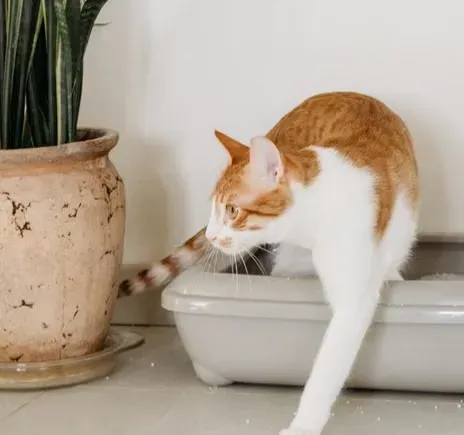
When a senior cat starts peeing or pooping outside the box, people often assume stubbornness, senility, or spite. In reality, litter box changes are one of the loudest health alarms cats have. Painful joints can make stepping into a high-sided box hard. Kidney or bladder problems can cause urgency and accidents. Cognitive issues can make your cat forget where the box is or how to get there in time.
Before you get frustrated, look at the litter setup from your cat’s perspective. Is the box too high to step into comfortably? Is it in a far corner of a basement that’s hard to reach with sore hips? Has the house gotten noisier or scarier near the box? Switching to a lower, larger, easily accessible box and ruling out medical problems often fixes “bad behavior” that was never really bad behavior at all.
9. Grooming Less and Looking Messier
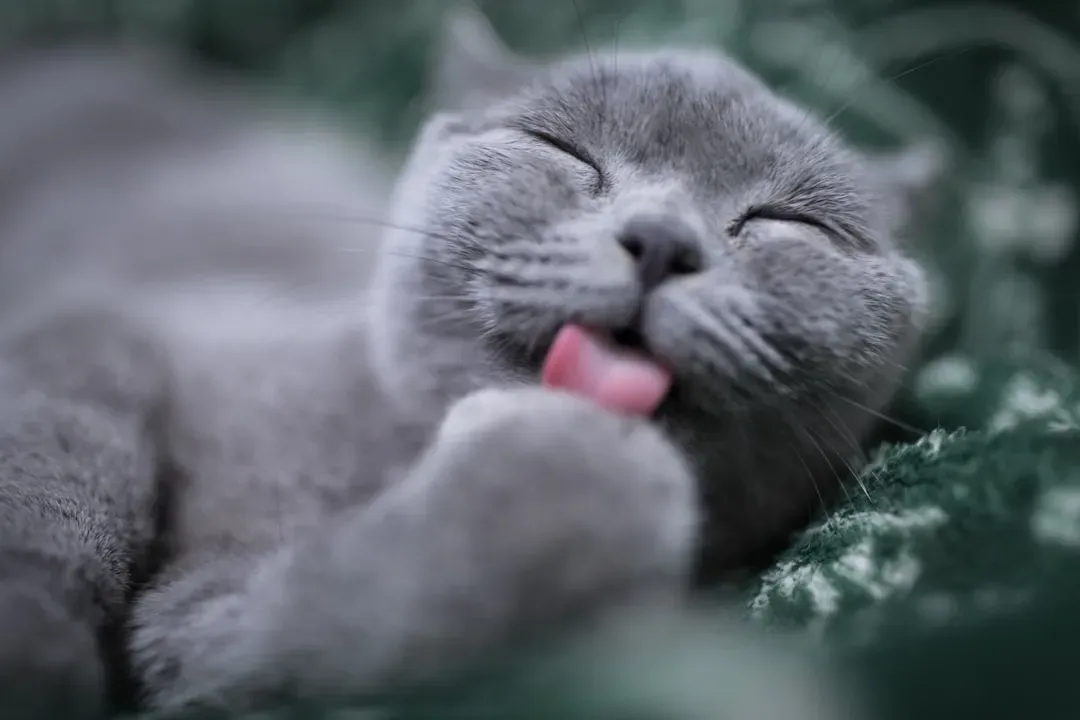
Many owners notice their older cat’s coat getting dull, greasy, or matted and figure that’s just what happens with age. But healthy older cats can still have shiny, well-kept fur. When grooming drops off, it often means your cat is either uncomfortable, stiff, or not feeling well in some other way. Arthritis, obesity, dental disease, and even heart or kidney issues can all make grooming harder or less appealing.
You might see mats developing along the lower back, hips, or behind the ears, or your cat may stop cleaning their hind end properly. Instead of assuming it’s inevitable, consider it a health clue. Regular gentle brushing and occasional professional help are important, but so is finding out why your once-proud self-groomer has started to let things slide.
10. Suddenly Becoming More Clingy… or More Withdrawn
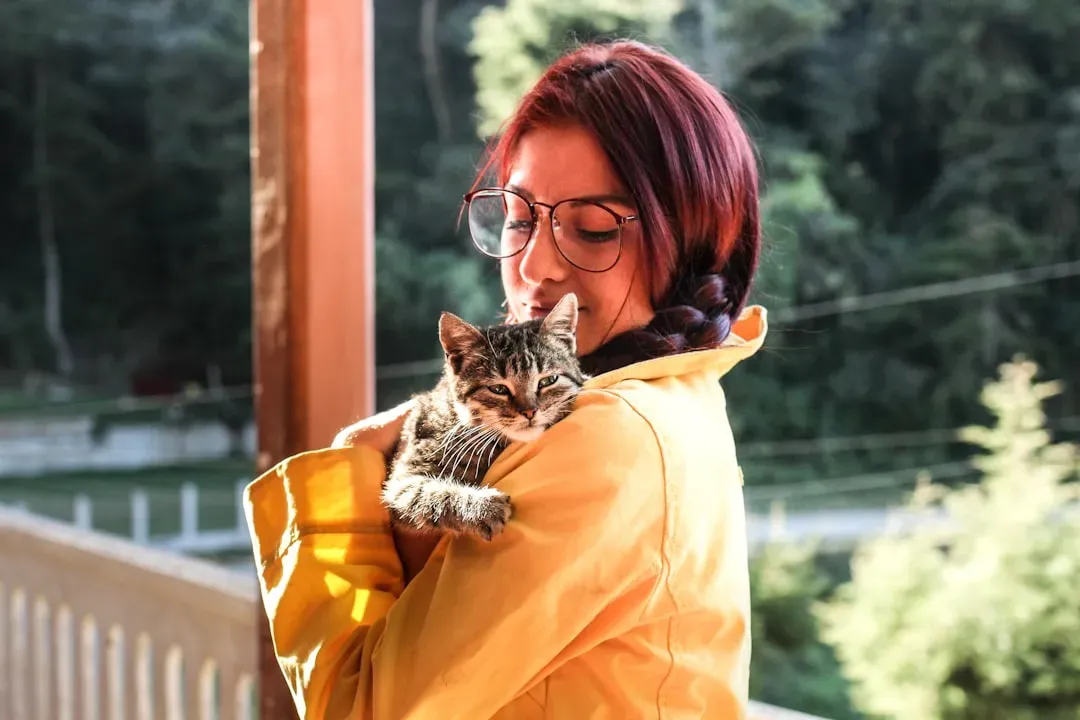
Behavior changes in senior cats are often mislabeled as “personality shifts” or just being “set in their ways.” When your normally independent cat suddenly becomes clingy, follows you from room to room, or seems distressed when you leave, it may be anxiety, pain, or cognitive changes. They may be seeking comfort because they feel vulnerable or confused, not because they randomly decided to become cuddly.
The opposite can also be a red flag: a once-social cat that now hides more, avoids family time, or hisses when approached may not be turning into a grouch – they may be sick or hurting. You know your cat’s baseline better than anyone. Any marked shift toward extra-needy or extra-aloof deserves a closer look and usually a vet visit, even if they are still eating and using the box normally.
11. Eating Less, Eating Differently, or Dropping Food
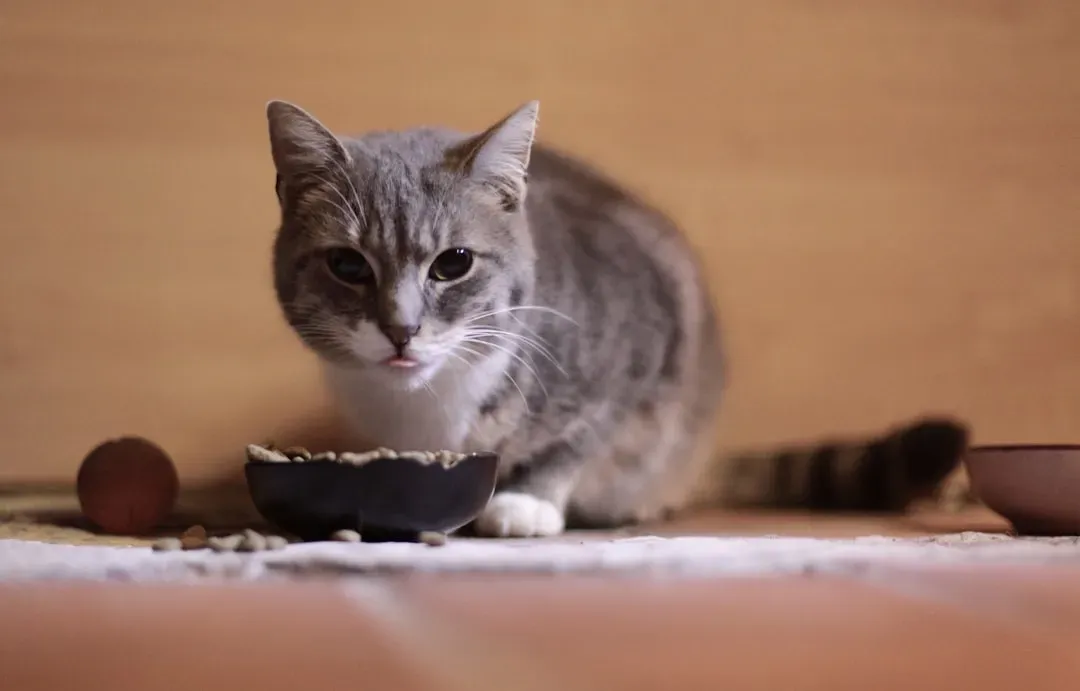
It’s easy to shrug off a senior cat’s smaller appetite as “slowing down,” especially if they still show up at mealtimes. But if your cat seems hungry, approaches the bowl, then hesitates, chews strangely, or walks away after a bite or two, dental disease or nausea may be in play. Dental pain is extremely common in older cats and can make every chew hurt, even if they’re eating soft food.
Watch for subtle changes: your cat might tilt their head while chewing, drool a little, drop kibble on the floor, or paw at their mouth. They might also start preferring one side of their mouth. These are not quirks you simply accept. With dental care and pain control, many senior cats start eating more comfortably again, and their energy and mood often improve in ways that surprise you.
12. Throwing Up “More Often Than Before”
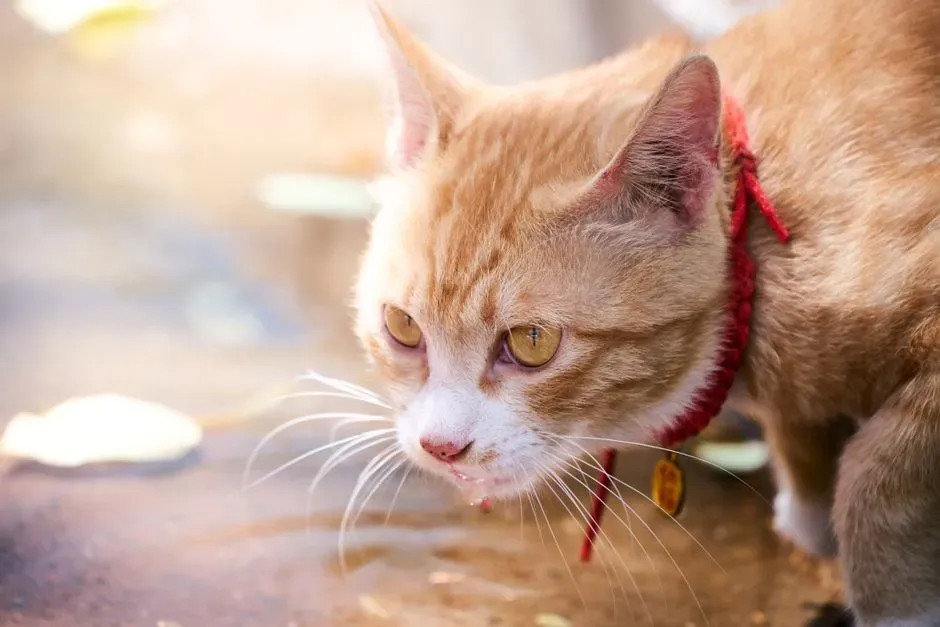
You’ve probably heard people say that cats just vomit sometimes, and a rare hairball truly can be normal. But when an older cat vomits more regularly – even once every week or two – that’s not something you should write off as normal aging. Repeated vomiting can be linked to kidney disease, hyperthyroidism, inflammatory bowel disease, food sensitivities, or more serious gastrointestinal problems.
Because cats hide illness so well, vomiting is often one of the few visible clues that something is wrong. It helps to notice patterns: Is it mostly right after eating? Is there bile, foam, or food? Does it coincide with weight loss, changes in appetite, or diarrhea? Instead of changing food randomly over and over, bring these details to your vet to help them sort out what’s really going on.
13. Walking a Bit Wobbly or Stiff and “Robot-Like”
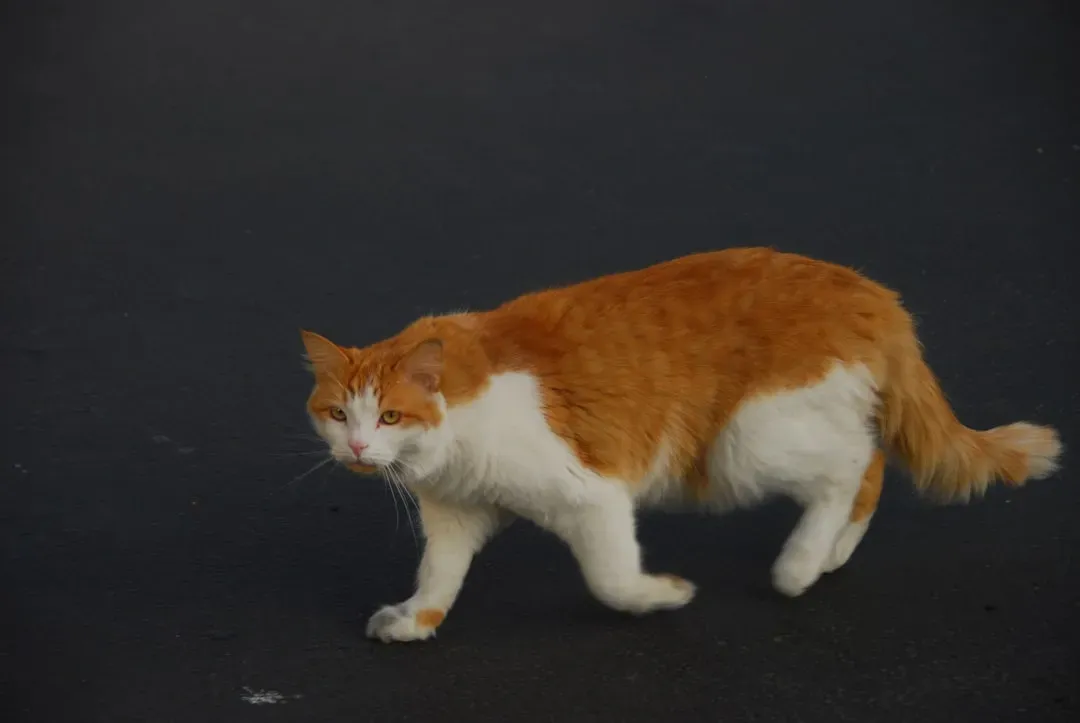
If your cat’s walk looks a little off, you might chalk it up to stiff old joints and assume nothing can be done. A senior cat that walks more carefully, with shorter steps, or sways slightly can indeed have arthritis, but wobbly movement can also point to nerve issues, inner ear problems, or even heart or blood pressure troubles. None of those should be dismissed as simple aging.
You might notice your cat taking longer to go up stairs, pausing halfway, or slipping more often when they land. Their nails may overgrow because they are not moving and scratching as much. These gait changes are like your car making a strange new noise: you might still be able to drive it, but ignoring the noise rarely works out well. Early treatment can ease pain and sometimes prevent more serious losses of mobility.
14. Breathing a Little Faster or Harder Than Before
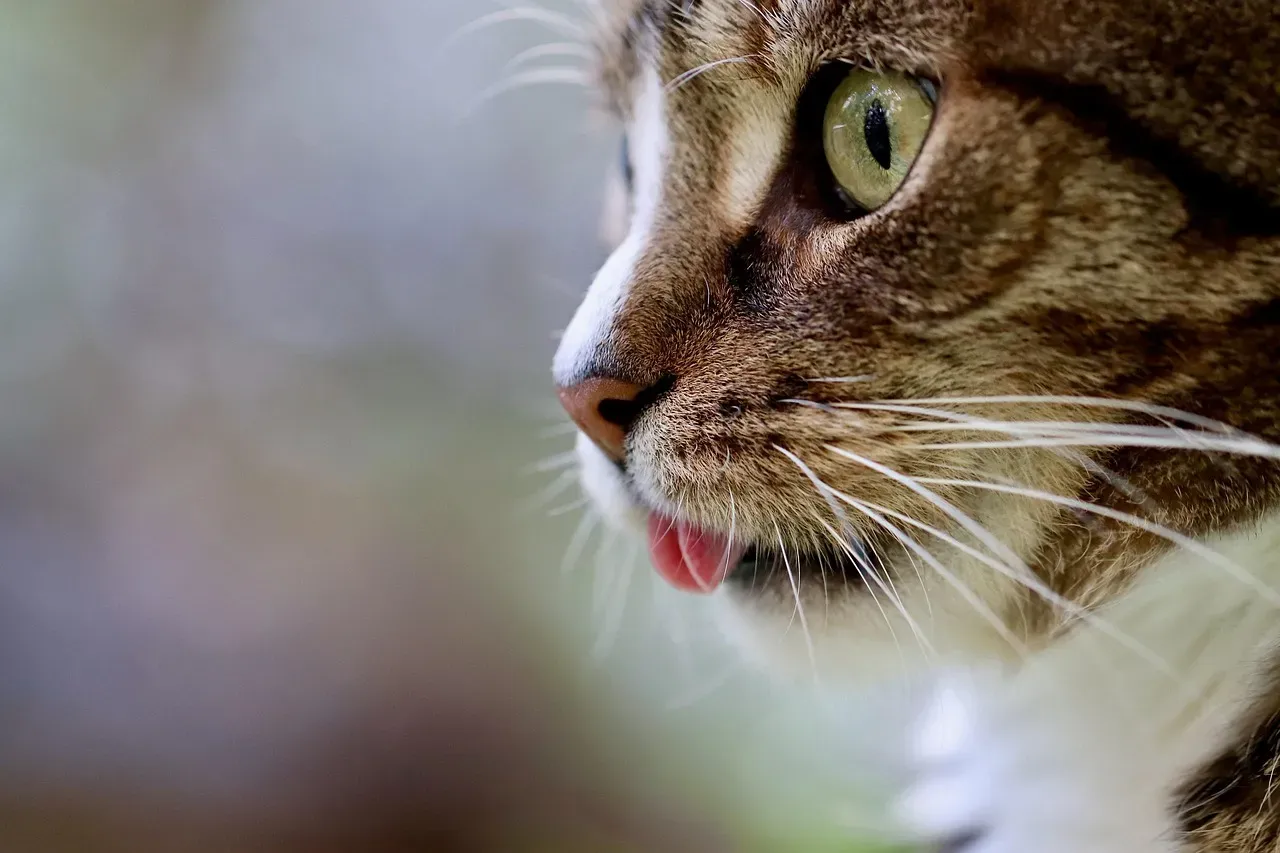
Most people do not sit around counting their cat’s breaths, so subtle breathing changes are easy to miss or blame on age. If your cat is breathing a bit faster at rest, seems to use their belly muscles more, or pants after mild exertion, that can point to heart or lung problems. Because cats are experts at hiding respiratory distress, by the time it looks dramatic, it’s often an emergency.
Take a quiet moment when your cat is truly resting and count their breaths for a full minute. If the number has gone up significantly compared to their younger years, or if it often seems high when they are just lounging, that’s worth discussing with your vet. Breathing changes are never something to simply accept as an “old cat thing,” especially when catching heart or lung disease early can change the course of the illness.
15. Acting Like the World Is Louder, Darker, or Scarier
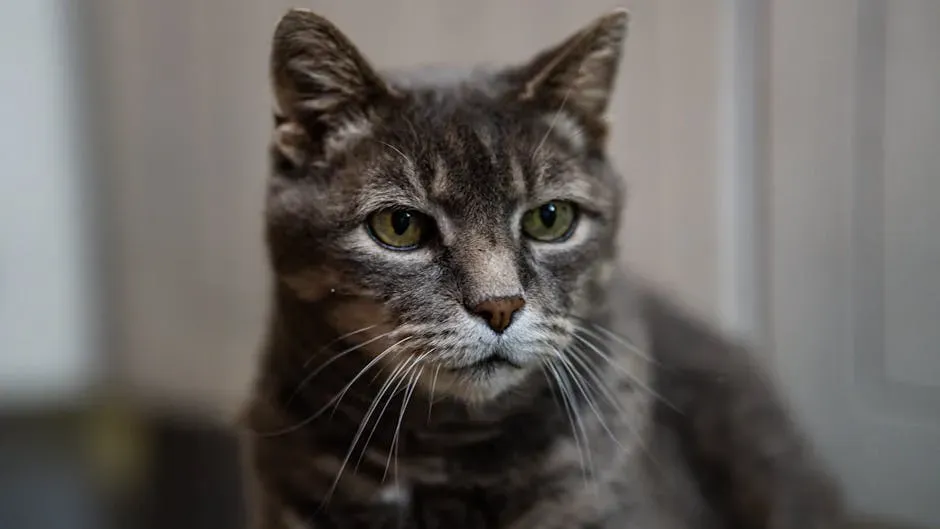
Sensory changes in older cats – hearing loss, vision decline, even changes in smell – often show up as behavior you might mistake for grumpiness or stubbornness. A cat that startles more easily, hisses when you approach from the side, or seems reluctant to move in low light may not be rude; they might not see or hear you clearly. Some cats also become more anxious as their senses fade and their confidence drops.
You may notice your cat stops wanting to go outside, hesitates at the top of stairs, or needs you to call them louder or get closer before they respond. Instead of pushing them to act like they used to, you can adapt their environment: more night lights, predictable routines, gentle approaches, and safe, quiet resting spots. Pair that with a vet exam to rule out treatable ear, eye, or neurological problems, and you make their final years feel safer, not just older.
Conclusion: Aging Is Normal, Suffering Is Not
Living with a senior cat can feel like walking a tightrope between acceptance and action. You know your cat will slow down, nap more, and change a bit – that’s part of sharing a long life together. But when you start recognizing the difference between normal aging and silent illness, you stop dismissing things that actually can be helped, and your cat gets to grow old with far more comfort and dignity.
If any of these signs sound familiar, it does not mean you’ve failed your cat; it just means you’re ready to see them more clearly now. The best next step is simple: pay attention, jot down what you notice, and talk to your vet sooner rather than later. You might be surprised at how much better your “old” cat can feel when their pain and disease are treated – and how many more good days that can give you both. Which of these “old cat habits” will you look at differently from now on?
Kristina is a young writer from India. An arts graduate and an avid content creator, Kristina is passionate about animals and wildlife. She enjoys exploring topics related to pet care, animal behavior, conservation, and nature, combining thorough research with engaging storytelling.