You’re relaxing on the couch, your cat is purring, you’re both in the zone…and then, out of nowhere, chomp. It can feel confusing, a little hurtful, and honestly kind of rude. You were just trying to be loving, so why did your sweet fluff ball suddenly turn into a tiny shark with fur?
The truth is, those surprise bites usually make perfect sense from your cat’s point of view. When you start to understand how your cat’s body language, instincts, and emotions work, those confusing moments turn into clear messages you can actually read. And once you can read them, you can prevent a lot of those sudden, painful nips.
Overstimulation: When “Feels Good” Turns Into “Too Much”
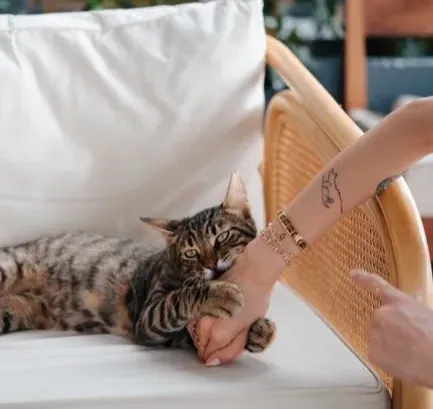
One of the most common reasons your cat bites you mid-pet is simple: you kept going after their body was already done. Petting can start out pleasant but gradually become overwhelming, almost like someone tapping your shoulder over and over again. Your cat’s nervous system gets flooded, and what started as relaxing suddenly feels irritating or even threatening.
You usually see this during long petting sessions, especially on sensitive areas like the lower back, tail base, or belly. Your cat might still be purring, but inside they’re sliding from “this is nice” into “I’ve had enough,” and a bite is the clearest way they know to stop you. If you learn to stop petting a bit earlier, you’ll often prevent that flip from bliss to bite.
Missed Warning Signs in Your Cat’s Body Language
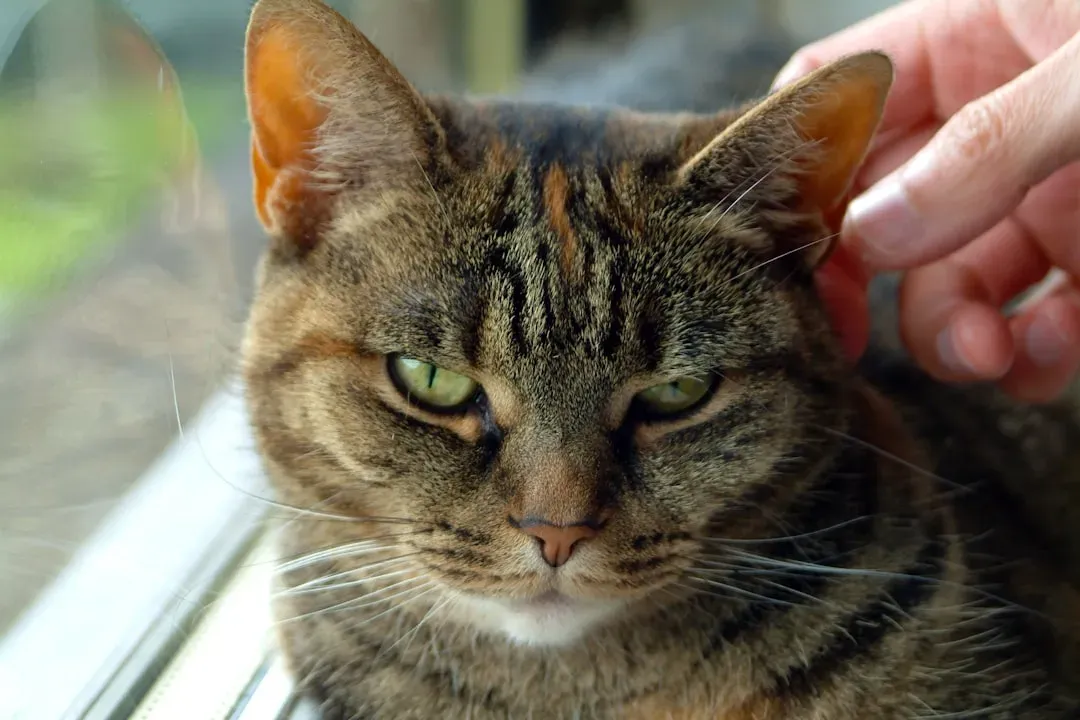
Your cat almost never goes straight from calm to bite with no warning; you just don’t always catch the message in time. Before that nip, their tail may start flicking, their skin might twitch under your hand, their ears might shift sideways, or their body may tense up. These tiny changes are your cat whispering that they’re running out of patience.
If you ignore those early signals, the bite becomes the last resort that finally gets your attention. Once you start watching for those subtle cues, you can treat them like a yellow light: pause your petting, give your cat space, or switch to a gentler spot. Over time, you’ll get quicker at noticing the signs, and the “random” bites won’t feel so random anymore.
Petting Sensitive or “Off-Limits” Areas
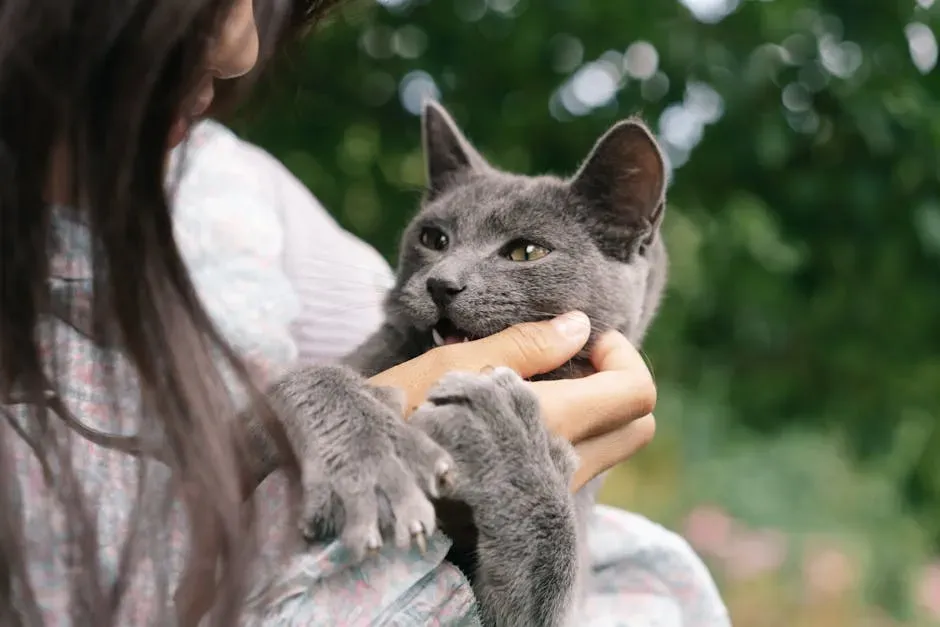
Not every part of your cat’s body feels the same to them, and some spots are basically a no-go zone. Many cats dislike being touched on their belly, paws, tail, or directly on their legs, even if they seem relaxed overall. These areas can feel vulnerable or simply too intense, so what feels like affection to you might feel like a boundary crossing to them.
You might notice that your cat is perfectly fine with head scratches but turns twitchy or snappy when your hand drifts along their back or near their tail. When that happens, the bite is their way of saying “not there” rather than “don’t touch me at all.” If you focus on the places they truly enjoy – like under the chin, along the cheeks, or at the base of the ears – you’ll get more purrs and fewer teeth.
Play Biting and Confusing Affection With Playtime

Sometimes your cat bites you during petting because, in their head, you’ve accidentally started a game. If you’re wiggling your fingers, moving your hand quickly, or petting in short, choppy motions, your cat may switch from “cuddle mode” to “hunt mode” without you realizing it. To them, your hand starts to look like prey, and chasing, grabbing, and biting is just normal cat behavior.
If your cat also bunny-kicks your arm with their back legs while biting, that’s a big sign you’ve slipped into play territory. When that happens, it helps to calmly withdraw your hand and redirect that energy to a toy instead of punishing them. You’re not dealing with a mean cat, just a cat who thought the cuddle session suddenly turned into wrestling practice.
Redirected Frustration or Stress
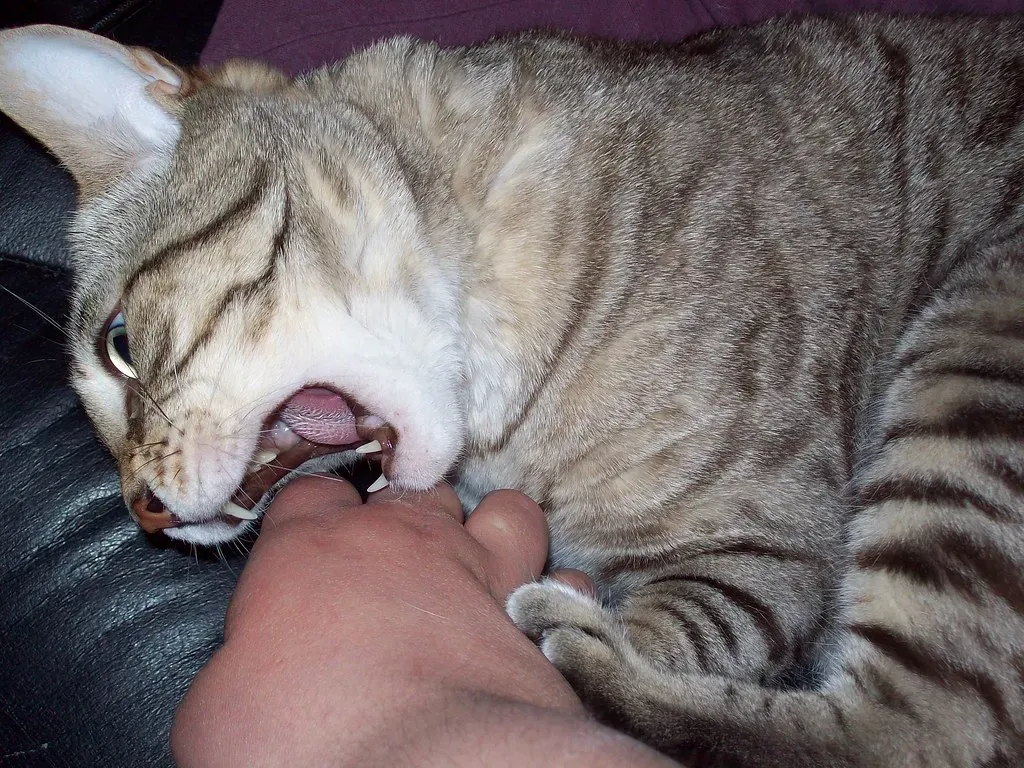
There are times when your cat bites you during petting and it has nothing to do with your touch at all. Maybe they just saw another cat outside, heard a loud noise, or smelled something strange and felt stressed or agitated. When you reach in to pet them at that moment, they might redirect that pent-up tension onto the closest thing – your hand.
It can feel personal, but it really isn’t about you; it’s about your cat not knowing what to do with all that sudden energy. If your cat seems keyed up, pupils wide, tail flicking, or body stiff, that’s not the moment to start a calm petting session. In those situations, giving them a little space, a safe hiding spot, or a chance to explore and settle can prevent those quick, stress-fueled bites.
Pain, Discomfort, or Hidden Medical Issues
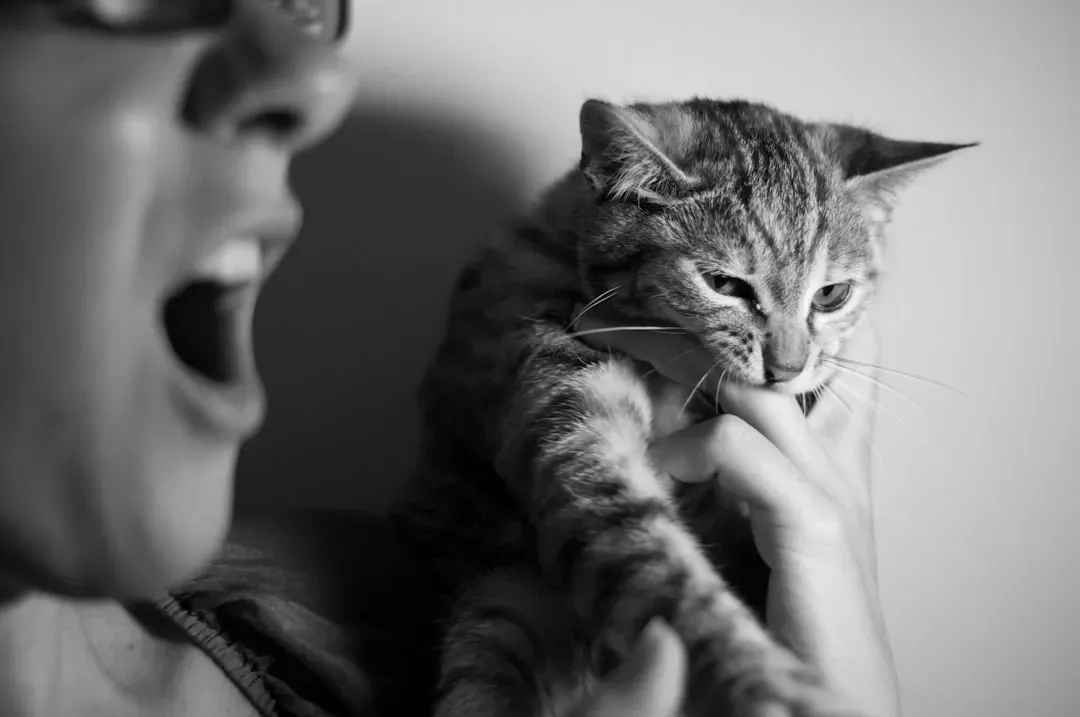
Sometimes that sudden bite is not about mood at all – it’s about pain. If your cat winces, flinches, or bites when you touch a specific area (like their back, hips, or near the tail), they might be dealing with arthritis, skin irritation, an injury, or another medical issue. You may just think you’re stroking them normally, while they feel a sharp jolt of discomfort.
If the biting is new, has become more frequent, or seems tied to a certain spot or pressure, it’s worth taking your cat to your vet for a checkup. You’re not being overprotective; you’re just listening to your cat’s way of saying something hurts. Catching pain early can make your cat more comfortable and also make those unpleasant petting-bite moments disappear.
Your Cat’s Personality and Early Experiences
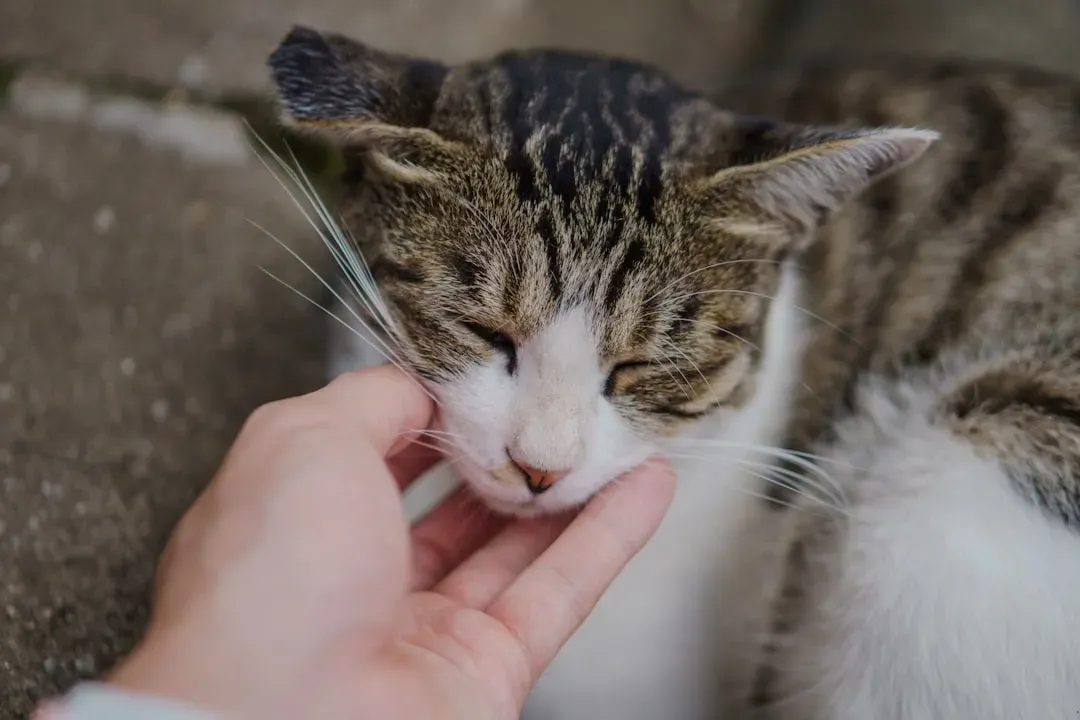
Just like people, some cats are naturally more touchy, while others are more hands-off. If your cat didn’t grow up being handled gently or had rough experiences with people, they might tolerate only short bursts of petting before feeling overwhelmed. A bite in that case is more of a firm boundary than an aggressive attack.
You might notice that your cat is fine with brief, predictable pets but reacts badly to long sessions or surprise touches. Respecting their personal history and comfort level, and slowly building up trust over time, can gently stretch their tolerance. You may never turn a hands-off cat into a total cuddle magnet, but you can make them feel safer and less likely to lash out.
How to Pet Your Cat in a Way They Actually Enjoy
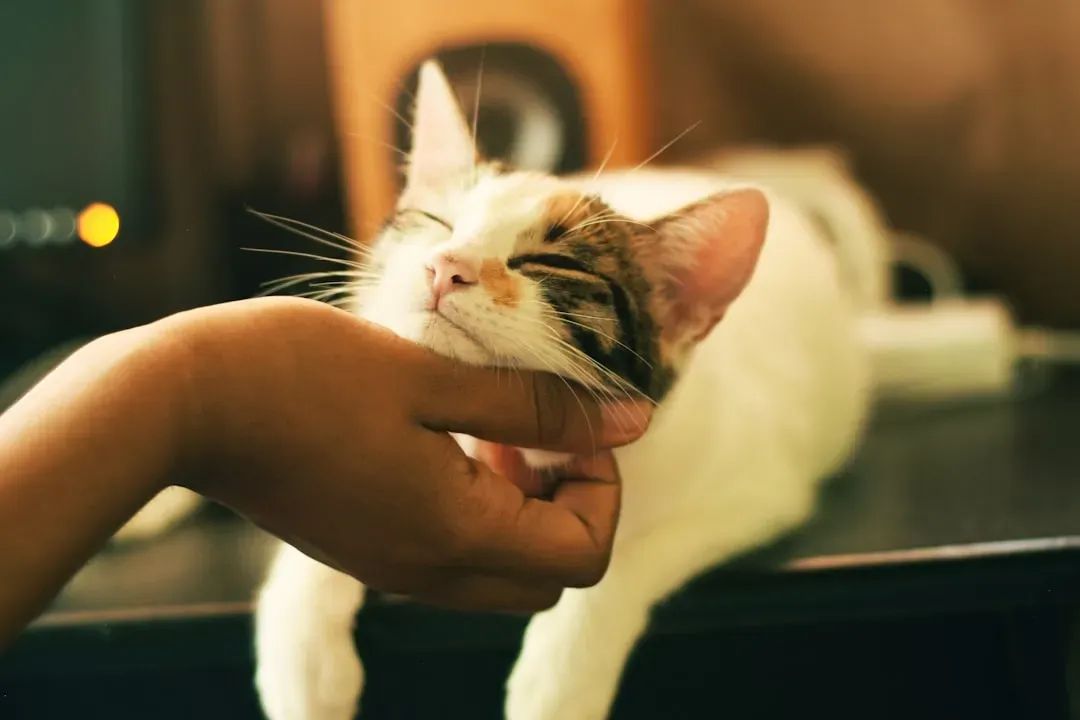
If you want fewer bites, it helps to think of petting as a conversation, not a one-way action. Let your cat approach you first, and start with a few slow strokes on the head, cheeks, or under the chin. Then pause and see what they do – if they lean in, nudge your hand, or stay close, you’ve got the green light to continue.
Try keeping most petting sessions shorter than you think you need, especially along the body or near the tail. Practice ending on a positive note instead of waiting until your cat explodes with a bite. Over time, your cat will learn that your touch feels safe, predictable, and respectful, and they’ll often come back asking for more.
What to Do Right After Your Cat Bites You
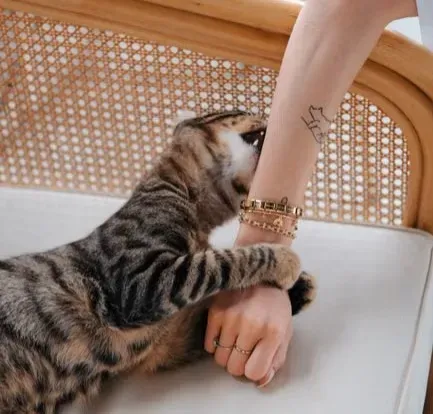
When your cat sinks their teeth into you, your first reaction is probably to yank your hand back and yell – but that usually makes things worse. Quick movements and loud noises can amp up your cat’s fear or arousal and may even turn a quick warning nip into a full-on attack. Instead, try to calmly freeze for a second, then slowly move your hand away without making a big scene.
After that, give your cat some space and resist the urge to punish or scold them. From your cat’s point of view, they just communicated a boundary; punishment only makes you seem more unpredictable. Later, when everyone’s calm, think back to the signals and situation leading up to the bite so you can adjust what you do next time.
Conclusion: Turning Bites Into Clues, Not Betrayals
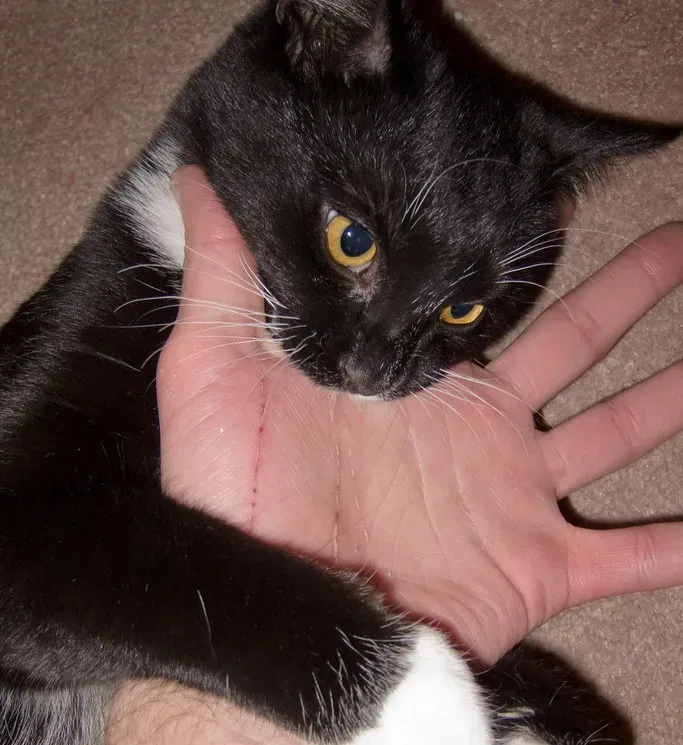
When , it’s easy to take it as a betrayal or assume they’re just moody or mean. In reality, most of those bites are perfectly logical once you understand overstimulation, stress, pain, play, and your cat’s personal boundaries. Your cat is not turning on you; they’re speaking in the only language they have.
The more closely you pay attention to their body language, preferences, and patterns, the more you can prevent those painful surprises and build real trust. That little bite you used to resent can become a reminder to listen more closely instead of pushing ahead. Next time your cat’s tail twitches under your hand, will you ignore it – or treat it like the quiet, honest message it is?
Kristina is a young writer from India. An arts graduate and an avid content creator, Kristina is passionate about animals and wildlife. She enjoys exploring topics related to pet care, animal behavior, conservation, and nature, combining thorough research with engaging storytelling.