You know that feeling when your cat marches up, bumps their head into you, and then casually walks away like nothing happened? It feels sweet and a bit random, but animal science says there’s a lot more going on than a simple request for pets. That gentle nudge is actually packed with information about how your cat sees you, your home, and even themselves. Once you start to understand what head rubbing really means, you’ll never look at those little bonks the same way again. You’re not just being used as a convenient scratching post; you’re being woven into your cat’s social world, one soft head bump at a time. Let’s break down what is really happening every time your cat presses their face against you.
Your Cat Is Marking You as Part of Their “Safe Zone”
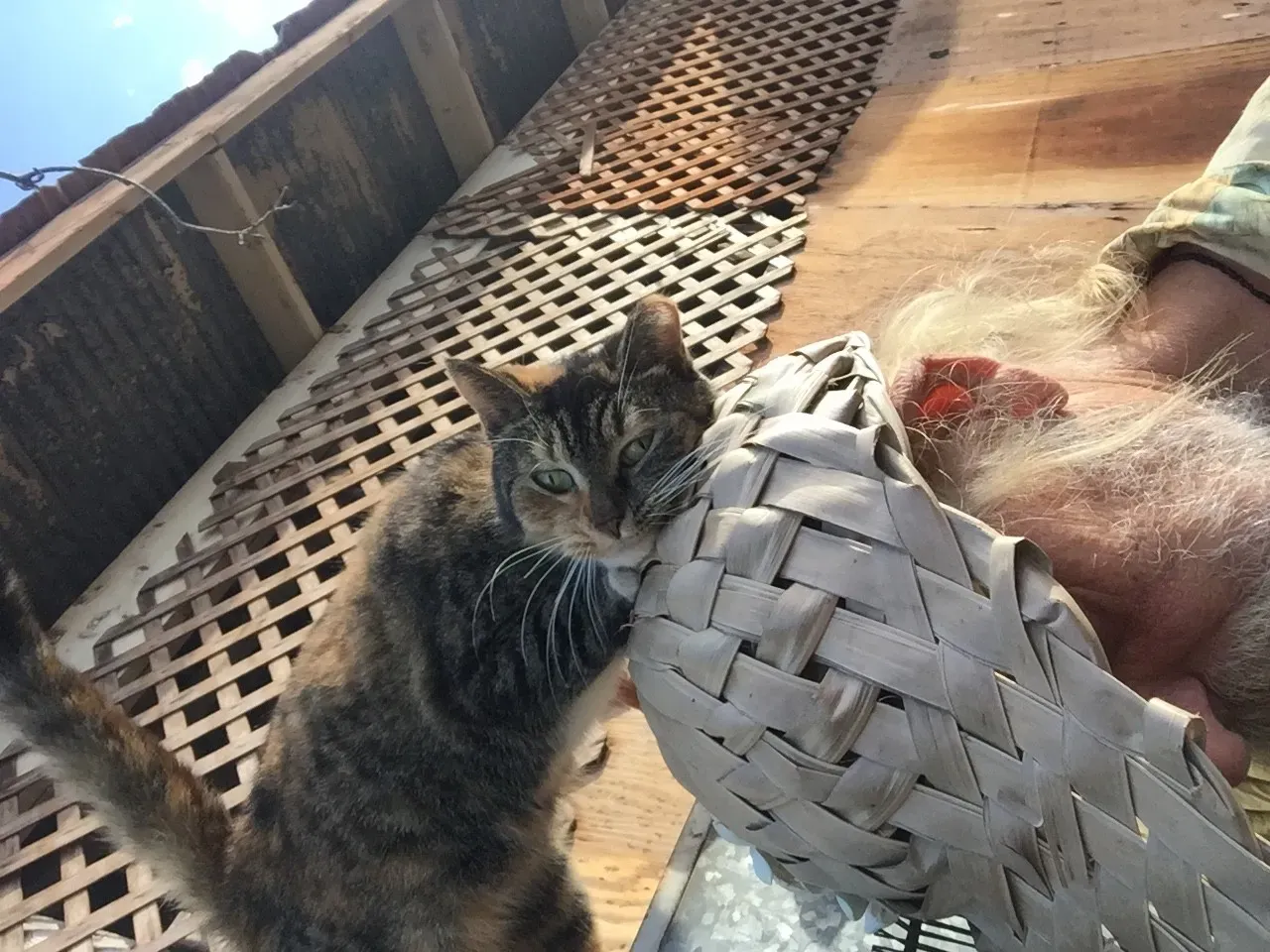
When your cat rubs their head against you, they’re not just being cute; they’re actually using scent glands on their cheeks, chin, and forehead to mark you with their own scent. To you, that moment feels like affection, but to your cat, it’s also a way of saying that you belong in their trusted, familiar space. In a world that can feel unpredictable, building a shared scent profile with you makes their environment feel safer and more stable.
You can think of it like a quiet, invisible security system your cat is constantly updating. By gently coating you in their scent, they’re reducing “strange” smells and reinforcing a comforting, familiar one. So, when your cat head-butts your leg as you walk in the door, they’re not just saying hello; they’re also resetting you back into their category of “this smells like home, this is mine, and I feel okay around this.”
Head Rubbing Is a Social Bonding Ritual, Not Just Affection
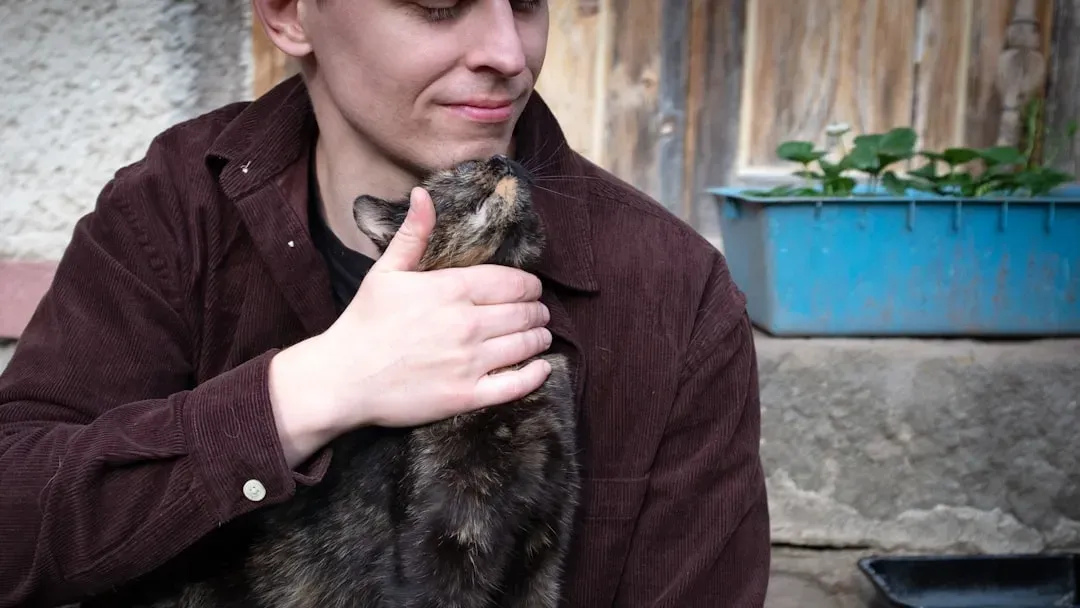
In cat groups, friendly cats often rub their heads and bodies along each other in a behavior called allorubbing. When your cat does that to you, they’re effectively treating you like another cat in their social circle. You’re not just a food dispenser in their eyes; you’re a member of their small, selective social group, and that’s a big deal for a species that can be naturally cautious.
This kind of physical contact helps maintain social harmony and emotional closeness in multi-cat households, and the same applies between you and your cat. Every time your cat bunts their head into your hand, arm, or even your face, they’re renewing that social contract: you’re okay, we’re okay, and I want you in my world. You may not notice it, but over time, those tiny moments stitch together a very real, very deep bond.
Your Cat’s Scent Is a Quiet Conversation You Can’t Smell
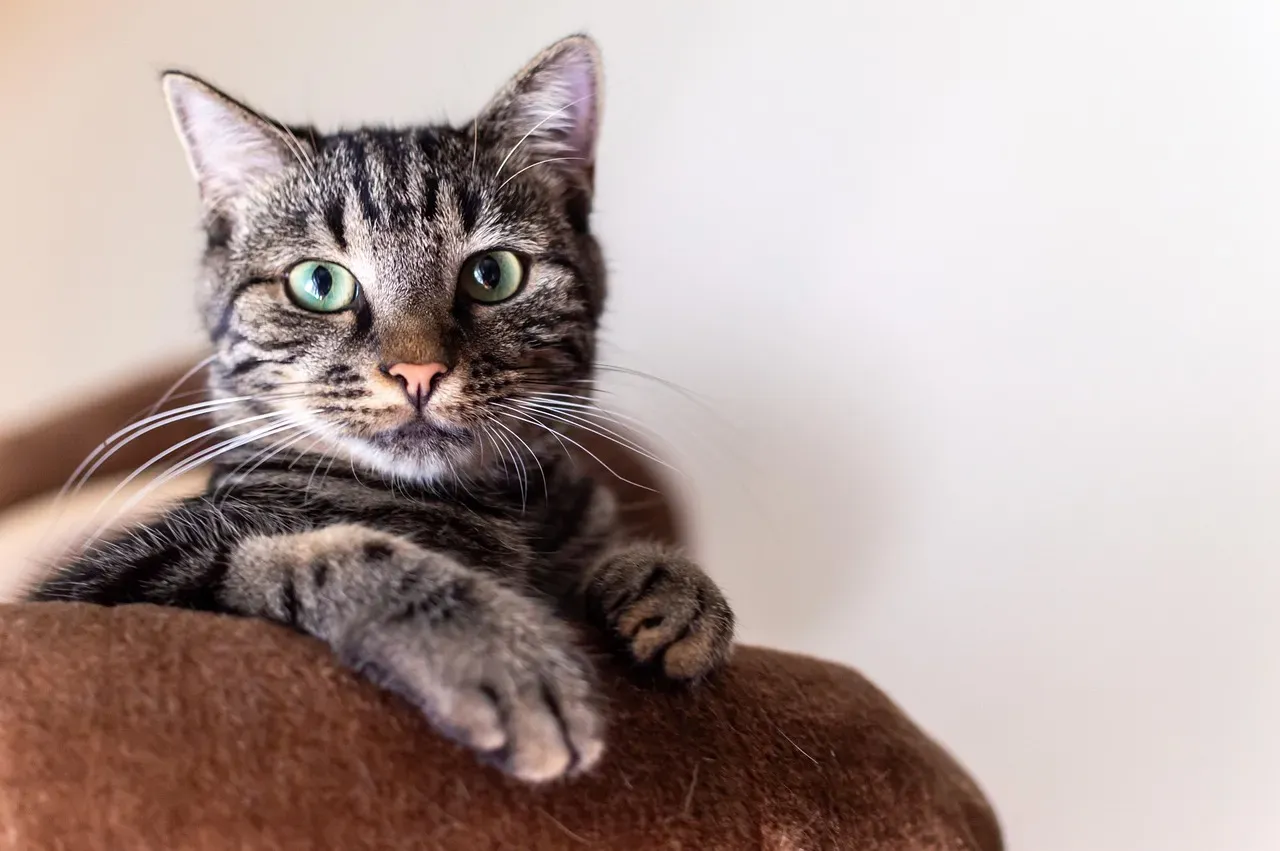
To you, your home might just smell like laundry detergent and whatever you cooked last night, but to your cat, it’s a layered map of scents and messages. When they rub their head against you, the couch, the door frame, and even your laptop, they’re leaving behind chemical signals that they can read later. You may not detect a single thing, but your cat is essentially writing notes to themselves through scent.
These scent marks tell your cat that this place has been checked, claimed, and is probably safe. When they rub you and then move on to another object, they’re blending your scent with theirs, turning the whole space into something that feels cohesive and familiar. It’s like your cat is quietly saying, “This is our place, and you’re part of it,” even though you’ll never smell the message yourself.
Head Butts Can Be a Sign of Trust and Emotional Security

If your cat pushes their head into your face or leans their forehead firmly into your hand, that’s not casual behavior. The face, especially around the eyes and ears, is a vulnerable area for a cat, and offering it to you shows a high level of trust. They’re allowing you into their personal bubble, which for many cats is something they guard very carefully.
You might notice that your cat is more likely to offer these strong head butts when they’re already relaxed – maybe when you’re both on the couch or when they’re purring. That combination of soft body language and intentional contact signals that they feel emotionally safe with you. In a way, every nudge is a brief but powerful reminder: “I feel secure enough around you to let my guard down.”
Sometimes, They’re Redirecting Stress or Seeking Reassurance
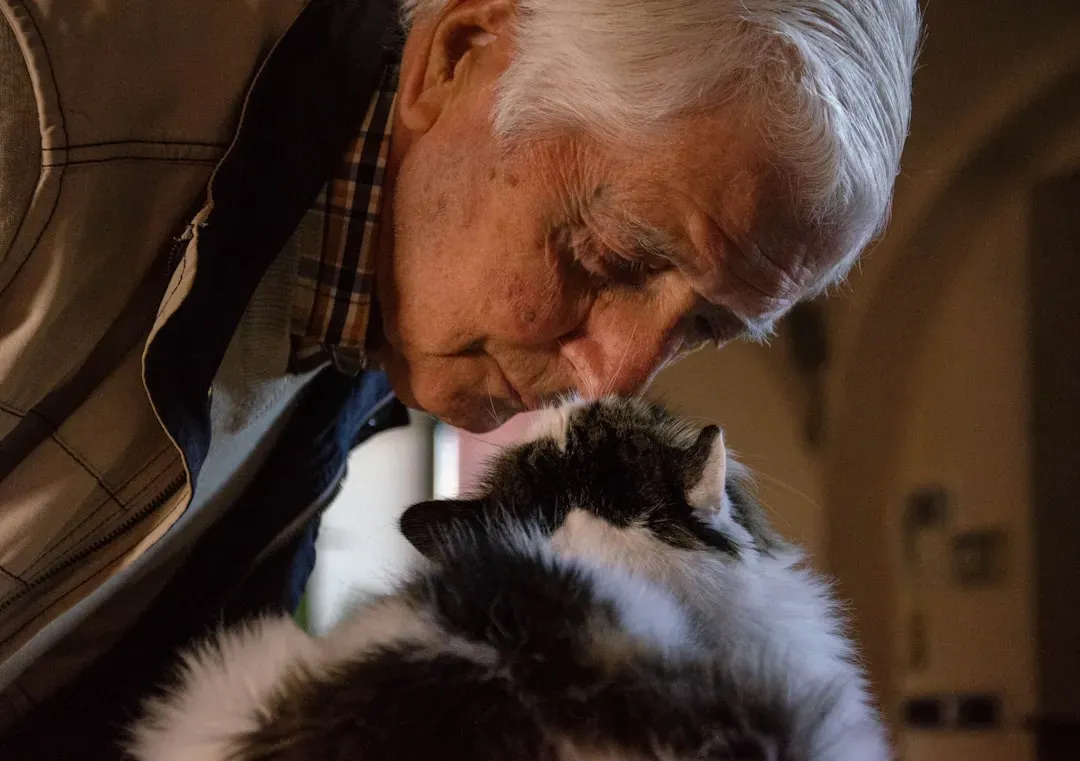
Not every head rub comes from pure calm happiness; sometimes your cat uses you like an emotional anchor. If they’ve just heard a loud noise, met a new visitor, or noticed another animal outside, they might come over and press their face or head into you more insistently. In those moments, the behavior can be a way of self-soothing and grounding themselves through your familiar scent and touch.
You might see this especially after vet visits, moves, or changes in the household. Your cat may rub on you more often or for longer, as if trying to cover up strange smells and pull things back into their comfort zone. When you respond gently – speaking softly, offering a calm hand, and letting them choose how close to get – you’re reinforcing the idea that you’re their safe base, not just a background character.
Rubbing on You Is Also About Territory, but Not in a Possessive Way
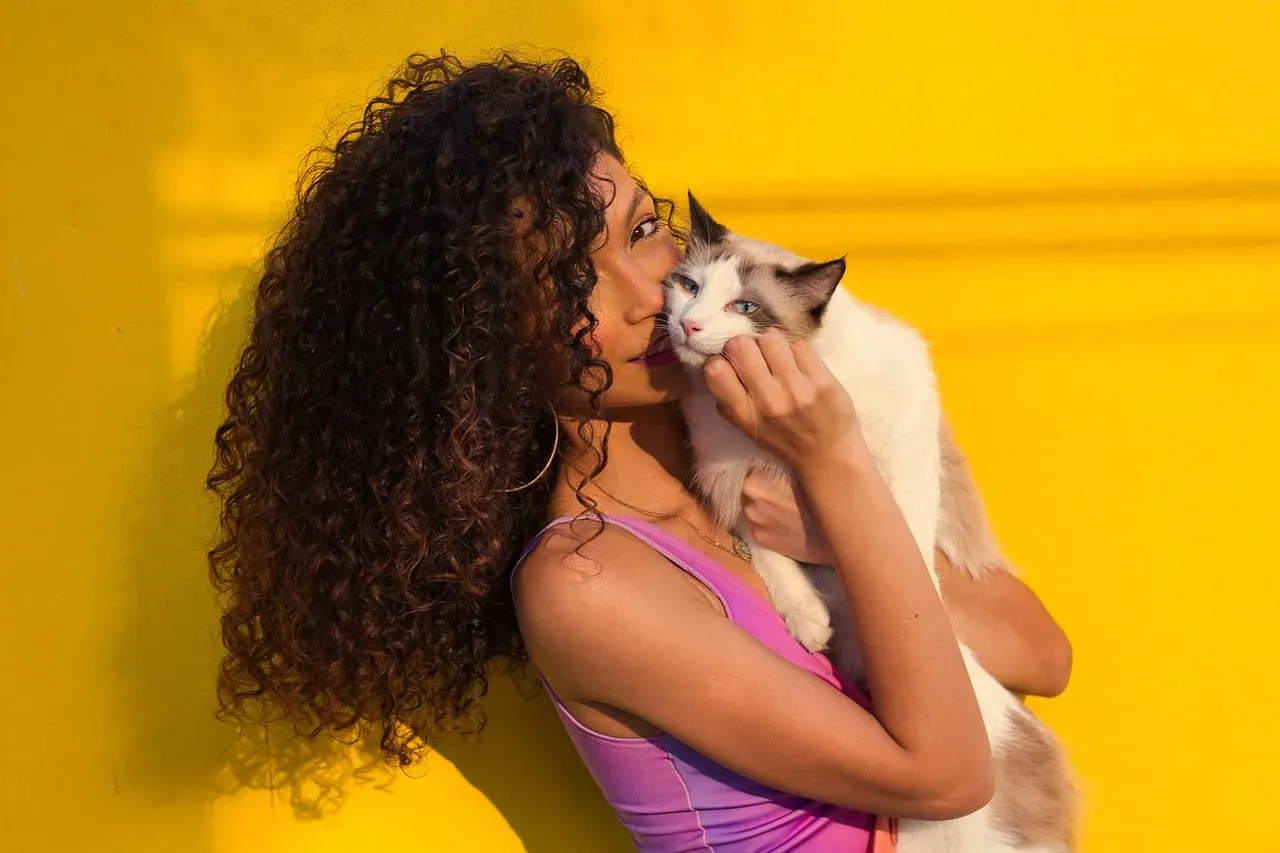
When you hear the word “territory,” you might picture something aggressive, but for cats, territorial behavior can be very subtle and routine. Head rubbing is one of the least confrontational ways your cat manages their space; instead of scratching or spraying, they’re quietly labeling you and parts of your home with scent. To them, that’s just good housekeeping, not a power move.
By marking you, your cat is essentially filing you under “known and acceptable.” This can actually reduce stress and conflict, especially if there are other cats or animals in the environment. If everyone shares some scent overlap, there’s less reason to see each other as total strangers, and that can keep tension down. From your cat’s point of view, they’re not exactly owning you – they’re integrating you into their world so everything fits together more peacefully.
Body Language Around Head Rubbing Tells You What It Really Means
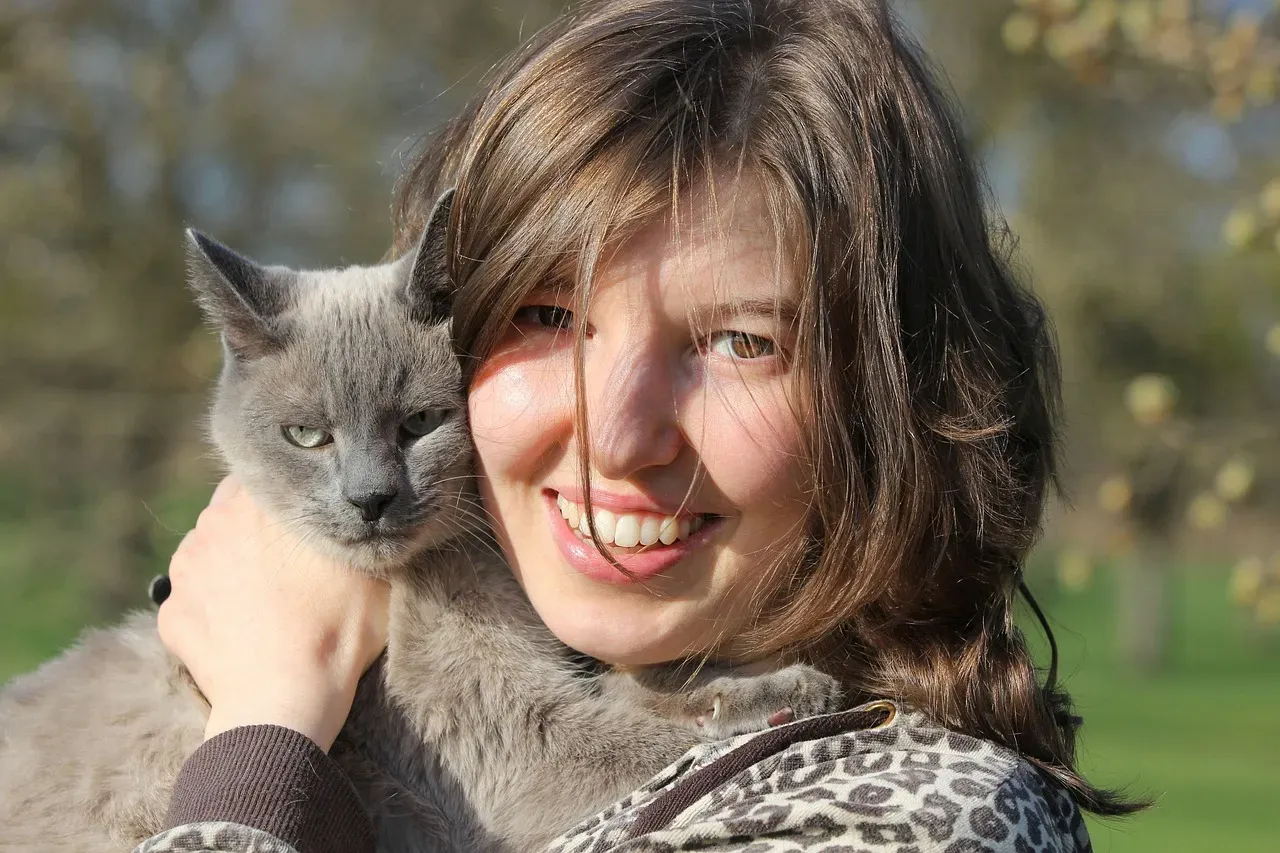
The head rub itself is only part of the story; the rest of your cat’s body language fills in the gaps. If you see a gently swaying tail, soft eyes, slow blinks, and loose shoulders along with those head bumps, you’re looking at a calm and content cat. In that case, the behavior is mostly social bonding and comfort, and you can safely lean into it and enjoy the affection.
On the other hand, if the head rubbing is fast, restless, and paired with a twitching tail or wide pupils, your cat might be a bit keyed up. They could still be using you for reassurance, trying to regulate their nerves through scent and contact. When you start paying attention to those small signals, you’ll get better at reading when your cat is simply greeting you and when they’re actually asking for a bit of emotional support.
When Head Rubbing Changes, Your Cat Might Be Telling You Something Is Off
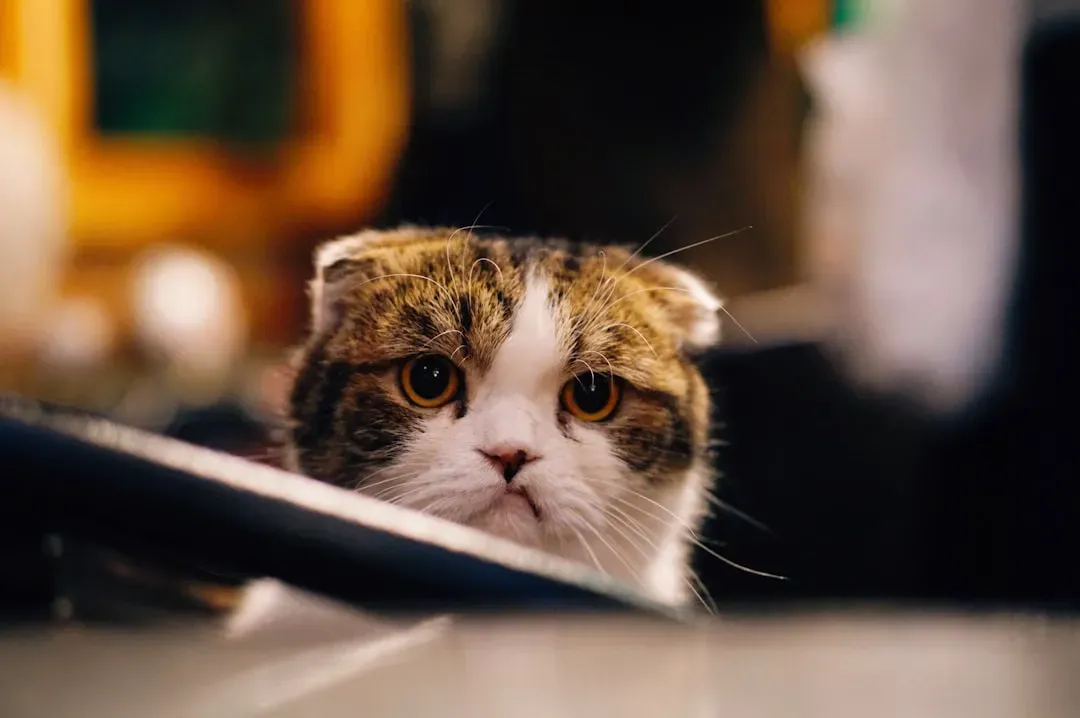
Because head rubbing is so deeply tied to comfort and normal routine, a sudden change in this behavior can be a subtle warning sign. If a cat that usually head butts you several times a day suddenly stops, withdraws, or even reacts as if their face is tender, it may be worth paying attention. Discomfort from dental issues, ear problems, or facial pain can make head rubbing less appealing or even unpleasant.
The opposite can also be true: a sharp increase in clingy, insistent rubbing might hint at rising anxiety or a shift in the household that your cat is struggling to process. You do not need to panic over every tiny change, but you’ll be in a better position if you treat these shifts as useful data rather than ignoring them. Your cat might not use words, but adjustments in their favorite behaviors, like head rubbing, can act like soft alarm bells you’re invited to notice.
How You Respond Can Strengthen or Weaken the Bond
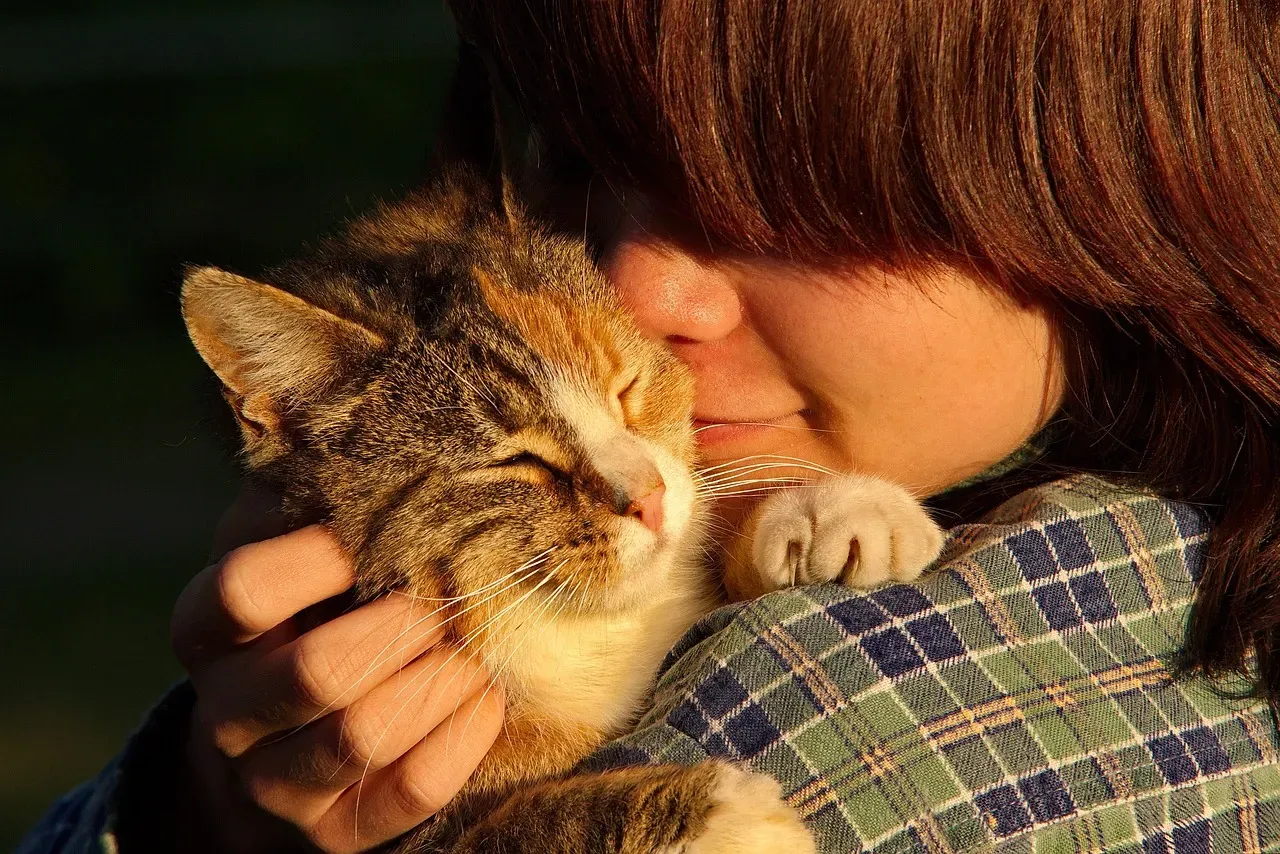
The way you react when your cat rubs their head on you actually shapes how meaningful the ritual becomes over time. If you consistently respond with gentle touch, calm attention, or simply staying present without shoving them away, you’re reinforcing that this is a safe, rewarding interaction. Your cat learns not just that you smell familiar, but that approaching you leads to predictably positive experiences.
If you frequently push them off, pick them up against their will, or suddenly shift from gentle to rough play, they may become more hesitant about using head rubbing as a greeting or comfort behavior. You do not have to drop everything every single time, but offering steady, respectful responses tells your cat that their small, vulnerable gestures are seen and accepted. Over months and years, that consistent kindness turns a simple head bump into a powerful pillar of trust between you and your cat.
Conclusion: A Simple Head Bump Is a Whole Hidden Language
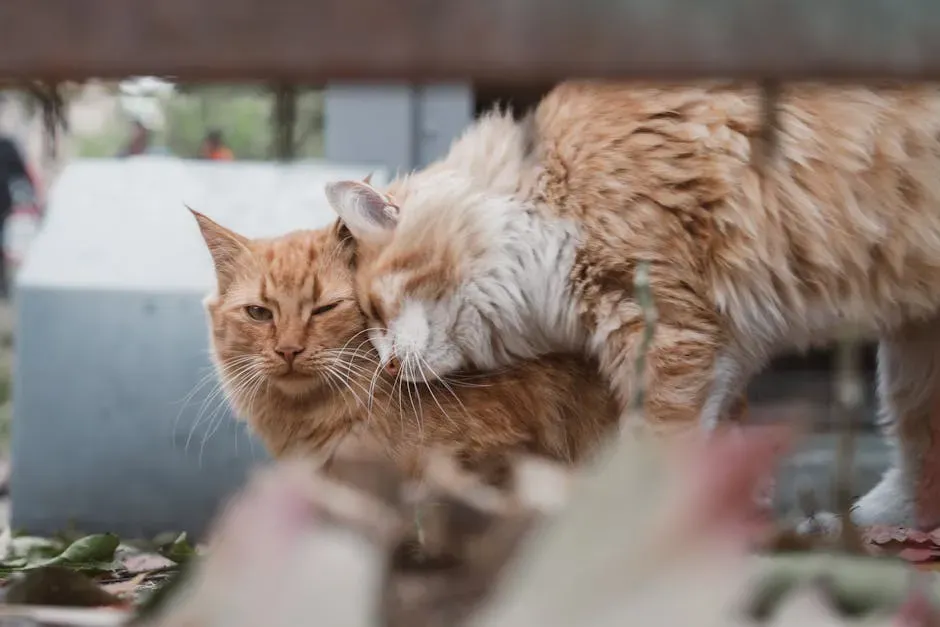
The next time your cat strolls over and presses their forehead into your hand or your cheek, you’ll know it’s not just a casual nudge. You’re being marked as safe, woven into their scent map, and invited into a quiet social ritual that cats usually reserve for those they truly trust. It is part affection, part communication, part emotional self-care, and altogether more complex than it looks.
When you slow down and treat those little moments like a language instead of a random quirk, your relationship with your cat starts to feel richer and more mutual. You’re not just a bystander; you’re actively participating in how your cat builds safety, territory, and connection. So, the next time you feel that soft, insistent head against you, ask yourself: now that you know what it really means, will you respond any differently?
Kristina is a young writer from India. An arts graduate and an avid content creator, Kristina is passionate about animals and wildlife. She enjoys exploring topics related to pet care, animal behavior, conservation, and nature, combining thorough research with engaging storytelling.