15 Ways Your Indoor Cat Keeps You Company More Than Any Pet Ever Could
Everyone assumes the dog person wins the loyalty argument. Then researchers started measuring what actually happens inside a cat owner's body, and the results flipped that assumption on its head.
From heart attack risk to childhood empathy, cats keep showing up in study after study doing something remarkable that almost nobody gives them credit for. Here are the 15 ways your indoor cat is quietly outperforming every other pet you've ever owned, starting with something science can measure in ten minutes flat.
#15 - They Reset Your Nervous System Faster Than a Meditation App
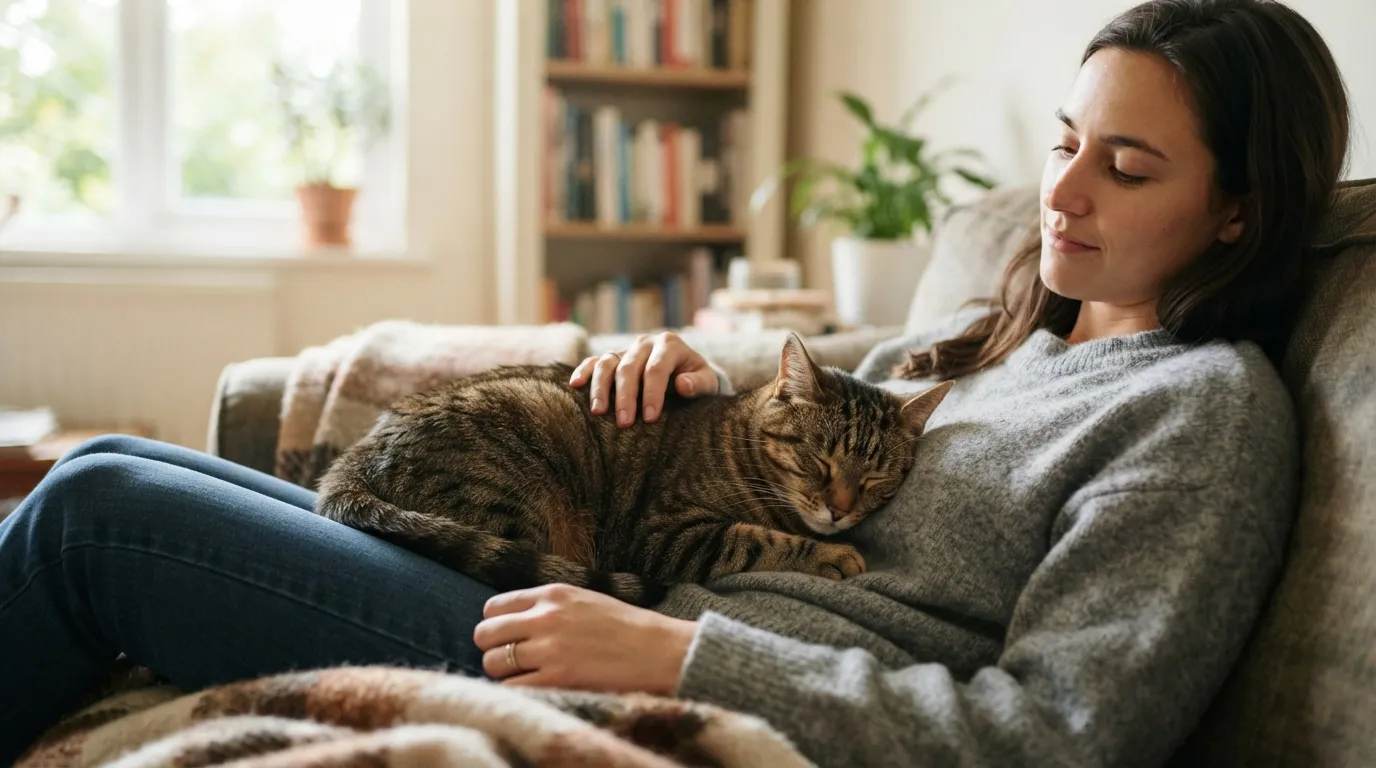
Your cat isn't just sitting on your lap. It's actively pulling your body out of fight-or-flight mode.
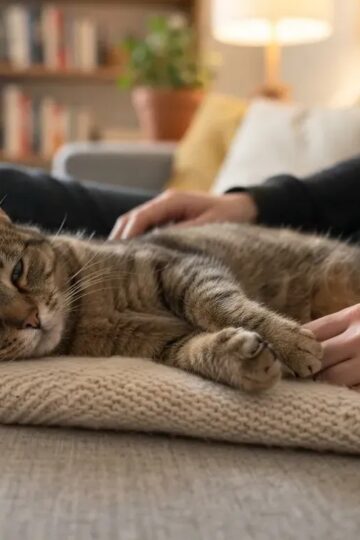
College students who petted a cat for just 10 minutes a day showed measurably lower cortisol, the hormone tied directly to stress. That's a faster result than most wellness apps promise.
Here's the part that surprised researchers: a 2023 Japanese study found that same 10-minute window also spiked oxytocin, the so-called love hormone. Cortisol down, oxytocin up, at the same time, from one lap session.
Your cat isn't being lazy on your chest. It's doing chemical work on your behalf.
Stick around, because the next one gets even stranger.
#14 - Their Purr Works Like a Piece of Medical Equipment
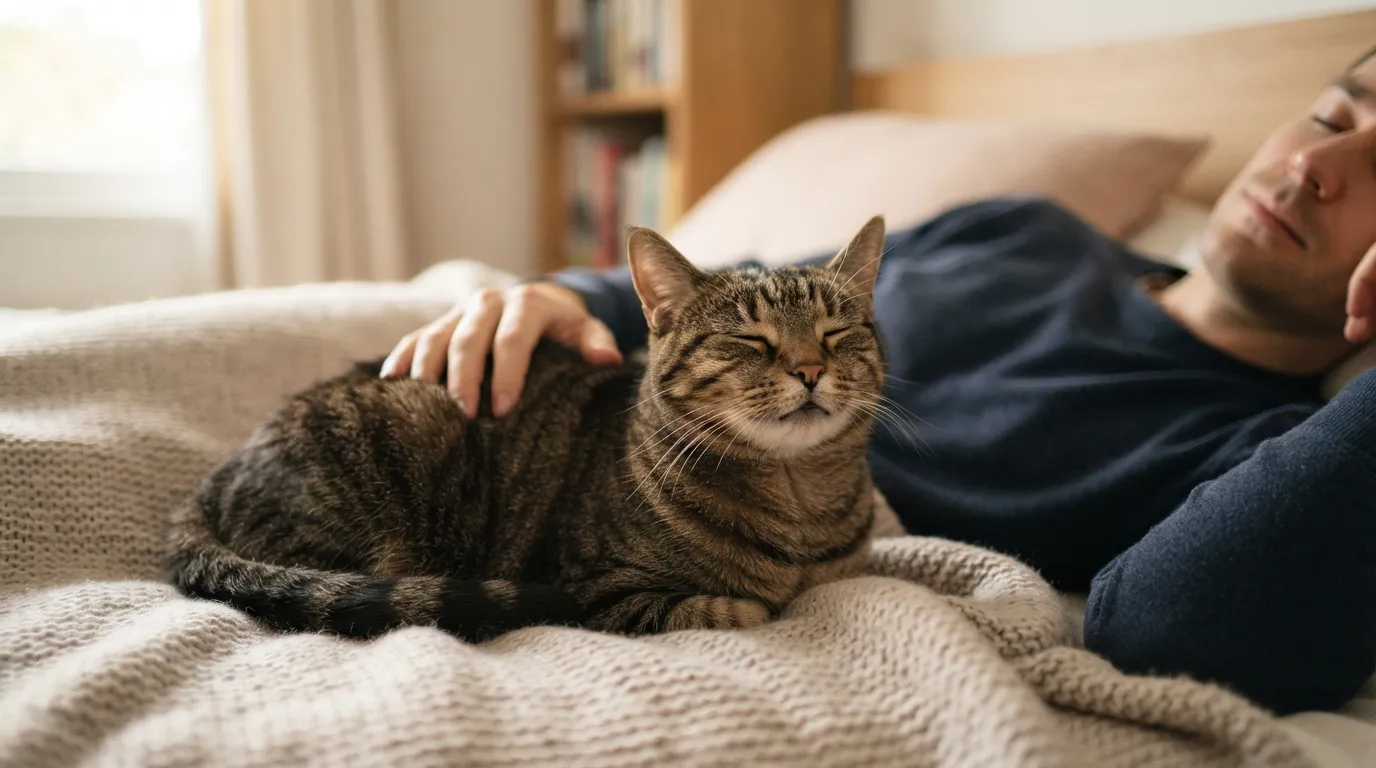
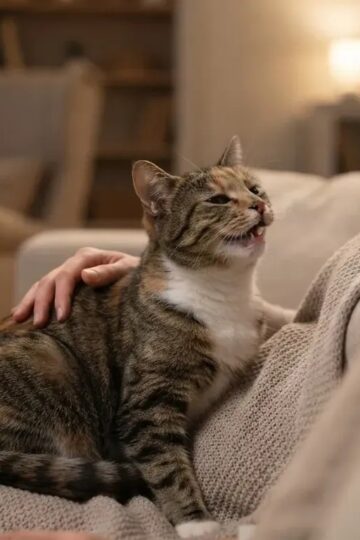
A cat's purr sits between 20 and 140 Hz, a frequency range doctors already recognize as therapeutic in humans. It's been linked to lower blood pressure, eased breathing, and even faster bone healing.
Most people hear a purr and think "cute." Researchers hear it and think "clinical tool."
Fast Facts
- Cats purr at roughly 25 to 150 Hz, with the strongest healing effect clustered around 25 to 50 Hz
- That same low-frequency range is used in vibration therapy to help bone density and fracture healing
- No touch or eye contact required, the sound alone reaches the nervous system
- Linked effects include eased breathing and calmer blood pressure in the humans nearby
What makes this wild is that it doesn't require touch or eye contact to work. Just the sound, in the room, is enough to calm the humans nearby.
Next up: something your cat is doing to your face that you never noticed.
#13 - They're Constantly Reading Your Face
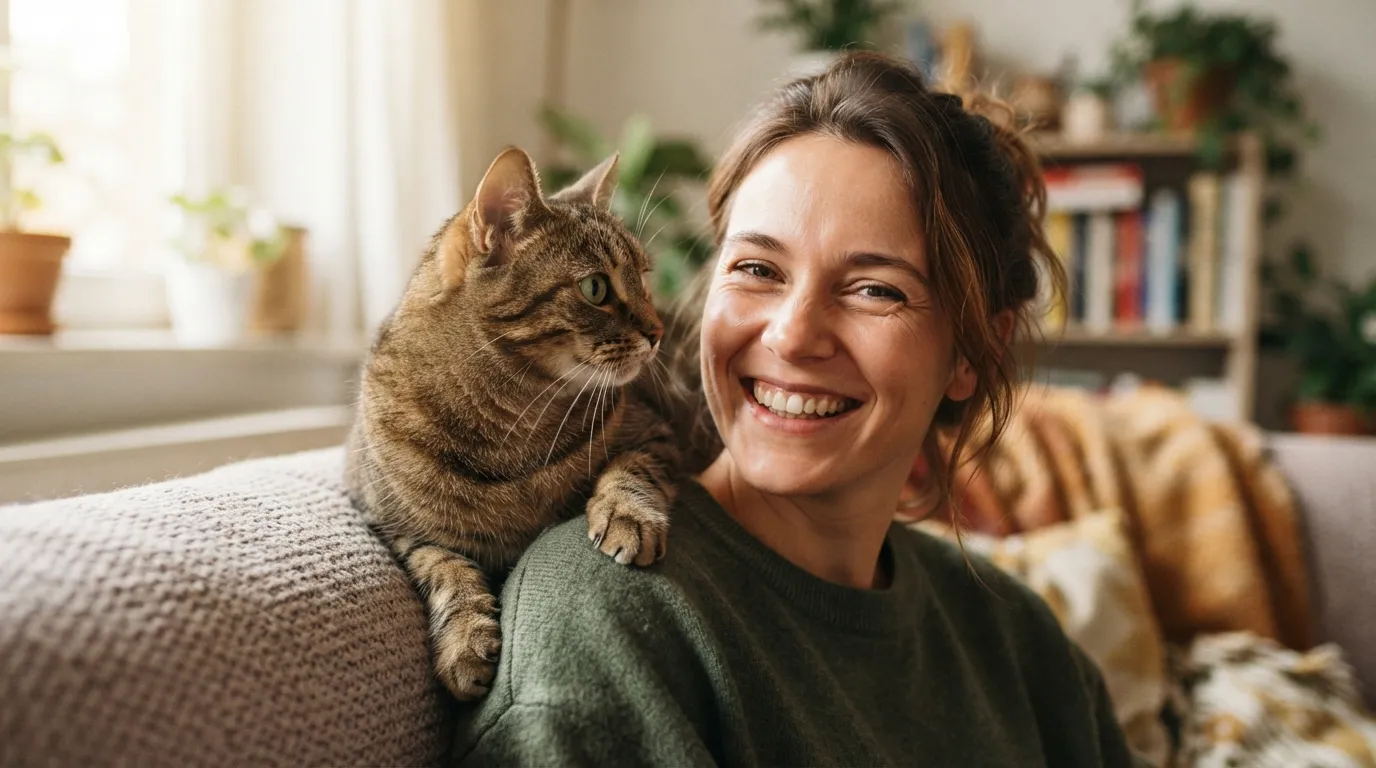
Your cat studies your expressions more closely than you'd think, and adjusts its behavior in real time. Researchers at Oakland University found cats behave differently depending on whether their owner is smiling or frowning.
Cats purred, rubbed, and climbed into laps far more often when their owner smiled. With strangers, the same positive behavior only appeared when the stranger smiled too, meaning cats are learning your specific expressions over time.
As one veterinary behaviorist put it, cats are "highly attuned to subtle cues that tell them when all is not well." They're not ignoring your mood. They're tracking it.
But reading your face is just the surface. Wait until you see what they pick up on next.
#12 - They Sense Something Is Wrong Before You Say a Single Word
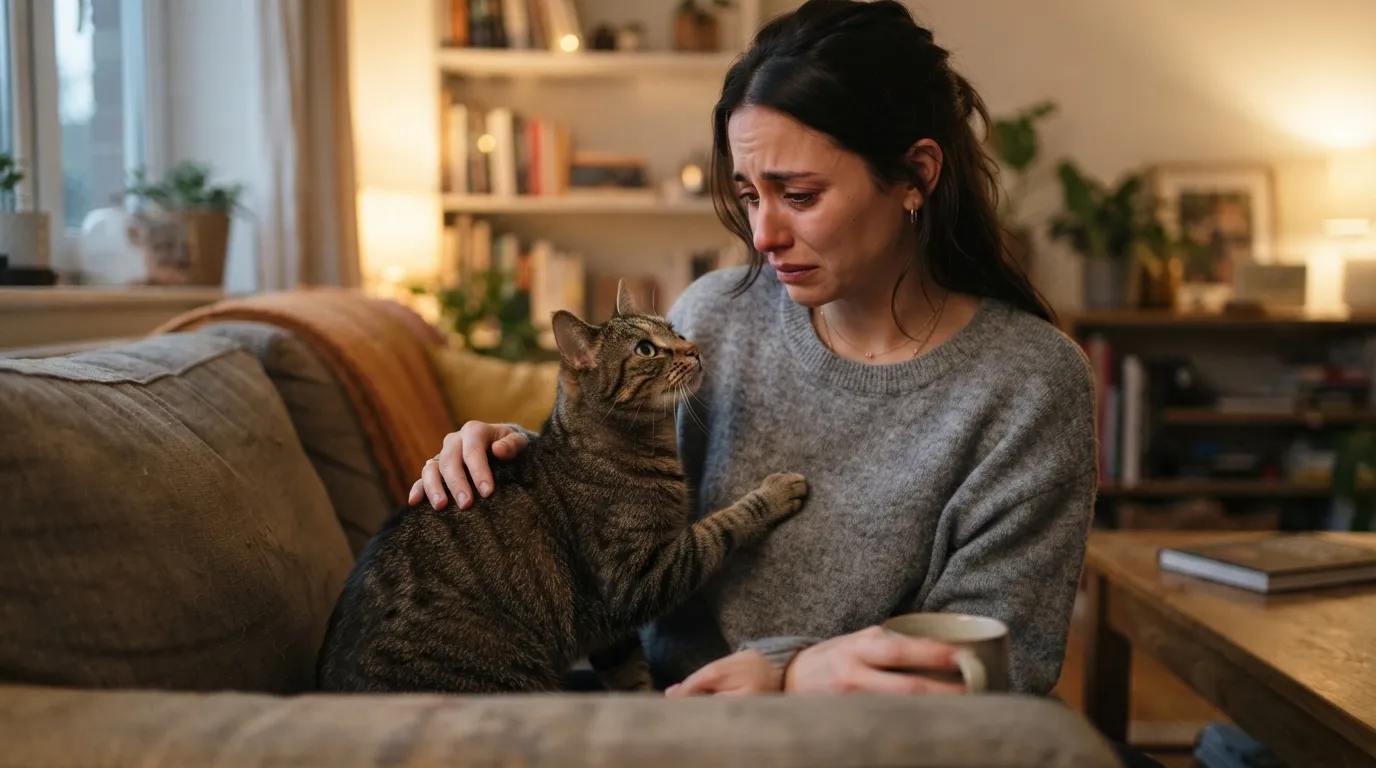
Your cat isn't only responding to your smile. It's picking up on distress signals most people around you miss entirely.
A study published in Animal Cognition found that cats look to their owners for cues in confusing or anxiety-inducing situations, a behavior called social referencing. In that study, 80% of cats checked their owner's face first before reacting to an unfamiliar, unsettling stimulus.
When owners seem low or depressed, many cats move closer, purr more, and rub against them more often. Your indoor cat isn't oblivious to your bad days. It's monitoring the emotional temperature of the house and adjusting.
Now here's something that flips the whole "independent cat" stereotype upside down.
#11 - They Make You Feel Physically Safer at Night
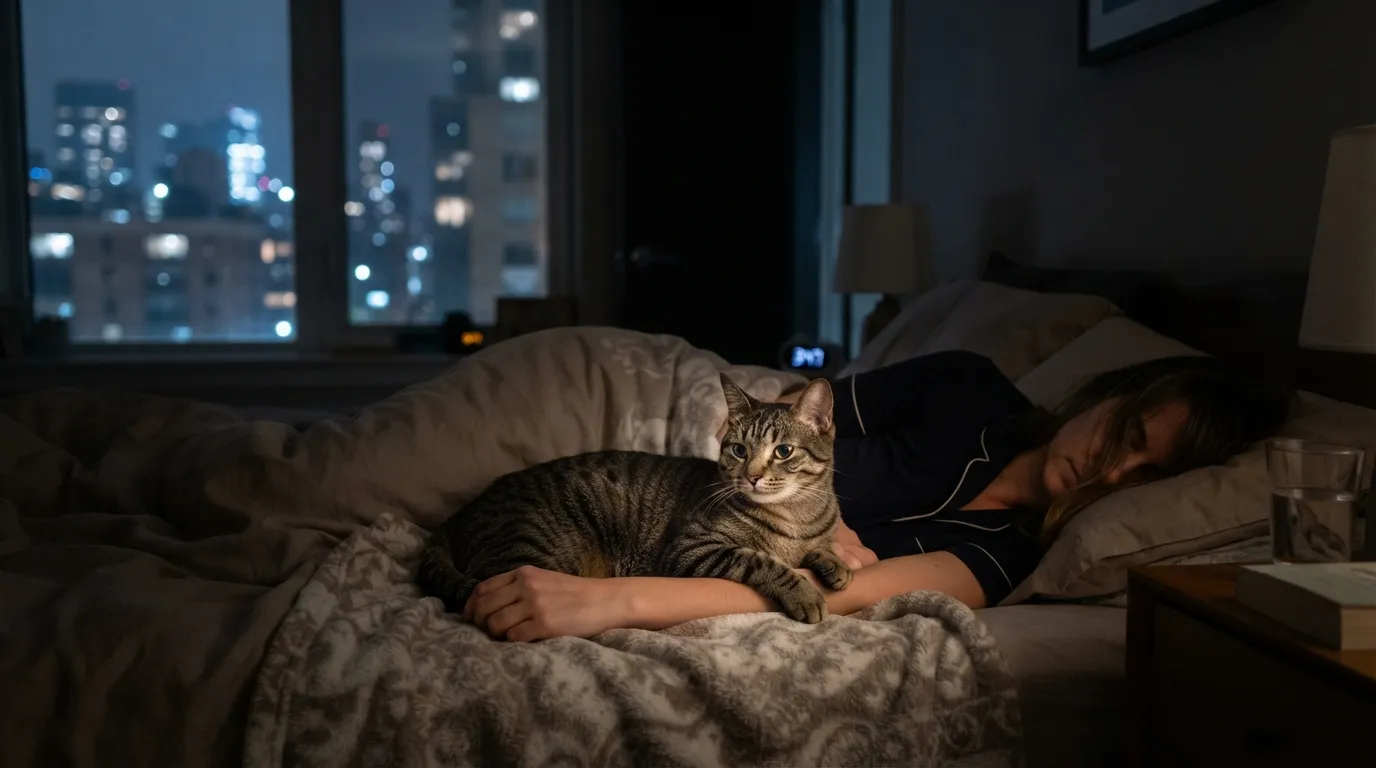
Cats have a reputation for being aloof loners. So it's strange that they're also tied to something as basic as feeling safe in your own home.
A 2017 study found that cat owners reported lower depression, and 44% said their cat gave them "a sense of safety." That's almost half of all cat owners feeling more secure simply because their cat was nearby.
Other research links having a cat close by to better sleep quality overall. For anyone living alone, especially in a city, that quiet, breathing presence in the dark matters more than most people admit out loud.
Dogs get all the credit for "protection." But there's something a cat does that even security can't fully explain, and it's coming up soon.
#10 - They Fight Depression Without Asking Anything Back
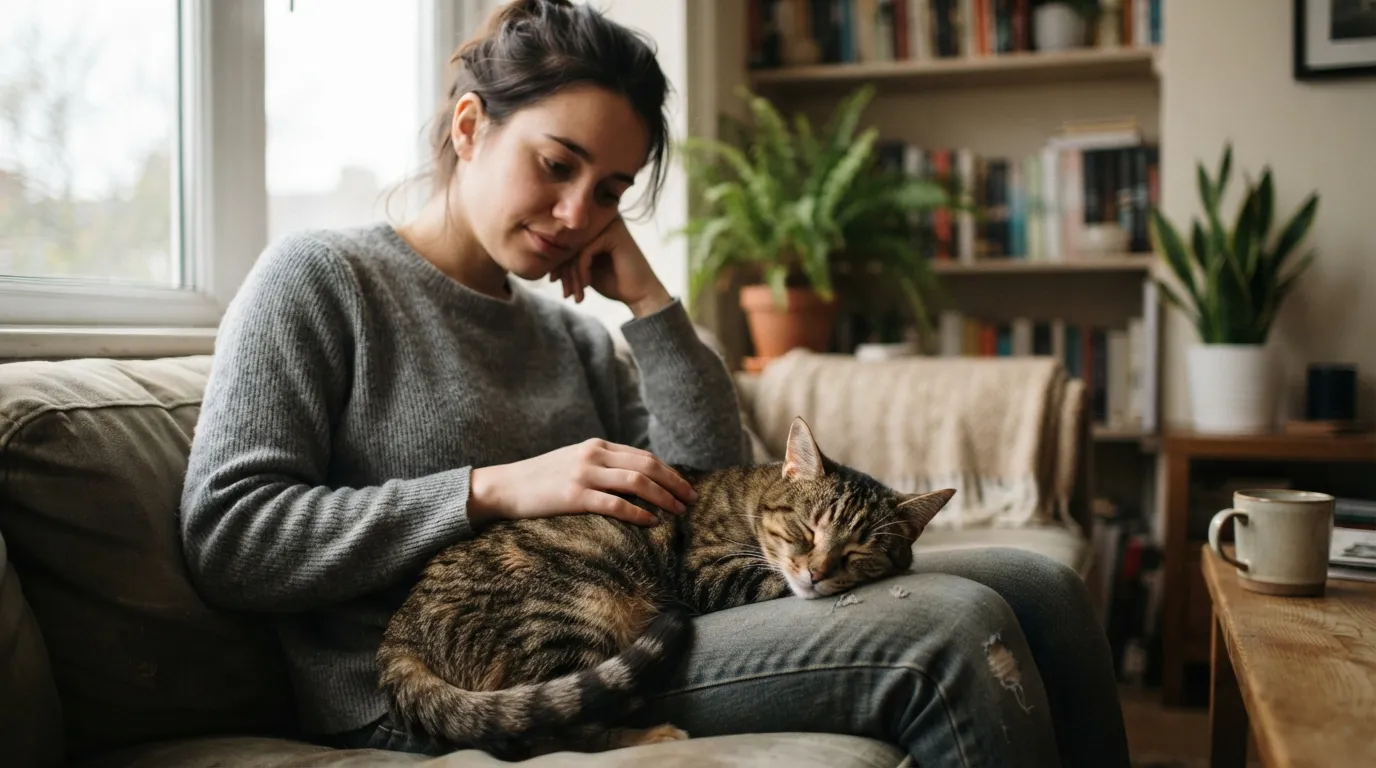
Depression drains your motivation to reach out to anyone. Cats are almost perfectly built to meet you there anyway, asking for very little while giving back consistently.
The predictable routine of feeding, care, and quiet company can act as an anchor when everything else feels unstable. Just sitting with a cat, petting it, or holding it has been shown to pull attention away from spiraling thoughts.
Unlike almost every other support system, your cat never needs you to explain yourself or perform being okay. It just stays.
That leads directly into a bigger crisis your cat may be quietly solving.
#9 - They're One of the Most Effective Cures for Loneliness
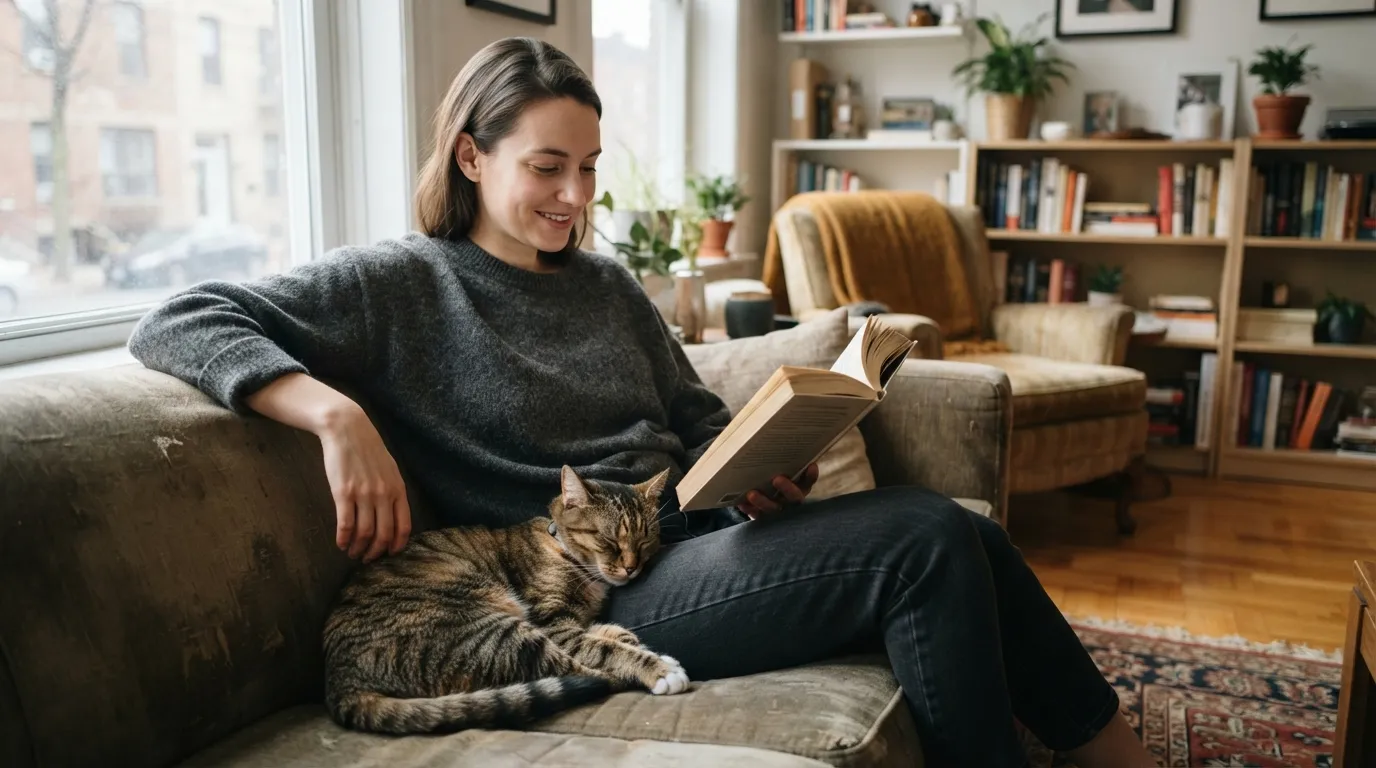
Loneliness has been called a public health crisis in multiple countries. Indoor cats have apparently been treating it for decades, with no headlines.
Cats form real, strong bonds with the people they live with, and studies link cat ownership to reduced loneliness and social isolation. It doesn't matter if your cat cuddles constantly or just prefers to sit nearby in the same room.
The insight most people miss is that it's not really about what the cat does. It's about the fact that the apartment is never truly empty.
Now for one you can actually measure with a stethoscope.
#8 - They Protect Your Heart, Literally
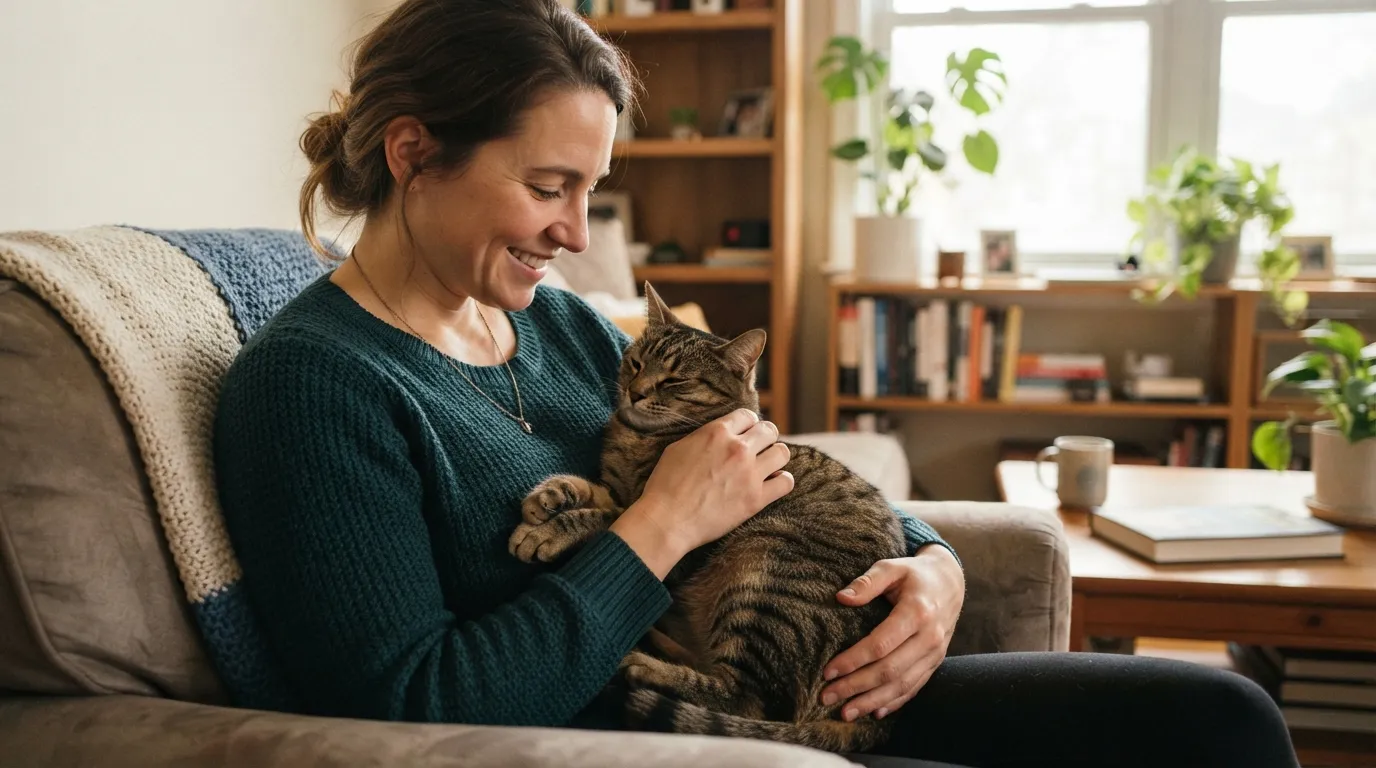
This benefit isn't just emotional. Your cat may be doing measurable cardiovascular work on your behalf.
A study in the Journal of Vascular and Interventional Neurology found that having cats around significantly lowered the chances of dying from a heart attack or stroke. Researchers at the University of Minnesota tracked thousands of adults for a decade to reach that conclusion.
At a Glance
- Study tracked 4,435 adults aged 30 to 75 over roughly 10 years
- Non-cat owners had a 40% higher risk of dying from a heart attack
- Non-cat owners also had a 30% higher risk of dying from any cardiovascular disease
- Researchers found no matching protective effect for dog owners in the same study
That's not a feel-good anecdote, that's a real statistical signal. Lower cortisol, lower blood pressure, and daily moments of calm add up over years into something closer to a long-term cardiovascular intervention you actually enjoy living with.
Up next is something that quietly rewires your whole day.
#7 - They Give You a Reason to Get Up, Even When You Don't Have One
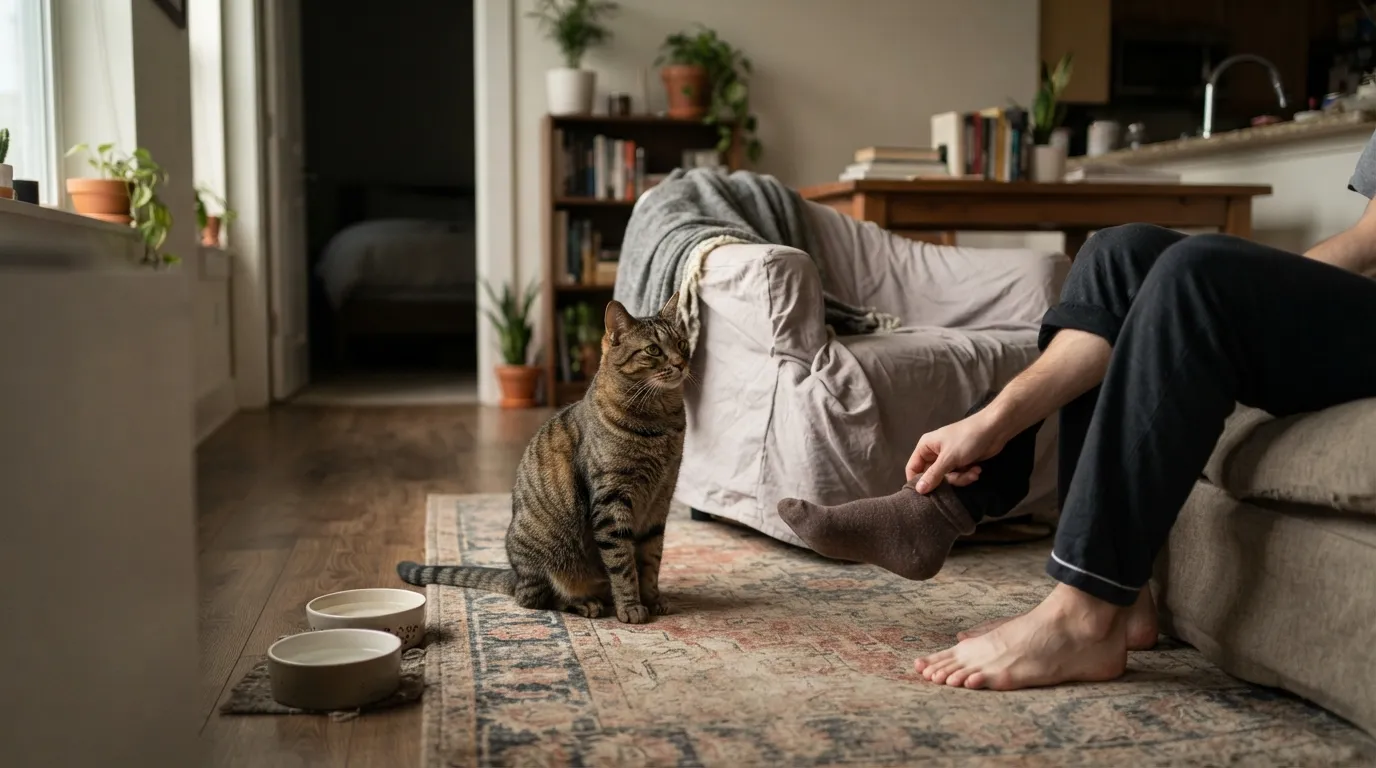
Routine is one of the most underrated mental health tools there is, and indoor cats enforce one without ever asking permission. Having something else depending on you gives your day a shape it might not otherwise have.
Research during periods of extreme stress found that companion animals helped owners maintain a regular schedule and hold onto a sense of purpose. Knowing your cat is waiting at home has been shown to actively push back against loneliness.
The part that rarely gets said out loud: you don't just want to come home, you have to. Food, water, a lap to sit in, that quiet obligation is one of the most stabilizing forces in an owner's day.
The next one matters most if there are kids in the house.
#6 - They Teach Kids Empathy Without a Single Lesson
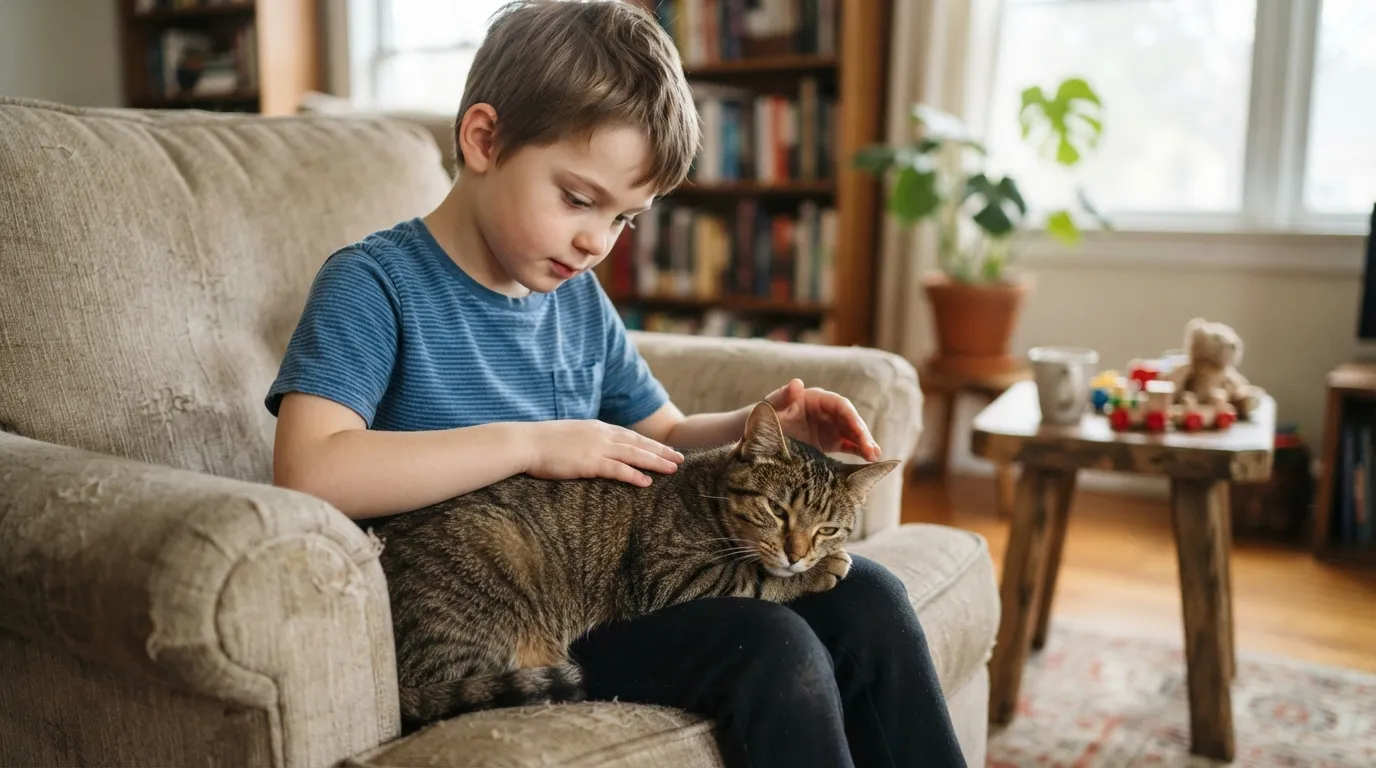
This one rarely makes these lists, and it probably should be near the top of every parenting conversation. Research shows that the stronger a child's bond with their cat, the more attentive and less sad that child tends to be.
A 2023 study found that autistic children who owned cats displayed more prosocial behavior, including more consideration for others' feelings and an easier time sharing. Nobody sat these kids down with a workbook.
A cat teaches a child that another living thing has needs, moods, and limits, just by existing in the same house. It's empathy education delivered daily, on four paws.
Here's a payoff that sounds small but runs deeper than it looks.
#5 - They Listen Without Ever Judging You
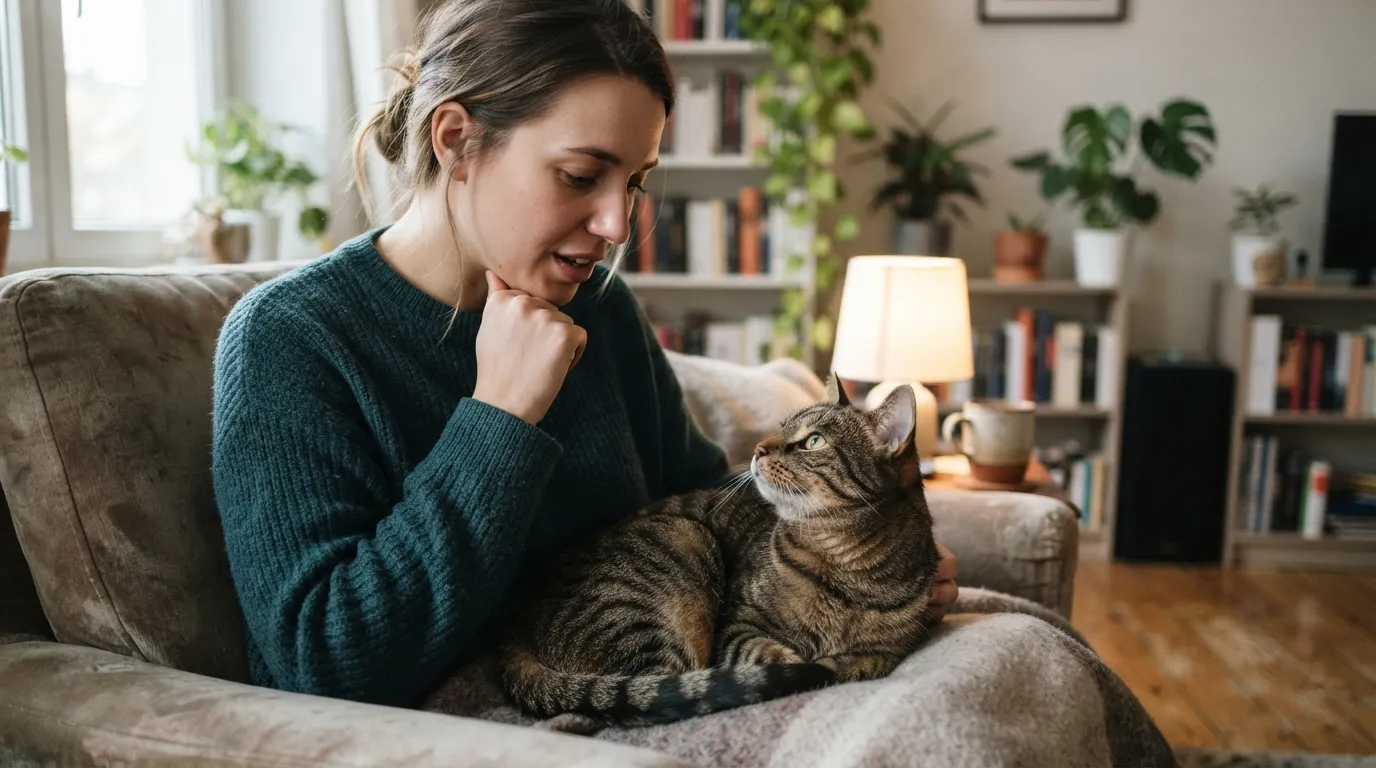
This sounds cute on the surface. The psychological reality underneath it is more serious than most people give it credit for.
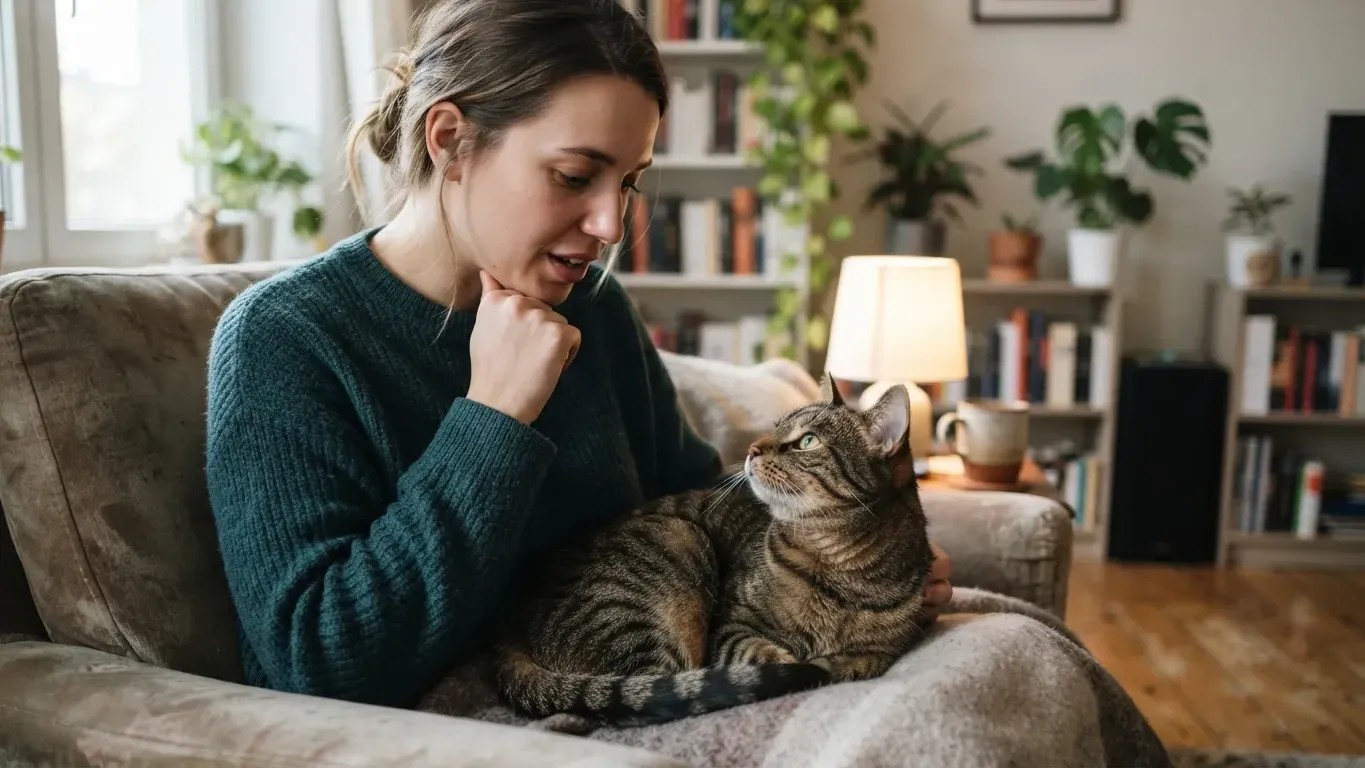
Cats will absorb your account of a terrible day without sighing, snickering, or offering advice nobody asked for. For people who bottle things up, talking out loud to a cat genuinely helps, even though it sounds irrational.
A growing body of research supports mental health benefits from cat ownership tied specifically to reduced loneliness and anxiety. Part of that benefit comes directly from narrating your day out loud to something that will never repeat it or judge it.
For many introverts, a cat fills the need to be heard better than most human relationships manage to. Agree or disagree, drop it in the comments.
The next one comes from one of the strangest stress tests in modern history.
#4 - They Helped People Survive COVID-19 Isolation

We actually have real data on this one, collected during one of the most stressful social experiments of modern times. Research from the pandemic found that companion animals played a critical role in reducing depression, anxiety, isolation, and loneliness for the majority of pet owners studied.
Worth Knowing
- Companion animals were linked to reduced depression, anxiety, isolation, and loneliness during lockdowns
- Cats helped owners hold onto a regular daily schedule when routines fell apart
- The owner-cat bond measurably grew closer over the course of the pandemic, not weaker
When human social infrastructure collapsed, people leaned on their cats, and the cats delivered. That's not sentimentality, that's a documented stress-buffer proving itself under extreme, controlled conditions.
Now for the chemistry behind why losing a cat hurts so much more than people admit.
#3 - They Trigger the Same Bonding Chemical as Human Love
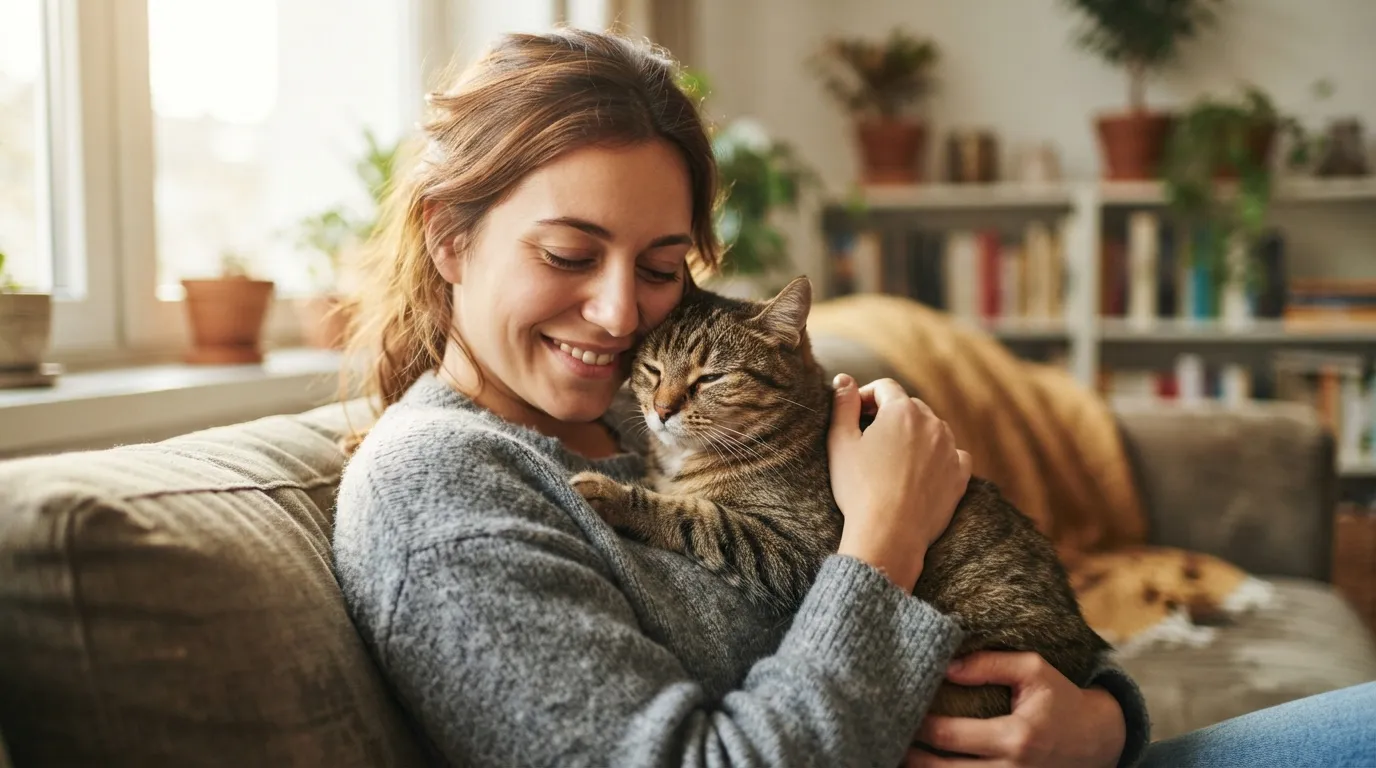
The bond you feel with your cat isn't a lesser, "just an animal" version of love. Chemically, it's remarkably close to the bond you feel with people.
Spending time with pets significantly raises oxytocin, the same hormone tied to human bonding and affection, while lowering cortisol. That combination is why interacting with a cat tends to leave people feeling calmer and closer, not just entertained.
This is also why grief over losing an indoor cat is so often dismissed with "it's just a cat." After years of daily interaction, that oxytocin bond is structurally close to deep human attachment, and the grief is proportionate to something real.
Only two spots left, and this next one might explain why you got a cat in the first place, for the wrong reason.
#2 - Their Independence Is the Whole Point, Not a Flaw

Most people get a cat because they assume it's "easier than a dog." True, but that misses the actual value completely.
Cats sleep 16 to 18 hours a day and generally adjust their rhythm to match yours, happily watching the window while you work instead of demanding constant attention. As one psychologist described it, cats offer "a lower-maintenance version of companionship."
Quick Compare
- Cats: sleep 16-18 hours a day, adapt quietly to your schedule, low daily maintenance
- Dogs: need multiple walks and structured attention, higher daily time commitment
- Cats: presence without demand, companionship that doesn't drain your energy
- Both: build real bonds, but through very different daily rhythms
Research suggests that a positive human-cat relationship becomes self-reinforcing: you care for the cat, the cat calms you, and you end up caring for it even better. The independence people mock is exactly what makes it work for an overstimulated modern life.
You get presence without demand. Nothing else in the pet world quite pulls that off, and the final entry on this list is the one almost nobody talks about.
#1 - They Quietly Change How You See Yourself
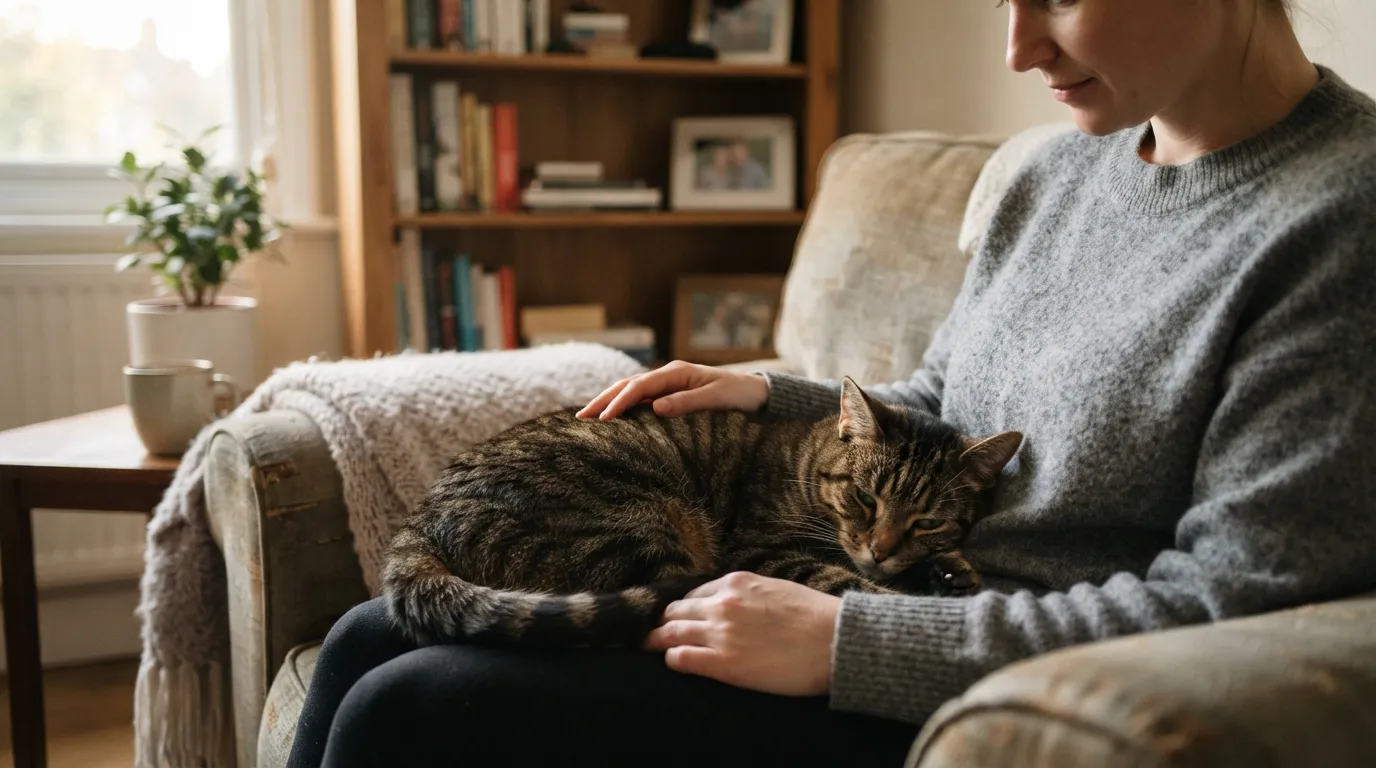
This is the one the data hints at but rarely names directly, and it might be the most important item on this whole list. Researchers studying "self-expansion" look at how a relationship with a companion animal adds new perspectives and resources to a person's sense of self over time.
Your cat isn't just company. Over years, it changes how you structure your time, what you feel responsible for, and how you think about your own patience and care.
Here's the detail almost nobody mentions: owners of indoor cats have closer, more frequent contact with their cats than owners of outdoor cats. The confinement that looks like a limitation is actually the mechanism behind the deep bond, because the cat can't go elsewhere, and in a real sense, neither can the relationship.
Simply having a cat in the home lowers your heart rate, eases loneliness, and reinforces the bodily sense of attachment that keeps people steady. That process compounds quietly, every single day, for the 12 to 15-plus years your cat shares with you.
The Bottom Line
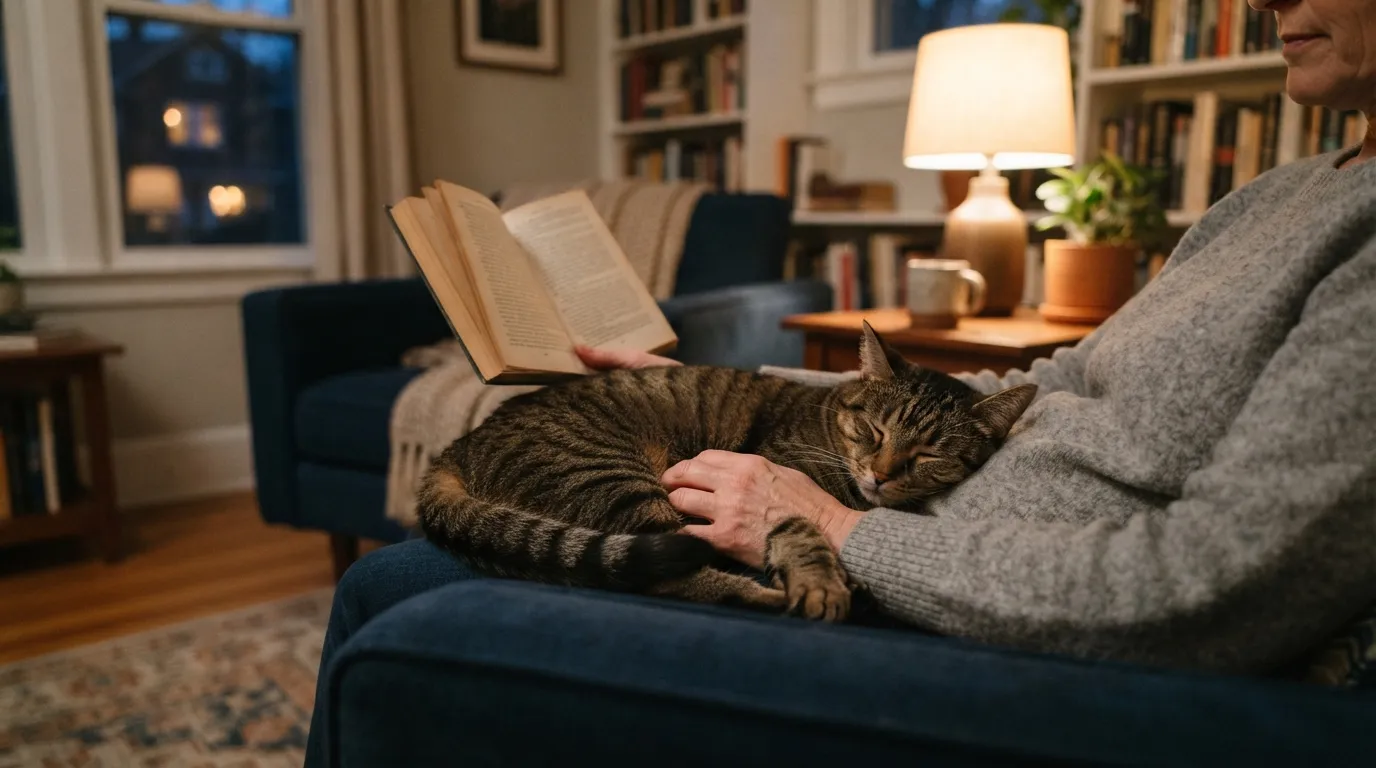
Indoor cats were never the low-effort consolation prize of the pet world. The data says they're one of the most consistently effective sources of human companionship available.
The most common ways pets help people de-stress are snuggling, making them laugh, and easing loneliness. Your cat delivers all three, daily, without ever being asked.
From cutting cortisol in minutes to building an oxytocin bond over years, from reading your face to anchoring your entire routine, the indoor cat does more quiet, measurable good than almost any other animal you could bring home. Did we leave out something your own cat does that nobody talks about? Tell us in the comments.