Your cat has food in a bowl, a warm spot on the couch, and zero need to ever stalk anything more threatening than a dust bunny. Yet watch closely and you’ll notice something remarkable – the same animal that curls up on your lap is running ancient software that predates your home by thousands of years.
Domestic cats, known scientifically as Felis catus, are descendants of wildcats. Originating from the African wildcat, these adaptable hunters began their journey alongside humans around 9,500 years ago. That’s a relatively short span in evolutionary terms, and it shows. Recent studies of the genetic composition of the modern-day housecat and its wildcat ancestor show that housecats have changed very little during the process of domestication. The behaviors you see every single day are not quirks. They’re echoes.
The Hunt That Never Really Stopped
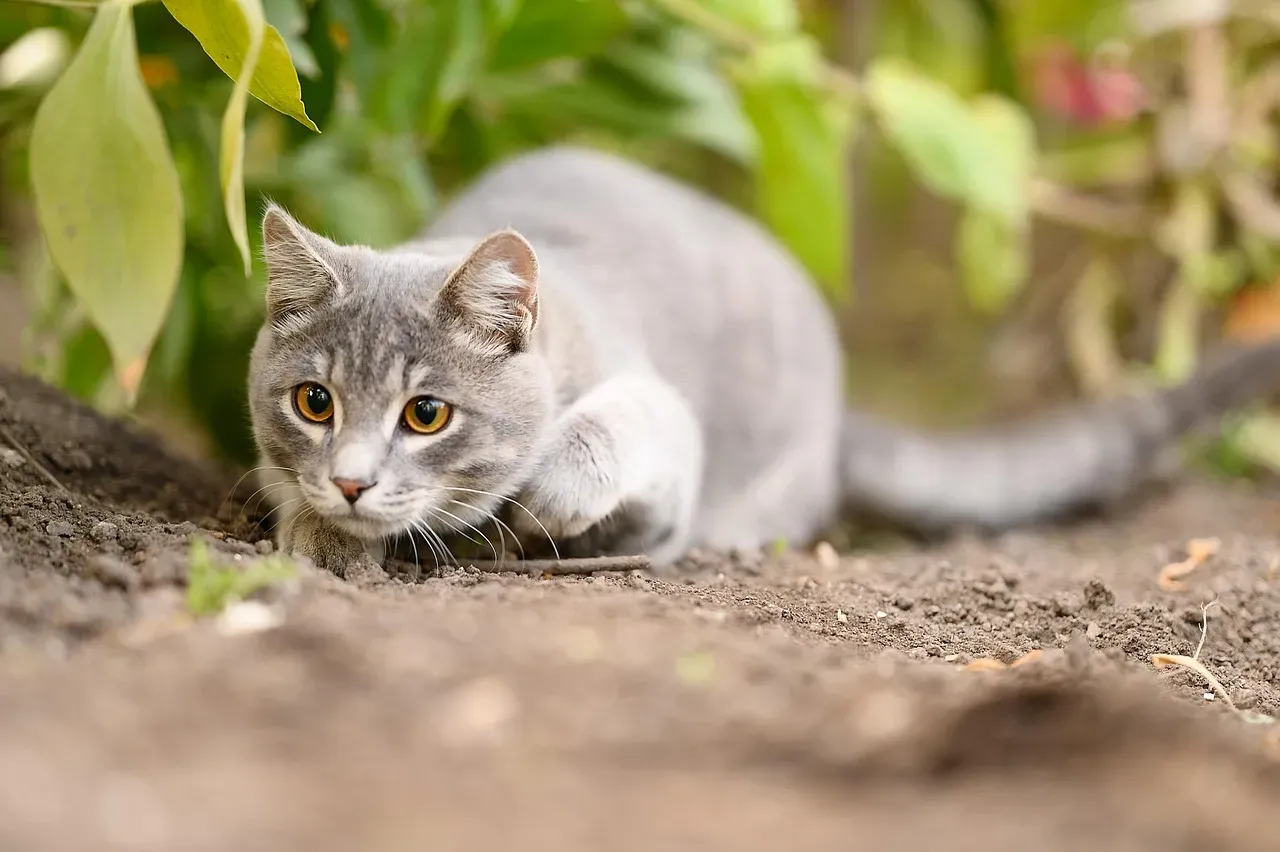
There’s a reason your cat crouches, wiggles its hindquarters, and then launches itself at a toy mouse with total conviction. Hunting is a deeply ingrained instinct, hardwired into the feline brain through millions of years of evolution as a solitary predator. Your cat isn’t playing pretend – it’s running through a behavioral sequence that kept its ancestors alive.
The motivation to hunt prey is only partly related to hunger. As a species that hunts alone, cats rely solely on themselves to provide enough food. If they waited until they were hungry to hunt, they could starve to death because of the difficulty in hunting – it’s estimated there’s less than a fifty percent chance of success at each hunting attempt. That urgency is still baked in. Domestic cats may still display hunting behaviors even when well-fed because the instinct is not driven purely by hunger, but by the neural reward system triggered by stalking, chasing, and catching.
Scent Marking Everything You Own
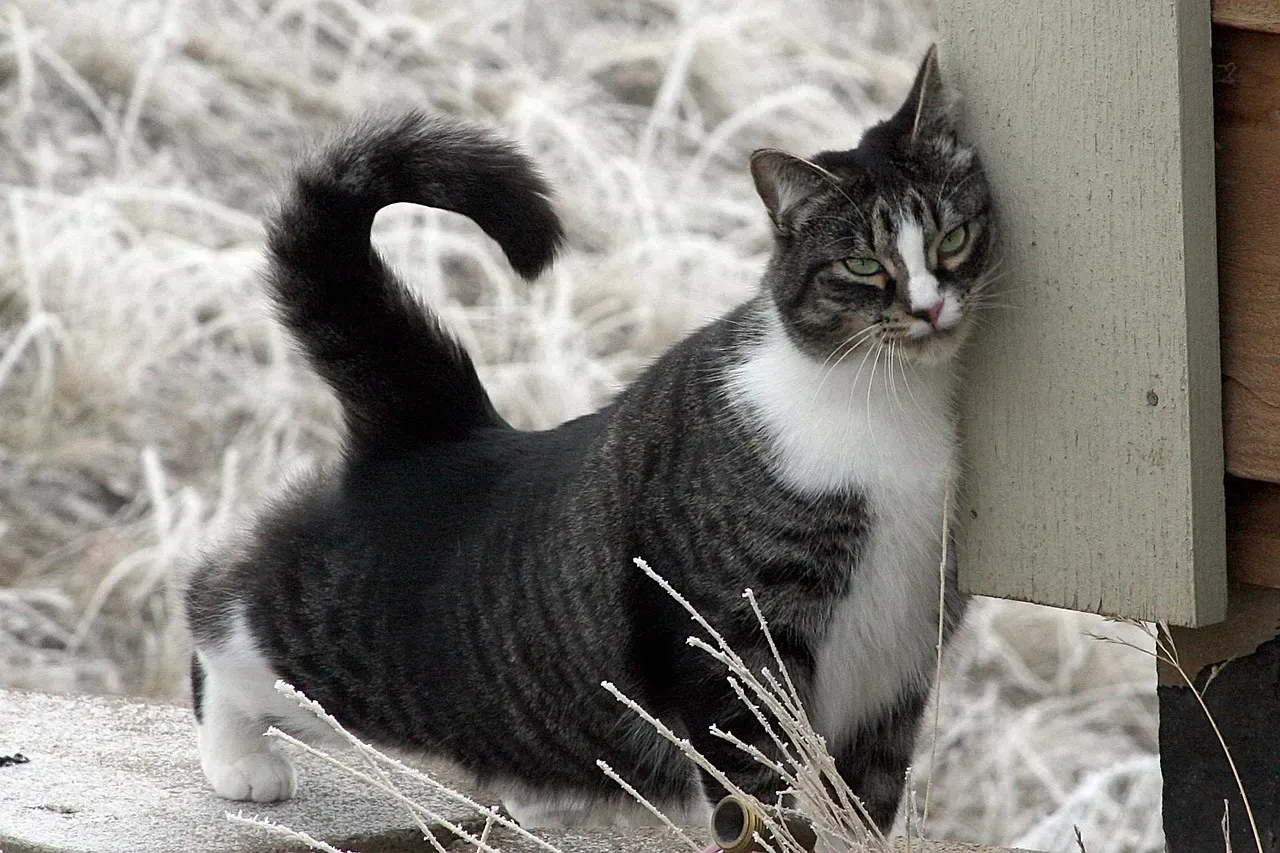
If your cat has ever rubbed its face along the corner of your sofa, walked across your keyboard with deliberate slowness, or pressed its head against your shin while you stood at the kitchen counter, you’ve witnessed scent communication in action. Cat marking is a natural instinctual behavior where cats deposit pheromones on surfaces through scratching, rubbing, spraying, or urination. These scent markings serve as a form of communication for cats to convey essential information about themselves to other felines.
When a cat rubs against a human, it is marking them as part of its social group, doing the same as it would when greeting another cat through mutual rubbing of the face and body. It’s a social signal with deep ancestral roots. It’s believed that most feline family members have a sense of smell that is up to fourteen times stronger than that of humans. Rubbing against objects and depositing scent markers only works because cats, both big and domestic, have a powerful sense of smell. You’re not just being headbutted – you’re being filed under “safe.”
Scratching as a Daily Territorial Declaration
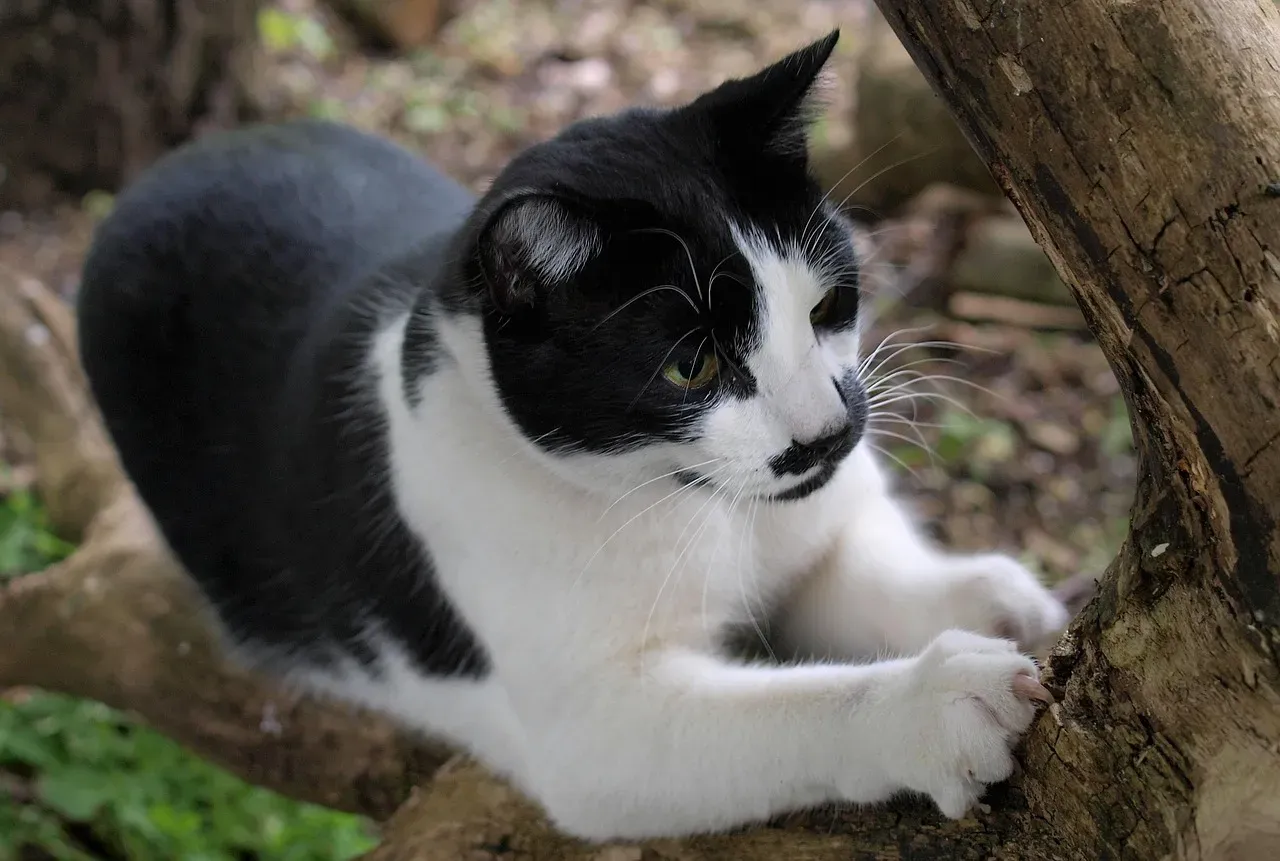
You’ve probably caught your cat dragging its claws down the arm of your favorite chair with an expression of complete serenity. This isn’t destruction for its own sake. In the past and in the wild, many cats would scratch at trees to mark their territory. Both male and female cats put their markings on trees to tell other cats in the area more about themselves. Your furniture is, from your cat’s perspective, basically a tree.
Visual and olfactory information is given by cats when displaying scratch-marking behavior. Research has strongly indicated that a cat needs to fully stretch out its body length when scratching a vertical surface for it to be fully satisfied that it has successfully left its territorial mark. Scratching also serves a physical purpose – it helps cats shed the outer layers of their claws and mark their territory visually and scent-wise through glands in their paws. Every scratch is a multi-purpose act that’s been centuries in the making.
Seeking Small Enclosed Spaces for Safety
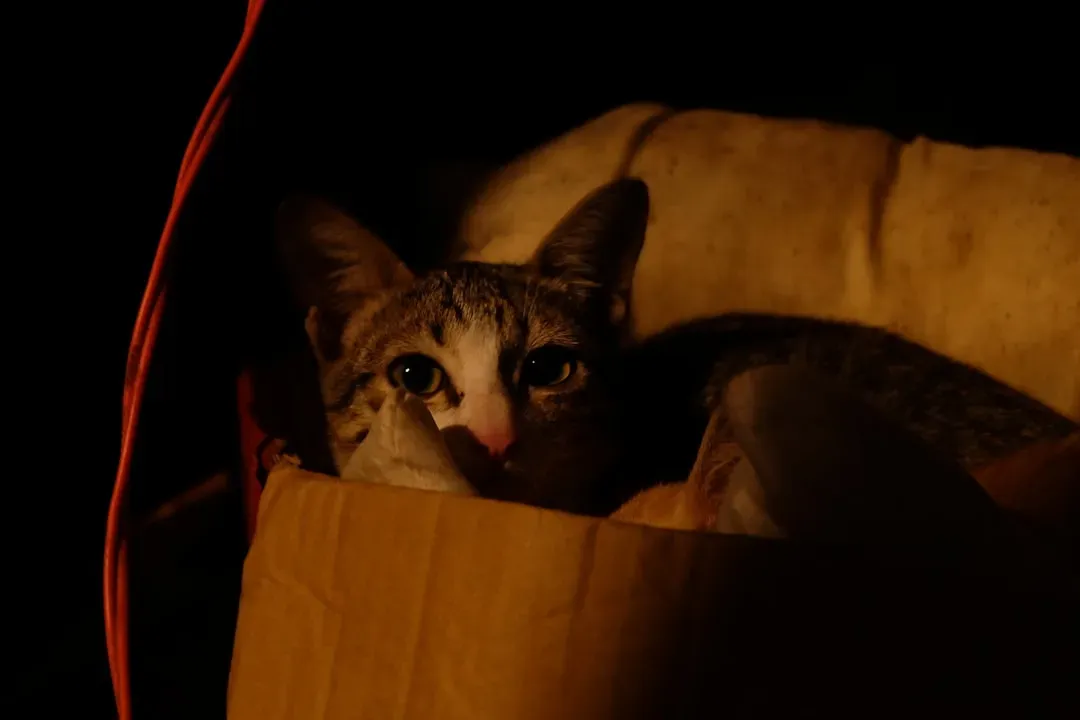
The cardboard box sitting on your floor for five minutes before your cat claims it is not a coincidence. There is some ancestral instinct in your cat that makes it attracted to boxes and small spaces. Cats in the wild like to seek shelter where they feel safe and protected from predators. When a cat can squeeze into a small space, it knows that all sides are covered and it can remain hidden – and the smaller the area, the safer it feels.
Whether it’s under the bed or in a closet, hiding provides cats with a sense of security. In the wild, cats use hiding as a way to avoid predators or take a break from the social dynamics of their group. Allowing your cat these hideaways can help reduce stress and anxiety. This means that when your cat wedges itself behind the washing machine or disappears into a drawer, it’s not being antisocial – it’s self-regulating in exactly the way its wild ancestors would have done.
Kneading as a Comfort and Survival Reflex
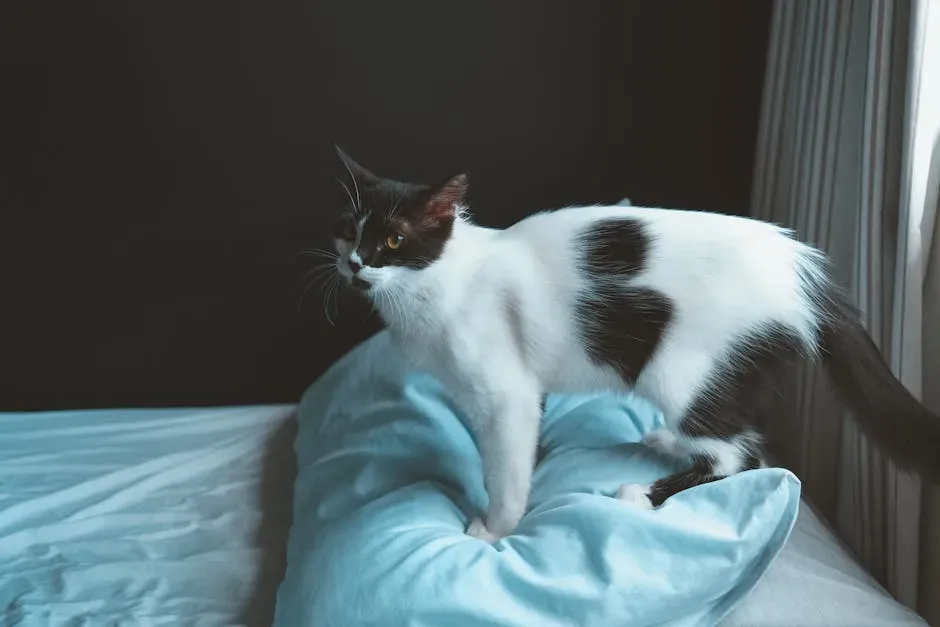
Few things are more endearing than watching a cat rhythmically push its paws into a blanket, eyes half-closed, visibly at peace with the world. This behavior, affectionately called “making biscuits,” has more than one origin. Kneading originates from kittenhood, when kittens press their paws against their mother’s belly to stimulate milk flow. This comforting behavior often persists into adulthood, associated with feelings of security and contentment.
Going back further to wild cats, they would knead down tall grass in order to make a soft bed for sleeping or giving birth. Domestic cats will almost always knead on soft surfaces like blankets and they sometimes will purr while they are doing it. It is a behavior that shows comfort and isn’t something to be worried about. There’s also a territorial dimension you might not expect: this motion may be self-soothing for your cat, and making biscuits also “marks” you by releasing pheromones from their paw’s sweat glands.
Crepuscular Activity Patterns – The Dawn and Dusk Drive
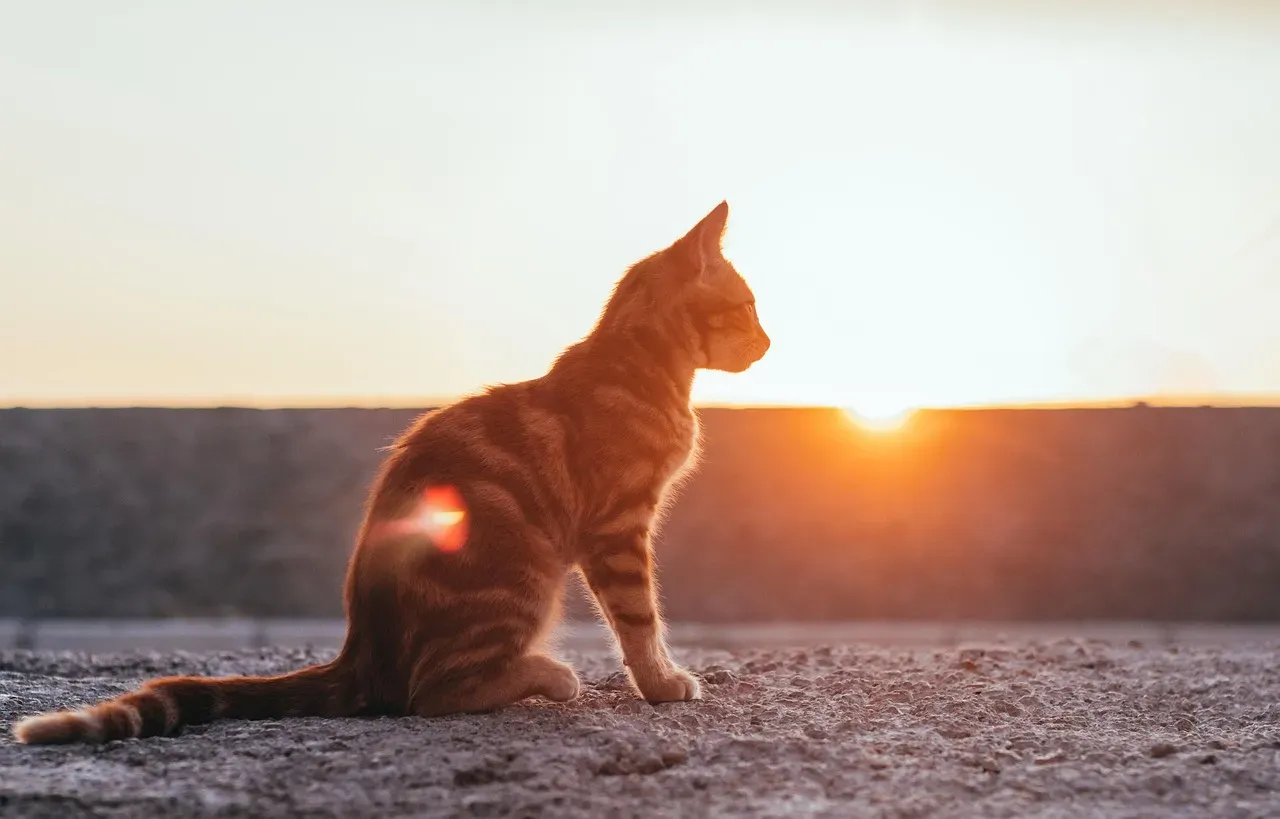
Those sudden bursts of speed at six in the morning, or the inexplicable energy your cat finds at ten o’clock at night, aren’t random. Cats are naturally crepuscular, meaning they are most active during dawn and dusk. This can translate into bursts of energy during nighttime hours. The reason goes back to hunting strategy: the low-light conditions of dusk and dawn gave their ancestors a distinct edge over prey.
Their wild ancestors would hunt during these times, and your domesticated feline friend still carries these instinctual patterns. What you’re watching when your cat launches a 3 AM sprint through your hallway has a scientific name – known scientifically as Frenetic Random Activity Periods (FRAPs), this is a natural way for cats to release pent-up energy. Cats are crepuscular, so this activity often aligns with their natural hunting hours. It’s not chaotic. It’s clockwork, just ancient clockwork.
Covering Waste to Avoid Detection
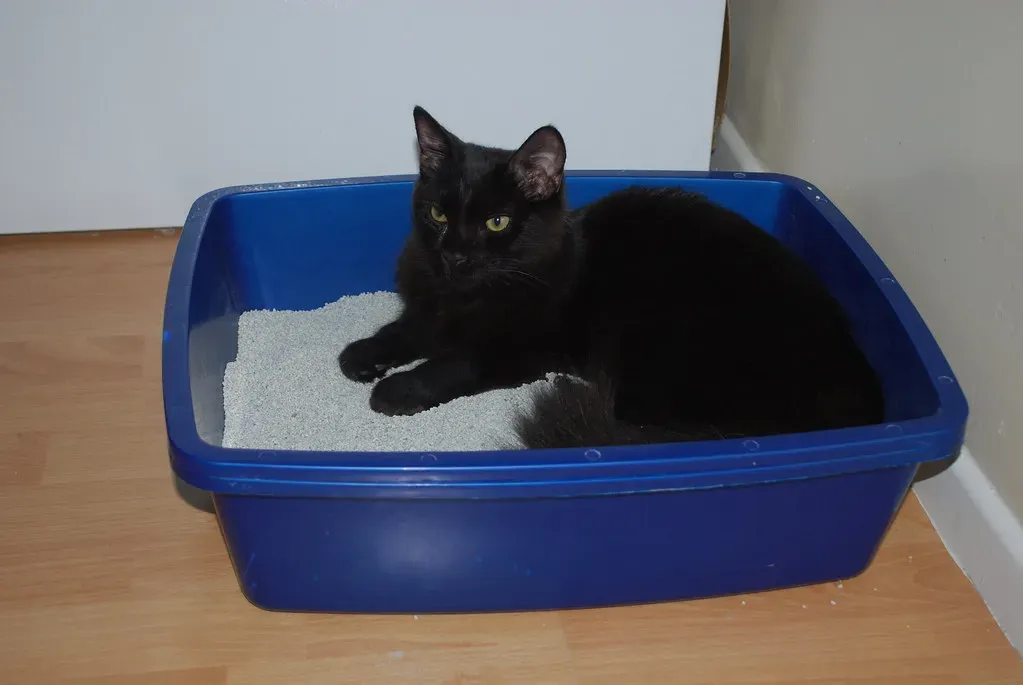
One of the quieter instincts, easy to overlook precisely because it works so seamlessly, is your cat’s habit of burying its waste in the litter box. You never have to teach a cat this. Not only will they use the litter box, they also cover up their droppings. This is because wild cats had to cover their tracks to avoid being found by predators. They leaned towards soft dirt or sand to use the bathroom because it was easier to cover, which is why they instinctively use litter.
In the wild, a cat will instinctively cover their droppings to avoid possible detection from predators. Although a wild cat doesn’t have a litter box, they will often go to the bathroom in sand or dust. At home, your cat doesn’t face many predators but still mimics this same pattern of behavior that has been imprinted onto them through generations of savvy survival skills. It’s one of those instincts so deeply embedded that even thousands of years of domestic comfort haven’t dulled the edge of it.
What These Instincts Mean for You as a Cat Owner
Understanding these seven behaviors changes how you see your cat’s daily life. Unlike dogs, which were bred for thousands of years to work closely with humans, cats are only semi-domesticated. That means many of their instincts are still rooted in the wild. When your cat does something that seems bizarre, it’s often their ancient survival wiring showing up in a very cozy living room.
Understanding these behaviors can help owners meet their cats’ needs through appropriate enrichment, while also protecting wildlife. Since hunting is an instinctive behavior in cats, the goal is not to eliminate it but to redirect it into safe, enriching activities that meet the same behavioral needs. Providing scratching posts, interactive toys, hiding spots, and opportunities for play isn’t just nice to have – it’s how you honor what your cat fundamentally is.
Your cat isn’t a simplified wild animal, nor is it fully domesticated in the way a dog is. It exists somewhere in between, carrying millions of years of evolutionary instruction into your living room every single day. The next time it darts across the floor at midnight, kneads your lap, or claims the cardboard box you were about to break down – know that you’re watching history in motion. Some things run too deep to change in a few thousand years.
Kristina is a young writer from India. An arts graduate and an avid content creator, Kristina is passionate about animals and wildlife. She enjoys exploring topics related to pet care, animal behavior, conservation, and nature, combining thorough research with engaging storytelling.