You’ve probably heard them all before. have nine lives. They hate water. They’re aloof and couldn’t care less about you. These myths get passed around like family recipes, but here’s the thing: most of them are completely wrong. Understanding the truth about your feline companion isn’t just interesting trivia. It can actually improve their health, happiness, and your relationship with them. So let’s dive in and separate fact from fiction when it comes to these mysterious creatures we share our homes with.
1. Are Nocturnal Night Owls
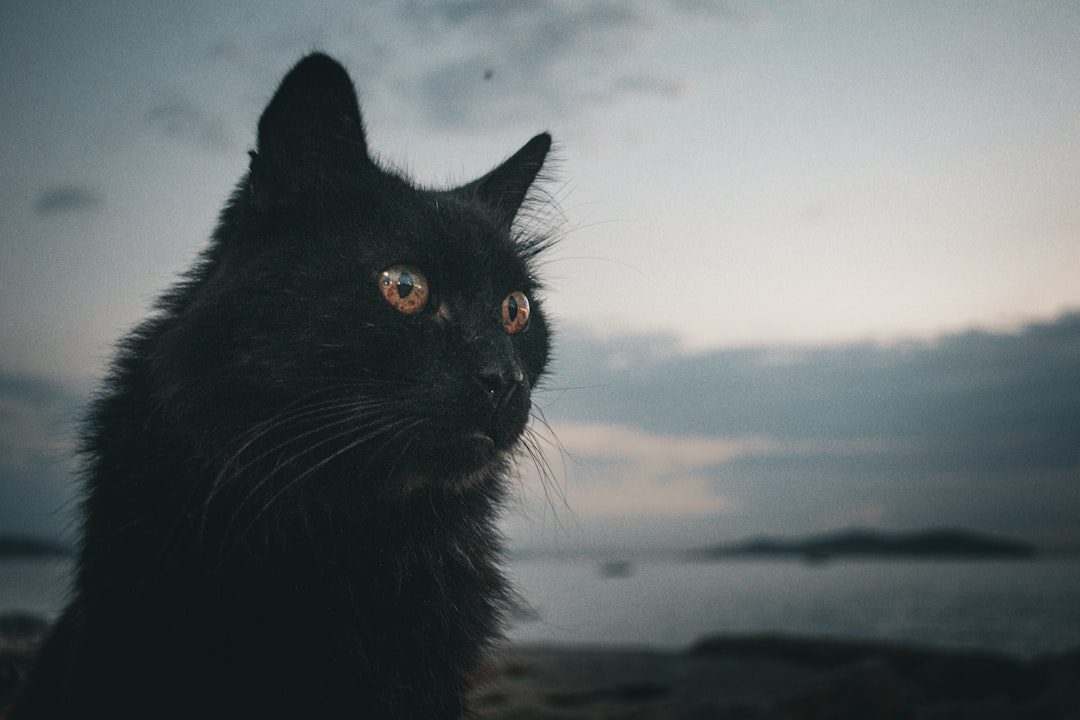
are not nocturnal animals but actually crepuscular, meaning they are most active at the beginning and end of the day. Think of your cat’s wild ancestors stalking prey during those perfect twilight hours when mice and birds are most active. They sleep both at night and during the day.
are crepuscular, which means they’re most active during dawn and dusk. If your kitty wakes you at three in the morning demanding playtime, that doesn’t make them nocturnal. It just means they haven’t adjusted their schedule to yours. A play session right before bed and feeding them a small amount can re-create the natural hunting cycle, allowing them to ease into the evening.
2. Purring Always Means a Happy Cat

We all imagine a purring cat is living its best life, curled up in pure contentment. While purring is the most common reason for contentment, it can also mean a number of other things. Honestly, it’s way more complicated than you’d think.
In some cases purr when they’re stressed as a way of self-soothing, and also purr when they’re in pain for the same reason. It’s believed that purring can be self-soothing and might even have healing properties due to its specific frequency. So next time your cat purrs at the vet’s office, don’t assume everything is fine. Pay attention to their body language, their ears, their tail, the whole picture.
3. Always Land on Their Feet
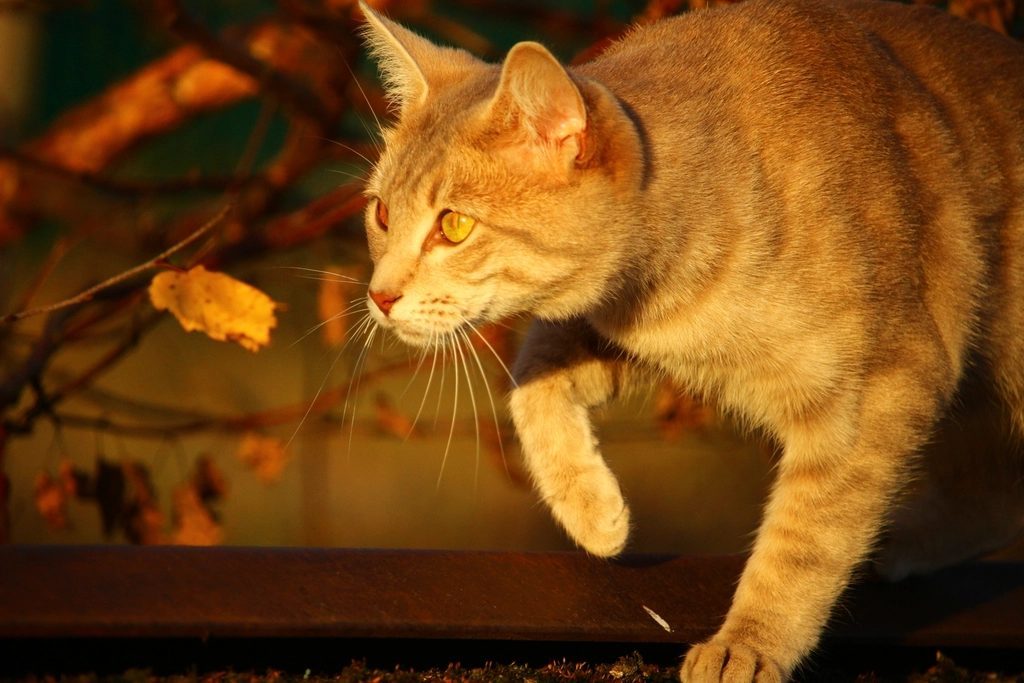
While have a specialized inner ear canal that aids their balance and allows to right themselves mid-air and stick the landing way more often than other animals, their ability to land feet-first depends on the height fallen from. Let’s be real here: physics doesn’t care about myths.
are more apt to be injured from low heights than high because they don’t have time to turn or twist their bodies into the necessary position for a safe landing. Veterinarians use the term “high-rise syndrome” to describe cat injuries sustained from falls, which includes sprains, bone fractures, and even respiratory issues. Keep those windows screened, folks.
4. Milk Is the Perfect Treat for

Picture a cat lapping contentedly from a bowl of milk. It’s an image burned into our cultural consciousness, probably thanks to countless cartoons. It’s also a terrible idea, as the majority of are lactose intolerant.
When wean off their mother’s milk, they typically lose the ability to digest milk, so it would upset their stomach if you were to feed them cow’s milk. Even lapping up a small amount can lead to digestive upset, vomiting, or diarrhea. Some might beg for it, but that doesn’t mean it’s good for them. Kind of like how we know that third slice of pizza isn’t the best idea, but we want it anyway.
5. Don’t Need People and Are Naturally Aloof
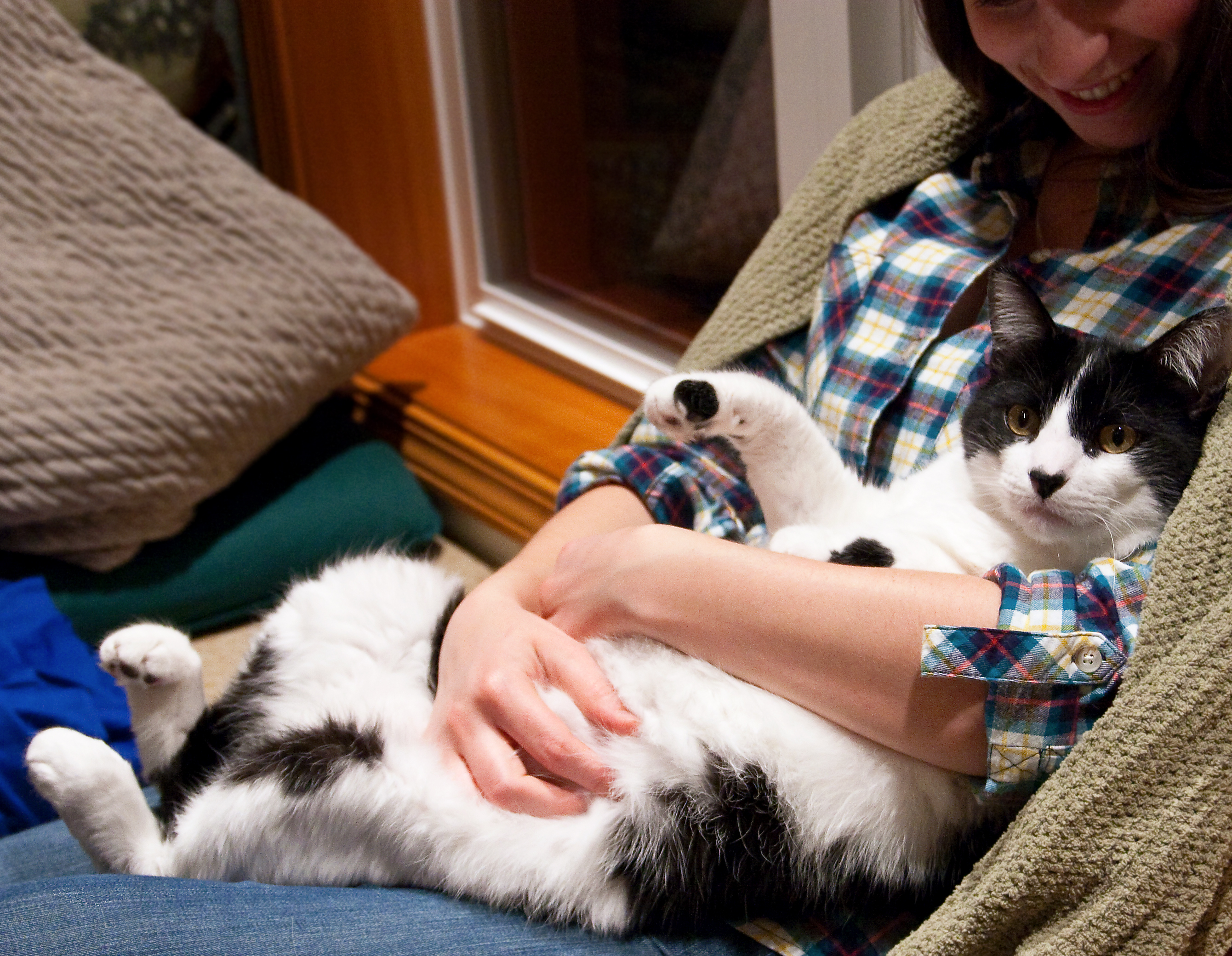
This one really needs to disappear. may have a reputation for being indifferent and standoffish, but bond with their people, often just as much as dogs do, and studies show that most create strong attachments to their guardians.
The difference is they show affection differently. show their love in many ways, like purring, kneading, slow blinking, rubbing up against your legs, and following you from room to room. Shelter and pet spent over 60% of trial time seeking the proximity of an attentive human. They’re not cold or indifferent. They’re just , with their own unique language of love.
6. Indoor Don’t Need Vaccinations or Vet Care
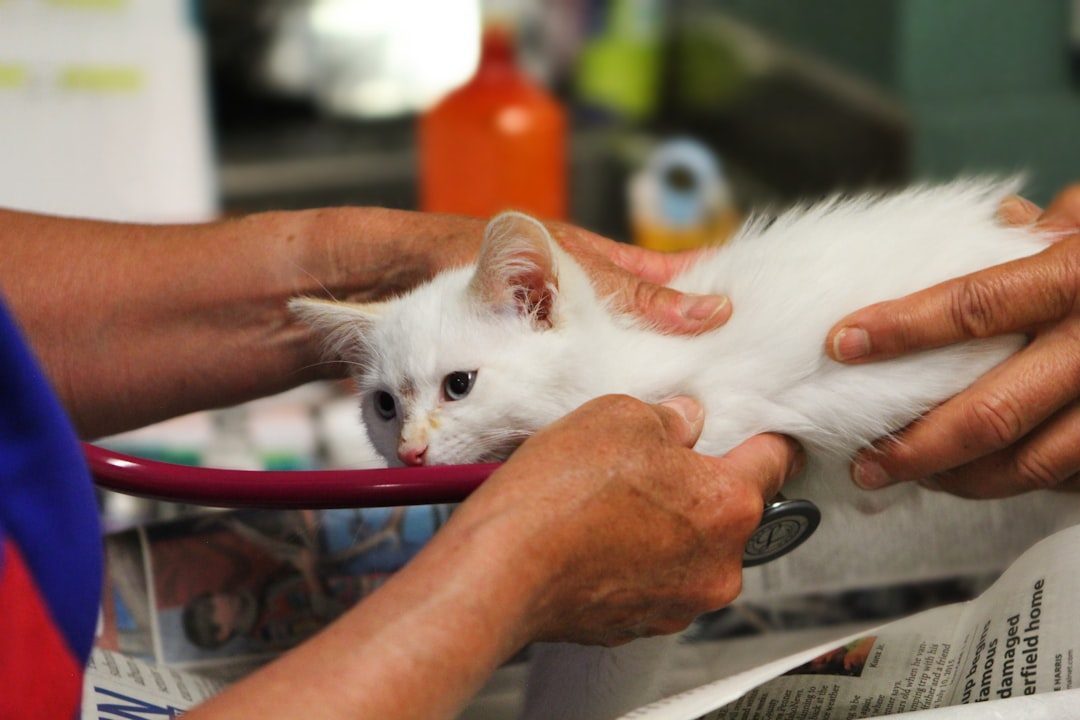
Even if your cat never ventures outdoors, they still need proper vaccinations because viruses can be carried indoors on shoes, clothing, or other pets. Think about everything you track into your home on your shoes alone. It’s kind of shocking when you think about it.
need just as many vet visits as dogs, and because are so adept at hiding their illnesses, they might be sick and you don’t even realize it, which is why it is usually best for to get a checkup at least once a year. It’s important to schedule regular veterinary visits to ensure your cat has a long, healthy and happy life, including annual wellness check-ups, vaccines, dental exams and nutritional consultations.
7. and Dogs Are Natural Enemies

The idea that and dogs can never get along is deeply embedded in our language and culture. “Fighting like and dogs” is something we say without thinking. But dogs and co-exist peacefully more often than not, and although there are social differences, when conditions are right, both species can express friendly behavior towards each other.
The compatibility between dogs and is influenced by several factors, such as the personality of the individuals, early socialization, environmental factors, and a study revealed that in most homes evaluated, dogs and demonstrate a friendly relationship, usually visible through mutual play. The key is patience and positive reinforcement, introducing your cat and dog slowly so they have time to become comfortable together. I’ve seen who adore their canine siblings more than anything. It all depends on the introduction and the individual animals involved.
Conclusion
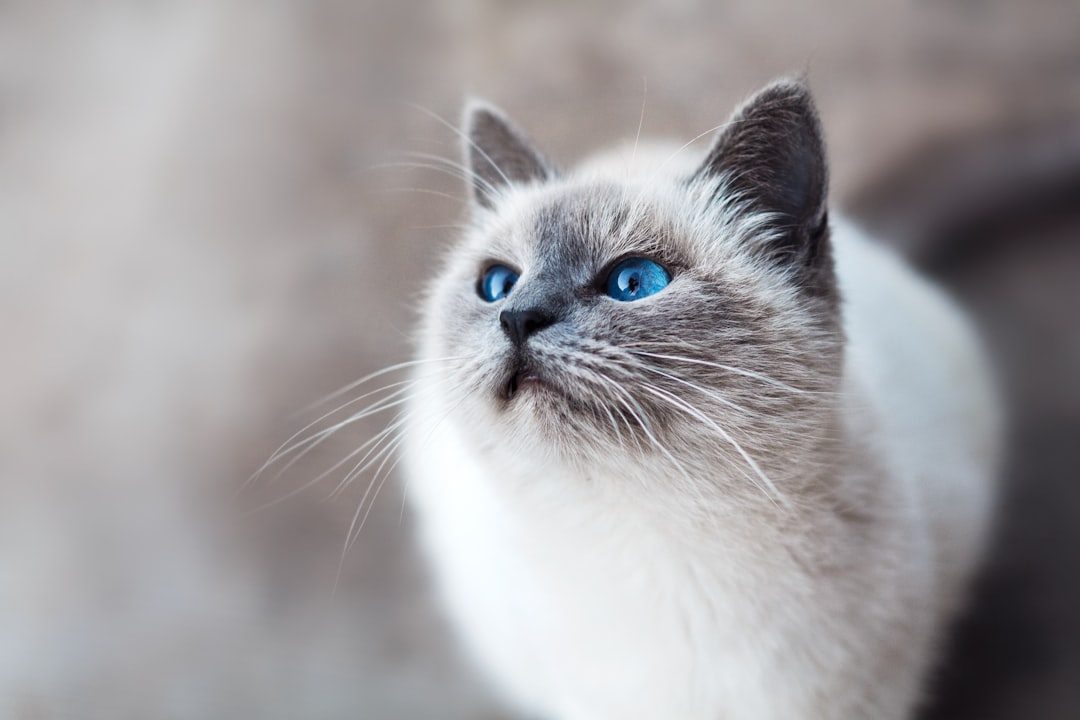
Understanding the real behavior and needs of makes you a better pet parent. These myths aren’t just harmless misunderstandings. They can actually affect how you care for your feline friend. When you know that purring doesn’t always mean happiness, you’ll watch for other signs of distress. When you understand need routine vet care regardless of whether they go outside, you’ll keep up with those important checkups.
remain wonderfully mysterious creatures even when we separate myth from reality. They’ll still do inexplicable things like knocking your water glass off the counter while maintaining eye contact. What do you think about these myths? Did any of them surprise you?