7 Mind-Blowing Facts About the Canada Lynx
#1. Its paws work like built-in snowshoes
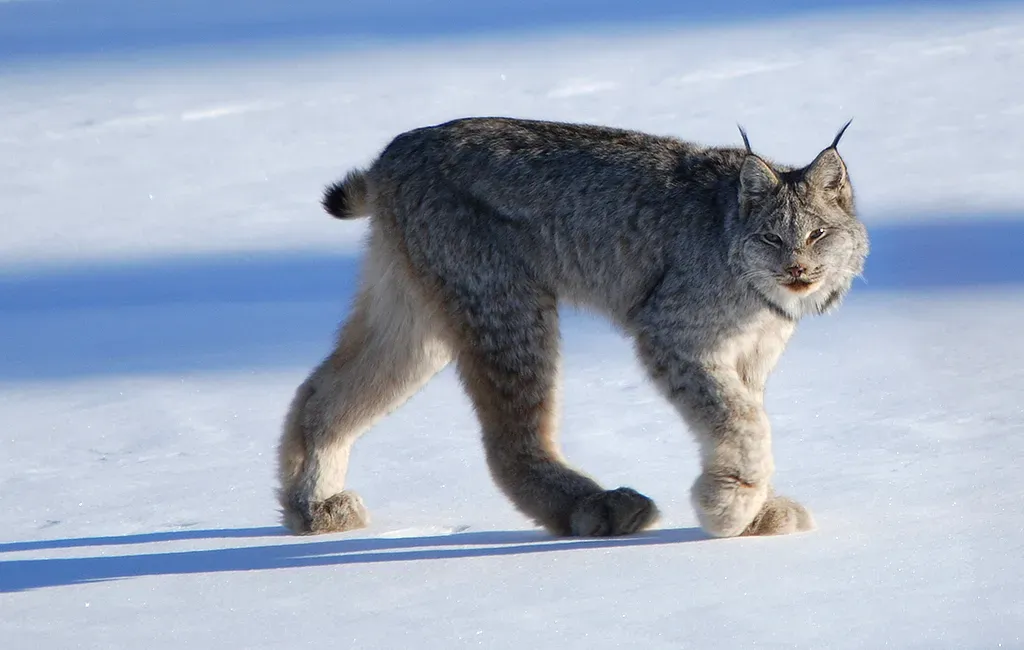
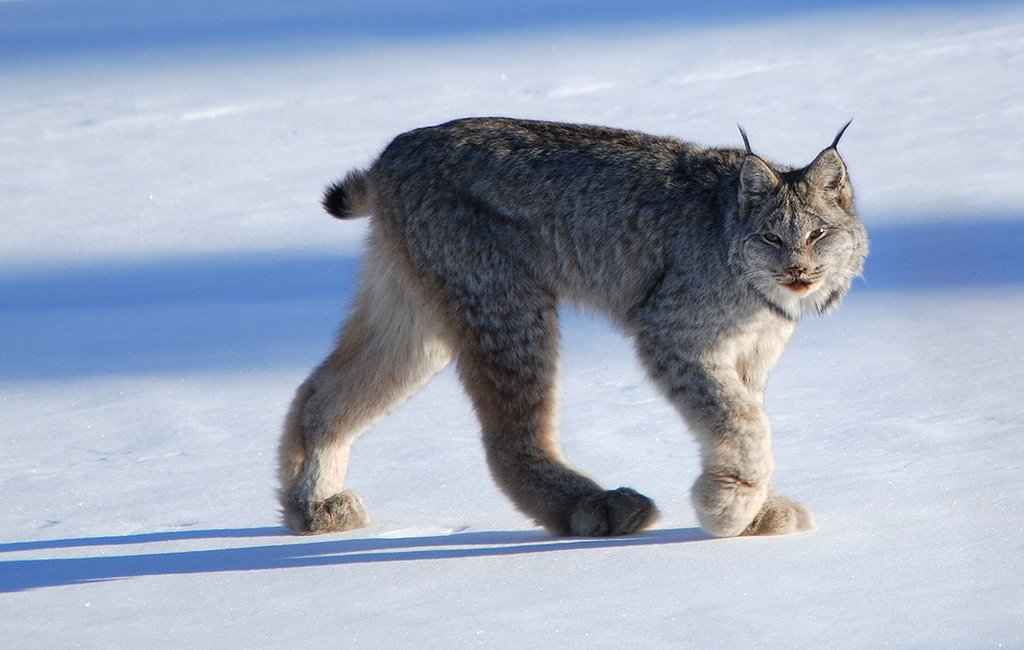
The first thing most people notice about a Canada lynx, if they're lucky enough to see one, is the sheer size of its feet relative to its body. The lynx's large, furry paws function like snowshoes, distributing its weight over the snow, allowing for efficient movement in its snowy habitat. That's not a loose comparison, either. The paws are wide, densely furred on the bottom, and built specifically to keep the animal from sinking into deep drifts that would slow down almost any other predator its size.
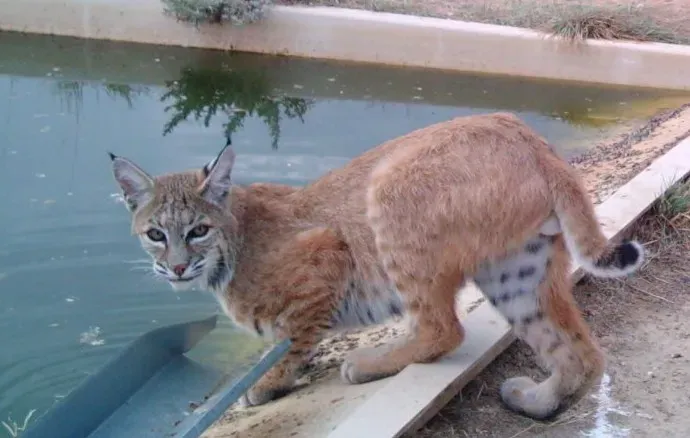
This adaptation becomes even clearer when you compare the lynx to its closest relative, the bobcat. Compared to the Bobcat, Lynx rufus, the Lynx has longer legs and broader footpads for walking in deep snow. The two cats look similar at a glance, but the lynx is essentially the cold-weather specialist of the pair, built for a world where snow depth can make or break a hunt.
#2. Its entire life is tied to one prey species
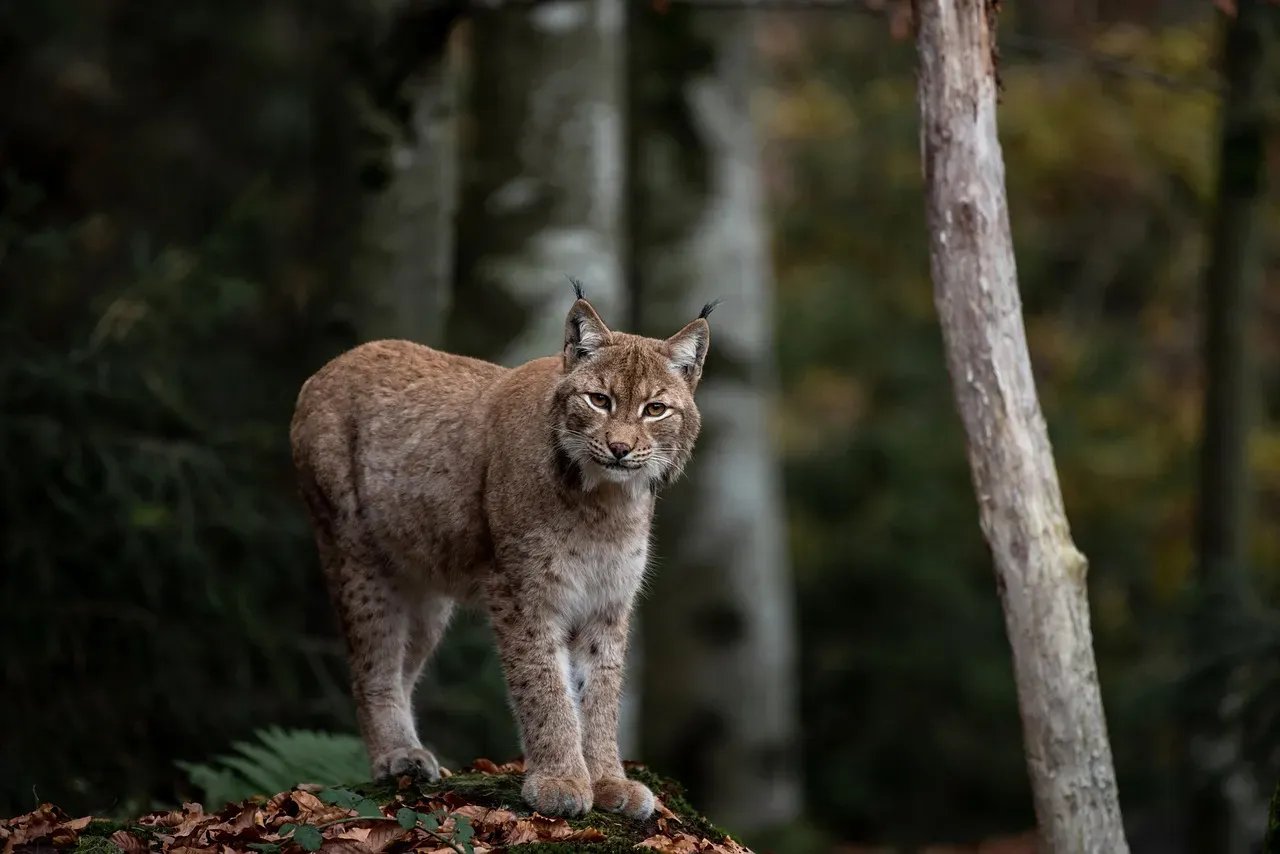
Most predators have a varied menu. does not, at least not by choice. primarily preys on snowshoe hare, which make up 35 to 100 percent of its diet. During the harsher winter months that number climbs even higher, with some regional estimates putting hare consumption at around three-quarters of the lynx's total diet.
This isn't just a dietary preference, it's closer to a biological dependency. is an iconic boreal specialist whose populations cycle with the snowshoe hare, its primary prey. When hare numbers are healthy, lynx thrive. When hares disappear, lynx populations follow them down, sometimes with a brutal lag that leaves cats struggling to find enough food.
#3. Its population rises and falls like clockwork, every decade
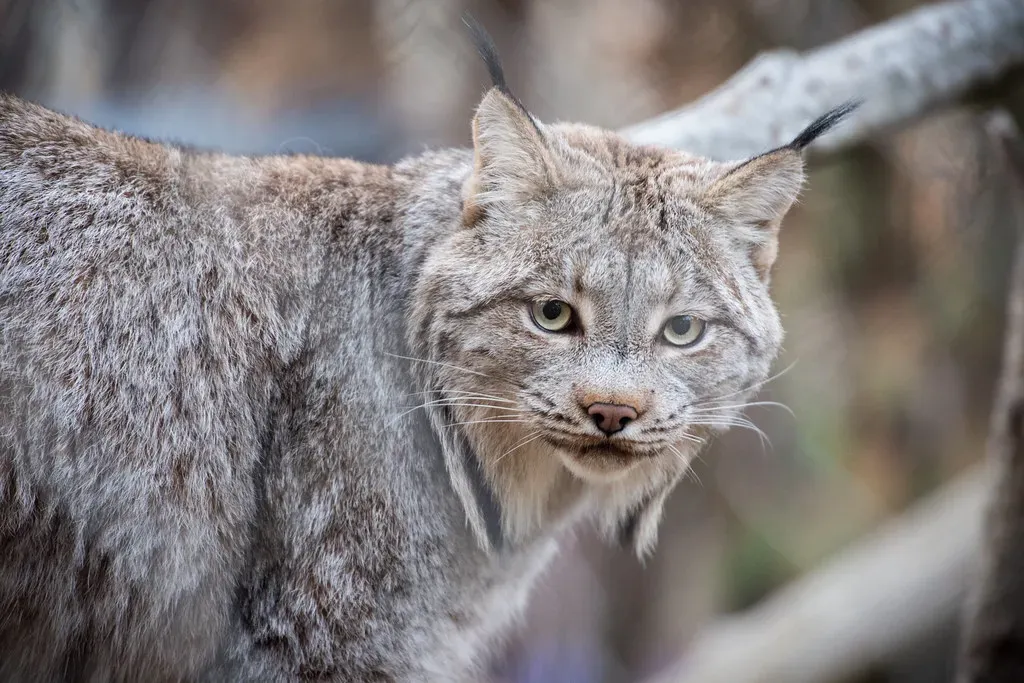
This next fact sounds almost too tidy to be real, but it's one of the most studied patterns in all of wildlife ecology. The snowshoe hare and the Canadian lynx in the boreal forests of North America show 9- to 11-year density cycles, generally assumed to be linked to each other because lynx are specialist predators on hares. Hare numbers boom, then crash, and lynx numbers trail a year or two behind in an almost eerily consistent rhythm.
What's remarkable is how long this pattern has been documented. This enduring relationship is borne out by Indigenous knowledge and centuries of fur trapping data, and is integral to boreal forest science. Researchers like Stan Boutin at the University of Alberta have watched this drama unfold for decades in Canada's Yukon, and even after nearly fifty years of observation, the cycle still manages to surprise people who study it for a living.
#4. Its ear tufts might be more than decoration
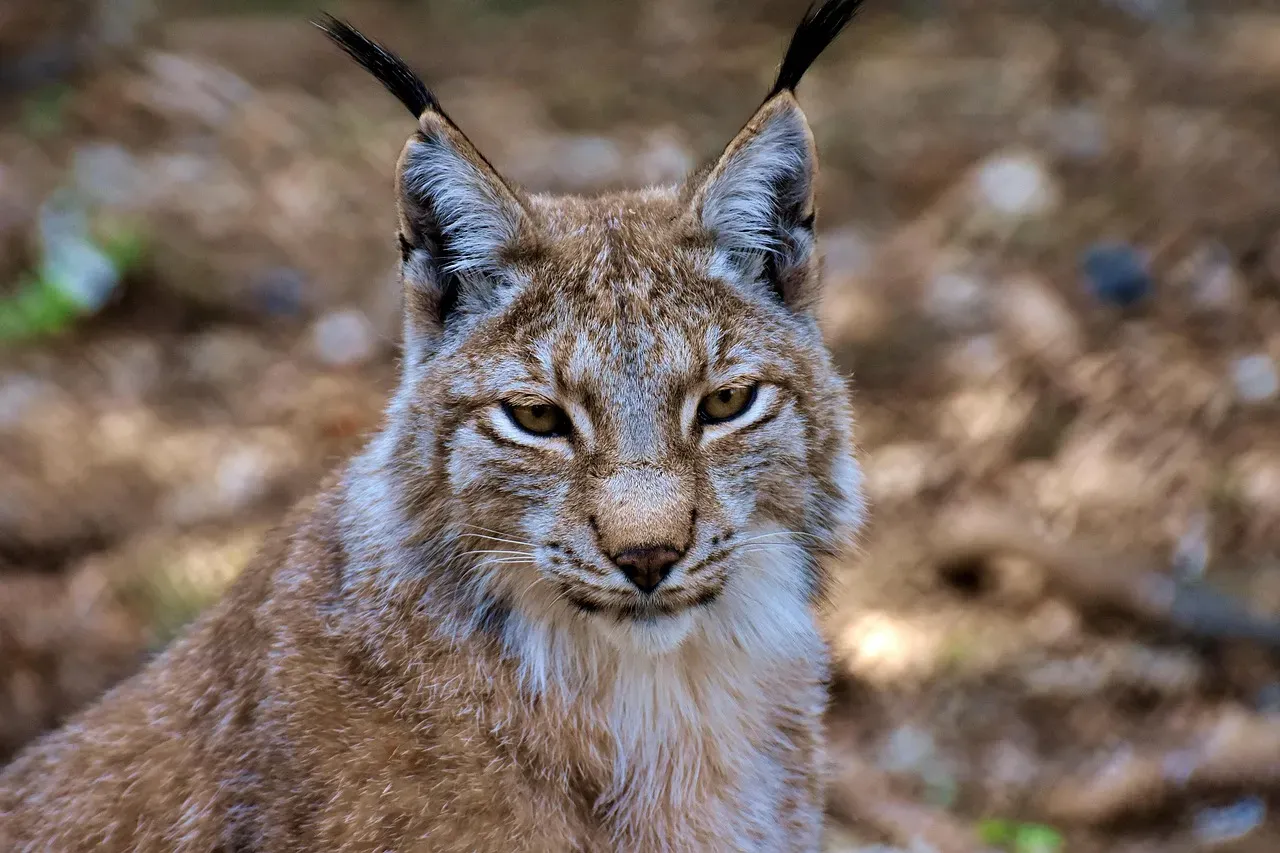
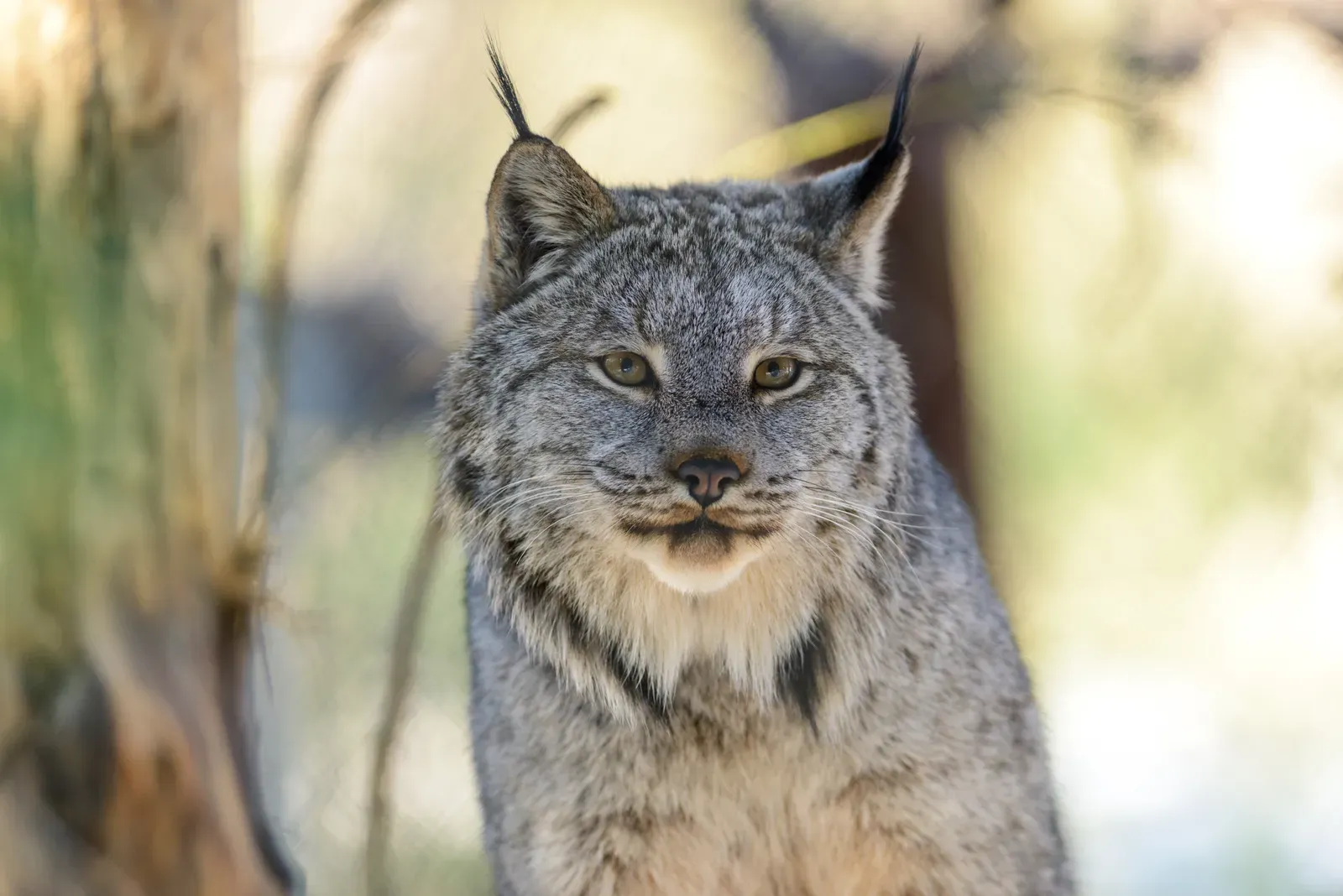
Those dramatic black tufts on top of a lynx's ears are one of its most recognizable features, but scientists still aren't entirely sure what they're for. All lynx have these tufts, but their purpose isn't completely clear. Some scientists think a lynx uses them like whiskers to detect things above its head. Others think the cluster of hairs enhances the cat's hearing. It's a rare case of a very visible trait that remains genuinely mysterious.
Whatever their exact function, the ears themselves are clearly doing serious work. The lynx's elongated ear tufts enhance its hearing, allowing it to detect potential prey's slightest movement and sound. In a landscape where hares can freeze silently under brush for long stretches, that kind of acoustic sensitivity isn't a luxury, it's essential to actually catching dinner.
#5. It can travel enormous distances chasing its prey
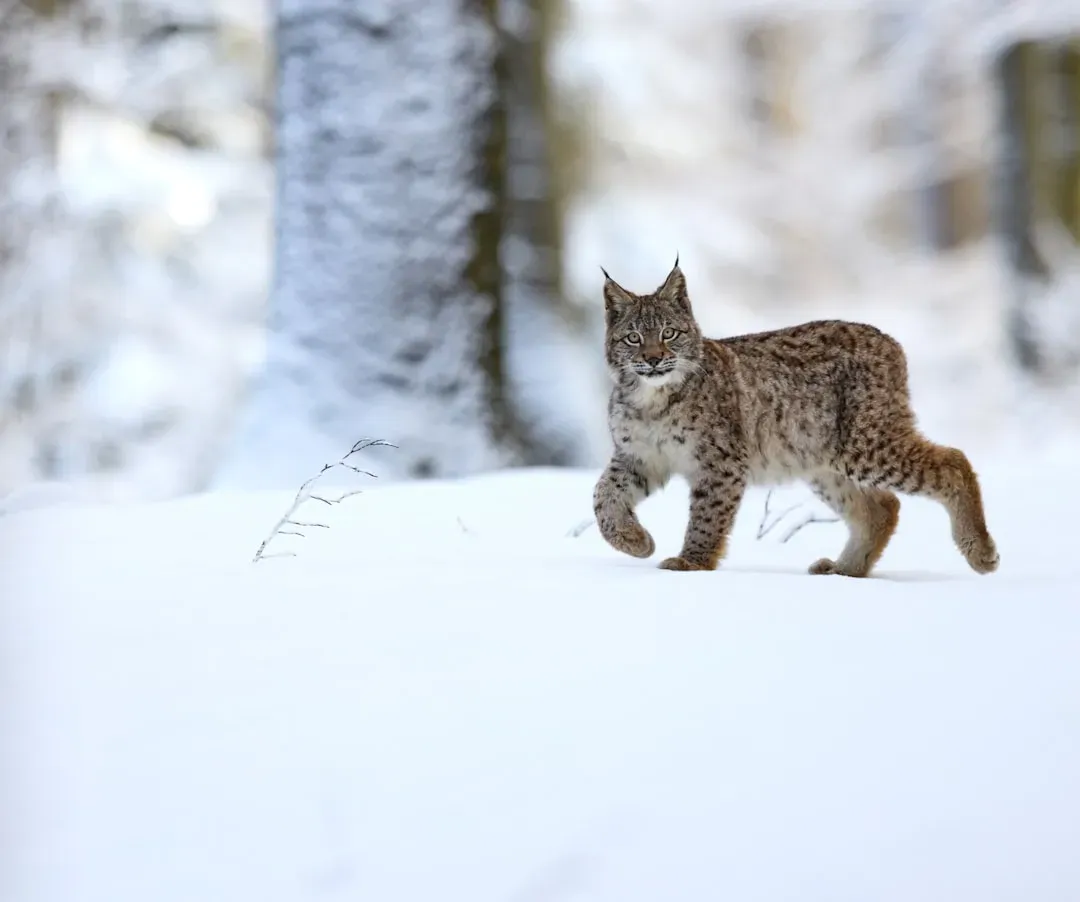
When local hare populations crash, lynx don't just sit and starve quietly. They move, and they can move a long way. Lynx have been recorded travelling long distances, up to 1,200 km, seeking out patches of hare abundance. That's a staggering trek for an animal weighing roughly the same as a large house cat.
This kind of long-range dispersal helps explain why lynx populations across different regions don't always crash and rebound at exactly the same time. Researchers studying Alaska populations have even started asking whether these boom-and-bust waves ripple across the landscape geographically rather than happening everywhere at once, with peaks potentially moving from one region to another over time rather than in perfect unison.
#6. It's already lost a huge chunk of its historic range
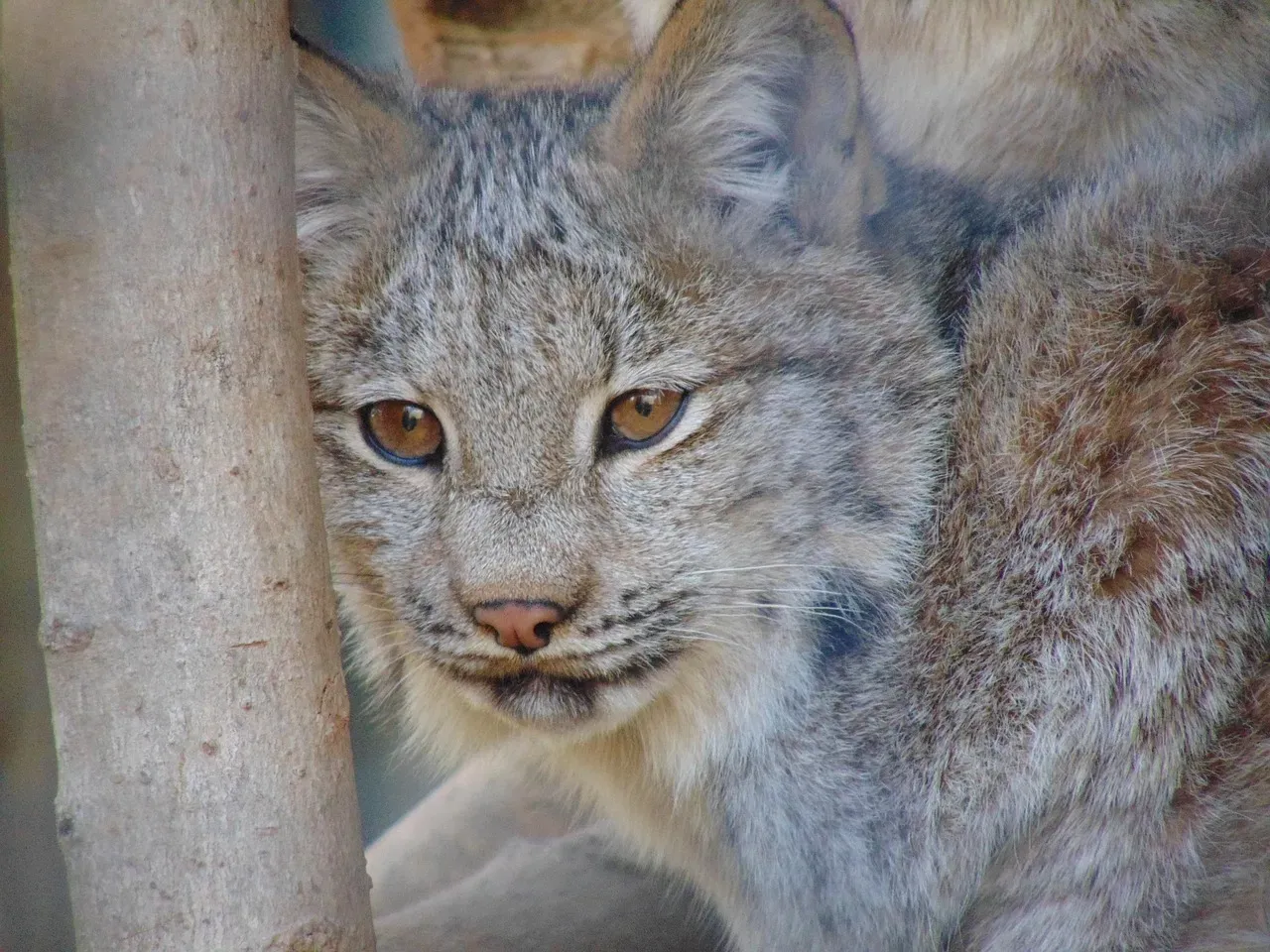
For an animal so closely tied to snow and boreal forest, a shrinking cold-weather map is bad news. The lynx has lost about 40% of its historical geographic range across North America. That figure lines up with other assessments as well.
is listed as a species of least concern by the International Union for Conservation of Nature, though it is no longer found in 40 percent of its former North American range. The threats aren't a single dramatic event but a slow accumulation of pressures. Although hunting and trapping are strictly regulated, the lynx faces threats such as habitat loss, climate change, vehicle collisions, competition with coyotes, and predation by wolves. It's the kind of decline that doesn't make headlines but adds up quietly over generations.
#7. Even snow depth itself is shrinking its habitat
Here's a fact that connects almost everything else on this list back to a single, uncomfortable trend. Snow isn't just scenery for a Canada lynx, it's the entire competitive advantage the animal has built its life around. Where snow gets shallower, bobcats and coyotes, which lack the lynx's oversized paws, can move in and start competing for the same hares.
Recent regional data backs this up in a fairly stark way. According to reporting on conditions in the Yukon, the region is receiving approximately one-third less snow than it historically did. That kind of shift doesn't sound dramatic on paper, but for an animal whose entire body plan is optimized for deep snow, it quietly reshapes the competitive landscape in favor of species that were never supposed to be rivals in the first place.
The Takeaway