7 Signs Cats Are Not as Affectionate as You Think
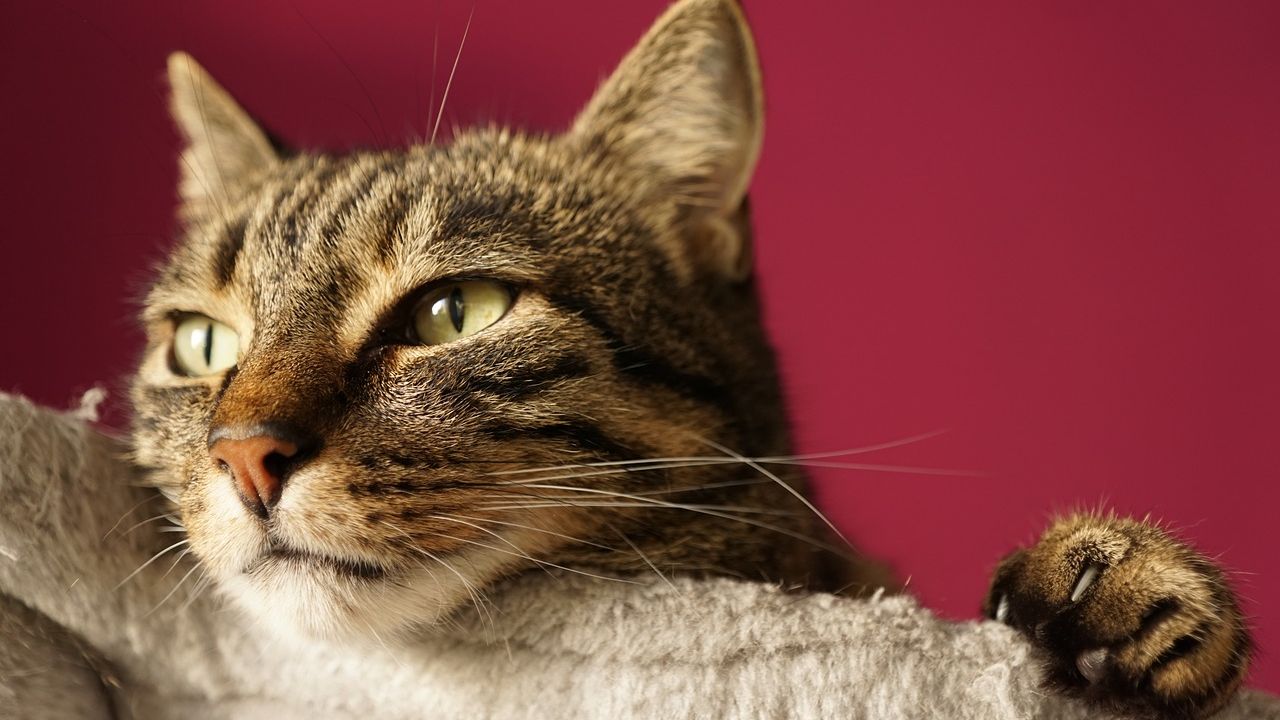
You probably believe your cat adores you. They curl up next to you, purr when you enter the room, and occasionally nudge your hand for attention. That's love, right? Well, here's the thing: what you're interpreting as deep affection might actually be something entirely different. Cats are masters of subtle communication, and sometimes the signals we think mean love are actually signs of tolerance, stress, or even discomfort. Let's be real, our feline friends are experts at keeping us guessing.
Understanding your cat's true feelings isn't always straightforward. While dogs practically wear their hearts on their sleeves, cats operate in a more mysterious realm. They've perfected the art of making us believe they adore us when they might simply be using us for warmth or food. So let's dive in and explore the surprising signs that your cat might not be as affectionate as you've convinced yourself they are.
They Only Approach You at Feeding Time
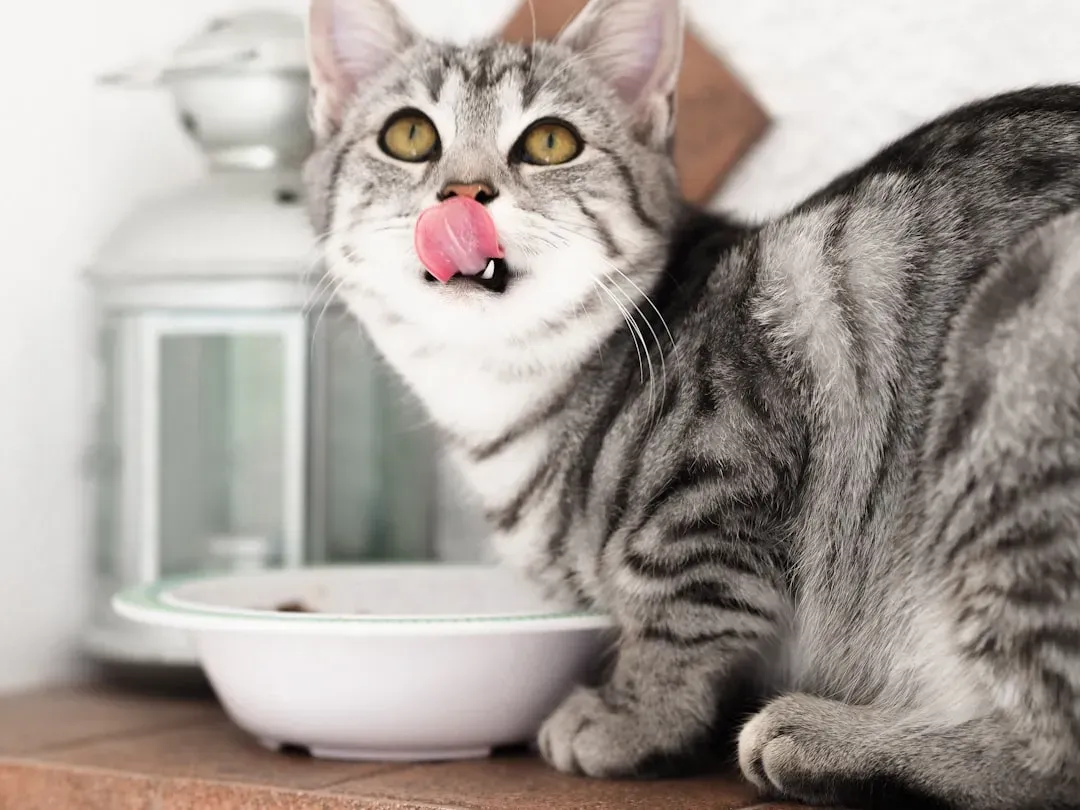
Individual cats vary widely in affection levels depending on factors such as their socialization as kittens or whether they have been neutered. If your cat suddenly becomes your best friend the moment you walk toward the kitchen but ignores you the rest of the day, that's not affection. That's strategy. Think about it: does your cat seek you out when you're sitting quietly reading a book, or do they only materialize when the food cabinet opens?
All cats are different and have their own personalities, with some cats being very obviously affectionate and others less so. However, if every single interaction revolves around mealtime, your cat has basically reduced you to the role of food dispenser. True affection means they want to be near you regardless of whether there's something in it for them. If your cat vanishes the moment their bowl is empty, well, you might need to face the truth about this transactional relationship.
They Tolerate Petting for Only Brief Moments
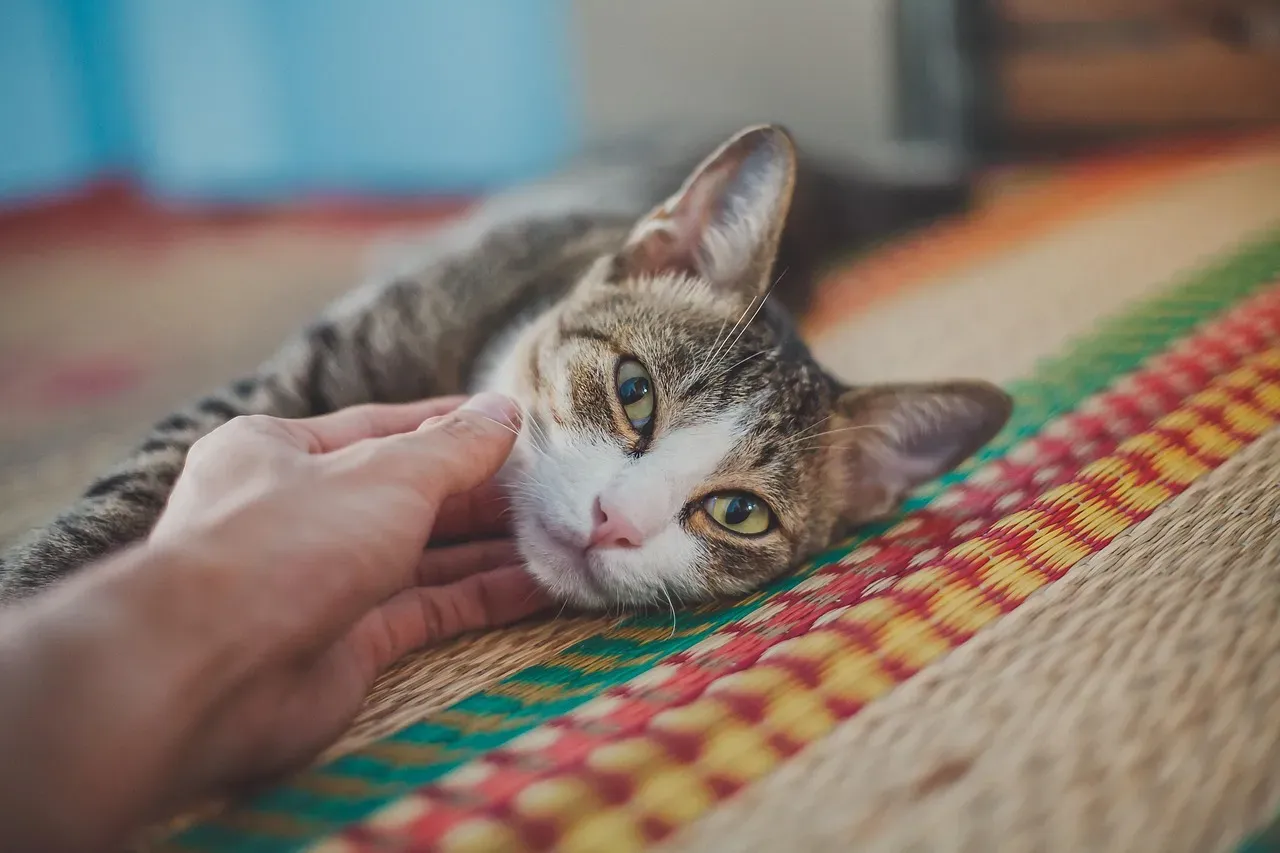
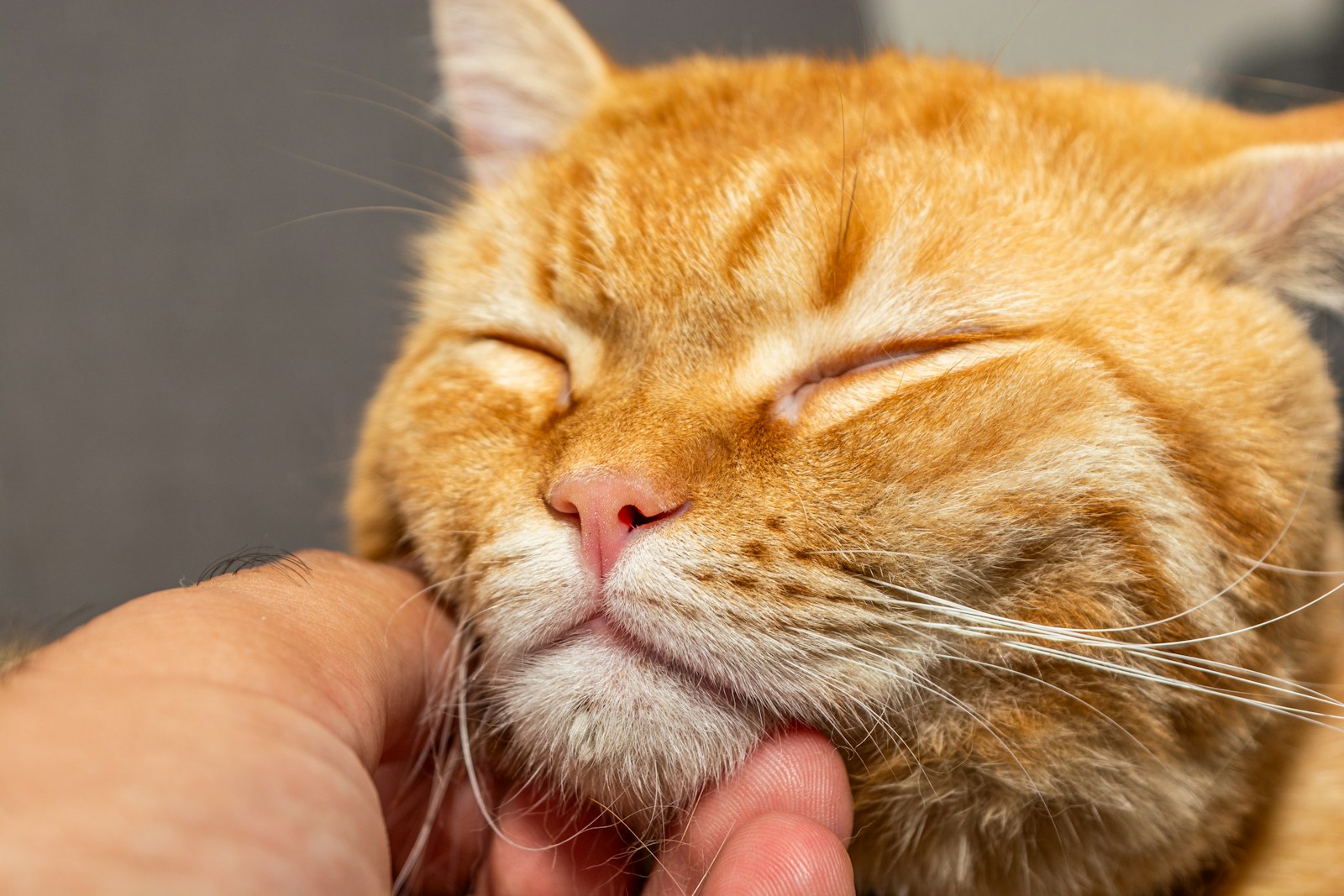
You reach out to stroke your cat's soft fur, and within seconds, they're walking away or swatting at your hand. Many cats do not enjoy being cuddled or handled excessively, as they often tolerate petting for a limited time before becoming upset and lashing out. This isn't a sign of affection. It's tolerance at best.
Look for signs such as pinning of the ears, tensing of the body, raising of the hair, twitching of the tail, and dilation of the pupils. These subtle cues tell you that your cat has reached their limit. Some cats have what's called petting-induced aggression, where too much physical contact actually stresses them out. If your cat consistently pulls away after just a few strokes, they're not being affectionate. They're being polite, which is quite different from actually enjoying your touch.
They Sit Near You But Face Away
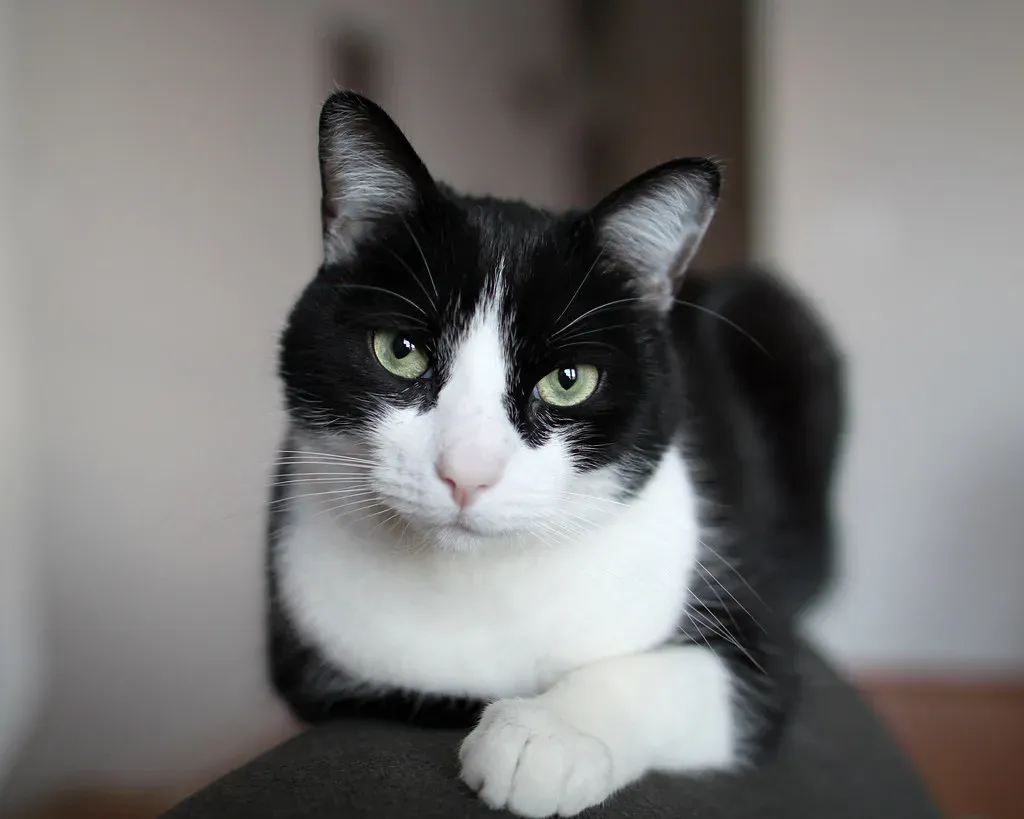
Your cat settles down on the couch, just a foot away from where you're sitting. Cute, right? Except they're facing the opposite direction, their back turned to you completely. Sitting near you but facing away from you is actually an indicator that your cat likes you. Wait, that sounds contradictory. Let me explain.
While some experts say this shows trust, it can also mean your cat wants to keep an eye on everything except you. If a cat is pointing their body and head toward you, they may be interested in you and receptive to your advances, while a cat who faces away from you may not necessarily be disinterested. The context matters enormously here. If your cat consistently positions themselves with their back to you, never making eye contact or seeking physical touch, they might just be tolerating your presence rather than actively enjoying it. True affection usually involves some level of engagement, not just proximity.
They Never Seek Out Physical Contact on Their Own
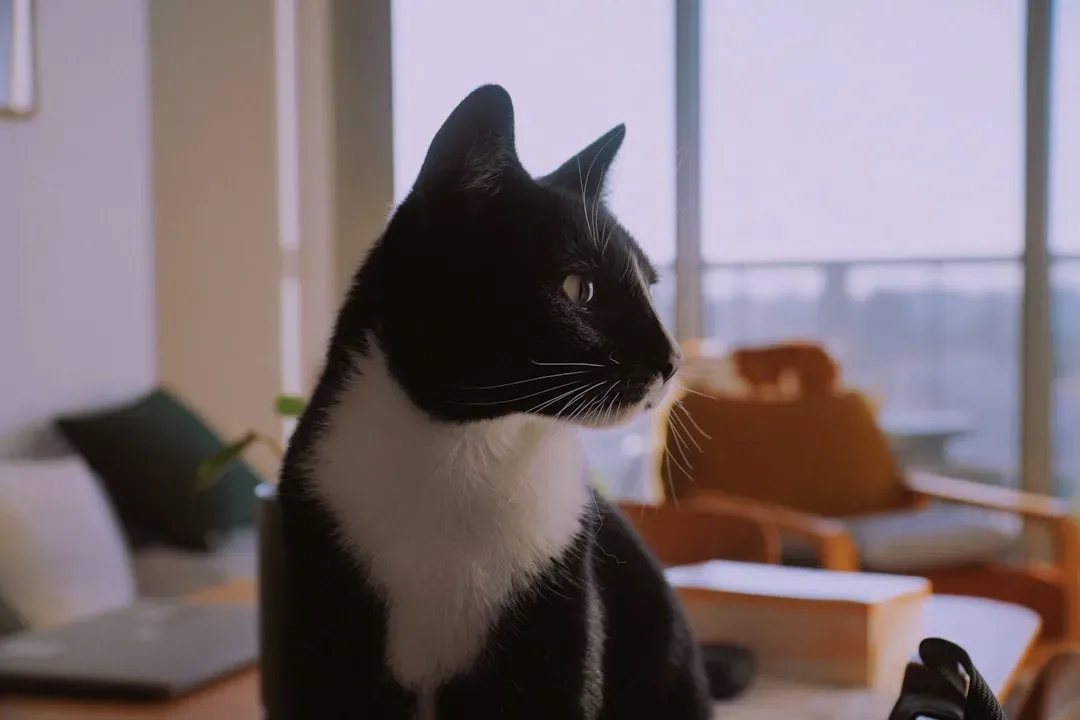
Cats must be socialized as kittens to be accepting of people, and if a kitten has no contact with humans during their socialization period between 2 and 7 weeks of age, they may have trouble being affectionate later in life. If you always have to be the one initiating cuddles, pets, or lap time, that's a red flag. Affectionate cats actively seek out their humans.
They'll jump on your lap unprompted, headbutt your leg when you're standing in the kitchen, or meow at you until you pay attention to them. If your cat never initiates contact and only accepts it when you force the issue, honestly, they're just being polite. Cats that may not have been socialized as kittens need to socialize with both other kittens and people. Without proper early socialization, some cats simply don't develop that deep bond with humans that we associate with affection.
Their Purring Doesn't Always Mean Happiness
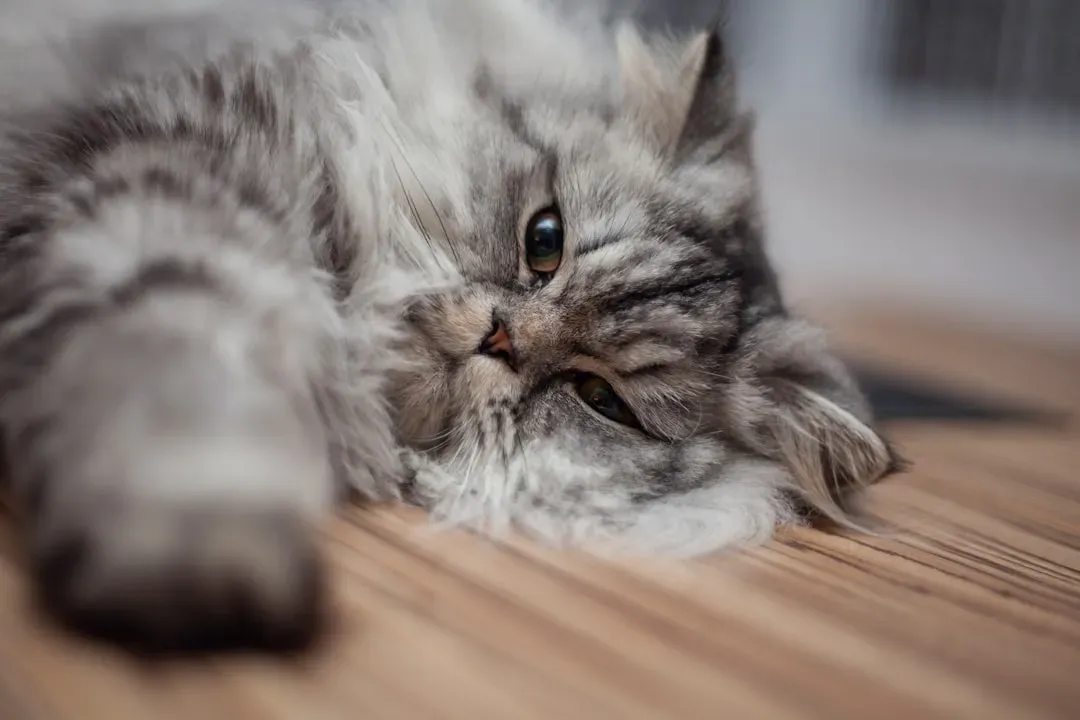
Here's something that might shock you: purring isn't always a sign of contentment. While purring is often associated with contentment, cats may also purr when they're in pain, anxious, or unwell, so it's important to observe the context and the rest of your cat's body language. That comforting rumble you hear might actually be your cat's way of self-soothing during stress.
We often think that our cats are happy when they purr, but this is only true if their body language is relaxed; they can also purr in stressful situations, such as going to the vet. If your cat is purring but their body is tense, their ears are flattened, or they're trying to escape, that purr isn't affection. It's a coping mechanism. Many cat owners mistake this stress response for happiness, continuing to handle their cats in ways that make them uncomfortable. Reading the whole picture, not just listening for the purr, is crucial to understanding your cat's true emotional state.
They Show Signs of Stress During Interactions
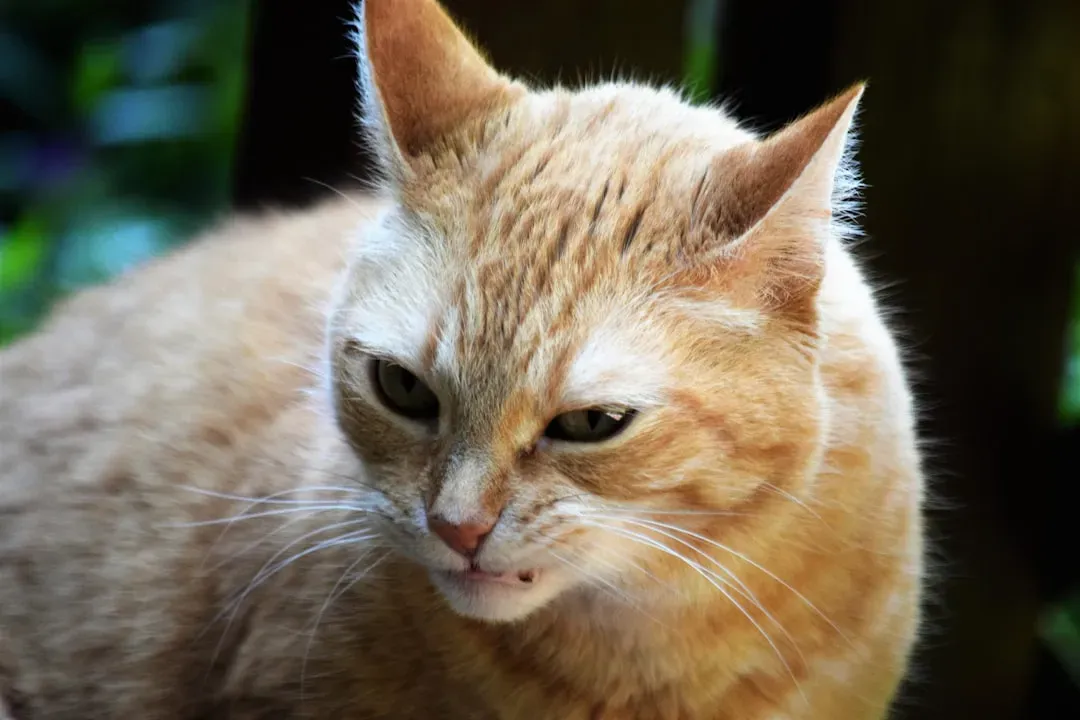
A cat who's mildly stressed or trying to avoid something unpleasant might blink rapidly, turn their ears outward or back, and turn their head away, with pupils that might be dilated and whiskers held farther forward than normal. These aren't signs of a cat enjoying your company. These are signals that your cat is uncomfortable and looking for an escape route.
Cats are very sensitive animals, and if they live in a home with lots of loud noises, yelling, or high tension, they might become stressed out and anxious despite wanting love and affection, causing them to withdraw and spend less time around the people who make them nervous. Sometimes what we interpret as shyness or aloofness is actually chronic stress. Your cat might not be standoffish by nature. They might simply be overwhelmed by their environment or the way you interact with them, leading them to keep their distance as a protective measure.
They've Suddenly Become Less Affectionate
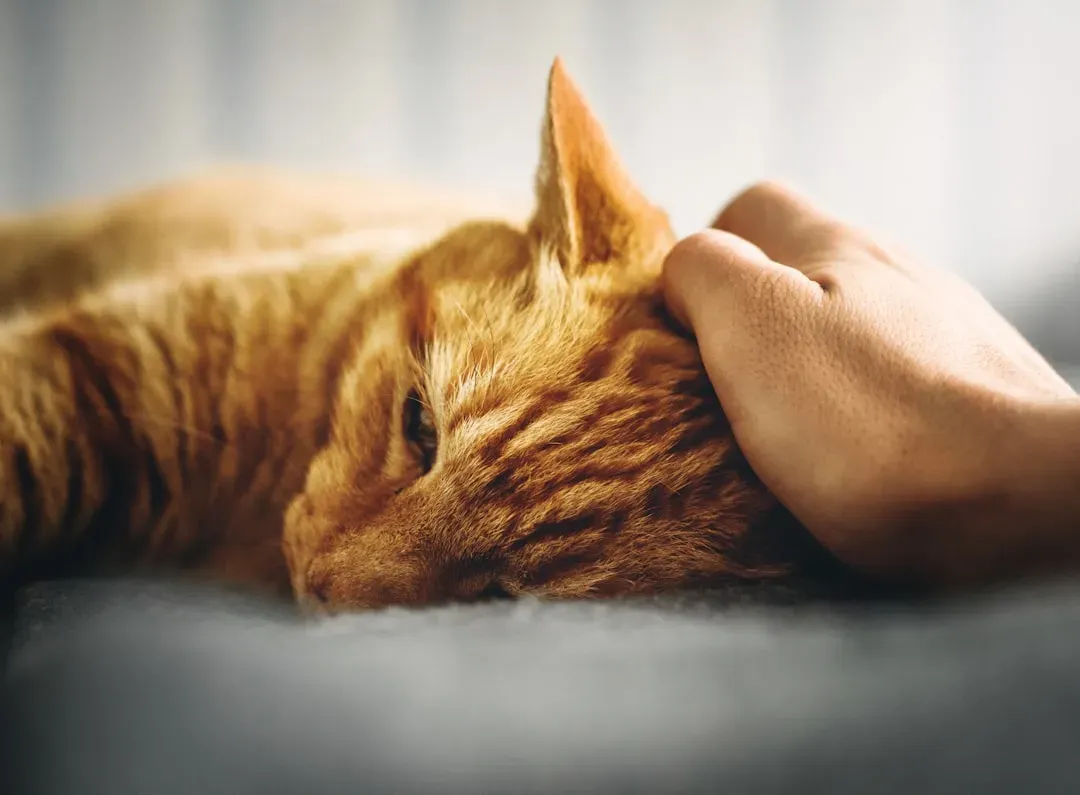
If your cat is suddenly no longer affectionate, or noticeably less so, please take them to the vet because it's extremely important to not take any chances with an underlying health issue that might get worse over time. A sudden change in affectionate behavior is rarely just a mood swing. It's often a sign that something is medically wrong.
Pain can lead to a decrease in affection, as pets and cuddling can cause pain for cats with certain health issues like digestive problems, dental issues, and arthritis, so they may avoid people altogether. Think about it: if every time someone touched you it hurt, you'd avoid them too. Cats hide illness exceptionally well as a survival instinct, so behavioral changes like withdrawal or avoiding touch might be the only clue you get that they're suffering. If your once-cuddly cat now flinches when you reach for them or has stopped jumping on your lap, it's time for a vet visit, not just acceptance that they've become less loving.
Conclusion
Understanding your cat's true feelings requires looking beyond the surface behaviors we want to interpret as love. Sometimes our cats are simply tolerating us, stressed by our interactions, or dealing with health issues that make affection uncomfortable. It may be that your cat is showing you subtle signs of affection that you may not notice, and cats show affection in more subtle ways than we expect. The key is learning to read their actual body language rather than projecting our own desires onto them.
If you've recognized your cat in any of these signs, it doesn't mean they don't care about you at all. It just means you might need to adjust your expectations and interactions to better match their personality and needs. Give them space when they need it, watch for signs of stress or pain, and let them come to you on their own terms. What's your experience been like with your cat's affection levels? Have you noticed any of these signs in your own feline companion?