Your Cat's Favorite Naps Reveal Their Deepest Comforts and Trust
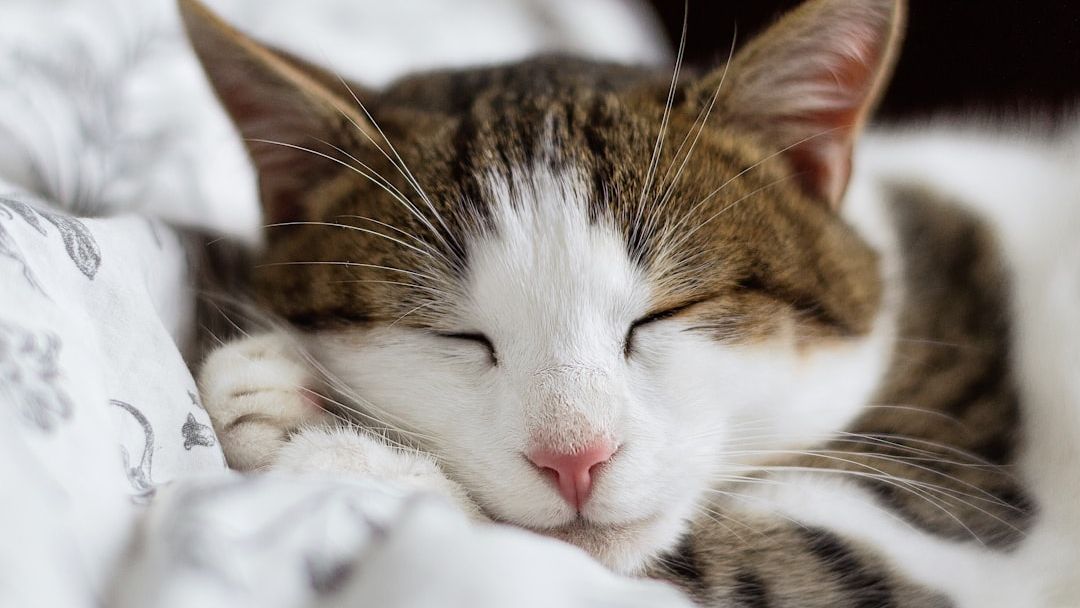
There is something quietly magical about watching your cat settle in for a nap. One moment they are prowling the kitchen counter, and the next, they have folded themselves into a perfect little bread loaf on top of the laundry pile. It seems random. It seems silly. Honestly, it is one of the most revealing things your cat will ever do.
Every single sleeping position, every preferred corner and cozy crevice, carries a message about how your cat feels in their world, and more specifically, how they feel about you. If you have ever wondered what your cat is really communicating when they curl up beside you or sprawl belly-up on the living room rug, you are about to find out. Let's dive in.
Why Cats Sleep So Much - and What It Actually Means for You
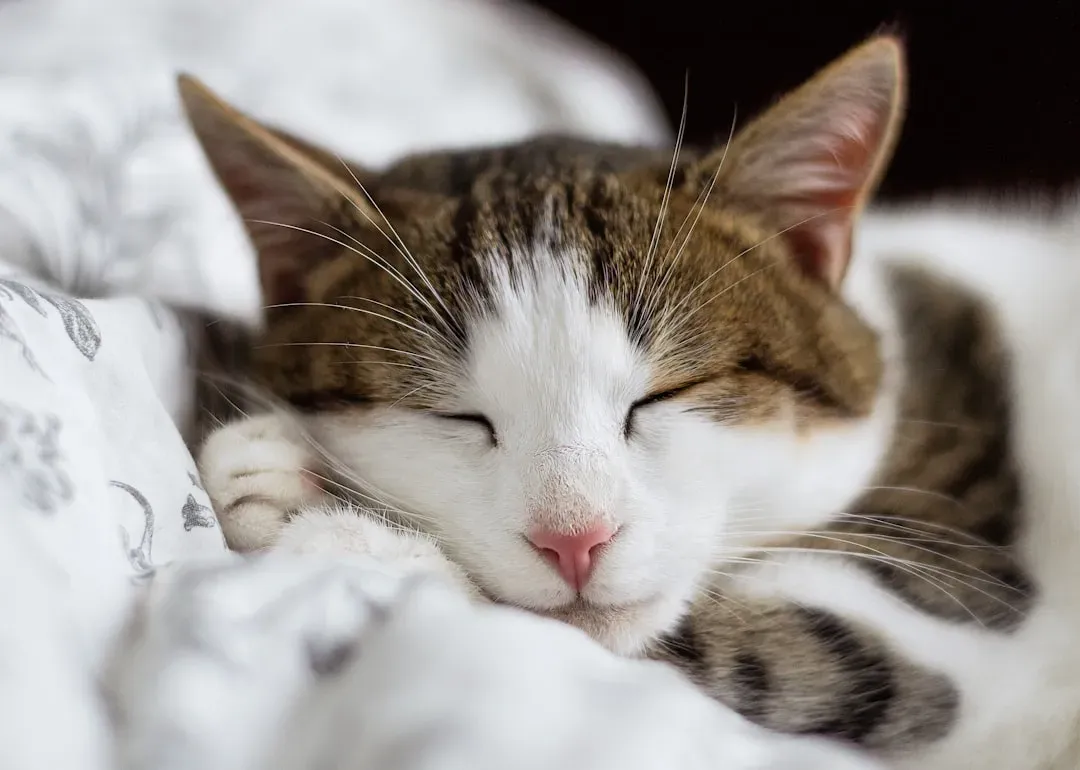
Adult cats usually spend about 16 hours a day in some form of napping. That is not laziness. Think of it more like a survival strategy that evolution never bothered to update for domestic life. Your sofa-dwelling fluffball is operating on the same internal programming as a wild ancestor who needed to conserve every possible calorie between hunts.
Sleep is vital to a cat's health, much more than just a simple rest period. During sleep, a cat's body undergoes various physiological processes essential for well-being. It's a time when their body repairs itself, builds muscle and bone, and strengthens the immune system. So the next time your cat clocks in yet another two-hour nap, know that something genuinely productive is happening underneath all that fluff.
The Belly-Up Position - The Ultimate Compliment a Cat Can Pay You
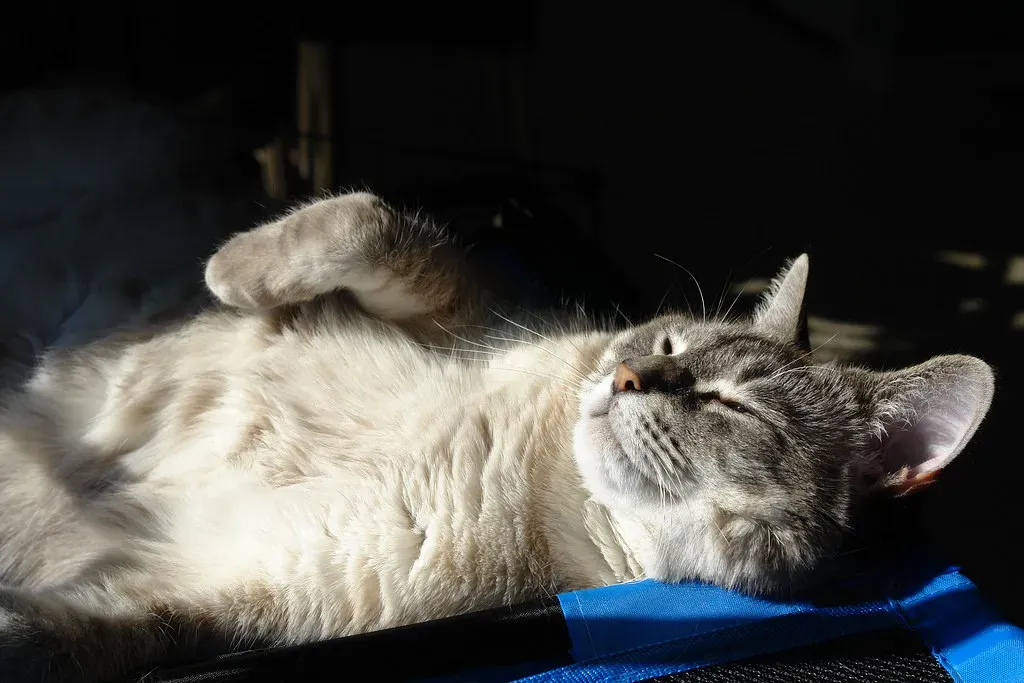
Here is the thing: if your cat rolls onto their back and exposes their belly while napping near you, that is not just cute. It is monumental. The belly-up position is the ultimate sign of total trust, because the stomach is their most vulnerable spot, so exposing it means they feel completely safe. In the wild, no self-respecting cat would ever sleep like that. It would be practically suicidal.
However, resist the urge to rub their belly - most cats still consider this a breach of trust, even when they feel secure enough to sleep this way. I know, it seems unfair. They show you the belly, but you cannot touch the belly. Think of it as your cat's version of a respectful nod - acknowledging the bond without necessarily inviting hands-on celebration. Read the room, as they say.
The Classic Curl - Comfort Wrapped in a Circle
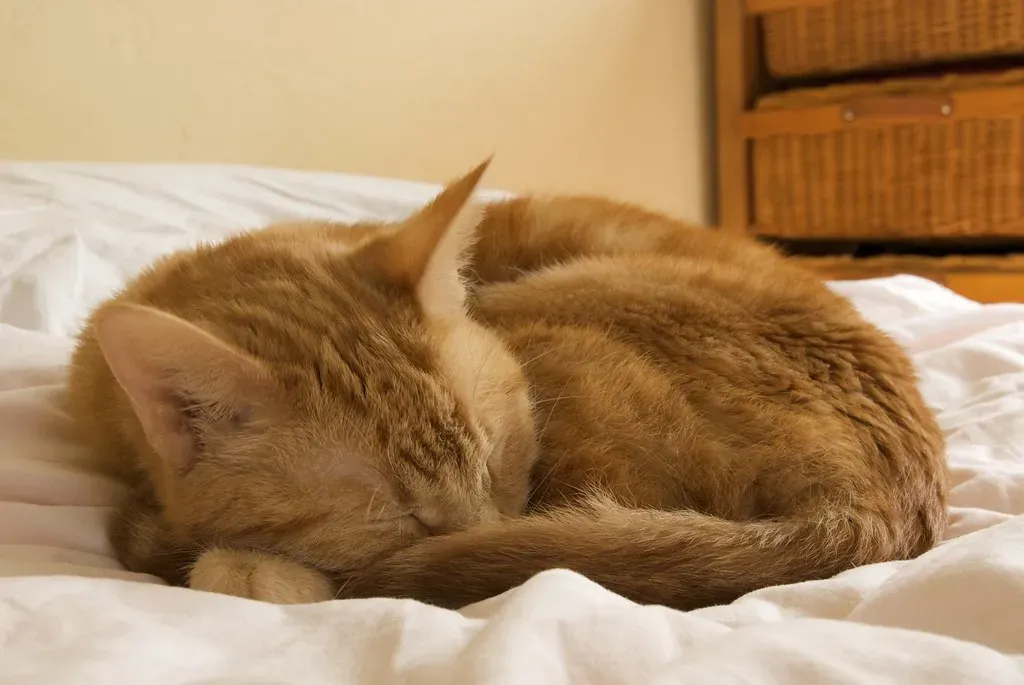
One of the most common and instinctive cat sleep positions involves the body curled nose-to-tail like a cinnamon roll. It's a comfort and security favorite, conserving heat and protecting vital organs while creating a self-soothing shield. This position goes back millions of years. Your cat is essentially doing what their wild relatives still do in cold, open terrain.
The crescent or cinnamon roll position is an instinctive way to conserve body heat and protect vital organs. It's a self-soothing posture that often means your cat is feeling a bit chilly or just wants to feel secure. If your cat consistently chooses this position, they are probably perfectly content but also slightly cautious. Not anxious, just sensibly protective of their own peace.
The Cat Loaf - Relaxed but Not Off Guard
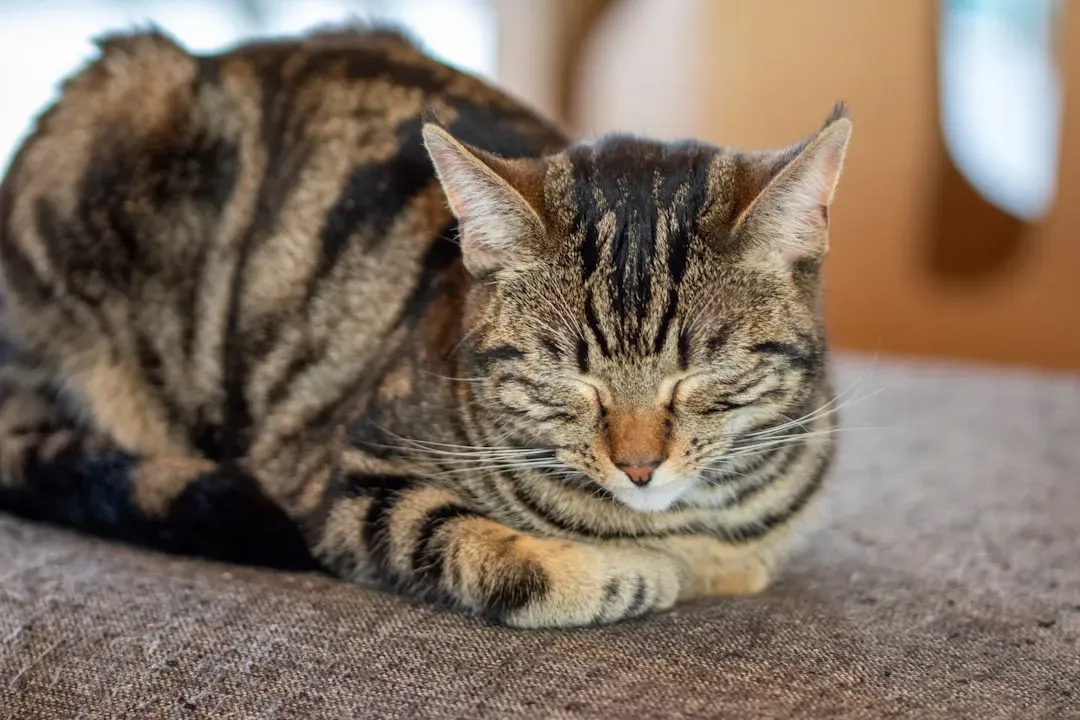
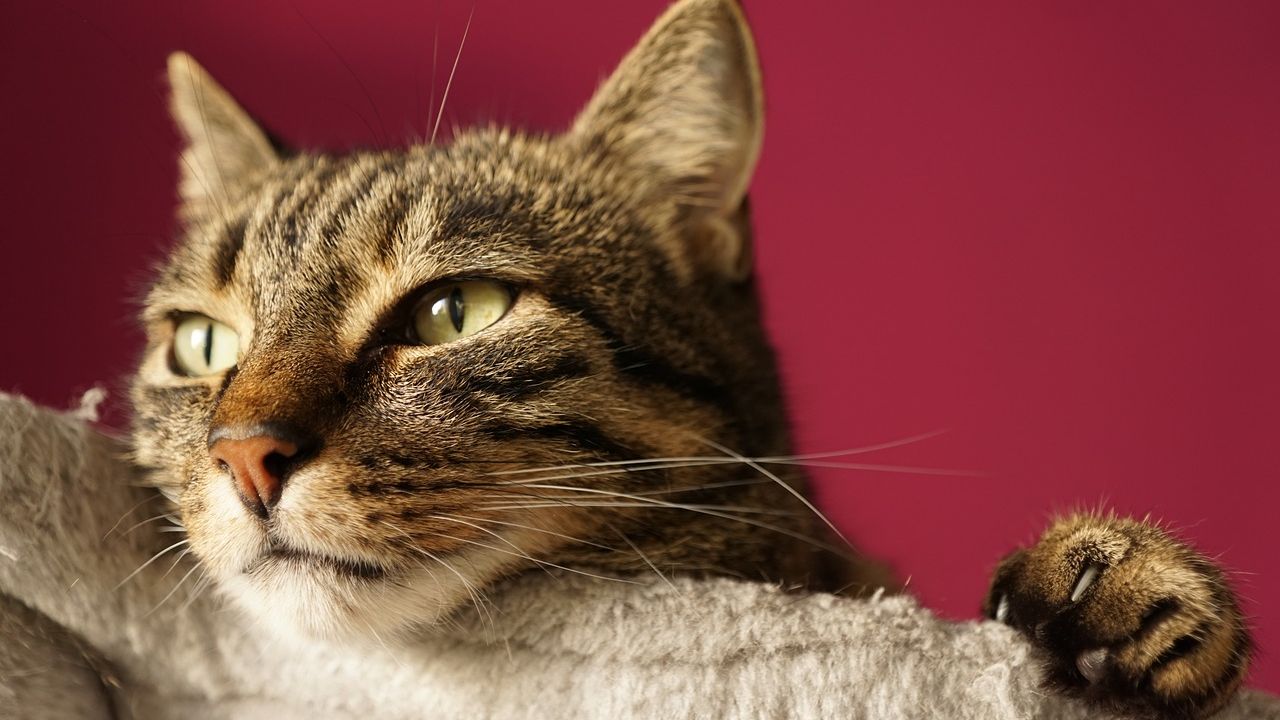
When your cat sits upright with their front paws neatly tucked underneath, resembling a perfect loaf of bread, they're demonstrating a fascinating balance between relaxation and alertness. It is one of the most beloved positions on the internet for good reason. The loaf looks ridiculous, like a furry rectangle with a face, and yet it is deeply purposeful.
The loaf position, where cats tuck their paws underneath while sitting upright, indicates a state of contentment mixed with alertness. It's a common position for cat napping rather than deep sleep, allowing them to stay warm while remaining aware of their surroundings. Translation? Your cat trusts the environment enough to rest, but still has one metaphorical eye open. Call it cautiously comfortable.
Sleeping on Your Chest - A Bond That Goes Back to Kittenhood
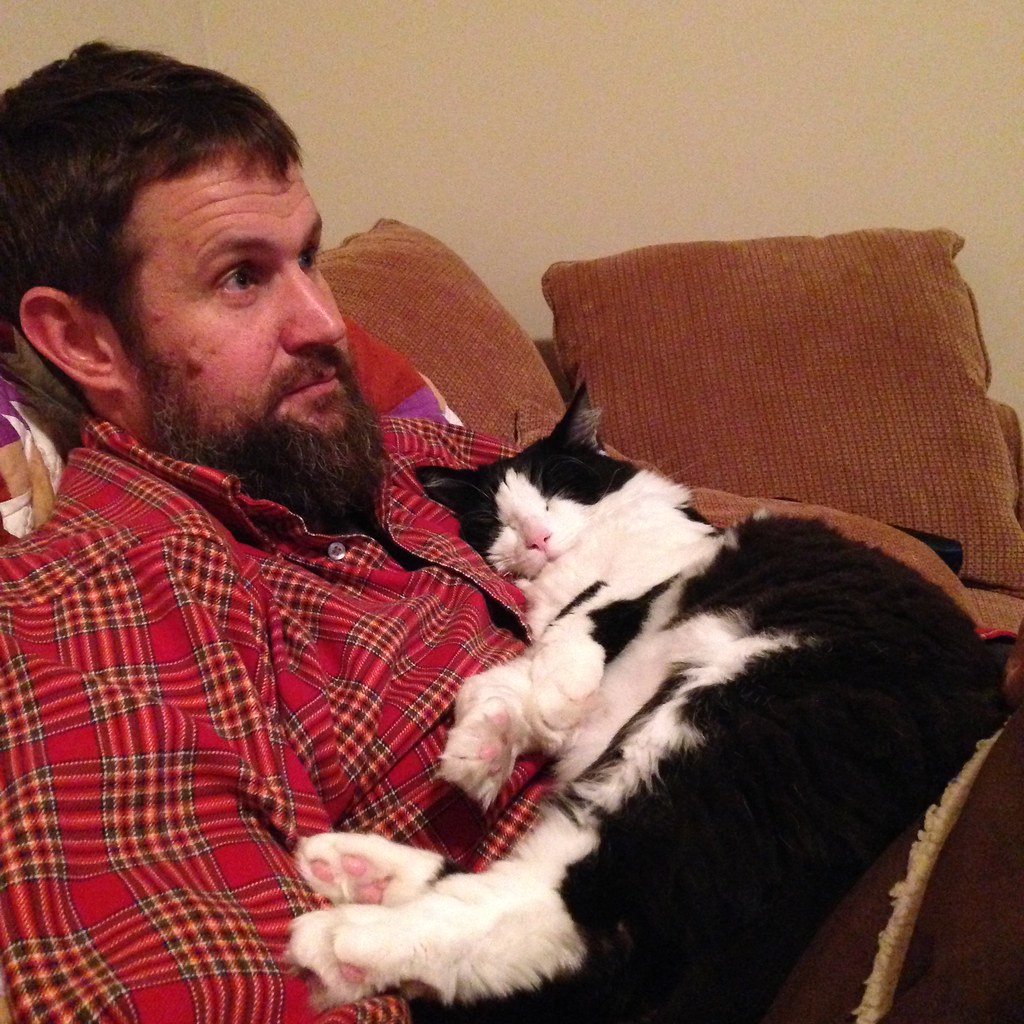
If you've ever wondered why your cat lays on your chest, the answer lies in kittenhood. The rhythmic sound of your heartbeat and the rise and fall of your breathing mimic the sensations they felt when sleeping against their mother and littermates. That is not just sweet, it is deeply primal. Your heartbeat is literally a lullaby to them.
If your cat chooses to rest on your chest, it may also be trying to feel your heartbeat and warmth. This kind of closeness is common in cats who have a strong bond with their owner. Sleeping chest-to-chest is a behavior you might see most often with kittens and their mothers, but adult cats will do it too if they feel close to you. So when your cat insists on napping directly on top of you at precisely the moment you need to move, take it as the highest form of feline flattery.
Sleeping at Your Feet - Affection with an Exit Strategy
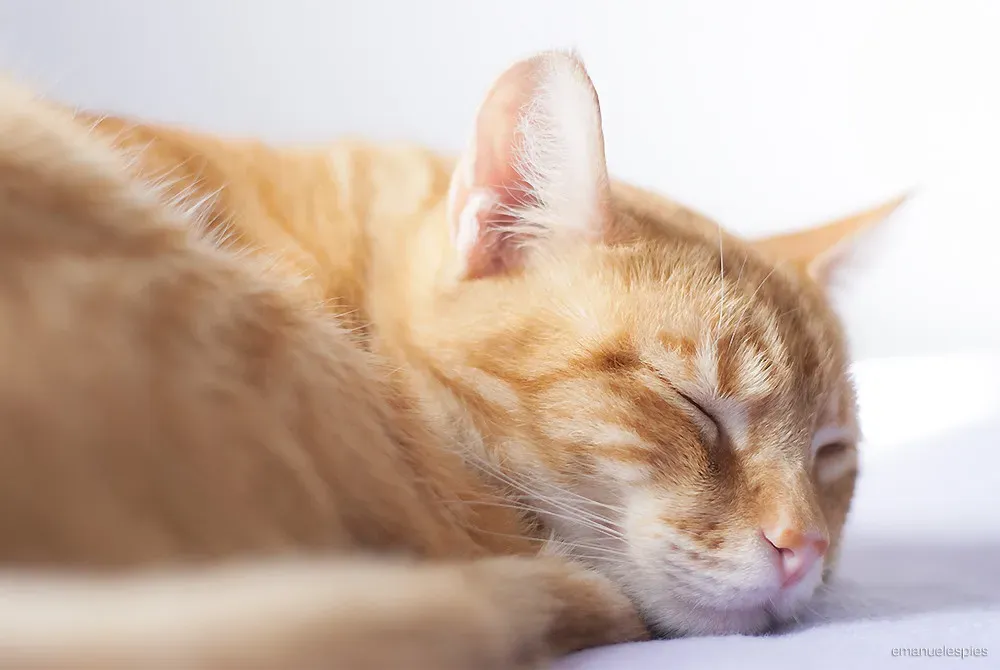
This position strikes a pragmatic balance between affection and survival instinct. While your cat wants to be near you to feel the comfort of the "pack," the foot of the bed offers the quickest escape route if a threat appears. It sounds a little cold-hearted, but honestly, it is just efficient. Your cat loves you AND reserves the right to bolt at a moment's notice. Honestly, relatable.
Sleeping by your feet allows your cat to monitor the door while maintaining physical contact with you. It is often the preferred spot for cats that are slightly more independent or for those who are easily startled by movement during the night. If your cat consistently chooses your feet over your pillow, they are bonded to you but still treasure a little personal autonomy. Think of it as the cat version of "I love you, but I also love my own space."
Sleeping Near Your Head - Heat, Scent, and Deep Familiarity
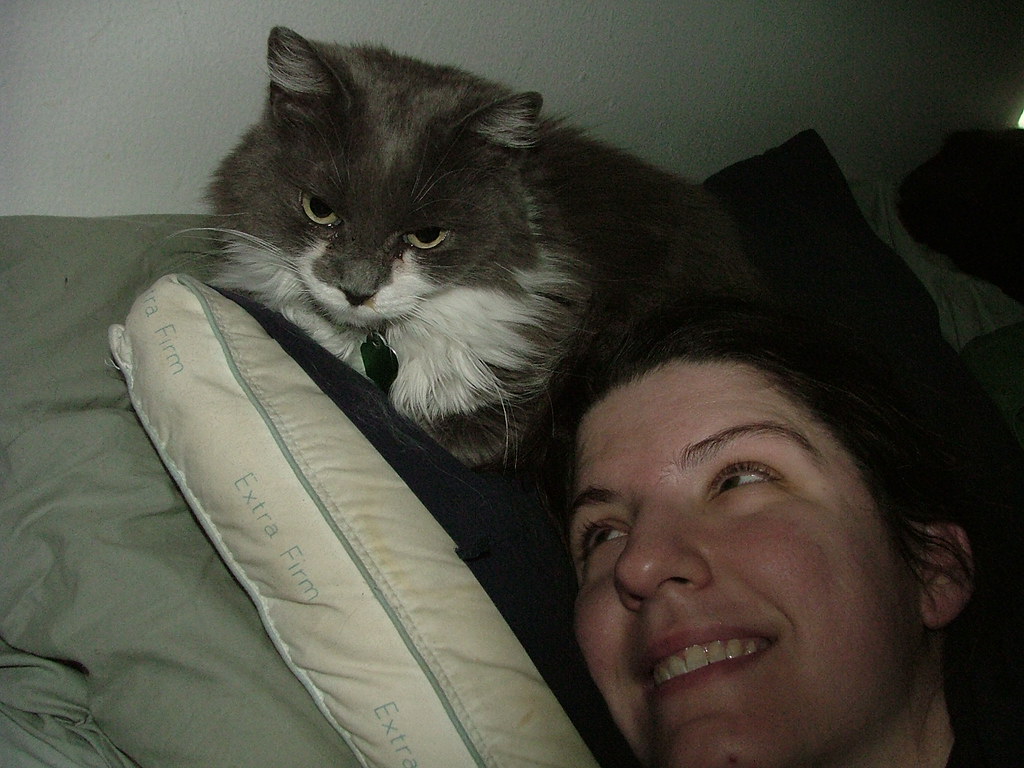
Finding your furry companion nestled on your bed is common, but their preferred sleeping spot can say a lot about your relationship. If your cat sleeps near your head or on your pillow, it indicates a strong bond and a sense of trust. There is also a very practical explanation for this. Because humans keep the rest of their bodies under thick blankets, our heads are often the only exposed source of body heat. Since cats have a higher core body temperature than humans, at around 102°F, they are constantly seeking external heat sources to maintain it without expending energy.
Your head also moves around less than the rest of your body while you sleep, so your cat is less disturbed. Also, because many cats adapt to your sleep schedule however loosely, your cat may just want to be near you and sleep when you do. Sleeping by your head gives your cat easy access to you. Your head, in your cat's mind, is the perfect combination of warm, stable, and conveniently close to their favorite human face. You are basically a premium heated pillow with bonus companionship.
Hiding to Nap - When Enclosed Spaces Signal a Need for Peace
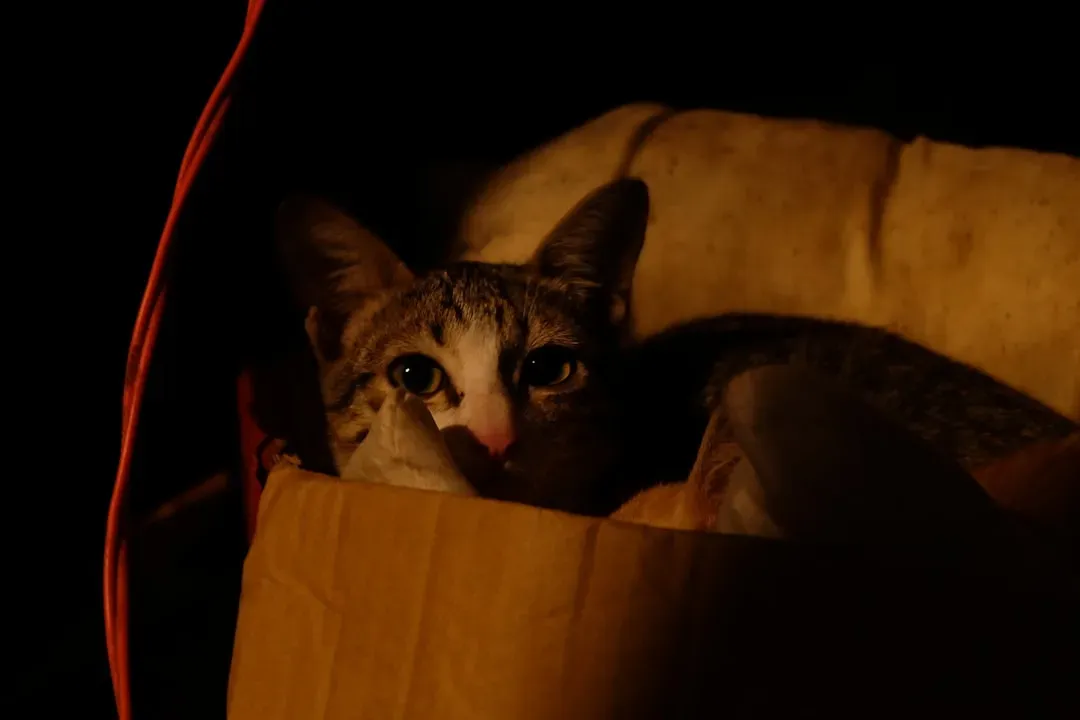
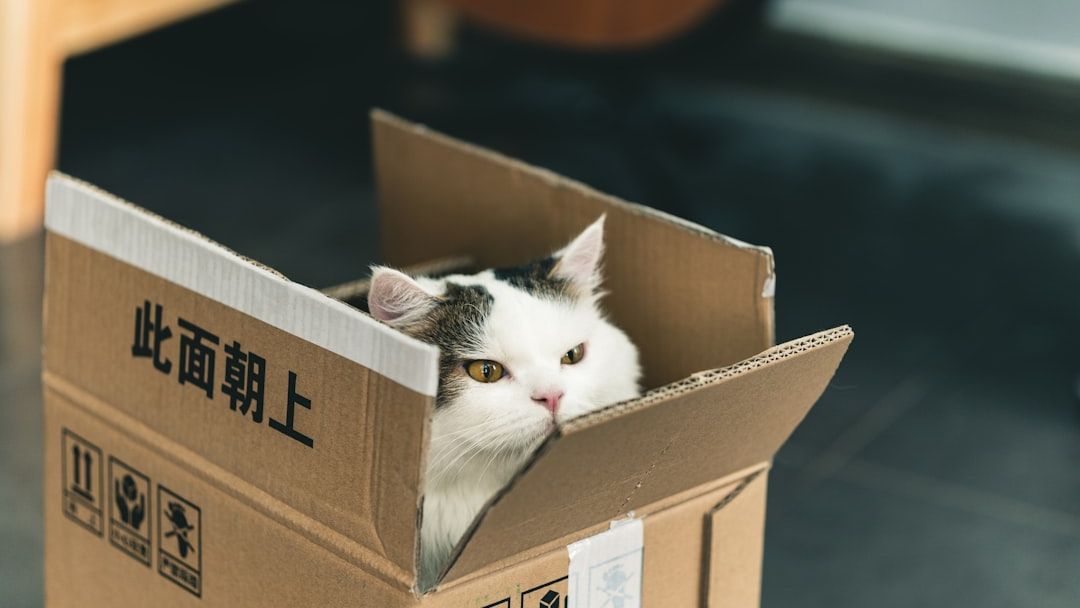
The "if I fits, I sits" phenomenon is cute, but it serves a biological purpose. Sleeping in a box or a tight enclosed space offers significant stress relief. According to behavioral research, the sensation of the box's sides pressing against the body releases endorphins and lowers cortisol levels, similar to how a swaddle soothes an infant. That cardboard box your cat claimed within seconds of delivery? It is basically a spa treatment for their nervous system.
Anxious or skittish cats prefer to hide or conceal themselves in small dark confined spots such as wardrobes or under bedding. If your cat retreats to enclosed spaces fairly often, they may just be the naturally introverted type who needs a quiet recharge. It is not a sign of distress by default. However, if your cat primarily sleeps in hidden spots or stays tightly curled up, they might need more time to feel completely comfortable. Watch the patterns over time, not just a single afternoon.
When Sleeping Positions Signal That Something Is Wrong
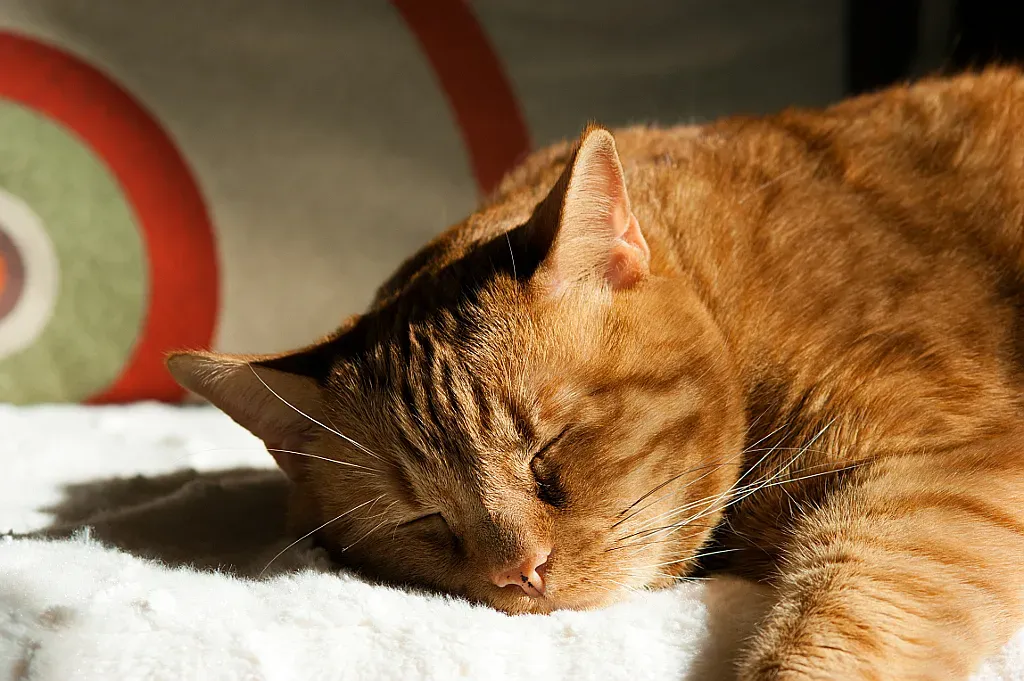
If your cat suddenly starts sleeping in abnormal spaces or exhibits changes in their sleeping postures and patterns, it may be indicative they're struggling to find a comfortable resting stance and may be in pain. Watch for other clinical signs like a tense body posture, eye squinting, shifts in facial expressions, decreased appetite and increased vocalizations, all warranting a vet exam. A sudden shift in sleeping habits is one of those quiet alarm bells that is easy to miss if you are not paying close attention.
Cats under stress tend to sleep in more protective positions, like tightly curled up or in hidden locations. They might also change positions more frequently or sleep less deeply than usual. Think of it like this: a cat who used to sprawl belly-up on the couch but now only sleeps hunched in a tight ball behind the washing machine has something worth investigating. A cat's sleeping posture can offer valuable insights into its emotional state and overall health. For conscientious pet owners, being able to interpret these positions can support early detection of behavioral shifts or underlying medical concerns.
Conclusion: Your Cat Is Always Talking - Through Every Nap
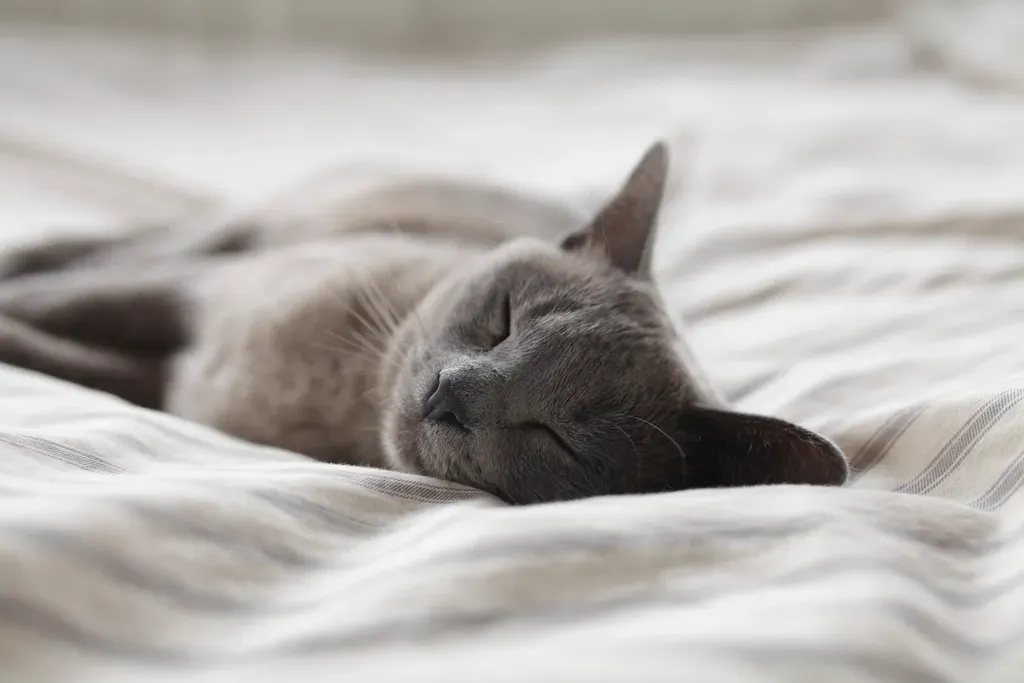
Every curl, every stretch, every lazy sprawl across your laptop keyboard is a window into your cat's inner world. Cat sleeping positions aren't just about comfort, they're a form of communication. Each posture reflects a blend of feline behavior, emotional state, and trust in owners. Once you start reading the signals, you realize your cat has never been silent, just speaking a language that required a little patience to learn.
Understanding your cat's sleeping positions helps you recognize their comfort levels, stress signals, and trust development. This knowledge allows you to make appropriate environmental adjustments and respect their space when needed, strengthening your bond. The beautiful thing is that it works both ways. The more you understand your cat's napping language, the safer and more seen they feel in your home.
So the next time your cat drapes themselves across your chest at midnight or tucks into a loaf on the sunny windowsill, take a moment to really notice. They are trusting you with something precious. What position does your cat favor most? Drop it in the comments and let's decode it together.