Why is Your Cat So Obsessed With Boxes?
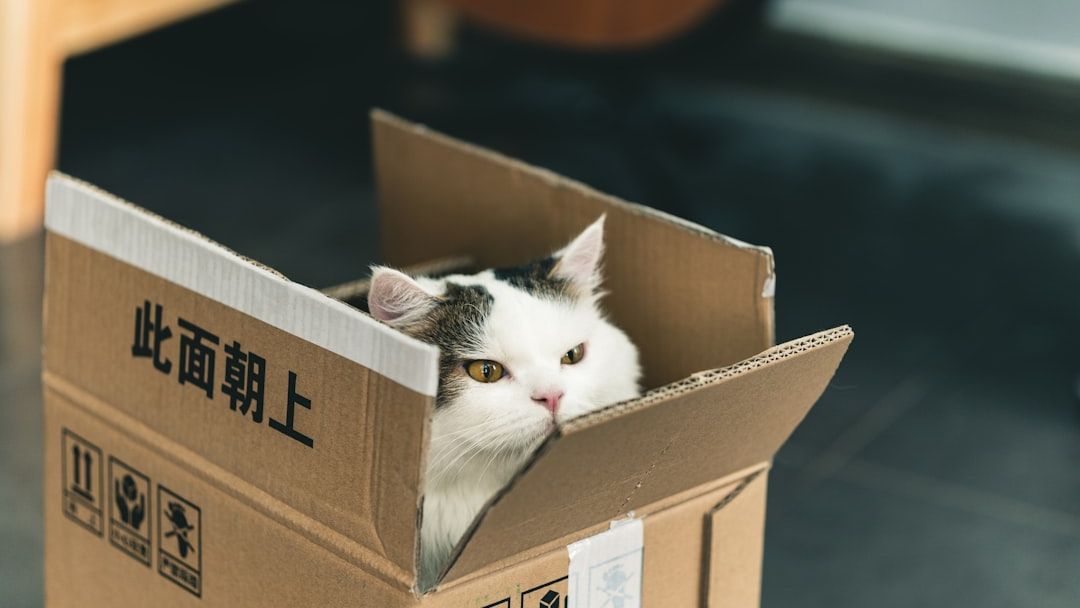
You've seen it happen countless times. You bring home an expensive cat bed, carefully selected for maximum feline comfort, only to watch your cat completely ignore it. Instead, they dive headfirst into the cardboard box it arrived in. They squeeze themselves into the smallest, most uncomfortable-looking containers. They sit in shoeboxes barely big enough to hold their paws.
It's kind of hilarious watching them contort their bodies into these ridiculous spaces. Yet there's something deeper going on here. Scientists have actually spent years studying this bizarre behavior, and what they've discovered might surprise you. Your cat isn't just being quirky or stubborn when they choose that ratty cardboard box over their plush bed. They're following instincts that have kept their species alive for thousands of years.
Ancient Survival Instincts Drive the Box Obsession
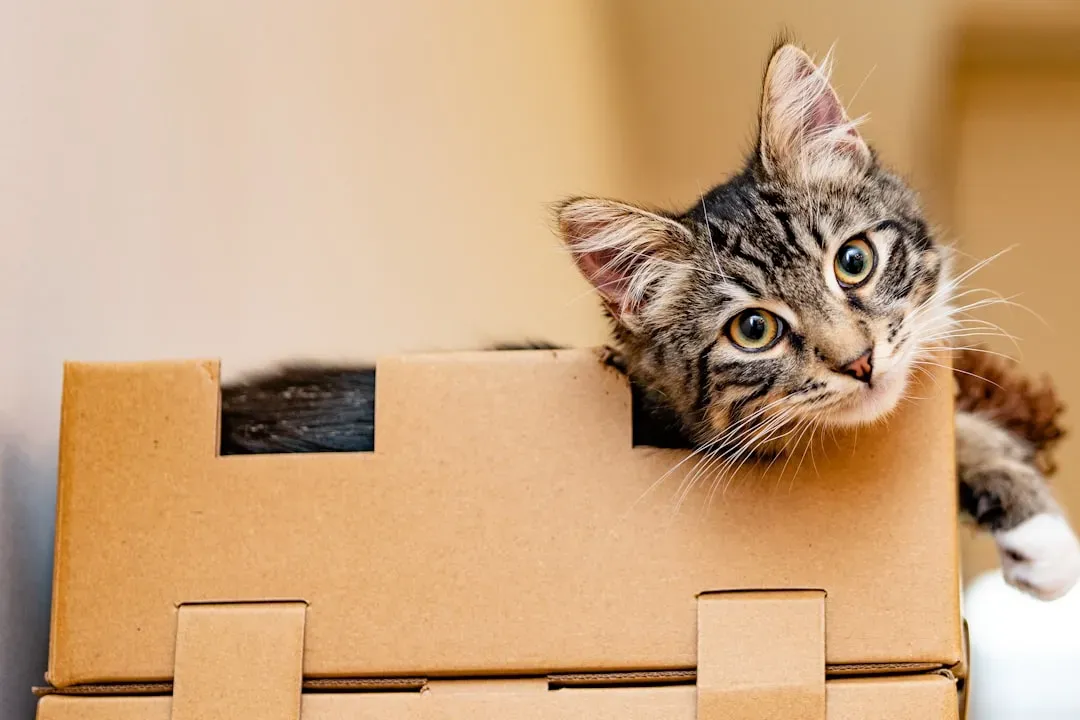
Your cat's love affair with boxes goes back to their wild ancestors who needed to be stealthy to catch their next meal, which often involved hiding in small spaces where they couldn't be seen. This behavior was crucial for survival because it helped them sneak up on unsuspecting prey. Here's the thing: even though your pampered house cat has never had to hunt for survival, those instincts remain hardwired into their DNA.
Cats in the wild are also prey for some animals, and a tight enclosure helps keep them out of sight. These instincts are still present in domestic cats, whether they're stalking a mouse or preparing a sneak attack on your legs as you walk by. It's honestly fascinating how evolution has shaped your cat's preferences. That simple cardboard box transforms into both a hiding spot and an ambush station, allowing them to feel like the apex predator nature intended them to be.
Boxes Literally Calm Your Cat's Nervous System
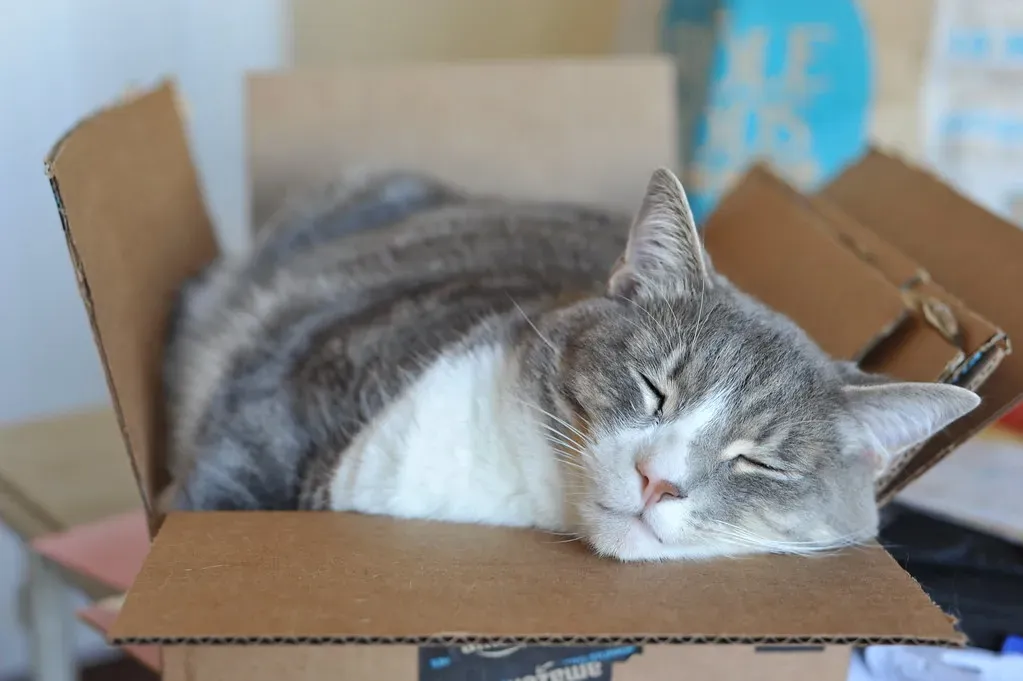
Let's be real, moving to a new environment is stressful. Multiple studies have shown that stress hormones like cortisol are reduced in newly rescued cats when they are given access to a box. Researchers at Dutch animal shelters discovered something remarkable when they ran controlled experiments on newly arrived cats.
Cats with a hiding box showed a significant faster decrease in stress levels, reaching a lower steady state seven days earlier than the control group. Seven days might not sound like much to us, but for a terrified animal in an unfamiliar place, that's a huge difference. The psychological relief is immediate and measurable, not just some feel-good theory.
Temperature Preference Explains More Than You'd Think
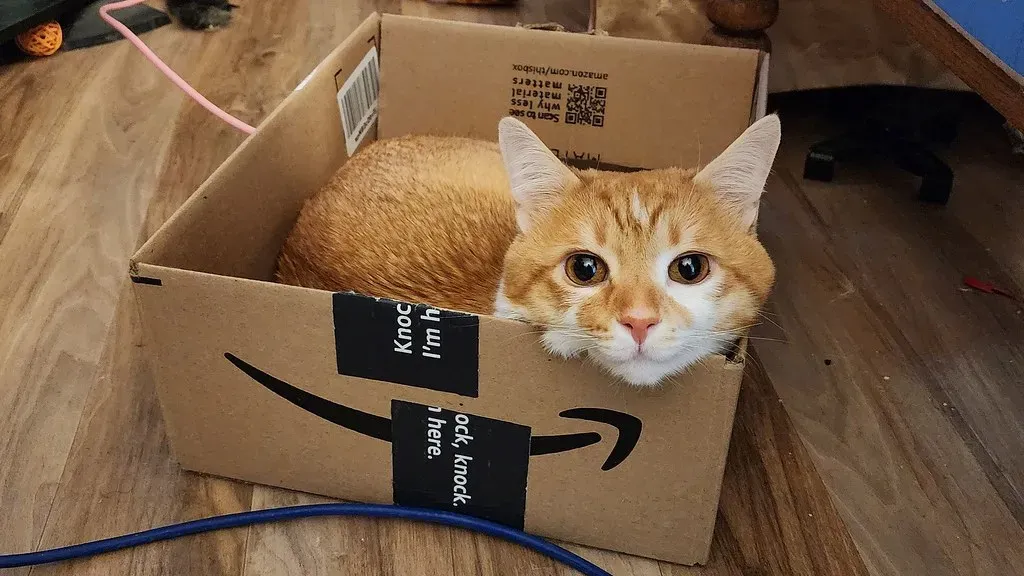
Cats are most comfortable in temperatures between 86 and 97 degrees Fahrenheit, but most cats live in environments maintained at about 72 degrees, which is significantly cooler than their preferred temperature zone. That's a pretty substantial gap when you think about it. Your cat is basically living in what feels like perpetual autumn to them.
Boxes act as insulators and trap body heat so our cats can enjoy tropical temperatures without an expensive heating bill. The confined space of a box forces a cat to curl up into a ball, which also helps to preserve body heat. It's like they've created their own personal sauna. Cardboard is surprisingly effective insulation, creating a microclimate that keeps them toasty warm.
The Territory Marking Connection You Didn't Know About
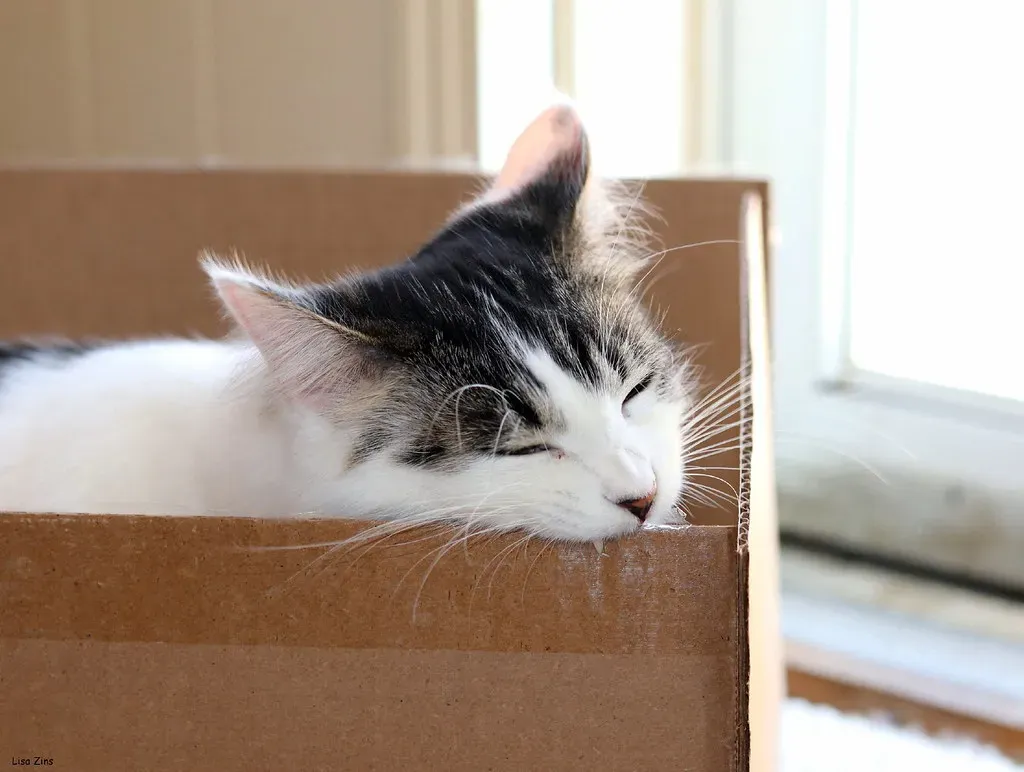
Cats exhibit natural marking behaviors like scent rubbing and scratching to define their territory. Your cat marks his scent by rubbing his face and body, which deposits natural pheromones to establish boundaries within which he feels safe and secure. When a new box appears in your home, your cat sees it as an exciting addition to their kingdom.
The very first thing most curious cats do when they see a cardboard box is rub up against it. Kitties have scent glands on the sides of their face, which is why they love rubbing their cheeks against everything. This action leaves its scent on the object, like a feline "Property of Whiskers" sign, and they'll naturally want to claim ownership of everything within their territory. They're basically planting a flag and declaring sovereignty over this new territory.
Perfect Scratching Material Satisfies Deep Urges
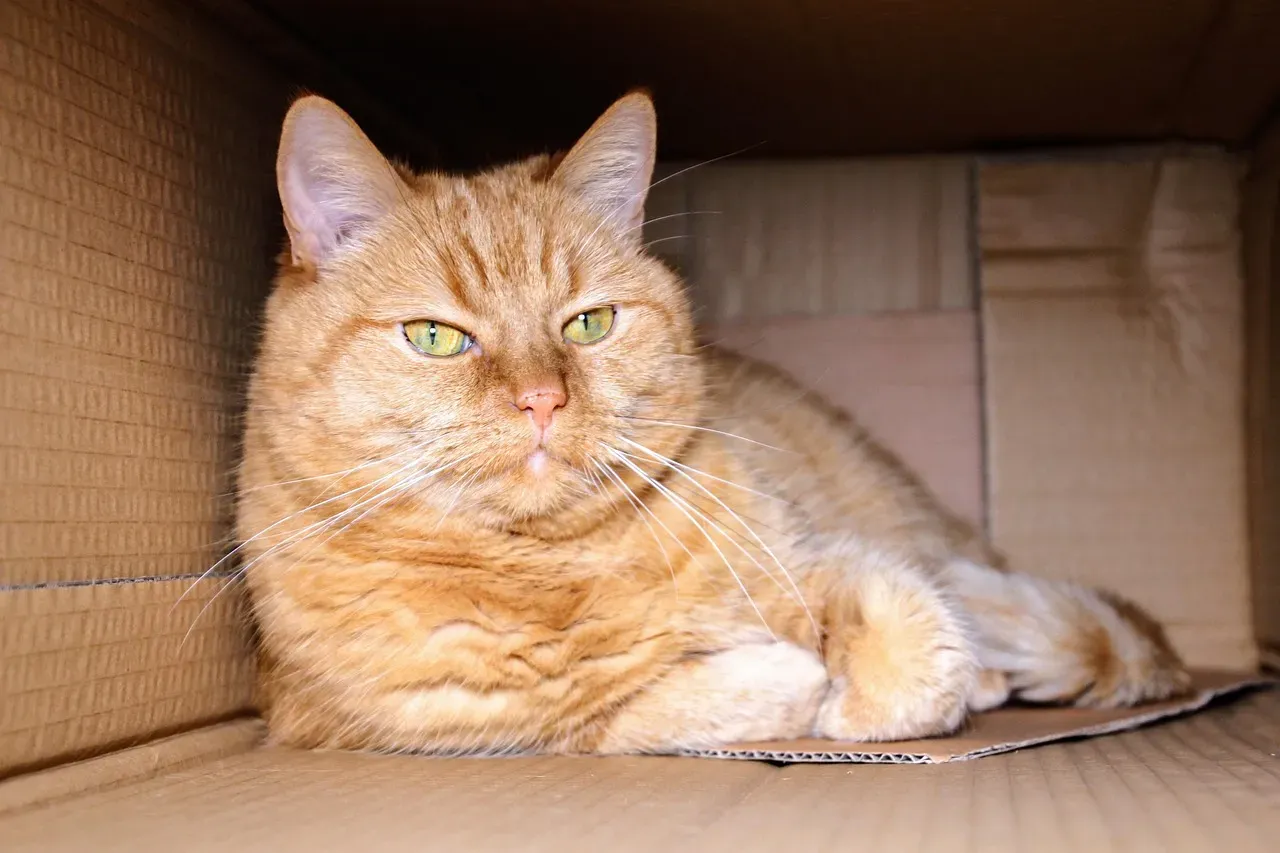
There's a reason why most scratching posts are made out of cardboard, as cats love the feel of boxes, making them the perfect place for a cat to claw and scratch their nails. The texture provides just the right resistance for maintaining their claws. It's not destructive behavior; it's essential grooming and territory marking combined.
When a cat chews on the flaps or the side of the box, it's their way of scent-marking the box with their pheromones. This dual-purpose activity satisfies multiple instinctual needs simultaneously. Your cat gets to maintain their weapons, mark their property, and feel satisfied all at once.
Conflict Avoidance Strategy Built Into Box Behavior
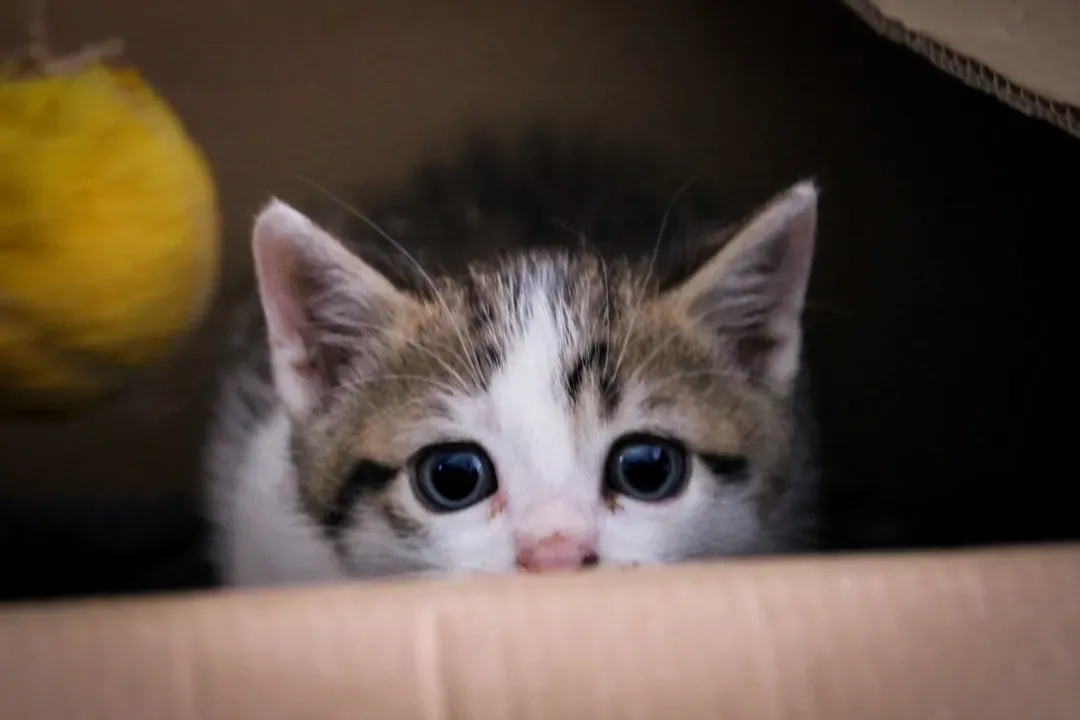
Cats lack refined conflict resolution skills, so they prefer to avoid negative interactions by avoiding others or hiding away. When tensions arise with family members, be that with humans or fellow pets, the refuge of a box offers the cat a chance to recalibrate and de-stress. Think about it: when you're overwhelmed, you might retreat to your bedroom or take a walk. Cats do the same thing, except their safe space is a box.
Some cats do not want to be bothered, and maybe you have company in the home your cat doesn't know, making them uncomfortable. Instead of trying to get to know your guests, they hide in a box. It's hard to say for sure, but this seems like a pretty reasonable coping mechanism. They're not being antisocial; they're managing their stress levels in the most effective way they know how.
Visual Illusions Prove the Square Shape Matters
In July 2021, a new study was published in Applied Animal Behaviour Science that found that cats are just as willing to sit in a two-dimensional shape that imitates an illusory square as a regular square. Researchers created fake squares using Pac-Man shapes arranged to suggest corners, and cats still sat in them. Let that sink in for a moment.
The researchers found the felines chose the illusory square seven times, nearly as much as the eight times the cats chose the real squares, indicating that they were susceptible to the illusion. Your cat's brain is so programmed to seek enclosed square shapes that even the suggestion of boundaries is enough. This reveals just how deeply ingrained the box preference really is.
Early Life Experiences Shape Box Preferences
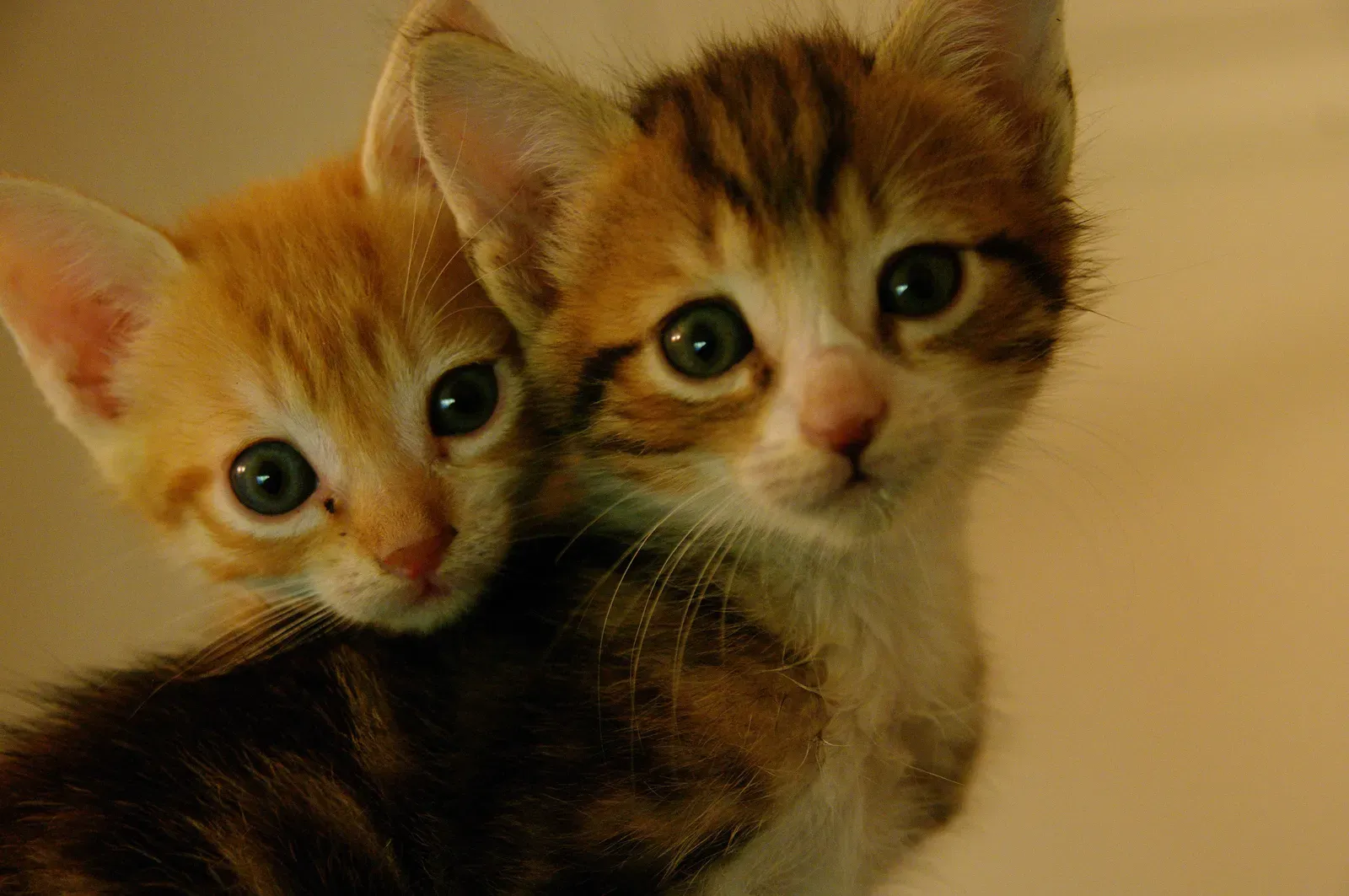
A mother cat will seek out a quiet area to birth her kittens, and their first experience will be a safe, enclosed space. From the very moment they enter this world, cats learn that enclosed spaces equal safety and comfort. This early imprinting creates a lifelong association.
Scientifically, boxes mimic the swaddling effect cats experienced as kittens with their mothers. The snug fit of a box mimics the comfort cats experienced as kittens cuddled with their mother and littermates, offering a form of swaddling. It's like they're perpetually seeking to recreate that first feeling of security. Even as adult cats, they crave that sensation of being surrounded and protected.
Curiosity and Novelty Keep Boxes Interesting
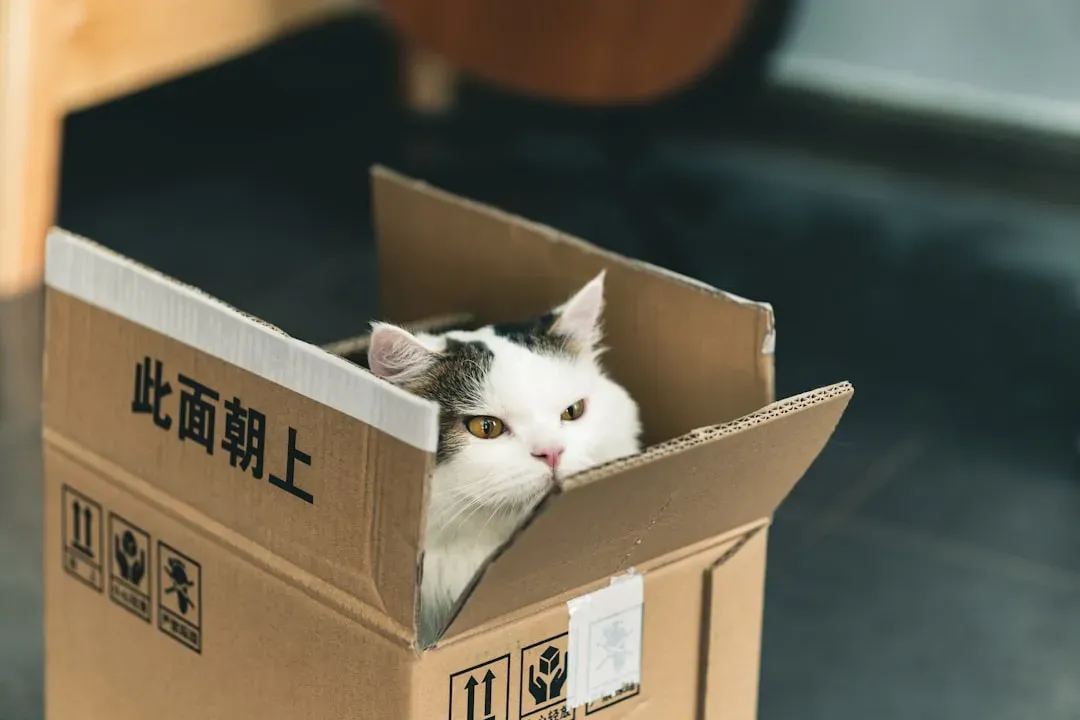
Cats that live indoors know every inch of their kingdom and immediately notice any changes. For a curious cat, the box is something fun and novel to investigate. Your cat patrols their territory constantly, so when something new appears, it demands immediate inspection.
Cats are curious creatures, and boxes present an exciting world of exploration. Cats love investigating new things, and a new box, with its smells and textures, represents a new puzzle that must be unraveled. The investigation process itself provides mental stimulation and enrichment. Every new box is an adventure waiting to happen.
The Undeniable Control Factor Boxes Provide
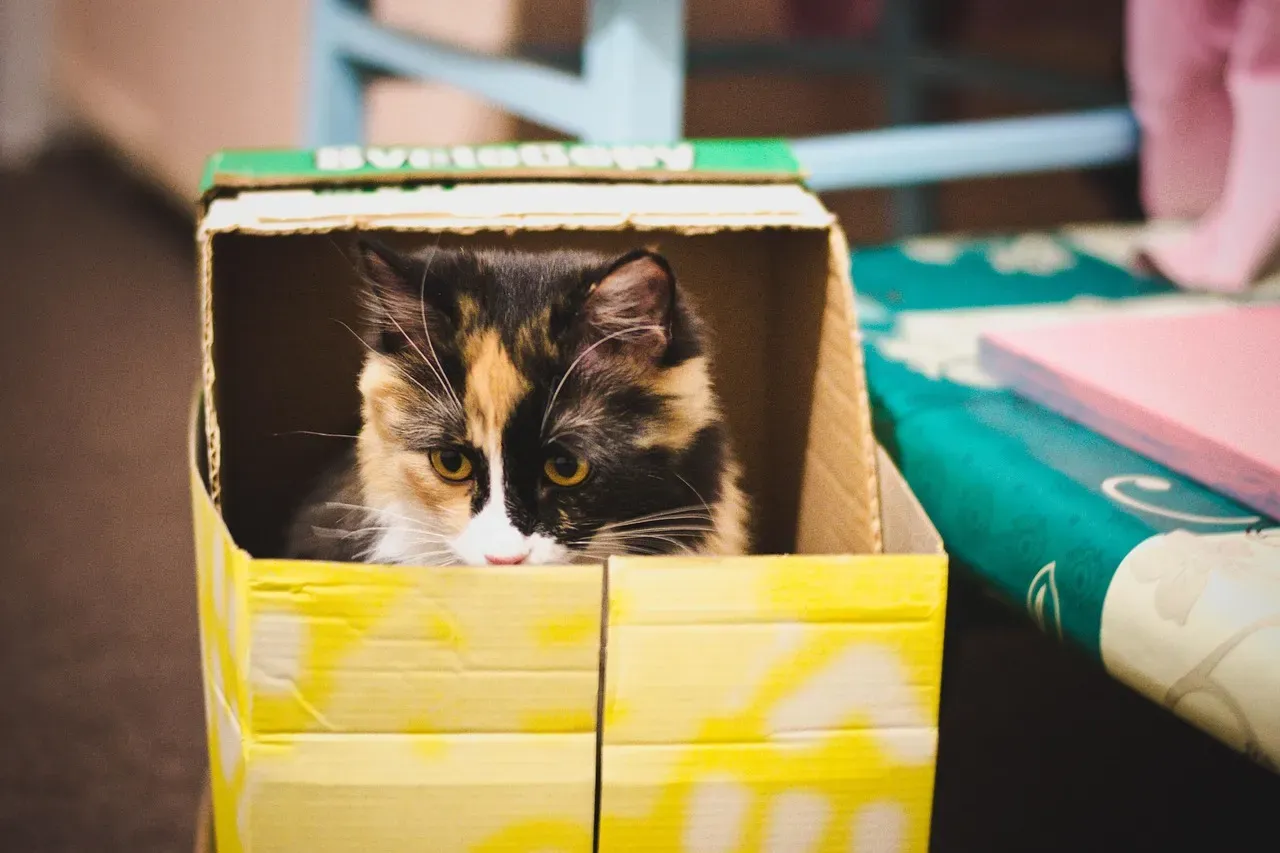
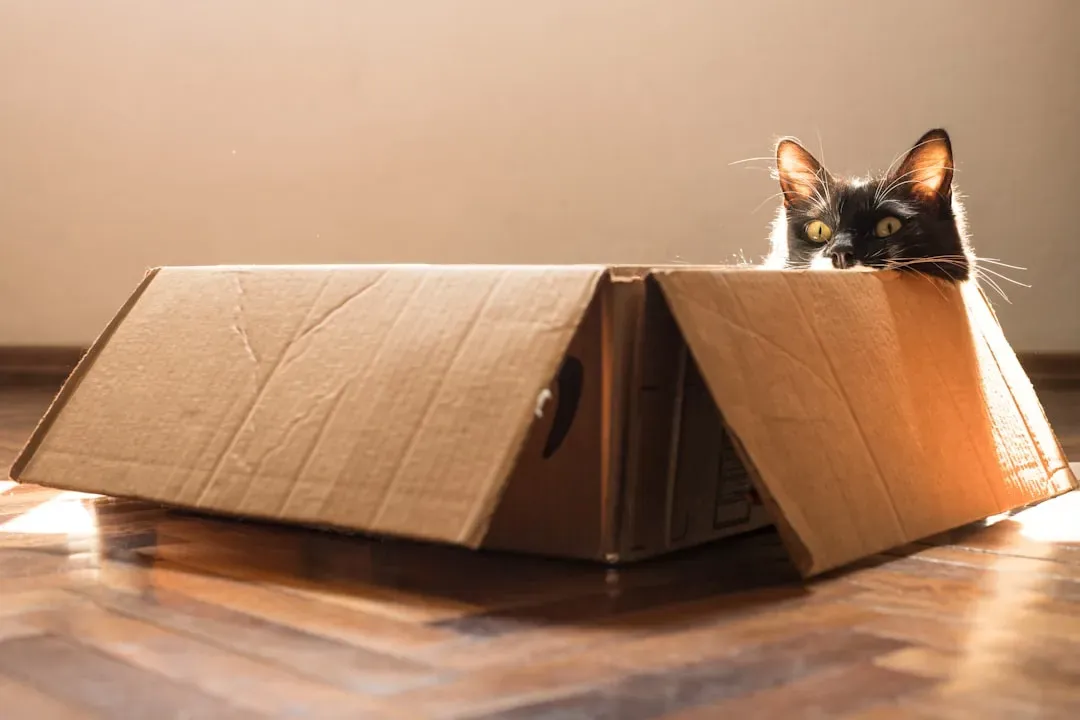
Cats may seek out boxes for the same reason many people are drawn to the corner booth at a restaurant: so you can observe your surroundings in peace, knowing nothing will sneak up on you. A cat in a box feels their vulnerable back is protected, and they can periscope their little face around the edge to see everything happening or retreat into a corner of the box as needed.
By nature cats seek out small, confined spaces where they can hide from potential threats. This behavior stems from their instincts shaped in the wild, where staying out of sight helps them avoid predators or pounce on unsuspecting prey. A box offers a perfect hideaway, allowing a cat to observe its surroundings without being easily seen. It's all about maintaining control over their environment while minimizing vulnerability. In a world that can feel chaotic and unpredictable, that box represents order and security.
Understanding This Helps You Be a Better Cat Parent
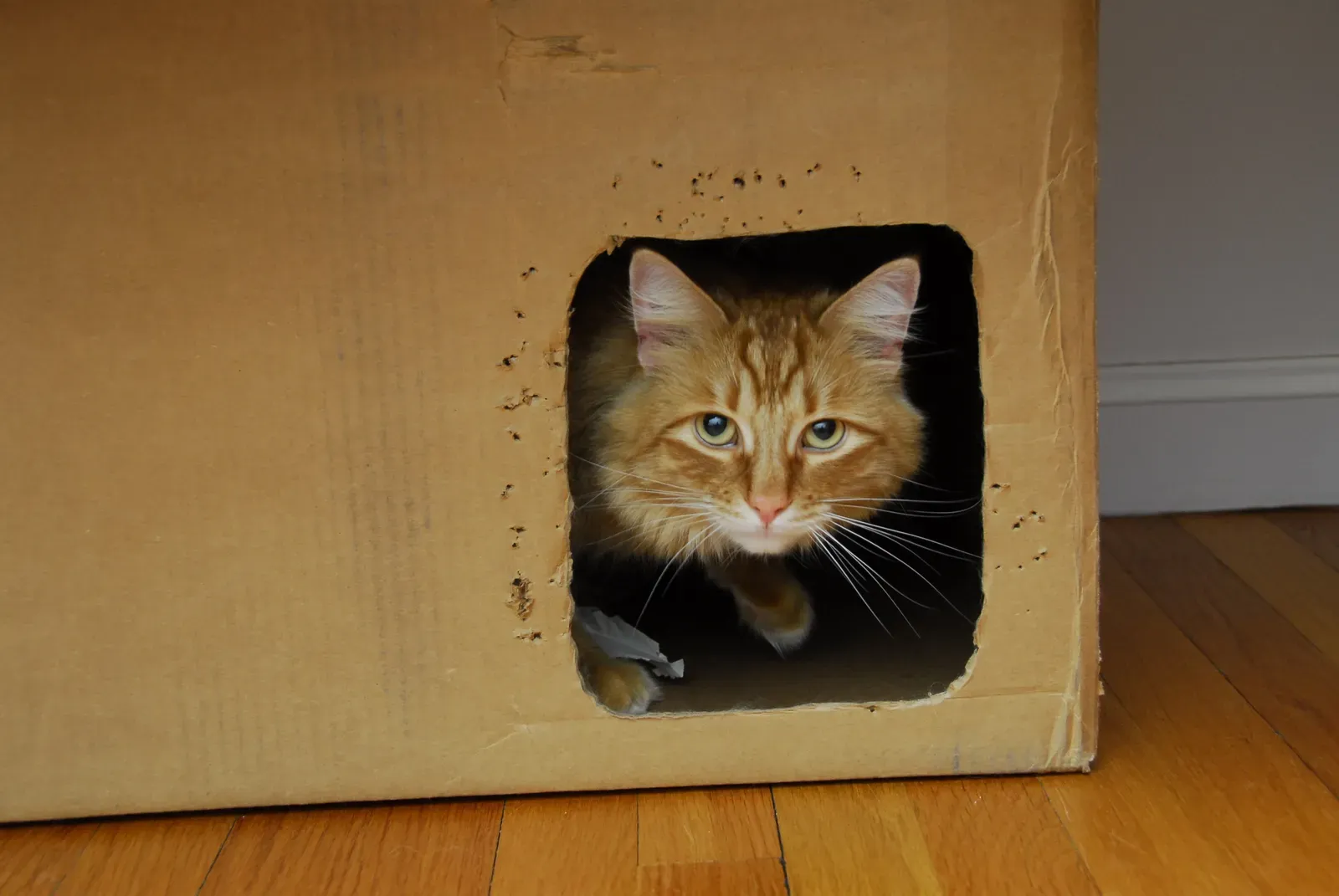
Now that you understand the science behind this behavior, you can actually use it to improve your cat's life. Providing boxes during stressful times like moving, introducing new pets, or even during fireworks season can significantly reduce your cat's anxiety. It's such a simple solution to what might otherwise be a difficult situation.
The hiding box appears to be an important enrichment for the cat to cope effectively with stressors in a new shelter environment the first weeks after arrival. If shelter cats benefit this much from boxes, imagine how helpful they can be for your own cat during challenging times. The next time you're about to recycle that Amazon delivery box, consider leaving it out for your feline friend instead. They might just thank you with a satisfied purr from inside their new fortress.
What do you think about your cat's box obsession now? Does it make more sense, or does it just make you appreciate how wonderfully weird cats truly are?