There’s a quiet moment most cat owners know well. You sit down, maybe with a book or a cup of coffee, and within thirty seconds your cat materializes out of nowhere and plants themselves firmly on your lap. It feels accidental. It isn’t.
Cats are far more deliberate than they let on, and the way they use your lap says quite a lot about how they see you in their world. It’s not random comfort-seeking. There’s territory, trust, and a fair bit of instinct happening every time your cat settles in. Understanding what’s really going on makes the whole thing considerably more fascinating.
They Settle In Without Waiting for an Invitation
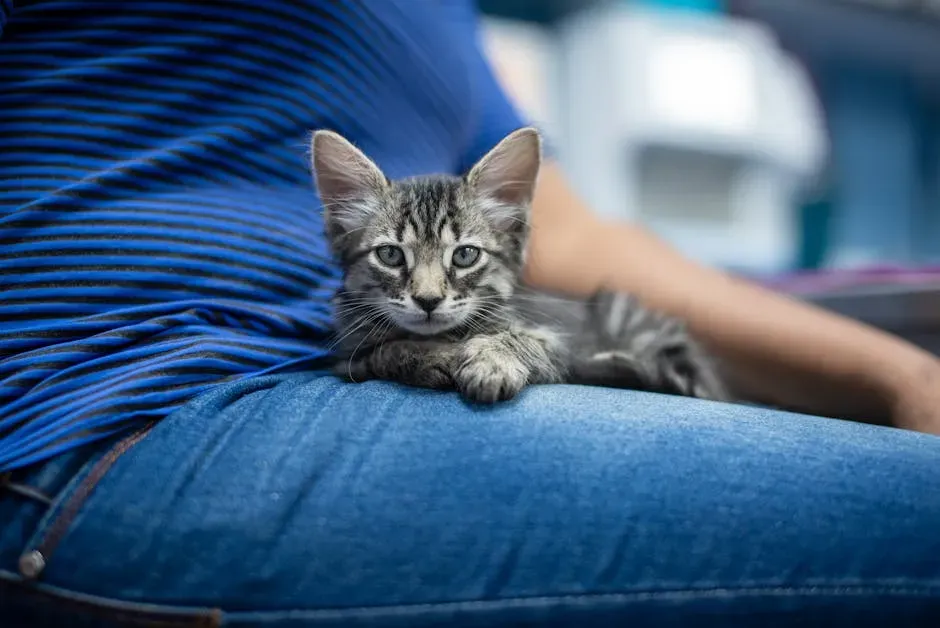
If your cat jumps onto your lap the moment you sit down, without hesitation and without gauging your reaction, that’s not boldness for its own sake. It signals trust, comfort, and a desire for closeness. Cats are selective about where they spend their time, so choosing your lap indicates they feel safe and bonded with you. When an animal that is naturally cautious stops pausing to assess whether your lap is safe, that’s a strong tell.
Cats are selective about where they rest, and choosing a human is intentional and based on comfort and security. The moment your cat treats your lap like a foregone conclusion rather than a considered option, you’ve crossed from “trusted human” into something more like “designated furniture.” That’s your throne dynamic in action.
They Knead Your Legs Like They Own the Place
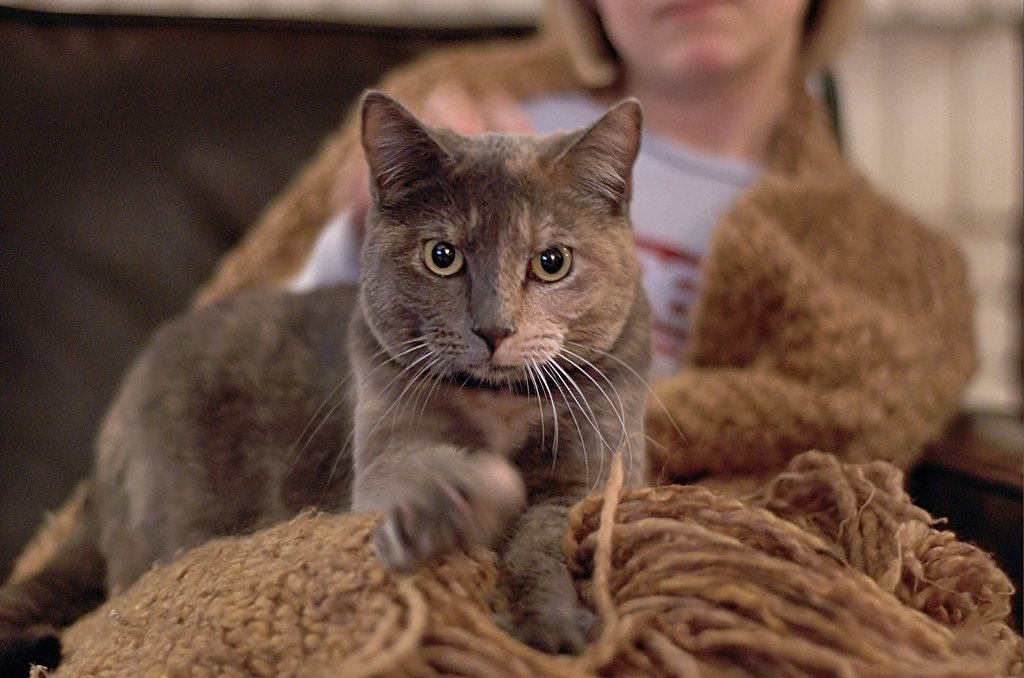
Often referred to as “making biscuits,” cats will scrunch their paws into tiny fists over and over again as a way to express extreme happiness. As kittens, this is the mechanism they used to increase milk flow from their mothers during nursing. When your cat kneads on your lap, they’re not just acting on habit. They’re connecting your presence with the deepest comfort they’ve ever known.
This action, often accompanied by purring, is a remnant of kittenhood. Kittens knead their mother’s belly to stimulate milk flow. As adults, they often do this when they feel extremely content and safe, transferring this comfort to their chosen human. If your lap gets “biscuited” on a regular basis, your cat isn’t just comfortable. They’ve decided this spot belongs to them in a very particular way.
They Deposit Their Scent on You Deliberately
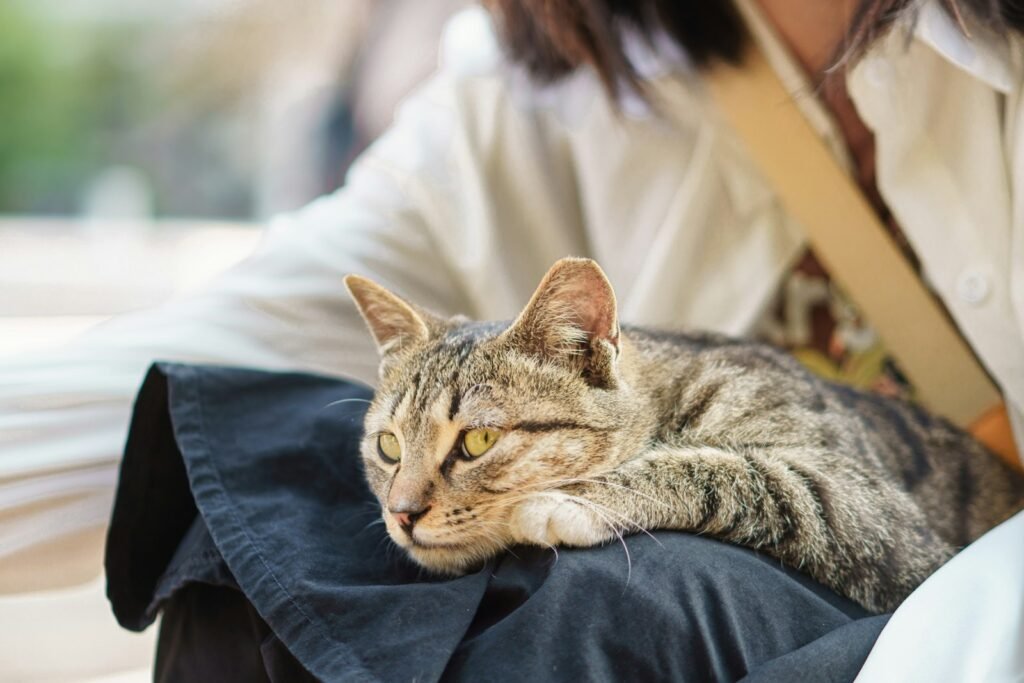
Cats possess scent glands on their cheeks, paws, and flanks, and by kneading, rubbing, or simply lying on you, they transfer their unique scent onto your skin and clothing. This isn’t an accident; it’s a deliberate way for them to claim you as part of their territory. What reads as affectionate nuzzling is also, on a biological level, a quiet act of ownership.
As territorial creatures, cats have specific scent glands that release pheromones when your cat rubs themselves against objects or people. These pheromones carry a scent that is individual to your cat and helps them establish their territory. So when your cat sits on your lap and presses their face against your hand, you’re receiving both affection and a scent signature. You’ve been marked, and they mean it.
They Purr the Moment They Land
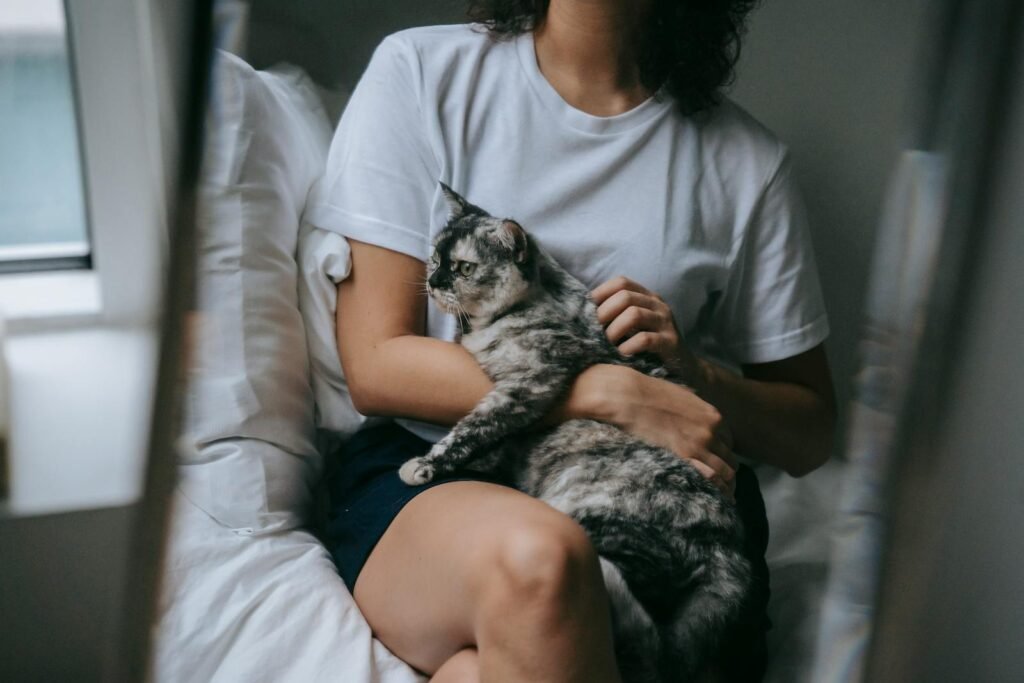
While cats can purr for other reasons, such as pain or anxiety, the purr that accompanies lap-sitting is almost always a sign of happiness and deep feline comfort. The vibration of their purr can also be self-soothing. When the purring starts before they’ve even fully settled, that’s a cat who knew exactly where they were headed and was already content about it.
Purring commonly happens when a cat feels content and relaxed. When a cat sits on you and purrs, it usually means they are calm and comfortable. That steady, rumbling sound is less a response to what you’re doing and more a statement about how they regard the space itself. Your lap, to them, is already set to “calm.” They’re just confirming it.
They Get Territorial When Another Pet Gets Too Close
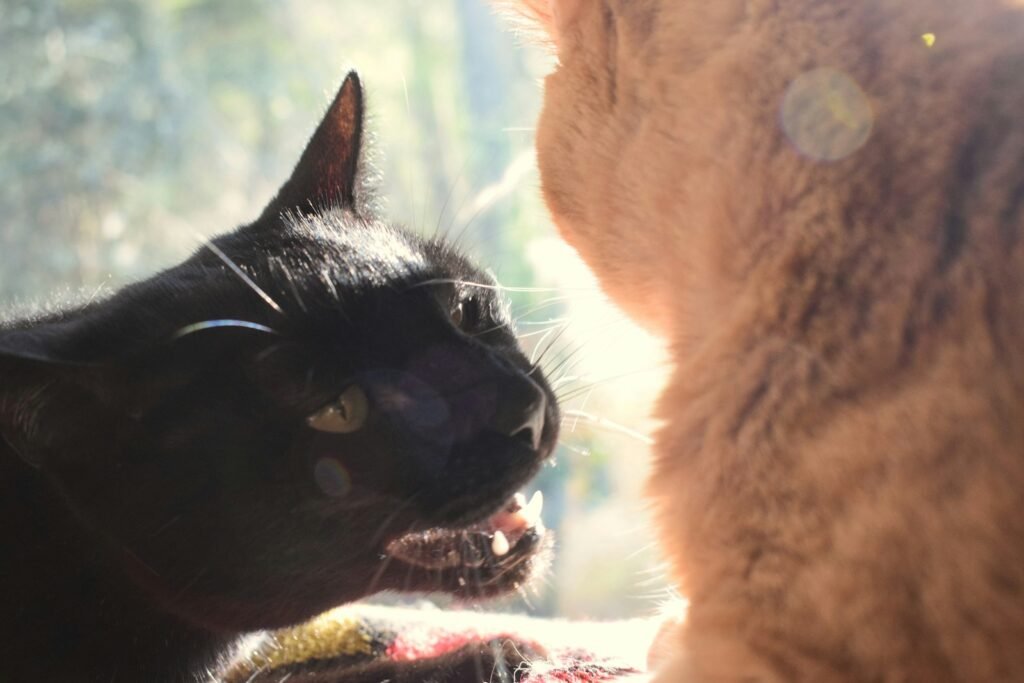
Cats can fight over the best resting spots, toys, and even space on their owner’s lap. If your cat shoots a hard stare, twitches their tail, or shifts into a subtly defensive posture the moment another pet glances your way, that’s not coincidence. That’s a cat protecting turf. Your lap is part of their claimed space, and they track it accordingly.
Cats that live in multi-pet households love to mark their owners just in case another pet comes and tries to claim their owner. The behavior becomes even more pointed when a dog, new cat, or even a visiting animal enters the room. Watch for the planted position, the slow tail movement, and the refusal to vacate. These aren’t random moods. They’re boundary statements.
They Time Their Arrivals to Match Your Quiet Moments
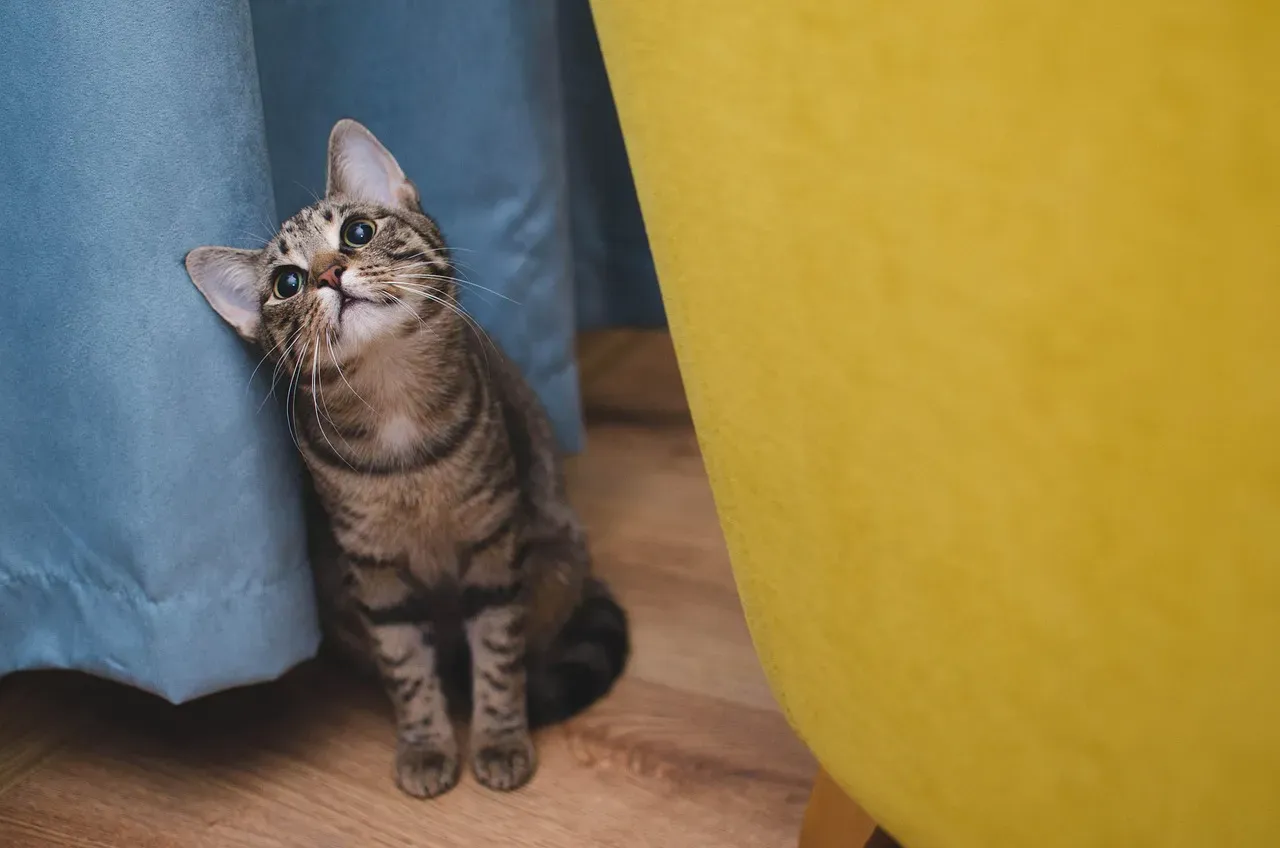
Many cats develop regular patterns of when they prefer to sit on their owners, often coinciding with quiet activities like reading or watching TV. This isn’t coincidence, and it isn’t just opportunism either. Your cat has learned your routine well enough to anticipate the moments when your lap will be still, warm, and available. That kind of attention to your schedule reflects genuine investment in the arrangement.
Many cats develop regular patterns of when they prefer to sit on their owners, often coinciding with quiet activities like reading or watching TV. This routine helps create a sense of security and predictability in their environment. Cats are creatures of habit, and when your lap becomes part of their daily routine, it’s been elevated beyond a casual comfort. It’s a scheduled stop on their internal map of safe places.
They Stay Even When You’re Not Petting Them
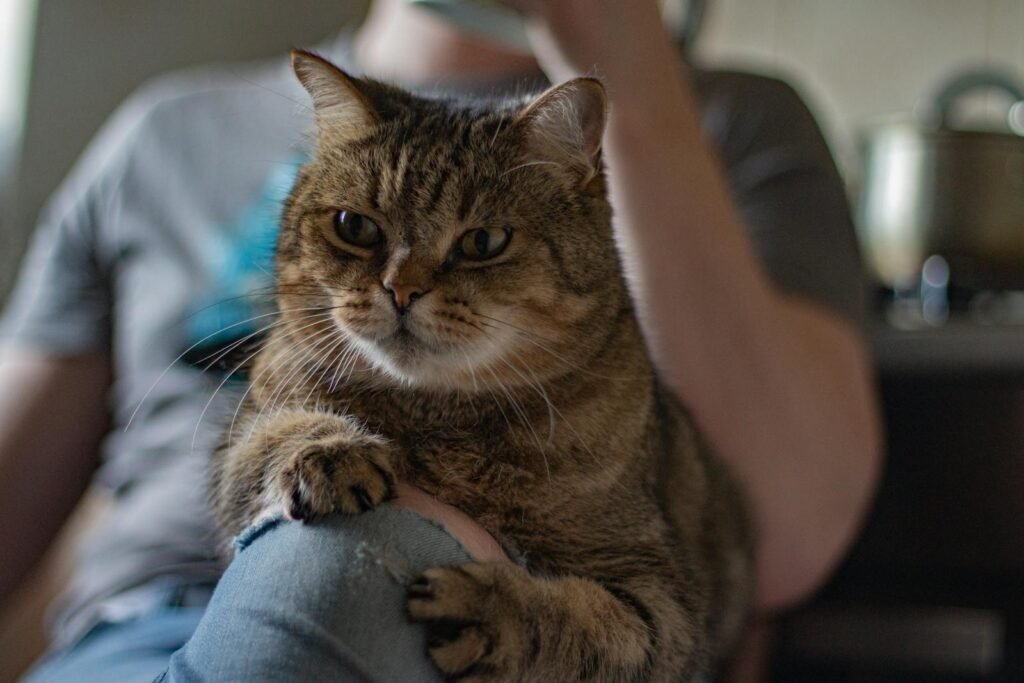
Genuine affection is visible when a cat approaches calmly, purrs, kneads, and stays even when not being touched. This is one of the clearest distinctions between a cat who finds your lap convenient and a cat who genuinely regards it as theirs. Staying put when there’s no active reward happening is a quiet but meaningful act of ownership. They’re not there because you’re doing something for them. They’re there because that’s where they belong.
When a cat chooses to sit on you, it’s a clear sign of trust and security. Cats are vulnerable while resting, so selecting your lap as their resting spot indicates they trust you completely with their safety. That vulnerability is no small thing for an animal wired for self-protection. Choosing to stay still, eyes half-closed, even when you shift or reach for your phone, is a cat declaring that this spot is theirs and they’re not going anywhere.
What It All Really Means
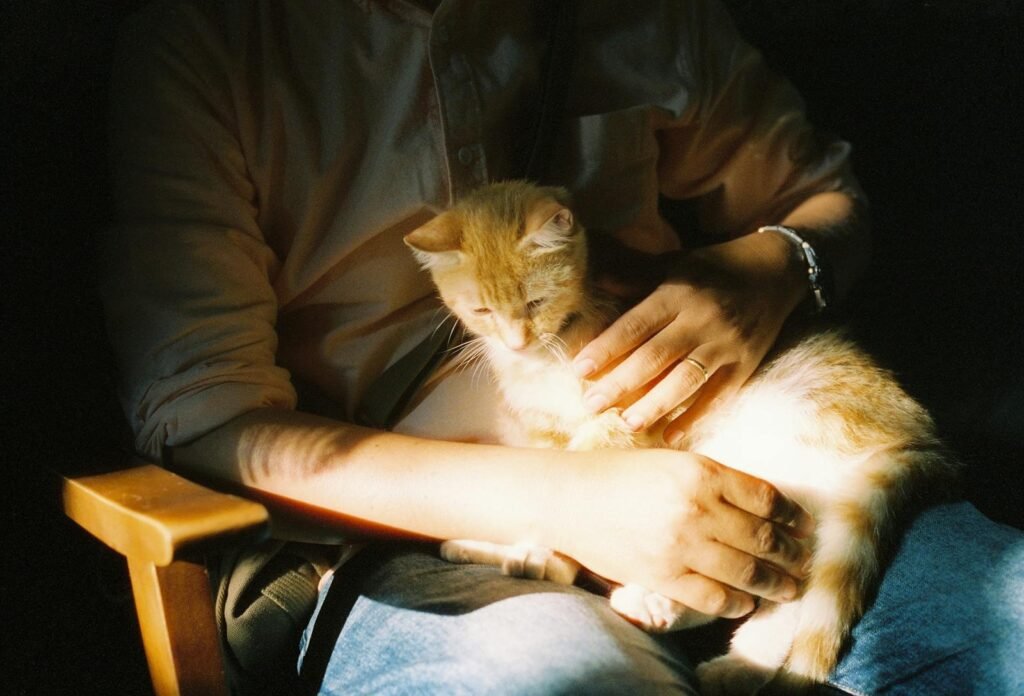
Taken together, these seven signs point to something deeper than a cat simply seeking warmth. When your cat lays on your lap, they’re doing more than seeking warmth. This territorial marking is a testament to their trust and attachment, rooted in instinct and reinforced by daily interactions. The lap isn’t just a comfortable surface. It’s been integrated into how your cat understands their world.
When your cat sits on your lap, it triggers the release of oxytocin in both you and your feline companion. This hormone promotes bonding and relaxation, making lap-sitting a mutually beneficial activity for humans and cats alike. So the relationship is genuinely reciprocal, even if your cat would never admit to needing you back.
There’s something unexpectedly humbling about realizing that your cat, an animal with no obligation to trust anyone, has decided your lap is the safest place in their world. You didn’t choose to be the throne. You earned it, slowly and without fanfare, simply by being reliably present. That’s worth more than it sounds.
Kristina is a young writer from India. An arts graduate and an avid content creator, Kristina is passionate about animals and wildlife. She enjoys exploring topics related to pet care, animal behavior, conservation, and nature, combining thorough research with engaging storytelling.