You’ve probably been fooled by the nap. Your cat spends roughly two thirds of the day asleep, and somewhere between the yawning and the blank staring, it’s easy to assume there’s not much happening upstairs. That assumption, it turns out, is spectacularly wrong.
Researchers studying feline cognition have been quietly uncovering evidence of just how sophisticated your cat’s mind really is. From memory that outlasts a dog’s by hours to an ability to read your facial expressions, the science keeps pointing in the same direction. Your cat isn’t ignoring you out of stupidity. It may simply know exactly what it’s doing.
They Know Your Face, Your Voice, and Exactly Where You Are
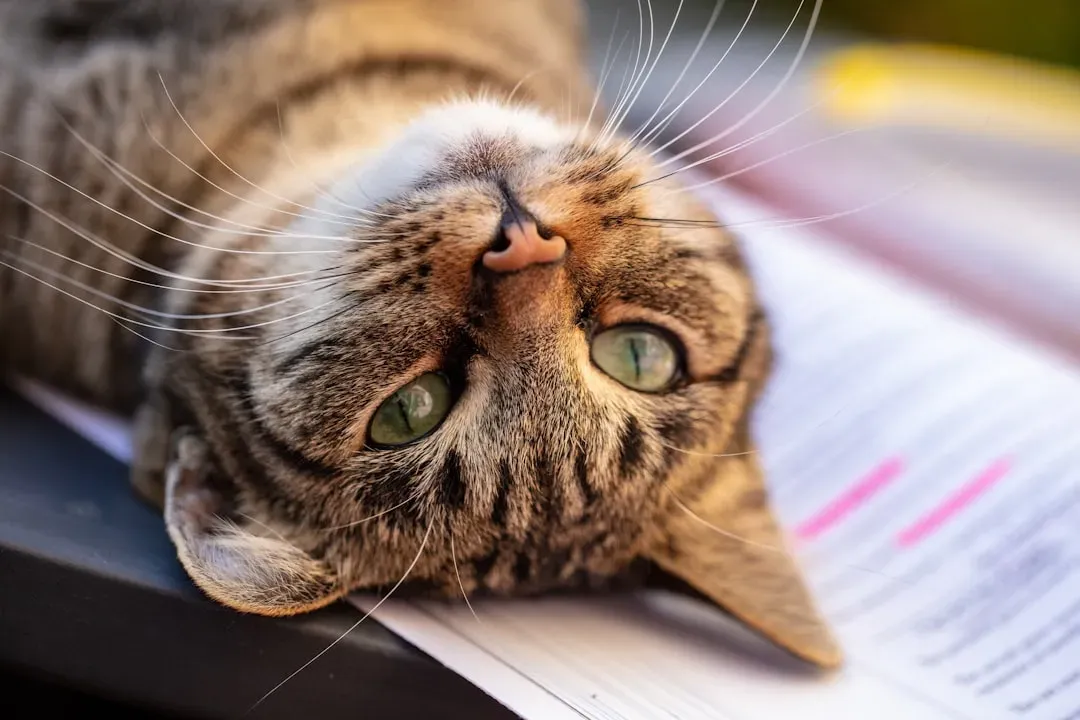
Your cat recognizes you in ways that go well beyond smell or habit. Cats discriminate between human facial expressions and attentional states, identify their owner’s voice, and can even cross-modally match their owner’s voice and face when tested with their owner’s photo presented on a screen. That’s a level of cross-sensory recognition that researchers once associated primarily with primates.
Research has found that cats mentally map their owner’s location from their voice, which corresponds at least to visible displacement in object permanence. In plain terms, when you call your cat from another room, it doesn’t just hear your voice. It builds a mental model of where you probably are. Mentally representing the outside world and manipulating those representations flexibly is an important feature in complex thinking and a fundamental aspect of cognition.
They Can Actually Read Your Mood
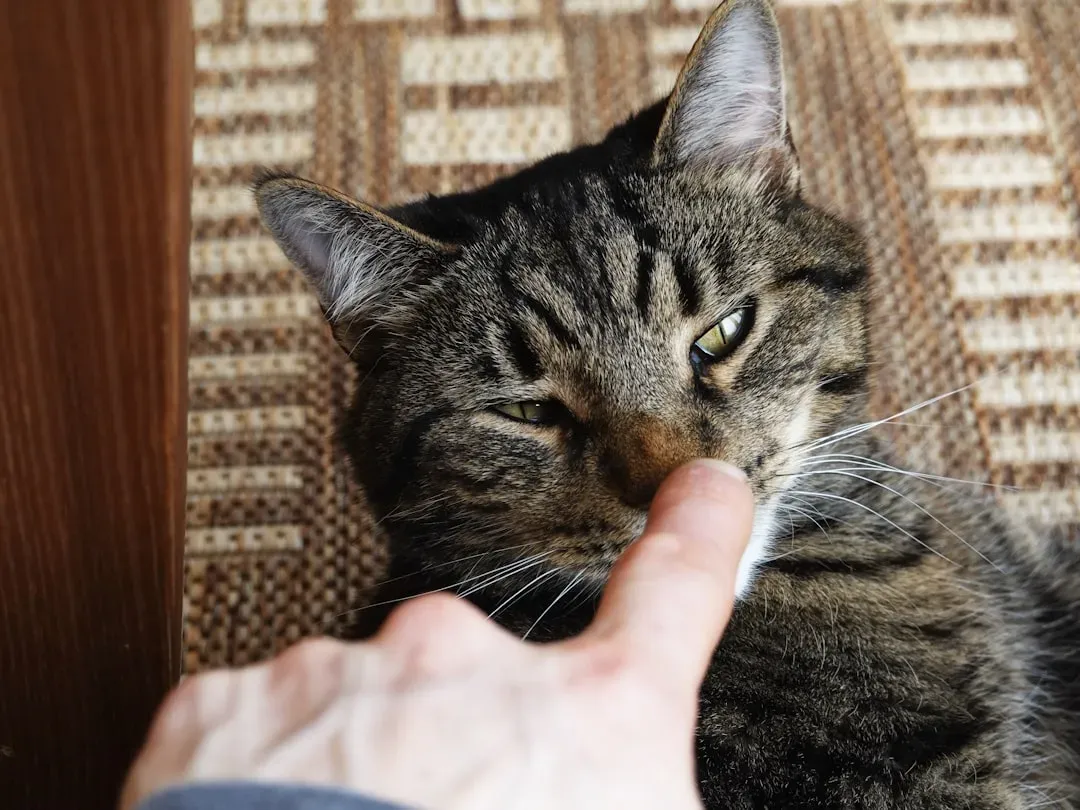
Research demonstrates that cats integrate visual and auditory signals to recognize human and conspecific emotions, and they appear to modulate their behavior according to the valence of the emotion perceived. When you’re happy, your cat notices. When you’re upset, it notices that too. It isn’t a coincidence.
Cats discriminate their owner’s emotional reaction toward an unfamiliar object and adjust their behavior accordingly, expressing more positive behaviors and spending a longer time with their owner when they appeared happy, whereas they displayed less positive behaviors in response to the owner’s angry expression. There’s even evidence that cats pick up on emotional signals through scent. Research found that “fear” odours elicited higher stress levels in cats than “physical stress” and “neutral” odours, suggesting that cats perceived the valence of the information conveyed by “fear” olfactory signals and regulated their behavior accordingly.
They Have a Memory That Can Last Over a Decade
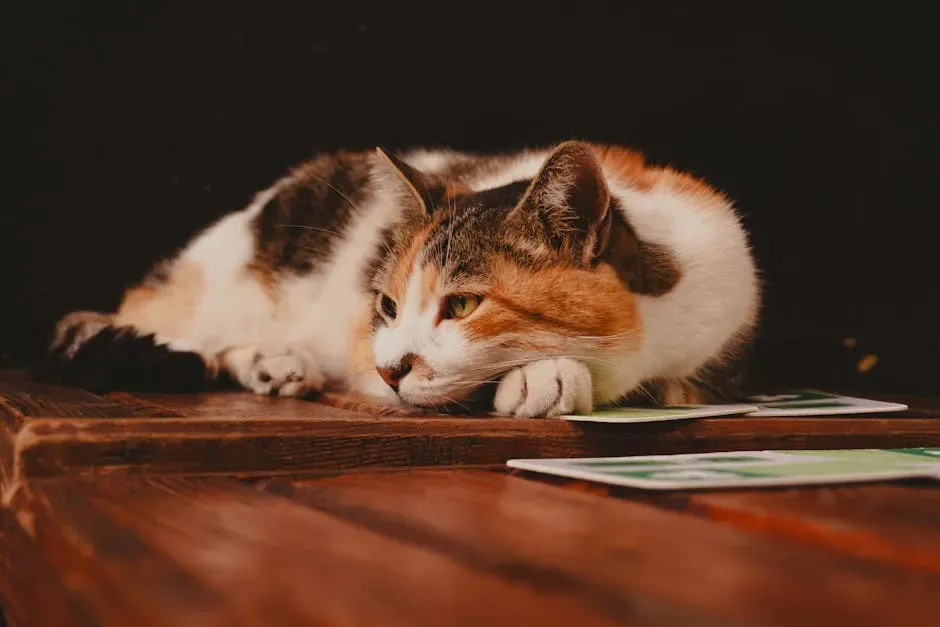
Cats possess impressive long-term memory capabilities, retaining recollections of events and locations for a decade or longer, and these memories are often intertwined with emotions, allowing them to recall both positive and negative experiences associated with specific places. This is not a simple reflex. It reflects genuine episodic-style memory tied to meaning and context.
Cat memory, both short-term and long-term, rivals or exceeds that of dogs. Working memory in cats lasts approximately 16 hours, compared to roughly 5 minutes in dogs. A study has shown cats can recall and use information of “what” and “where” from a single experience. That means even brief encounters can be encoded and retrieved with surprising accuracy.
They Understand That Hidden Objects Still Exist
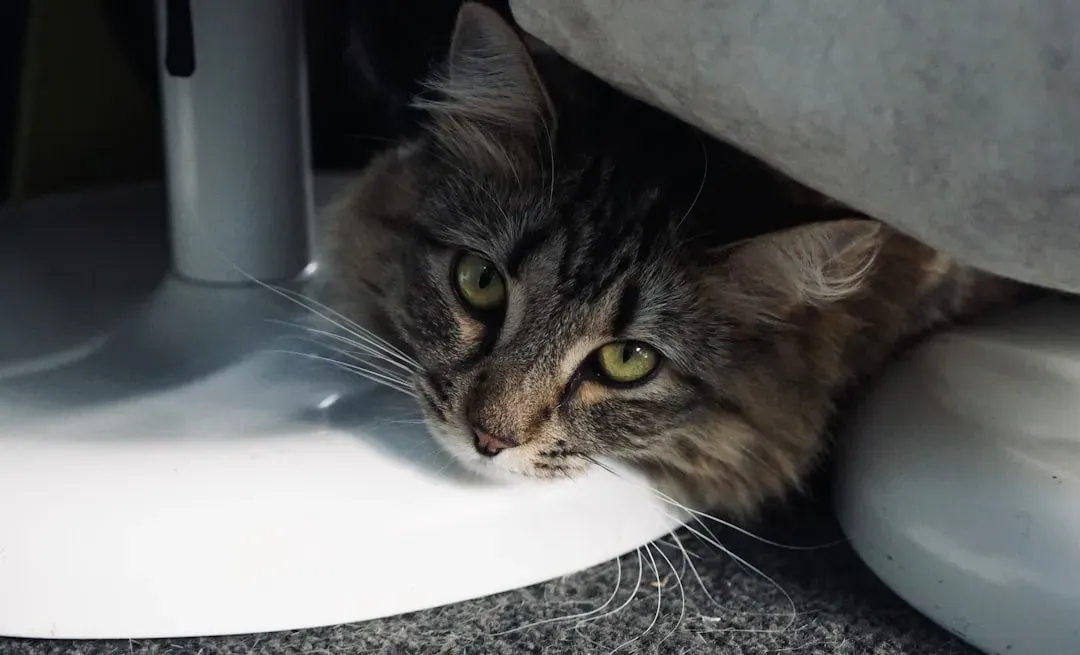
Object permanence is one of the milestones developmental psychologists use to track early intelligence in human infants. Your cat has it too. Based on several studies, behaviorists believe an adult cat’s intelligence is comparable to that of a 2-year-old human toddler. Studies have shown cats have object permanence recognition, an awareness of objects that aren’t directly visible, meaning out of sight doesn’t mean vanished forever.
Cats “pass” the test if they search for the object where it was last seen, suggesting that they understand that the object still exists even when it is not visible. Research indicates that cats easily solve visible displacement tests, demonstrating an understanding of object permanence. This cognitive skill has practical roots: cats also demonstrate object permanence, understanding that objects continue to exist even when out of sight, and this cognitive skill is crucial for hunting and problem-solving in their natural environment.
They Learn by Watching You
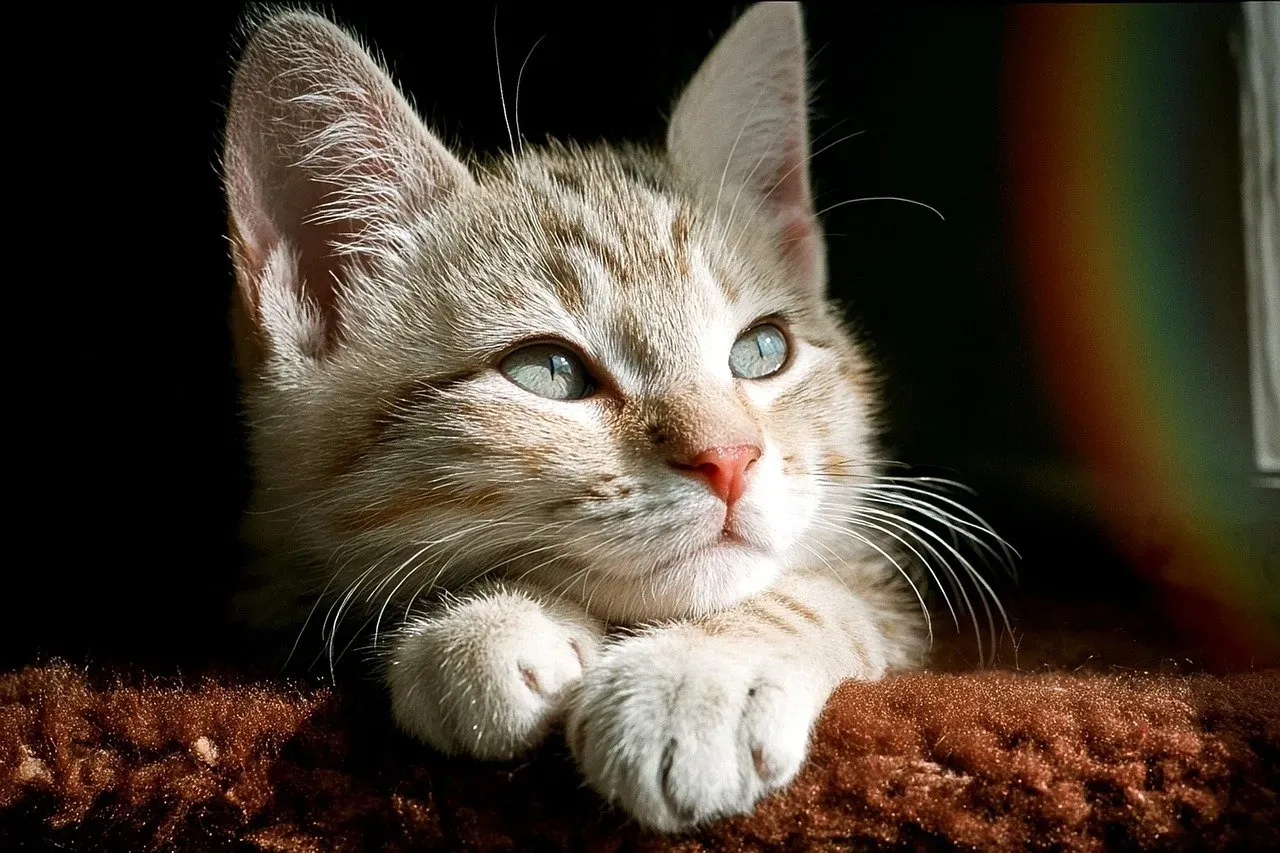
Studies examining cats and observational learning have shown that they can problem-solve by watching humans or other cats complete tasks. For example, they’ve been observed learning to open doors or how to access food puzzles after watching demonstrations. Such findings highlight their cognitive depth and resourcefulness. This is not imitation for its own sake. It is a deliberate strategy.
Cats don’t just learn through repetition, they also learn by watching. Observational learning in cats refers to their ability to pick up behaviors, routines, and problem-solving strategies simply by observing humans or other animals. From figuring out how doors open to mimicking play techniques, some cats absorb information quietly before putting it into action. Kittens learn essential survival skills by observing their mothers, while adult cats refine their abilities through trial and error.
They Know Their Own Name and the Names of Their Housemates
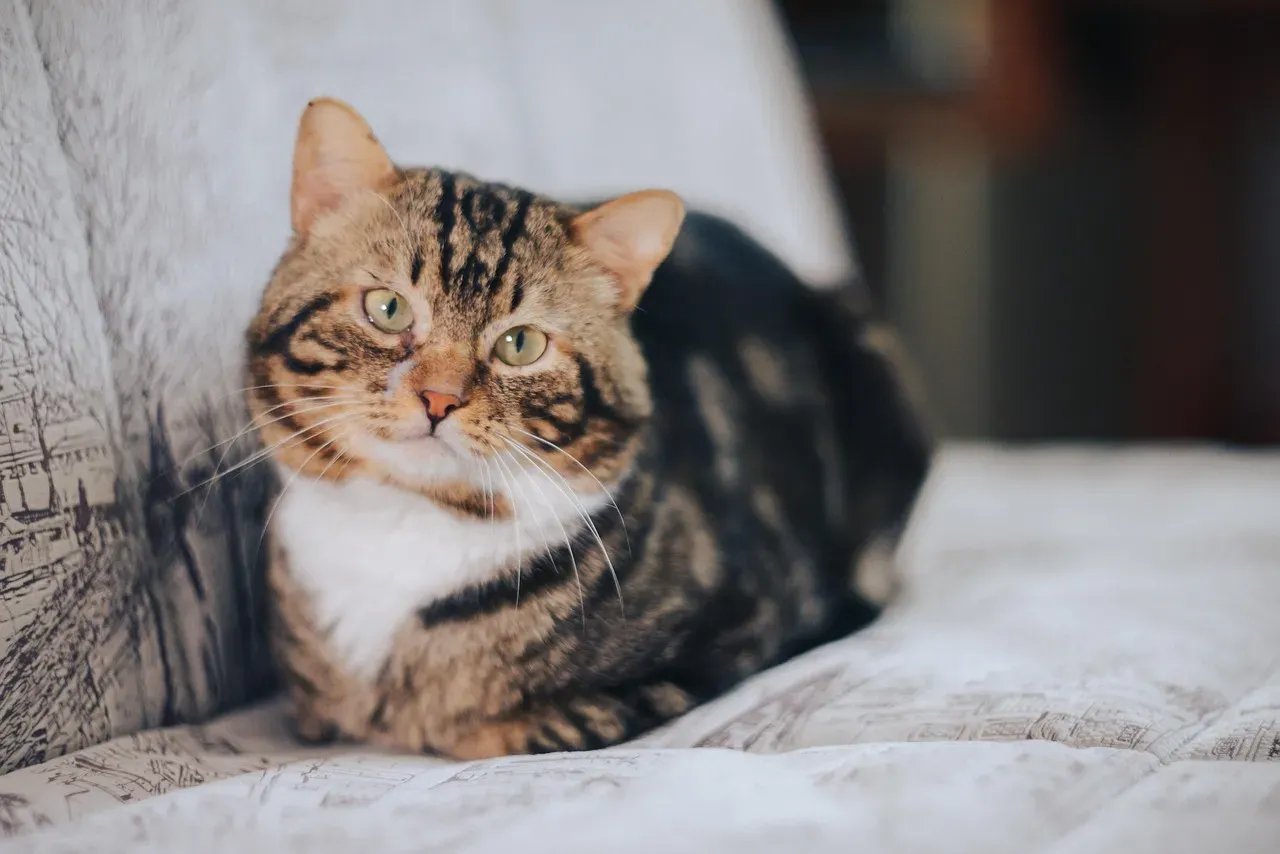
Your cat hears its name and does that slow blink, or the slight ear twitch, or the half-turn of the head. That’s not indifference. Cats have been shown to distinguish their own name from another familiar cat’s name in a habituation-dishabituation procedure, and they also distinguished those names from general nouns. Interestingly, cats living in multi-cat households habituated less to their companion cats’ names than to other nouns.
Research shows that cats can recognize their names and their owners’ voices, responding with subtle behaviors like head and ear movements. The subtlety of the response is worth noting. Unlike dogs, whose cleverness is often assessed by their compliance and trainability, cats showcase their intelligence through independent actions and unique problem-solving skills. Responding quietly is still responding. Their restraint isn’t confusion. It’s choice.
They Possess a Remarkably Dense and Structured Brain
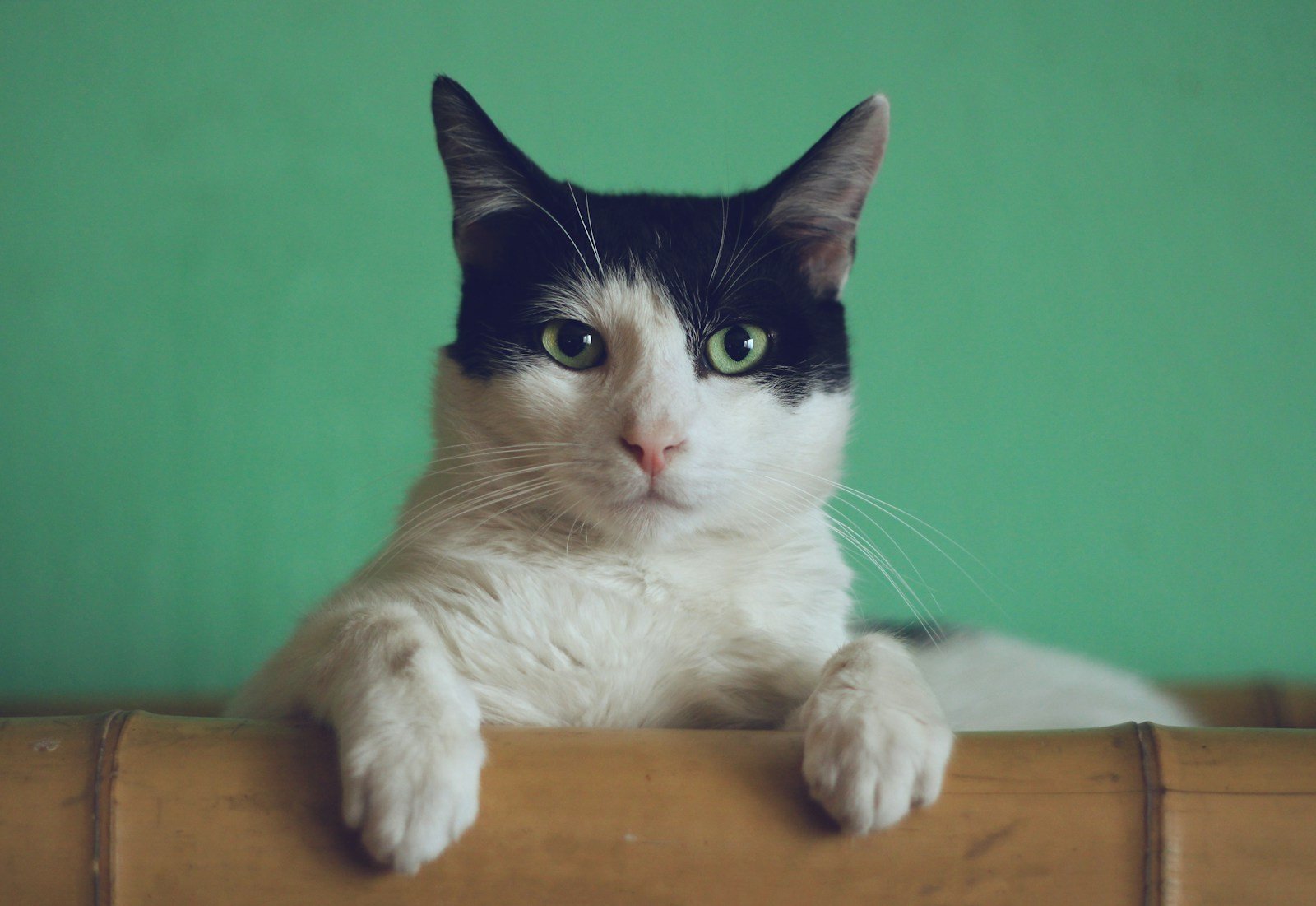
A 2016 study calculated the number of nerve cells within the cerebral cortex of the brain in a number of different animal species. Researchers found that cats have nearly twice as many cortical neurons (300 million) as dogs (160 million), which was taken as evidence that cats are smarter than dogs. The cerebral cortex is where higher reasoning, problem solving, and memory storage happen, so neuron density here genuinely matters.
Like humans, cat brains have complex surface folding patterns that increase the relative surface area of their brains. This increased surface is thought to improve cognition and overall brain function. Cats also display neuroplasticity, allowing their brains to reorganize based on experiences. In other words, living with you, learning your routines, figuring out your household, all of it is actively shaping and refining their neural architecture over time.
The Takeaway
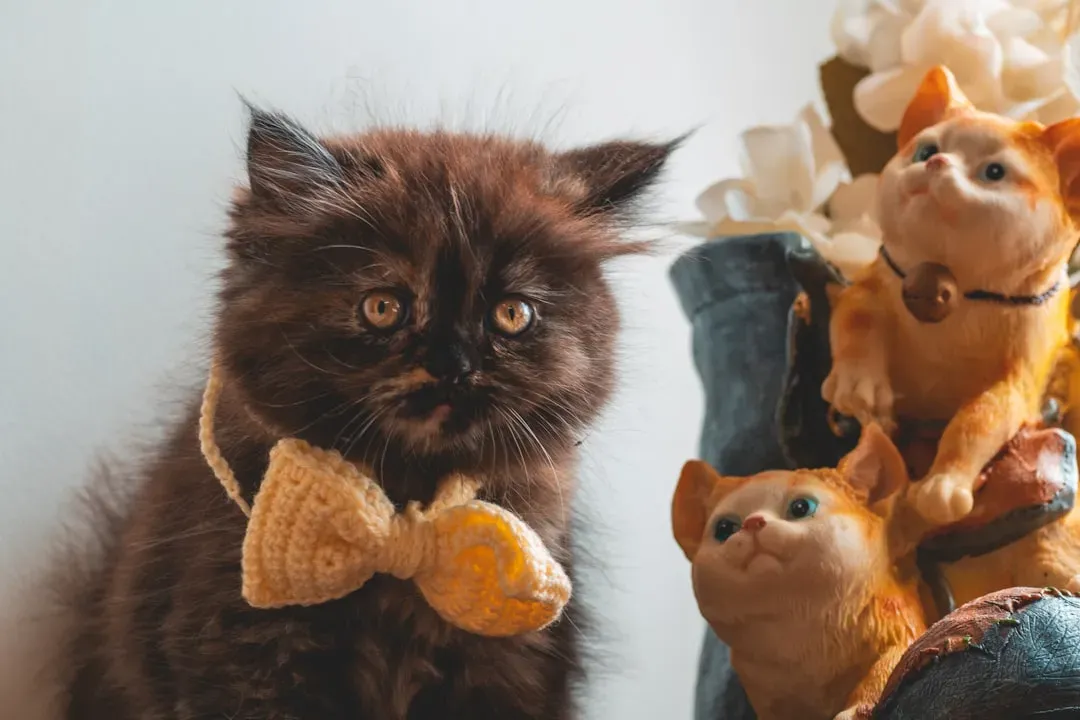
The case for feline intelligence isn’t built on a single dramatic trick. It’s assembled from years of careful research across memory, emotion recognition, spatial cognition, and observational learning. Your cat processes the world with a brain that’s structurally similar to yours, emotionally attuned to your moods, and capable of retaining learned information for years.
While research establishes that cats as a species possess significant cognitive capacity, individual variation undoubtedly exists, just as we observe different problem-solving abilities across individual animals. Some cats may excel at cognitive tasks while others struggle, influenced by factors including genetics, early socialization, environmental history, health status, and individual temperament. The smarter question isn’t whether cats are intelligent. It’s whether we’ve been paying close enough attention to notice.
Kristina is a young writer from India. An arts graduate and an avid content creator, Kristina is passionate about animals and wildlife. She enjoys exploring topics related to pet care, animal behavior, conservation, and nature, combining thorough research with engaging storytelling.