You close the bathroom door, and three seconds later you hear it. Soft pawing. A quiet, insistent meow. You open the door and there’s your cat, sitting like they’ve been waiting their whole life for you to return from a twelve-second trip.
If this sounds familiar, you’re not imagining a quirky habit. Cats rarely do anything without reason. When your feline friend trails behind , it’s not random. It’s deeply rooted in instinct, emotion, and learned behavior. Understanding the “why” can shift how you see the whole dynamic – less annoying shadow, more meaningful conversation.
1. You’re Their Safe Base
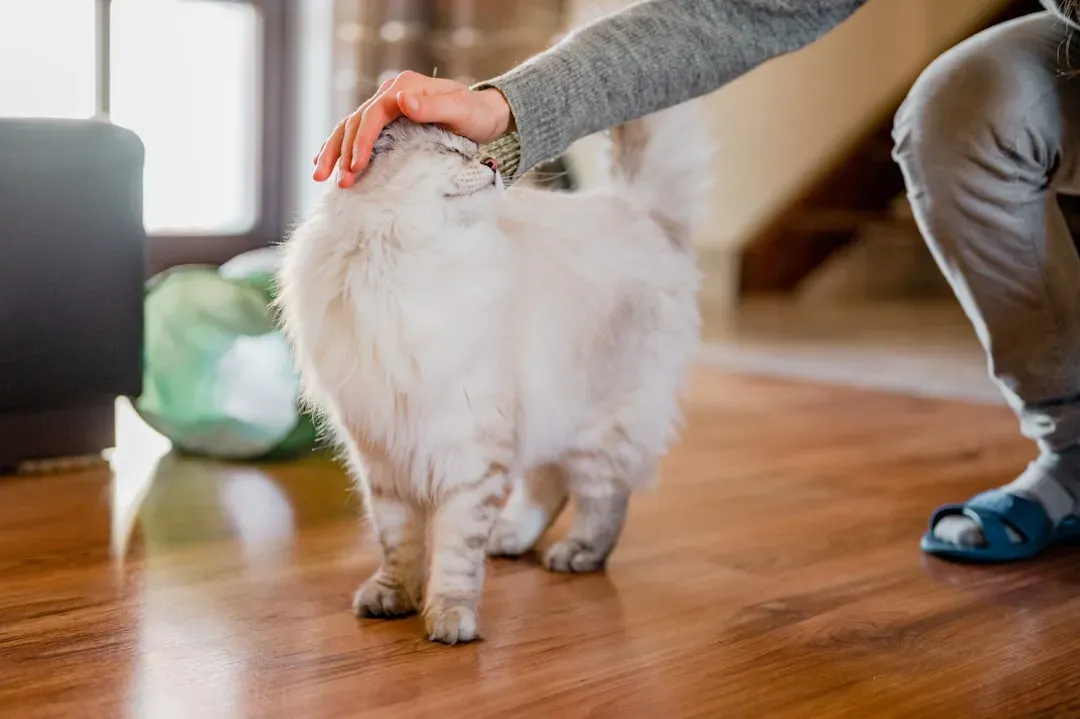
At their core, cats are both predators and prey. Despite their confidence, domestic cats retain ancient survival instincts that drive them to seek safe zones, familiar spaces, and trusted companions. When your cat follows you, it may be because you represent security. Your scent, voice, and presence act as a reassuring anchor in their world.
In a well-known study from Oregon State University, researchers found that about 65 percent of cats are securely attached to their owners. That means your cat sees you as a source of safety, comfort, and stability. In plain terms, you are home base. That’s not neediness. That’s trust built over time.
2. They Genuinely Love Being Near You
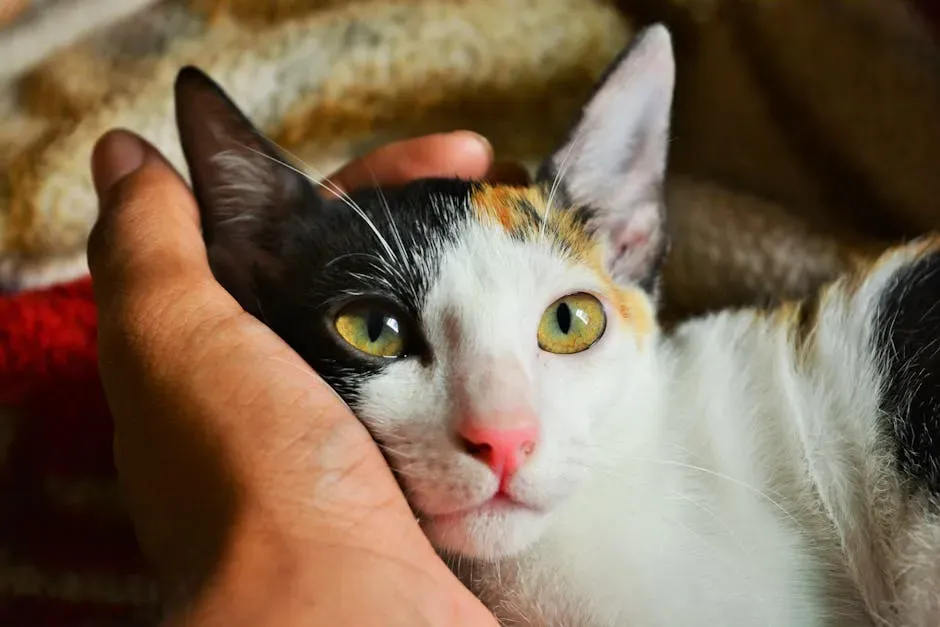
Cats show love in different ways – some through cuddling, others by sitting in your lap, and many by simply being near you. By walking alongside you or choosing to spend time in the same room, your cat is showing that they value your company. It’s quieter than a dog’s enthusiasm, but it’s just as real.
Following behavior in cats isn’t always a sign of health problems or unmet needs. Often, it’s an expression of affection. The sweetest reason your cat follows you is that they love and trust you and want to be near their favorite person at all times. This is completely normal behavior and shows that you have a strong bond with your kitty.
3. Pure, Unfiltered Curiosity
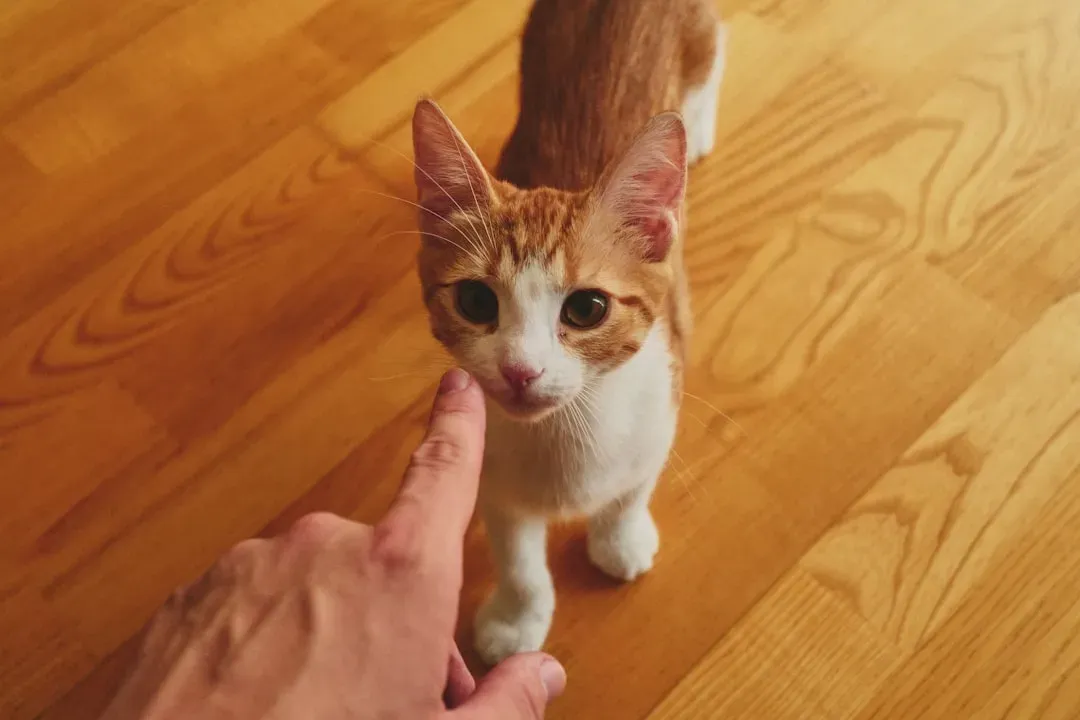
Cats are naturally curious, and their drive to explore can motivate them to follow you around the house. As highly observant creatures, cats have an awareness of your routines and habits – and they notice when something is unusual. The moment you move toward a room you don’t normally visit, their interest is already piqued.
Cats are naturally curious animals with an innate drive to monitor their territory. When your cat follows you everywhere, they might simply be investigating what you’re doing and ensuring nothing in their domain changes without their knowledge. This surveillance behavior is particularly evident when you enter new rooms or spaces that are typically off-limits.
4. They’re Letting You Know They’re Hungry
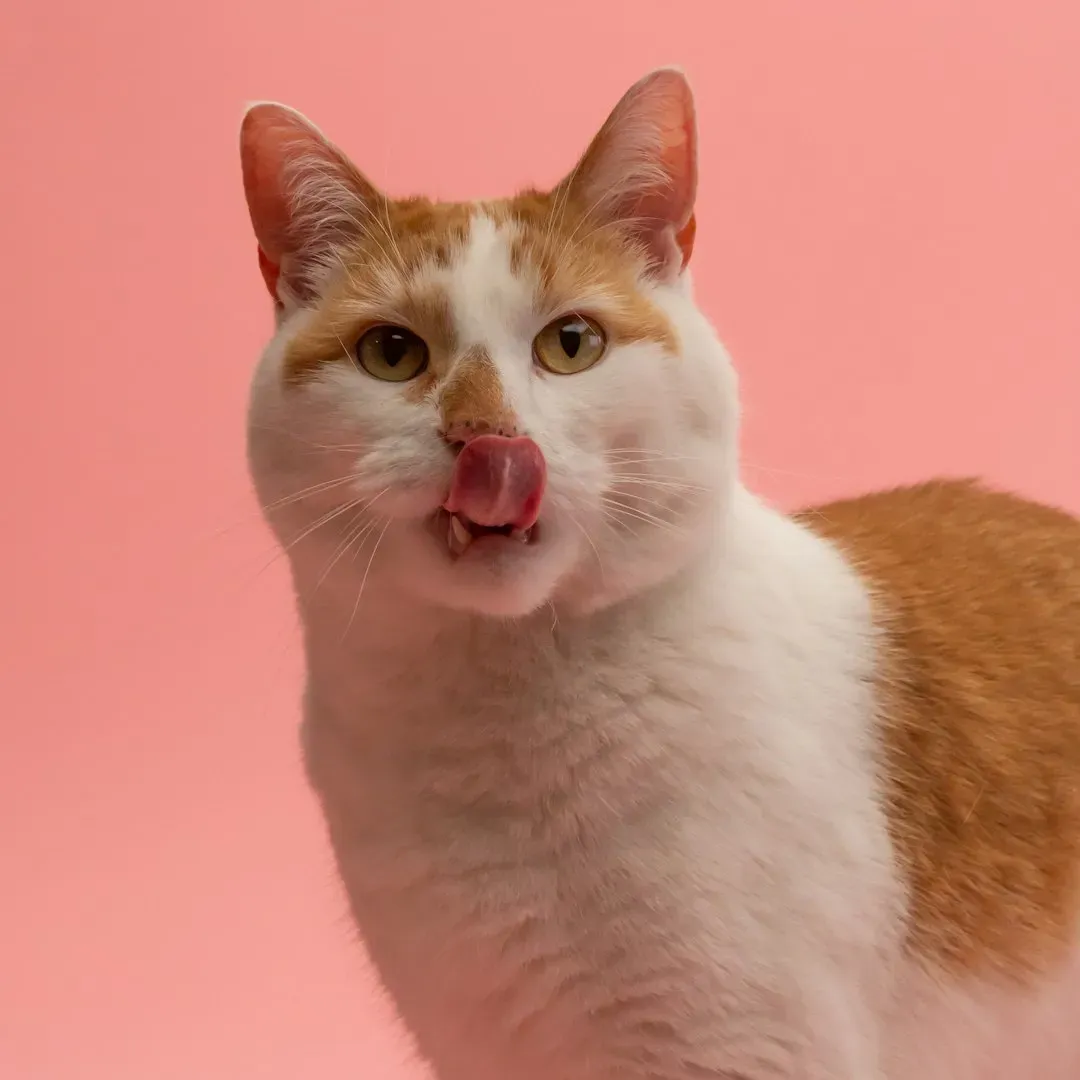
One of the main reasons your cat may be following you around is to let you know they’re hungry or that their food bowl is empty. Some cats are quick to express that they’re famished with meows varying in intensity. A hungry cat might walk to their food bowl, then back to you, repeatedly – their way of guiding you to the problem.
Cats are intelligent creatures who quickly learn that their humans are the source of good things, especially food. Your feline friend may follow you around because they associate your movements with feeding time, particularly if you’re heading toward the kitchen or approaching their usual meal schedule. This food-seeking behavior is especially pronounced during traditional feeding times or when cats perceive patterns in your routine that might lead to treats or meals.
5. They’re Bored and You’re the Most Interesting Thing Around
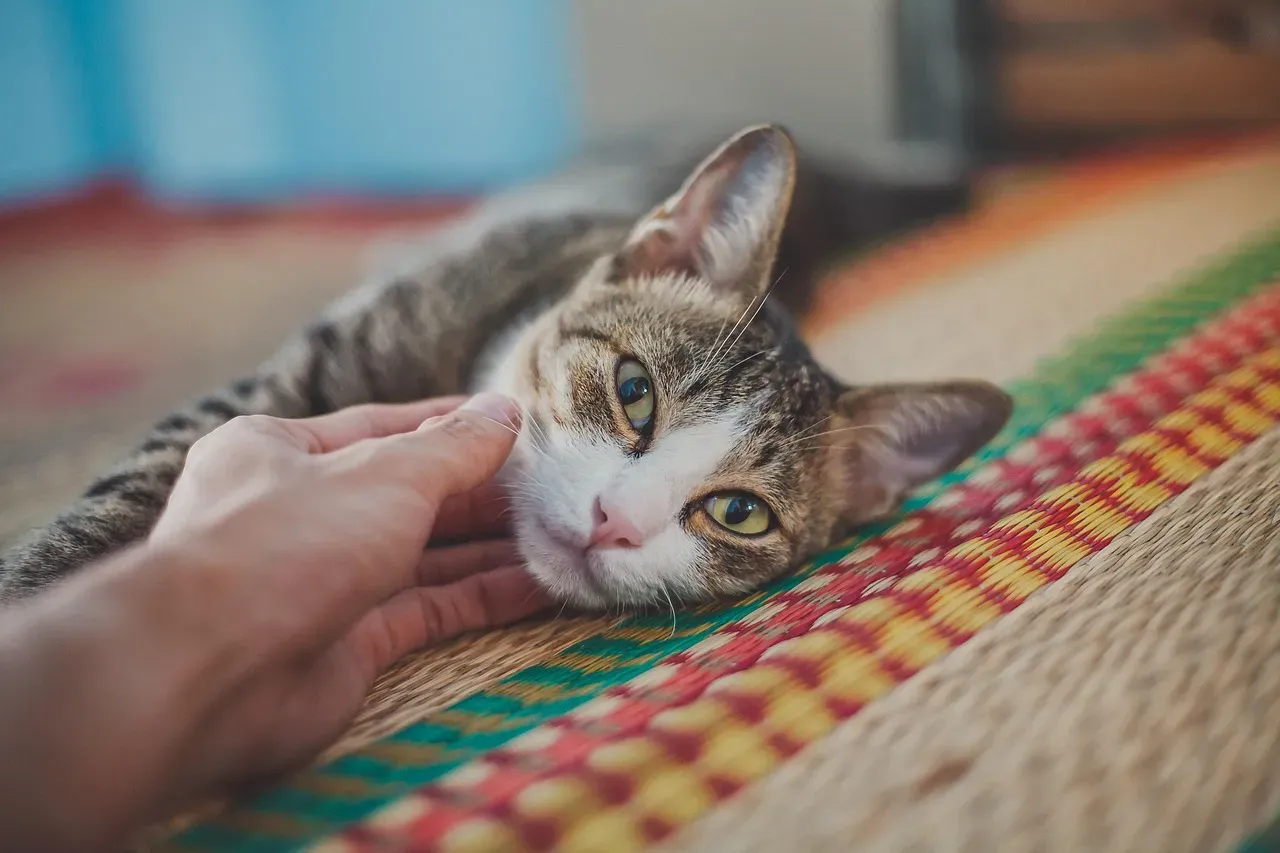
Cats get bored without enough mental stimulation or places to expend physical energy, like cat runs and cat trees. If they’re bored, they might follow you just to have something to do. Cats need stimulation, and when their environment feels quiet, they often look to their owners for something to do. Following you is one way they entertain themselves. Watching your actions, investigating the objects you touch, or playing with your movements provides them with mental and physical enrichment.
Bored cats will often follow you around, and they aren’t typically shy about expressing themselves. If your cat is bored, their pursuit might have a sense of desperation and restlessness. They’re eager to see something interesting happen, and sometimes they’ll take it into their own four paws and make it happen – including destructive scratching, knocking things over, or jumping onto counters. That behavior is worth addressing before your kitchen counter becomes a casualty.
6. Your Cat Has Synced With Your Daily Routine

Cats are excellent observers. Over time, they sync with your daily habits – waking when you wake, watching you prepare breakfast, or joining you in the living room at night. It’s a sign of bonded rhythm: your cat’s life literally aligns with yours. Once a routine is established, they’ll often follow you on autopilot, simply because it’s what the two of you do together.
If your cat has followed you since they were young, it may have become part of their daily routine. If you get ready for bed each evening at a set time, your cat may automatically trail behind you. Cats often repeat behaviors that result in positive outcomes – attention, petting, or treats. Following or staying close becomes reinforced over time.
7. They’re Feeling Anxious or Stressed
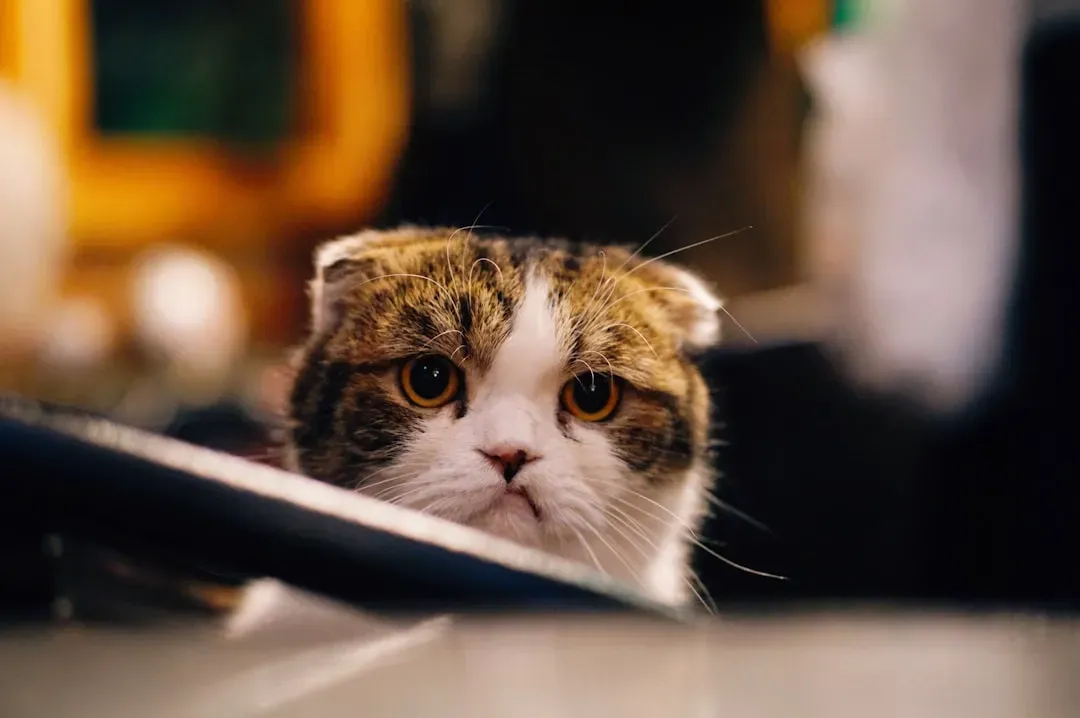
Triggers like new pets, guests, or disruptions in their routine can make a cat stressed. In moments of uncertainty – like when guests arrive, loud noises occur, or furniture is moved – many cats instinctively gravitate toward their owners for protection. That trailing shadow isn’t always affectionate. Sometimes it’s a cat doing their best to cope.
Unlike healthy following behavior, anxiety-driven cats who follow you around will often have distressed or excessive vocalization, restless movement, noticeable changes in appetite, and agitated body language like a hunched posture or swishing tail. Big changes in a cat’s life, like moving to a different home or adding a new pet, can also cause stress. Other signs of stress in cats include going outside the litter box, excessive grooming, destructive behavior, and changes in appetite.
8. They Could Be Telling You Something Is Wrong
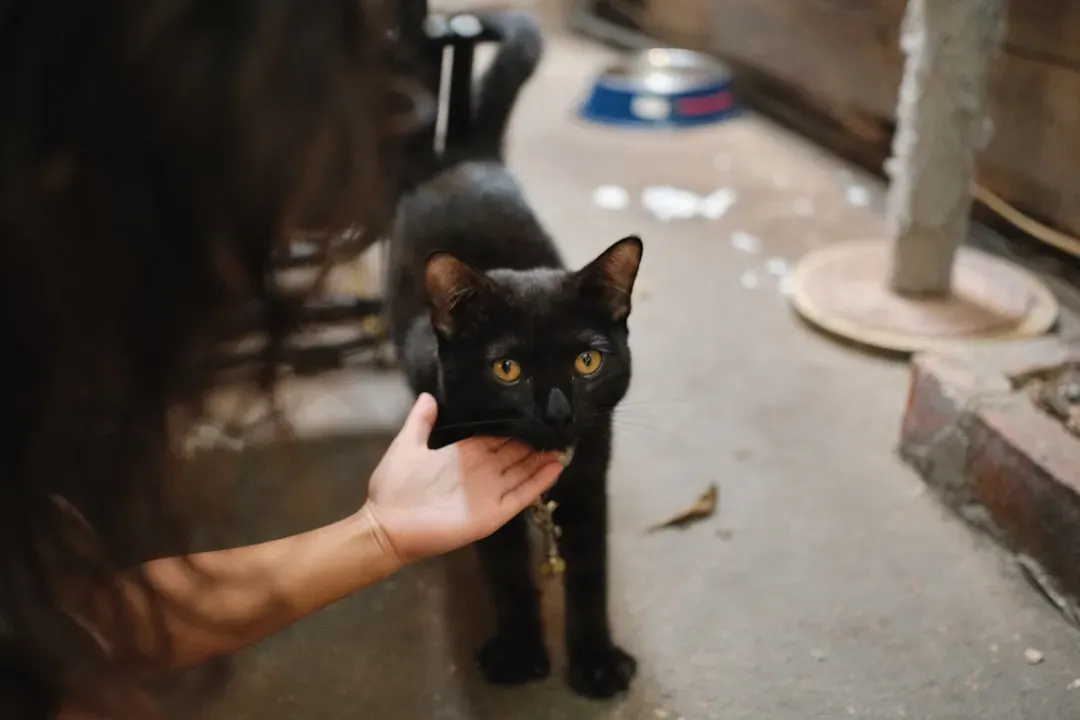
If your pet’s clinginess is out of character or accompanied by other worrying symptoms, don’t ignore this behavior change. Cats tend to mask their pain, but if they suddenly won’t let you out of their sight, they could be signaling that they are uncomfortable, anxious, or ill. Especially when following is accompanied by increased vocalizations, lethargy, or changes to their appetite or bathroom habits, visit your vet to rule out medical issues.
Several medical issues could cause a cat to follow their caregiver more than usual, including thyroid problems, hearing or vision loss, or cognitive dysfunction in older cats. Many of these conditions can make a cat feel more vulnerable or even confused and disoriented. They’ll seek comfort and reassurance by staying close to the people they love and trust most. If the shift in behavior feels sudden, a vet visit is always the right first step.
9. They Want to Protect You (Yes, Really)
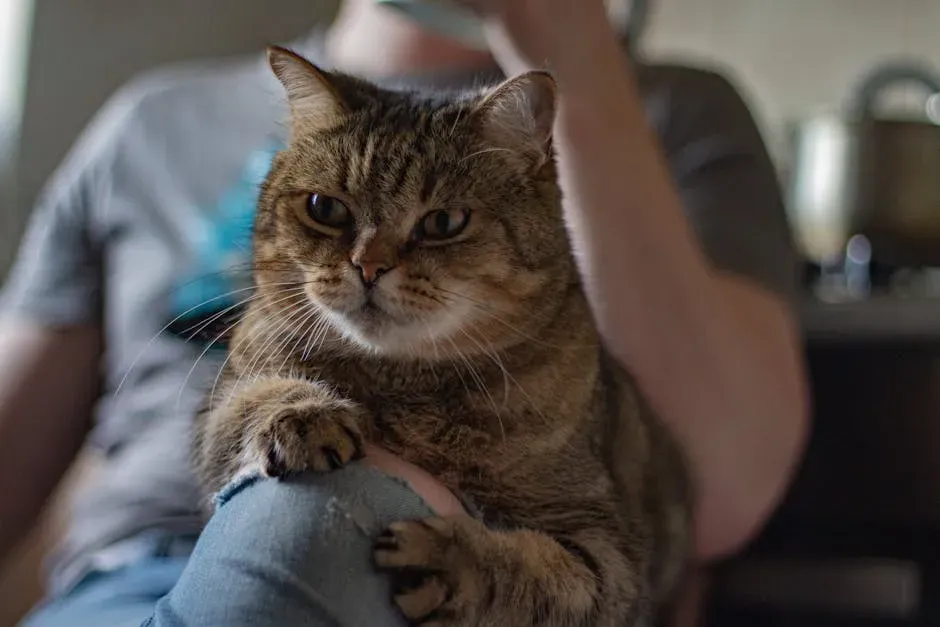
Cats are highly territorial and may view themselves as guardians of their household. Following you around the house may be your cat’s way of keeping an eye on you and ensuring nothing threatens your safety. It may not be obvious, but to your cat, they are offering you a kind of watchful support.
Cats naturally form tight family units with each other and their human family members. Because of this, the need for social interaction and the security of a group is ingrained in them. Cats in close-knit family units stick close to each other for protection. As such, when your cat follows you around, it may be because they enjoy your company and feel you are both safest when you’re together. That’s a kind of loyalty that deserves a little more credit than it usually gets.
A Closing Thought
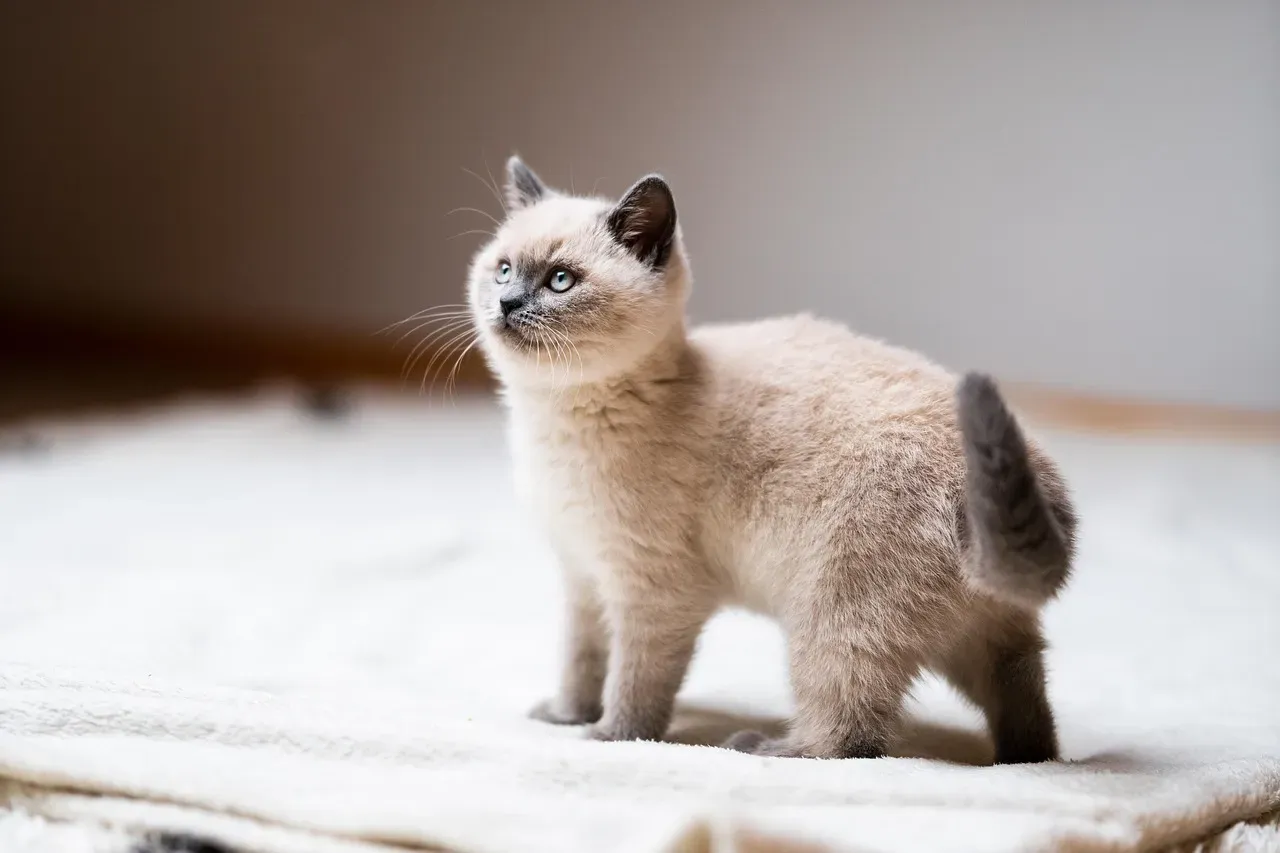
Most of the time, your cat following you is one of the simplest compliments an animal can pay a person. Your cat’s tendency to follow you everywhere is typically a sign of a strong bond and healthy attachment. Whether driven by instinct, affection, or basic needs, this behavior reflects the unique and special relationship between cats and their human companions.
The key is learning to read the difference between a content companion and a cat quietly struggling. Understanding these patterns helps you identify whether your cat’s following behavior is a healthy sign of trust or a potential stress response. Once you know what you’re looking at, those small padded footsteps behind you start to say quite a lot.
Kristina is a young writer from India. An arts graduate and an avid content creator, Kristina is passionate about animals and wildlife. She enjoys exploring topics related to pet care, animal behavior, conservation, and nature, combining thorough research with engaging storytelling.