Ever watched your cat stare intently at an empty corner of the room, or noticed them acting strangely just before a thunderstorm hits? You’re not imagining things. Your feline companion possesses sensory abilities that make our human perception look downright primitive by comparison.
These furry little creatures aren’t supernatural beings, but their evolutionary toolkit has equipped them with capabilities that border on the extraordinary. While we rely heavily on sight and sound, cats navigate the world through a complex sensory web that picks up on details we couldn’t dream of noticing. Ready to discover what your cat knows that you don’t? Let’s dive in.
They Detect Illness Before You Feel Symptoms
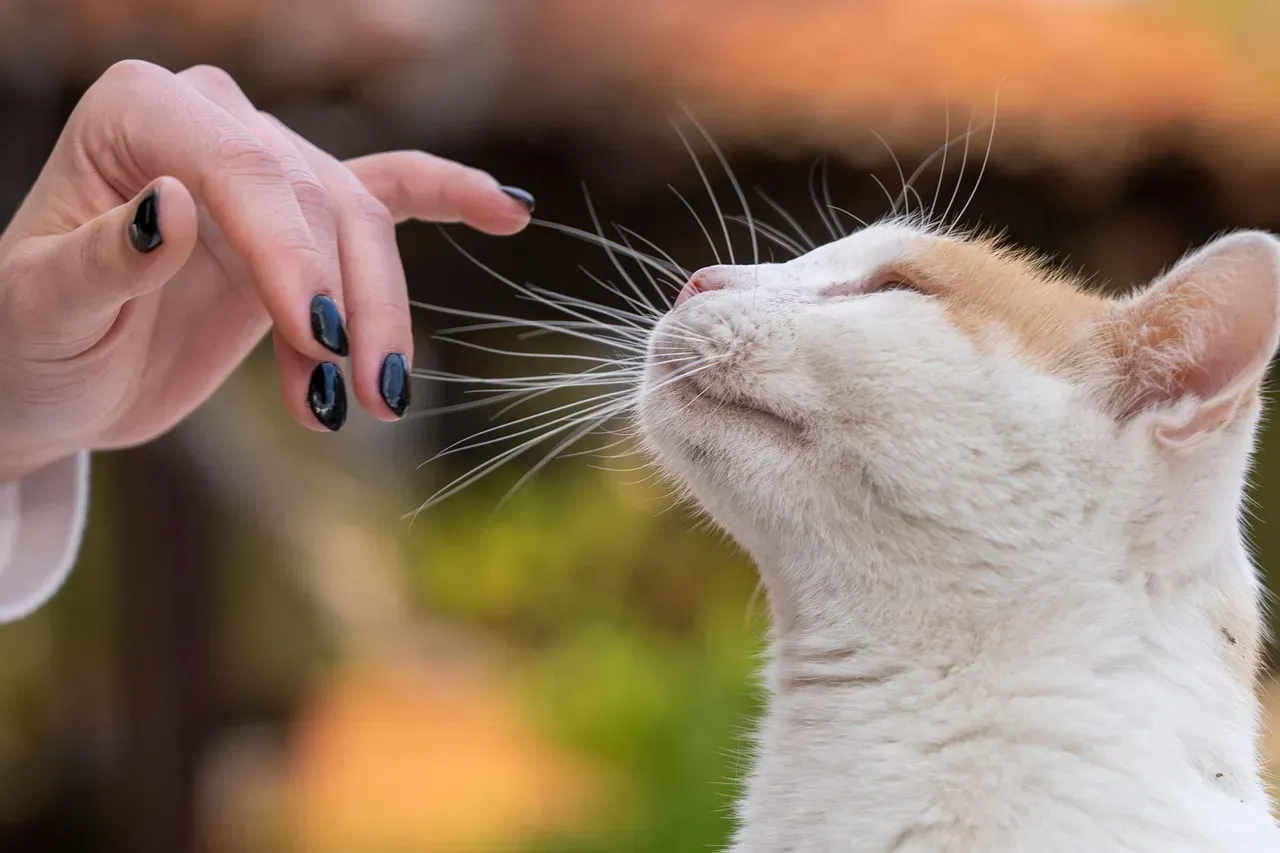
Your cat possesses a famously refined sense of smell that can detect pheromone changes coming from the human body, which are secreted chemicals that trigger social responses. When you’re getting sick, your body chemistry shifts in ways you can’t consciously perceive. Cats can sense chemical markers associated with various illnesses, including cancer and diabetes.
This heightened sense of smell enables them to detect illness in humans as a byproduct of picking up on hormonal changes. Cats exhibit increased attention when owners are unwell, a form of empathy. Let’s be real, this isn’t magic. It’s biology meeting evolutionary advantage. The next time your normally aloof cat suddenly becomes your shadow, they might be picking up on something worth investigating.
They Sense Your Emotional State Without a Single Word
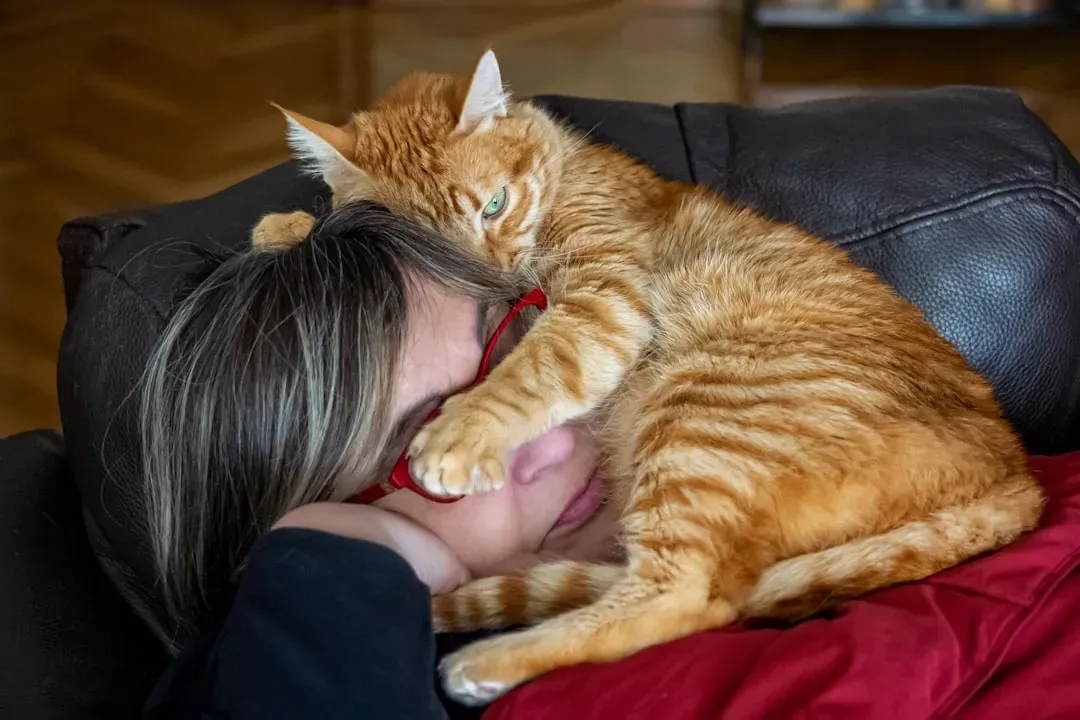
Cats integrate visual and auditory signals to recognize human emotions and appear to modulate their behavior according to the valence of the emotion perceived. Think about it. You walk through the door after a terrible day at work, and before you can even toss your keys on the counter, your cat is either rubbing against your legs or keeping their distance.
Research shows that cats can sense the emotions of their humans, and while they may not understand sadness specifically, they do notice emotional cues and will often adjust their behavior accordingly. Recent studies show cats can detect human emotions through scent, especially fear. Your cat reads your facial expressions, picks up on the tension in your voice, and even smells the subtle chemical changes stress creates in your body. That’s some serious emotional radar.
They Pick Up on Earthquakes and Natural Disasters Before They Strike

Cats may detect earthquakes through their superior sensory abilities, including sensitive hearing that picks up P-waves, highly receptive paw pads that feel subtle vibrations, and whiskers that detect air pressure changes before the main shock arrives. Honestly, it sounds like something from a sci-fi movie.
The hearing range of a cat is around 45 to 64,000 Hz, compared to 64 to 23,000 in humans, so they can detect both higher and lower frequencies, like the low rumble of earth moving over shifting tectonic plates. Conclusive proof of the science behind cats allegedly predicting earthquakes doesn’t exist yet, but a lot of anecdotal evidence does suggest that cats can predict earthquakes. When your cat suddenly starts acting erratic or trying to hide in unusual places, pay attention. They’re feeling something you’re completely oblivious to.
They Navigate in Total Darkness Using Environmental Air Currents
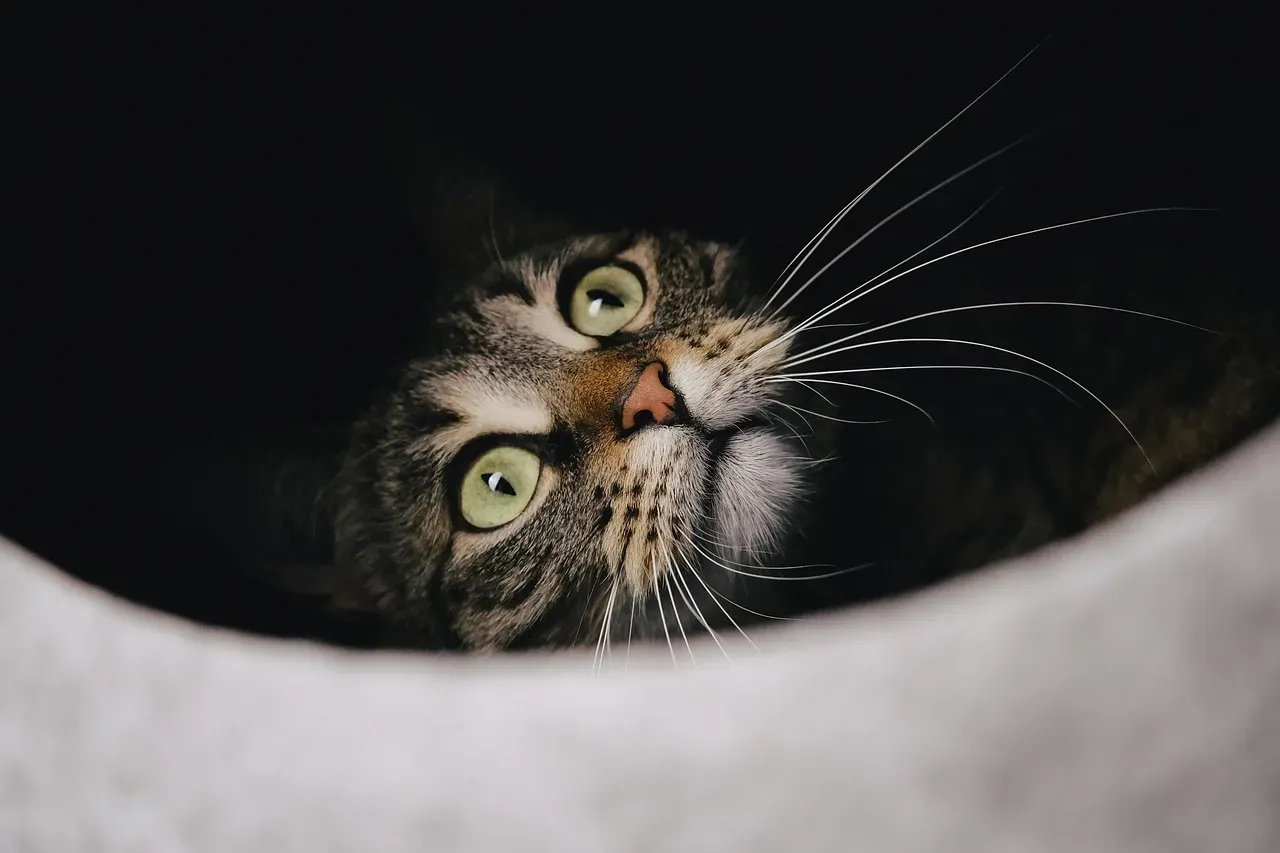
Cat whiskers are filled with tiny, highly sensitive nerves that help cats detect the slightest changes in their environment, enabling them to navigate in darkness, detect prey, and even sense air currents. Your cat’s whiskers aren’t just adorable facial accessories. They’re sophisticated sensory instruments that function like biological radar.
As a cat approaches something in their path, they stir up air currents that bounce back when they hit solid objects, and whiskers detect very faint vibrations caused by these changes in air currents and act like radar detectors. The whisker system is so sophisticated that it can detect vibrations as small as 2,000 times smaller than the width of a human hair. Meanwhile, you’re stubbing your toe on the bedpost at 2 a.m. while your cat gracefully avoids every obstacle without breaking stride.
They Recognize Changes in Your Routine and Health Patterns
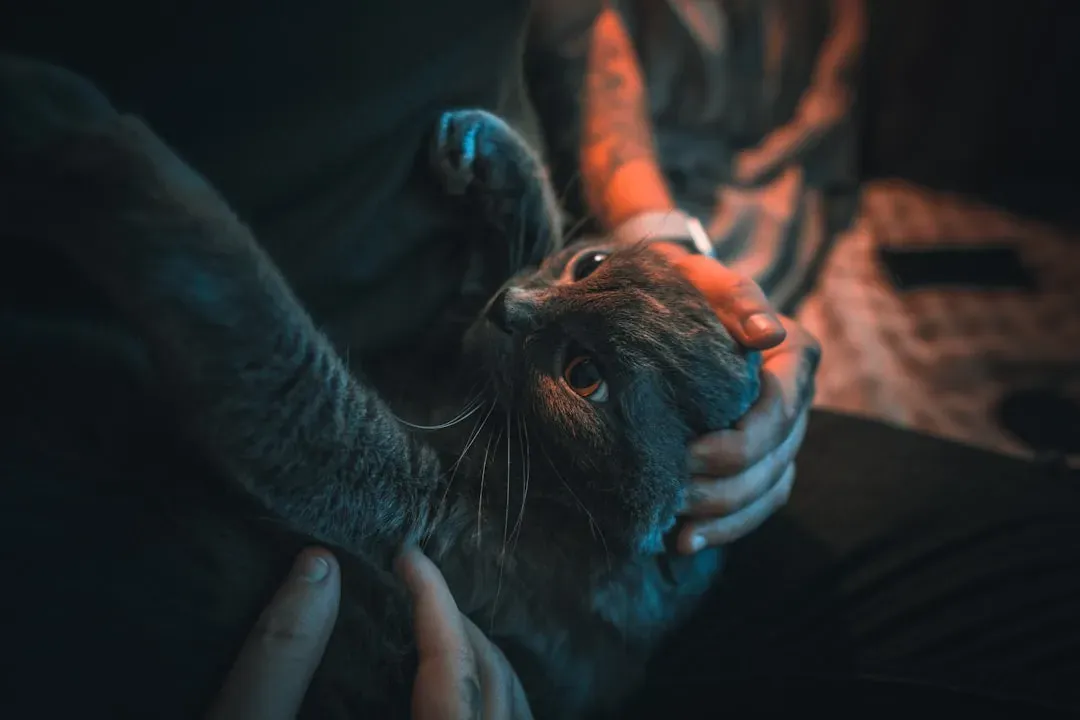
How a person behaves when they’re sick is potentially the most obvious way a cat clues into human feelings and well-being, as routine and mood changes are detected by cats. Cats are creatures of habit, which means they notice when you deviate from yours.
When your normal routine changes, your cat will notice, and if you spend more time sleeping or lounging on the sofa, your feline friend is sure to join you for a comforting cuddle. Cats that lay close to you or sit on your lap can detect an irregular or quickening heartbeat prior to a heart attack. Some people dismiss this as coincidence, but I think there’s something profound about how deeply our cats observe us. They’re watching, learning, and responding to patterns we don’t even realize we create.
They Sense Death and End-of-Life Changes
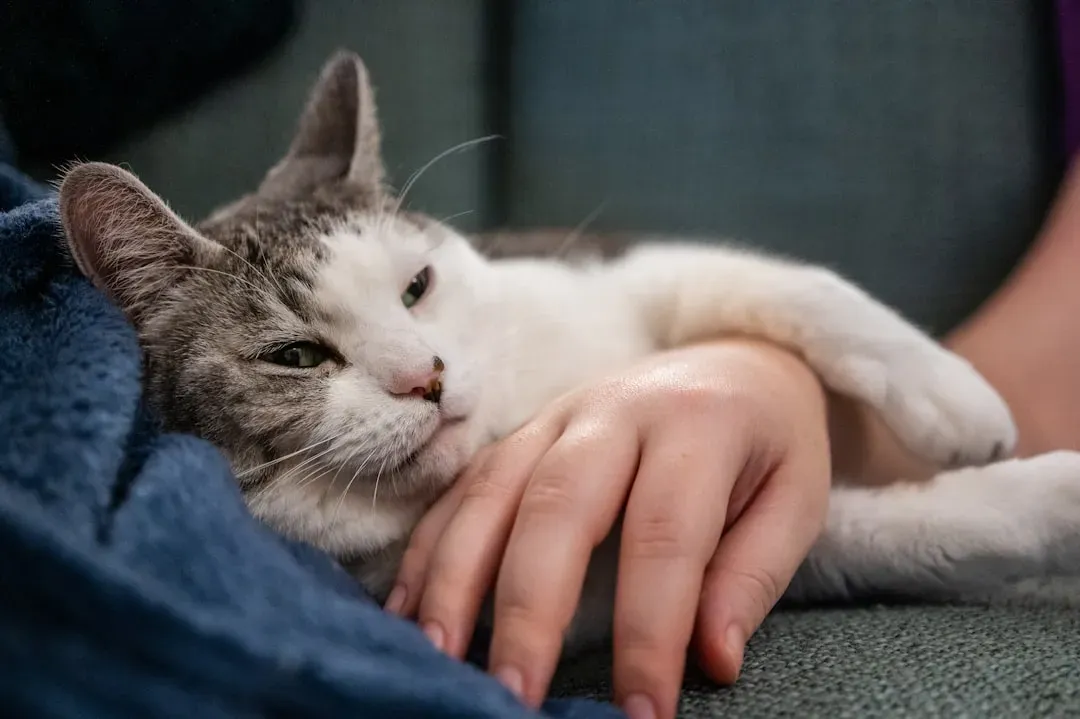
Here’s the thing that gives people chills. Cats can sense death due to their intensive sensitivity and perceptiveness through their heightened sense of smell and intuition, allowing them to pick up on changes in their environment and the people around them.
There was a cat recorded in the New England Journal of Medicine by a doctor caring for terminally ill residents in a nursing home, and Oscar, the cat, started to seem to have a sixth sense for when someone was about to die, jumping onto a resident’s bed and snuggling with them before they would mostly pass away soon after. When an ailing person is approaching the end of life, the body will undergo several changes that are apparent to a cat, and the hormonal and chemical changes in the body will be detected by a cat’s olfactory receptors. It’s hard to say for sure what they understand about mortality, but they definitely detect something we can’t.
They Monitor Your Stress Levels Through Body Language and Scent

Increased cortisol levels accompany stress, and cats are astute stress detectors who sense it through their acute observational skills, responding by staying close, reassuring, or altering their behavior to reduce stress. Your cat knows when you’re stressed before you fully acknowledge it yourself.
Studies showed the bidirectional relationship we have with our cats, where interacting with them can shift both the human’s and the cat’s cortisol levels, meaning that when we’re stressed, our cats can reduce our cortisol levels, and vice versa. They pick up on the tension in your shoulders, the tightness in your jaw, the way you’re breathing faster than usual. Cats are sensitive to changes in physiological parameters, such as heart rate, breathing cues and blood pressure, which can all be symptoms of depression, stress, and anxiety. Sometimes, your cat becomes a furry little therapist, offering comfort exactly when you need it most.
Conclusion
Your cat isn’t psychic, but their sensory capabilities make them remarkably attuned to the world around them in ways that put our human perception to shame. From detecting illness through chemical changes to sensing earthquakes before they hit, these furry companions experience reality on a completely different level than we do. They’re monitoring your health, reading your emotions, and picking up on environmental shifts that escape our notice entirely.
The bond between you and your cat runs deeper than you might have realized. They’re not just passive observers in your home. They’re actively engaged, constantly gathering information, and responding to your needs in ways both subtle and profound. Next time your cat seems to know something you don’t, trust their instincts. They might just be picking up on something important. What do you think? Has your cat ever surprised you with their uncanny awareness?