Most people assume that when their cat has something to say, they’ll simply hear it. The reality is far more layered than that. Cats are fluent in a rich, mostly silent language built from body positions, chemical signals, eye movements, and physical touch – and the meow, as familiar as it is, represents just a small fraction of that communication system.
Studies have shown that domestic cats tend to meow much more than feral cats, and they rarely meow to communicate with fellow cats or other animals. In other words, the meow is essentially a tool developed for you. Everything else – the slow blink, the headbutt, the kneading paws – forms a parallel language you likely walk past every single day.
The Slow Blink: Your Cat’s Version of “I Love You”
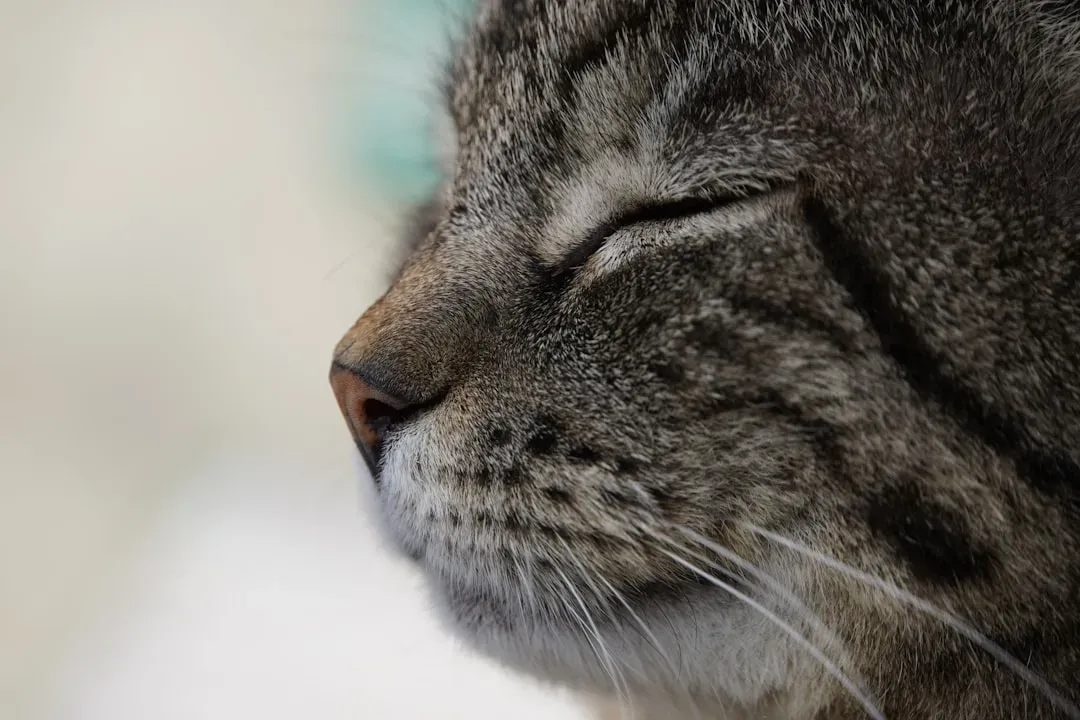
If your cat has ever locked eyes with you and then lazily let their eyelids fall shut, you’ve been on the receiving end of something genuinely meaningful. While direct eye contact can sometimes signal a territorial challenge in cats, a cat who slowly blinks or lowers their eyelids is showing trust and affection – often referred to as a “cat kiss.” This is a way for cats to communicate safety and comfort.
When your cat stares at you while giving a long, slow blink, studies have shown that it’s a cat equivalent of saying “I love you.” The most natural way to respond is to return the gesture. Hold gentle eye contact with your cat and do some long, slow blinks – this is a sign of affection in cats. It’s one of those rare moments where the simplest response is also the most bonding one.
Tail Position: A Running Emotional Forecast
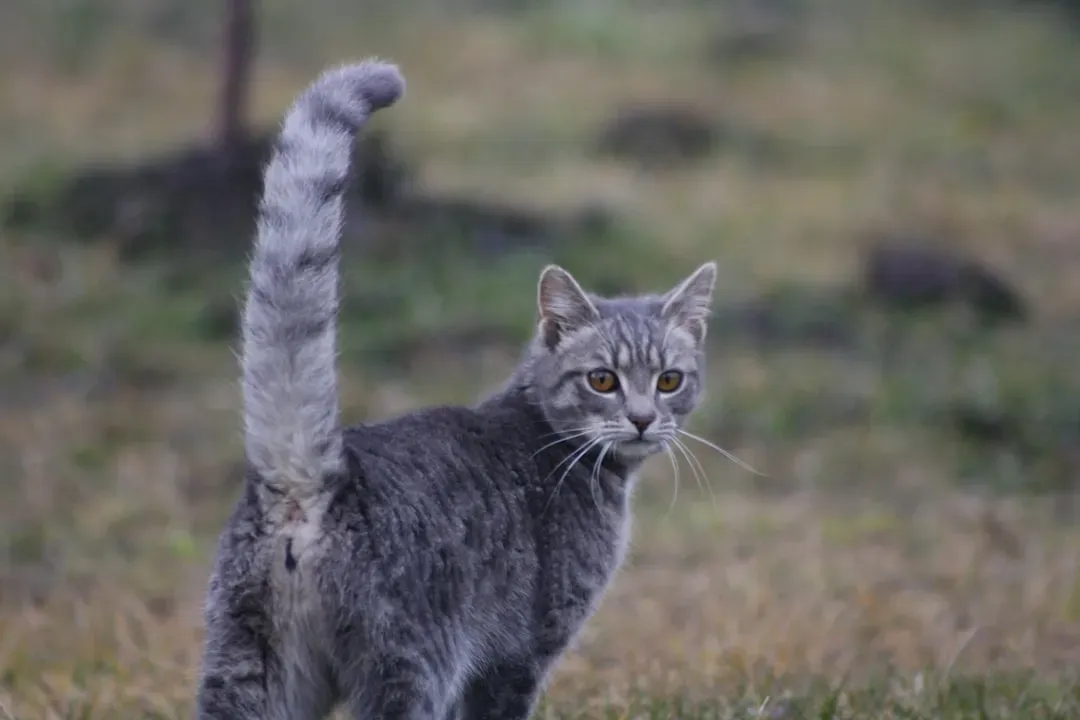
Your cat’s tail is essentially a mood barometer, and it’s broadcasting information every time your cat moves through a room. The tail position is a well-known way that cats communicate visually. Generally, the “tail up” position – where the tail is held vertically in the air, at a right angle to the ground – signals friendly intent when a cat approaches another cat, animal, or person. Think of it as your cat waving hello with their whole spine.
When your cat thrashes their tail or is thumping it on the ground, they are irritated, annoyed, or angry. This tells you that something is bothering your cat. It’s a distance-increasing behavior – if you are petting your cat and they start thrashing their tail, they are trying to tell you to stop. Understanding this alone can prevent a lot of unnecessary scratches. A tail tucked between the back legs is often a sign that a cat is anxious or fearful, whereas a tail held out and moving slowly side-to-side across the body may signal frustration.
Headbutting and Bunting: You’ve Been Claimed
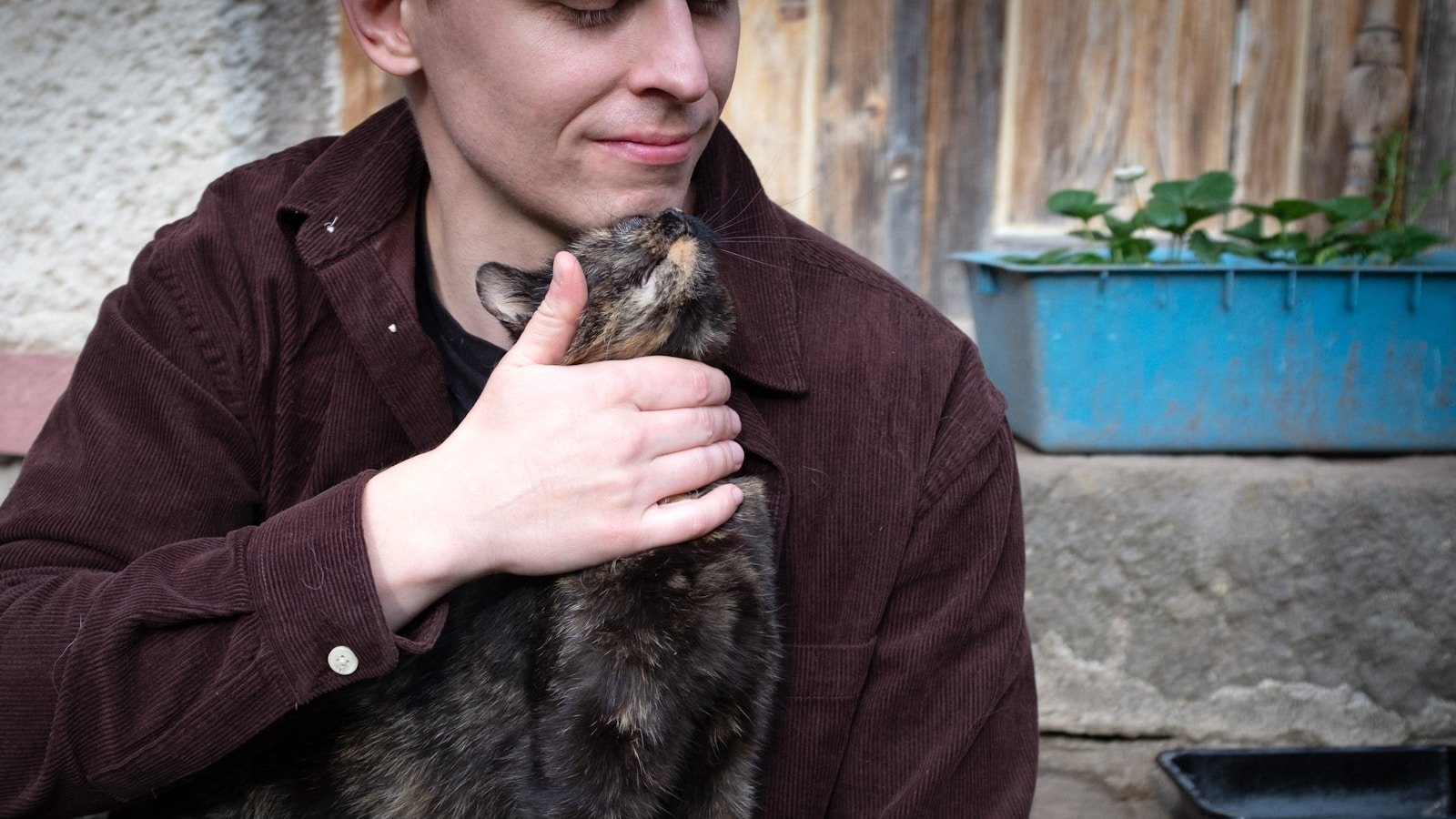
When your cat presses their forehead firmly against your chin or cheek for no apparent reason, it isn’t random. Headbutting is typically a way for cats to mark you with pheromones and bond with you. Sometimes, however, it can also be a way for cats to seek attention. It’s a social behavior with deep roots in how cats relate to their colony members.
If you’ve ever wondered why your cat headbutts you, the short answer is that cat headbutting – also called bunting – is usually a friendly behavior where cats mark you with their scent to show bonding, comfort, and familiarity. Cat facial pheromones have a calming and reassuring effect, so headbutting can be a sign your cat is content. Both before and during headbutting, a cat may flop over playfully, purr, partially close their eyes, or exhibit other relaxed behaviors. Being on the receiving end of a headbutt is your cat’s clearest way of saying you belong to their world.
Kneading: Comfort Carried Into Adulthood
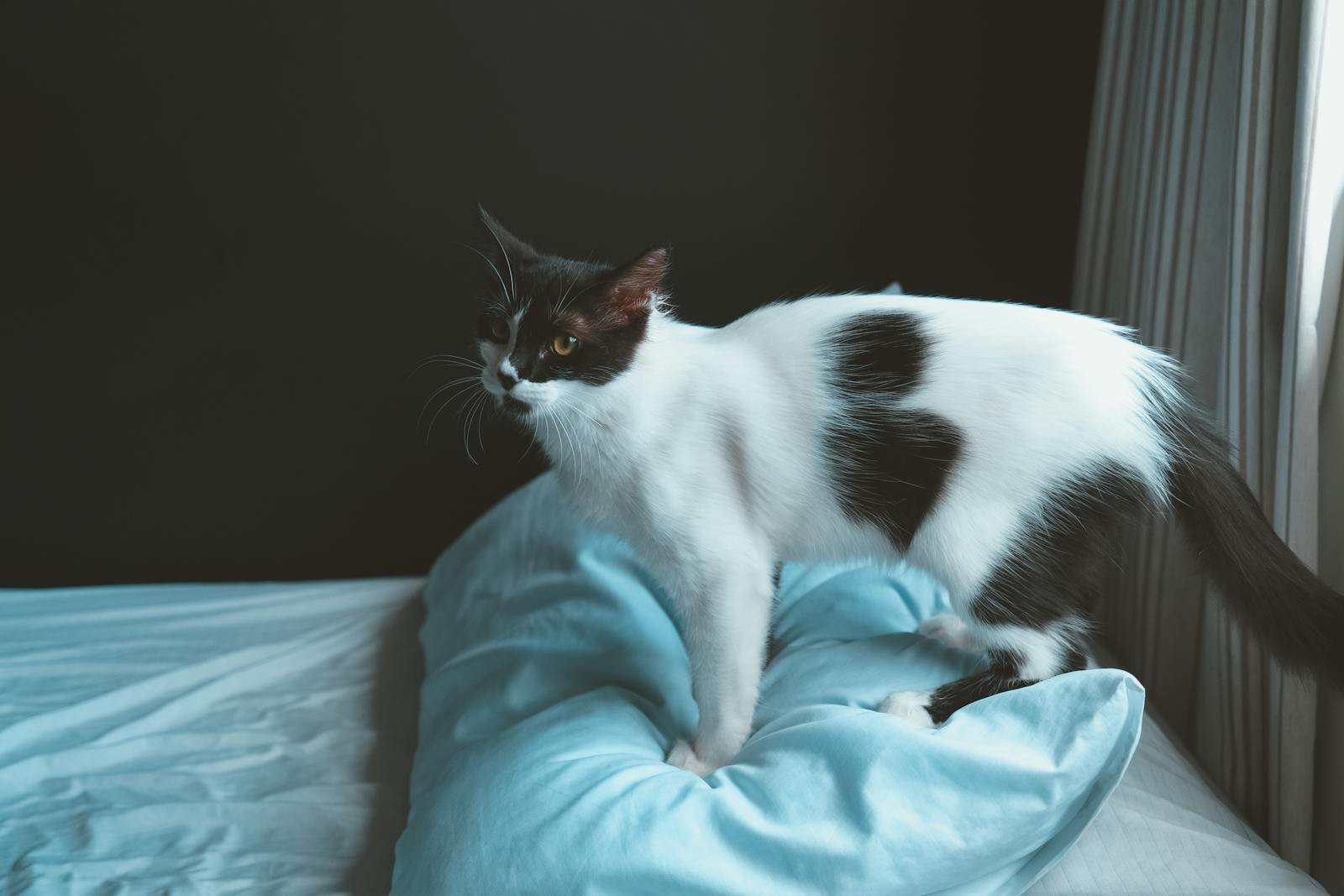
The rhythmic push-pull motion your cat makes with their front paws – often called “making biscuits” – is one of the oldest behaviors in a cat’s repertoire. This behavior is instinctive to kittens and adults alike, and is presumably derived from the action used to stimulate milk let-down from the mother during nursing. Kittens knead the breast while suckling, using the forelimbs one at a time in an alternating pattern to stimulate lactation.
Cats have scent glands on the underside of their paws, and when they knead or scratch objects or people, it is likely these pheromones are transferred to the person or object being kneaded. Cats carry these infantile behaviors beyond nursing and into adulthood. So when your cat kneads your lap while purring beside you on the sofa, an adult cat kneading a person who is holding it is a way of indicating contentment. It means you’ve become their safe place – a role their mother once held.
Scent Rubbing: Turning You Into Family
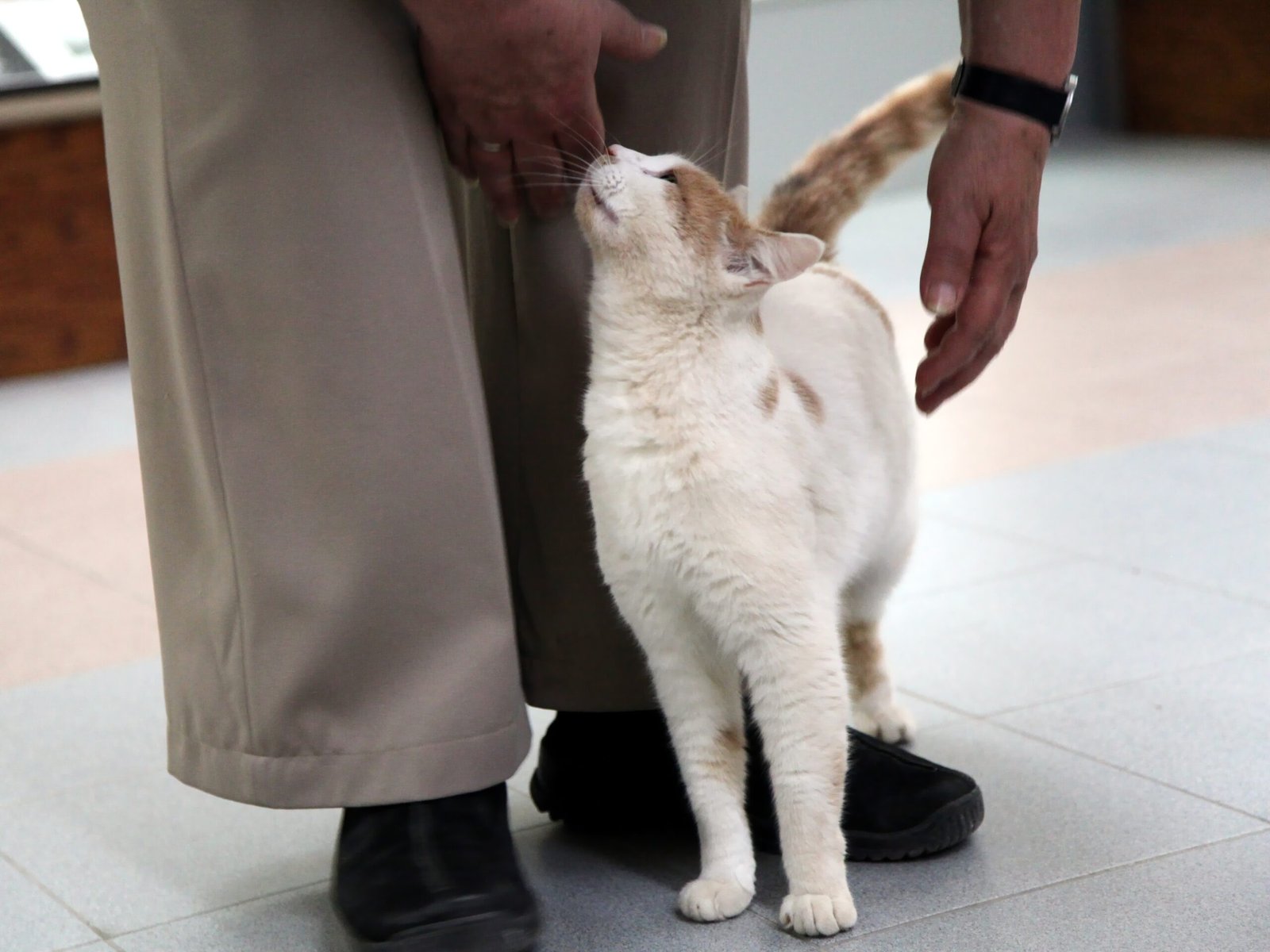
The gentle weaving your cat does around your ankles or the cheek-drag along your leg isn’t purely affectionate randomness – it’s intentional communication on a chemical level. Cats have scent glands that release pheromones from many parts of their bodies, including the cheek glands, around the mouth, forehead, base of the tail, paw pads, and anal region. When a cat scrapes or bunts their owner, the cat deposits a chemical message that transfers information about their current emotional state.
Once you come home from being out in the world, your cat’s personal scent has faded. So they may want to mark you again by rubbing, headbutting, licking, or even gently biting you. This allows your cat to reclaim you, and it’s thought that these behaviors release endorphins, which gives your cat a sense of calm, happiness, and safety. When your cat rubs their cheek against your leg, gives you a headbutt, or weaves figure-eights around your legs, they’re saying you’re family now.
Purring: More Than Just Contentment
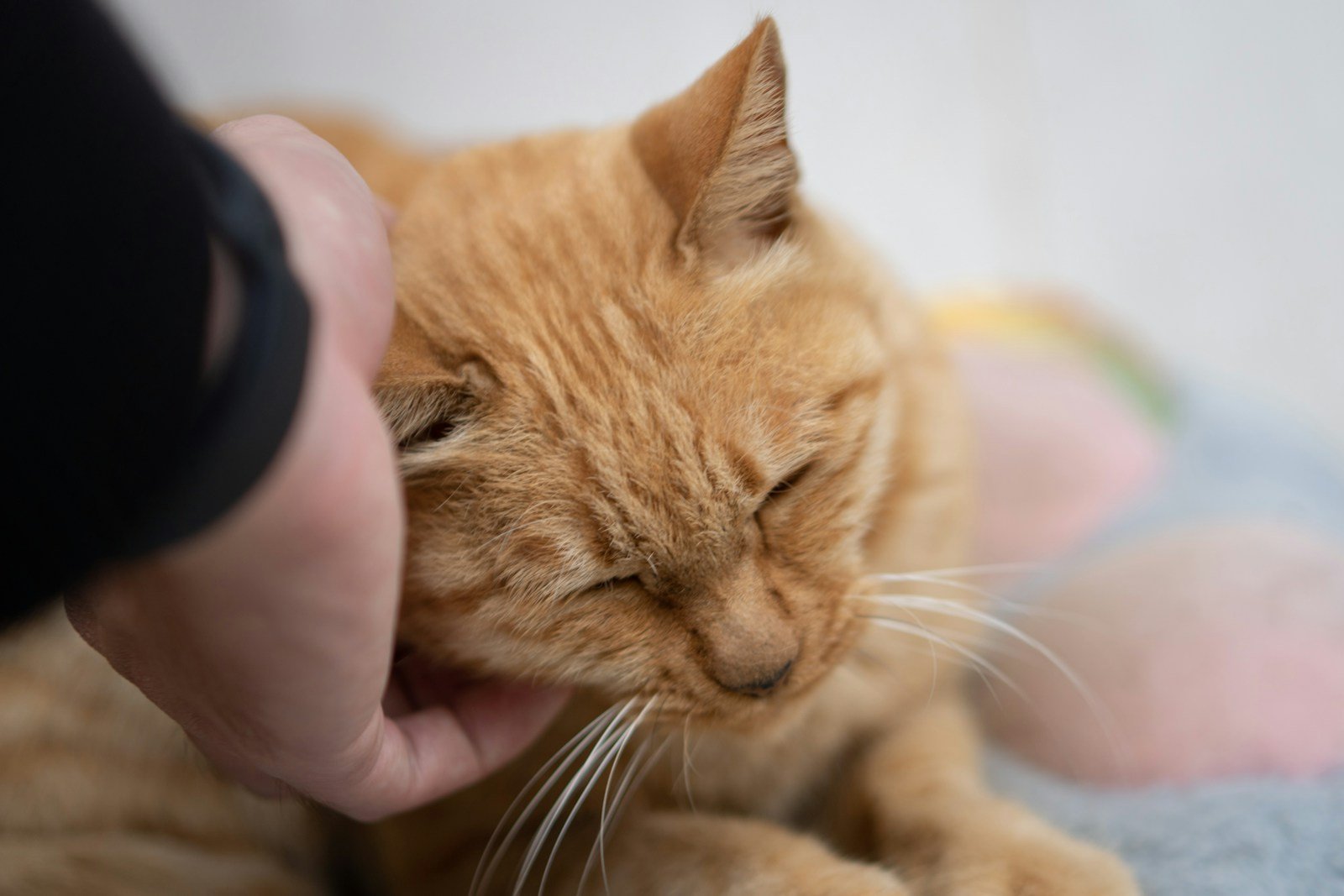
Purring is so closely associated with happy cats that it’s easy to treat it as a single, simple signal. In reality, it covers a surprising range of emotional and physical states. Purring is often associated with happiness and relaxation, but it isn’t always a sign of contentment. Cats can also purr when they are anxious, worried, or in pain. Observing your cat’s posture and behavior alongside purring will give you a clearer picture of their emotional state.
Cats also purr at times of fear, stress, and pain. It’s possible the act of purring when less than happy is a bit like humans whistling in the dark – they may be attempting to self-soothe with an act that is usually associated with a happier time. Purring can promote healing and comfort, which is why some cats purr during vet visits or recovery. The nuance matters: a purring cat during a calm lap session tells a very different story than a purring cat crouched in a corner.
Ear Position and Facial Signals: The Details Most People Miss
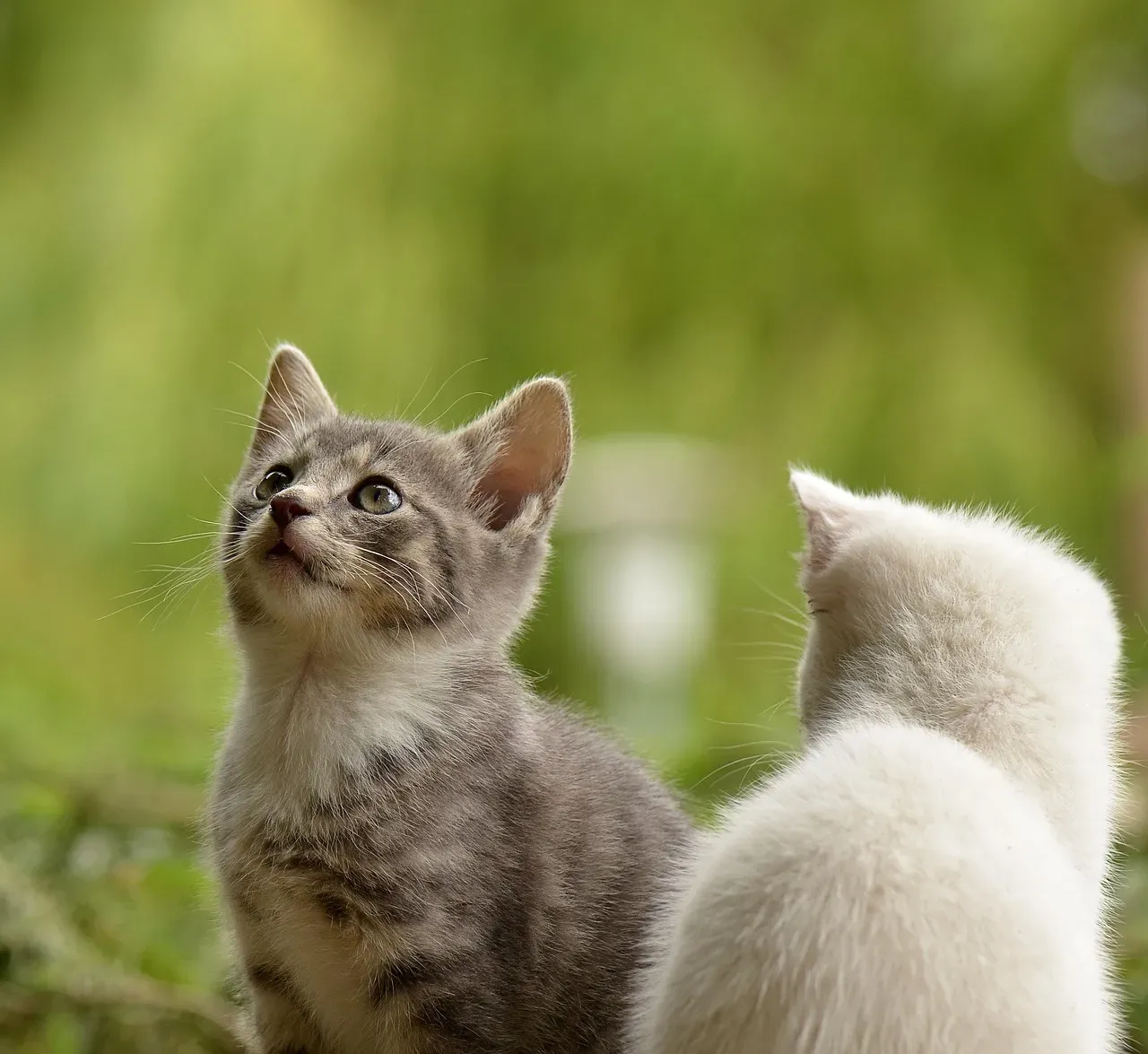
You might notice your cat’s general expression shift when they’re startled, irritated, or deeply relaxed – and that’s because visual signals are important for cats to communicate their mood and intentions. Body postures and language, facial expressions, pupil size, and the ability to stand the hair up on some areas of the body are all visual signals for cats. Of all these signals, ear position is one of the most reliable indicators of what’s actually going on inside their head.
Ears that are erect and rotated out, along with narrow pupils, are usually a signal of frustration. Relaxed cats tend to have their ears facing forward in the normal position. Research has demonstrated that ear positions of cats in interactions with other cats are the best predictor of the outcomes of those interactions. Pair ear position with pupil size and overall body posture, and you have a surprisingly accurate read on your cat’s emotional state in any given moment.
Understanding Your Cat Changes Everything
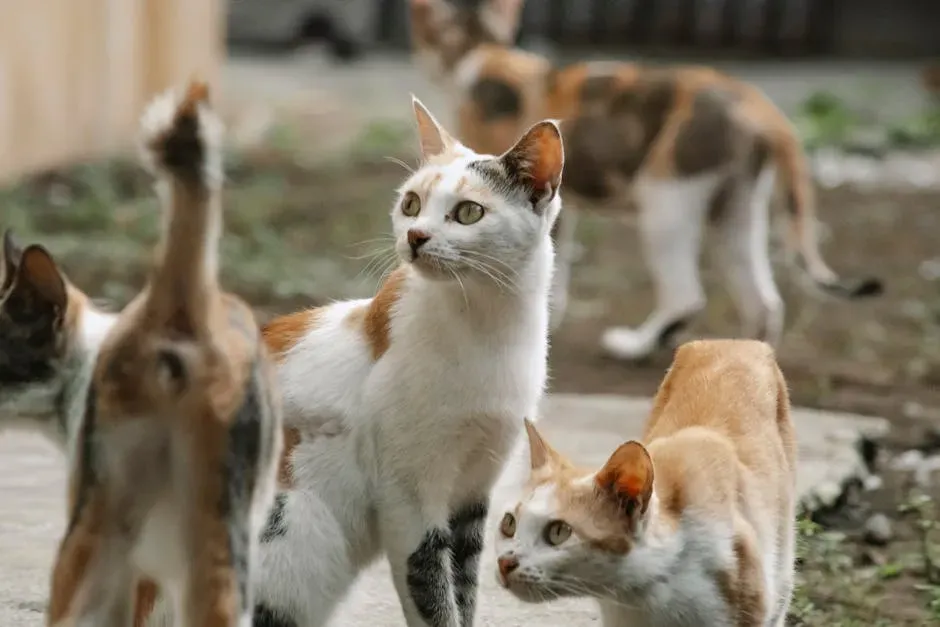
Once you start paying attention to these signals, casual interaction with your cat takes on a new depth. Because cats rely so heavily on these signals, changes in how they move, sound, or interact with their environment can reflect shifts in mood, stress levels, routine, or even health. That context alone makes learning this language genuinely useful, not just interesting.
Paying close attention to different body language signals can help you determine if your cat may be in pain or may be in need of behavioral or medical help. By paying close attention, you can also step in and help your cat ease fears, anxieties, or fatigue before they result in more serious behaviors. Your cat has been communicating with you since the day they arrived. The more fluent you become in their language, the more clearly you’ll both be heard.
Kristina is a young writer from India. An arts graduate and an avid content creator, Kristina is passionate about animals and wildlife. She enjoys exploring topics related to pet care, animal behavior, conservation, and nature, combining thorough research with engaging storytelling.