Spend enough time with a cat, and you’ll start to feel watched. Not in a paranoid way, but in the specific, calm, assessing way that only a cat can manage. Their eyes seem to follow your mood, track your movements, and occasionally land on you with an expression that feels almost deliberate. Most people write it off as feline instinct, the default stare of an animal waiting for dinner. The truth runs quite a bit deeper than that.
Cats have developed one of the most sophisticated systems of visual communication in the domestic animal world. Their eyes aren’t simply organs for seeing. They’re tools for connecting, signaling, asserting, and even forming trust across species. Once you know what to look for, a cat’s gaze becomes remarkably readable.
The Slow Blink: A Genuine Language You Can Speak Back
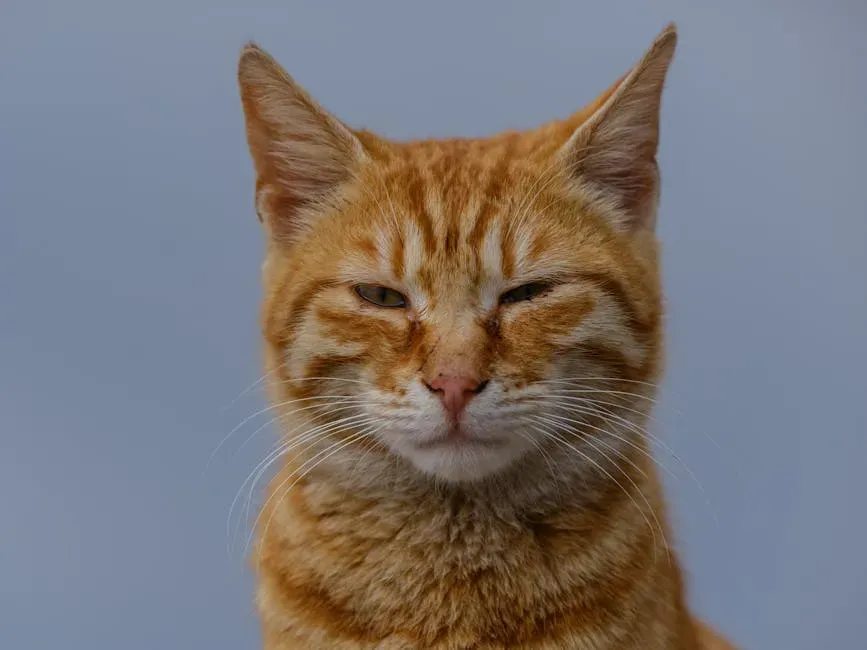
If your cat has ever stared at you from across the room and then slowly, deliberately closed and reopened its eyes, you’ve witnessed something with real scientific weight behind it. Research has examined the communicatory significance of this widely reported behavior, referred to as the slow blink sequence, which typically involves a series of half-blinks followed by either a prolonged eye narrow or an eye closure.
What’s particularly compelling is that this isn’t a one-way signal. According to a 2020 study published in Scientific Reports, instead of smiling the way humans do, cats communicate friendliness by narrowing their eyes and blinking slowly, a behavior many owners had noticed but that only recently gained strong scientific support. You can actually initiate this exchange yourself. Try narrowing your eyes gently and blinking slowly at your cat the next time you make eye contact. The response may surprise you.
What Science Found When It Tested the Slow Blink
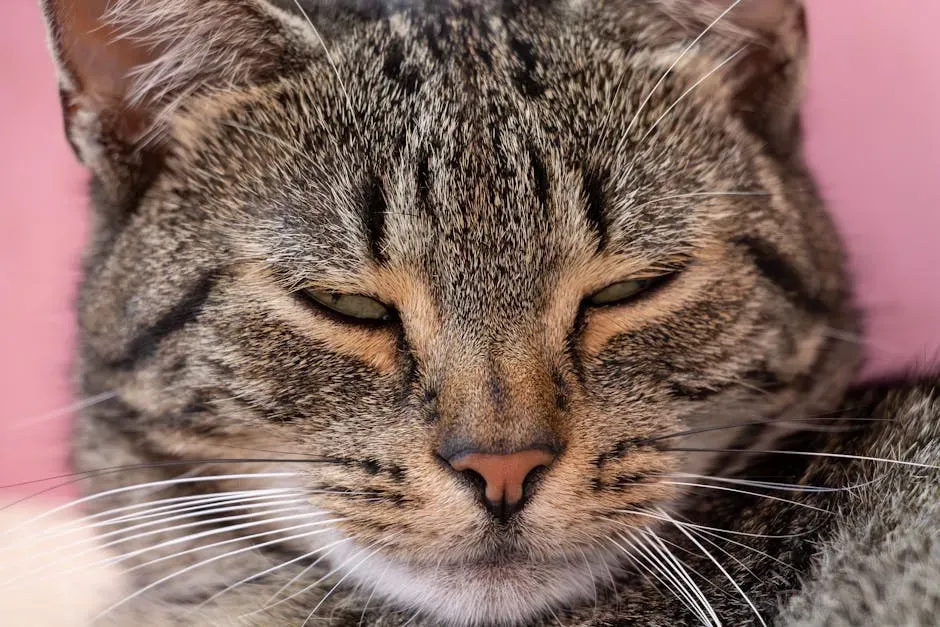
In a study published in 2020, scientists observed cat-human interactions and were able to confirm that the act of blinking slowly makes cats, both familiar and unfamiliar animals, approach and be more receptive to humans. This wasn’t just observed anecdotally. It was tested across two separate experiments with controlled conditions.
The results showed that cats were more likely to slow-blink at their humans after their humans had slow-blinked at them, compared to the no-interaction condition. The second experiment included 24 cats from eight different households, and this time it wasn’t the owners doing the blinking but the researchers, who had no prior contact with the cat. Even with a stranger, the slow blink worked. That tells you something meaningful about how consistent this signal is across feline behavior.
The Trust Hidden Inside a Blink
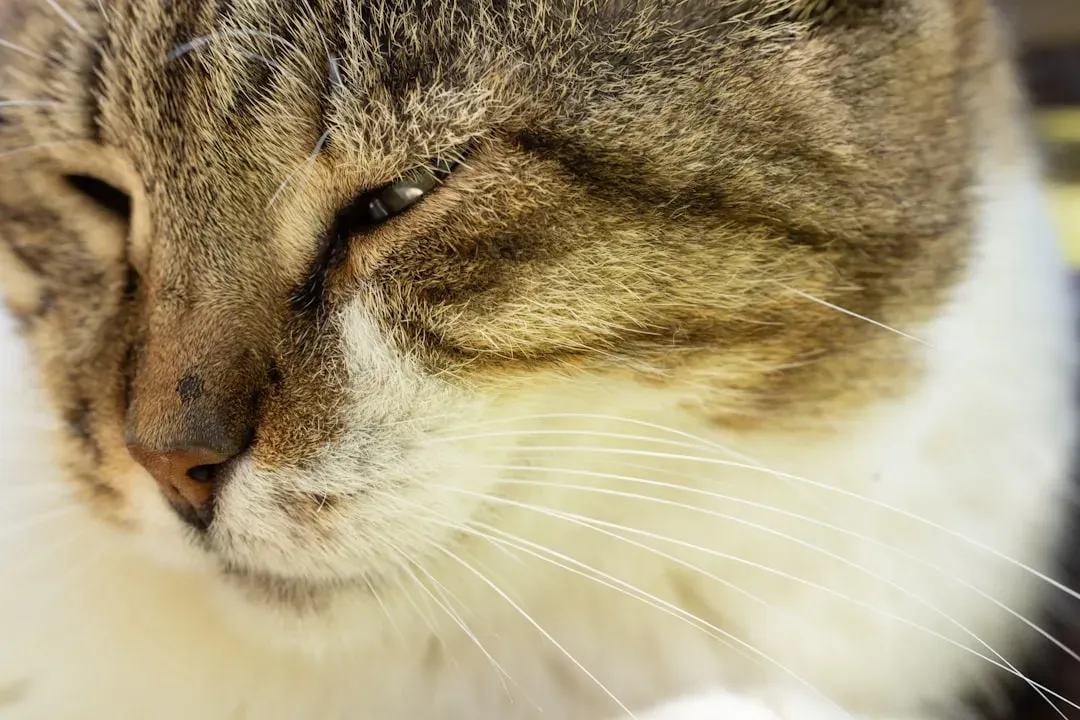
When a cat slow blinks at you, they’re often expressing a sense of trust, contentment, and affection. In the feline world, closing their eyes in the presence of another creature makes them vulnerable, as they are unable to detect potential threats. So when a cat chooses to close its eyes near you, even briefly, it’s actually making a calculated statement about safety.
When your cat narrows their eyes around you, they’re signaling vulnerability. Closed eyes mean “I don’t need to watch you for threats.” It’s the same reason cats expose their belly to trusted humans: it demonstrates that they feel safe. The slow blink and the belly roll are, in their own way, saying the same thing.
Pupils as Emotional Barometers
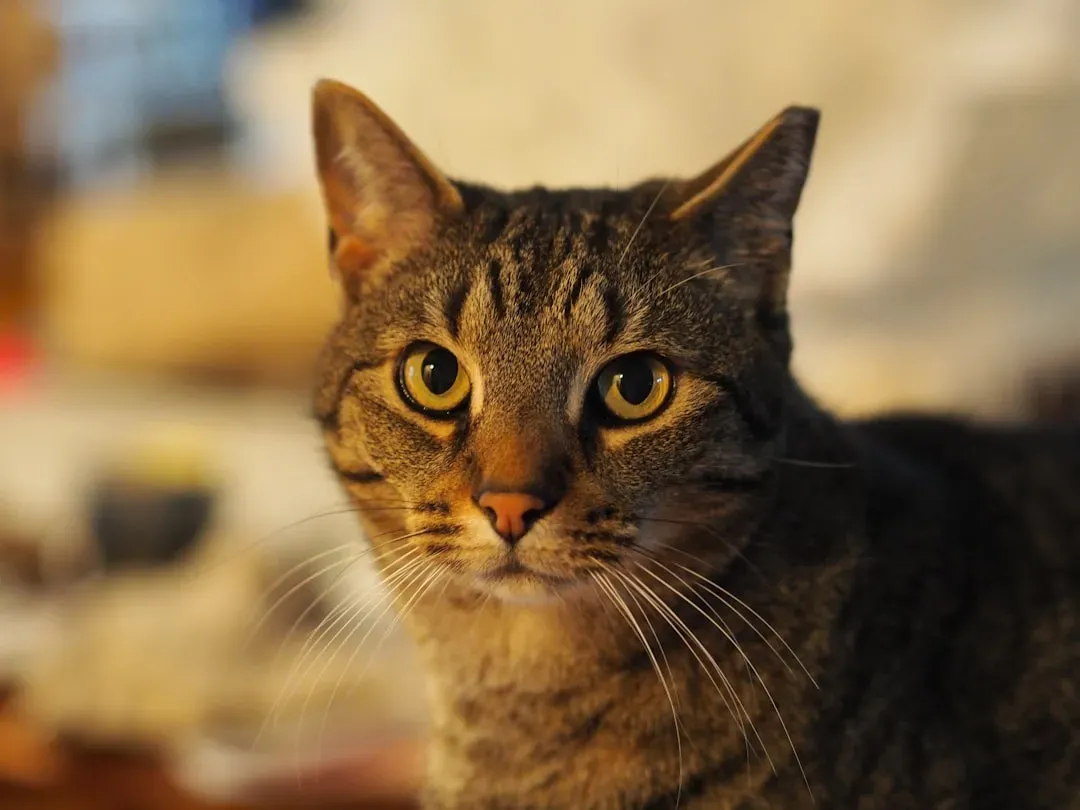
Causes for changes in pupil size may be emotional arousal, such as fear, aggression, pleasure, or excitement, or environmental, such as a change in ambient light levels. Reading your cat’s pupils alongside the rest of its body language gives you a fairly accurate emotional snapshot. A cat with wide, round pupils in a brightly lit room is telling you something quite different from one with relaxed, narrow slits on a sunny afternoon.
Pupil dilation in cats can occur for emotional reasons beyond lighting conditions. When a cat is startled or frightened, its pupils may instantly widen, which sharpens visual input and primes the cat to escape potential dangers. During play, the opposite emotional trigger creates the same wide-eyed look. During play or when they see something stimulating, like prey or a toy, cats’ eyes may dilate enthusiastically. Context is everything when reading these cues.
The Stare That Isn’t Friendly
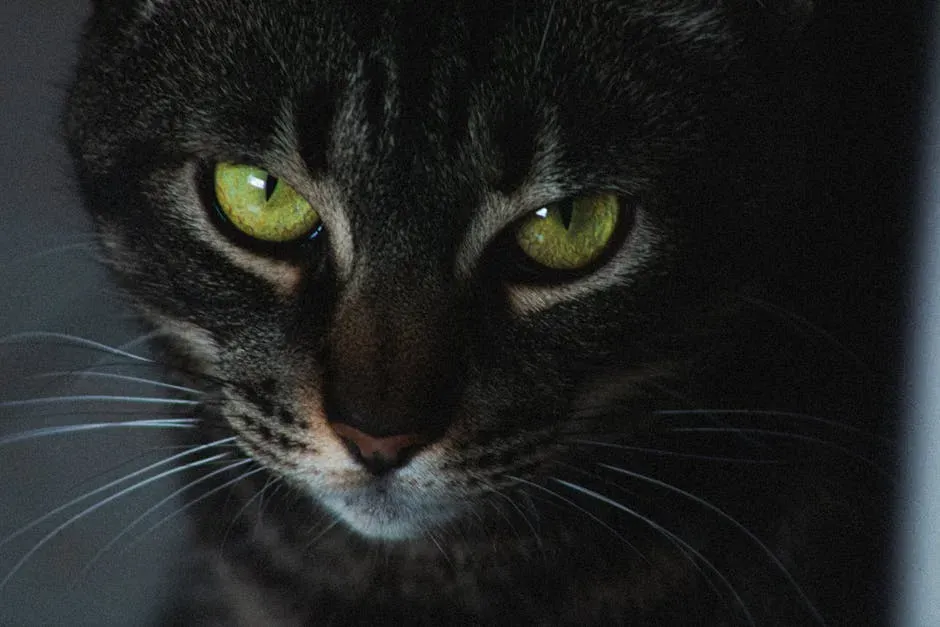
For cats, if a slow blink doesn’t accompany a long, steady stare, it’s a dominating move. This can be a cat’s way of asserting control over another cat, indicating who “owns” what, or telling another cat not to do something. When cats face off with an unblinking stare, it’s rarely casual. It’s a power negotiation conducted in silence.
When a cat notices another cat staring at them, they both stop everything and begin a staring match. If one of them blinks, it signals that they’ve given in, and the one staring is deemed dominant. If neither blinks, the confrontation turns into swatting or fighting. Knowing this makes it easier to understand why your cat looks away when you stare too directly. It’s not indifference. It’s a peace offering.
How Your Cat Uses Its Eyes to Read You
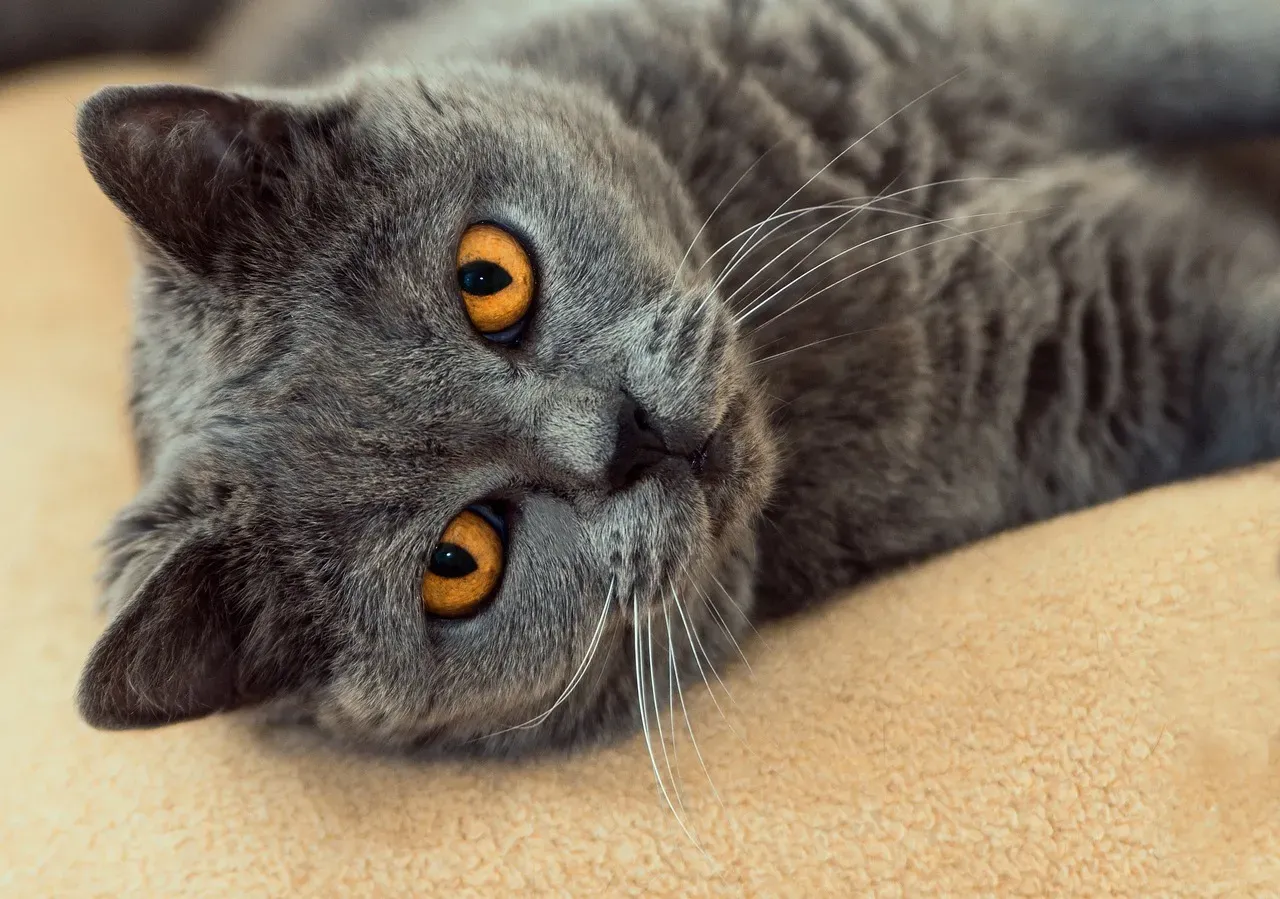
Unlike dogs, cats may not always come when called, but their ability to read human emotions through eye contact is quite remarkable. This ability reflects their deeper, more introspective nature, often misunderstood as aloofness. Your cat is paying more attention to your face than you probably realize.
One study showed that cats ate more food offered by humans who gazed at them while calling their names compared to just calling their names. Cats are able to follow a human’s gaze to obtain food, watching you turn your head and following your line of sight as you put the food bowl down. Cats will also follow a human pointing a finger at a container with food. This isn’t simple conditioning. It reflects a genuine attentiveness to human cues that developed over a long history of shared living.
The Remarkable Anatomy Behind the Gaze
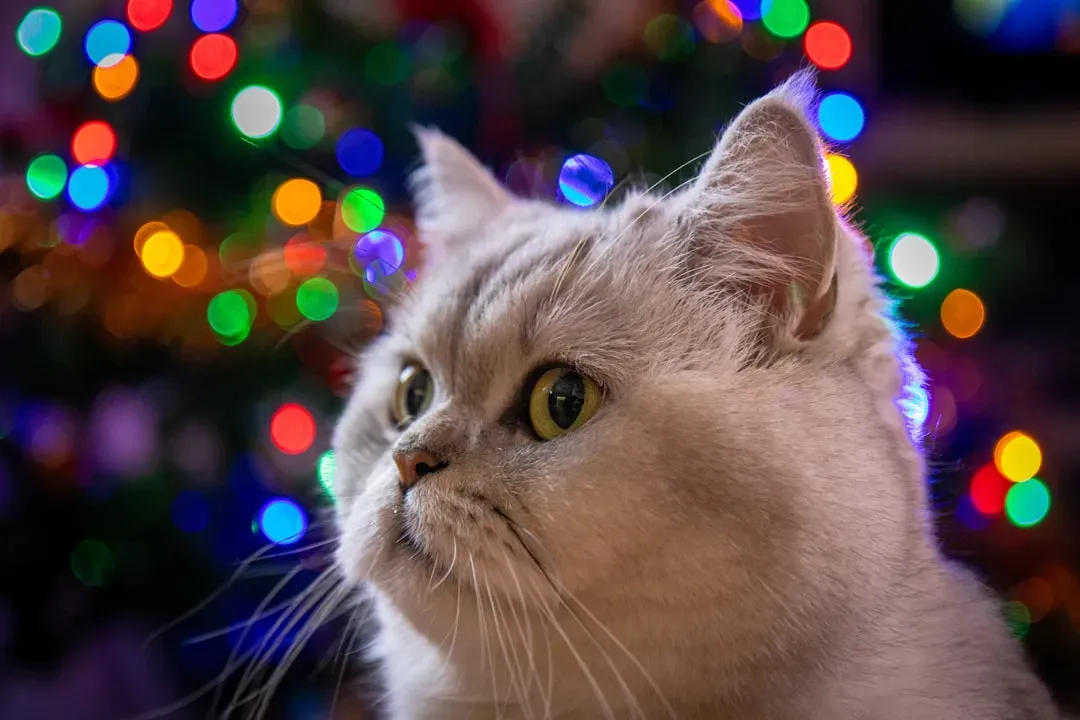
The tapetum lucidum is unique to cats and other animals adapted to see in low-light conditions, and it’s why cats’ eyes glow at night. It’s a reflective membrane situated just behind the retina. When light misses the retina, it bounces off the tapetum lucidum, providing rods with a second chance at absorbing light and thereby improving vision in dim light. This is what produces the eerie glow in photographs and the uncanny quality of a cat’s nighttime stare.
Cats have six to eight times more rod cells than humans. This allows them to have better peripheral and stronger sight in dim lighting, strengthening their night vision. Their eyes aren’t just expressive. They’re genuinely extraordinary instruments built for perceiving a world that looks quite different from the one you see.
Vertical Pupils and the Depth of Feline Focus
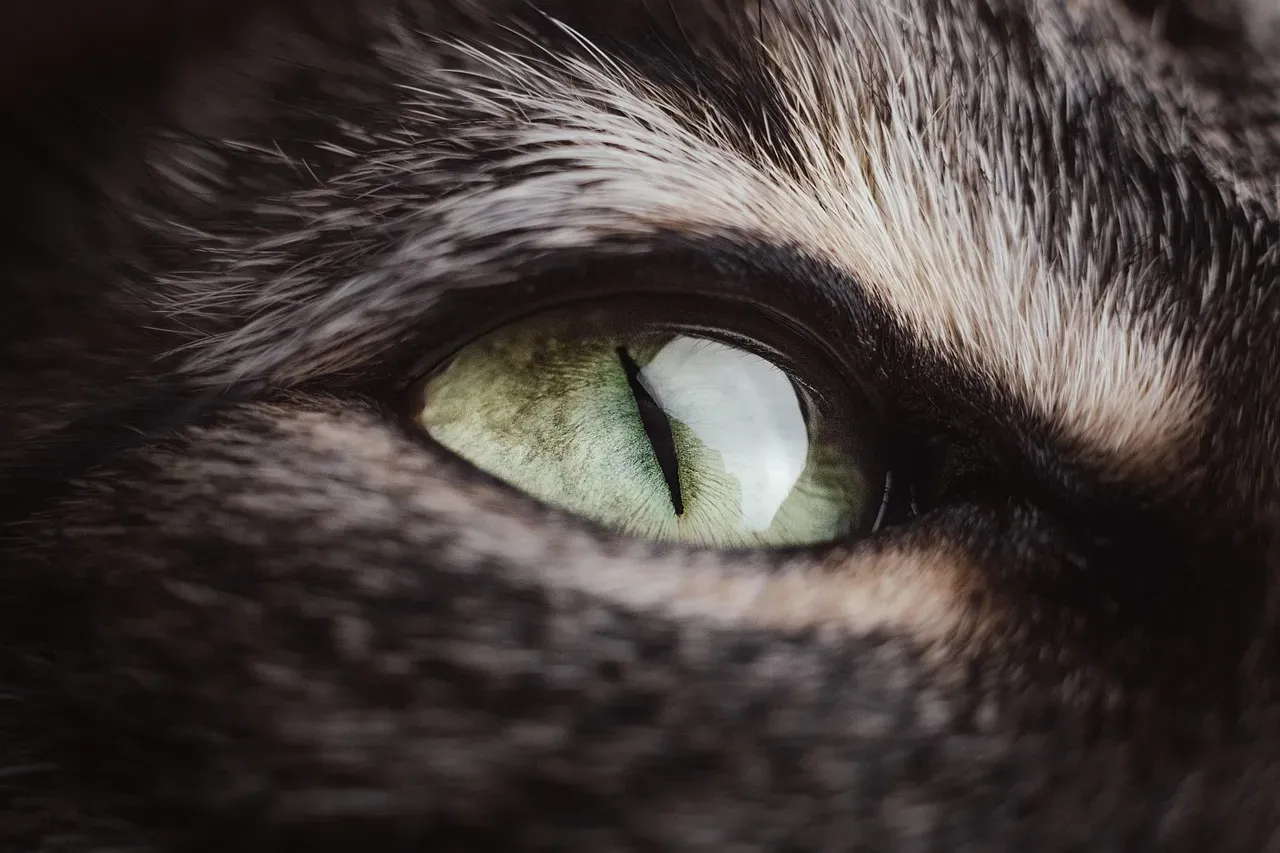
While humans have round pupils, cats have pupils that compress into vertical slits. Cat pupils open wider when it’s dark and contract when it’s bright, just like human pupils do. However, because cat pupils are vertical slits rather than circles, they have a greater variation in pupil size, which helps them see even better in the dark. Vertical slits may also give cats improved depth perception.
Ambush predators rely on stealth, patience, and precise visual assessment. The vertical pupil enables controlled, directional light entry, preserving sharpness of vertical cues that are critical during stalking and pouncing. Your cat’s pupils are essentially a precision optical system, one that has been refined over millions of years and is still very much active whenever your cat watches a bug crawl across the ceiling.
When the Eyes Signal a Health Problem
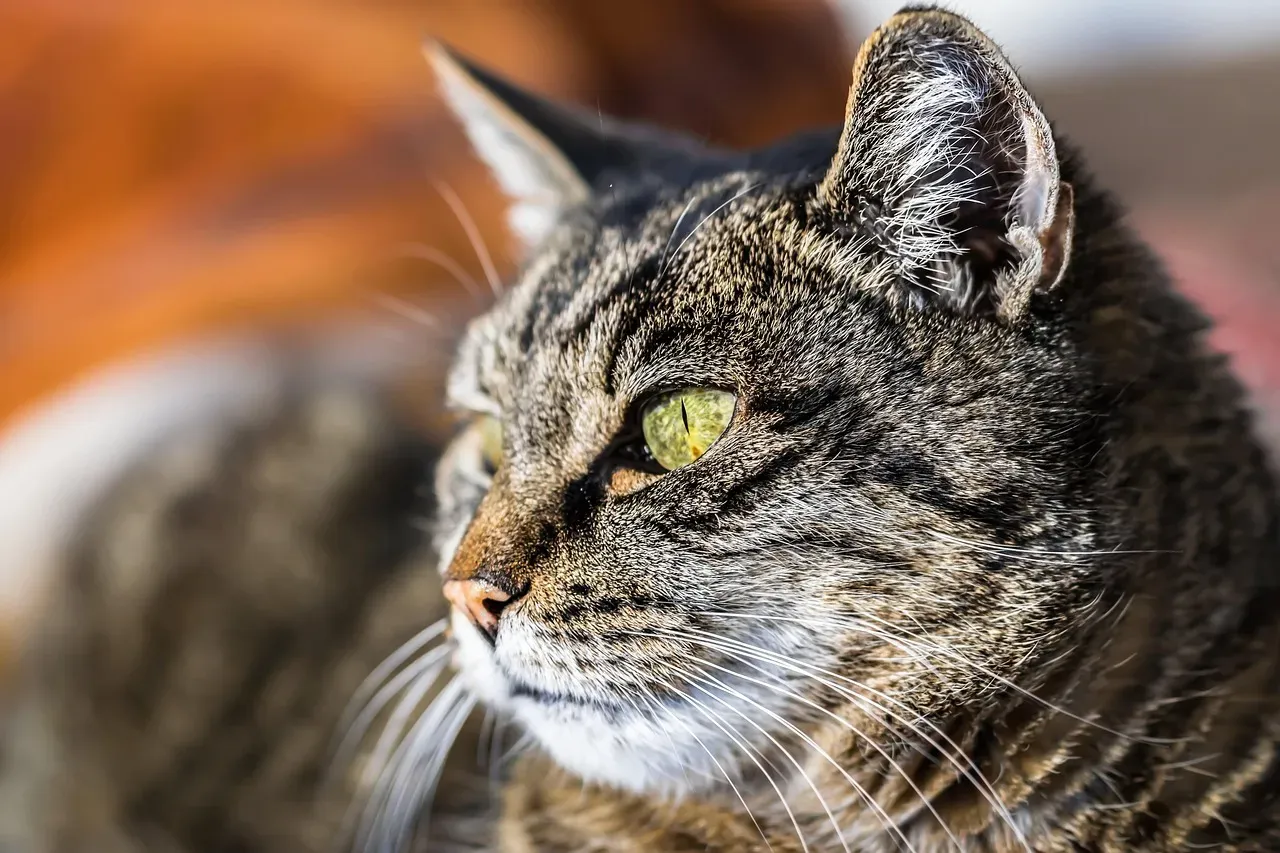
Cats wear a poker face when it comes to pain, but the eyes can be the tell for pain in the body or the eyes themselves. When a cat is experiencing body pain, pupils are dilated. A cat experiencing eye pain may have pupils that are dilated or constricted, depending on the injury or underlying disease. Squinting also indicates pain in the body or eye. This is worth knowing. A cat that squints persistently, especially in only one eye, may not be comfortable at all.
Anisocoria, where one pupil is large and the other is small, is a major neurological red flag, potentially indicating Horner’s Syndrome, trauma, or a tumor. Fixed dilation, where pupils remain large even in bright light, can indicate high blood pressure, which creates a risk of retinal detachment and blindness. The eyes that your cat uses to communicate can also tell you, quite literally, when something is wrong with its health.
The Wider Field of View That Shapes Feline Awareness

The feline visual field extends to about 200 degrees, giving them a wider panoramic view of their surroundings compared to the average human field of view, which is about 180 degrees. This expanded peripheral vision is highly effective for spotting subtle movements occurring off to the side. This wider field of vision shapes how cats process their environment constantly, not just when they’re actively hunting.
This superior motion detection is tied to the abundance of light-sensitive rods in the retina, which are excellent at noticing the slightest shift in the environment. A cat can often ignore a stationary object but will immediately lock onto it once it begins to move. That sudden snap of a cat’s head toward a movement you barely registered? That’s their visual system doing exactly what it was built to do.
Building a Stronger Bond Through the Eyes
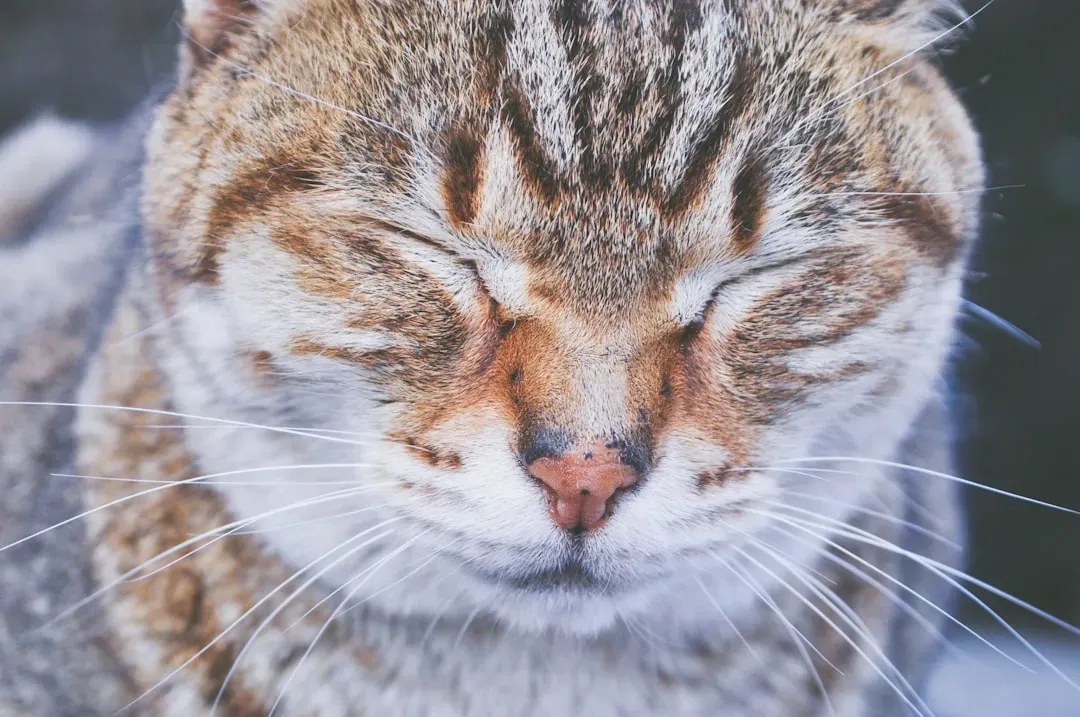
Many cats end up misunderstood because their subtle behaviors go unnoticed. Recognizing the meaning behind slow blinking helps us offer better emotional support, whether a cat lives in a warm home or a crowded rescue center. The implications extend beyond companionship. In shelter settings, understanding feline eye language can directly affect outcomes.
Slow blink interactions appear to be a positive experience for cats and may be an indicator of positive emotions. Such findings could potentially be used to assess the welfare of cats in a variety of settings, including veterinary practices and shelter environments, as well as enhancing cat-human communication in the human home. You don’t need to be a researcher to apply this. Learning to read your cat’s eyes, and to respond in kind, is one of the most practical and rewarding things you can do as a cat owner.
Conclusion

There’s something quietly remarkable about the idea that across species, two very different creatures can sit across from each other, exchange a slow blink, and understand that neither one is a threat. Cats haven’t lost their instincts. They’ve simply adapted them, layering ancient survival signals with something that functions, in the right conditions, a lot like affection.
The next time your cat catches your eye from the other side of the room, pay attention. Not just to whether they’re blinking, but to the whole picture: the pupils, the eyelid position, the context. Their gaze is doing something. It almost always is. Once you learn to read it, the conversation you’ve been having with your cat all along suddenly becomes a great deal clearer.
Kristina is a young writer from India. An arts graduate and an avid content creator, Kristina is passionate about animals and wildlife. She enjoys exploring topics related to pet care, animal behavior, conservation, and nature, combining thorough research with engaging storytelling.