Some cats announce themselves the moment you walk through the door. Others simply look up, blink once, and return to their nap. That contrast, noisy versus nearly silent, tells you a lot about the personality you’re signing up for when you choose a specific breed. Vocal tendencies vary widely by breed and personality. Some cats love to “talk,” following their humans from room to room, while others prefer peaceful coexistence, communicating through gentle movements, expressive eyes, and subtle body language.
Whether you’re the type who’d love a furry roommate who has something to say about everything, or you’d rather settle into peaceful evenings without constant commentary, there’s a breed out there built for you. The 14 breeds below divide neatly into two worlds: the talkers who thrive on dialogue, and the cuddlers who let their warmth speak for itself.
1. Siamese: The Undisputed Champion of Cat Chat
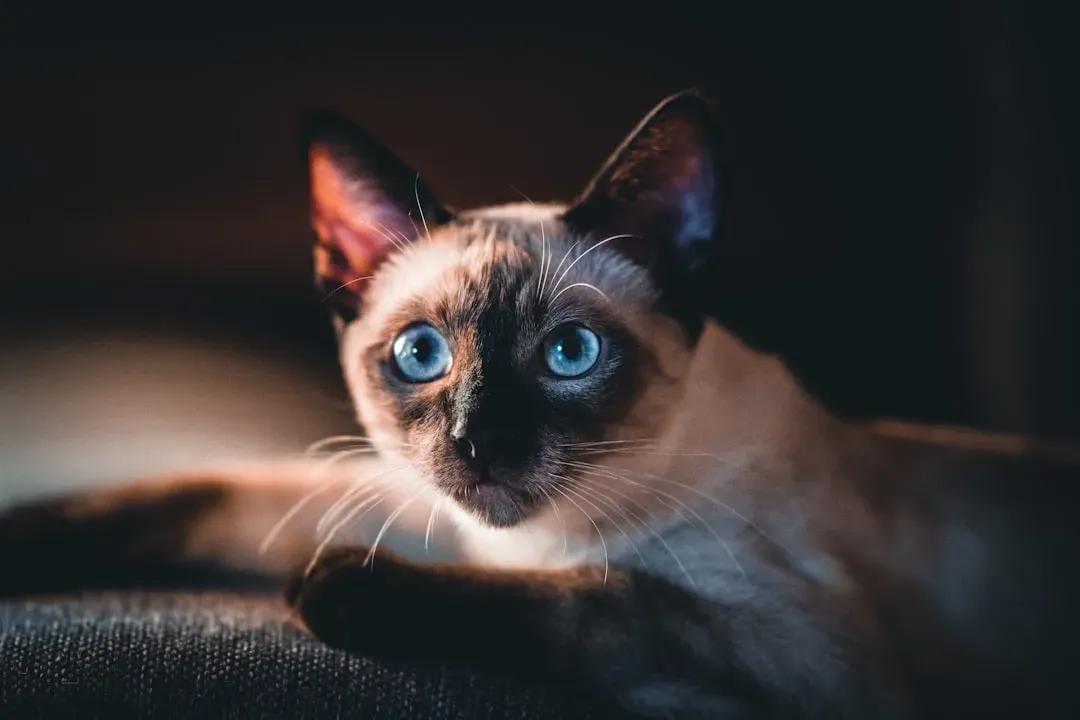
The number one spot for most vocal cat breed goes to the Siamese, which is unparalleled in its ability to communicate with humans through loud meows, yowls, chirps, and trills. This isn’t just casual chatter, either. If you share a home with a Siamese, you’ll quickly realize they have strong opinions about meal times, door access, and your daily schedule.
Siamese cats are probably the most vocal of all cat breeds, and some can talk all day long. They have a distinctive vocalization that sounds like a human baby cry, among their large repertoire of other interesting sounds. They are extremely social cats, and their intense desire to bond with their humans is part of the reason for their chatty ways. If you’ve ever tried to ignore one, you already know that’s not a strategy that works.
2. Oriental Shorthair: The Operatic Extrovert
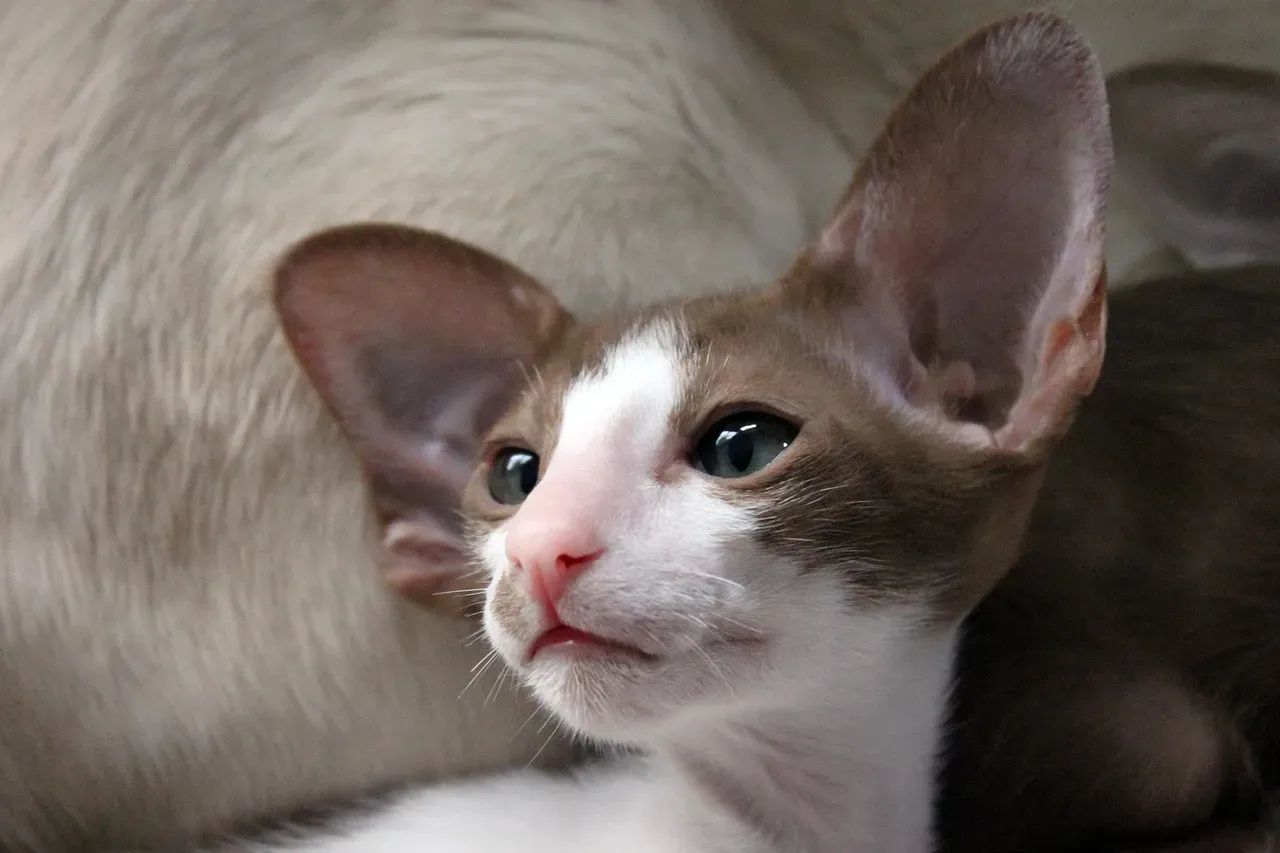
When it comes to vocal prowess, the Oriental Shorthair is comparable to a full performance. These cats don’t just meow; their purrs can sound like a truck rumbling by, and their meows are loud and raspy, ensuring they are always heard. They are social, intelligent, and many are rather vocal. Adult Oriental Shorthair cats are considered active, curious, and interested in their surroundings by breeders and veterinarians.
The Oriental Shorthair is famous, and sometimes infamous, for its constant vocal communication. It “talks” throughout the day with chirps, trills, and long, melodic meows, often expecting a response. This intense desire for dialogue makes it a wonderful companion for those who enjoy interaction, but a challenge for those who prefer quiet. Much like their Siamese parent breed, the Oriental Shorthair is very talkative and fun-seeking.
3. Burmese: The Soft-Voiced Conversationalist
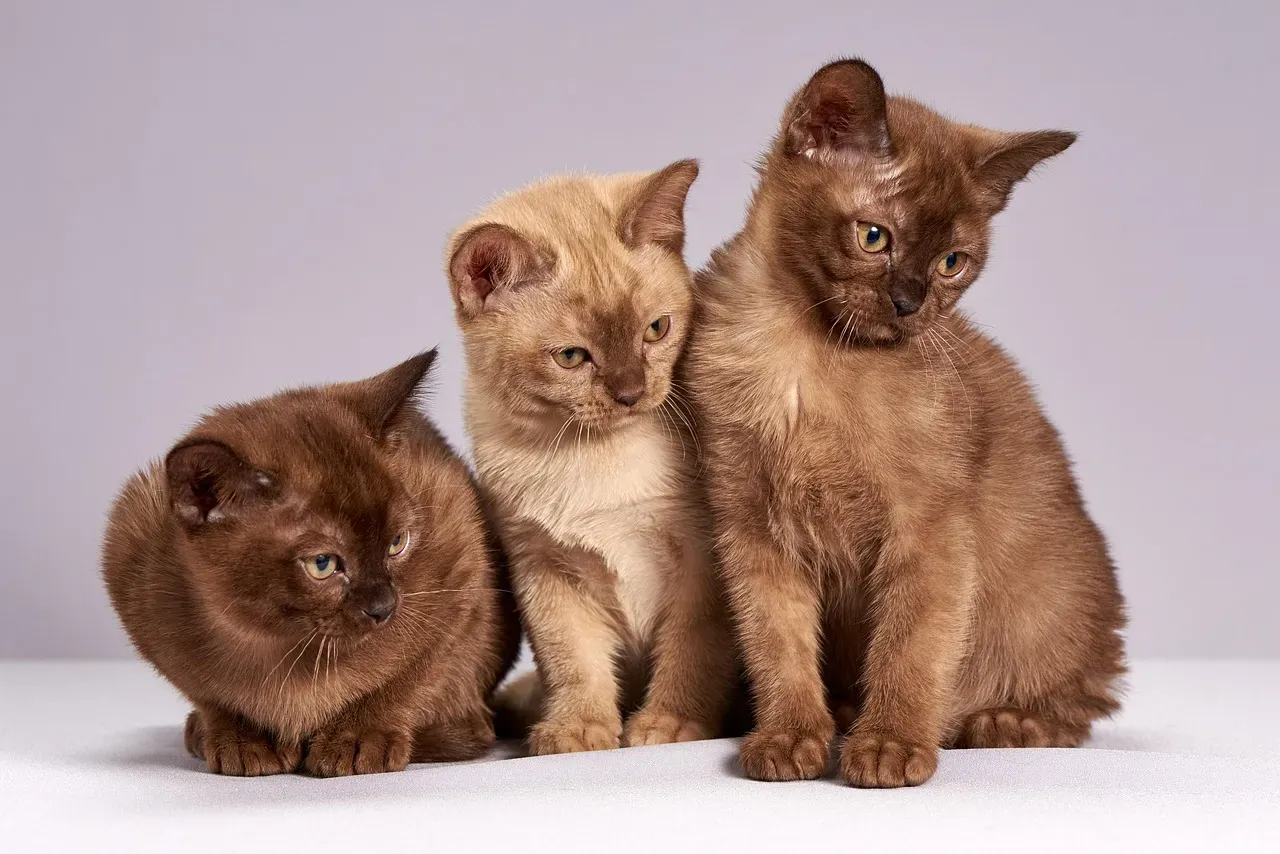
Burmese cats love engaging with their people and use their lovely, musical voices to communicate. Unlike the intense and insistent yowl of the Siamese, the Burmese has a softer, sweeter voice that mostly consists of gentle meows and trills. That tonal difference matters if you want a chatty companion without the decibel level of their more dramatic cousins.
Burmese cats are naturally people-oriented and playful. They thrive on interaction and will follow you from room to room, making sure you never feel lonely. Their vocalizations are a way of staying connected with their human companions. As one of the most family-oriented cats on this list, the Burmese are particularly susceptible to loneliness. They cope best with families that spend a great deal of time at home.
4. Bengal: The Wild-Sounding Commentator
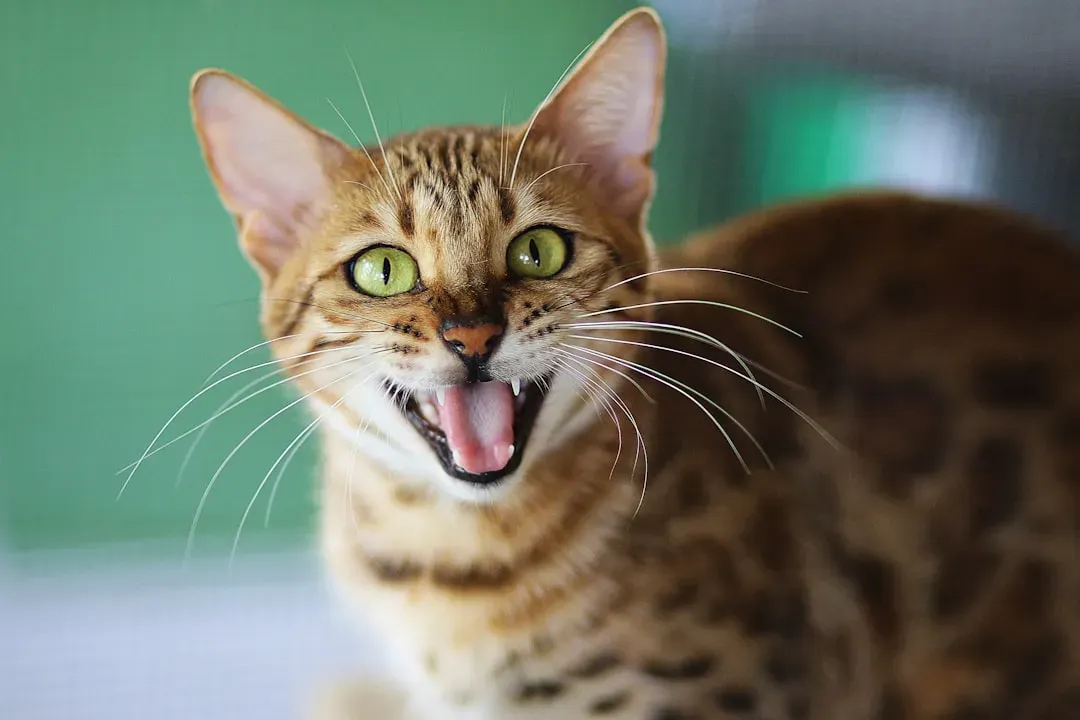
Bengals are vocal cats with a wide range of sounds, from coos and chirps to more traditional meows, and their vocalizations are often described as more wild-sounding, likely a nod to their Asian leopard cat ancestry. These striking spotted cats don’t just look exotic; they sound exotic too. Living with one is genuinely unpredictable in the best possible way.
Intelligent and athletic, the Bengal can be a challenge to keep entertained, but their friendliness and willingness to play make them a well-loved member of the family. Their fearlessness also gives them plenty of confidence. They’ll chat your ear off, play in their water bowl, or even hop into the bathtub with you. Keep them mentally stimulated and they’ll reward you with an ongoing commentary on life.
5. Sphynx: The Hairless Storyteller
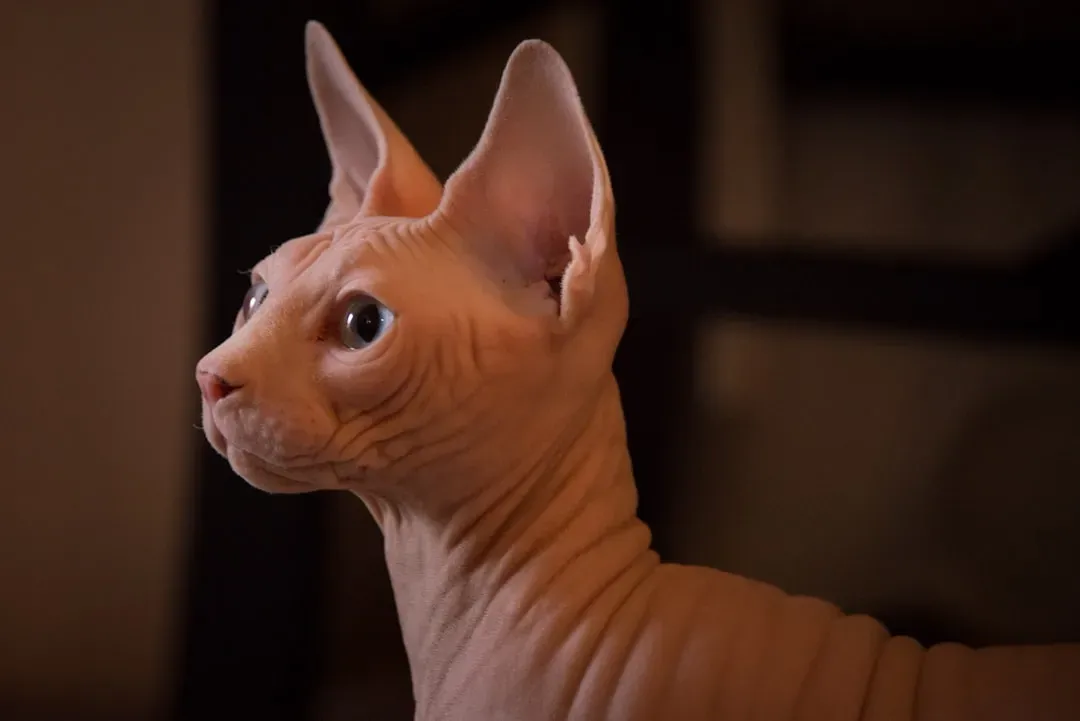
The hairless Sphynx became a breed when some people fell in love with a bald kitten who was born with a spontaneous genetic mutation. In addition to their hairlessness, Sphynx cats also feature the trait of being a highly vocal breed. Their talkative nature is likely due to their intense desire for social interaction with their human family.
This breed can be quite demanding and insistent with their vocalization. They purr, meow, sing, and chirp in a range of tones. With Sphynx cats being so warm and affectionate, they are very dependent on their owners and crave active involvement in their lives, which is why they tend to “talk” a lot. This is an ideal breed for patient owners looking for a chatty cat to keep them company.
6. Balinese: The Elegant Echo of the Siamese
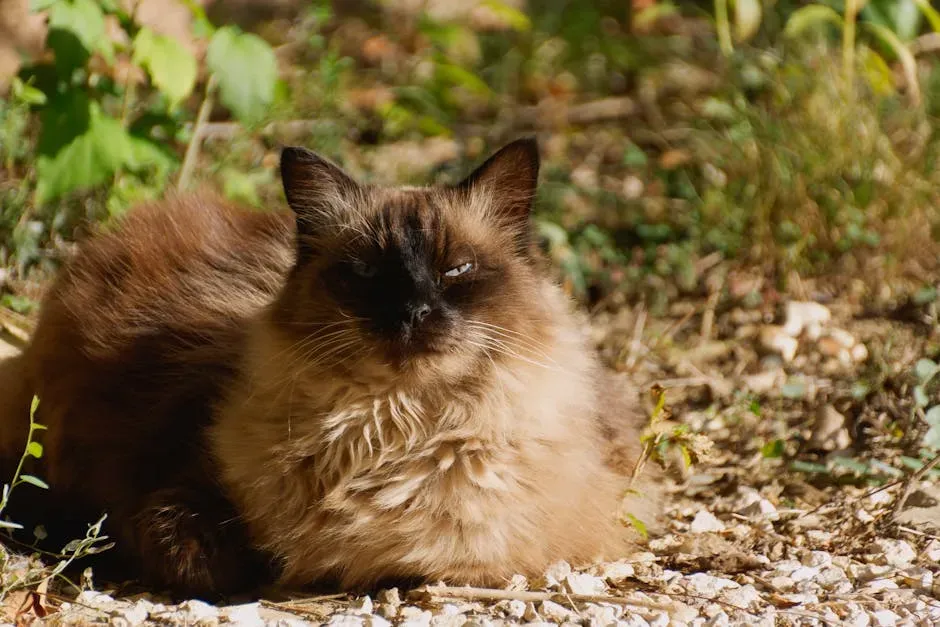
Due to their close ties with the Siamese, the Balinese are among the most vocal cats around. They share many of the same personality and appearance traits, from their coat color to their chatty, follow-you-everywhere natures. Balinese cats are also notorious for their intelligence, and they’ll even supervise your household chores.
They are highly social, affectionate, and very vocal. Their voice is a touch softer than the Siamese and their chatter is not as demanding. If you’re not fond of the loudness of the Siamese but don’t mind a chatty cat, the Balinese are talkative but not quite as noisy. Think of them as the Siamese with the volume turned down just a notch, but not too far.
7. Tonkinese: The Social Butterfly With a Lot to Say
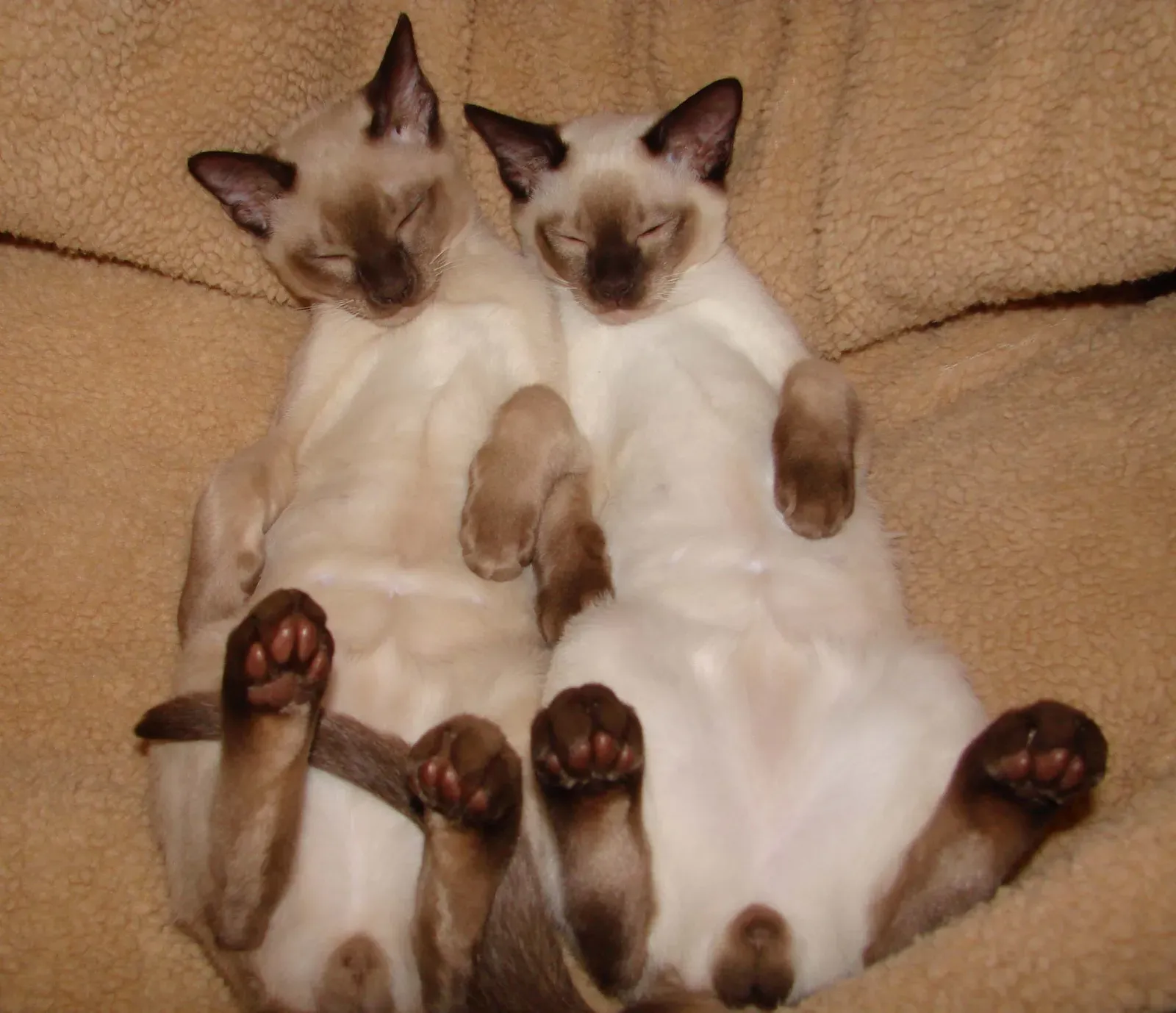
The Tonkinese is a combination of two vocal breeds, the Siamese and the Burmese, so it makes sense that the Tonkinese inherited a chatty nature. Like the parent breeds, Tonkinese are affectionate and people-oriented cats who love to be wherever you are. Charmingly, Tonkinese will almost always answer you if you speak directly to them, but they are capable of quiet moments too. The sweet Tonk uses several different sounds when talking to their people, including meowing, chirping, and trilling.
This cat will play fetch and even an indoor game of tag, and can’t wait to rush to the front door to greet visitors and welcome them with plenty of chatter. It’s hard not to fall in love with this confident cat who sports a trim, muscular physique and a short, silky coat that comes in multiple colors. Expect conversation from the moment you wake up to well after the lights go out.
8. Japanese Bobtail: The Melodic Miniature Communicator
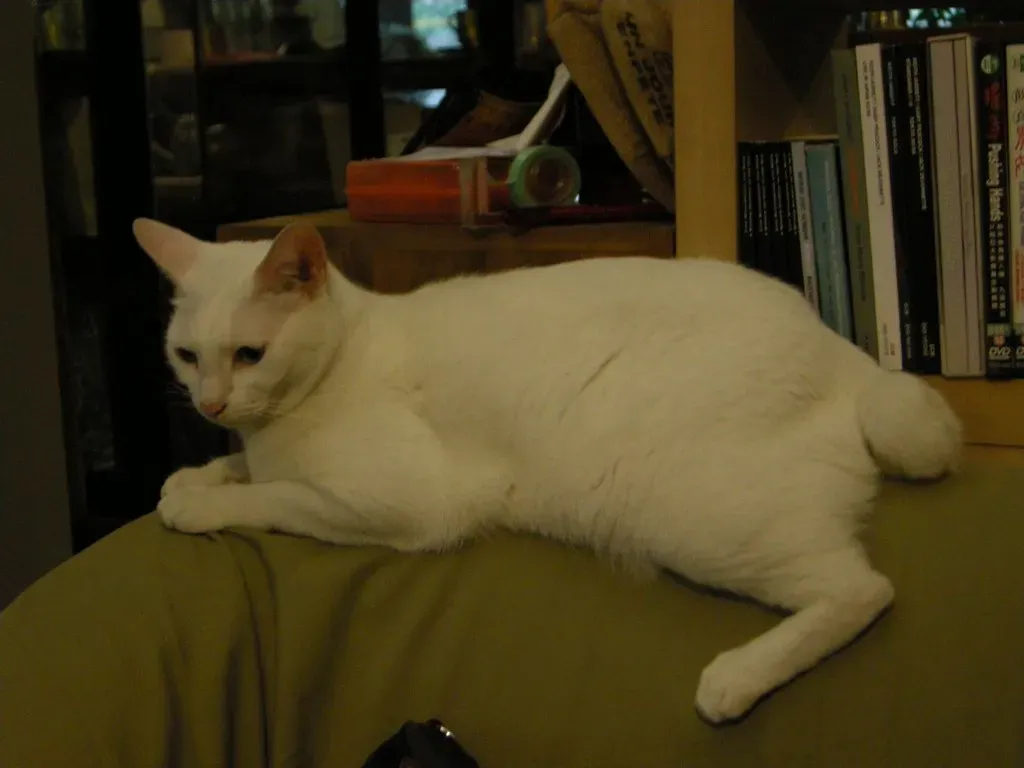
The Japanese Bobtail is famous for its expressive and melodic voice. Rather than loud, demanding yowls, Japanese Bobtails are known for producing a wide range of soft chirps, trills, and sing-song meows, often described as sounding like conversation. Many owners say their Bobtails appear to “talk back” when spoken to.
The Japanese Bobtail generally has a very pleasant and soft voice. This particular breed can convey a full range of tones, from long melodious meows to short little chirping sounds. Japanese Bobtails are also very loving, people-pleasing cats and they enjoy striking up a “conversation” with their owners, which is great for those who like daily interaction with their feline friend. Their version of talking feels more like a gentle exchange than a demand.
9. Maine Coon: The Gentle Giant With Chirpy Commentary
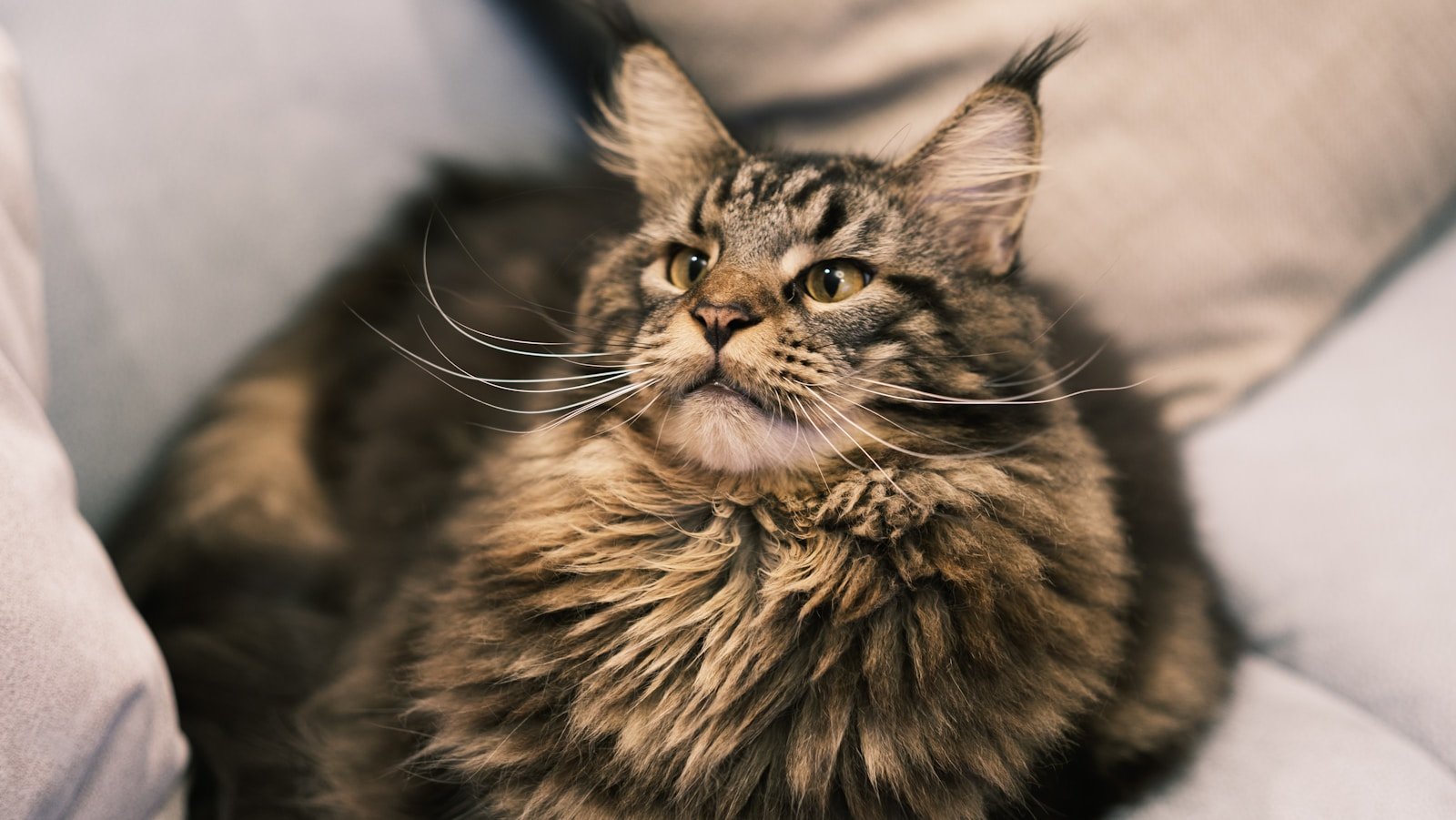
Despite their large size, Maine Coons have a surprisingly soft and melodious voice. They are known for their chirps and trills, using these sounds to interact with their owners. They tend to be less demanding than other vocal breeds but enjoy a good chat. That mismatch between their impressive frame and their delicate voice is one of the breed’s most endearing quirks.
Confident cats that love attention, Maine Coons are remarkably comfortable with being handled. Their calm, laid-back nature allows them to enjoy petting, cuddling, and close contact without becoming overstimulated or defensive. They are social without being demanding, often greeting owners at the door and following them from room to room. If you want a vocal cat that won’t shatter your eardrums, the Maine Coon is a very good answer.
10. Ragdoll: The Quiet Cuddler Who Goes Limp With Love
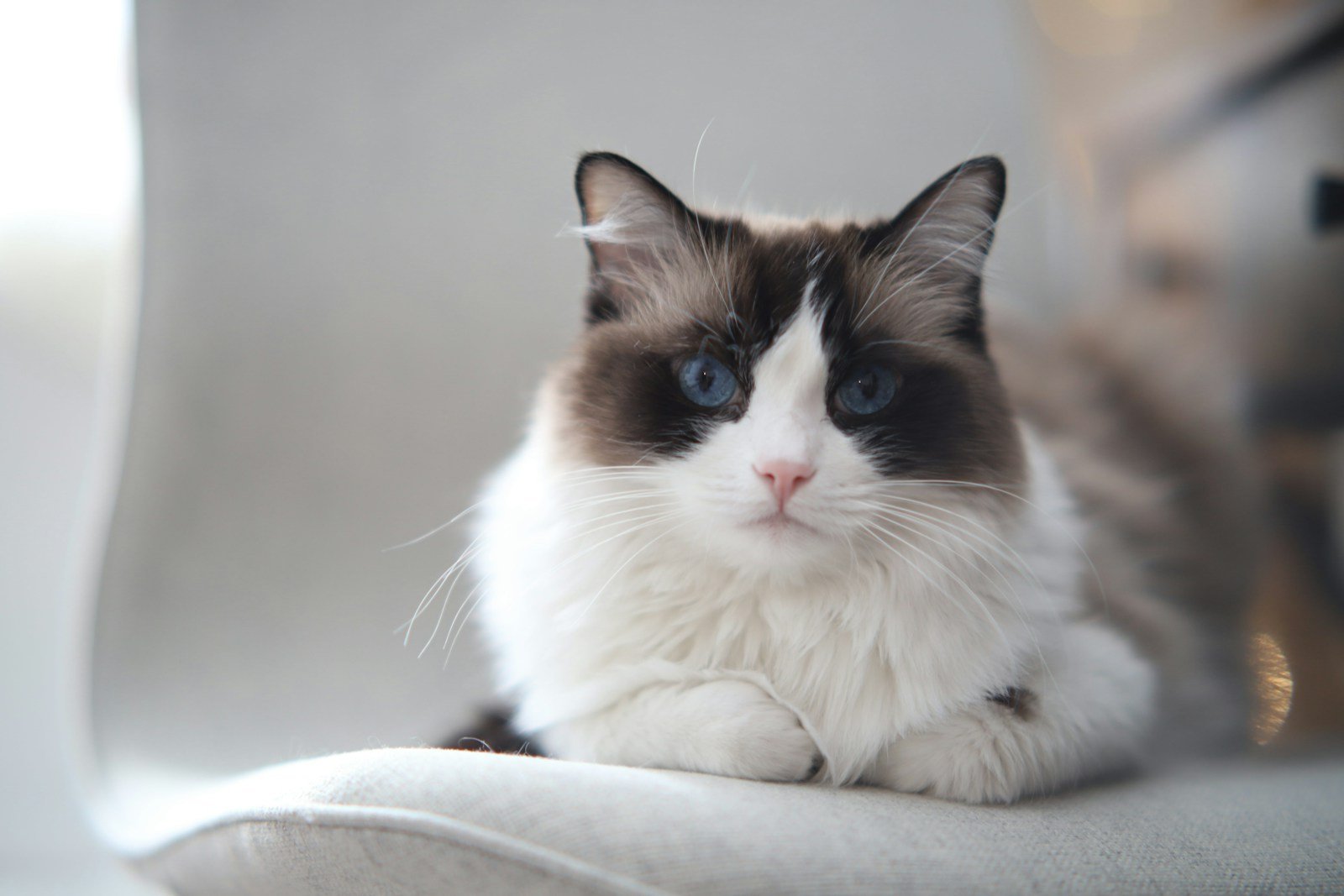
Ragdolls are best known for their docile, placid temperament and affectionate nature. The name Ragdoll is derived from the tendency to go limp and relaxed when picked up. They are also very quiet indoor cats, which makes them suitable for apartment living. Peace and affection come as a package deal with this breed.
Ragdolls don’t vocalize much, preferring to communicate through slow blinks, soft purrs, and gentle companionship. Ragdolls also adapt well to indoor living and are easy to train, especially when it comes to litter box use and gentle play. Ragdolls are one of the most affectionate cat breeds that thrive on close human contact, often seeking out laps, arms, and cozy spaces beside their favorite people. Their calm demeanor makes them ideal companions for quiet bonding moments.
11. Persian: The Regal Silencer Who Communicates With Eyes Alone
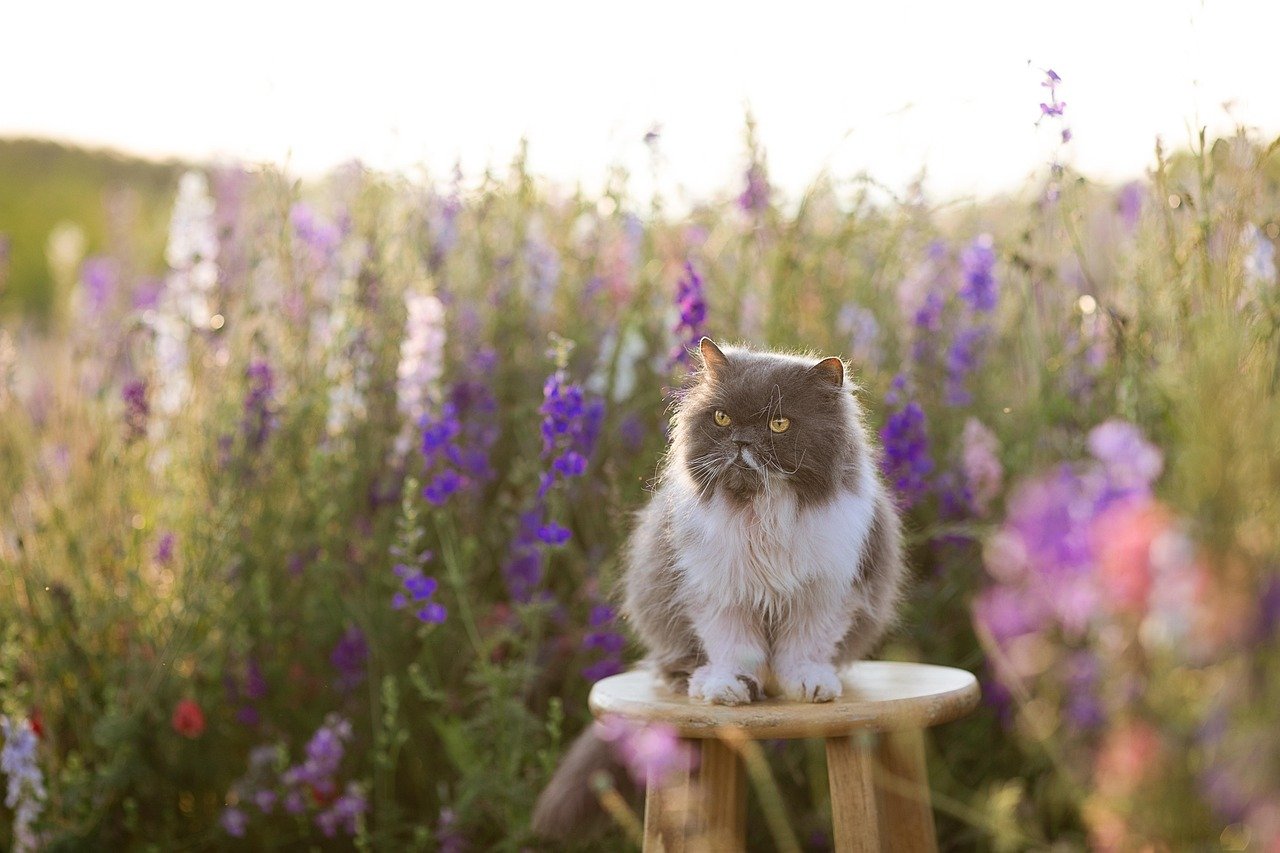
Persians are known for their luxurious fur and laid-back personality. They rarely raise their voice, preferring to express their needs with a meaningful look or a soft paw on your lap. There’s something almost aristocratic about a Persian’s communication style. They have no need to shout when a glance does the job just as well.
Persians are among the most popular breeds known for their luxurious fur and quiet personality. They usually communicate with their expressive eyes rather than vocalizations. Persians prefer a peaceful environment and are ideal for homes where a silent companion is desired. Persians flourish in peaceful homes where noise is minimal and routines are steady. They are deeply attached to their humans and prefer calm interactions, quiet toy sessions, gentle strokes, and long stretches beside a trusted companion.
12. Scottish Fold: The Calm Cuddler With Whisper-Soft Needs
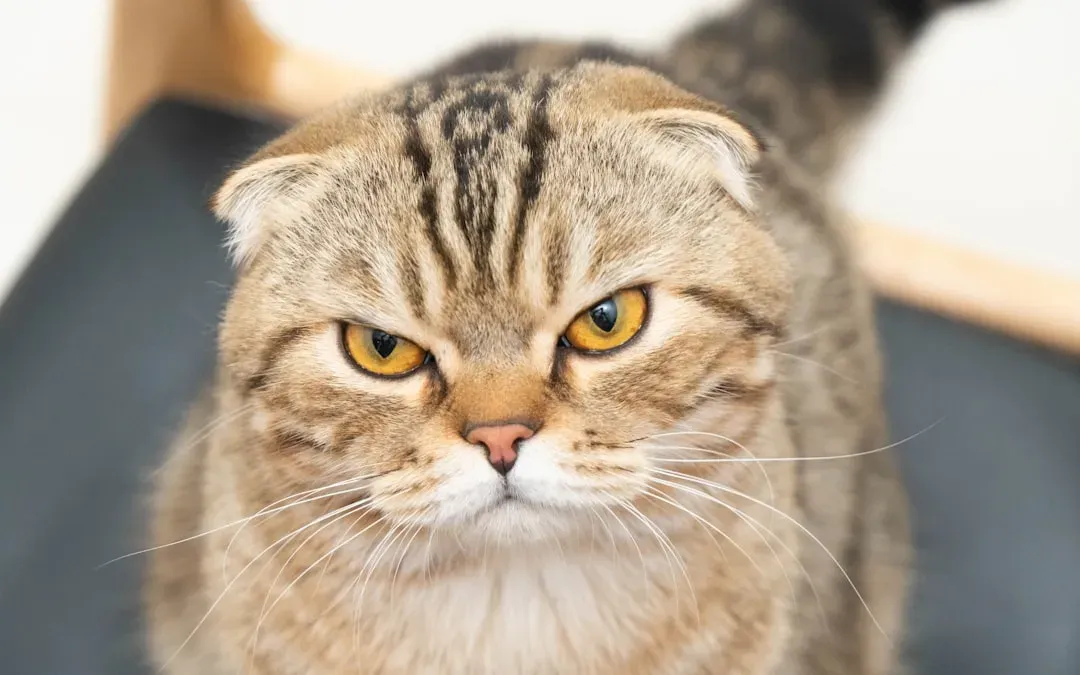
With their signature folded ears and wide-eyed expression, Scottish Folds are the embodiment of calm. They enjoy cuddling, lounging, and simply being near their humans. Scottish Folds adapt well to most environments and are known to form strong emotional bonds with their owners. While they can be playful, Scottish Folds prefer a mellow pace of life and are rarely vocal.
For owners who value peace, an adult Scottish Fold is often the safest bet: they’re typically laid back, quiet-voiced, and happy to share a calm, cozy space without demanding constant attention. Their adaptable nature means they settle nicely into low-key households and gentle routines. Whether kitten or adult, Scottish Folds usually enjoy soft snuggles, lap time, and relaxed companionship more than wild play marathons.
13. Birman: The Sacred Companion Who Speaks Softly
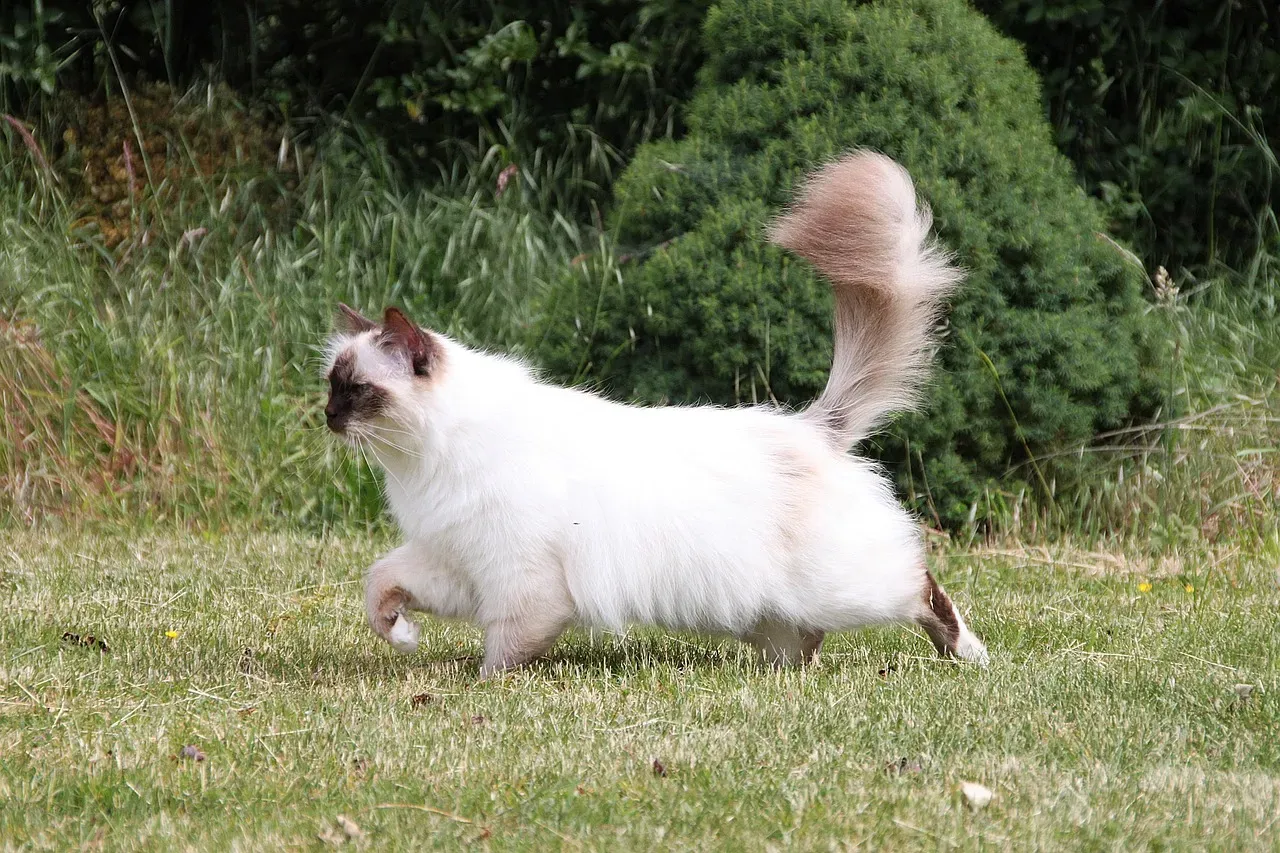
When it comes to quiet companionship, the Birman stands out. Bred to be a relaxed household companion, these cats are naturally low-vocal and prefer gentle communication over loud meowing. They enjoy attention and cuddling on their own terms, making them comforting companions without being clingy. Their relaxed attitude helps create a soothing environment, especially for people sensitive to constant noise or overstimulation.
The Birman, sometimes called the “Sacred Cat of Burma,” is a striking feline with soft colorpoint fur, bright blue eyes, and an expressive, gentle nature. Known for its balanced temperament, this breed combines beauty with deep emotional sensitivity. Birmans are incredibly people-oriented and form strong emotional bonds with their families. They naturally seek closeness, often choosing to sit beside you or gently rest against you during quiet moments.
14. Chartreux: The French Blue Who Barely Speaks
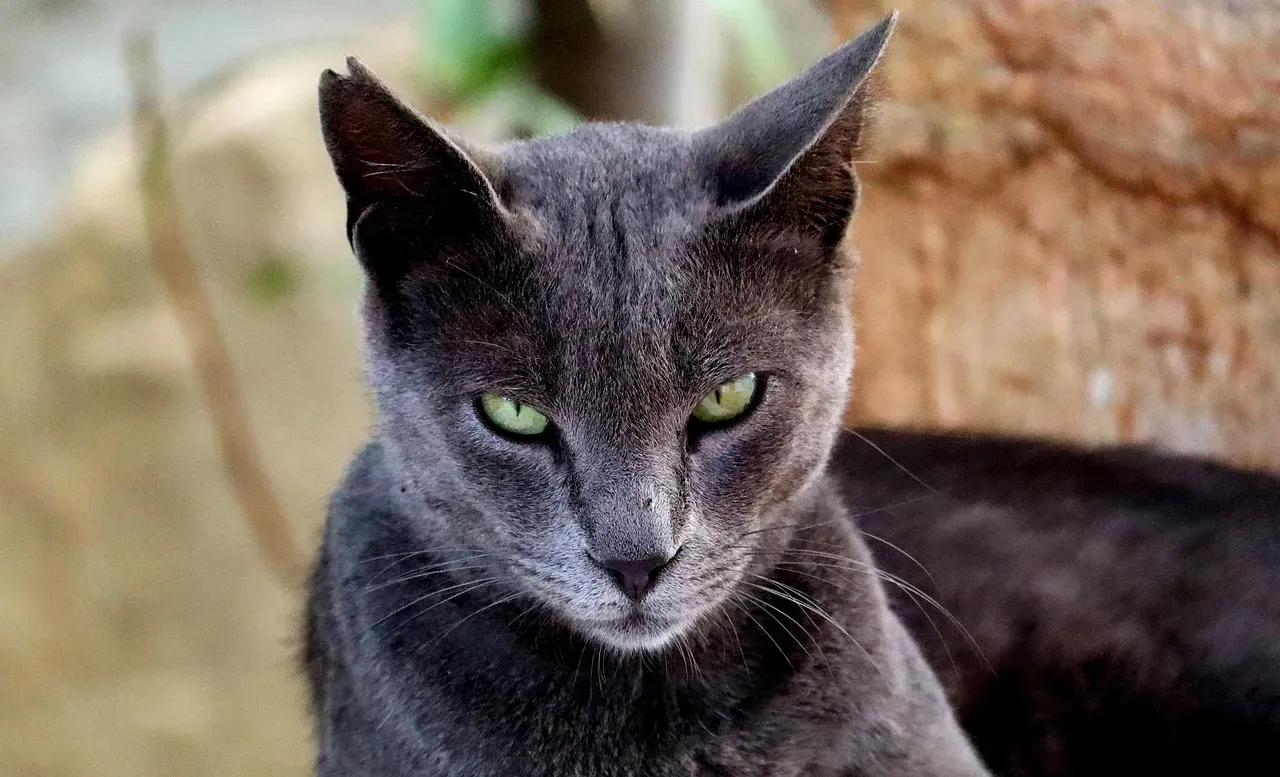
Also called the French Blue, the Chartreux is a centuries-old French breed known for its blue-gray coat, copper eyes, and signature “smiling” expression. This cat combines a sturdy build with a calm, observant personality. Renowned for their quiet nature, Chartreux cats rarely vocalize and prefer subtle communication through posture and facial cues.
Chartreux cats are famously quiet. In fact, many don’t meow at all. Instead, they express their love through physical closeness and gentle nuzzles. For those who want a tranquil, affectionate feline without a lot of noise, the Chartreux is a hidden gem among cat breeds. You won’t hear them coming, but you’ll always feel their presence beside you on the couch.
Conclusion: Finding Your Perfect Feline Match
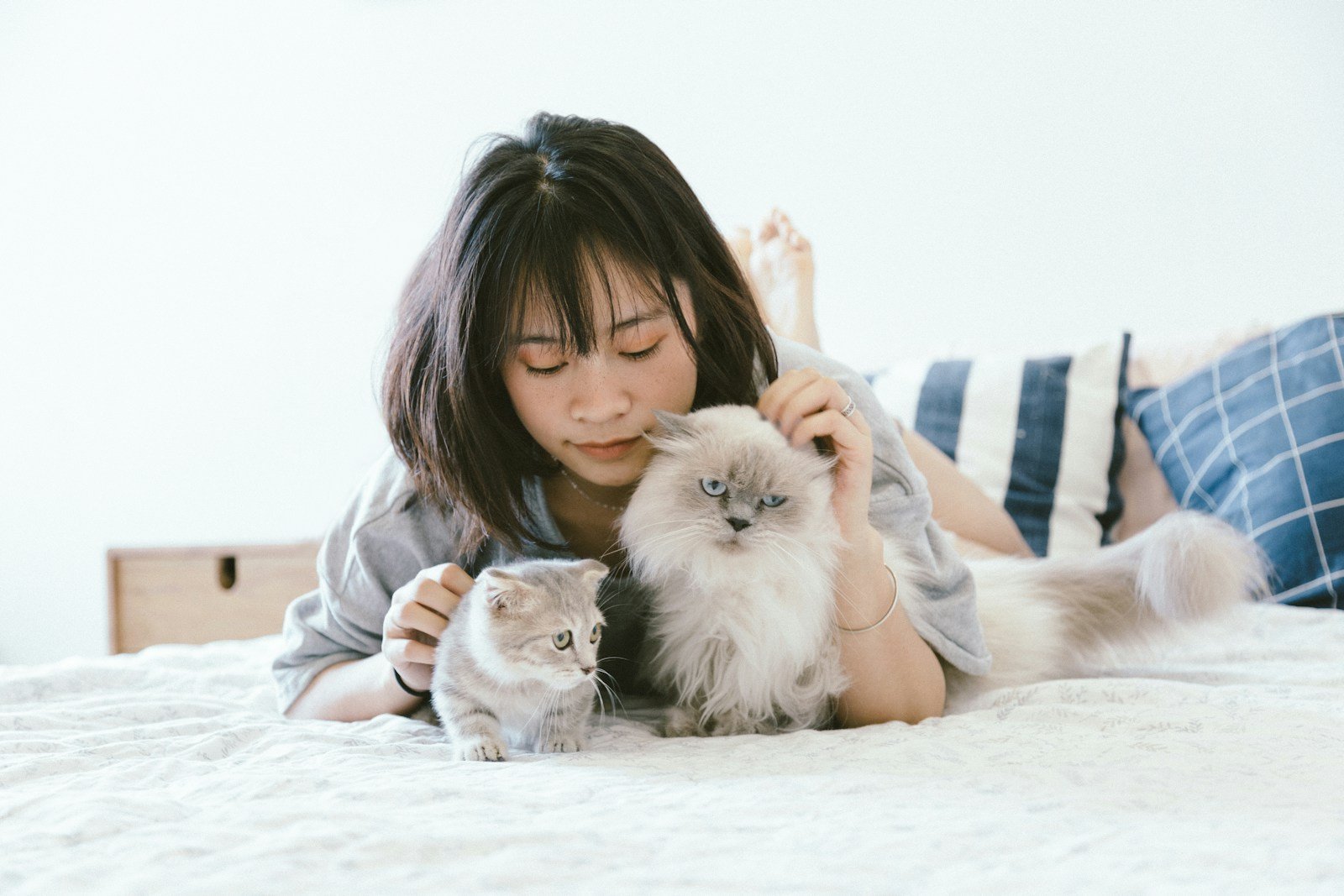
The noise level of a cat breed isn’t just a quirky detail. It shapes your daily life in real and sometimes surprising ways. Silent or quiet cat breeds are those that are less vocal and tend to meow less frequently. They are ideal for people who prefer a quieter environment but still want the companionship of a cat. These breeds might still purr and communicate in other subtle ways, such as cuddling or nudging.
Some breeds are some of the most vocal cats you can find, but every cat expresses themselves in their own way. Sometimes, a change in how your cat talks can indicate something is wrong. If your normally talkative kitty suddenly has less to say, or a quiet one begins vocalizing frequently, they could be dealing with a medical or emotional issue.
Ultimately, the right breed is the one that fits the rhythm of your home. A quiet apartment with thin walls calls for something different than a lively house full of people who love conversation at every hour. Whichever side of this list speaks to you, the bond you build with your cat will be shaped far more by consistency, care, and attention than by how many syllables they produce. Some of the deepest companionships are the quietest ones.
Kristina is a young writer from India. An arts graduate and an avid content creator, Kristina is passionate about animals and wildlife. She enjoys exploring topics related to pet care, animal behavior, conservation, and nature, combining thorough research with engaging storytelling.