You just spent a small fortune on that gorgeous new velvet sofa. You angled it perfectly, fluffed the cushions, stood back with a coffee in hand, and felt genuinely proud of yourself. Then your cat walked in, sniffed it once, gave you that slow, legendary blink of disappointment, and walked away. Sound familiar?
Here’s the thing: your cat is not just living in your home. Your cat is evaluating it, rating it, and yes, silently judging every single design decision you make. Their behavior around furniture tells a deeply fascinating story rooted in instinct, biology, and sensory preference. Let’s dive in and find out what your cat is really thinking about your interior choices.
The Scratch Test: Your Cat’s Personal Fabric Review
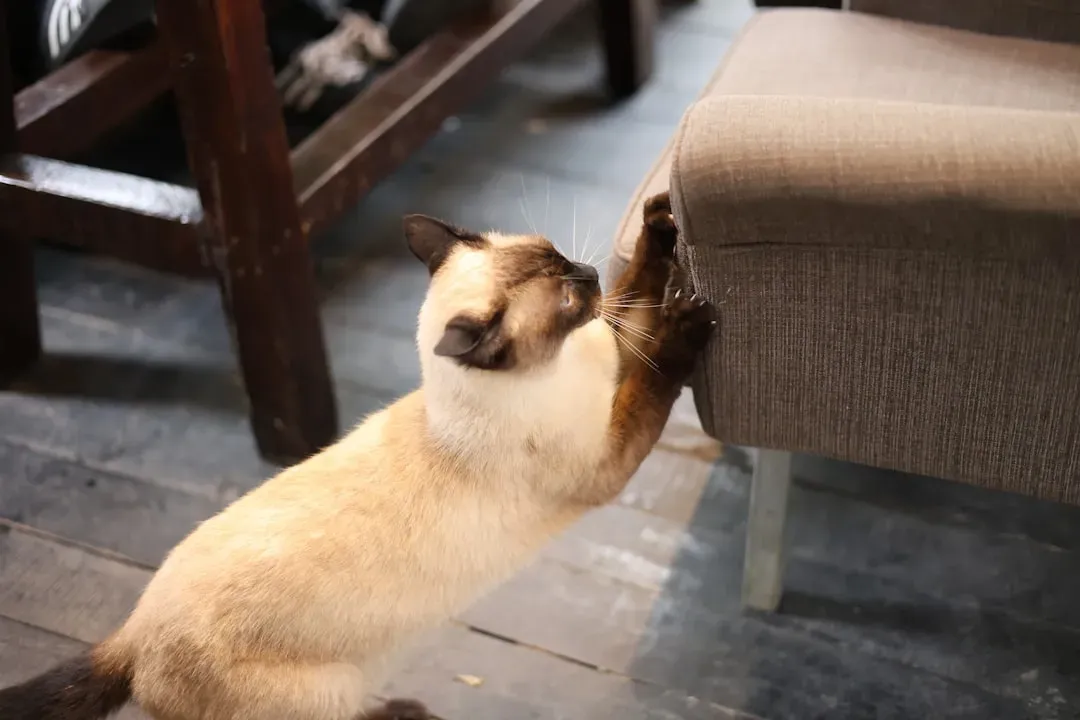
If you’ve ever watched your cat approach a new piece of furniture with slow, deliberate paw strikes, you weren’t imagining it. Furniture allows cats to dig their nails into it and get a steady grip, which is exactly why they love to scratch these areas. It’s less about destruction and far more about whether your furniture passed the grade.
Cats that scratch your favorite sofa or expensive drapes are not on a mission to destroy your home, but rather wish to satisfy certain needs. Scratching is largely a marking behavior that deposits scent from special glands on the cat’s paws into their territory. So when your cat goes after the armchair corners with gusto, they’re not being spiteful. They’re reviewing the product and leaving a five-star rating in feline terms.
Chenille and tweed are among the worst offenders. Their textured surface is made of thousands of tiny loops that catch claws instantly, and your cat will likely ruin these materials in days. Honestly, if you bought a chenille loveseat knowing you have a cat, there’s a small chance your cat judged that decision harder than any interior designer ever could.
The Texture Verdict: Soft vs. Rough and Why Your Cat Cares Deeply
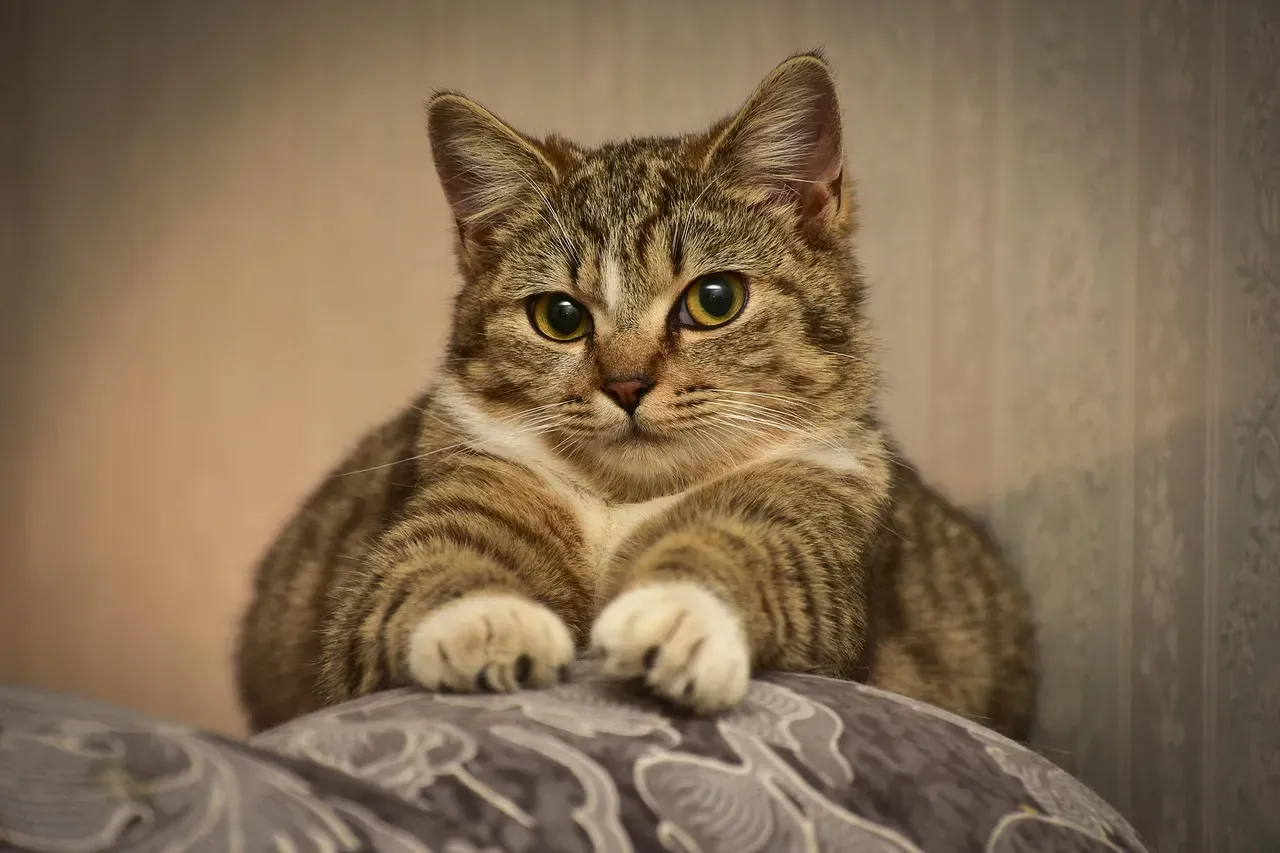
Cats have sensitive nerve endings in their paws that respond to different textures, giving them feelings of comfort and security. From soft wool to scratchy upholstery, every cat has its own preferences when it comes to fabrics. Think of it like this: your cat navigates your furniture the way you’d test-drive a mattress in a showroom, pressing, prodding, and settling in.
The tactile sensation certain rough fabrics provide is what draws cats in. The rough texture mimics the feeling of scratching on tree bark or rough surfaces in the wild, a natural behavior for cats. Scratching also helps cats stretch their muscles and mark their territory. So if your cat ignores the expensive sisal rug you bought for them but shreds the side of your sofa, they’re essentially telling you the sofa won the competition.
Microfiber fabrics are often the best option when you own cats. The very soft, sleek texture is the opposite of what cats like to scratch, and many cats may never go after a microfiber couch at all. Choose microfiber, and your cat might give you a reluctant nod of approval. It’s the closest thing you’ll get to a compliment.
The Height Hierarchy: Does Your Furniture Give Enough Vertical Respect?
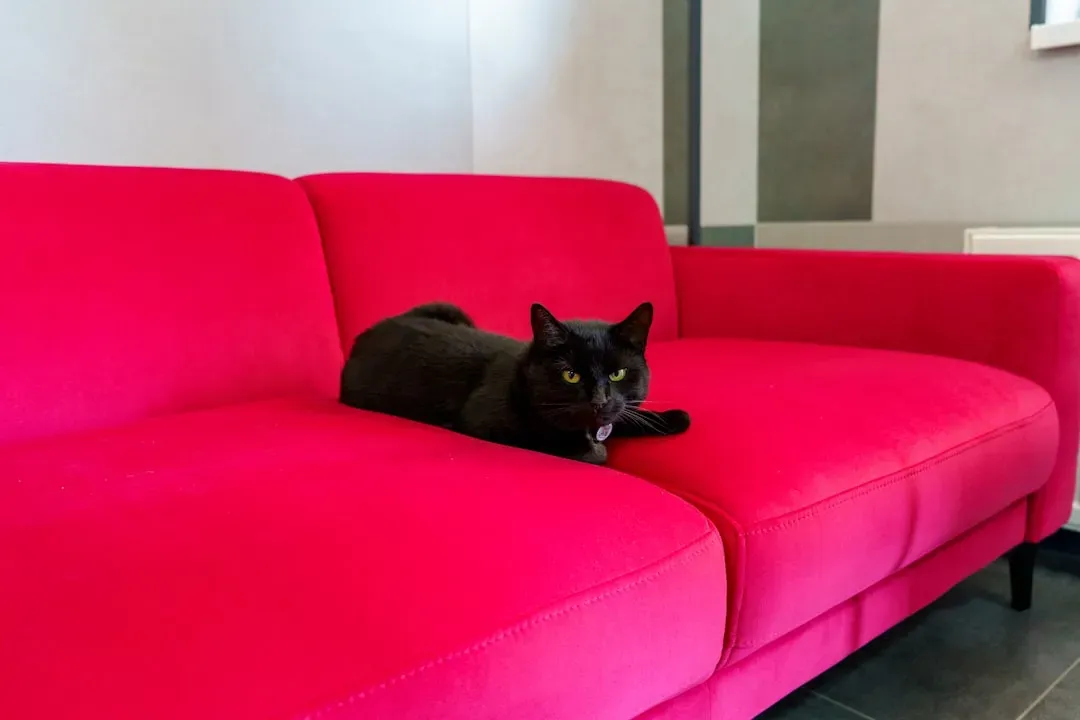
Here’s something that might surprise you. Your cat doesn’t just want a place to sit. They want a place to rule. This vertical behavior is not just a quirky trait, but a deeply ingrained instinct shaped by evolution, psychology, and physiology. If your furniture is all low to the ground and offers no elevation, your cat has already filed a formal complaint in the form of knocking things off shelves.
A study published in the journal Animals examined the preferences of domestic cats in the home environment. Researchers found that cats spend a significant amount of time on elevated surfaces, especially when stressed or in multi-pet households. The study concluded that vertical spaces serve as a coping mechanism, allowing cats to retreat and regain a sense of control. Your bookshelf isn’t just a bookshelf. To your cat, it’s a command center.
Instinct is a driving force behind a cat’s preference for lofty perches. From a biological and evolutionary standpoint, cats are prey and predators. Before cats graced our homes, they were potential meals for wild animals and sought out small rodents and birds to satisfy their hunger. An aerial viewpoint helps with both, and although these survival skills are less vital for the typical house cat, they remain a part of their genetic makeup. So when your cat climbs to the very top of your bookcase and stares down at you, just know they’re judging your taste in furniture from an evolutionary throne.
The Scent Stamp of Approval: Claiming Your Couch as Their Own
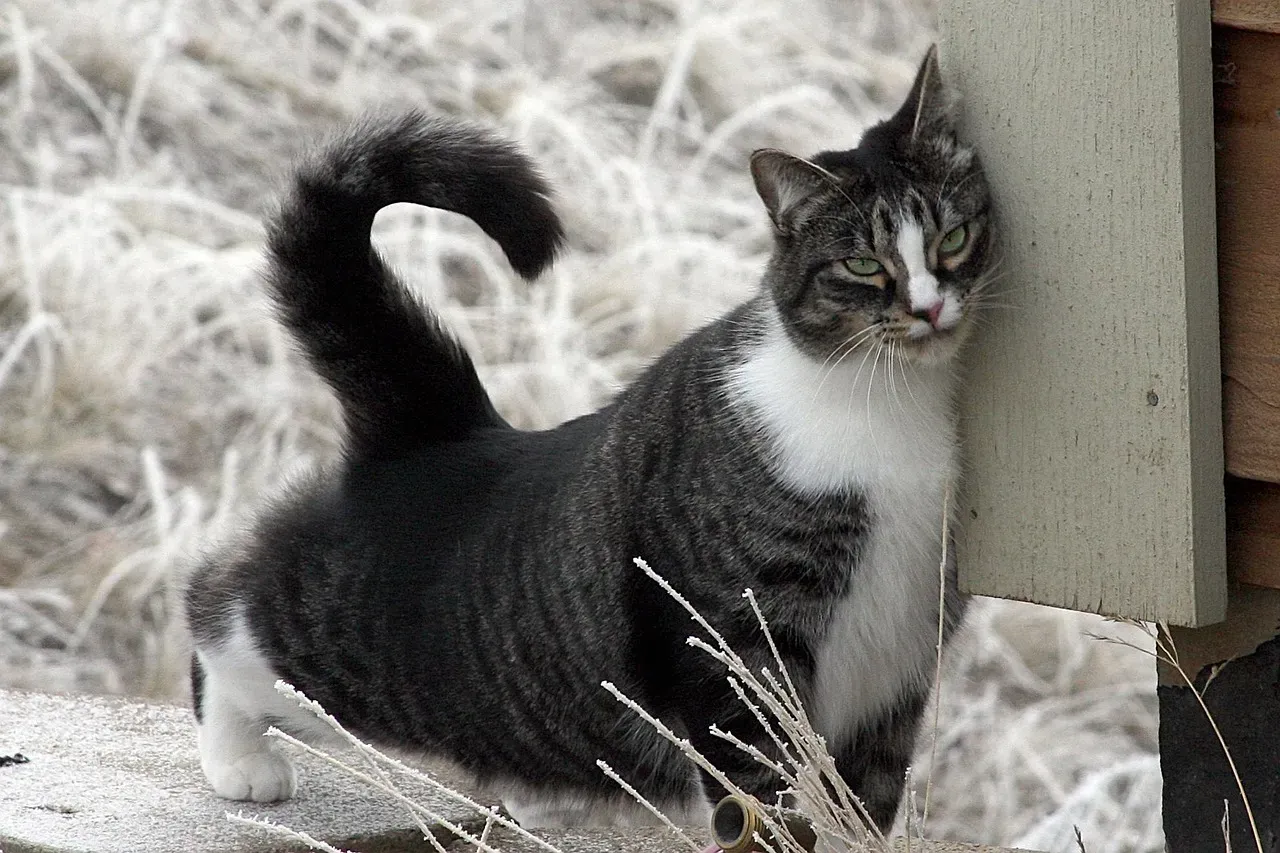
You may have noticed your cat rubbing their cheeks along the armrest of your new sofa like a tiny, furry sommelier. There’s a very good reason for that. When a cat rubs its face against furniture, doorways, or even people, it deposits pheromones that signal ownership and familiarity. Scratching leaves scent marks too. Your new sofa is uncharted territory, and your cat is performing their due diligence.
A new piece of furniture can be viewed as an invasion of a cat’s territory. Some cats will hide from it for days, while others will immediately rub up against it to scent mark it. I think this perfectly captures what most cat owners experience. You bring home a gorgeous new armchair, and your cat either treats it like an invading army or immediately launches a colonization mission with their face glands.
Any time an indoor cat feels threatened or distressed, they may leave a mark to affirm the location of a safe territory. A change in household routine, the addition of a person or pet, or even a remodeling project can trigger anxiety and marking. So yes, your recent bedroom renovation may actually be stressing your cat out. They’re not judging your paint choices. They’re judging the disruption, and they want you to know about it.
The Stability Standard: Wobbly Furniture Gets Immediate Side-Eye
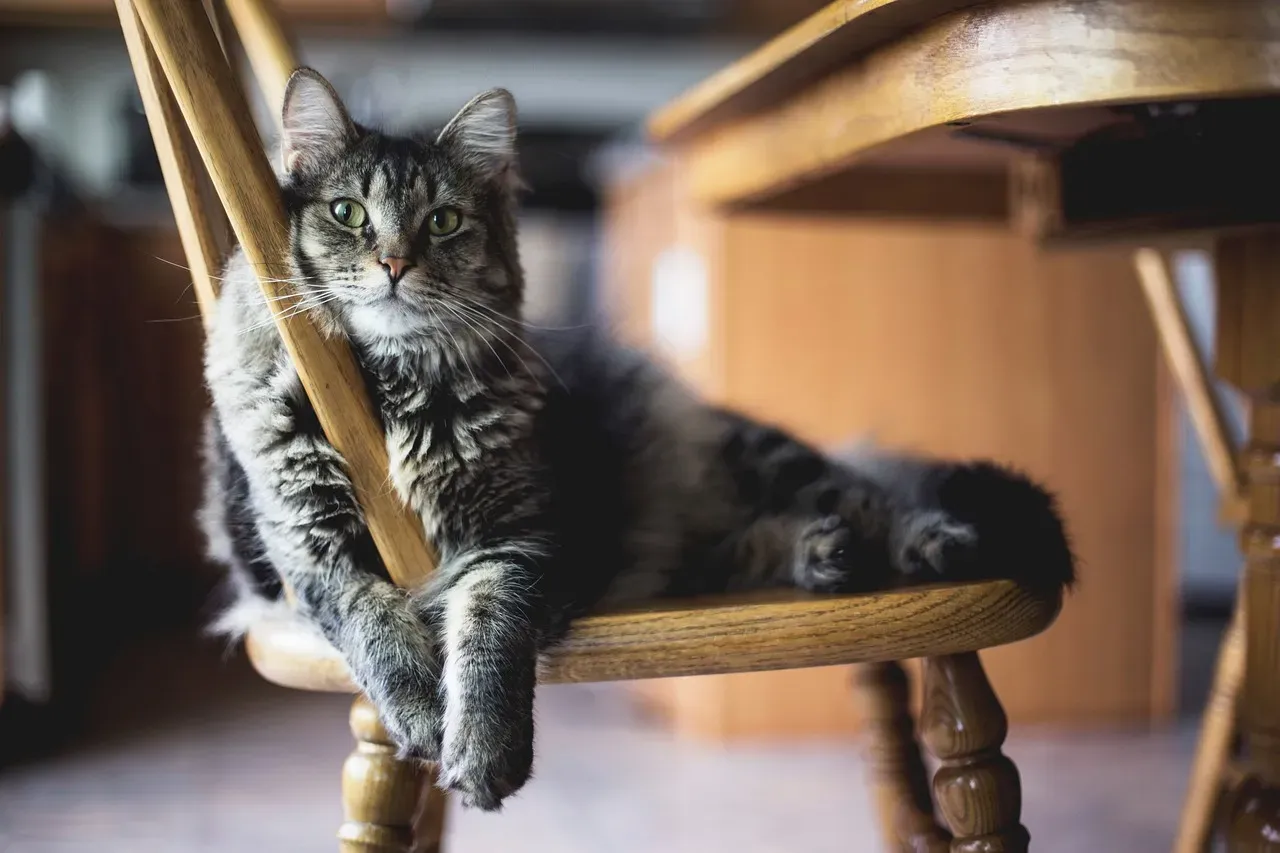
Cats are acrobats by nature, but even the most confident feline will reject furniture that doesn’t feel secure underfoot. The thing that is so appealing about furniture and rugs for scratching is that they are soft, plush, and sturdy. Often they are large, so your cat can stretch out while having a scratch, and they are heavy, so they stay in place no matter how hard the cat tugs. Lightweight, unstable pieces earn exactly zero feline respect.
The only reason your cat may decide to scratch on the furniture instead of a post is because the furniture meets their needs. If the post you provided looks pretty but isn’t effective from a cat’s point of view, it’ll just sit in the corner and gather dust. The same logic applies to any furniture you expect them to use or approve of. Pretty is irrelevant to a cat. Function is everything.
Think of it like testing a ladder before climbing it. Your cat does a full structural assessment before fully committing to a surface. Lightweight mid-century modern stools and spindly side tables? Your cat has already walked past them with practiced indifference. A solid, heavy sofa with good grip? That’s a different story entirely.
The Leather Dilemma: Your Sleek Sofa Gets a Complicated Review
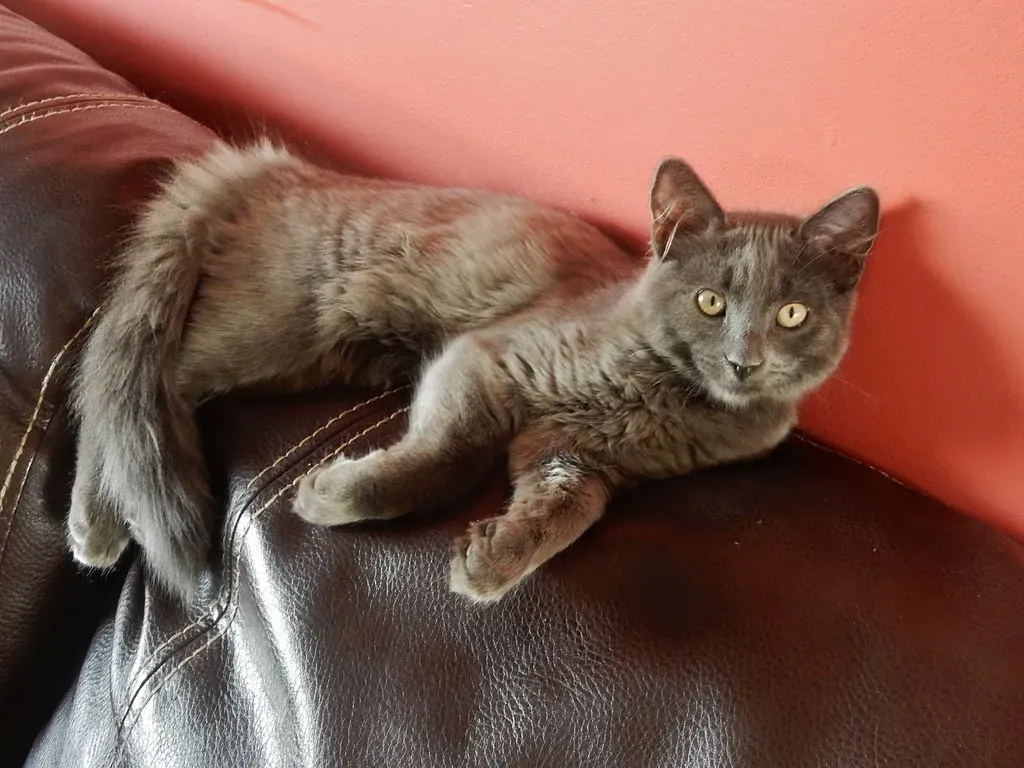
Leather furniture confuses cats in the most delightful way. It looks inviting, but it’s also slippery and cold, which creates an internal conflict for a creature who is perpetually searching for maximum comfort. Leather furniture is sleek, soft and durable, and doesn’t really retain pet odors and hair, making it a desirable furniture textile. However, it’s actually a prime target for cat claws. It’s easily scratched and, once pet claws hit leather, the material is never the same again.
Cats hate smooth, slippery surfaces. Materials like leather or microsuede offer no grip for a satisfying stretch, causing cats to lose interest and move on. So your expensive leather sofa might actually be safe from scratching, but your cat has already calculated that it offers very little by way of sensory satisfaction, and they’ll make sure you know by choosing to sit literally anywhere else in the room.
It’s a strange, bittersweet verdict. Your leather sofa survives intact, but it also quietly gets ignored. Your cat has decided it’s architecturally unsatisfying. Top-grain leather does stand out as one of the better materials for households with cats, as it is resistant to claws, does not snag, and can be easily wiped clean of both fur and spills. Practical? Absolutely. A feline favorite? Probably not.
The Warmth Test: Your Furniture Layout Tells Your Cat Everything
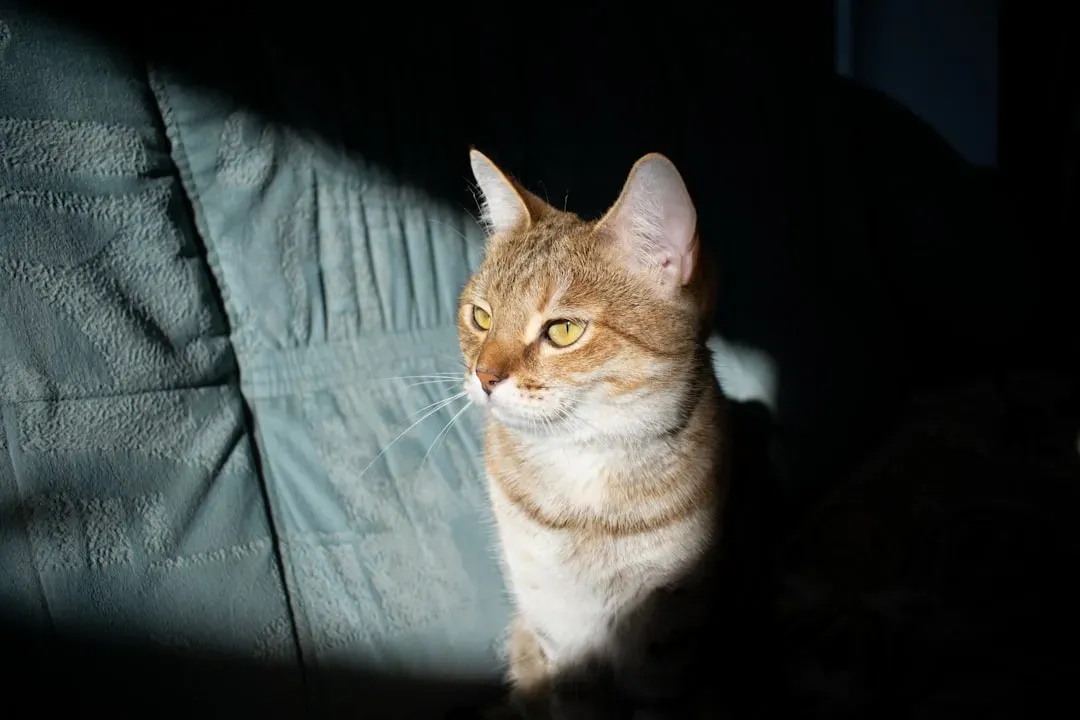
Cats are solar-powered in a very real sense, and the way your furniture is arranged in relation to warmth and sunlight is something your cat evaluates on a daily basis. Because warmer air rises, cats might prefer the tops of appliances, cat trees, and bookshelves over cold floors, and this can be especially true during the winter when it’s colder in many places. Your ground-level lounge setup is lovely, but if it’s cold and drafty, consider yourself judged.
Some cats may even be attracted to materials that retain heat better than others, making them feel warm and snug. This is why your cat has claimed the one sunny corner of the couch as their personal solar station and will stare you down if you try to sit there. They didn’t choose that spot randomly. They mapped the heat distribution of your entire living room and made a calculated decision.
Providing your cat with elevated, insulated spaces such as fleece-lined cat hammocks or multi-tiered cat trees placed near warm windows can meet their instinctive need for both height and heat. In other words, if you want your cat’s seal of approval on your furniture arrangement, you need to think like a tiny sun-seeking engineer. Position a warm, elevated, stable surface near a window, and you will have finally impressed the most discerning critic in your home.
Conclusion: Your Cat Is the Ultimate Home Critic
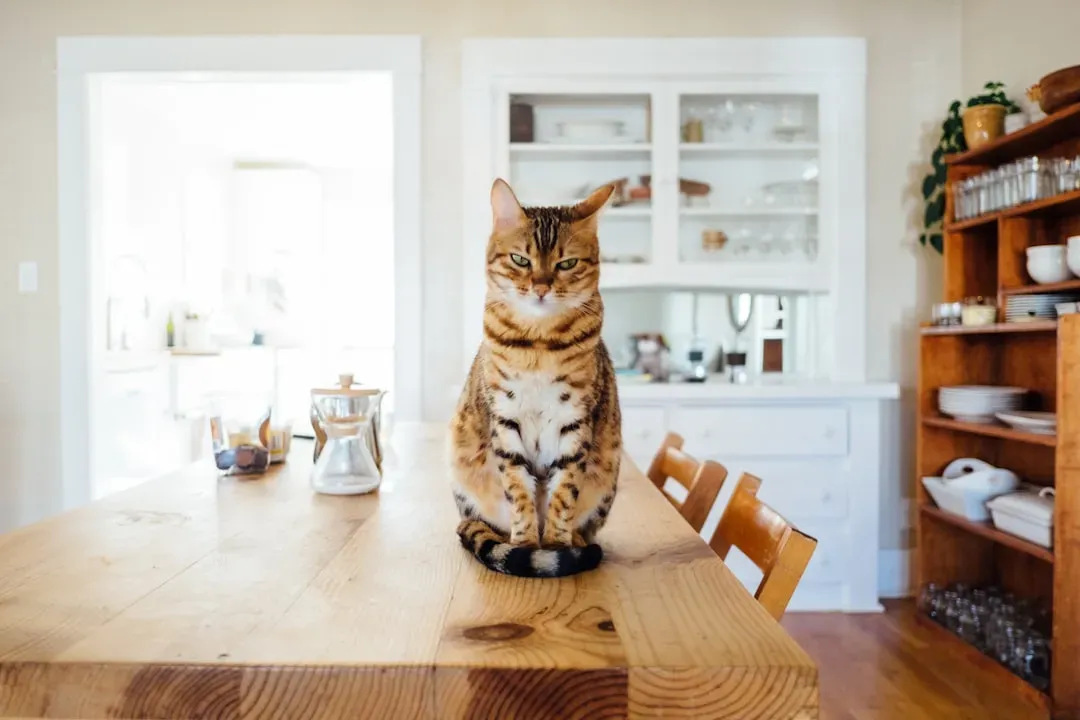
Living with a cat is essentially living with a permanent interior design consultant who never bills you but also never sugarcoats their feedback. Every scratch, every deliberate sniff, every choice to sit somewhere other than where you intended, it’s all data. Cats are creatures of comfort, but also of strong preferences. While they seek out cozy beds and sunny windowsills, there are certain materials they instinctively avoid. Your furniture choices either pass or fail that ancient, instinct-driven inspection.
The good news is that understanding what your cat values in furniture actually makes you a better pet owner, and honestly, a better shopper. For a stylish home that can withstand life with cats, look for tightly woven, scratch-resistant, and easy-to-clean fabrics. Materials such as canvas, top-grain leather, and microfiber offer a balance between form and function. You don’t have to choose between style and your cat’s approval. You just have to understand the terms of the negotiation.
Your cat is not destroying your home out of malice or indifference. They are interacting with it on a deeply instinctive level, scratching to mark, climbing to feel safe, rubbing to claim, and seeking warmth to thrive. The furniture you choose shapes their entire emotional landscape. So next time your cat gives you that long, slow stare of feline judgment, ask yourself honestly: did you really account for their needs when you bought that accent chair? What do you think – does your cat approve of your furniture, or have you been living under a silent veto this whole time? Drop your thoughts in the comments below.