There’s something quietly profound about watching a cat grow old alongside you. The same creature that once launched off countertops and terrorized houseplants now moves a little slower, sleeps a little longer, and seems to appreciate the warm spot on the couch in a way they never did before. As cats enter their senior years, typically around the age of 10, they often face a variety of age-related challenges, including decreased mobility, heightened sensitivity to cold, and more pronounced reactions to environmental stresses.
The good news is that most of what your aging cat needs from you isn’t complicated or expensive. Senior cat health isn’t just about managing disease; it’s about preserving quality of life through thoughtful care, regular checkups, and small lifestyle adjustments. The eight approaches below are practical, grounded in veterinary guidance, and genuinely make a difference.
1. Schedule Veterinary Visits More Frequently
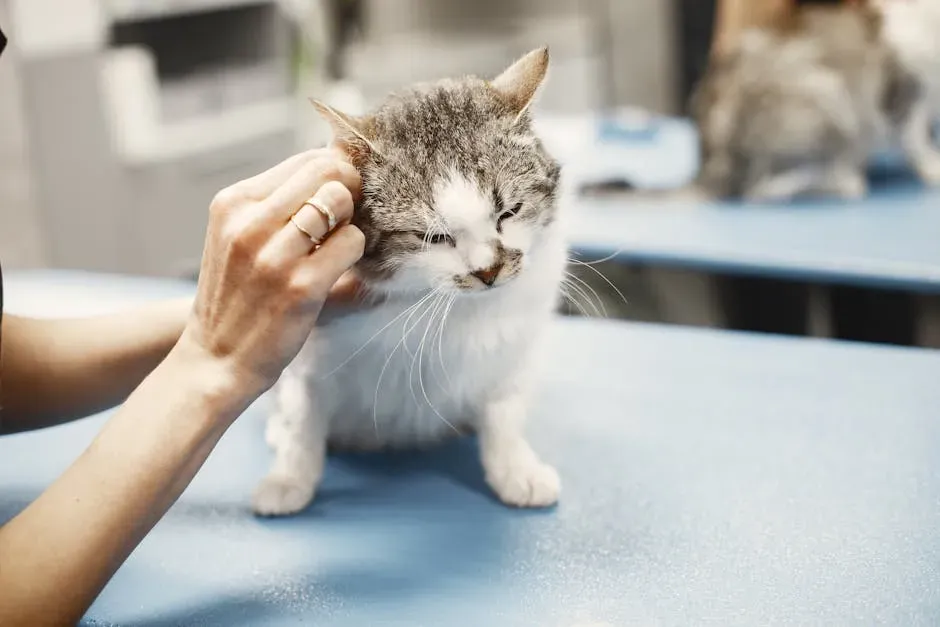
One of the single most effective things you can do for your senior cat costs nothing more than making a phone call. Cats need to visit their veterinarian more often as they age, even if they appear healthy. A checkup every six months for cats between 10 and 15 years old, and every four months for cats over 15, is recommended for optimal health maintenance and early detection of disease.
As cats age, they are more susceptible to various health issues such as kidney disease, diabetes, and thyroid disorders. Regular vet visits allow for early detection and management of such conditions, and more frequent appointments may be necessary if your cat exhibits any changes in behavior, appetite, or physical condition. Don’t wait for something to feel obviously wrong before you book an appointment.
Cats are masters at hiding illness, so changes in behavior that might indicate an issue are often subtle and easily missed. Keeping a journal to track your cat’s behavior and eliminations, including frequency and amount, will make it easier to spot subtle differences. That kind of record becomes genuinely useful when your vet asks how things have been over the past few months.
2. Upgrade Your Cat’s Sleeping and Resting Spaces
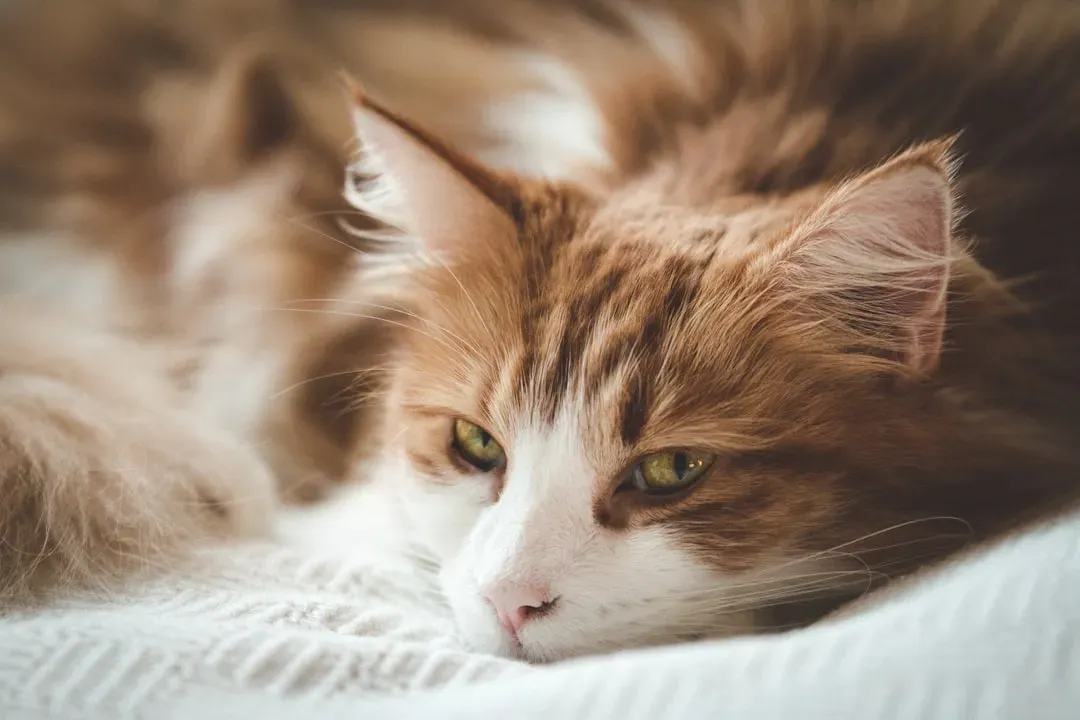
As cats grow older, they often need extra padding and warmth for comfort. Providing soft bedding at preferred sleeping and resting spots makes a real difference to their day-to-day wellbeing. This is especially true for cats dealing with joint stiffness, which is far more common in older felines than many owners realize.
Consider investing in an orthopedic bed specifically designed to support the bones and joints of older cats, enhancing their comfort and health. Simpler options like a cozy box or wicker basket outfitted with a soft blanket or pillow work well too. The key is offering multiple warm, accessible resting spots throughout your home so your cat never has to travel far to find comfort.
Make sure your older cat’s favorite soft bed or resting place is not in a drafty area of your home. Too much heat, though, can potentially burn a cat who can’t move quickly, so the goal is warm, not hot. A well-positioned, cozy bed in a quiet corner can do more for a senior cat’s wellbeing than you might expect.
3. Adapt Your Home for Easier Mobility
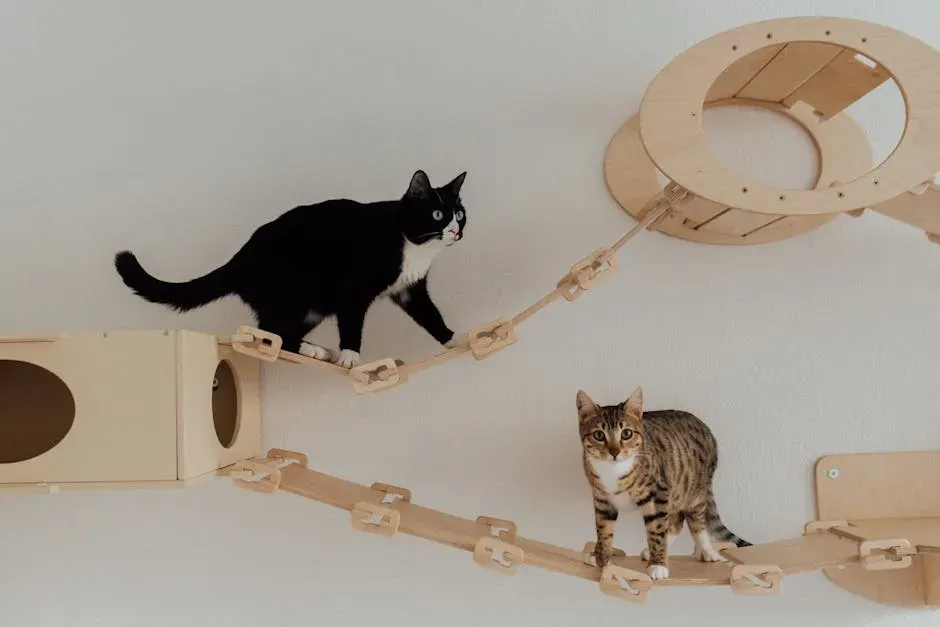
Simple changes around the house can dramatically improve a senior cat’s comfort and mobility. Laying down non-slip mats and carpet runners, installing pet ramps or stairs to help them access beds, sofas, and window perches, and keeping walkways clear of clutter to prevent falls all contribute to a safer environment.
Placing resources like food, water, litter boxes, and bedding in multiple locations where your cat can easily access them is a practical step. If your cat is having trouble jumping to favorite high surfaces, adding steps or ramps for access helps them maintain independence. Mobility limitations don’t have to mean giving up favorite spots entirely.
Consider replacing your cat’s dishes to make mealtime less uncomfortable. Crouching to eat or drink can be painful, especially for cats with arthritis, as it puts stress on the hips, elbows, and neck. Switching to raised cat bowls that allow your cat to eat and drink while standing or sitting ensures a more comfortable dining experience.
4. Rethink the Litter Box Setup
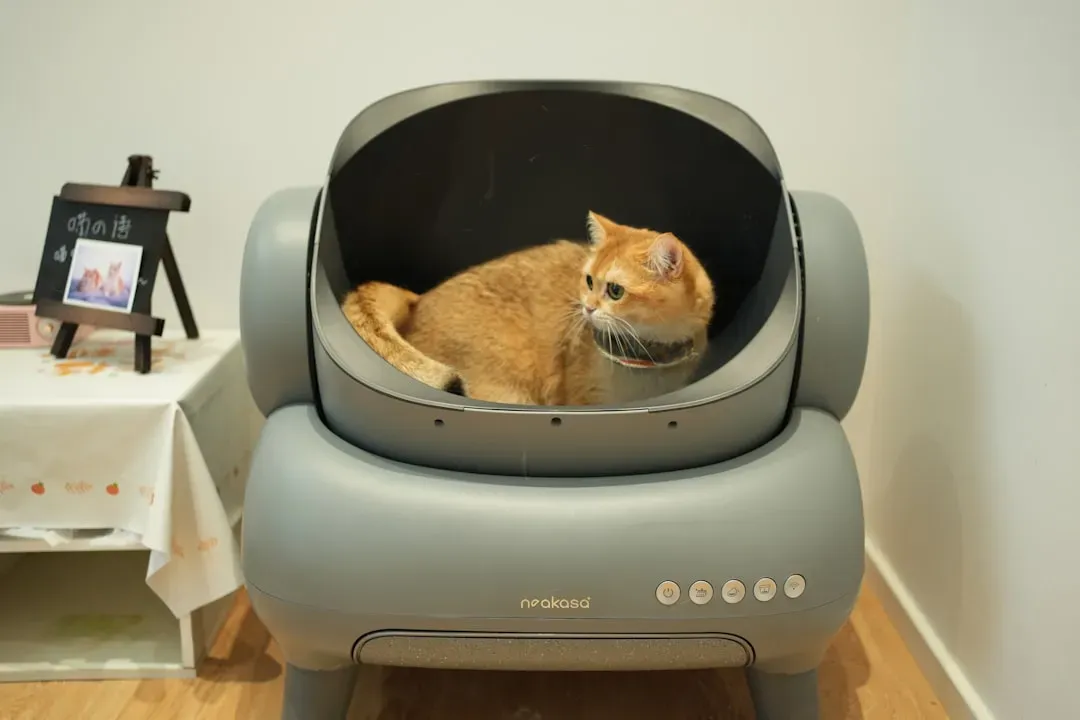
Aging cats often develop arthritis and mobility issues that make using the litter box challenging. Choosing a low-entry or shallow-sided litter box, considering an automatic, self-cleaning option with an easy step-in design, and placing litter boxes in easily accessible areas can all reduce that daily friction.
As your cat gets older, you may want to add more litter boxes throughout your home. Having multiple boxes throughout your space makes things much easier for older cats with bladder control, cognitive, or mobility issues. A simple rule of thumb is to have at least one box on every floor of your home.
You can help your cat access their bathroom by keeping the walls of the box low to make getting in and out easier, finding quiet areas that won’t startle them when they’re using it, and cleaning litter boxes more frequently. Keeping things clean also gives you valuable insight into your cat’s health. Changes in litter box habits are often the first sign that something deserves a closer look.
5. Adjust Nutrition and Support Hydration
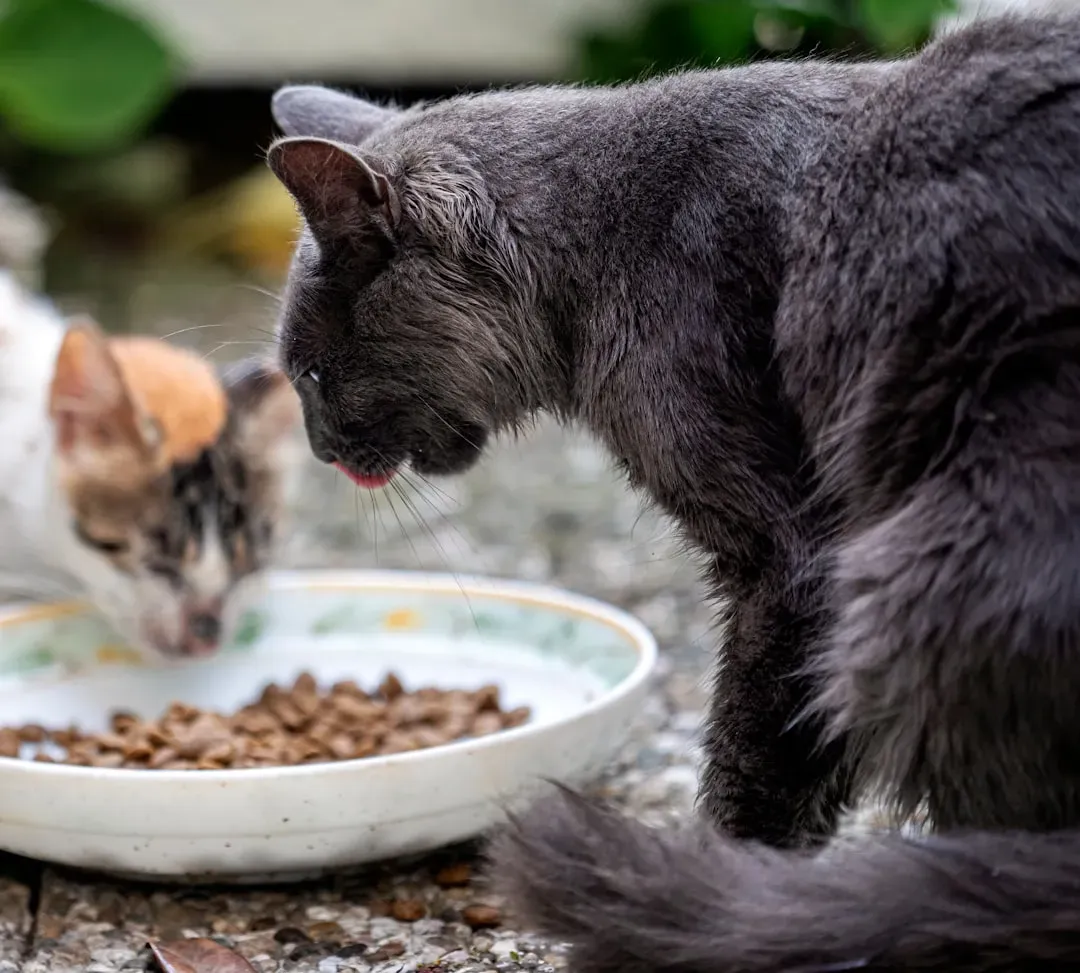
Aging cats have different nutritional needs compared to younger cats. Proper nutrition is vital to support their changing bodies, manage weight, and prevent health problems. As cats age, they may become less active and need fewer calories, and their digestive systems may slow down, meaning they may need easier-to-digest food.
Senior cats often require lower-calorie diets to prevent weight gain due to decreased activity levels. They may also need more protein to maintain muscle mass and specific supplements for joint health. Your vet is the best person to help you navigate these shifts, particularly if your cat has an existing condition like kidney disease.
Hydration is especially important for senior cats. Many have a reduced thirst drive, which can worsen kidney issues. Adding canned food, sodium-free broth, or a pet water fountain can help increase fluid intake significantly. A circulating water fountain, in particular, tends to attract cats who might otherwise ignore a still bowl.
6. Help Your Cat Stay Groomed and Clean
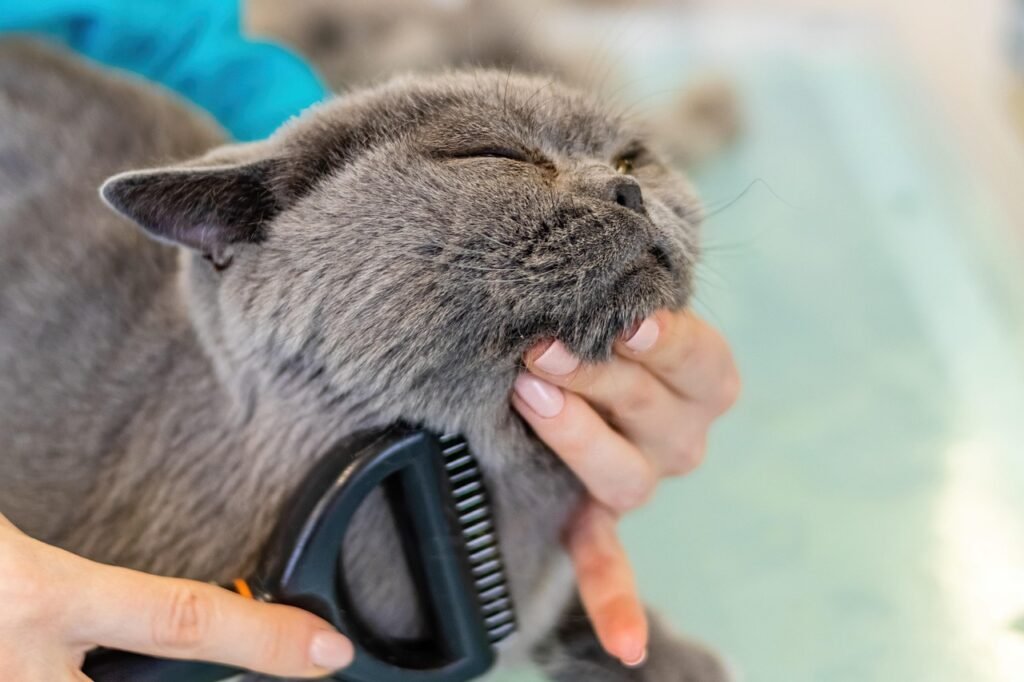
While cats are naturally good at keeping themselves clean, aging can make it harder for them to reach certain areas of their bodies. Giving your senior cat a helping hand by gently brushing their fur removes dead hair and dander, ensuring they stay comfortable and well-protected from temperature changes.
Using a soft brush to groom once or twice a week removes loose fur and prevents matting. Occasional cat-safe baths help maintain skin and coat health. Trimming nails every two to three weeks using pet nail clippers or a gentle nail grinder prevents painful overgrowth.
Helping with grooming by gently brushing or combing your cat, and keeping their nails from becoming overgrown with regular nail trims, is essential. The nails of older arthritic cats can sometimes overgrow into the paw pads, which is painful and completely preventable. Grooming sessions also double as quiet bonding time, which is something older cats tend to appreciate deeply.
7. Provide Mental Stimulation and Gentle Enrichment
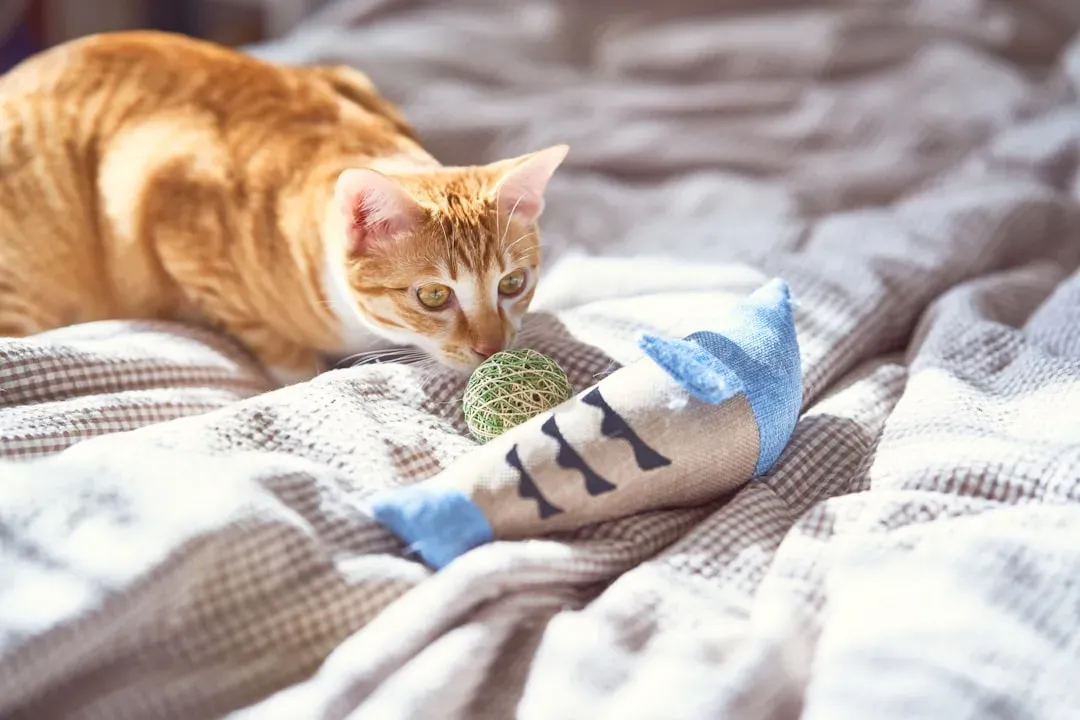
Cognitive decline, mobility challenges, and anxiety often emerge during the senior years, and these can be moderated with structured enrichment. Cognitive enrichment keeps aging brains active. Puzzle feeders, interactive toys, and short positive-reinforcement training sessions help maintain problem-solving abilities while reducing stress. For cats specifically, slow-feeding puzzle toys that mimic hunting encourage genuine engagement.
Enrichment helps maintain cognitive function and prevents boredom or anxiety. Offering interactive toys that encourage gentle play and placing perches near windows for bird-watching entertainment are both low-effort additions that yield real results. Even small sensory changes, like rotating a toy or introducing a new scent, can break up the monotony of a slow day.
Cats love routine, and that becomes even more true with age. Try to keep mealtimes and playtime consistent, but don’t be afraid to mix in small bits of enrichment like a new scent, a different toy, or a fresh window view to make life more interesting. The aim isn’t to overwhelm them with novelty, but to give their minds something gentle to work with.
8. Give Your Cat Emotional Reassurance and Consistent Routine
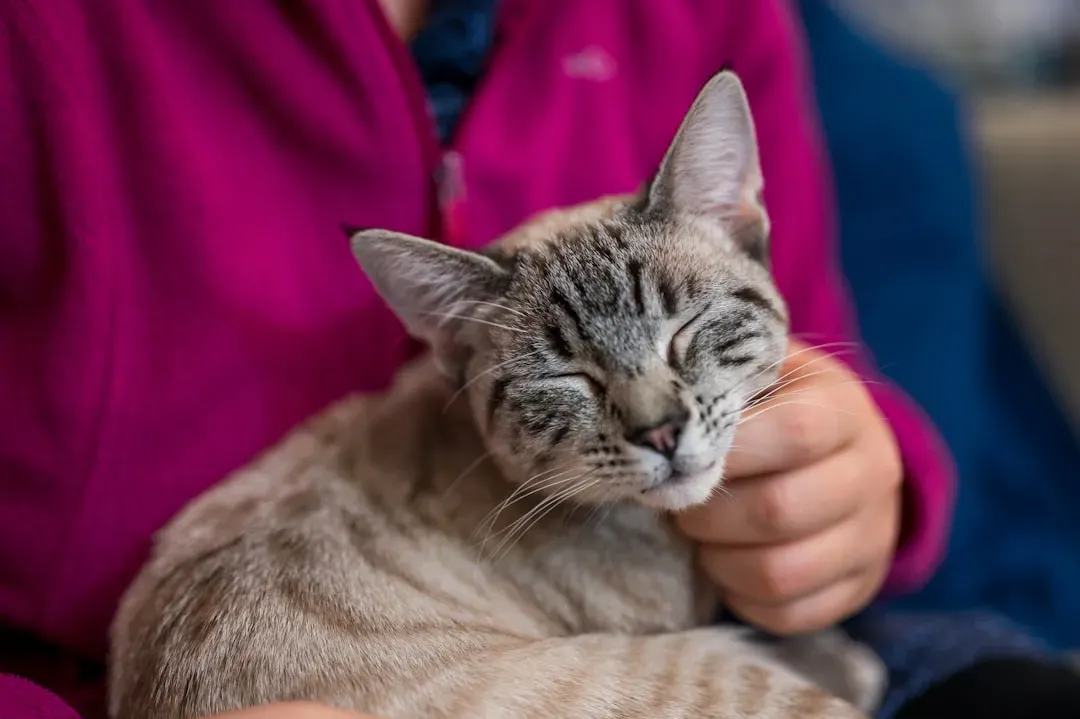
Older cats cherish predictable days more than younger cats do. Just as we become set in our ways as we get older, cats do too. Disruptions that a younger cat would shrug off, such as rearranged furniture, a new schedule, or loud houseguests, can genuinely unsettle a senior cat and show up as behavioral changes.
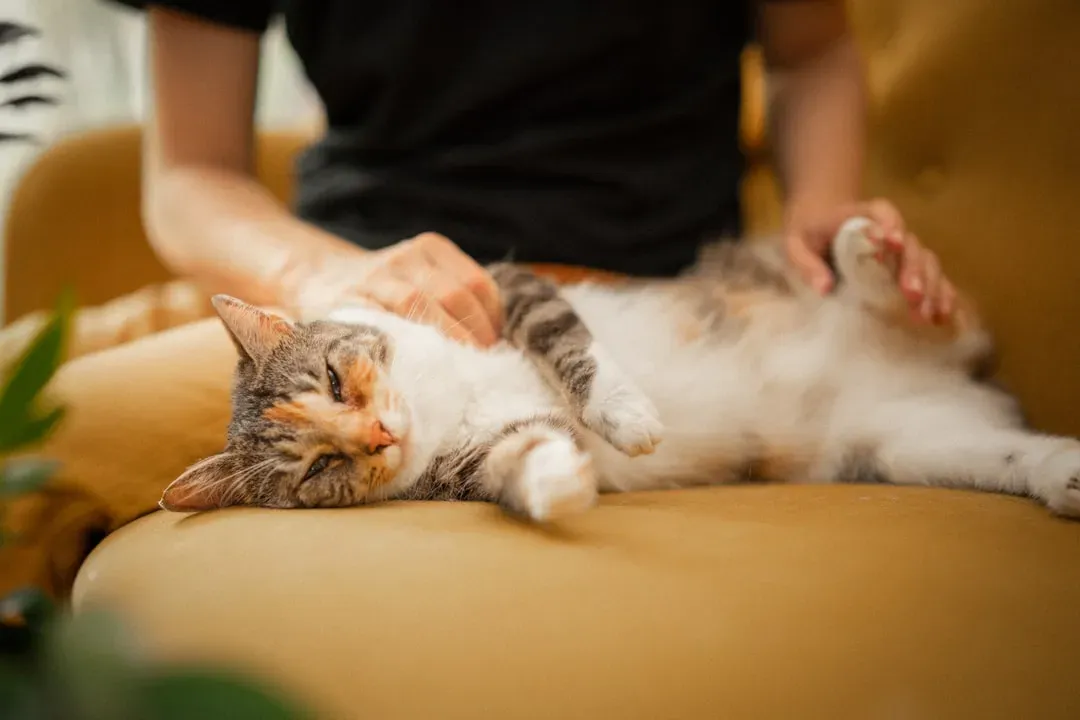
While some older cats may become more independent, many will savor cuddle and bonding sessions with you more than ever. Your support and love can go a long way toward reducing your cat’s stress and anxiety, and gives them the reassurance that they are being cared for. This is especially true if your cat has experienced any loss of sight, hearing, or mental faculties.
Beyond medical care, keeping senior cats healthy also means supporting their emotional wellbeing. Gentle, shorter play sessions stimulate both body and mind. Cats thrive on predictable schedules. Providing quiet retreats away from household activity matters, and many senior cats crave more closeness, so let them choose when and how they want affection. That last part is worth remembering. You follow their lead, not the other way around.
Conclusion
Your senior cat has spent years being a constant, undemanding presence in your life. They don’t ask for much, but they do rely on you to notice when things shift. Caring for an aging cat means focusing on comfort, nutrition, and mobility while maintaining mental stimulation. Your goal is to create a peaceful, supportive environment that allows your feline companion to thrive, not just survive.
None of the changes outlined here are dramatic or costly. Most come down to paying closer attention and making small, thoughtful adjustments, one at a time. Aging is a natural part of every cat’s life, and with attentive care, they can continue to thrive well into their senior years. Regular vet checkups, a nourishing diet, and small home adjustments can make a world of difference.
The senior years are, in many ways, the most tender chapter in a cat’s life. A little extra warmth, a softer bed, and the quiet reassurance of your presence may be the most meaningful things you ever give them.
Kristina is a young writer from India. An arts graduate and an avid content creator, Kristina is passionate about animals and wildlife. She enjoys exploring topics related to pet care, animal behavior, conservation, and nature, combining thorough research with engaging storytelling.