There’s a particular kind of stare a cat gives you right after you’ve done something they clearly disapprove of. Eyes steady. Tail coiled. Expression absolutely unreadable. If you’ve ever been on the receiving end of that look, you already know exactly what this article is about.
Cats are far more perceptive than many people give them credit for. It may be hard to believe, but cats pay more attention to their owners than we think. Felines are notoriously independent and often full of character, yet their personality traits could be a reflection of their owners. They notice your moods, your habits, your routines, and yes, the moments when you fall short of their standards. They’re not keeping a moral scorecard, but they are keeping score of comfort, predictability, and respect. Here are eight things your cat is almost certainly silently filing away under “noted.”
1. Your Tendency to Pick Them Up Without Warning
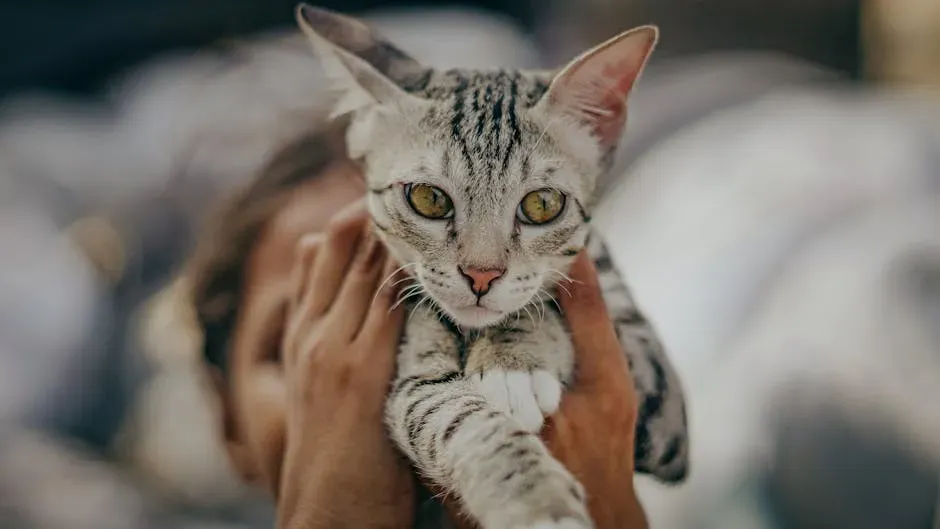
You see a fluffy, irresistible cat sitting on the sofa and your arms move before your brain does. Your cat, however, did not agree to this interaction. Researchers have found that cats don’t seem to have a separate category they put us in when socializing with us. They obviously know we’re bigger than them, but they don’t seem to have adapted their social behavior in ways that accept sudden human impositions. In other words, being scooped up unexpectedly registers to your cat the same way it would register to a peer who suddenly grabbed them without consent.
Respecting your cat’s boundaries and preferences when it comes to touch is one of the simplest things you can do to improve your relationship. Cats are much more likely to approach you on their own terms when they trust that you won’t override those terms. Let them come to you, and you’ll find the quality of those interactions goes up considerably on both ends.
2. Your Chaotic, Unpredictable Schedule
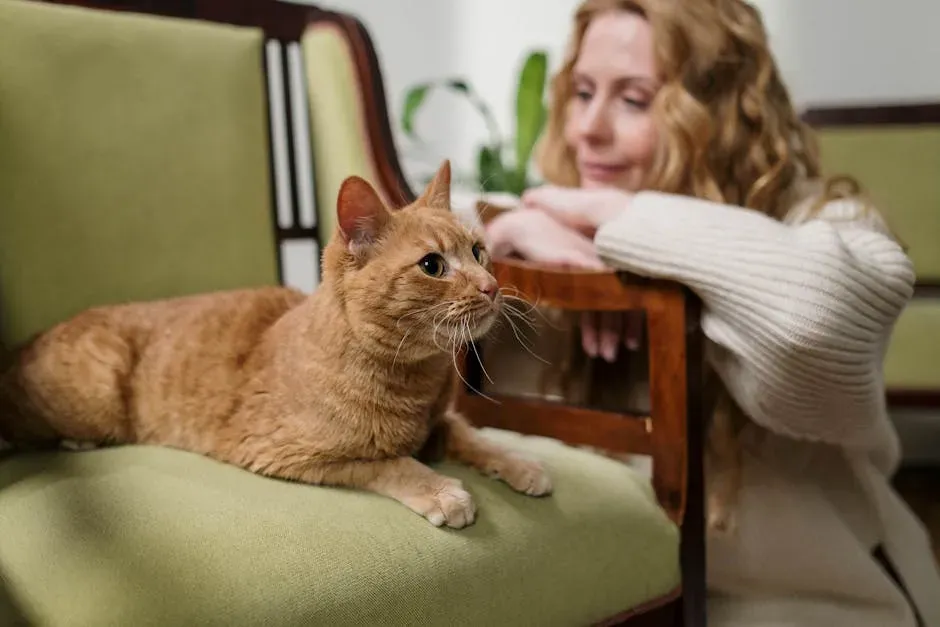
Cats thrive on predictability. Changes in their home, feeding schedule, or general routine can cause stress and behavioral issues. Your cat isn’t being dramatic when they act out after you fed them an hour late or shifted their morning playtime. They have built their whole day around your patterns, and when you deviate, it genuinely unsettles them.
Daily routines, such as play time, feed schedule, and owner schedule, and interactions with owners should be predictable, thus reducing the chronic stress associated with unpredictability. This isn’t just about the schedule for its own sake. It’s about your cat being able to feel safe in their environment. When you’re reliable, your cat is calmer, healthier, and frankly a lot easier to live with.
3. The Noise Level in Your Home
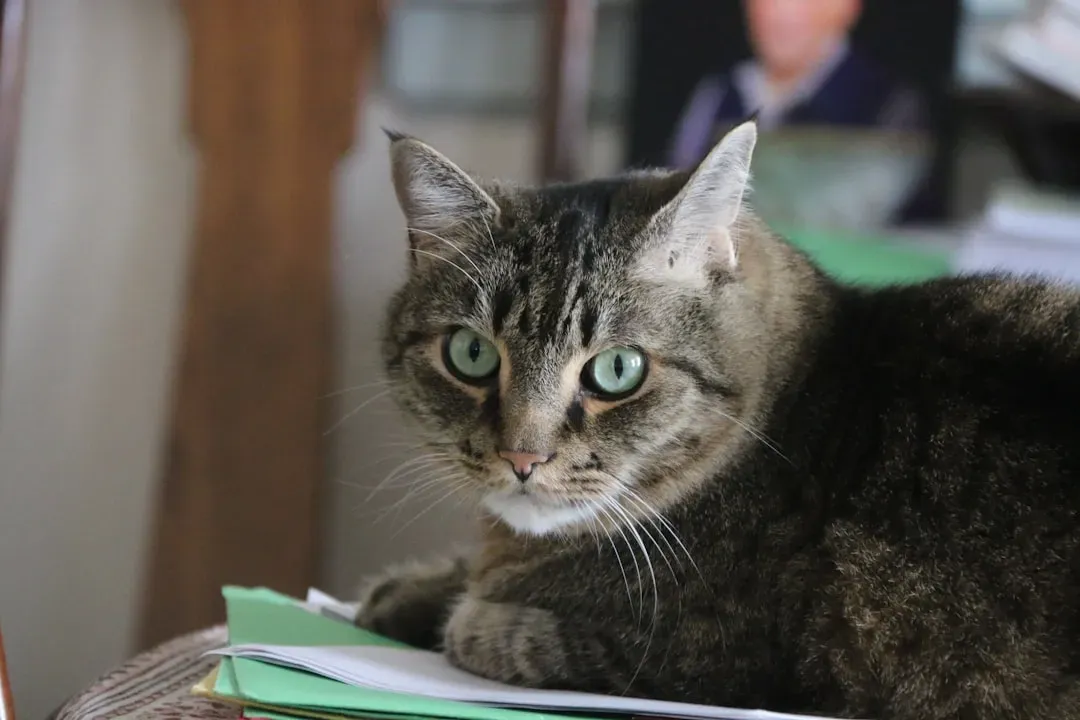
Cats’ hearing is designed for survival, with a hearing range far superior to that of humans. While we can only perceive a limited range of frequencies, they can detect sounds in a range of approximately 48 Hz to 85 Hz. This ability allows them to detect small prey or anticipate dangers in the wild using ultrasonic frequencies. That means your TV at high volume, your music, your blender, and your vacuum cleaner are all registering as genuinely intense experiences for them.
Cats hate loud sounds because their hearing is very fine and well developed, which makes them hypersensitive to the slightest noise. Other annoying noises include fireworks, slamming doors, loud music, or devices that emit constant high-pitched sounds. Although not all cats react the same way, the constant cumulative impact of noise affects their peace of mind. If your cat routinely retreats when the noise picks up, they’re not being antisocial. They’re protecting themselves from something that genuinely overwhelms their senses.
4. That Dirty Litter Box You’ve Been Putting Off
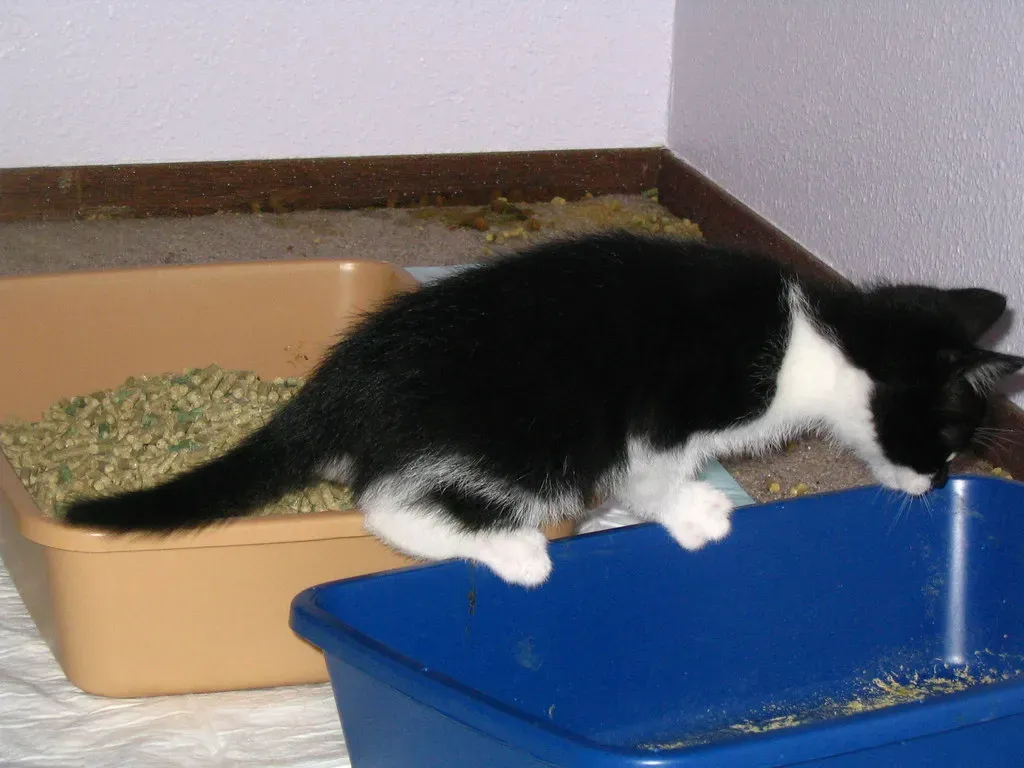
A dirty litter box is something cats strongly dislike, and they take it personally in the most practical way possible. Cats are naturally clean animals and may refuse to use a dirty or soiled litter box. You should scoop the litter box at least once a day, with twice per day being even better, to remove waste and clumps. When you delay, you’re not just causing an inconvenience. You’re creating a situation where your cat feels forced to use a space that offends their instincts.
Cats prefer a quiet, low-traffic area where they can relieve themselves without feeling exposed or startled. Placing the box near loud appliances, in heavily trafficked spaces, or close to their food and water bowls can deter them from using it. Location matters just as much as cleanliness. A litter box that ticks both boxes, so to speak, is one of the most basic and impactful things you can provide for your cat’s daily wellbeing.
5. How You’ve Been Feeling Lately

You might think your stress is your own business, but your cat disagrees. Cats discriminate their owner’s emotional reaction toward an unfamiliar object and adjust their behavior accordingly, expressing more positive behaviors and spending a longer time in contact with their owner when they appeared happy, whereas they displayed less positive behaviors in response to the owner’s angry expression. Your emotional state is information your cat is constantly processing.
Research revealed that cats’ behaviors changed significantly based on the emotional odors presented, particularly fear-related scents. When exposed to the “fear” odor, cats exhibited more severe stress-related behaviors. If you’re feeling low or anxious, your cat will sense that your mood has changed and might alter their behavior accordingly. The way in which they respond does vary. Some cats will pick up on your stress and become anxious themselves, especially if their routine changes or you interact with them differently. Their wellbeing and yours are more connected than you might expect.
6. Ignoring Their Attempts to Communicate
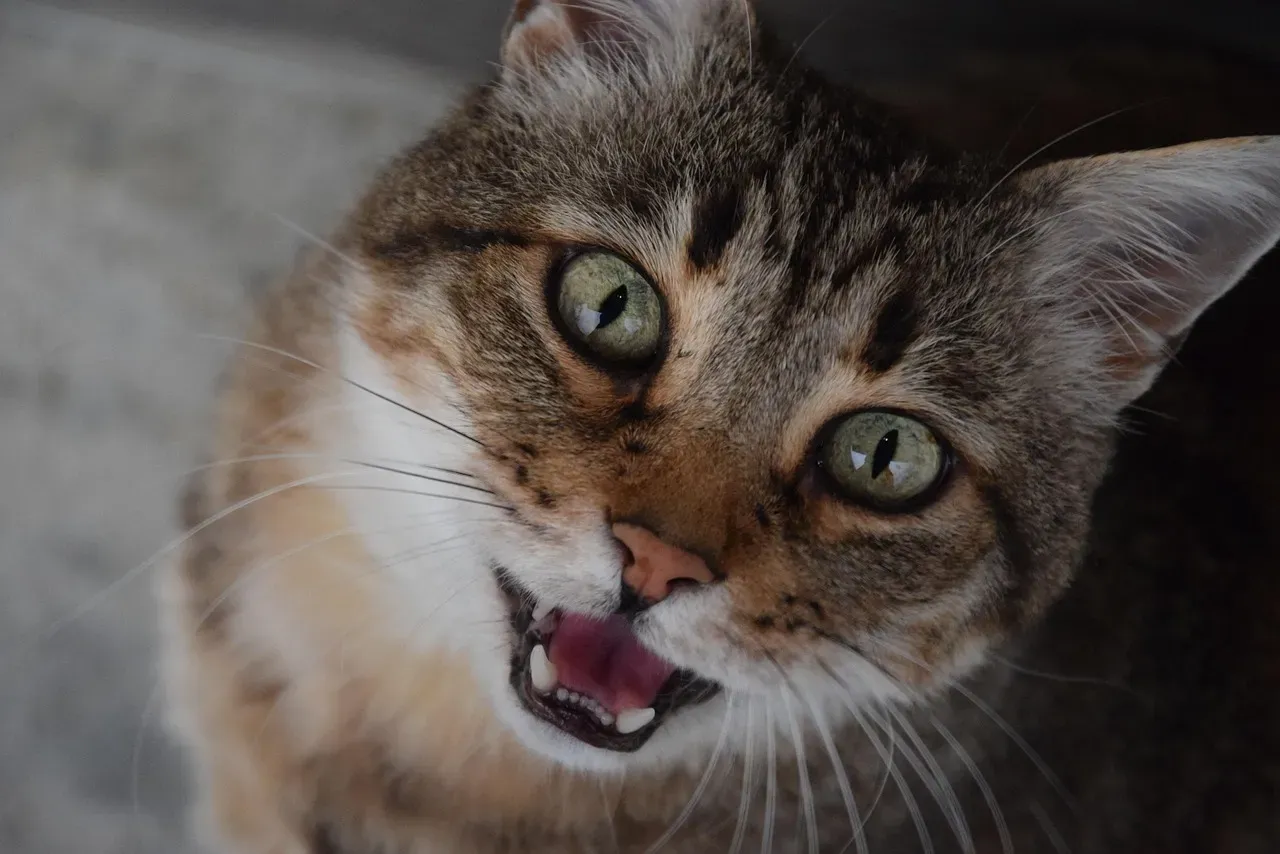
Cats learn specifically how their owners react when they make particular noises. If the cat thinks, “I want to get my owner from the other room,” it works to vocalize. They use straightforward learning. Over time, your cat has built up a repertoire of sounds and signals designed specifically to reach you. When you tune them out, they notice.
Scientists have identified more than a dozen different meows that cats make, each with its own meaning. In general, kittens use meows to communicate with their mothers, but grown cats employ them solely to communicate with humans. This is actually a rather remarkable fact. Adult cats don’t meow at other cats in the way they meow at you. That sound was developed for your benefit. Dismissing it repeatedly doesn’t teach them to be quiet. It just teaches them that you’re not paying attention.
7. Forcing Them to Interact with People They Didn’t Choose
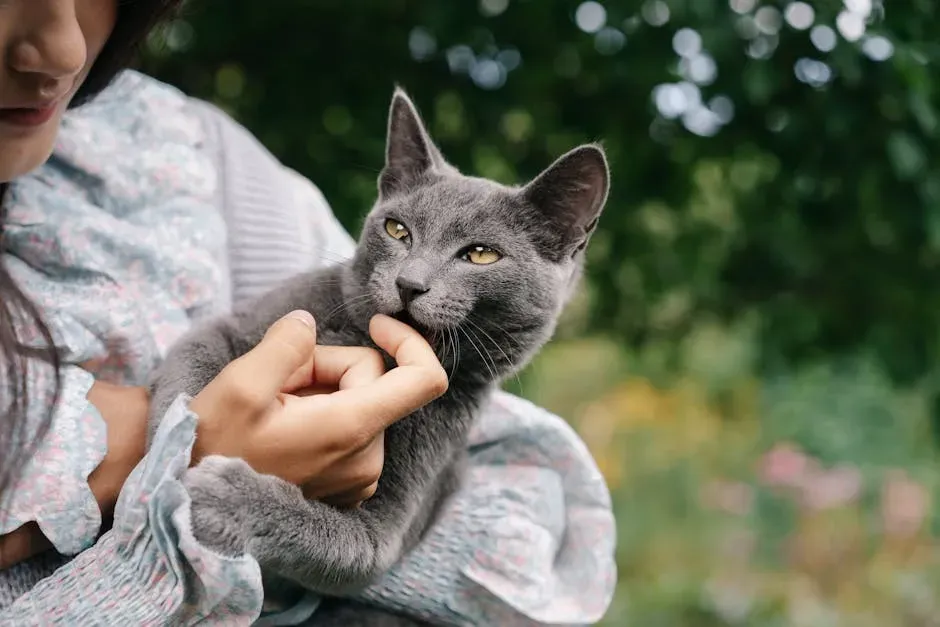
Cats notice your moods. They often gravitate toward calm, predictable humans, even curling up with people who are sad. Not because they’re feline empaths, but because sadness usually comes with stillness, quiet voices, and fewer sudden movements, all highly rated features in their world. When you invite a crowd of strangers into their space or push your cat into a visitor’s arms, you’re essentially ignoring the very social preferences their behavior is communicating.
The parties you throw at your house are the death toll of noise pollution for your feline. Events like this bring together all the conditions and noises that will drive your cat crazy, often forcing them to retreat to a small space to hide. So if you are planning a house party and know it will be loud with a group of guests, you must block out a quiet area in the house where your cat can retreat without being disturbed. That quiet room isn’t a sign of failure on your part. It’s one of the kindest things you can offer them on a busy social night.
8. Staring Them Down Without Understanding What It Means
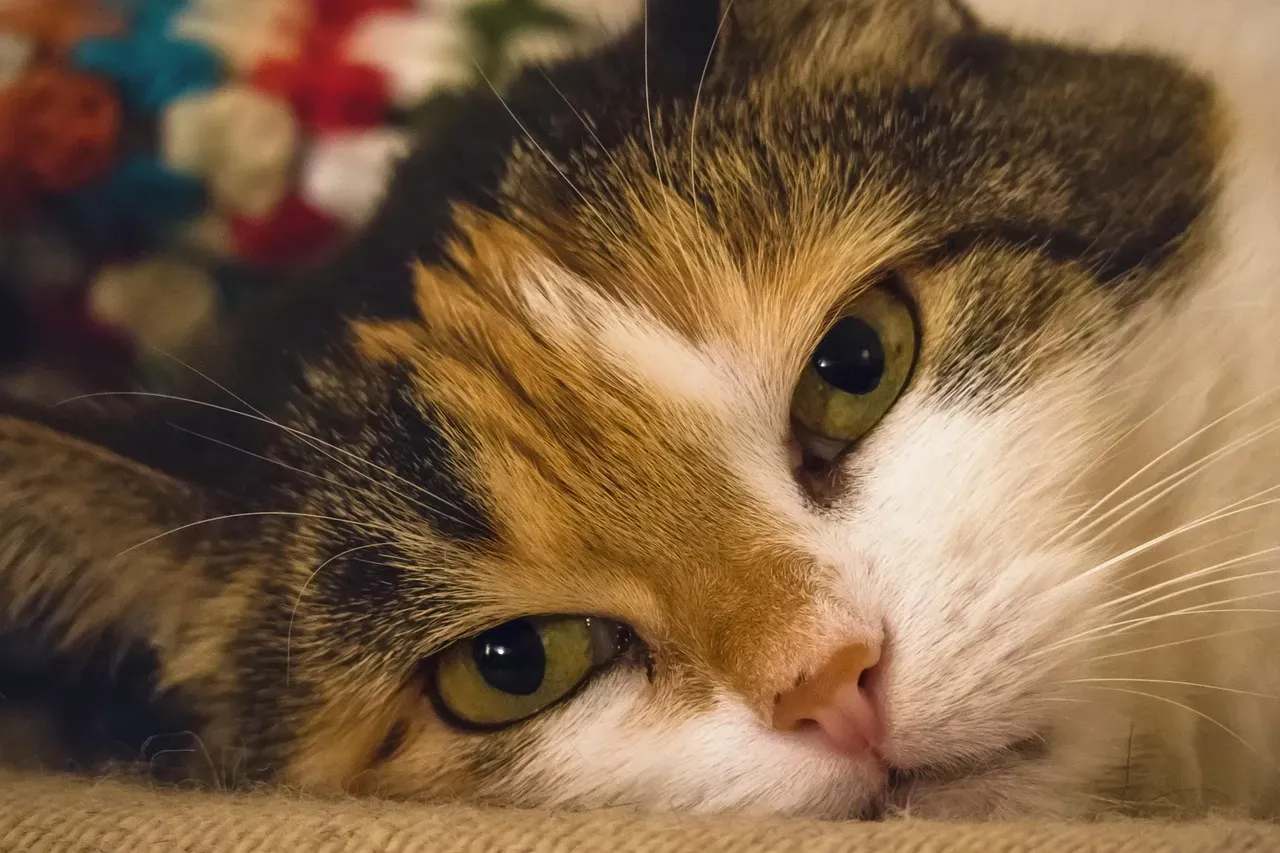
Cats often interpret direct eye contact as a sign of aggression, so owners need to learn how to read their cat’s body language to avoid it. The long, unblinking stare you give your cat while waiting for them to do something entertaining is, from their perspective, a fairly confrontational gesture. You mean nothing by it, but they have no way of knowing that.
One of the most heartwarming ways cats communicate through their eyes is the slow blink, often referred to as a “cat kiss.” This behavior is a sign of affection and trust, as cats typically avoid eye contact with those they perceive as threats. You can build your bond with your cat by mimicking this behavior. Try slowly blinking back at them when they do it, as it is a simple yet powerful way to show that you’re calm, relaxed, and reciprocate their trust. Once you understand this, your whole dynamic with your cat can shift. You stop being an unsettling presence and start being someone they genuinely feel safe around.
A Final Thought Worth Carrying With You
None of this is meant to make you feel like a bad cat parent. The truth is, most of the things your cat silently “judges” you for are things that are genuinely easy to adjust once you understand the reasoning behind them. Cats can recognize familiar humans, read emotional cues, and remember which people are worth approaching. They’re working with a surprisingly sophisticated internal map of who you are.
Cats, merely through their presence and behavior, can affect human moods, and human mood differences have been shown to affect the behavior of the cats. The relationship is circular and genuinely mutual. The more you learn to read them, the better they’ll respond to you. Cats and their owners have an incredible bond, and recent studies have shown how emotionally intelligent cats actually are. Our furry friends can interpret visual and auditory signals to pick up on our moods and act accordingly. They’re not withholding affection to punish you. They’re just waiting for you to speak a little more of their language.
Kristina is a young writer from India. An arts graduate and an avid content creator, Kristina is passionate about animals and wildlife. She enjoys exploring topics related to pet care, animal behavior, conservation, and nature, combining thorough research with engaging storytelling.