You’ve probably seen the image before: a ghostly cat with oversized paws and golden eyes slipping silently between snow-dusted spruce trees. The Canada lynx is one of those animals that feels almost mythological, partly because so few people ever catch a real glimpse of it in the wild. It’s often called the “ghost of the northern forests” because of its elusive nature and solitary lifestyle.
What makes this cat genuinely remarkable isn’t just the mystery around it. It’s the precision with which its entire body has been shaped by millennia of cold, deep snow, and a single prey animal that keeps the whole ecosystem in motion. Here are nine facts that reveal just how extraordinary this boreal predator truly is.
1. Its Paws Are Basically Built-In Snowshoes
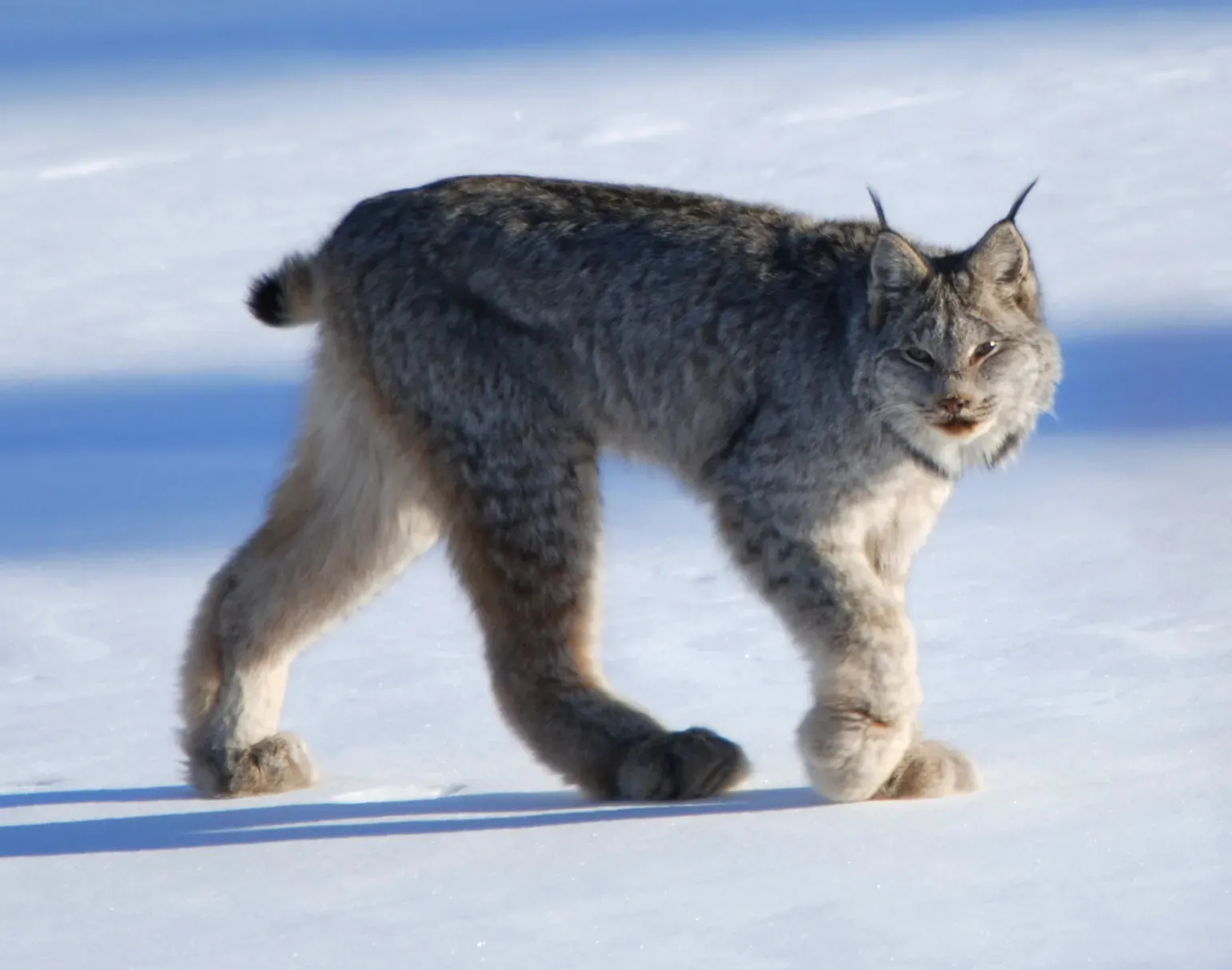
If you were designing an animal from scratch to hunt in deep powder snow, you’d probably end up with something a lot like the Canada lynx’s feet. The hind legs are much longer than the forelegs, and the front paws are bigger than the hind paws, with very dense fur growing between the pads. These large, spreading feet act like snowshoes, allowing the lynx to move in deep snow more easily than other carnivores sharing its territory.
The physics behind this are straightforward but impressive. Compared to their body size, lynx have huge paws and can spread their fur-covered toes apart, making the surface area even larger. Just like a pair of snowshoes on your feet, these giant paws help the lynx walk on top of packed snow rather than punching through it. What’s more, their feet are twice as effective at supporting their weight on snow as those of the bobcat.
2. Its Winter Coat Is a Masterpiece of Insulation
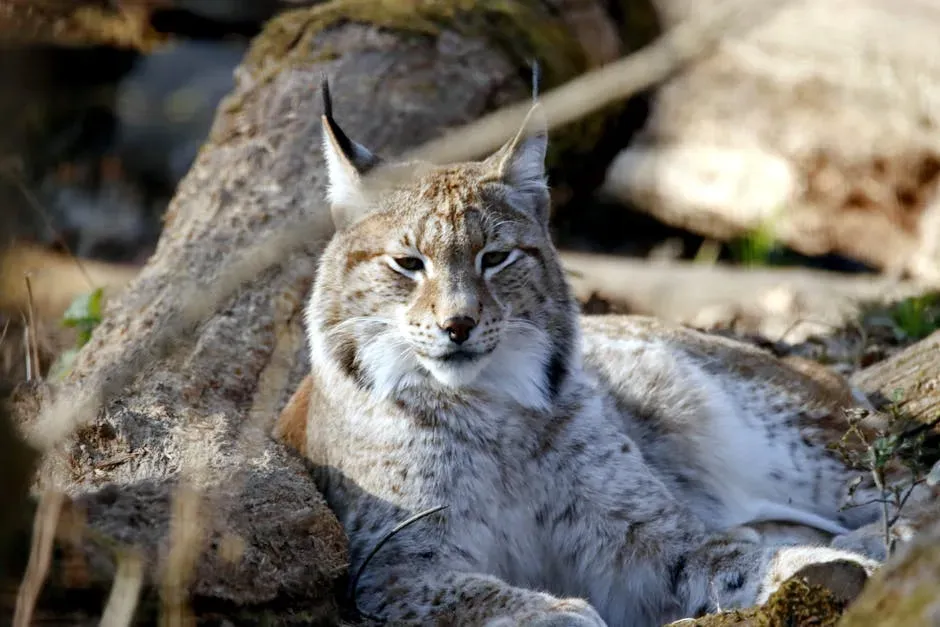
When temperatures in the boreal forest plummet to extremes that would be genuinely dangerous for most mammals, the Canada lynx stays functional and active. The lynx has a thick, dense coat of fur that provides insulation against cold temperatures. This isn’t a seasonal luxury – it’s a hard requirement for survival in a habitat where winters are long, dark, and severe.
Long, dense fur provides the Canadian lynx with insulation in subzero temperatures, while broad, snowshoe-like paws allow it to walk atop the snow. Its long legs and short tail reduce heat loss and help it stay warm, while its pointed ears with tufts of black hair may aid in detecting prey and enhancing hearing in snowy forests. Every feature seems to have a thermal or functional purpose.
3. It Doesn’t Hibernate – It Hunts All Winter Long
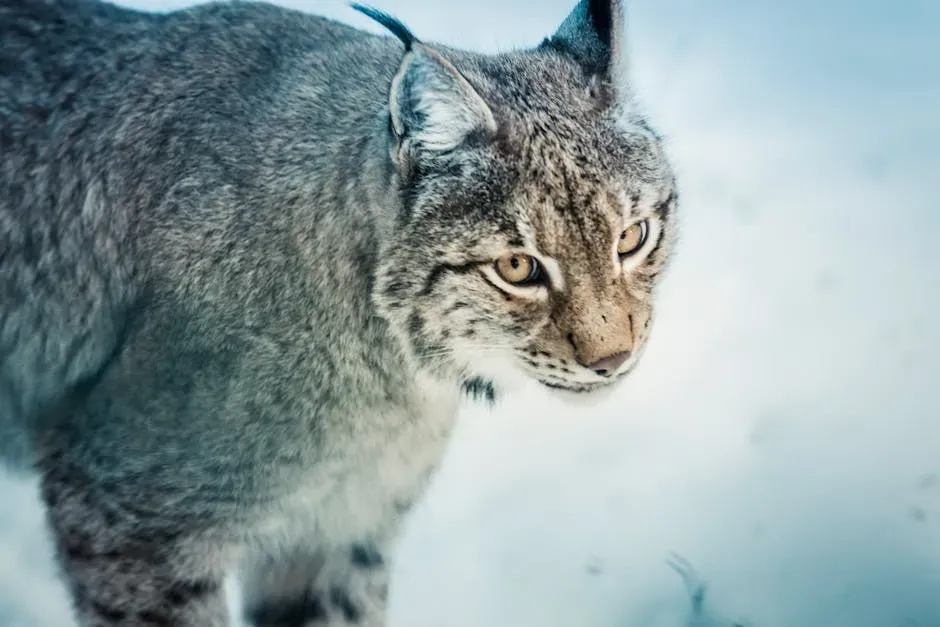
Many northern animals solve the problem of winter by simply sleeping through it. The Canada lynx takes a different approach entirely. Many animals hibernate or migrate to warmer climates in winter, but Canadian lynx are specially adapted to endure cold weather. In addition to a thick winter coat, the lynx has wide, padded, furry paws that work like snowshoes to help the big cat survive winter’s difficult conditions.
The lynx’s thick fur and fat reserves help it conserve energy during the cold winter months. Its seasonal movements are also influenced by snow depth and prey availability, allowing it to optimize hunting success. Staying active year-round means it needs a reliable food source – and that’s where the snowshoe hare comes in.
4. Its Life Is Deeply Tied to One Single Prey Animal

Few predator-prey relationships in the natural world are as tightly locked as the one between the Canada lynx and the snowshoe hare. Lynx rely on snowshoe hare as their main source of prey, with that single species comprising up to 96 percent of their diet. That kind of dependency is unusual in the animal kingdom, and it comes with real risks when hare populations fluctuate.
Snowshoe hare make up between 35 and 100 percent of the Canada lynx’s diet. It’s estimated that the lynx needs roughly half a snowshoe hare per day to meet its daily energy needs. When hare populations are high, lynx can eat up to one hare per day. The dependency is so complete that the lynx’s reproductive success, population density, and even migration patterns all follow the fate of the hare.
5. The Lynx-Hare Population Cycle Is One of Nature’s Most Famous Patterns
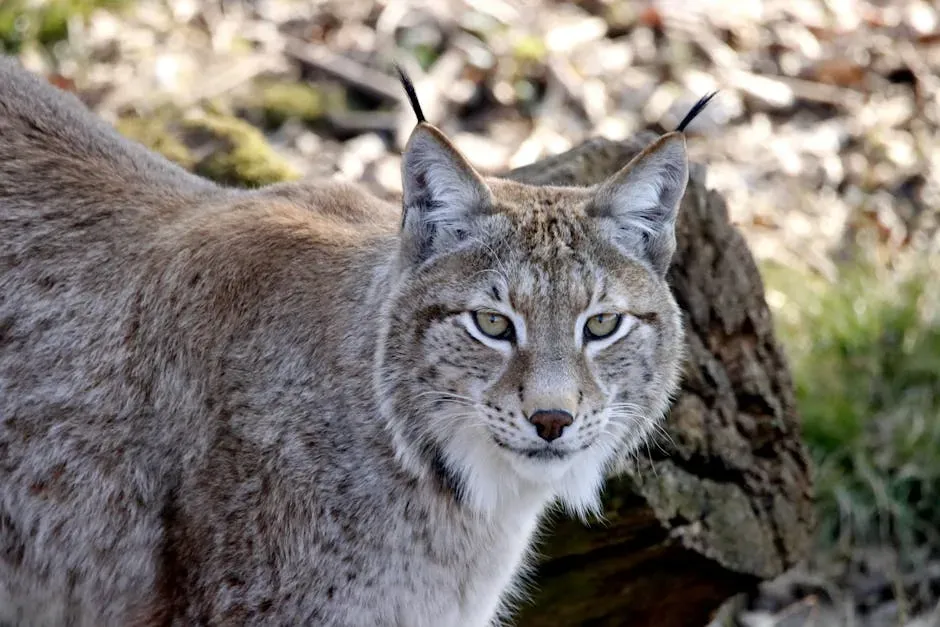
If you’ve ever studied ecology, you’ve likely encountered this relationship in a textbook. One of the most remarkable aspects of the lynx-hare relationship is the roughly 8-to-11-year population cycle exhibited by snowshoe hares, with lynx numbers following the same pattern. It’s a rhythm that has been playing out across the boreal forest for centuries.
When hare populations plummet, lynxes often move to areas with more hares, sometimes covering over 1,000 km, and tend not to produce litters. As the hares’ numbers increase, so does the lynx population. Estimated survival rates of unharvested populations are up to 90 percent during periods of high prey abundance and as low as 25 percent during the first year of low hare densities. The cycle is unforgiving, but it’s also oddly elegant.
6. It’s a Patient, Precise Ambush Predator
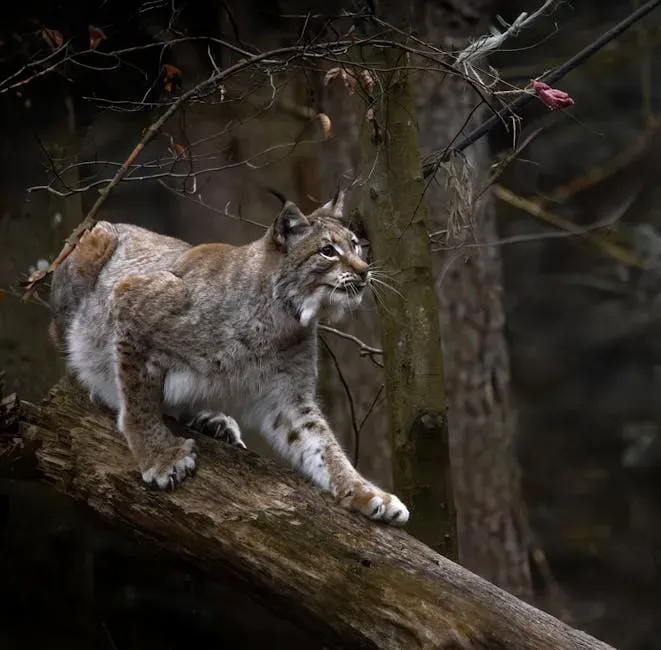
The Canada lynx doesn’t chase prey across open ground for miles the way a wolf might. Its hunting style is quieter and more deliberate. An ambush predator, the Canada lynx can lie in wait for its prey for hours. It usually hunts at night, relying more on sight and hearing than on sense of smell to catch prey.
The Canada lynx waits for the hare on specific trails or in “ambush beds,” then pounces on it and kills it with a bite on the head, throat, or nape of the neck. They can spot prey in the darkness from roughly 250 feet away. That combination of patience and precision makes the lynx one of the more effective night hunters in the northern forest.
7. Its Paw Prints in Snow Are Surprisingly Large
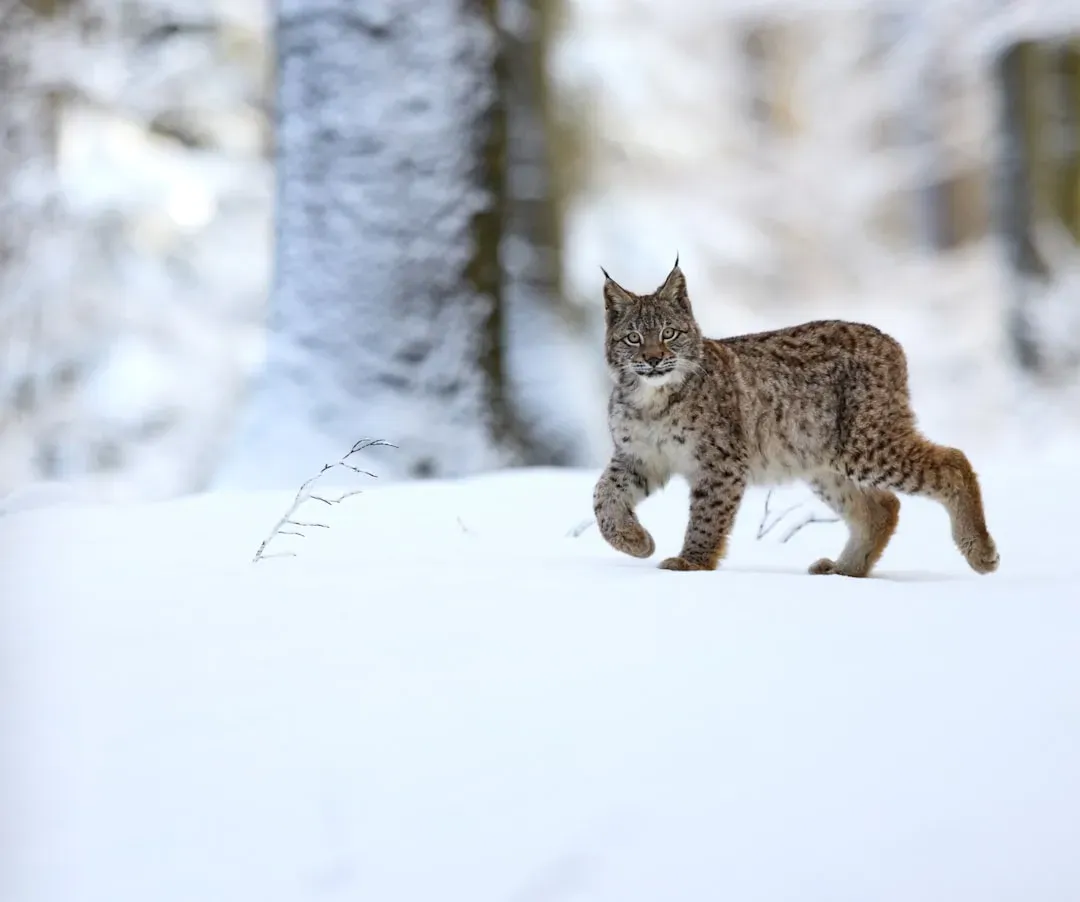
One of the most disorienting things about finding Canada lynx tracks in fresh snow is the size. The lynx’s large, well-furred feet act like snowshoes when moving across deep snow. In fact, its paw print is so big it can be the same size as the print of the much larger cougar. That size discrepancy is a striking reminder of just how specialized these feet have become.
In dirt, lynx tracks are roughly 76 to 95 mm long and 89 to 114 mm wide, whereas in snow they expand noticeably – reaching around 110 mm long and 130 mm wide. The snow causes the paw to splay, spreading those fur-covered toes outward and increasing the surface area further. It’s a natural engineering solution that no amount of human gear design has quite replicated.
8. It Has Exceptional Senses Designed for Low-Light Winter Hunting
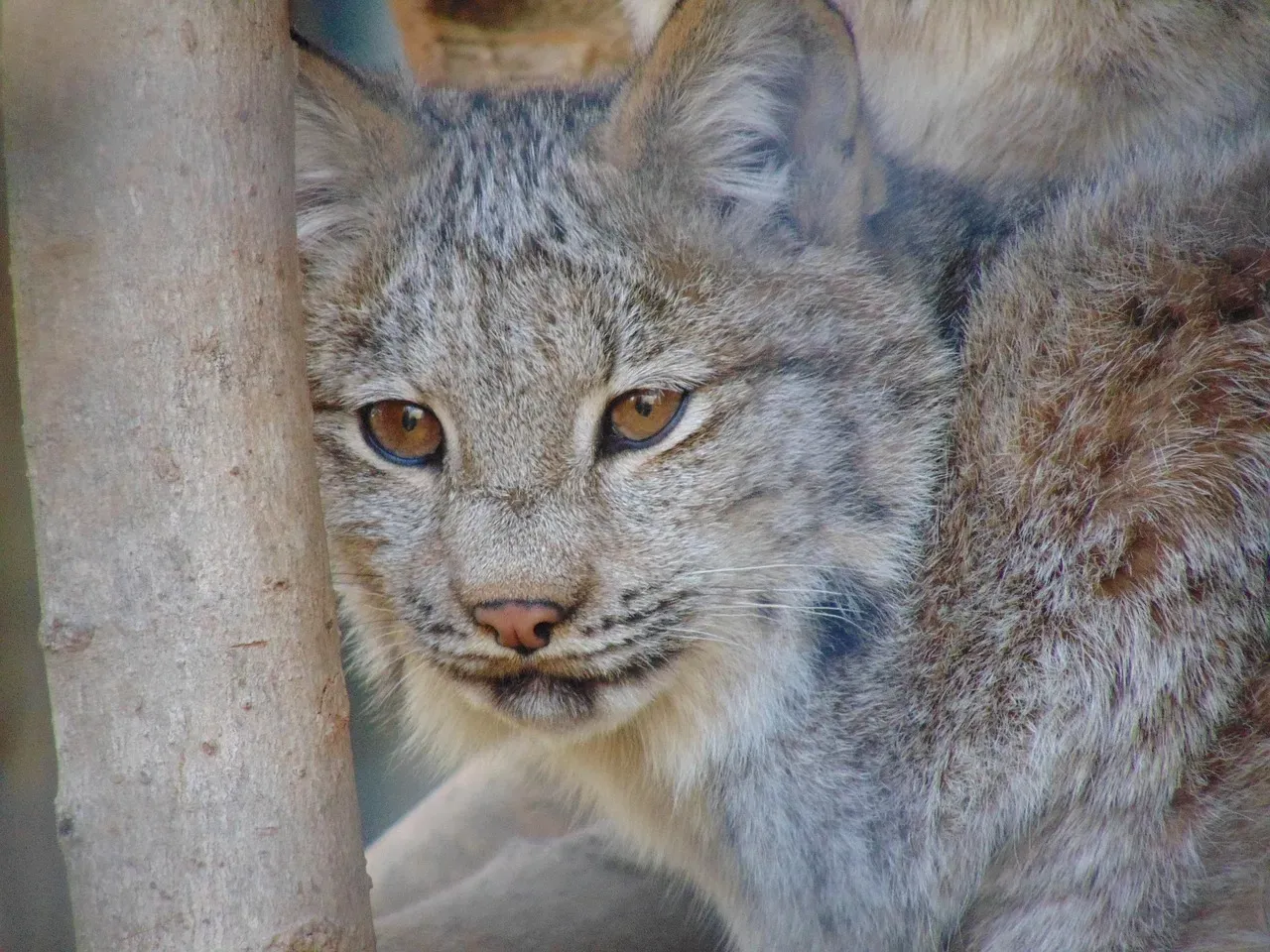
Winter in the boreal forest means short days and long, dark nights. The Canada lynx is well-equipped for exactly those conditions. Like all cats, the Canadian lynx has exceptional night vision, thanks to a layer of mirror-like cells in their eyes called the tapetum lucidum. Light that is unabsorbed by the retinal receptor layer hits the tapetum lucidum and is reflected back for another chance at absorption. This is why cat eyes shine in the dark.
Their sensitive whiskers, quick reflexes, and acute hearing also help the lynx hunt at night. The lynx’s keen eyesight and excellent night vision allow it to hunt efficiently during the low-light conditions common in winter months. When you combine those senses with fur-padded paws that move almost silently across snow, you’ve got an animal that’s essentially invisible until it decides to strike.
9. Climate Change Is Quietly Eroding Its Greatest Competitive Advantage
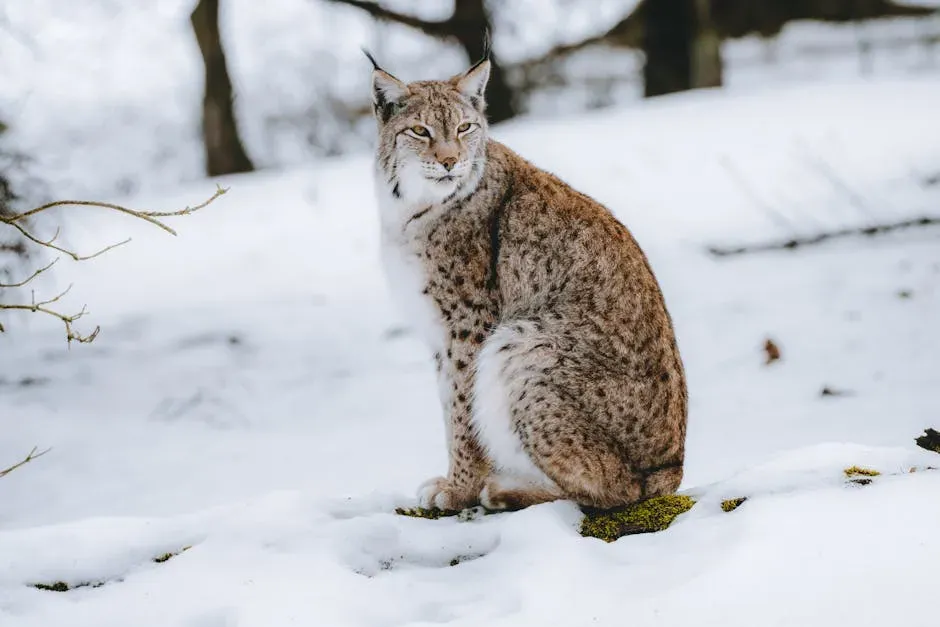
The Canada lynx has thrived in snowy boreal forests for thousands of years, but its survival strategy depends on one critical ingredient: deep, consistent snow. Warmer winters mean less snow, which both species rely on, as well as faster and more frequent melting. With less consistent snow cover, lynx lose their competitive winter advantage and face greater competition from coyotes and bobcats.
Deep snow may become less and less of a hurdle for competing predators. Over the last two decades, maximum snow depth in the Kluane study region in the Yukon has fallen significantly. If climate change means a future with longer periods of shallower snow, coyotes may kill more hares, adding hunting pressure that could depress hare populations and ultimately drag down lynx numbers as well. As temperatures increase and warmer seasons grow longer, Canadian lynx and snowshoe hares are already migrating to find colder weather, creating smaller ranges for both species.
Conclusion
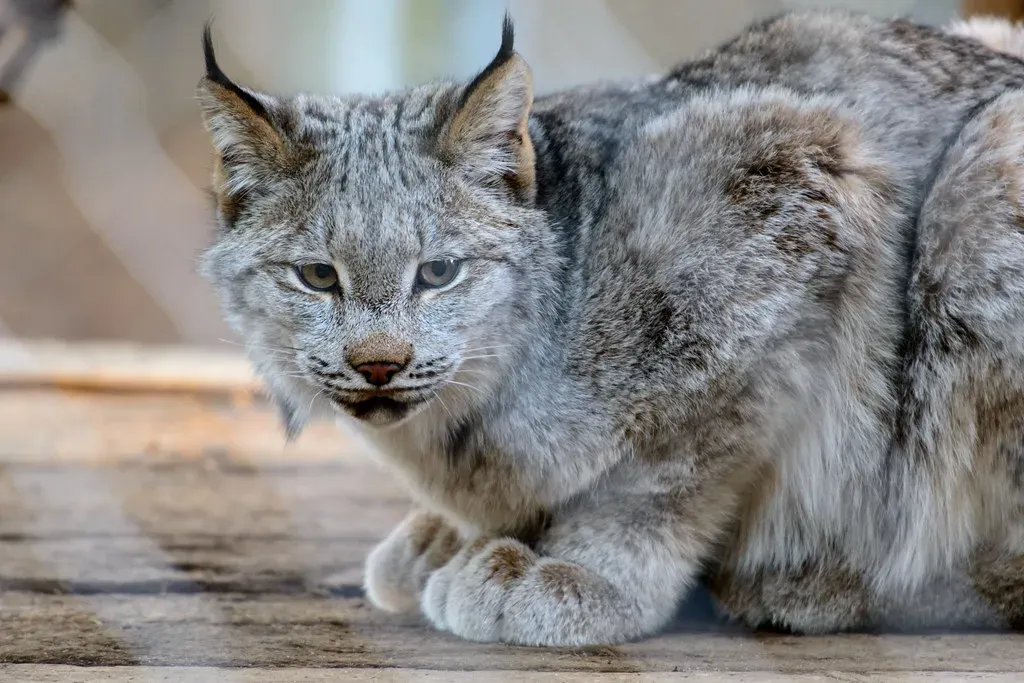
The Canada lynx is a compelling case study in what happens when evolution has had a very long time to solve a very specific problem. Every physical feature, from the oversized snowshoe paws to the dense winter coat, points back to a single purpose: surviving and hunting in deep snow. What you’re looking at when you see this animal is millions of years of cold-climate refinement, expressed in fur and muscle and bone.
What makes it worth paying attention to right now is how vulnerable that specialization has become. The Canada lynx plays an important part in boreal ecosystems by regulating hare populations. It also serves as an indicator species for boreal forest integrity, and a stable lynx population often implies healthy forest stands with intact prey populations. The lynx doesn’t just depend on its ecosystem – it reflects the health of it. When conditions shift and the snow retreats, the ghost of the northern forests has nowhere left to hide.
Kristina is a young writer from India. An arts graduate and an avid content creator, Kristina is passionate about animals and wildlife. She enjoys exploring topics related to pet care, animal behavior, conservation, and nature, combining thorough research with engaging storytelling.