Cats are among the most popular companions in the world, yet they remain genuinely misunderstood by the very people who love them most. You might share your home, your sofa, and occasionally your pillow with a cat, but there’s a strong chance you’re reading their signals wrong more often than you realize.
The gap between how cats actually experience their world and how we assume they do is wider than most people expect. Science has been quietly closing that gap over the past decade, revealing a creature far more emotionally complex, socially nuanced, and instinct-driven than the “aloof and independent” stereotype suggests. Here’s what your cat has been trying to tell you all along.
You’re Not the Boss, But You’re Not the Servant Either
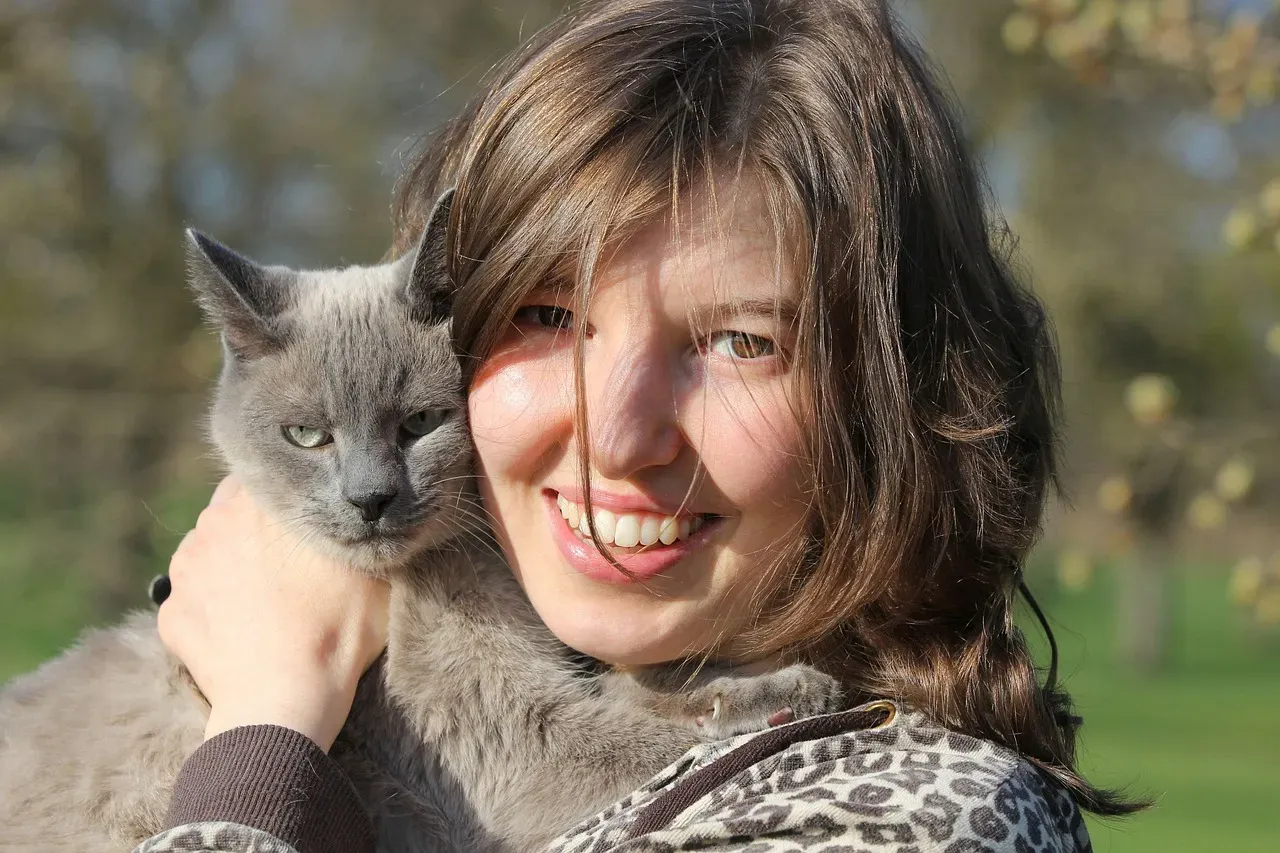
Your cat doesn’t see you as an authority figure. According to cat behaviorist John Bradshaw, cats don’t actually realize that you are a completely different species. They know you are bigger than them, but they haven’t adapted much of their social behaviors when it comes to how they interact with you. That changes the whole dynamic, doesn’t it?
Cats rub around your legs, lift their tail into the air, and groom you, just like they do to fellow cats. They only do these things to those they respect or are comfortable with. So when your cat headbutts your chin first thing in the morning, that’s not a demand. It’s a greeting between equals.
Your Cat’s Slow Blink Is Saying Something Important
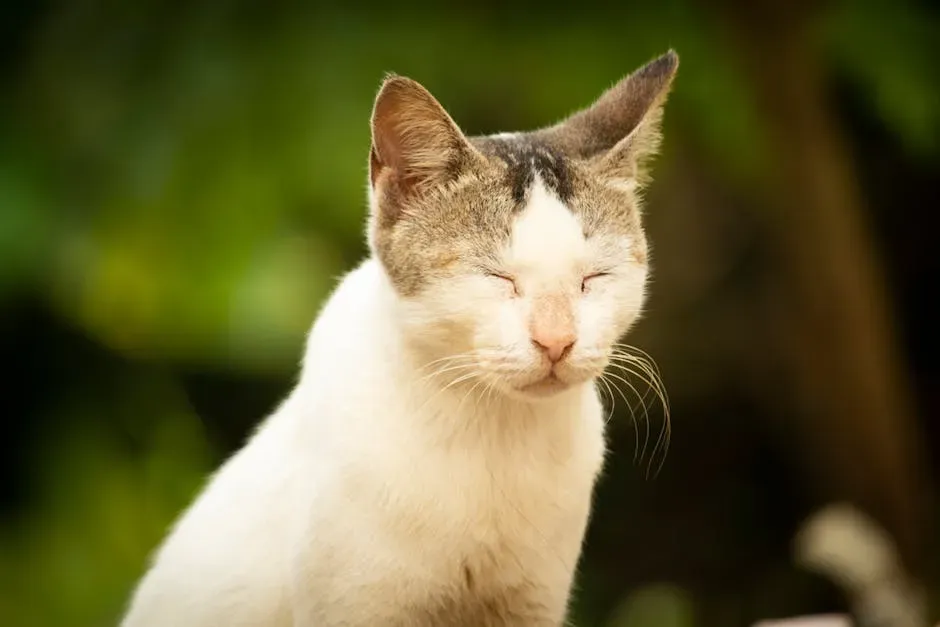
When cats feel relaxed and content, they naturally narrow their eyes and blink slowly. This facial expression closely resembles the soft squint humans make when smiling. In other words, it’s a cat’s way of expressing friendliness and trust. Most people simply miss it entirely, interpreting a relaxed cat as an indifferent one.
Studies suggest that this behavior releases oxytocin, a hormone associated with bonding. Responding to your cat with a slow blink can strengthen the bond between you. Try it the next time your cat catches your eye from across the room. The response you get might surprise you.
That Exposed Belly Is Not an Invitation
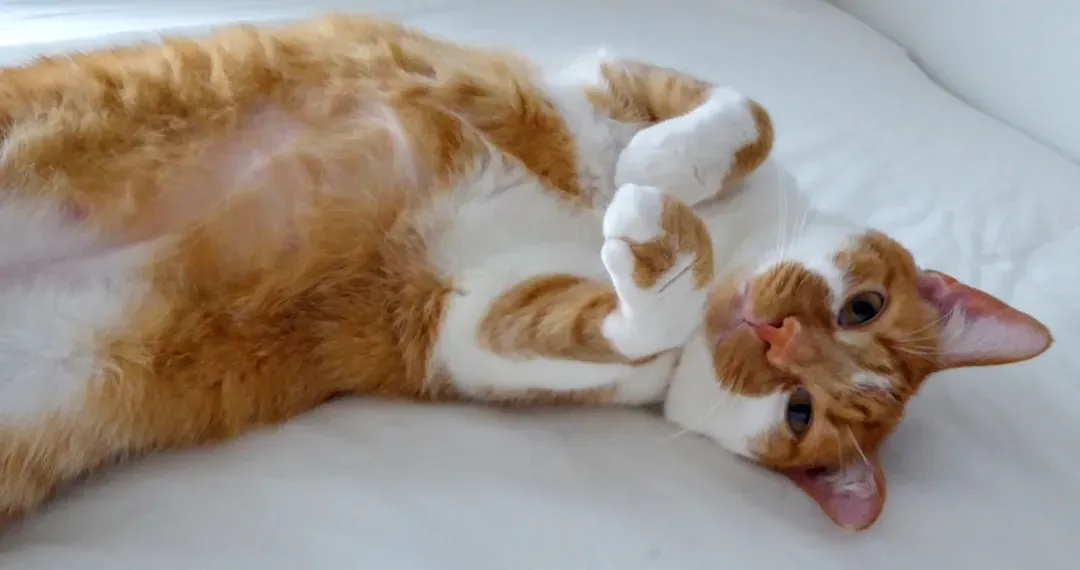
Many people, after learning that a cat exposing itself feels comfortable, may see a cat with its belly up and think it’s safe to rub or pet the cat’s belly. The exposed belly is a sign of comfort and trust, but it is not necessarily an invitation for a belly rub. Many people have touched a cat’s stomach only to have the cat instantly seize up, latching onto their hand with claws and teeth.
Your cat isn’t being unpredictable or spiteful when this happens. The belly-exposed position demonstrates trust, because cats will often protect their belly in fearful situations. Showing you their belly is a compliment. Touching it without consent is a different matter entirely. Learn to admire from a respectful distance.
Your Cat Still Needs to Hunt, Even If They Never Go Outside
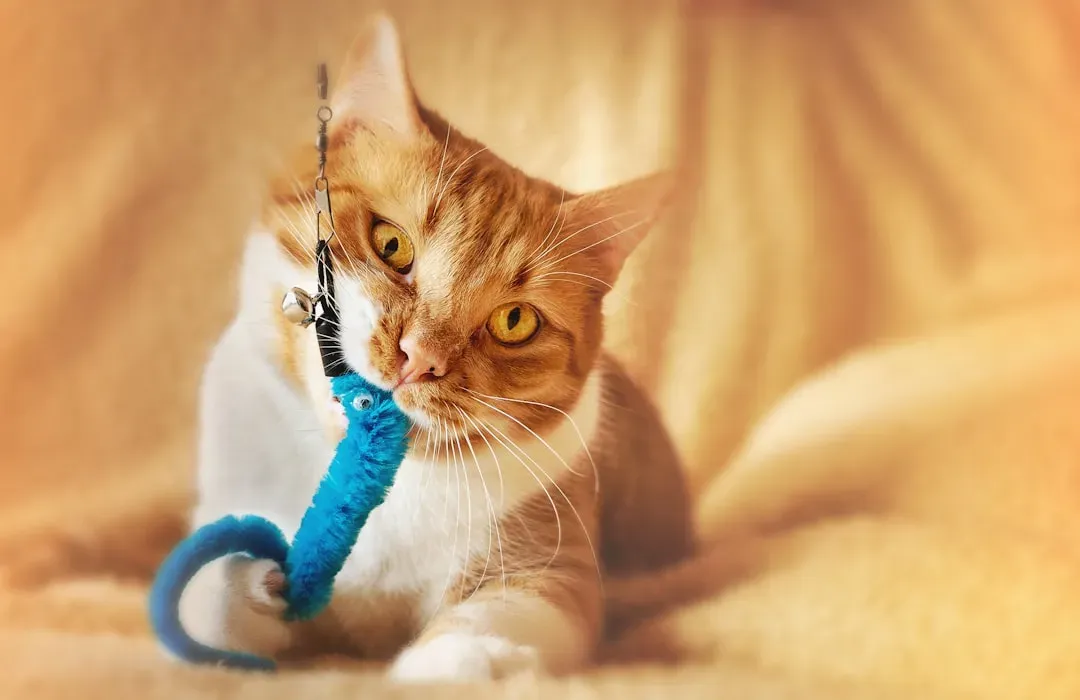
Indoor cats are fascinating creatures that carry within them the same powerful hunting instincts as their wild ancestors. Despite being removed from the natural environment where these behaviors evolved, domestic cats retain an intense prey drive that demands fulfillment. Ignoring this need doesn’t make it disappear.
Indoor cats may lack experience with real prey, but their instincts are fully intact and easily activated. A 2021 study suggests that indoor cats may actually be more motivated toward predatory play than cats with outdoor access, showing more intense reactions to prey-like stimuli. Excessive meowing, destructive scratching, or aggressive behavior toward other pets might indicate that hunting instincts aren’t being adequately fulfilled. A daily wand toy session isn’t optional enrichment. For your cat, it’s closer to a necessity.
Their Sleep Schedule Makes Sense If You Understand Why
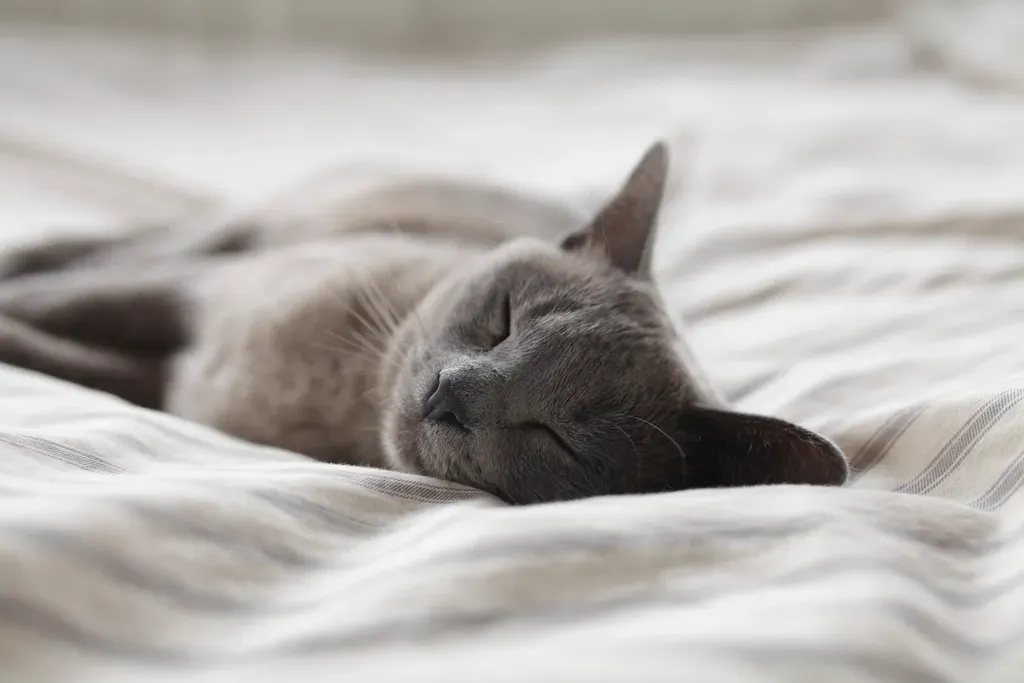
Unlike humans, who typically sleep in one long stretch, cats break their sleep into multiple short sessions. This behavior allows them to remain alert to potential threats or opportunities for hunting. Those midday naps you find charming aren’t laziness. They’re a survival strategy embedded over thousands of years.
Cats are predatory crepuscular animals, which means they are naturally more active during dawn and dusk when their prey is more available. Night-time is when cats are most attuned to their hunting instincts, and all their refined senses are heightened, even if they’re not hunting. Playing with your cat for 15 minutes right before you head to bed, then giving them a snack or their last meal of the evening, means your cat will have completed two critical steps of their natural cycle and will be prepared to settle in to groom and fall asleep. That’s how you negotiate a decent night’s rest with a creature still wired for the wild.
Scent Is Their Primary Language
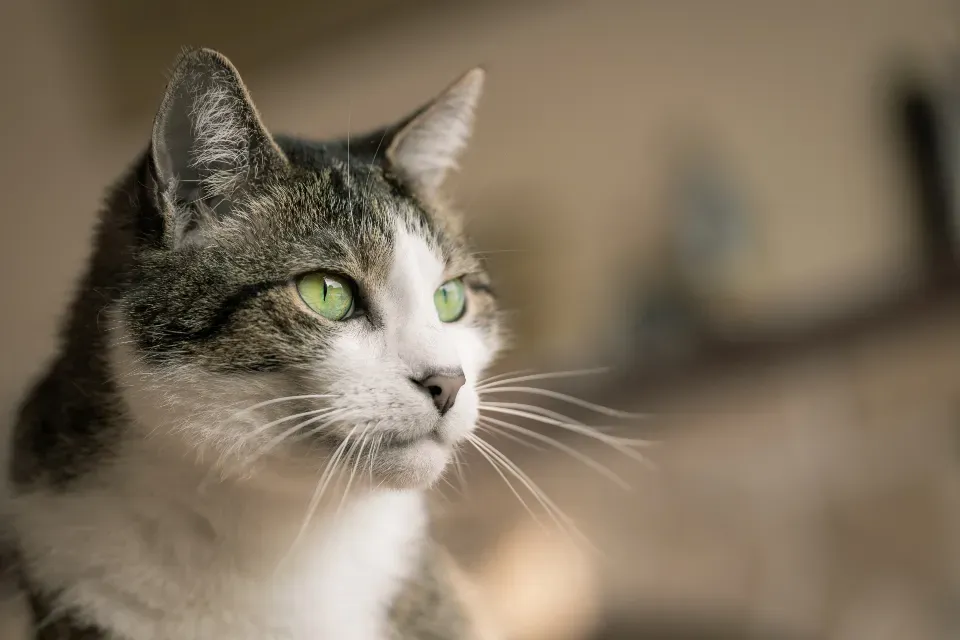
There are scent glands in the cheeks, the chin, the top of the head, and the base of the tail. Cheek rubbing and scratching are also forms of marking. When a cat scratches a surface, the glands in their feet release pheromones and, in addition, the claw marks serve as long-lasting visual communication. What you see as furniture damage is, to your cat, a perfectly reasonable way to say “I live here.”
You might notice your cat face-rubbing around your home, on corners of walls, furniture, or fences. This is because cats commonly use this technique to mark familiar surroundings where they feel safe, secure, and content. Triggers for anxiety-related marking problems may include significant changes in routine like moving to a new house and the introduction of a new spouse, new baby, or new cat, but may also include more subtle changes such as changes in the owner’s daily routine or reorganization of existing furniture within the home. Your cat’s nose is working overtime to make sense of the world you share together.
They Feel Fear, and You Might Be Causing It Without Knowing
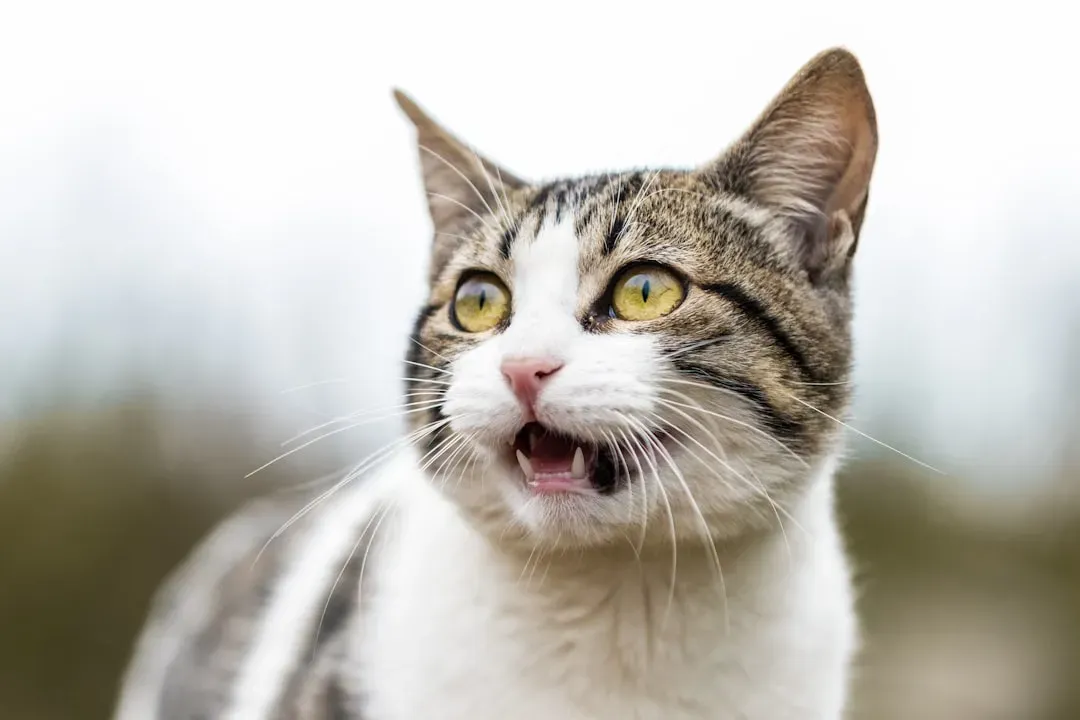
Cats absolutely do think about fear and feel frightened in situations they consider threatening. For wild cats, fear is an important and day-to-day thought to keep them out of danger. For domestic cats, fear is usually felt when another cat threatens them on their territory, you put them in a carrier to go to the vet, you disturb them when they are sleeping, or if you show anger toward them.
Cats live in the moment and their behavior is driven by action and consequence. This is commonly misinterpreted by humans as motivation for certain behaviors, but cats don’t hold grudges or plot revenge. So a hiss is not an act of retaliation, but simply them letting you know that they didn’t like something. Cats may experience distress when their individuality, including their personal history of lifetime experiences, is not appropriately considered. This may be especially true when a cat is rehomed, or when new people or animals appear in their established household or territory. Understanding this can completely shift how you respond during tense moments.
Height and Vertical Space Matter More Than You Think
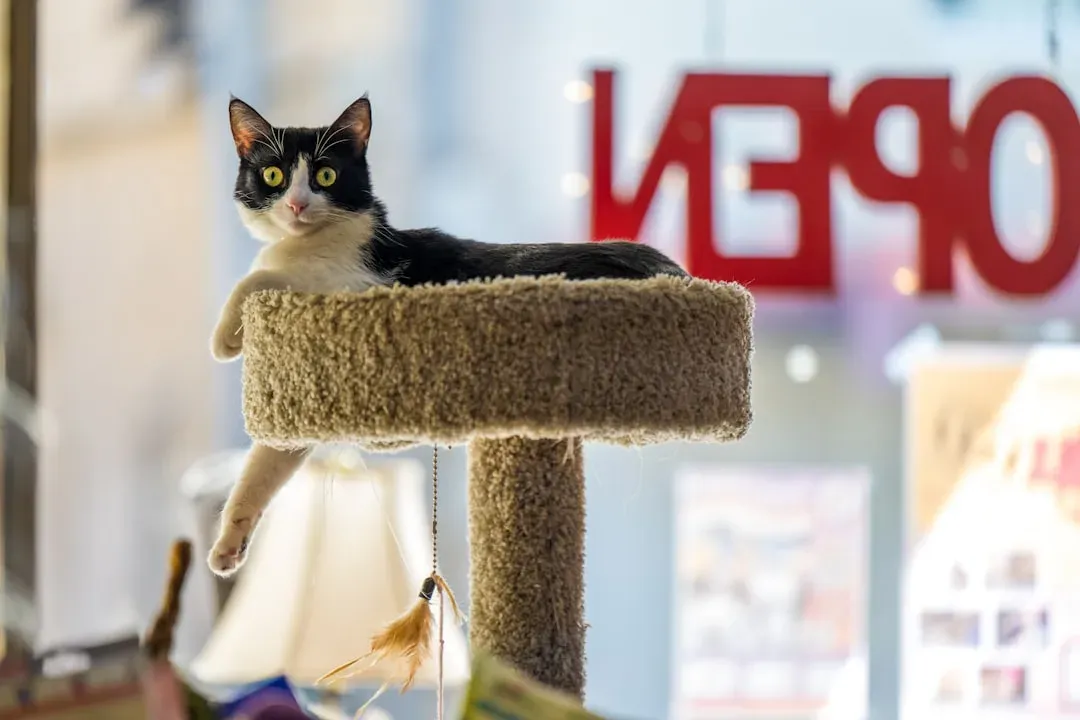
Cats feel secure when they can survey their environment from above. Height is currency in a cat’s world, and providing vertical space is one of the most effective ways to reduce stress, especially in multi-cat homes where ground-level territory creates conflict. A home with no elevated spaces is, from your cat’s perspective, a much more stressful place to live.
A puzzle feeder at mealtime, a few elevated resting spots, a daily wand-toy session, a rotating selection of scented toys, and respectful social interaction covers every major feline need. The common thread is giving your cat choices and control: where to climb, what to investigate, when to play, and how to interact with you. Cats that feel in control of their environment are calmer, healthier, and more social. That last part is worth sitting with. Control and predictability aren’t just human needs.
Conclusion
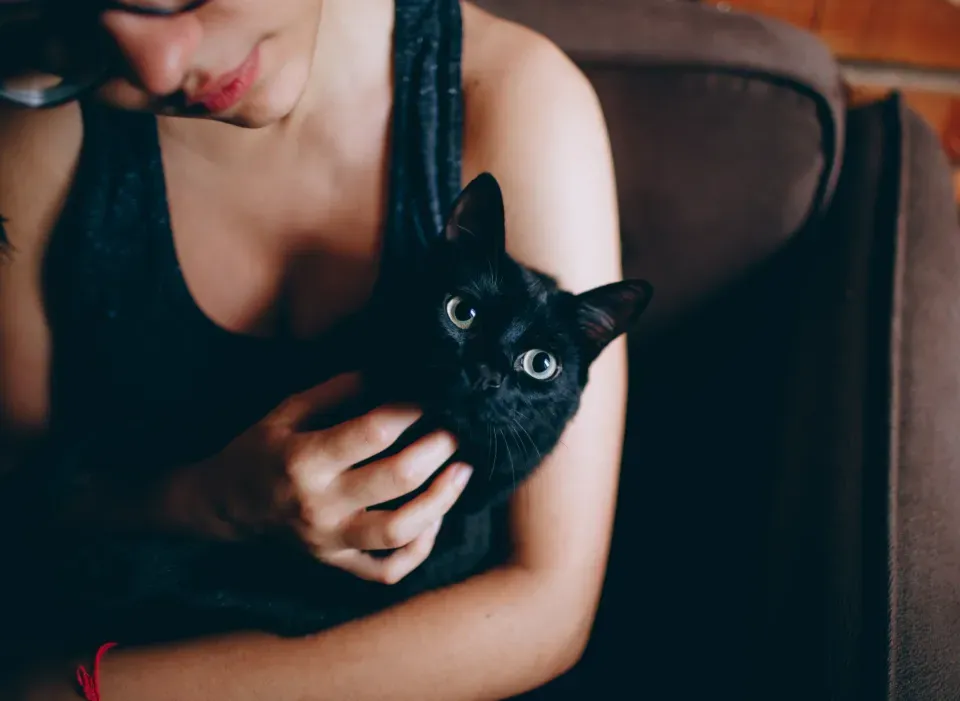
Cats are not mysterious for the sake of it. Their behaviors, from the slow blink to the belly-up pose to the 3am sprint down the hallway, all make perfect sense when you understand the biology and instincts behind them. They’re simply operating on a set of rules that evolved long before your living room existed.
The more you learn to read their signals on their terms, the more rewarding the relationship becomes. Your cat isn’t asking you to change everything. They’re asking you to pay closer attention to a language that’s been there all along.
Kristina is a young writer from India. An arts graduate and an avid content creator, Kristina is passionate about animals and wildlife. She enjoys exploring topics related to pet care, animal behavior, conservation, and nature, combining thorough research with engaging storytelling.